Cyprus: The Unspoken Rules That Shape Foreign Purchases
A lifestyle‑first look at Cyprus that pairs sensory neighbourhood stories with the legal realities—VAT vs. transfer fees, non‑EU approvals and the local red flags every buyer should know.
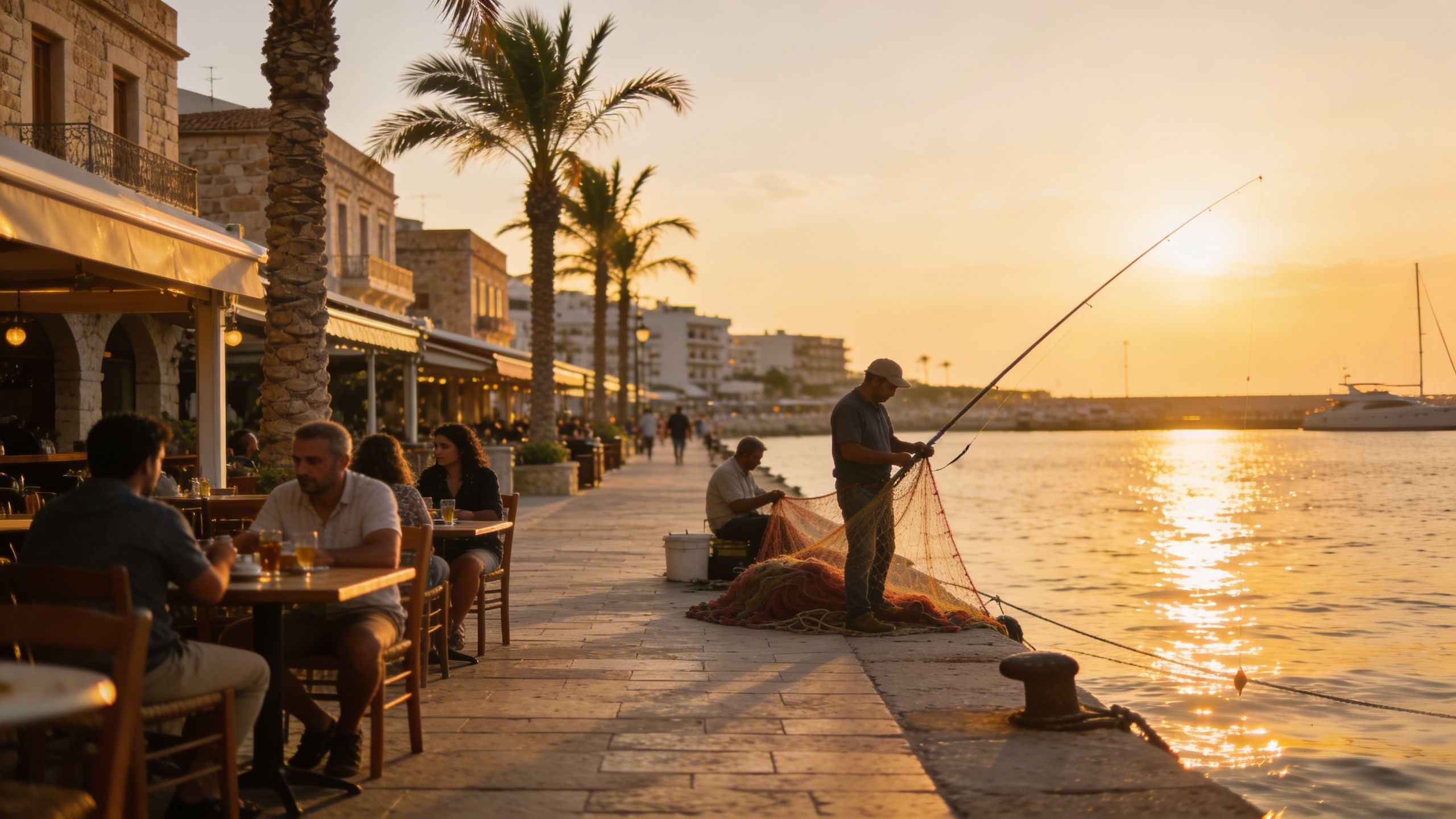
Imagine stepping out at dawn to a stone‑paved square in Limassol, the air warmed by citrus trees and the sea glinting beyond tiled roofs. In Cyprus, mornings begin with the practical: small grocers opening, workmen unloading timber, neighbours exchanging news. By late afternoon the island leans into a different tempo—coastal promenades fill with cyclists, tavernas set tables, and villages high in the Troodos mountains quiet into long golden light. This is not a place of showy extremes but of considered rhythms; it is the character of those rhythms that shapes what and where you buy.
Living the Cyprus life — how place informs property
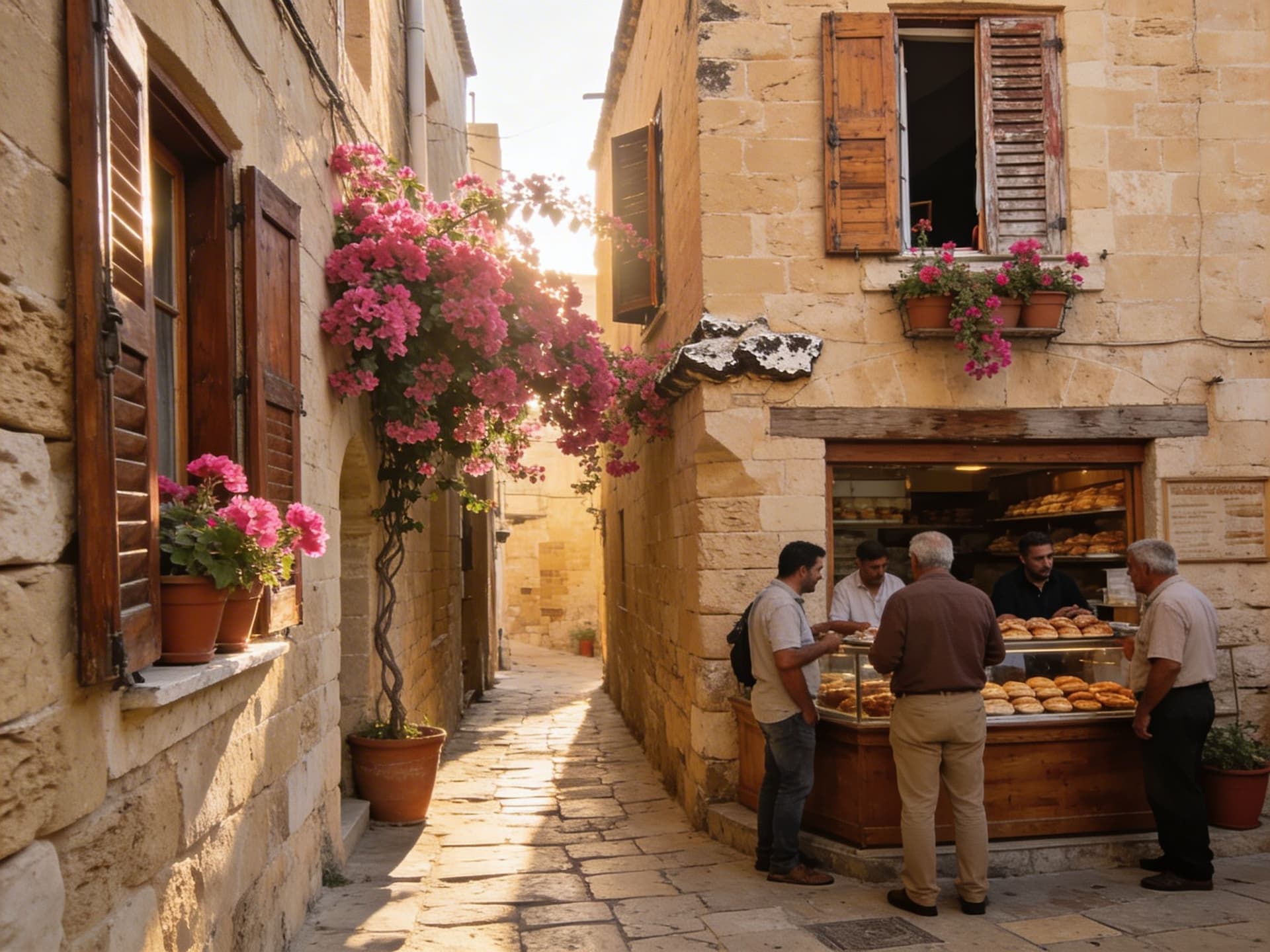
Cyprus is compact yet varied: Limassol’s Mediterranean confidence, Nicosia’s layered historic core, Paphos’s archaeological calm and Pissouri’s village reserve. Each locality imposes a different daily ritual — morning coffee on a harbour promenade, a late lunch under bougainvillea, or a Sunday market where farmers trade carobs and heirloom cheeses. Those rituals are the first filter for a buyer who wants more than a house: they want a life that can be maintained year after year.
Neighbourhoods worth visiting twice
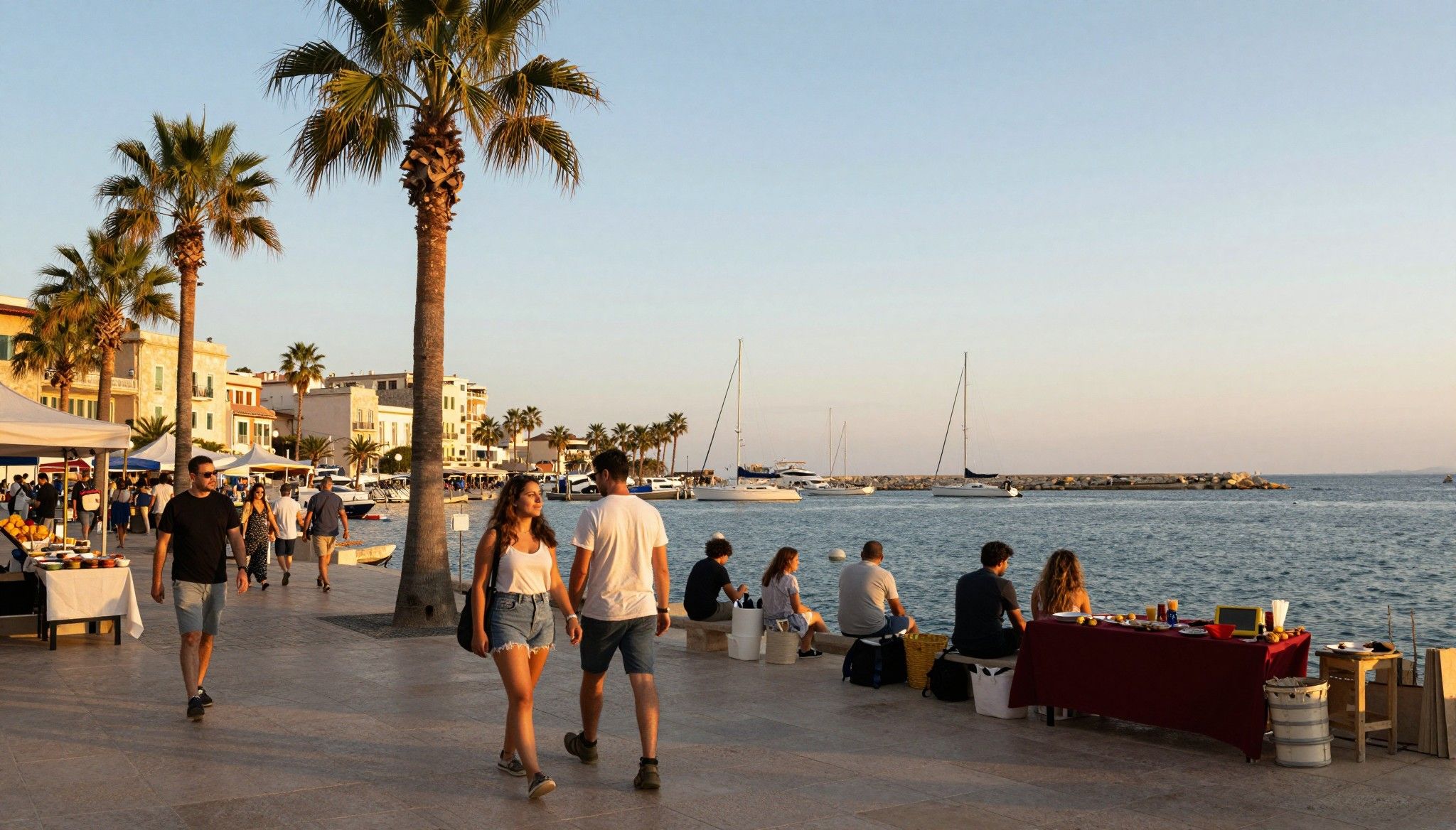
Walk Limassol’s old port at dusk to see how a thorough restoration of warehouses has created discreet boutiques and quiet, well‑crafted bars. In old Nicosia near Ledra Street, narrow lanes reveal stone courtyards and a rhythm measured by neighbourhood bakeries. For a different pace, Paphos’s Kato Paphos offers coastal promenades and archaeological gardens, while Tala’s hillside properties prize garden privacy and long sea views. These are the streets where neighbours still know one another’s names; for many buyers that social capital is as valuable as the square metres.
Food, seasons and how they shape choice
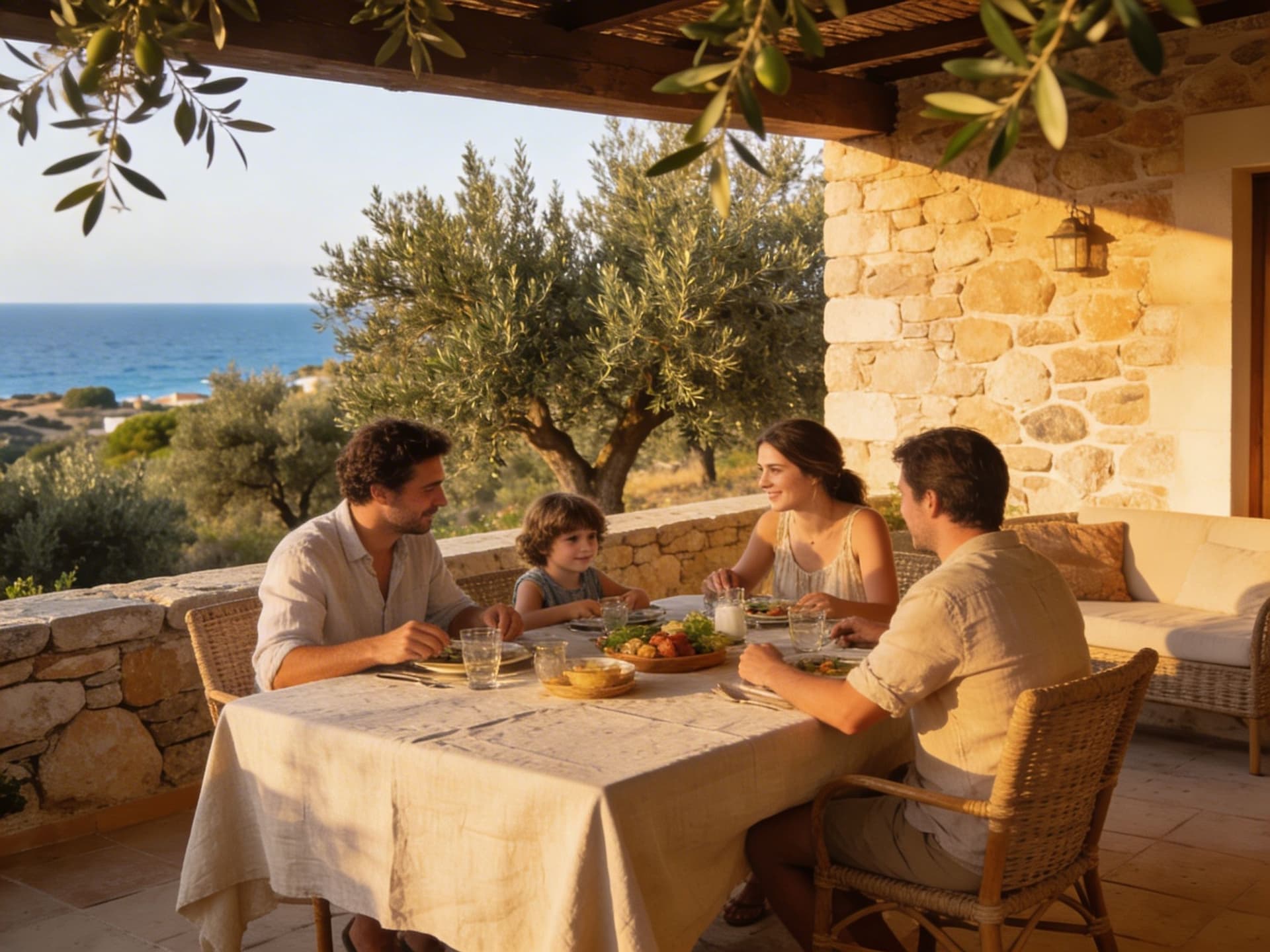
The island’s calendar is culinary and communal. Autumn is for grape harvests and village festivals; winter brings citrus and slow lunches; summer is terrace life and early‑evening strolls. If you imagine weekend al‑fresco dining as central to your life, properties with generous terraces and north‑south orientation matter more than a pool. Conversely, if you yearn for alpine quiet, a renovated stone house near Troodos will trump a modern seafront apartment every time.
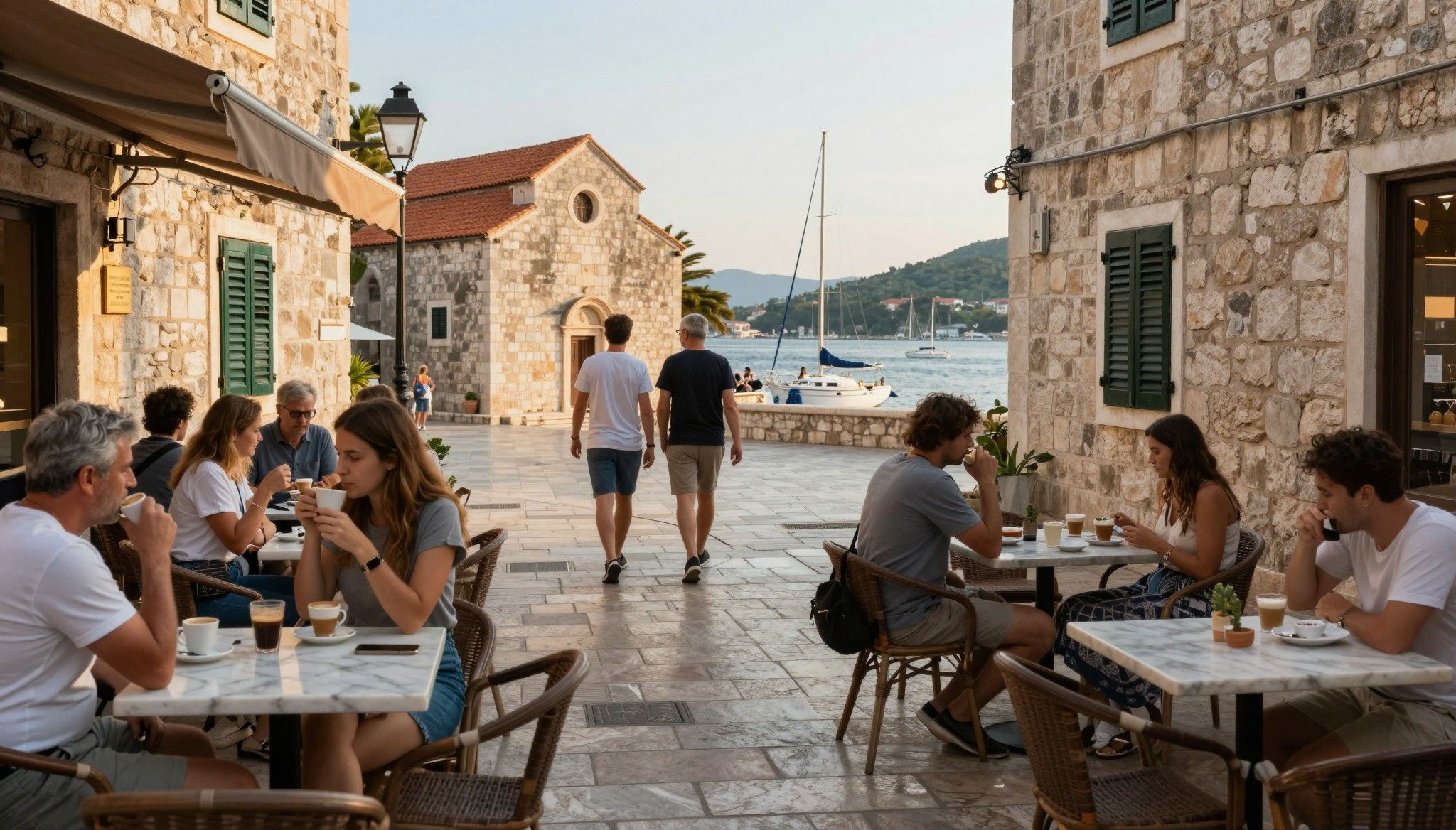
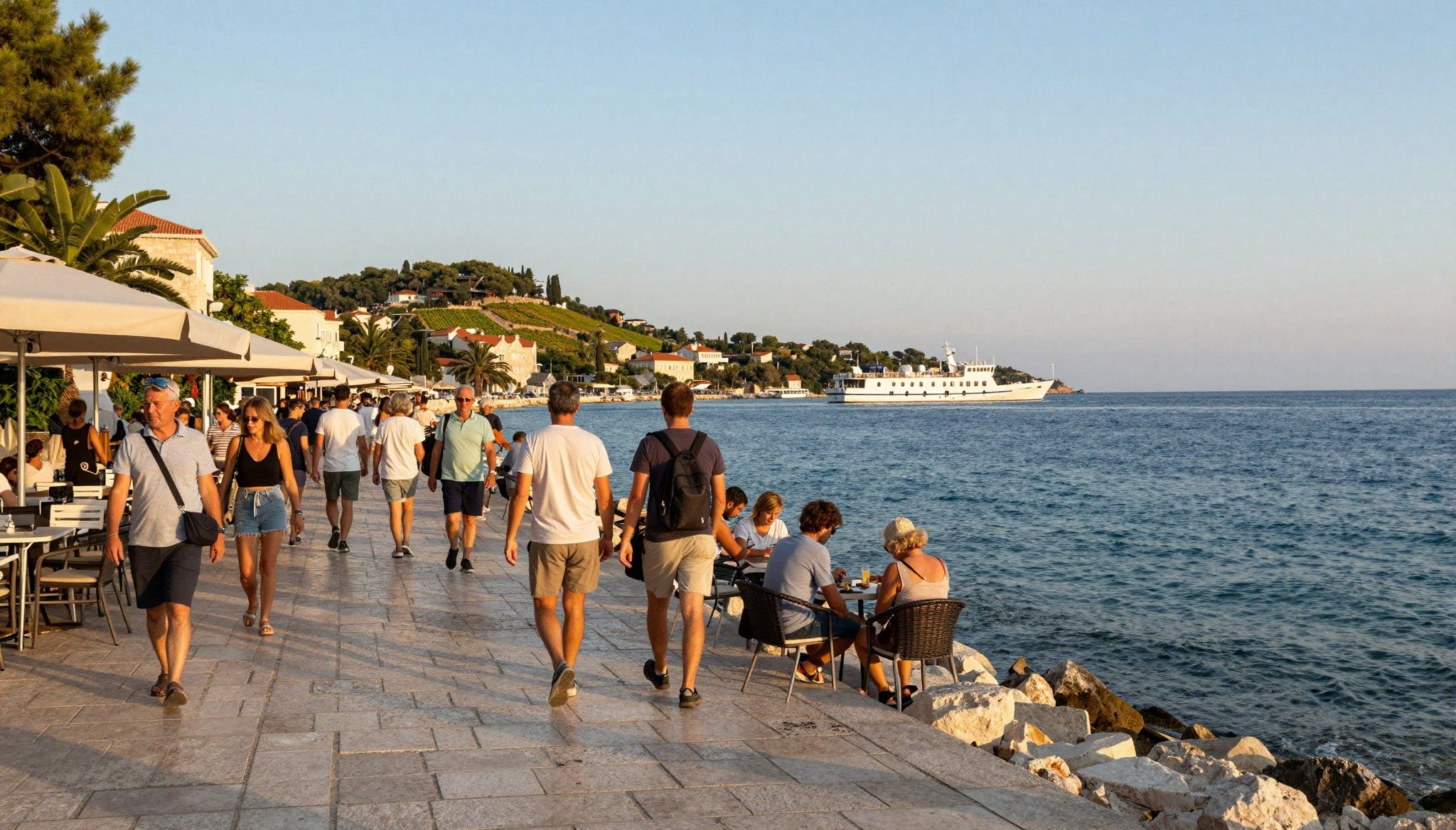
Limassol old port cafés, Nicosia courtyards, Paphos promenade, Tala hill terraces, Larnaca’s Finikoudes for evening walks
Making the move: legal rules that quietly decide outcomes
The practicalities often determine what you can live in and how quickly. Two rules in particular steer foreign buyers: the treatment of VAT versus transfer fees, and the special approval process for non‑EU nationals under the Acquisition of Immovable Property (Aliens) Law. The difference between buying a new villa (often subject to VAT) and a resale apartment (liable to transfer fees) can change the effective cost by tens of thousands of euros and affect timing for registration.
Property types and the unexpected cost pivot
New‑build purchases are frequently subject to VAT (standard 19 per cent; reduced rates may apply in limited cases), which typically exempts the buyer from transfer fees. Resales, by contrast, attract transfer fees calculated on a sliding scale (3% up to €85,000; 5% on the next €85,000; 8% above €170,000) though recent government measures often halve these fees. The practical implication: a modest shift in choice — new build versus resale — can change not only taxes but also the available financing and time to obtain title deeds.
How to marry lifestyle aims with legal reality
Decide your primary use first (full‑time residence, seasonal retreat, or lettable asset); this determines whether VAT reliefs or transfer‑fee strategies apply. Confirm whether the plot or unit is subject to outstanding planning obligations or debts via a Land Registry search. If you are a non‑EU national, prepare to submit a formal acquisition application — typically handled by your lawyer — and allow extra weeks for the administrative exchange before registration. Structure the purchase — individual name versus joint names or a company — to optimise transfer fees and inheritance clarity.
Insider knowledge: what expats wish they’d known
Many newcomers are surprised by three quiet truths: first, EU citizens enjoy nearly frictionless purchase rights while non‑EU buyers face formal approvals; second, the title deed process can lag construction completion and you must budget for the interim; third, local custom privileges patience — a quick cash offer will not always win in villages where provenance and neighbour relationships matter.
Cultural subtleties that affect contracts and care
Cypriot sellers prize continuity: long family ownership, careful restorations and respect for building traditions. Contracts that acknowledge maintenance responsibilities, the state of shared elements in developments, and clear timetables for title issuance are better received and less likely to stall. Practically, that means a lawyer who understands local expectations is indispensable; they translate not only the law but the subtext.
Red flags to spot on viewings and in contracts
No registered title deed for the unit; promises of 'fast' title without paperwork; undeclared communal debts or incomplete planning permissions; discrepancies between the plot boundaries on maps and the physical fence; sellers asking to close off‑register transfers before approvals.
If Cyprus has seduced you — its light, kitchens that draw friends together, and a civility of rhythm — let that vision steer practical choices. Begin with a short reconnaissance visit in the season you intend to live there, commission a local lawyer to run a Search Certificate and an opinion on VAT versus transfer fees, and ask an agency with deep local roots to shortlist streets, not just properties. Those steps preserve the lifestyle you seek and the legal clarity that will let it endure.
Dutch former researcher who moved to Lisbon, specialising in investment strategy, heritage preservation, and cross-border portfolio stewardship.