Greece: The Neighbourhoods International Buyers Miss
Look beyond headline districts: Koukaki, Paros and other lived‑in neighbourhoods offer authentic daily life and often better long‑term value for international buyers.
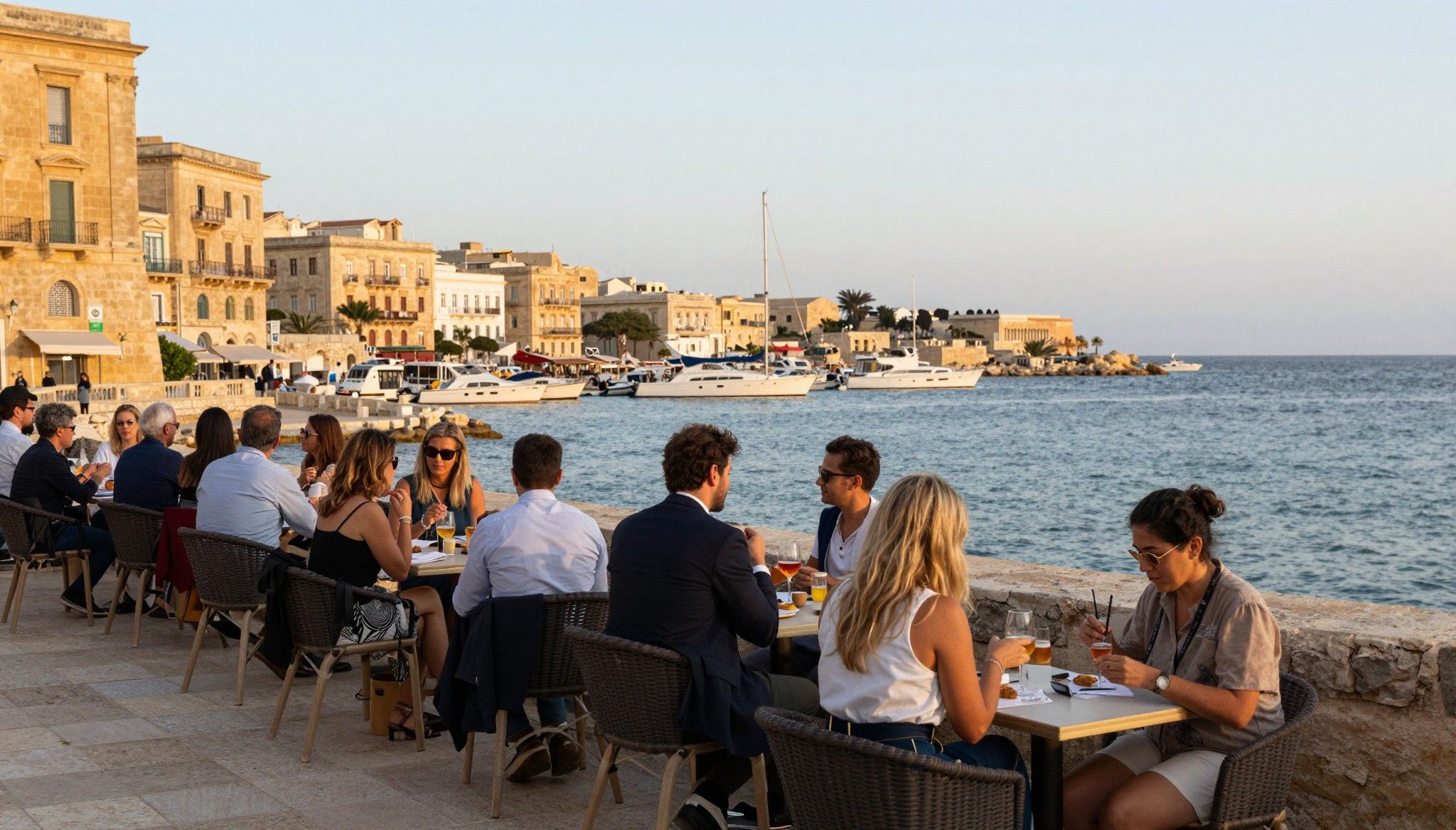
Imagine stepping out at dawn onto a quiet Athens side street: espresso steaming in hand, a neighbourhood baker laying out koulouri, the limestone facades warming in pale light. That intimacy — the rhythm of daily markets, late‑afternoon kafeneia and a coastline that folds from rugged headlands to gentle sand — is the lived Greece international buyers crave. Yet the places that deliver this life are not always the ones shouted about in property headlines. Recent Bank of Greece data shows sustained interest from non‑resident buyers and shifts within urban and island markets; understanding where local life still thrives will change how you choose a home in Greece.
Living the Greece life: everyday scenes that matter
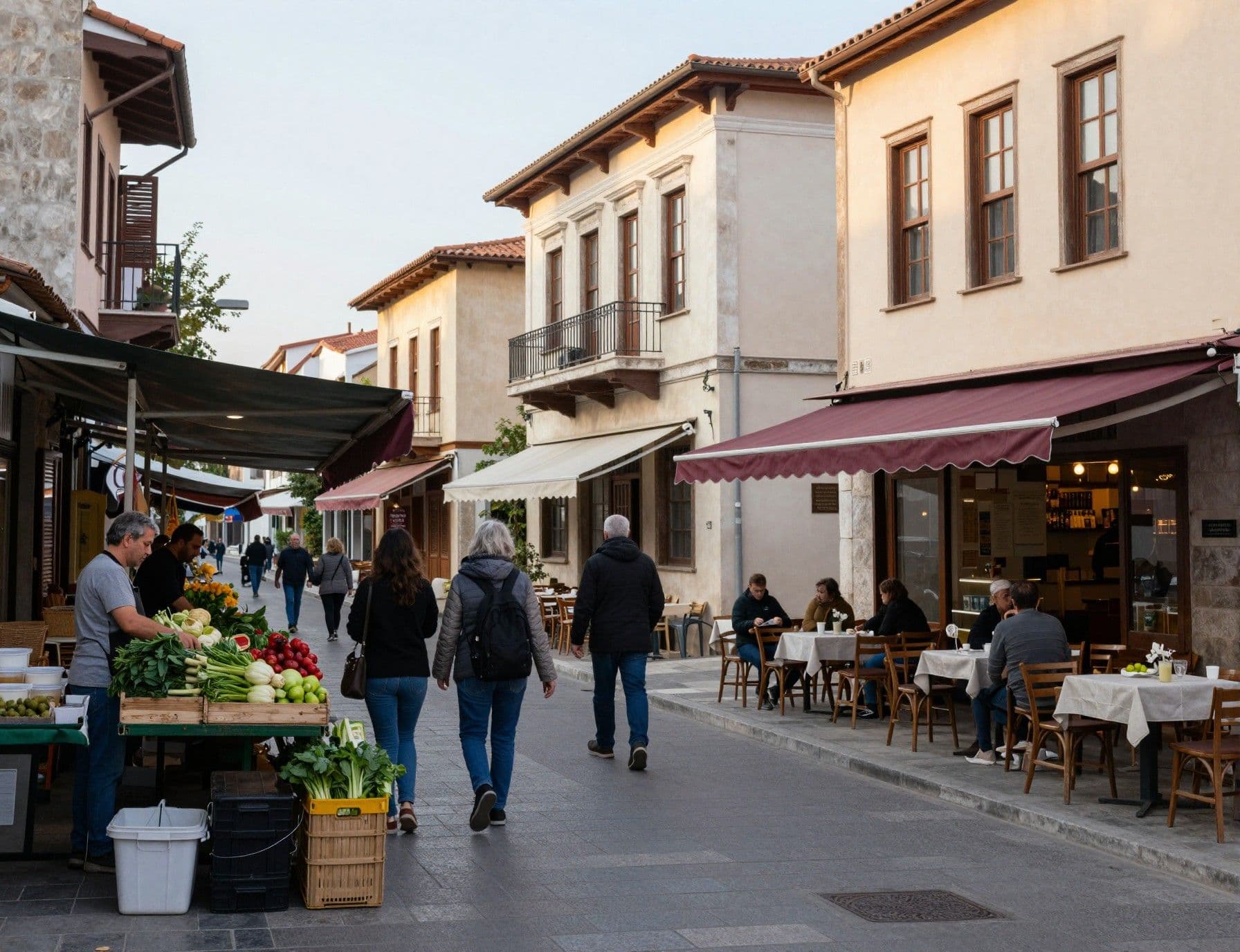
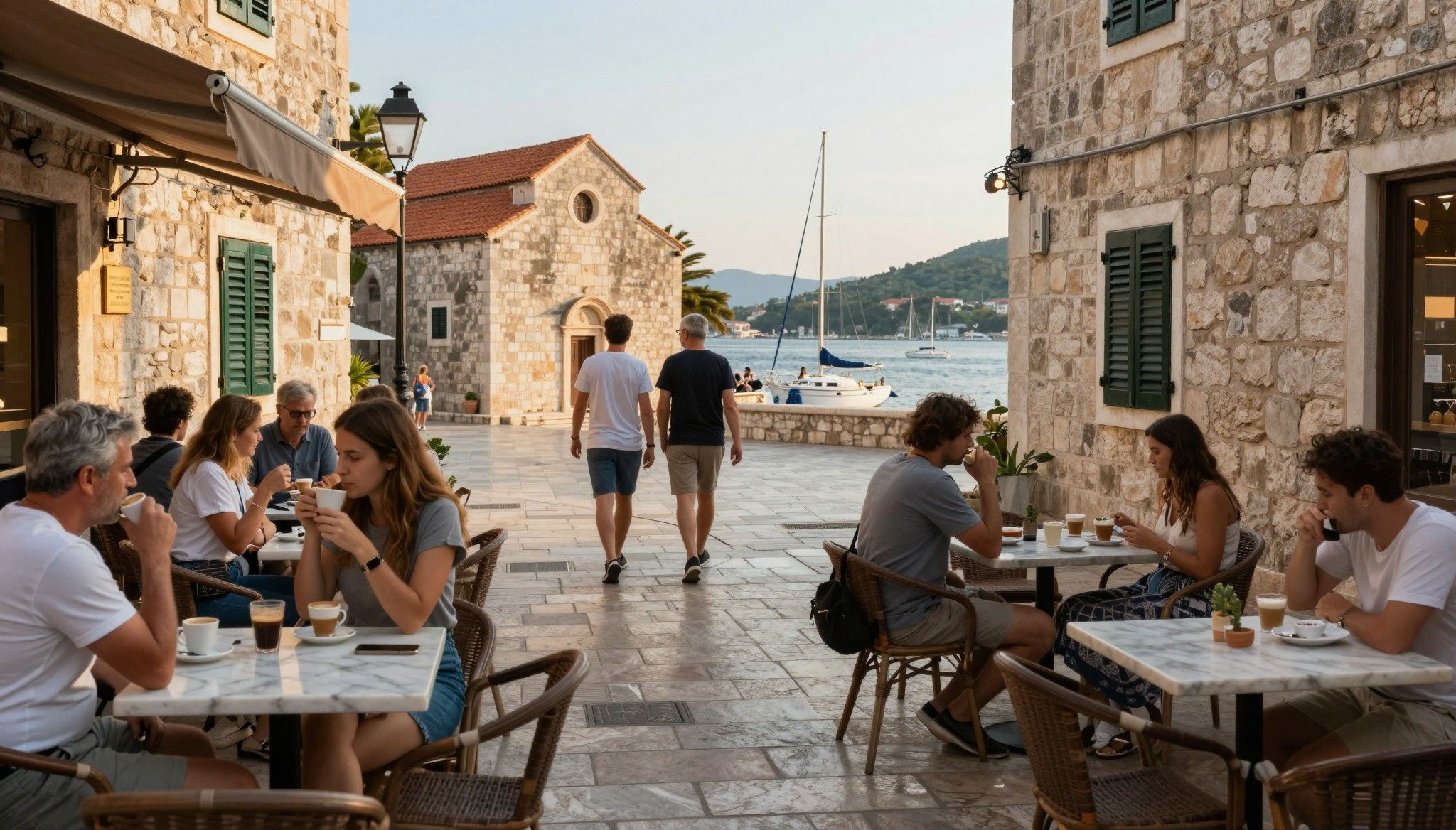
Greece is not a single rhythm but a chorus. In Athens, mornings begin with brisk walks to municipal markets and end with family dinners under plane trees; on the islands a day is measured by tide and light, by the market’s catch and the village taverna that knows your name. Neighbourhood nuance — the quiet stairwell in Koukaki, a Kolonaki gallery opening, the fisherman's route in Chania — shapes daily life far more than headline price tags. Local guides and tourism offices consistently point to Koukaki, Plaka and Kolonaki as living districts where restored neoclassical homes and intimate cafés coexist with genuine neighbourhood life.
Athens: between the Acropolis and the suburbs
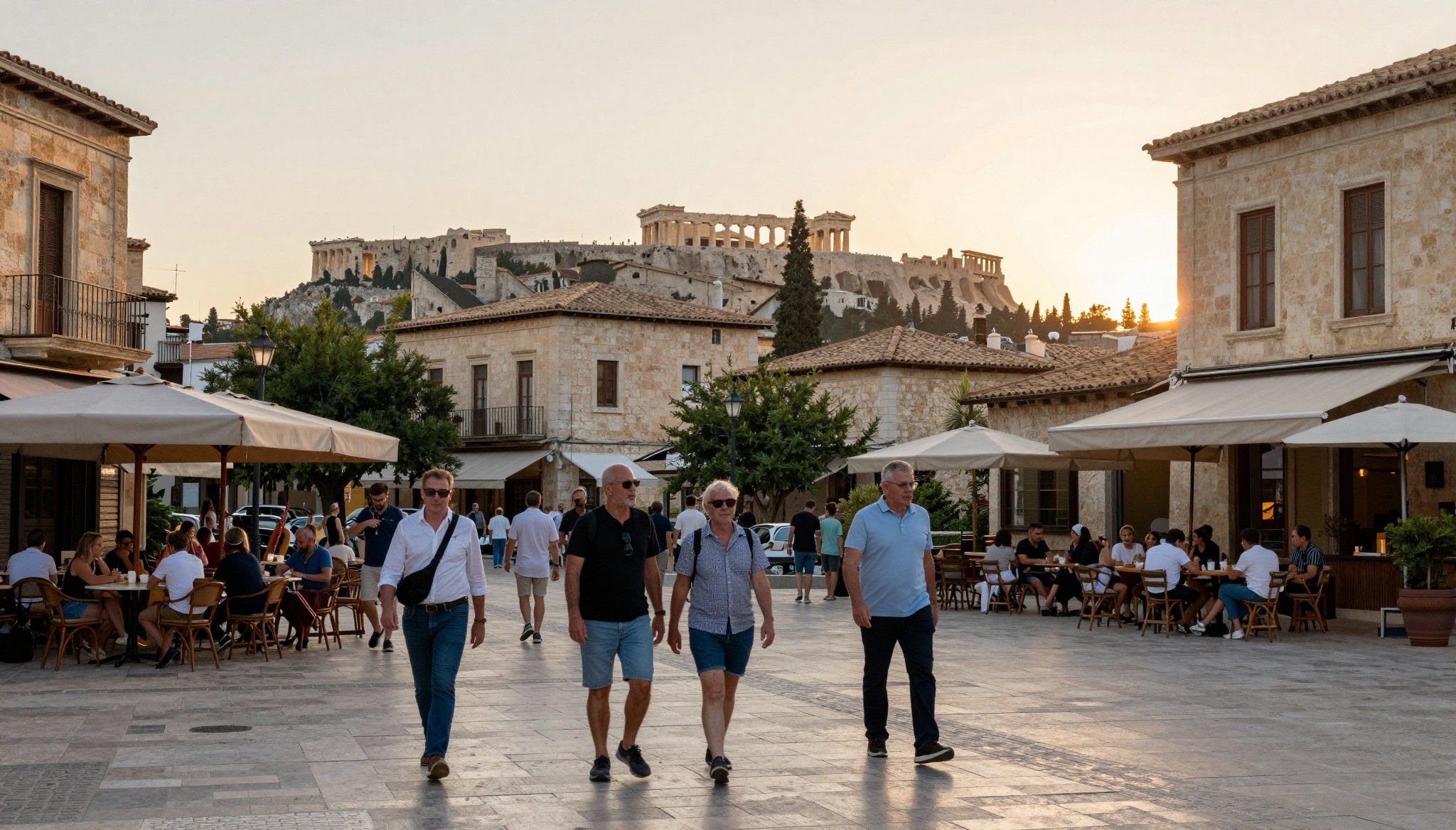
Walk from Plaka toward Koukaki and you travel not just metres but lifestyles. Plaka is postcard neoclassicism and tourist energy; Koukaki is residential, with artisans’ workshops, small galleries and tavernas that open late to neighbours rather than tourists. Kolonaki’s boutiques and private clubs supply a quieter, more urbane life; suburbs such as Kifisia and Glyfada offer gardens, international schools and a more family‑oriented pace. For buyers who prize daily authenticity over spectacle, Koukaki and pockets of Pangrati reward with atmosphere at a lower premium than Kolonaki, while offering comparable restoration opportunities.
Islands beyond the postcard: lived-in choices
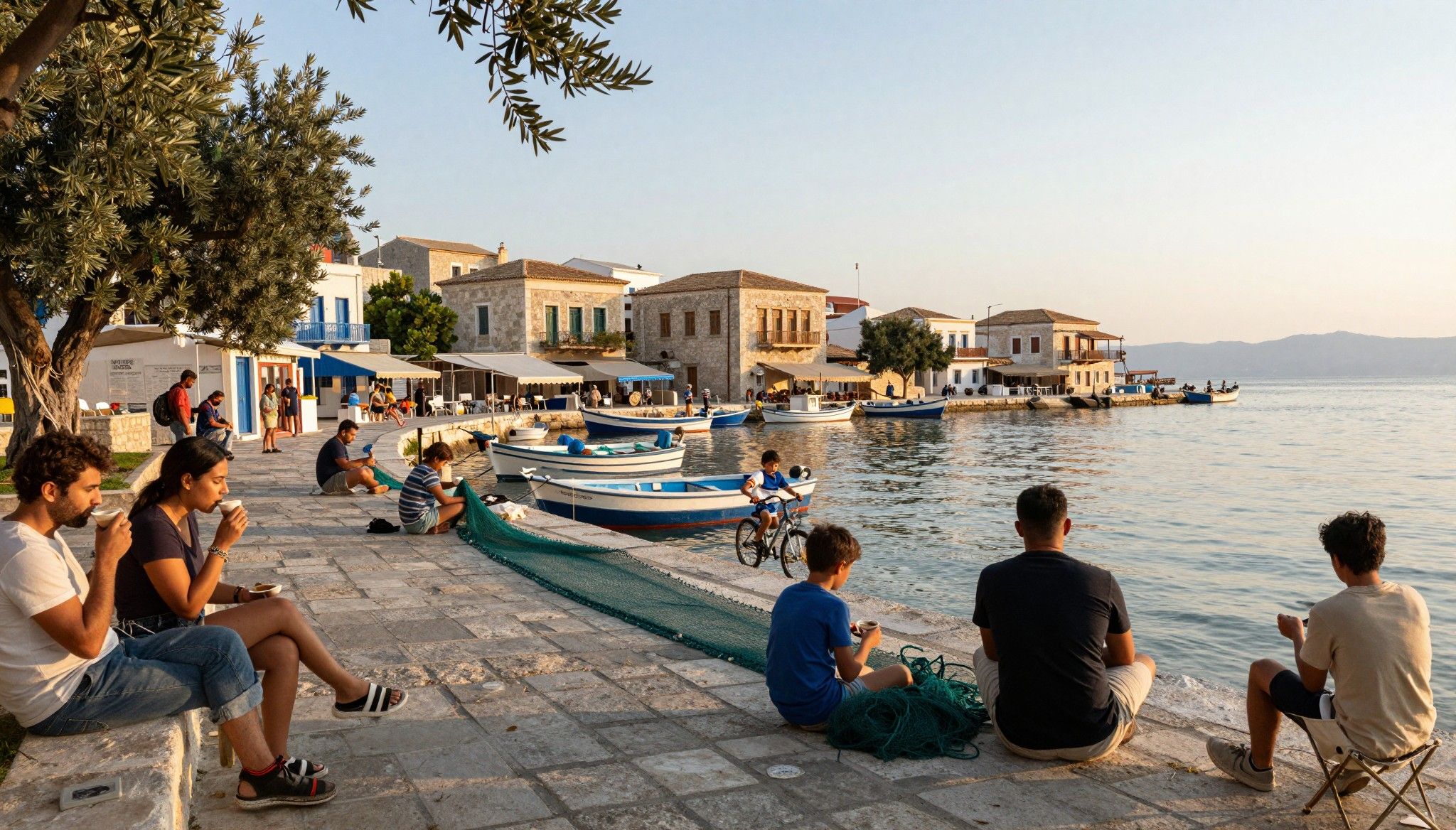
Mykonos and Santorini carry global cachet and strong short‑term‑rental demand, but island life with year‑round community can be found on Paros, Naxos, Hydra and sections of Crete. These places offer a gentler seasonal swing, local produce markets, and villages that support schools, clinics and artisans through winter. For buyers seeking a true island life rather than a holiday investment, looking at mid‑sized islands or historically active ports often yields properties with genuine provenance, established neighbours and a better balance between price and livability.
- Lifestyle highlights to seek in neighbourhoods
- Daily market with local producers (e.g., Varvakios in Athens; Chania Agora)
- Walkable streets with independent cafés, greengrocers and a neighbourhood kafeneio
- Proximity to a small harbour or well‑served coastline for swimming and local fish tavernas
- Architectural character: restored neoclassical façades, well‑built 1930s apartment blocks, or stone village houses
Making the move: practical considerations that preserve the lifestyle
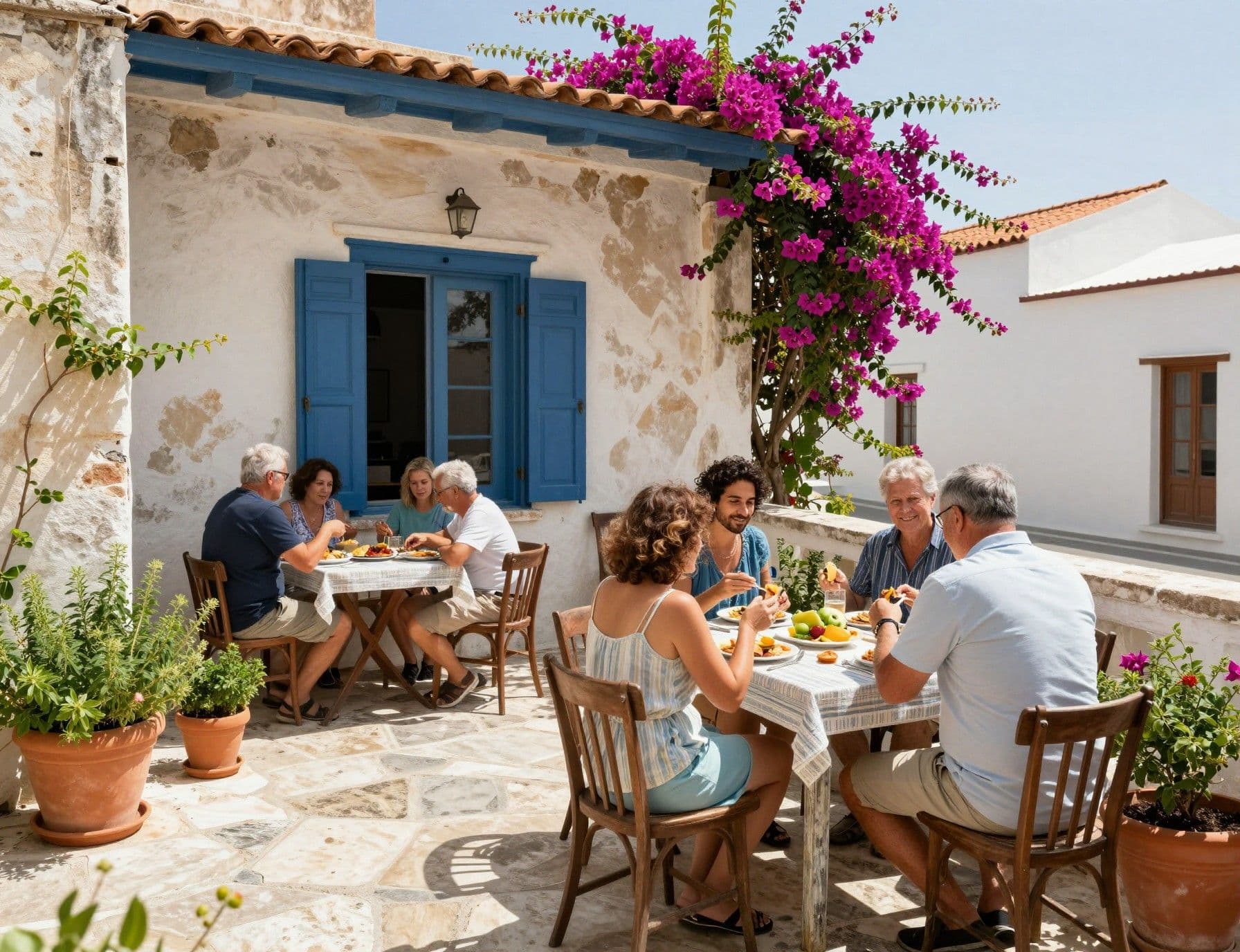
The romance of place will determine where you spend mornings and evenings, but transaction dynamics determine what you can realistically buy. National indices show continued price appreciation in many urban and island markets while yields compress in prime pockets; that combination rewards buyers who look outside headline districts and who prioritise provenance and condition over mere proximity to a landmark. Treat the lifestyle as the brief, then map practical filters — price per square metre, seasonality of rental demand, restoration quality and local services — to ensure the life you imagine is the life a property will actually support.
Property types and how they shape daily life
A restored neoclassical apartment conveys a sense of continuity: high ceilings, original moldings and a balcony that addresses the street. A renovated 1930s block offers solid construction and central locations; a village stone house provides privacy and outdoor space but often requires investment in insulation and services. Match the property’s architectural DNA to how you intend to live — regular entertaining, year‑round residency, or seasonal retreat — and plan for the costs of sympathetic restoration which preserve both value and the authenticity of the house.
Working with local experts who understand place
- Partner with an agency that can: 1) introduce neighbourhood custodians — restorers, notaries and long‑standing tavern owners who anchor local life; 2) demonstrate comparable sales rather than aspirational asking prices; 3) advise on seasonal running costs and property management that maintains a lived‑in feel; 4) arrange on‑site inspections in different seasons so you can experience both high and low rhythms of a place.
Insider knowledge: what expats wish they'd known
Expat buyers often speak of two surprises: how seasonal rhythms transform services and how local neighbours, not the sea view, determine day‑to‑day happiness. Shops close predictably in August in many towns; mountain villages pulse in spring and autumn but sleep in high summer. The most successful relocations are those where owners accept local rhythms and invest in neighbourhood relationships — the baker, the school director, the ferry captain — which in practice create the social infrastructure that makes a house a home.
Cultural integration and neighbourhood etiquette
Learning a few phrases, attending a local festival and showing consistent respect for communal spaces unlocks trust. In many towns, building committees govern façades and shared courtyards; engaging respectfully with those structures safeguards both community standing and long‑term value. This is not mere nicety — it affects renovation approvals, neighbours’ tolerance for short‑term rentals and the ease of integrating services such as deliveries and maintenance.
Long‑term lifestyle: how your choice evolves
Properties that sustain a life in Greece tend to have spatial generosity: outdoor rooms, storage for seasonal gear, and the capacity to host friends across the year. Over five to ten years such homes often appreciate not only in price but in relation to local stewardship — owners who restore rather than replace, who employ local craftsmen and maintain civic ties, preserve both value and the authenticity of their neighbourhood. Consider whether you are buying to keep, to seasonally share, or to flip; the right neighbourhood choice differs for each intent.
- Practical checklist before you make an offer
- Visit the neighbourhood at least once outside the high season to test services, ferry schedules and noise levels
- Commission a local surveyor familiar with historic construction and seismic reinforcement norms
- Request five years of utility bills and maintenance records to understand running costs
- Ask an agency to show comparable completed sales rather than current asking prices
- A simple negotiation sequence: 1) confirm clear title and cadastral entry; 2) obtain a recent energy certificate and structural report; 3) present a conditional offer that includes a short exclusivity period for due diligence; 4) close with a notary appointment and registered transfer to avoid surprises.
Conclusion: the life you buy is the life you steward
Buying in Greece is rarely about a single splendid view and more often about a sequence of mornings and evenings, neighbourhood rituals and the quietly generous work of local craftsmen. If you begin with where you want to walk, who you want to meet, and how you want to spend a Sunday, the right property choices and local partners will follow. Start by visiting the neighbourhoods you love in a low‑season month, meet the people who keep them alive, and ask agencies to demonstrate provenance and lived experience as part of the dossier they present.
Relocating from London to Mallorca in 2014, I guide UK buyers through cross-border investment and tax considerations. I specialise in provenance, design integrity, and long-term value.