Croatia: Lifestyle‑First Financing, Reciprocity & Practical Steps
How to align Adriatic living with Croatia’s legal and mortgage realities — lifestyle-led advice, reciprocity rules, market facts and step-by-step practical actions.
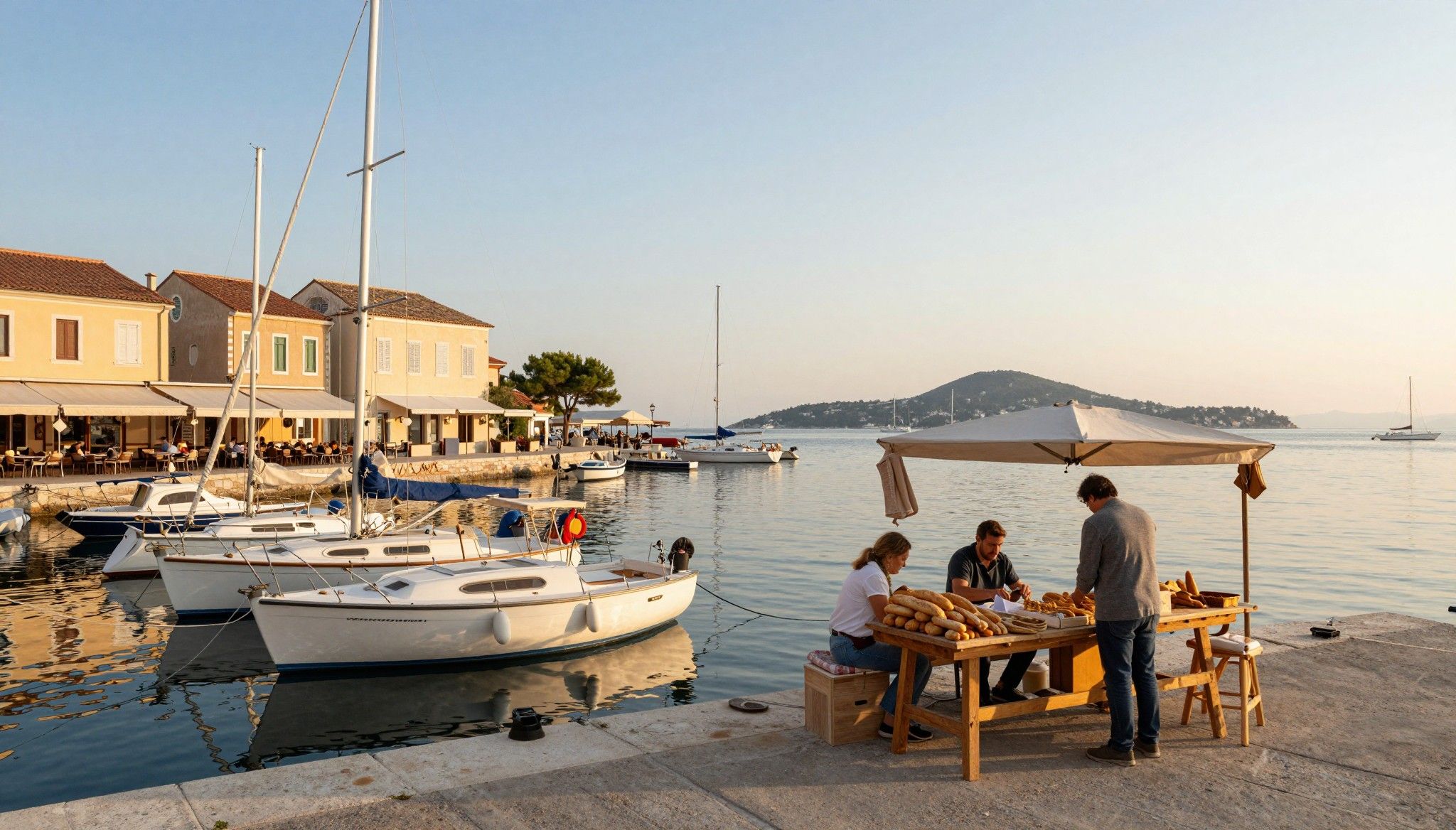
Imagine an early morning in Split: espresso at a marble-topped counter on Ulica Petra Krešimira, fishermen unloading the day’s catch at the Riva, and stone staircases that lead to terraces where bougainvillea drape over aged limestone. Croatia lives in layered textures — Adriatic light on terracotta roofs, market voices in Dolac, and evenings that favour long, measured meals. For many international buyers the romance precedes the paperwork; yet the best decisions are born where feeling and facts meet.
Living the Croatian rhythm
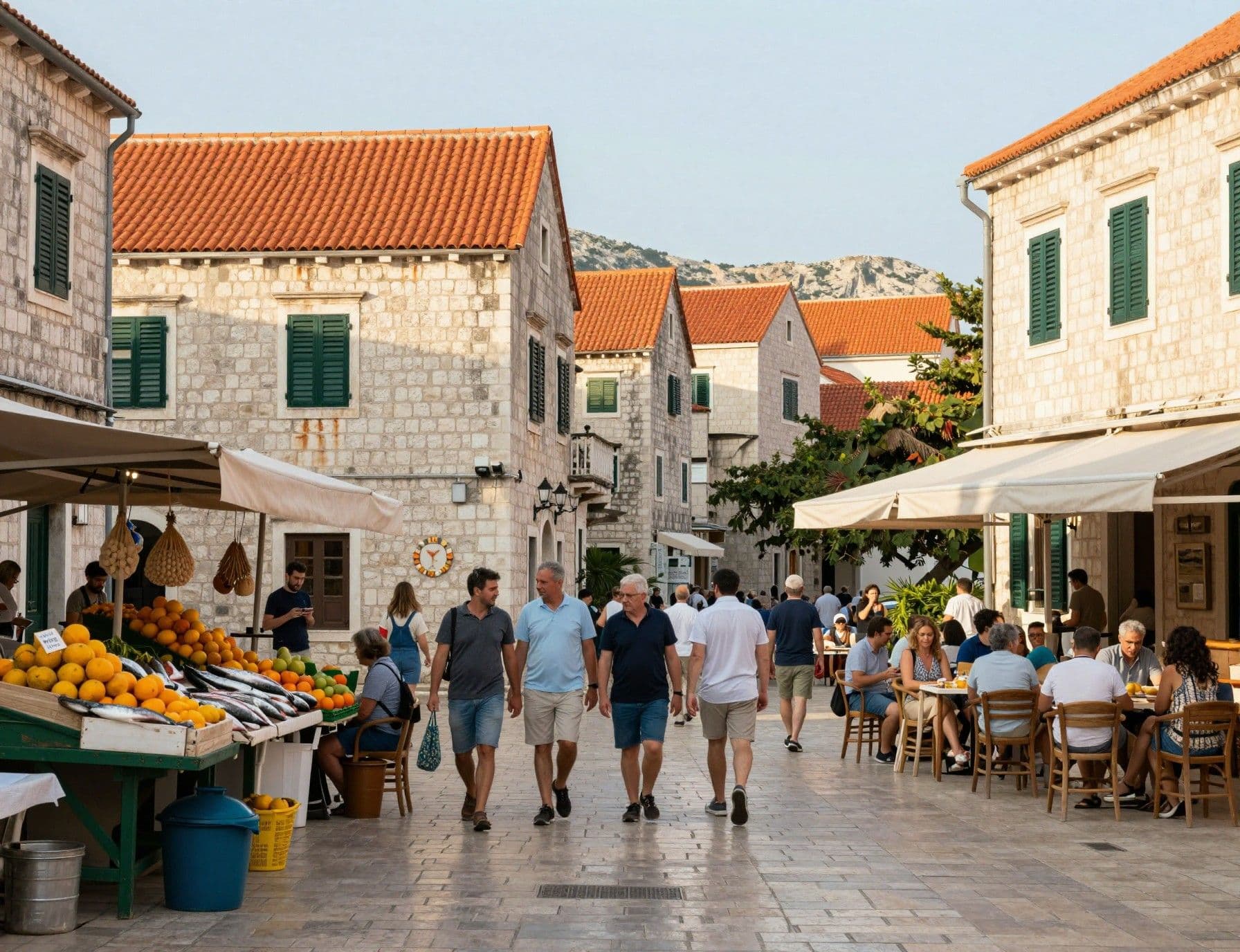
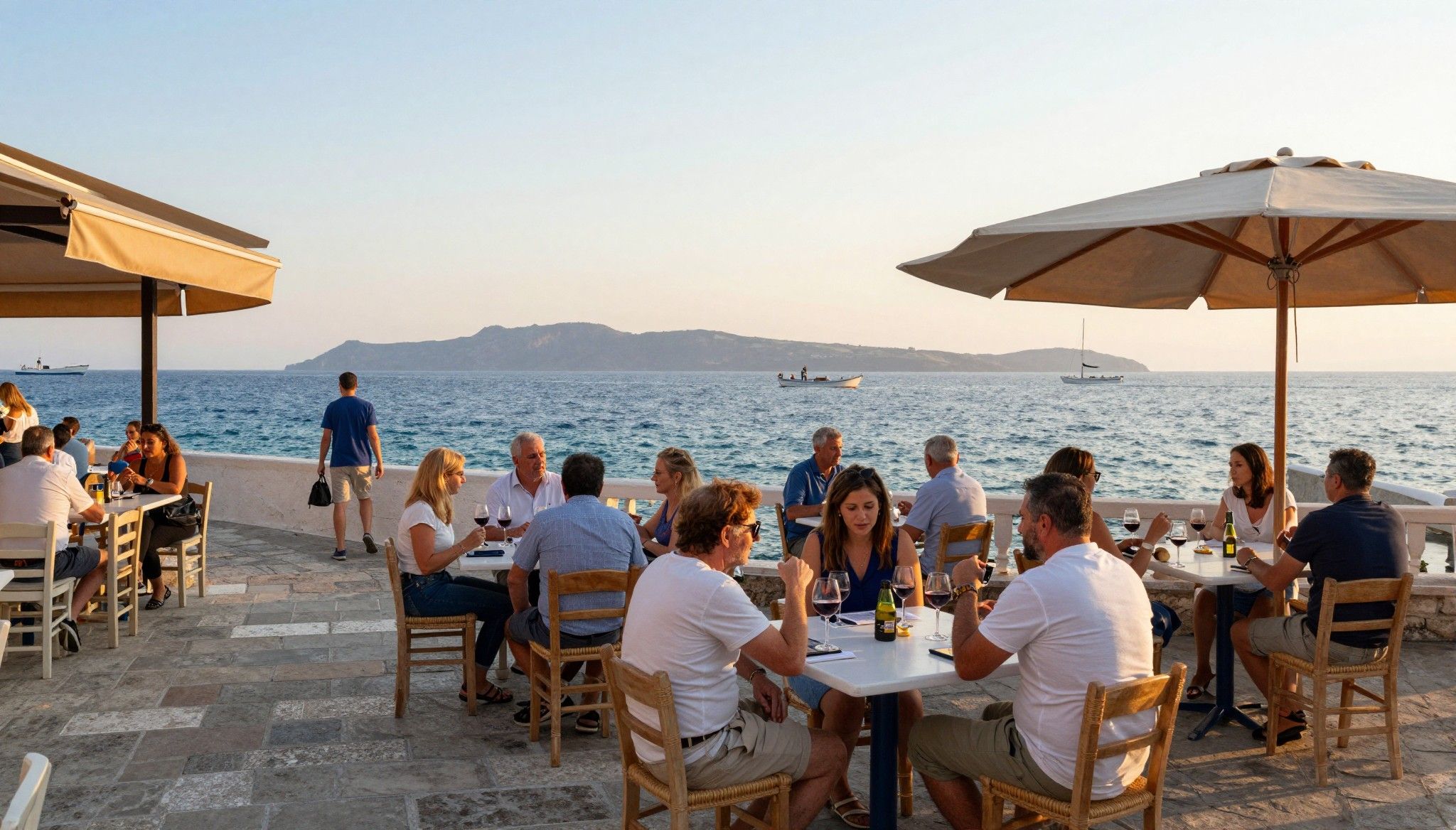
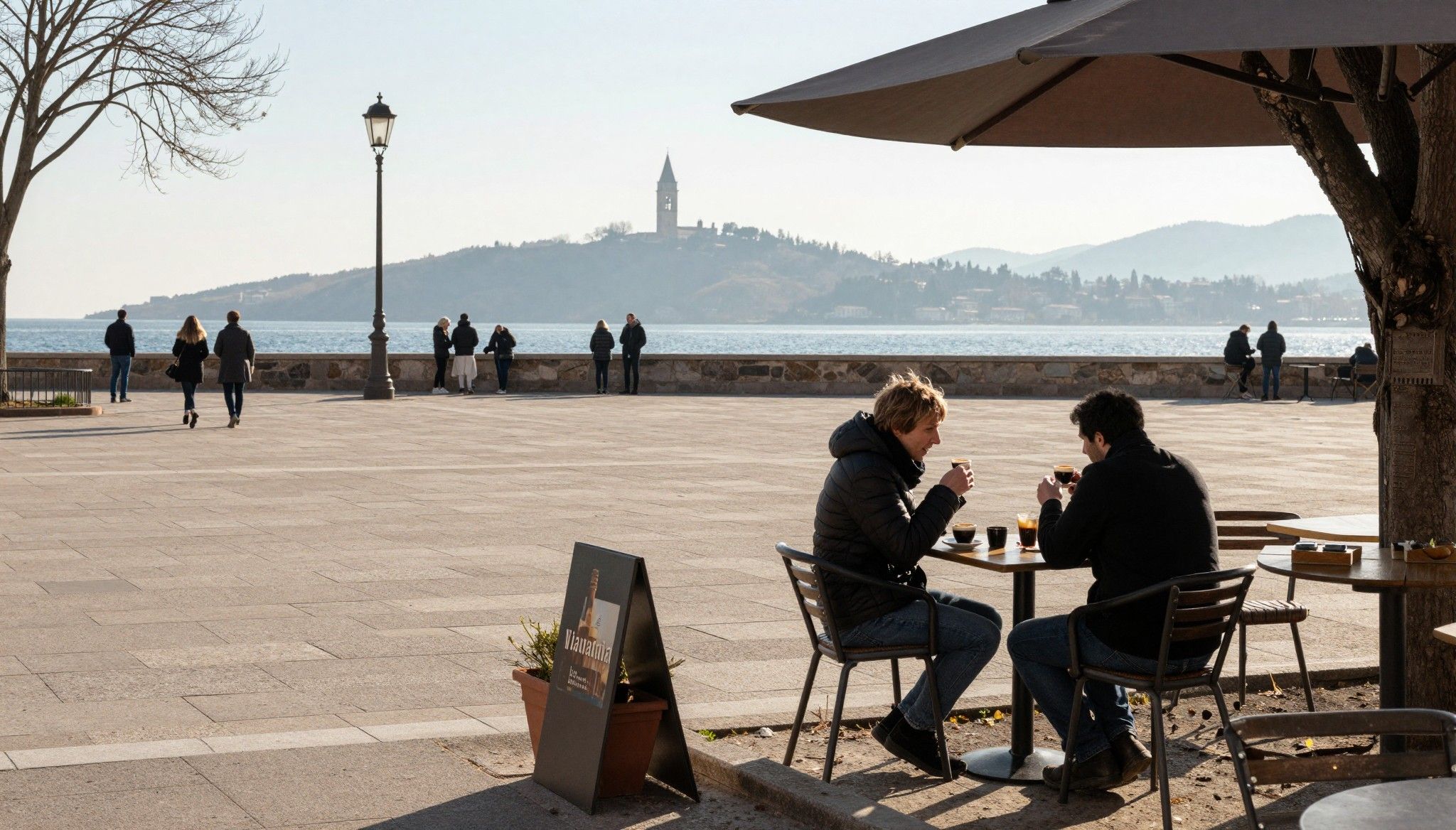
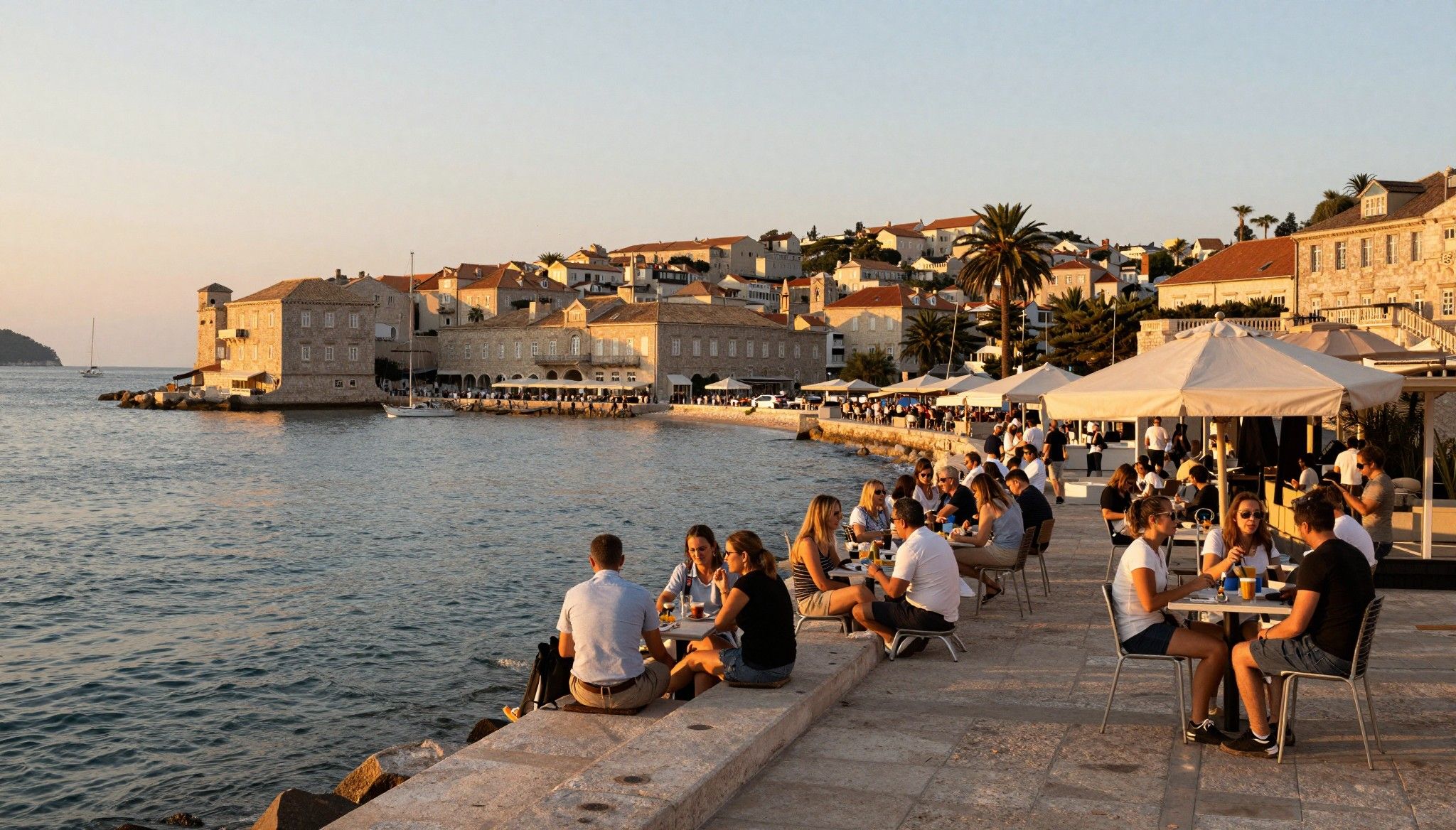
Daily life in Croatia moves between the coast and the konoba, the piazza and the promenade. In Zagreb, mornings begin with filter coffee and short tram rides; along the Dalmatian coast the day may open with a swim and close with konobas serving black risotto. These rhythms influence where you buy: historic stone houses near Split’s Veli Varoš are intimate and walkable; villas on Hvar favour privacy and sunlight. Market momentum is real — national house price indices show strong growth in recent years — but lifestyle compatibility still defines long‑term satisfaction.
Zagreb’s measured civic life vs. Dalmatia’s maritime tempo
Walkable streets and Austro‑Hungarian façades give Zagreb a continental steadiness; cafés on Tkalčićeva feel like neighborhood living rooms. Along the coast, towns such as Trogir and Korčula trade gridlines for alleys, harbours and private moorings. Your daily rituals — market shopping, the haste or ease of transport, proximity to international schools — should steer neighbourhood choice as decisively as price per square metre.
Food, markets and seasonality as lifestyle barometers
Croatia’s culinary life is place‑specific: octopus grilled on Korčula, fresh mussels in Istria, and market mornings under Zagreb’s awnings. For buyers this matters practically: a home near a daily market or a coastal fishmonger reduces reliance on cars and supports a convivial lifestyle. Seasonal shifts — quiet winters, full summers — influence rental potential and how you’ll truly use a property through the year.
- Daily-life highlights to test when you visit: morning coffee on Ulica Marmont (Split); a late-afternoon swim at Bačvice; Sunday fish at Zadar’s local harbour; aperitivo on Korčula’s main square; a weekday farmers’ market at Dolac (Zagreb); a dusk walk along Dubrovnik’s city walls.
Making the move: practical considerations that honour the lifestyle
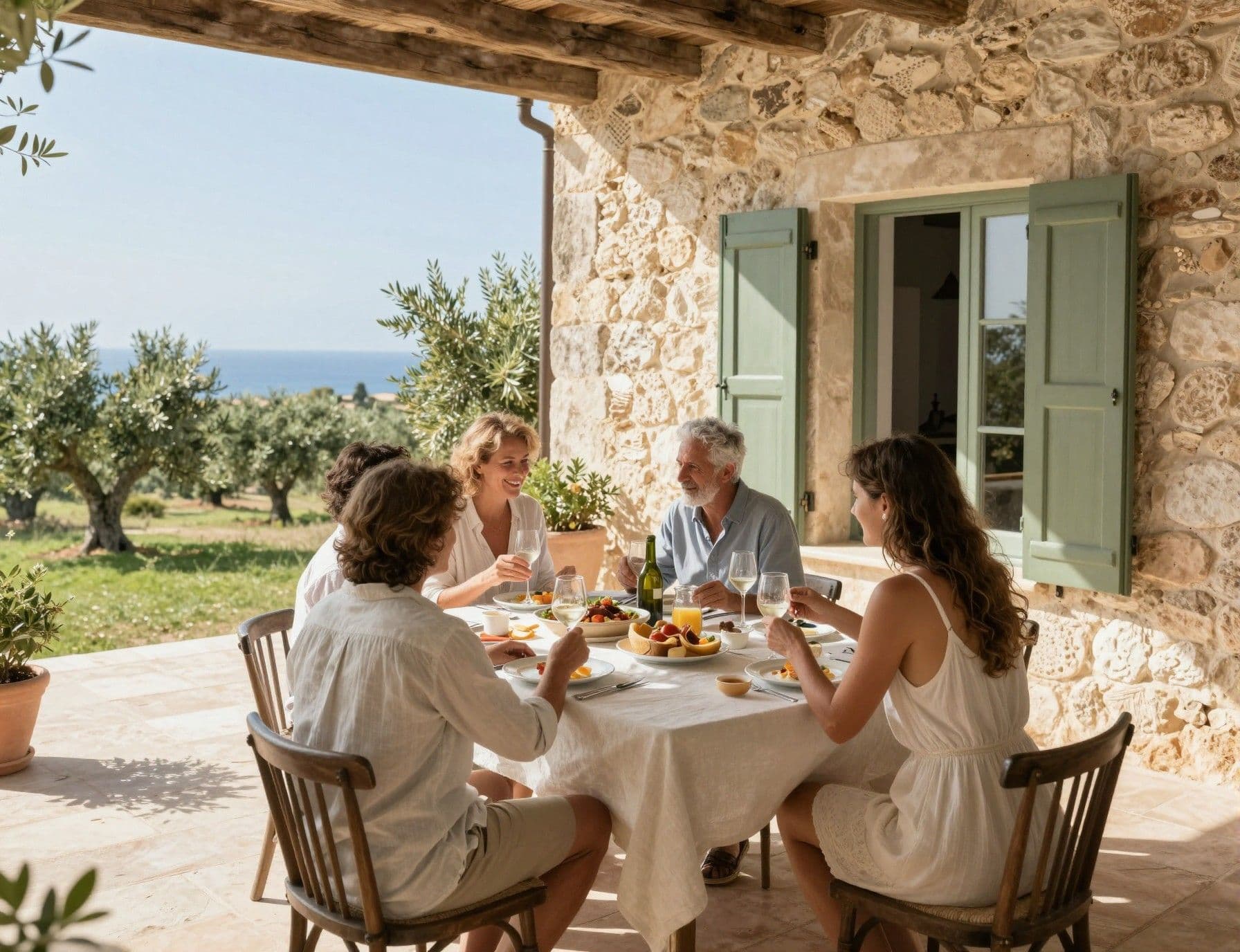
The romance of a sunlit terrace meets legal particularities: EU citizens enjoy near‑parity with locals; non‑EU buyers are bound by reciprocity rules and additional ministry approvals. Croatian banks will assess income, residency and collateral carefully; non‑resident mortgages are possible but less common, and loan-to-value ratios tend to be conservative. A clear budget that includes transfer taxes, notary fees and realistic renovation costs preserves the lifestyle you imagine.
Property types that match how you’ll live
A restored stone house in Rovinj grants immediacy to markets and cafés but often needs structural attention; a new build villa on the Makarska Riviera offers modern systems and private gardens at a higher cost-per-m2. Think less about catalogue features and more about maintenance rhythms: who will manage a leased villa in high season, how salt air affects mechanical systems, and whether thick walls or underfloor heating suit your year‑round plans.
Working with local experts who preserve lifestyle intentions
Engage a Croatian lawyer early to confirm title, planning status and any reciprocity requirements; retain an architect or surveyor to estimate restoration and coastal‑protection constraints. A locally rooted agency will introduce you to neighbourhood life — cafés, ferry timetables, seasonal closures — so the property you buy supports the life you covet. These specialists translate lifestyle aims into contractual language and maintenance forecasts.
- Practical steps that blend lifestyle and finance: 1. Spend three full days living the neighbourhood at different times (weekday morning market, weekend evening). 2. Obtain an OIB (tax ID) and open a local bank account before offers. 3. Commission a technical survey focused on coastal wear and insulation. 4. Ask banks about resident vs. non‑resident mortgage terms and prepare proof of sustainable income. 5. Factor in 10–15% extra for renovation and compliance with coastal zoning. 6. Negotiate conditional deposits that allow legal checks before funds transfer.
Insider knowledge: what expats wish they’d known
Expats often under‑estimate seasonality: coastal towns can be ghostly quiet November through March, which affects local services and the social life you move for. They also misjudge administrative timelines — ministry approvals for non‑EU nationals and land‑register entries can take weeks rather than days. Finally, many discover that living like a local — buying in a lane with a daily bakery, choosing an inland hill village for autumn light — matters more than headline yields.
Cultural rhythms and practical integration
Learning a few phrases, joining a local klub or volunteer group, and shopping weekly at local markets smooth the first year. For families, proximity to international schools (Zagreb, Rijeka and Split districts) and reliable healthcare are non‑negotiable; for retirees, quiet neighbourhoods with year‑round access to services trump tourist gloss. These choices shape long‑term value as surely as market indices.
Looking forward: how to sustain the life you buy
Consider service solutions early: local property managers, seasonal rental agreements aligned with neighbourhood norms, and energy upgrades that reduce winter costs. In a market showing sustained price growth, conservatively planned stewardship — sympathetic restorations, durable materials and discreet modern systems — protects both the life you moved for and the asset you own.
If the idea of Croatia still feels inevitable, take three precise actions: (1) visit for a short immersion in your top two neighbourhoods at different times of year; (2) commission a local lawyer and technical survey before any binding deposit; and (3) discuss mortgage scenarios with both Croatian banks and lenders in your home country. These steps align the romance of place with the prudence of stewardship.
Former Copenhagen architect who relocated to Provence, offering relocation services, market analysis, and a curator’s eye for authentic regional design.