Life, Law and Local Rituals: Buying in France
How life, law and local ritual shape property buying in France — from notaire costs to non‑resident tax realities and the neighbourhood rituals that determine true value.
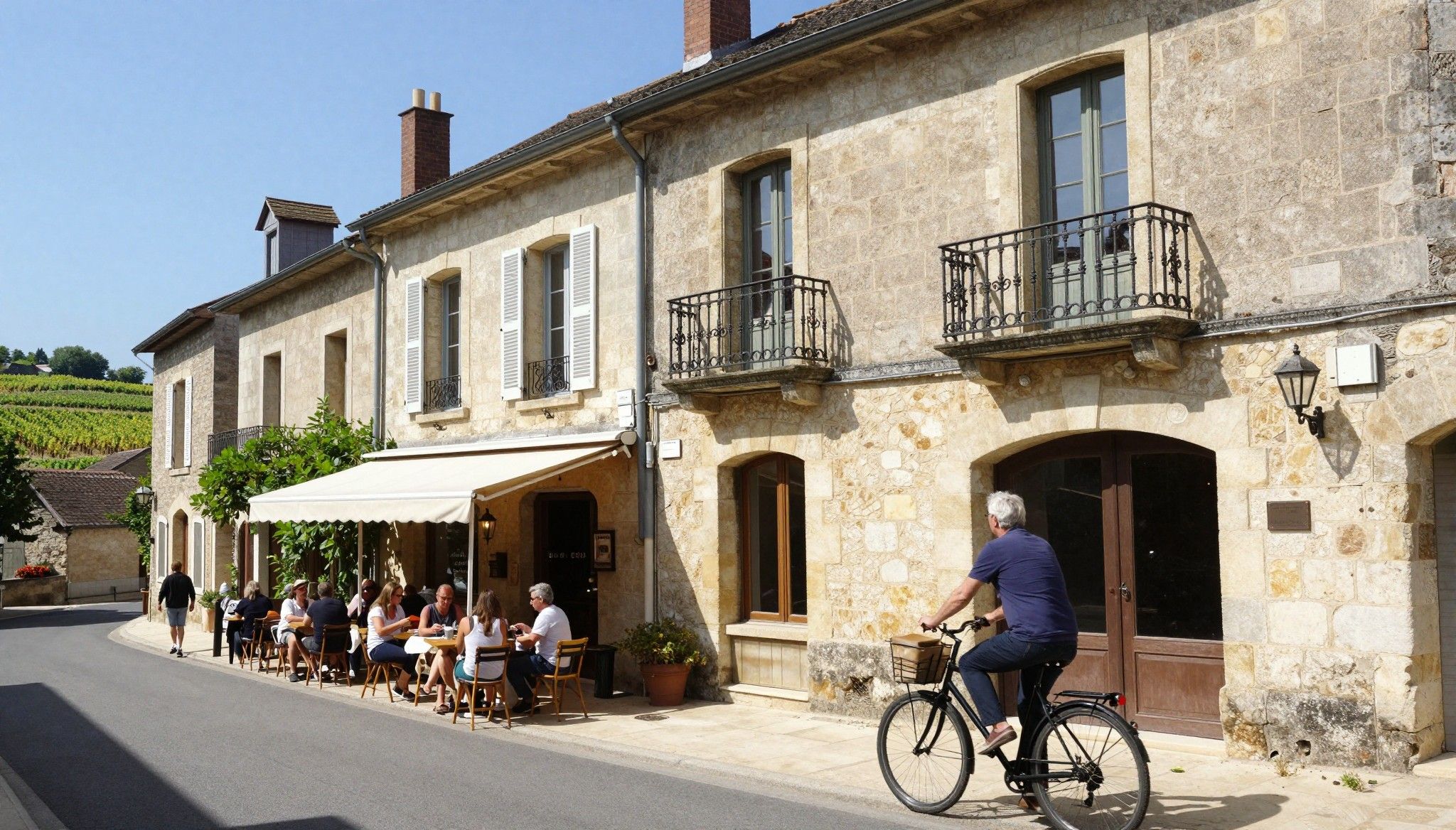
Imagine Saturday morning beneath plane trees in Aix‑en‑Provence, a boulanger patisserie sending warm brioche into the square and a local owner discussing renovation plans over black espresso. That intimacy — of cafés where you learn names, markets where a neighbouring farmer sets aside truffles, and lanes where façades show the careful hand of past craftsmen — is what draws many of us to France. But intimacy here comes with rules: a notaire will read the provenance of a property like a book, tax forms will follow your ownership across borders, and local customs quietly shape what you can and cannot do with a garden, a barn or a façade.
Living the French life — sensory, precise, local
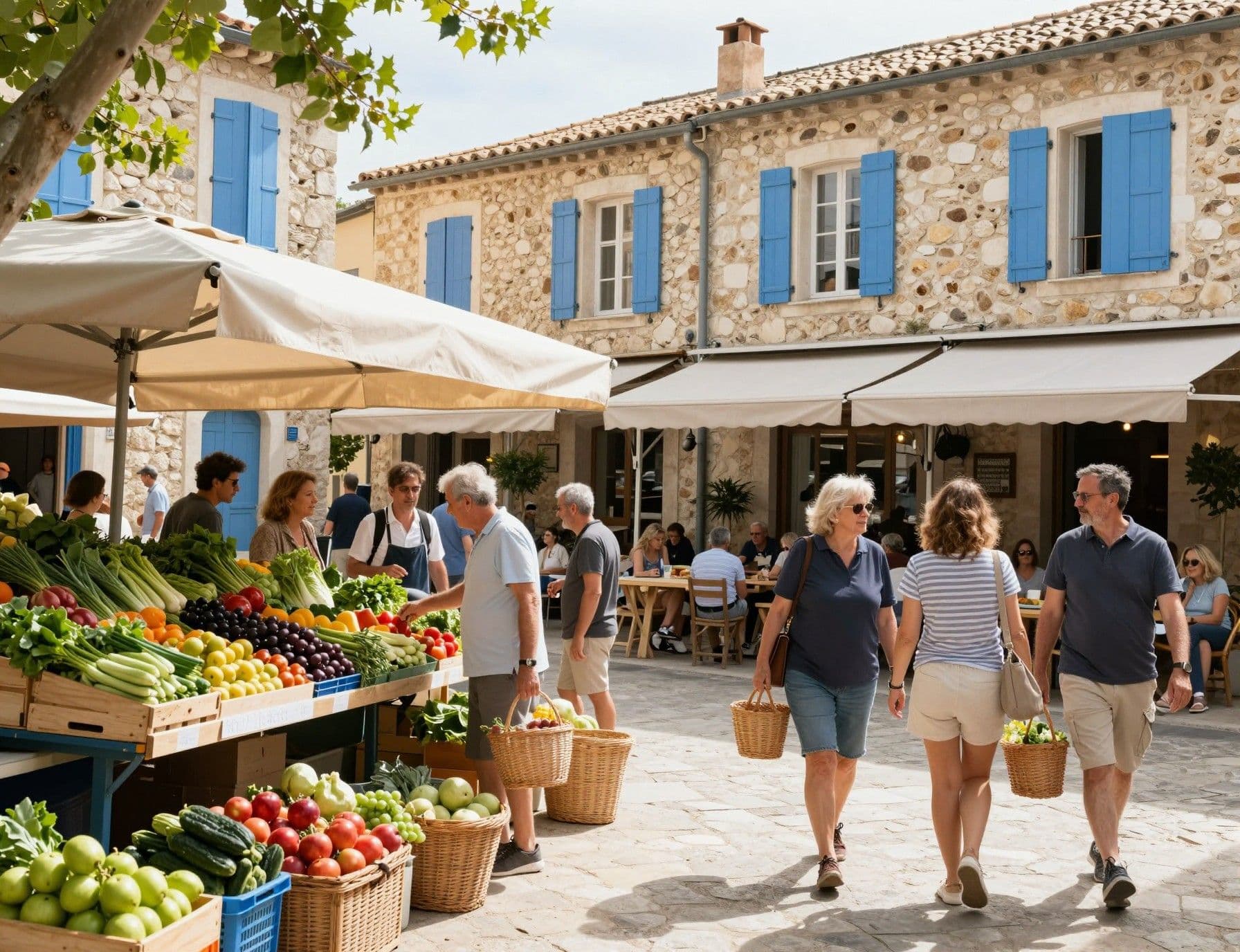
Living in France means a measured day: morning markets that define the week, long lunches that slow decisions, and an architecture that insists you notice proportion and material. In the Marais you’ll hear shopkeepers argue about the best baguette; in the Médoc, vines set the calendar. Each neighbourhood keeps its own rhythm and each house its provenance: wooden beams mortised in the seventeenth century, limestone façades bearing wrought‑iron balconies, tiled roofs where lichen keeps time.
A few neighbourhoods that teach you how France lives
Paris’ Saint‑Germain remains a study in cafés, galleries and private courtyards; Marseille’s Vallon des Auffes is about sea, fishermen and compact maisonettes; and the village of Lourmarin in Provence offers limestone houses clustered around a market square where people still exchange news aloud. These places feel lived in: shutters are repaired, threshold stones are smoothed by decades of footfall, and every detail speaks of long stewardship rather than short‑term staging.
Food, markets and the calendar of life
Markets set the tempo: fish stalls in Le Grau‑du‑Roi at dawn, produce stalls in Lyon’s Halles at breakfast, and village fêtes in August where you buy the best goats’ cheese you’ll ever taste. These rituals influence property life — a kitchen facing the market, a cellar for local wine, or a terrace arranged for late summer dinners are not mere luxuries but practical decisions that shape how a house will be used and therefore its value over time.
Lifestyle highlights to look for
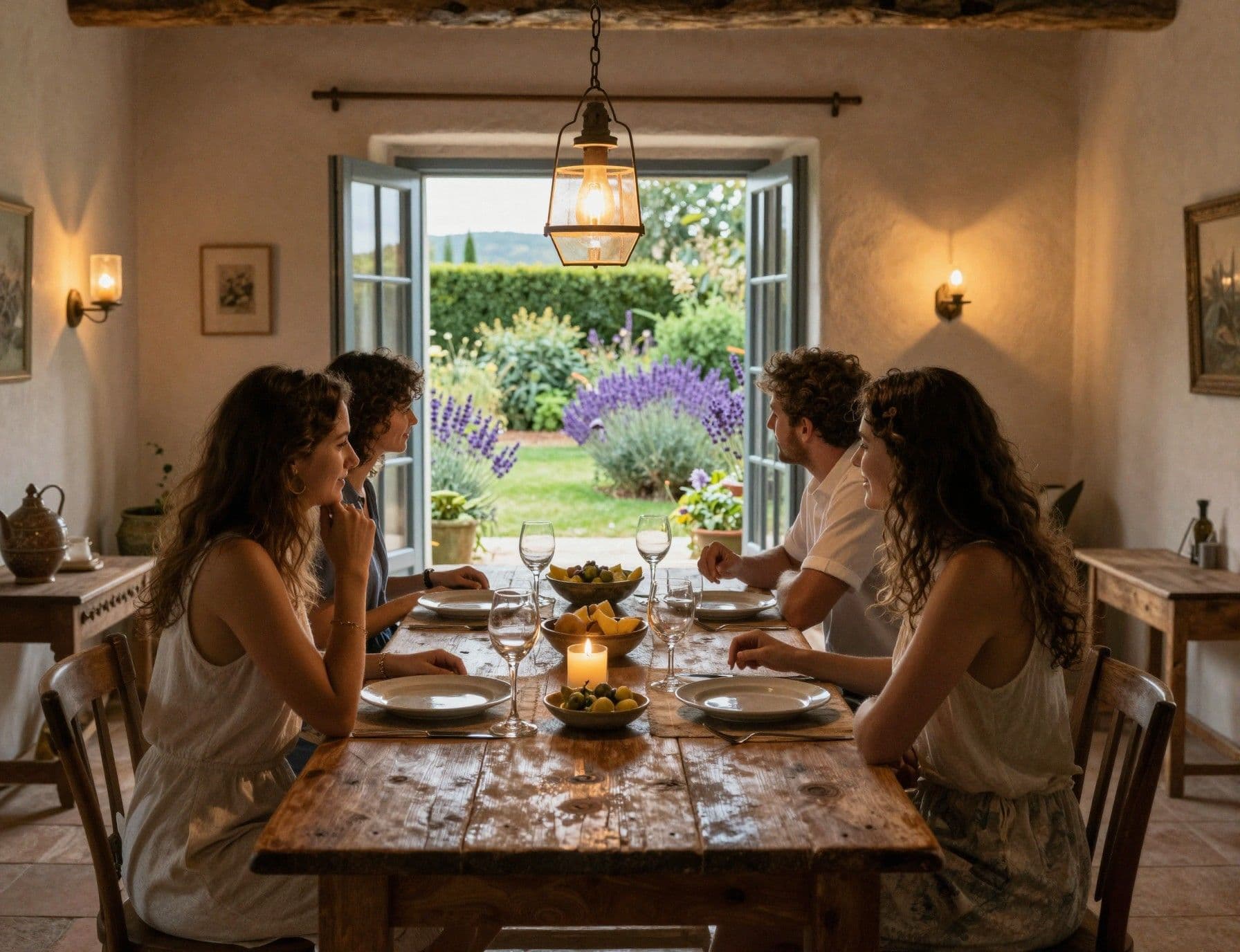
- A corner café where the owner knows your name — essential for integration and a silent barometer of neighbourhood warmth.
- A weekly market within ten minutes’ walk — convenience that supports daily life and enhances resale appeal.
- Proximity to local services (notary, mairie, primary school) — practical anchors that matter when you own and steward property.
- Architectural integrity: original floors, shutters, beams — these features tell you whether a renovation will be sympathetic or merely cosmetic.
Making the move: practical considerations and what few guides lead with
The romantic image of a Provencal farmhouse often collides with three realities: (1) transaction costs are higher than many expect, (2) local planning and conservation rules can restrict visible changes, and (3) taxation for non‑residents follows its own logic. A frank understanding of these elements keeps the dream intact and the investment secure.
The notaire and the true cost of purchase
A notaire is a public officer who secures title, verifies liens and collects transfer taxes. Expect acquisition costs (often called “frais de notaire”) of roughly 7–8% for older properties and nearer 2–3% for new builds — a composition of taxes, fixed emoluments and outlays rather than a single negotiable fee. Because the notaire remits taxes to the state, insist on a full written estimate early in the process to avoid unwelcome surprises. (See Notaires de France for detail.)
Tax realities for non‑resident owners
Non‑resident sellers are generally subject to French capital‑gains taxation on property located in France; exemptions depend on whether the sale relates to a principal residence and on length of ownership. Social contributions and surtaxes may apply; plan for this when modelling resale and rental returns. Consult the tax authority’s guidance early and consider a tax opinion if the property is above typical thresholds.
- Engage a notaire early to obtain a formal estimate of acquisition costs and to check title, servitudes and pre‑emption rights.
- Commission a local architect or heritage specialist before offering on an older property; small structural discoveries often drive the true cost of restoration.
- If you plan to rent, obtain a clear tax projection for both French and home‑country filings, including potential double‑taxation treaties and reporting obligations.
Insider knowledge: what expats wish they’d known
Experienced buyers often tell the same story: they fell for a house because of a single room, then discovered that practicalities — local planning, access for building crews, or a neighbour’s long‑standing easement — dictated what could be changed. The French system respects provenance and record‑keeping; that is a virtue, but it rewards patience and precise local advice.
Language, customs and the small courtesies that matter
A few polite phrases and the willingness to attend a mairie meeting will win you more than the best online listing. Many contracts and official interactions will be in French; use a bilingual notaire’s office or a certified translator for documents you must understand precisely. Local real estate agents who live in the neighbourhood will steer you away from houses with seasonal noise issues or village pre‑emption peculiarities.
Long‑term stewardship: think like an owner, not a tourist
Properties that endure do so because owners consider maintenance cycles, artisanship and community relationships. A restored town house with original joinery will require different care and budgets than a modern apartment; assess heating systems, energy performance and roof condition as you would in a financial model — but also walk the street at different times to feel the place you intend to steward.
- Check local planning constraints (Architectes des Bâtiments de France for protected areas) before imagining large external changes.
- Budget for routine conservation: roof repairs, lime mortar pointing, timber treatment — these are recurring stewardship costs.
- Use a local agency to access off‑market opportunities; many meaningful homes change hands through trusted networks rather than public portals.
Conclusion: the marriage of life and law
France offers a rare combination: everyday beauty and a legal framework that protects provenance. If you move thoughtfully — pairing lifestyle research with notarial clarity, tax foresight and quiet local counsel — you can own a home that rewards both sense and stewardship. Begin with a visit that is not only about viewings but about listening: sit in the nearest café, visit the market, speak to the mairie and then ask a notaire for an estimate. Those small rituals will guide the practical steps and ensure the life you imagine aligns with the law you must observe.
Norwegian with years in Florence guiding clients across borders. I bridge Oslo and Tuscany, focusing on legal navigation, cultural context, and enduring craftsmanship.