When French Property Insurance Isn’t What You Expect
Practical, provenance‑minded insurance for buyers in France: what French policies cover, when dommages‑ouvrage matters, and the paperwork that protects your dream.

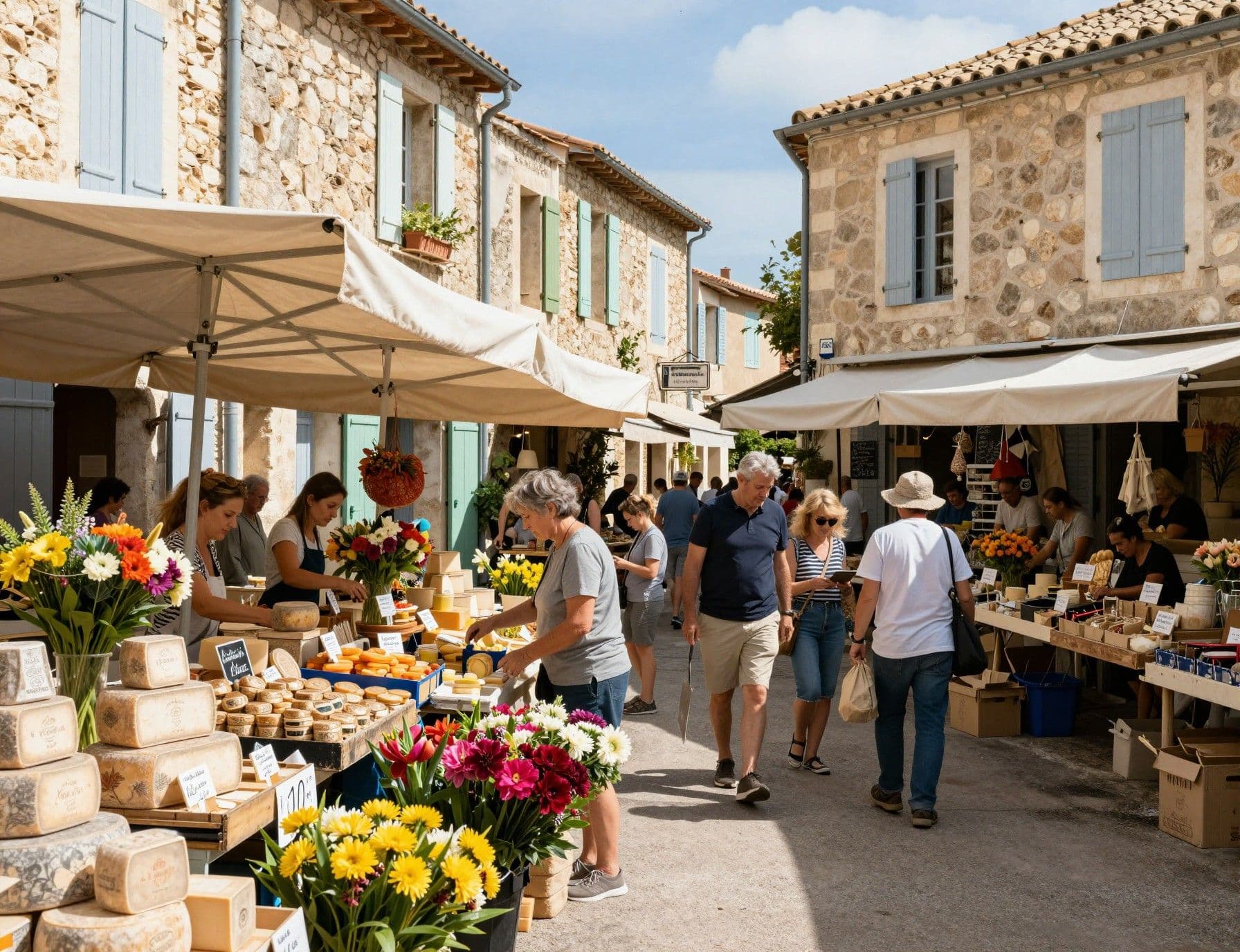
Imagine an October morning in Aix‑en‑Provence: the marché fills with chestnuts and young cheeses, shutters creak open on rue Espariat and a local concierge hands you the keys to a limestone apartment. That sense of provenance — history embedded in stone, a calendar marked by market days and village fêtes — is why buyers cross borders for France. But the romance of place collides with practicalities: which protections truly matter here, which are over‑sold, and what gaps silently expose you to risk?
Living the French life — and the risks that come with it
France offers varied rhythms: morning markets in Provence, granite courtyards in Brittany, glassed terraces on the Riviera and Haussmannian saloons in Paris. Those pleasures translate into property choices — pied‑à‑terre, village maison, or a country domaine — each with different insurance exposures. Recent price indices show modest regional shifts, reminding buyers that location and building type determine both value and vulnerability. (See Notaires‑INSEE price indices.)
Why the style of home changes what you must insure
A 17th‑century stone farmhouse and a contemporary villa on the Côte d’Azur share a country and a postcode but not exposures. Older stone houses have latent risks — subsidence from old wells, lead piping, or timber‑frame rot — while coastal villas face salt corrosion and storm surge. Insurance is not one size fits all; it must be chosen to reflect masonry, roof pitch, mains drainage, and the likelihood of storm or seismic events in the département.
Lifestyle examples: neighbourhoods that shape risk
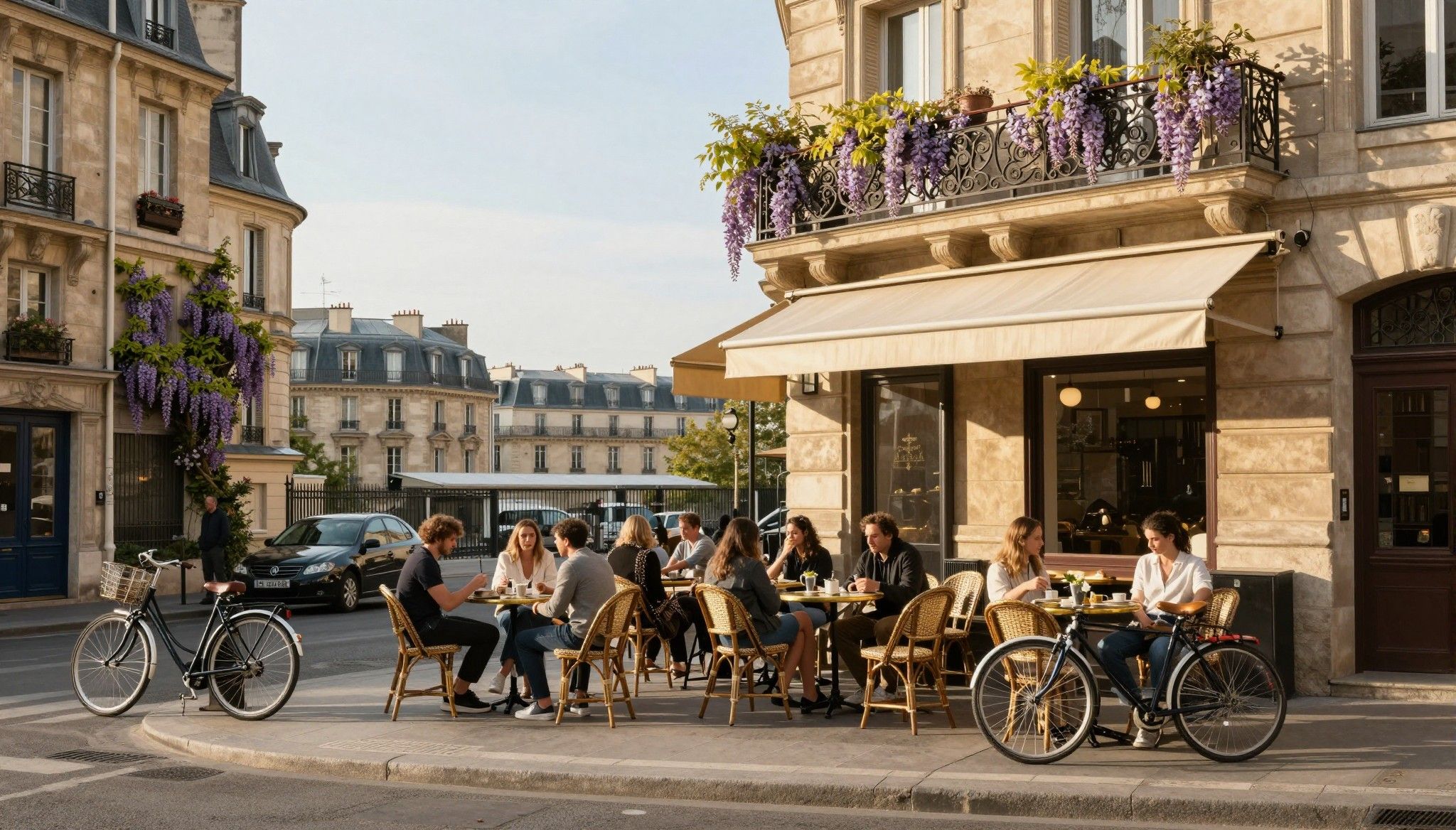
In Paris’s Marais, narrow streets and co‑owned courtyards mean that copropriété rules and syndic insurance are central. In Biarritz, surf and sea spray push you to consider corrosion and roof cover. In Lyon’s Croix‑Rousse, steep terraces and older infrastructure raise the importance of water damage cover. Understanding the microclimate and communal governance of the neighbourhood will steer which policy endorsements you actually need.
Practical protections French buyers often miss
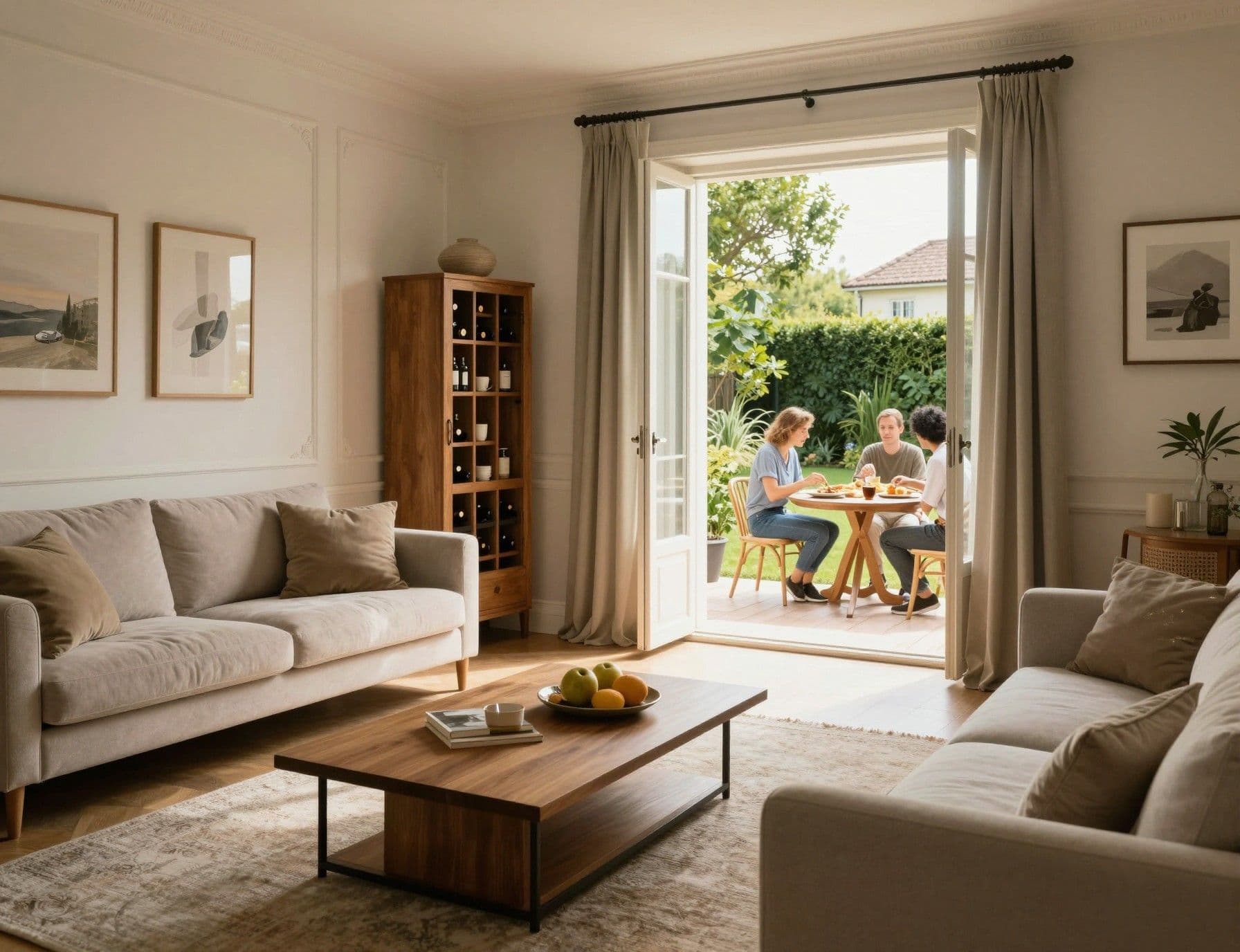
Certain French insurances are unfamiliar to many international buyers, yet decisive after purchase or renovation. Two deserve immediate attention: multirisques habitation (the everyday household policy) and assurance dommages‑ouvrage (compulsory for major build works). Knowing when each applies will save months of dispute and, most importantly, money.
The everyday: multirisques habitation explained
Multirisques habitation bundles fire, water damage, theft and civil liability. For copropriétaires the law requires at least a civil‑liability element; tenants must carry it. For overseas buyers, ensure the policy covers periods of non‑occupation, rental use (short or long terms) and expensive contents — classic furniture, wine collections or artworks — each requiring declared values and separate endorsements.
When damages‑ouvrage becomes non‑negotiable
If you commission structural work, extensions or full restorations, French law typically requires assurance dommages‑ouvrage to fast‑track repairs covered by the décennale (the builder’s ten‑year liability). Without it the owner may face long legal battles. Even for buyers who inherit a property recently renovated, request the damages‑ouvrage certificate at sale — it is a sign of clean provenance.
Insider safeguards — practical steps to protect the purchase
Begin with documents: the title, diagnostics (DPE, plomb, termite, amiante where applicable), minutes of recent assemblies in a copropriété and any chantier paperwork. Confirm whether past renovations were covered by a dommages‑ouvrage policy and ask for declarations of completion. These papers convert lifestyle aspiration into verifiable risk profiles.
Six steps to practical protection
1. Request the seller’s assurance documents (dommages‑ouvrage, décennale certificates) before signing any compromis de vente.
2. Commission a local expertise (expertise amiable) for suspected structural issues; a surveyor’s photographic report clarifies insurer acceptance.
3. Choose multi‑currency payment arrangements and an insurer who accepts foreign‑held mortgages; not every French insurer will directly liaise with an overseas bank.
4. Declare high‑value contents (wine, art, antiques) separately and store valuations; under‑declaration may void claims.
5. For rental plans, confirm whether the insurer accepts short‑term (Airbnb) or seasonal lets; different use implies different premiums or exclusions.
6. Insist on non‑occupation cover (vacation absence) if you will be away for prolonged periods; otherwise small damage can escalate into uninsured loss.
What expats wish they'd known: real stories, quiet lessons
A lesson from Provence
An English buyer I know bought a renovated mas near Luberon and assumed the builder’s décénnale meant all was protected; a roof leak years later exposed a gap: internal finishing had not been declared as part of the chantier and the damages‑ouvrage did not apply. Months of legal correspondence followed. The practical takeaway: request the chantier dossier and certificates in writing, and lodge them with your insurer at policy inception.
Cultural nuance: paperwork is part of the lifestyle
The French attach importance to provenance — not only for antiques but for property. Sellers expect to supply diagnostic files and syndic minutes. Learn to read these documents or bring an adviser who does; the same attention to provenance that makes an old château desirable also reveals whether that château has a clean, insured history.
Quick red flags to watch for
No damages‑ouvrage certificate after recent structural work.
Copropriété accounts showing deferred maintenance for more than two years.
Unclear drainage plans or proximity to mapped flood zones without flood endorsement.
Undefined non‑occupation use when you plan long absences.
Conclusion — how to keep the romance and lose the risk
Purchase in France with curiosity and paperwork in equal measure. Use local notaires and a recommended insurer to translate the texture of daily life — marché mornings, late dinners, village fêtes — into a targeted protection plan: multirisques habitation tailored to use, explicit damages‑ouvrage evidence where works exist, and declarations that respect the provenance of contents. In doing so you preserve both the pleasure of place and the integrity of the asset.
Norwegian with years in Florence guiding clients across borders. I bridge Oslo and Tuscany, focusing on legal navigation, cultural context, and enduring craftsmanship.