Cyprus: Lifestyle Choices That Shape Tax and Value
A lifestyle‑first look at Cyprus with practical tax clarity: VAT nuances, the 20% capital gains regime, non‑dom realities and actionable steps to protect value.
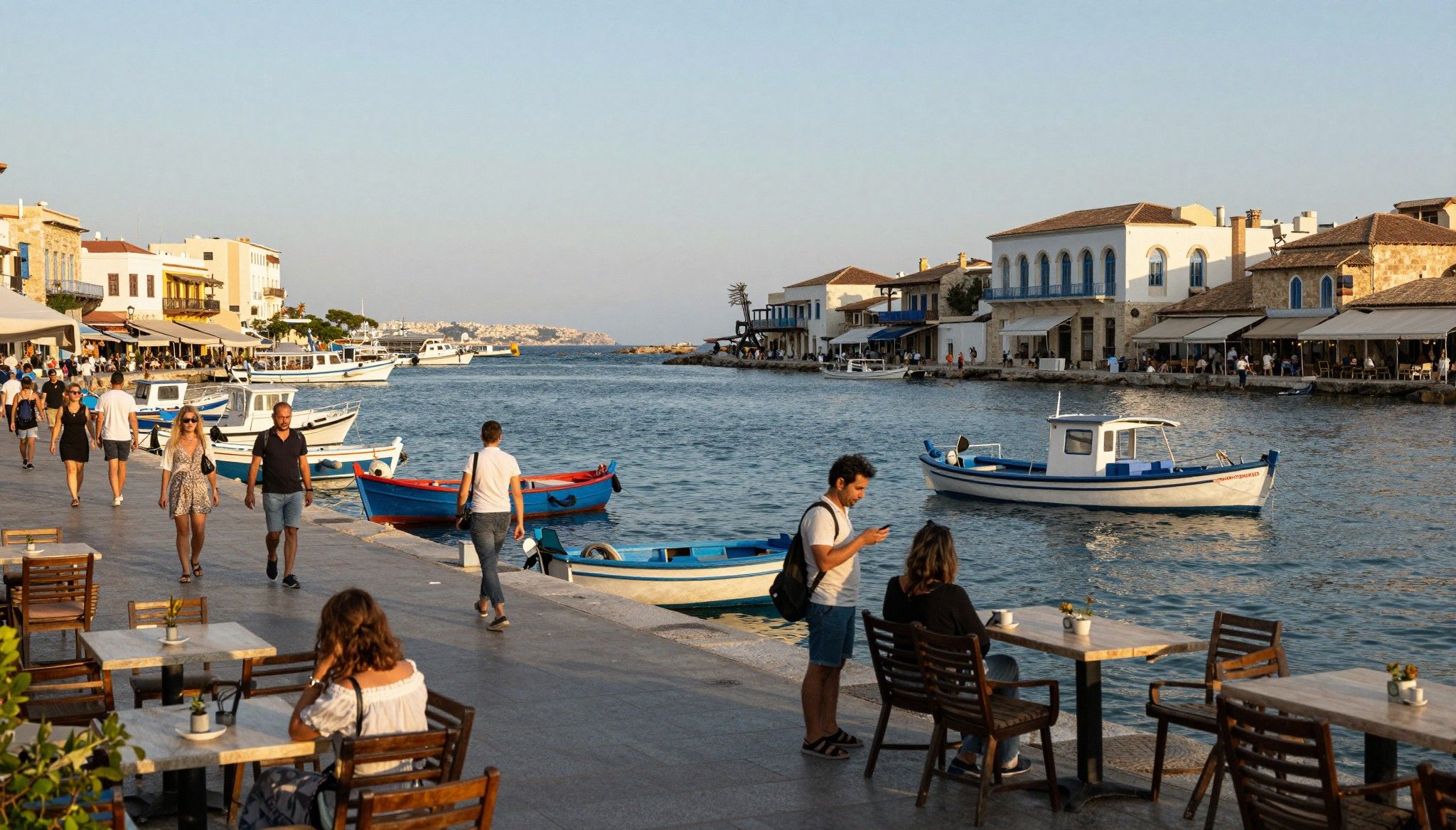
Imagine a late‑afternoon walk on Limassol’s Molos promenade: bakers still dusting kataifi, fishermen mending nets, a neighbour calling you in for strong coffee. That ordinary clarity — light, cuisine, neighbourhood rituals — is what persuades most buyers to choose Cyprus. But when the dream meets paperwork, a few island‑specific tax truths determine whether a purchase stays a pleasure or becomes a chore. Recent market analysis shows the tax choices you make at purchase and early ownership materially affect lifetime cost and yield.
Living the Cyprus Life
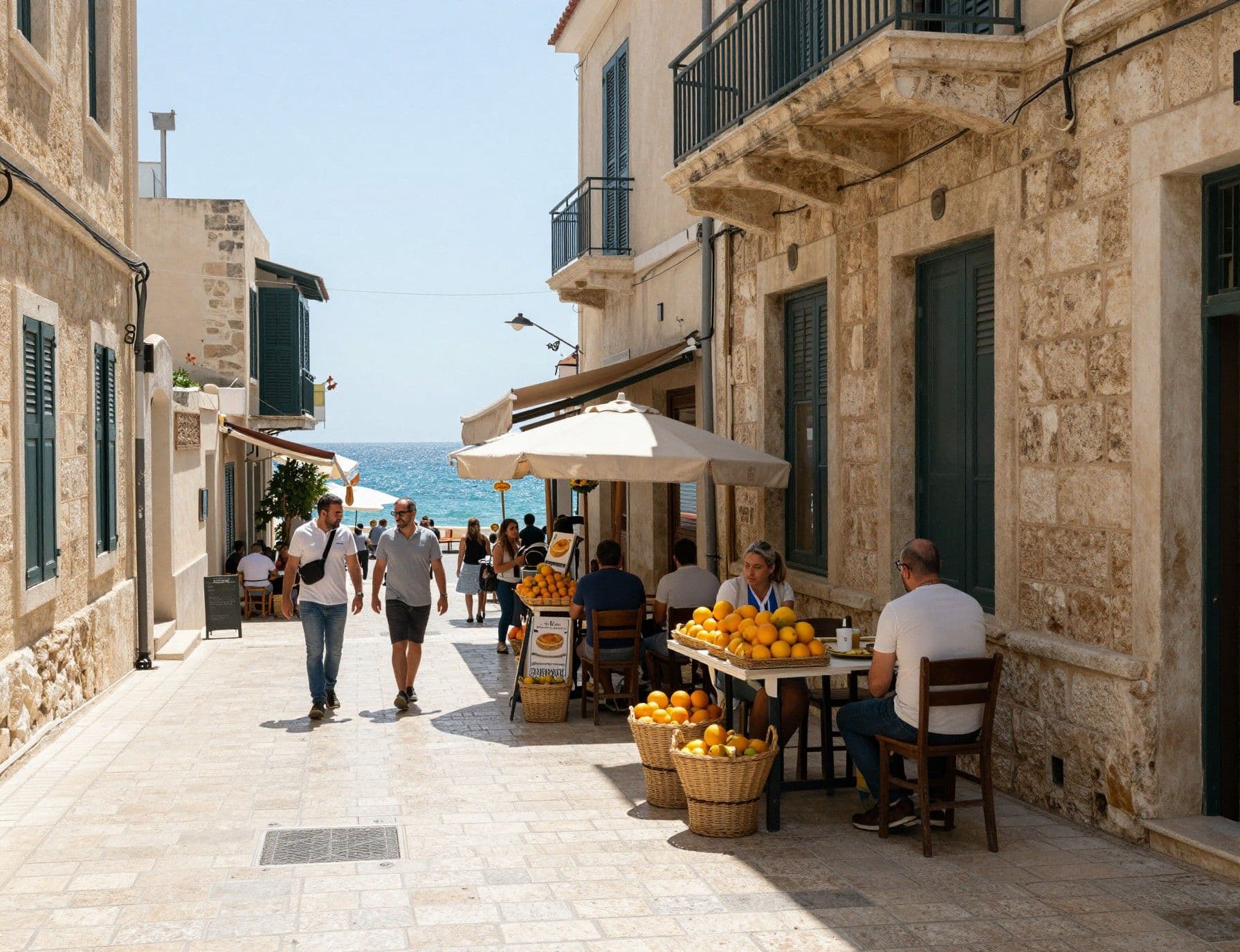
Cyprus is quieter than its brochures suggest and richer in ritual: morning markets on Ledra Street in Nicosia, late lunches under plane trees in Polis, children biking on the coastal path in Paphos. Town squares keep time with coffee‑cup rhythms; weekends are for tavernas and village fêtes. These daily patterns shape what property feels right: terraces that capture the evening breeze, kitchens large enough for shared mezze, narrow courtyard houses that store both shade and memory.
Neighbourhoods that define the pace
Limassol’s Molos and old port cater to maritime sociability and quieter conservation projects; Aglantzia and Strovolos in Nicosia offer leafy family rhythms and proximity to international schools; Larnaca’s Finikoudes keeps a gentler, lived‑in seaside quality. Walk the side streets of each and you’ll feel why buyers choose one area over another: not only for views, but for daily commutes, weekend rituals and where the good baker lives.
Food, festivals and seasons
Picture Sunday morning at the municipal market: halloumi grilled on a brazier, citrus perfume in the air, stallholders swapping news. Seasonal festivals—from the grape harvest in the Troodos foothills to Orthodox Easter in village squares—shape social calendars and influence when properties feel most alive. Practical note: when you buy a new home that you plan to live in, value‑added tax treatment (and therefore the net price) can differ notably by status and timing. Legal guidance early on clarifies whether a reduced VAT rate may apply.
- Lifestyle highlights: Molos promenade (Limassol), Ledra Street market (Nicosia), Polis tavernas, Paphos archaeology and harbour, Troodos mountain trails.
Making the Move: Practical Considerations

Once the sensory pleasures are accounted for, ownership economics take centre stage. Cyprus’s property taxes are comparatively simple but specific: a flat capital‑gains regime for immovable property, a VAT regime that treats new builds differently, and transfer fees and levies at the point of sale. Start with clear documentation: building permits, planning history and developer VAT declarations — these often decide whether you pay 5% or the standard 19% VAT on a new home.
Property types and their tax footprints
A seafront apartment bought new differs taxwise from a village stone house. New constructions can attract VAT; resale transactions typically do not. Capital gains tax (20% on the gain for Cyprus‑situated immovable property) applies on disposal, with inflation adjustments and allowable costs. Municipal charges and the 0.4% levy on sale proceeds additionally affect net returns. An early tax health‑check from a Cyprus advisor will convert lifestyle preferences into a realistic long‑term cashflow picture.
Working with local experts who know the island
- 1. Ask the developer or seller for VAT classification and supporting paperwork before signing; this determines whether reduced VAT might be claimed. 2. Request a certificate of planning history and building‑permit dates — small date differences change tax treatment. 3. Commission a preliminary capital‑gains estimate with indexed acquisition costs so you understand exit taxes. 4. Insist on a buyer’s solicitor who coordinates with a tax adviser experienced in non‑dom and residency matters. 5. Factor in transfer fees, municipal levies and the 0.4% disposal charge into your offer price.
Insider Knowledge: Myths, Mistakes and Little Advantages
A common myth: Cyprus is a tax haven for property buyers. The truth is more nuanced. Cyprus offers meaningful reliefs — notably the non‑dom exemption from certain Special Defence Contributions for many new residents — but these are residency‑based and time‑limited. Misunderstanding the scope or duration of non‑dom status is the error we see most: buyers assume perpetual exemption and then face surprise liabilities years later.
What expats wish they’d known
- • Non‑dom status often lasts up to 17 years but must be confirmed with a tax professional. • Reduced VAT (5%) on a primary residence has eligibility rules — prior property ownership and grant receipts can disqualify you. • Capital gains tax uses indexed acquisition costs; keep every invoice and improvement receipt. • Municipal and utility registration (and the so‑called "yellow slip") affects eligibility for local services and some tax matters. • Timing purchases around festival seasons can influence market leverage and negotiation tone, but taxes remain the determining arithmetic.
Longer view: stewardship, resale and legacy
If you intend a property to remain in the family, plan for succession and local inheritance norms early. Cyprus’s pragmatic legal framework rewards clear title, detailed records of improvements and a considered approach to rental versus owner‑occupation. Pragmatic stewardship — documented works, careful contracts and conservative yield assumptions — keeps the island’s pleasures intact and preserves capital for the next generation.
Take the next step: spend an afternoon walking your preferred neighbourhood with a local agent, request VAT and planning paperwork in writing, and commission a short tax memo tailored to your residency plans. The right local team translates the sensory pleasures of Cyprus into an ownership plan that feels as effortless as an evening at the harbour.
Norwegian with years in Florence guiding clients across borders. I bridge Oslo and Tuscany, focusing on legal navigation, cultural context, and enduring craftsmanship.