Finance the Croatian Life: Mortgages, Reciprocity & Rhythm
How to finance a life in Croatia: lifestyle scenes meet practical paths — reciprocity rules, lender expectations and steps to prepare mortgage-ready offers.
Imagine a morning in Split: a short walk from a stone piazza where bakers lay out warm burek and espresso steam rises against limestone façades. Later, you might take the ferry to an island whose quiet coves require a few more minutes of rowing than in glossy brochures. For many international buyers, the enchantment of coastal towns or Zagreb’s measured civic life prompts a practical question: how do you finance the life you want in Croatia? This piece pairs sensory impressions of daily life with clear, research‑backed advice on mortgages, reciprocity and steps that preserve both aesthetic intent and investment logic.
Living the Croatia lifestyle
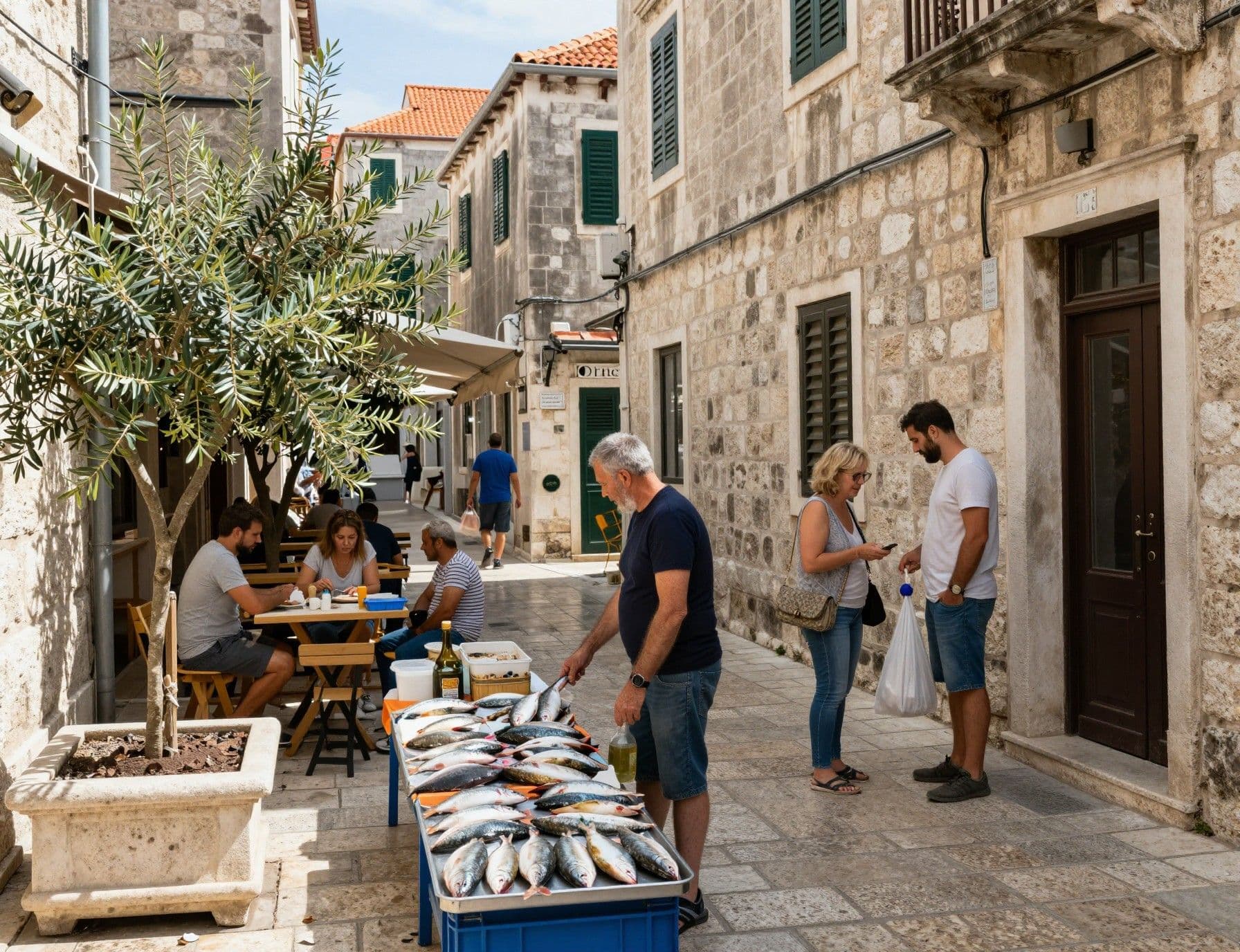
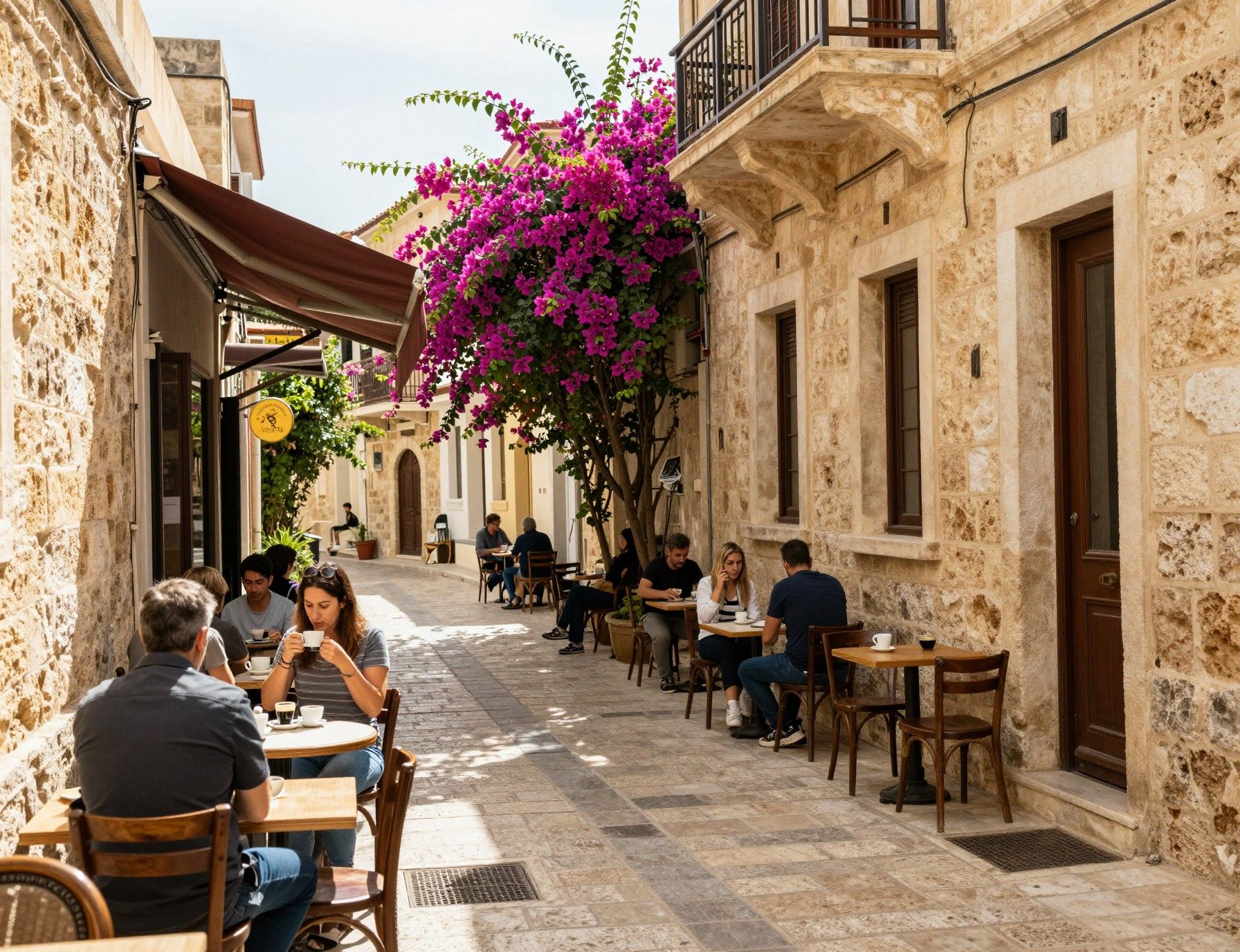
Croatia’s rhythm is seasonal yet quietly continuous: market mornings in Dubrovnik’s Gruž, midweek espresso at Zagreb’s Tkalčićeva, and long summer evenings along Istria’s olive‑studded lanes. Light defines place here — the Adriatic’s glare on Venetian stone, the softer inland tones in Slavonia — and that light shapes how homes are used. Buyers should picture life first: a kitchen that opens to a shaded terrace, a narrow alley that serves as a morning route to a favourite café, or a small garden for late summer figs. Once the lifestyle is clear, financing choices become tools to realise those daily scenes rather than constraints.
Coast and Islands: Salt, stone and seasonal pace
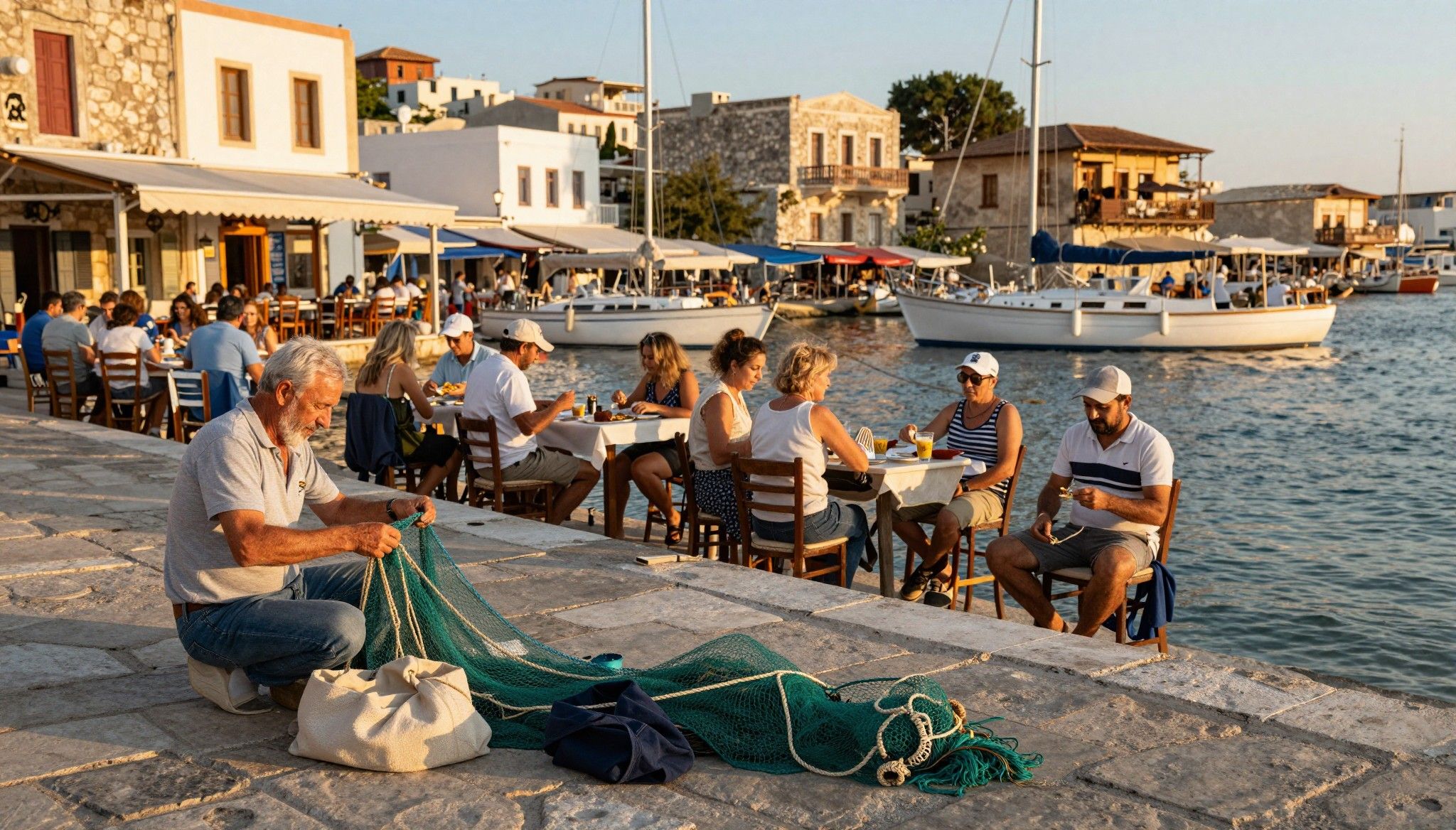
On the Dalmatian coast — Split, Hvar, Vis — mornings smell of sea and grilled fish while afternoons empty into shaded terraces. Properties here range from compact townhouses with exposed beams to terraced villas with small courtyards; many are centuries old and require sensitive restoration. For financing, coastal specialists will emphasise renovation allowances and seasonal rental income forecasts when talking to banks. Knowing which micro‑neighbourhoods are genuinely year‑round versus strictly summer rental areas matters both for cashflow projections and for choosing mortgage terms.
Zagreb and Inland: Urban rhythm and civic comforts
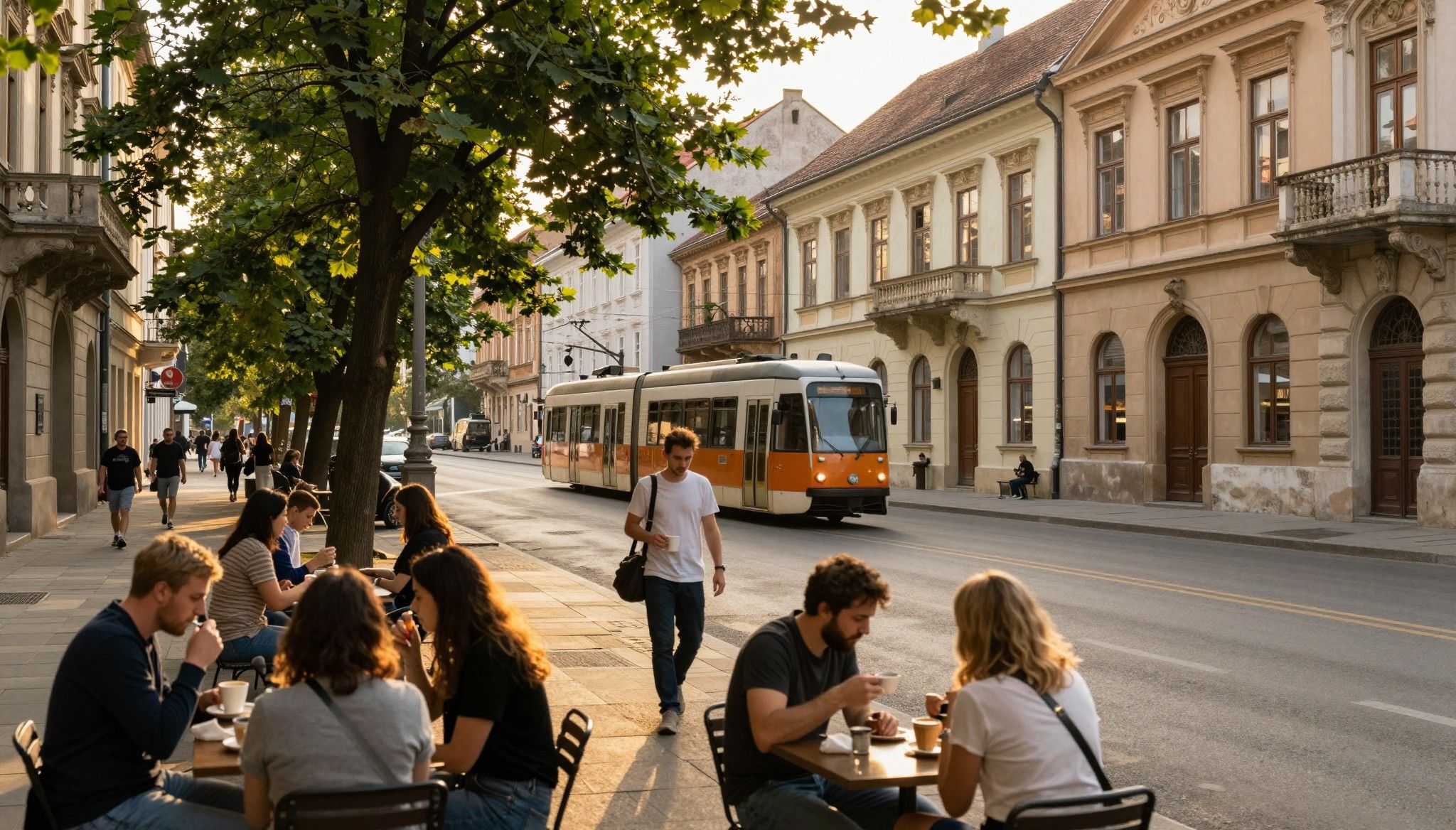
Zagreb rewards a different sensibility: tree‑lined boulevards, artful cafés, and apartments in Austro‑Hungarian buildings where coffered ceilings meet contemporary kitchens. Neighborhoods such as Gornji Grad and Maksimir offer a balance of cultural life and everyday services — important when you plan a permanent move. Lenders often view urban properties as lower risk than isolated coastal holiday homes; that affects loan‑to‑value and interest margins. If your vision is civic life rather than seasonal rental, prioritise stability over headline returns when comparing offers.
- Market mornings and everyday pleasures: real local highlights
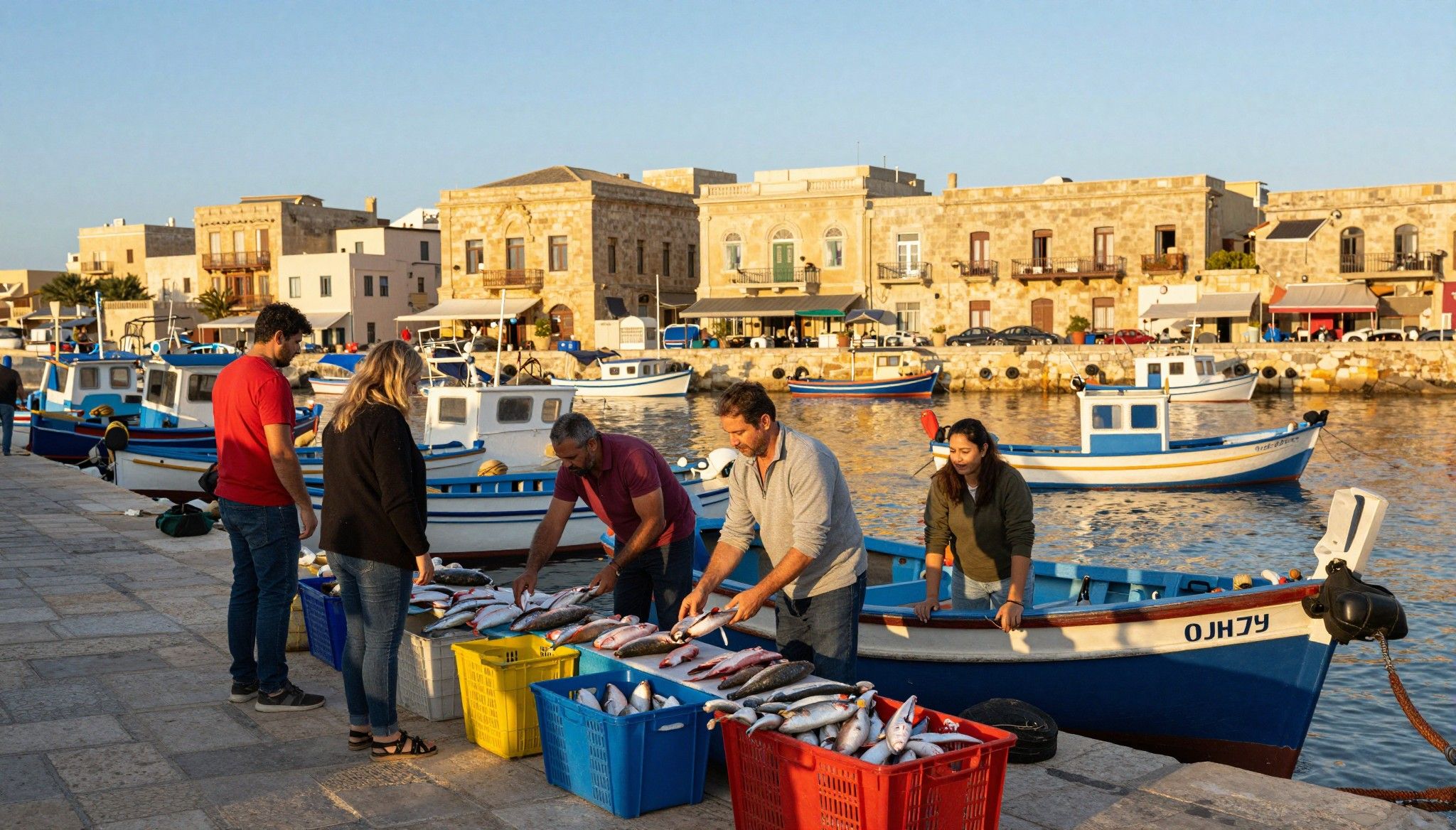
- Buy fish from Gruž market (Split) and walk the Riva at dusk — properties one alley back hold historical value and daily convenience.
- Coffee on Tkalčićeva (Zagreb) signals access to cultural life; apartments in nearby streets combine provenance with rental resilience.
- Istrian hill towns (Motovun, Grožnjan) offer truffle and wine seasons that transform short‑term rental demand — useful when modelling seasonal cashflow.
Making the move: practical considerations
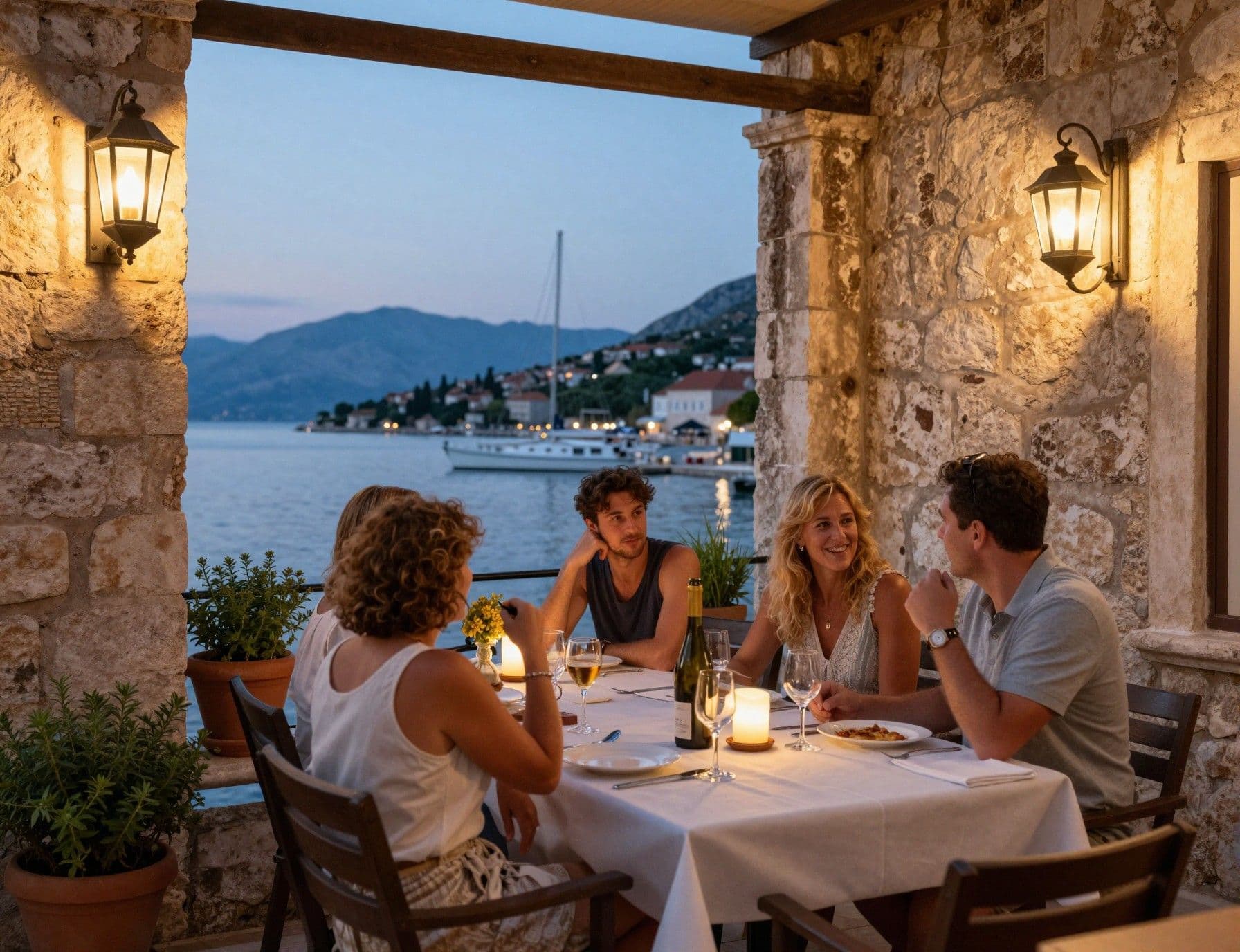
Market data from the Croatian Bureau of Statistics and recent market reports show house price appreciation concentrated in coastal hotspots while supply of new dwellings varies by region. Mortgage pricing and availability adjusted to higher European rates in 2024–2025, which has tempered transaction volumes but left long‑term demand intact. For buyers, three practical realities follow: residency and reciprocity rules matter, banks price perceived seasonal risk into offers, and renovation plans must be integrated into loan calculations. Any financing plan should begin with local data and an experienced loan officer.
Who can borrow: EU citizens, non‑EU rules and corporate workarounds
EU and EEA nationals enjoy parity with Croatian buyers: banks are accustomed to lending to cross‑border borrowers from within the Union. Non‑EU nationals face an additional legal step — reciprocity approval from the Ministry of Justice unless they acquire property through a Croatian legal entity. For financing, many third‑country buyers either secure domestic bank mortgages after approval or set up a Croatian d.o.o. (limited company) to simplify acquisition. A specialist lawyer will make this pathway efficient and compliant.
Property type and lender perspective: renovation, historical fabric, seasonality
Banks underwrite not only the stone and timber of a house, but also how you will use it. A restored Dalmatian townhouse with year‑round rental potential is treated differently from a remote island cottage occupied three months a year. Expect higher down‑payments or stricter serviceability tests for seasonally dependent incomes. Include conservative rental projections and quotes for planned restoration when you apply; lenders value documented craftsmanship budgets as much as optimistic forecasts.
- Steps to prepare a finance application in Croatia
- 1. Gather proof of income and banking history, translated and notarised where necessary.
- 2. Obtain a pre‑approval with a Croatian bank or international lender that operates locally; discuss loan‑to‑value for coastal vs urban properties.
- 3. If you are a non‑EU national, clarify reciprocity status or set up a Croatian d.o.o.; instruct a local lawyer to secure ministry approval if needed.
- 4. Include renovation estimates and realistic seasonal rental schedules in your submission to reduce lender uncertainty.
Insider knowledge: what expats wish they'd known
Many buyers arrive enchanted and learn the hard way that paperwork, patience and local relationships shape the experience as much as the view. Expat owners frequently cite three regrets: underestimating maintenance on historic stonework, misjudging seasonal utility timing, and not locking in a trusted notary and tax adviser before exchange. Those mistakes are avoidable with a measured team: a lawyer versed in reciprocity, an accountant familiar with Croatian tax residency implications, and an agent who knows where true neighbourhood value lies beyond headline sea views.
Cultural integration and daily life: language, neighbours and time
Croatians value directness and small courtesies — a neighbour’s greeting on market day, a baker who remembers orders — and such rituals accelerate belonging. Learning a few phrases is practical: administrative meetings and utility setup are easier when you can follow nuance. Join local associations, markets and cultural events; these are where practical introductions (recommended builders, seasonal caretakers) originate. The social fabric is often the best source of vetted tradespeople and quiet, off‑market opportunities.
Long‑term stewardship: how life and value evolve
Croatia’s EU membership and improving infrastructure support long‑term value, particularly where restoration respects local fabric. For buyers with multi‑decade horizons, invest in quality materials and local craftsmen; that preserves both living comfort and resale appeal. If you plan to rent, align interior choices with year‑round demand rather than short‑term trends. And consider local succession rules and tax advice early: stewardship is as much legal as architectural.
- Key red flags when assessing a Croatian property
- Unclear land classification (agricultural vs building zone) — this can block conversion and financing.
- Missing permits for restorations — lenders will withhold funds without certified works documentation.
- Over‑reliance on summer income in coastal towns — model conservative yields for year‑round viability.
Conclusion: fall in love deliberately, finance with care
Croatia rewards those who approach the purchase as an act of stewardship: choose a neighbourhood whose daily life you can imagine, then assemble a local team to translate that life into a robust financing plan. Begin with local data, secure legal clarity on reciprocity if needed, and favour lenders who understand seasonal patterns and heritage restoration. When lifestyle and finance speak the same language, a home in Croatia becomes not only a beautiful place to live but a durable asset to steward across generations.
Former Copenhagen architect who relocated to Provence, offering relocation services, market analysis, and a curator’s eye for authentic regional design.