Malta: Life, Limestone and What the Market Actually Means
Malta’s compact market balances warm village rhythms and steady price growth; buy for light, courtyard life and neighbourhood, then match with local expertise and due diligence.
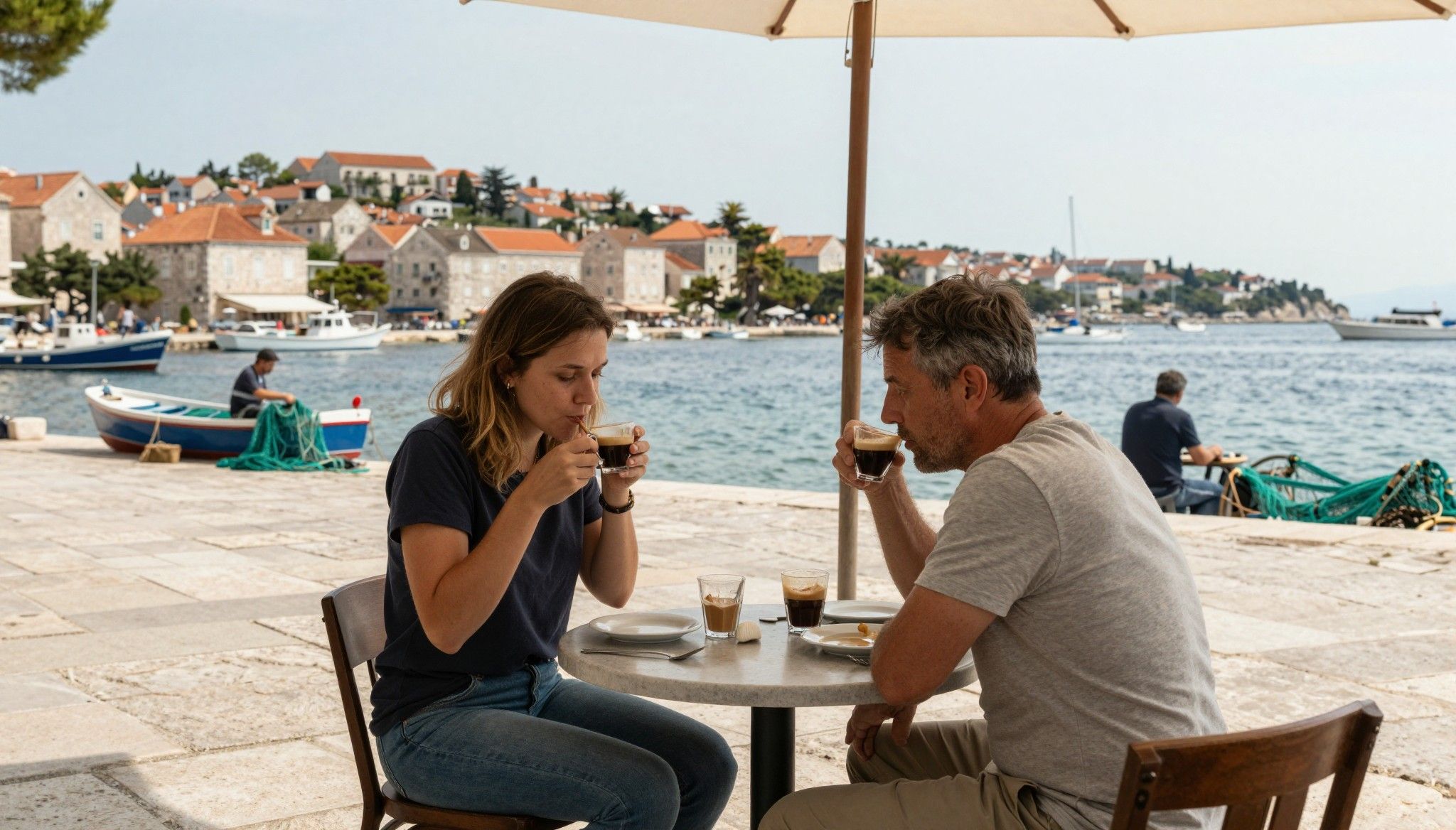
Imagine beginning a morning in Valletta with a single espresso at a stone‑walled café, then walking to the harbour as fishing boats flash turquoise against honeyed limestone. In Malta the pace is compact and convivial: days punctuated by markets, late lunches and small‑scale neighbourhood life. That intimacy is why buyers arrive dreaming of streets you can learn by sight rather than post code — and why property choices here are about windows, courtyards and day‑to‑day rituals as much as capital returns. Recent NSO data shows steady price growth, underscoring demand that has outpaced new supply in key districts.
Living Malta: Sun, Stone and Street Life
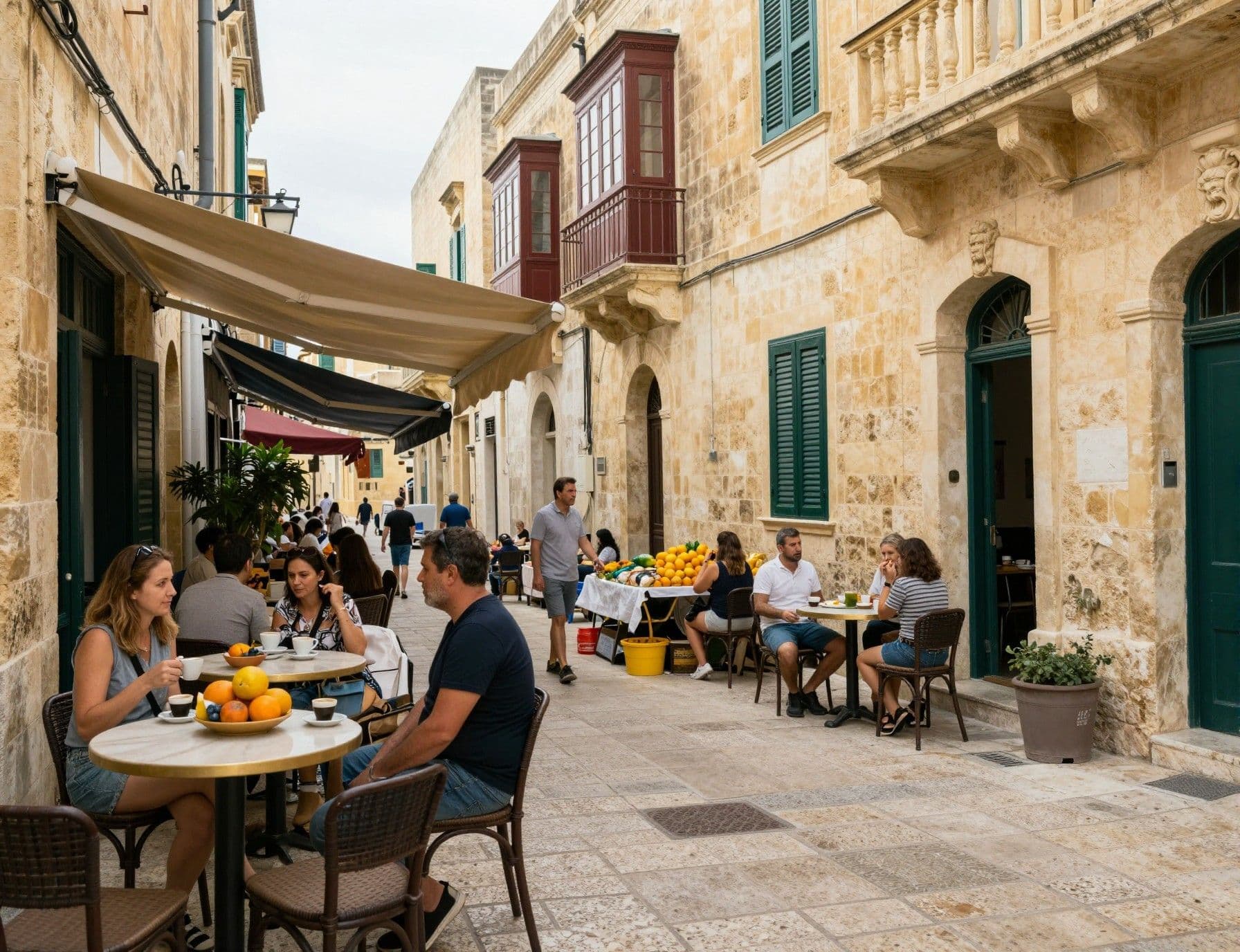
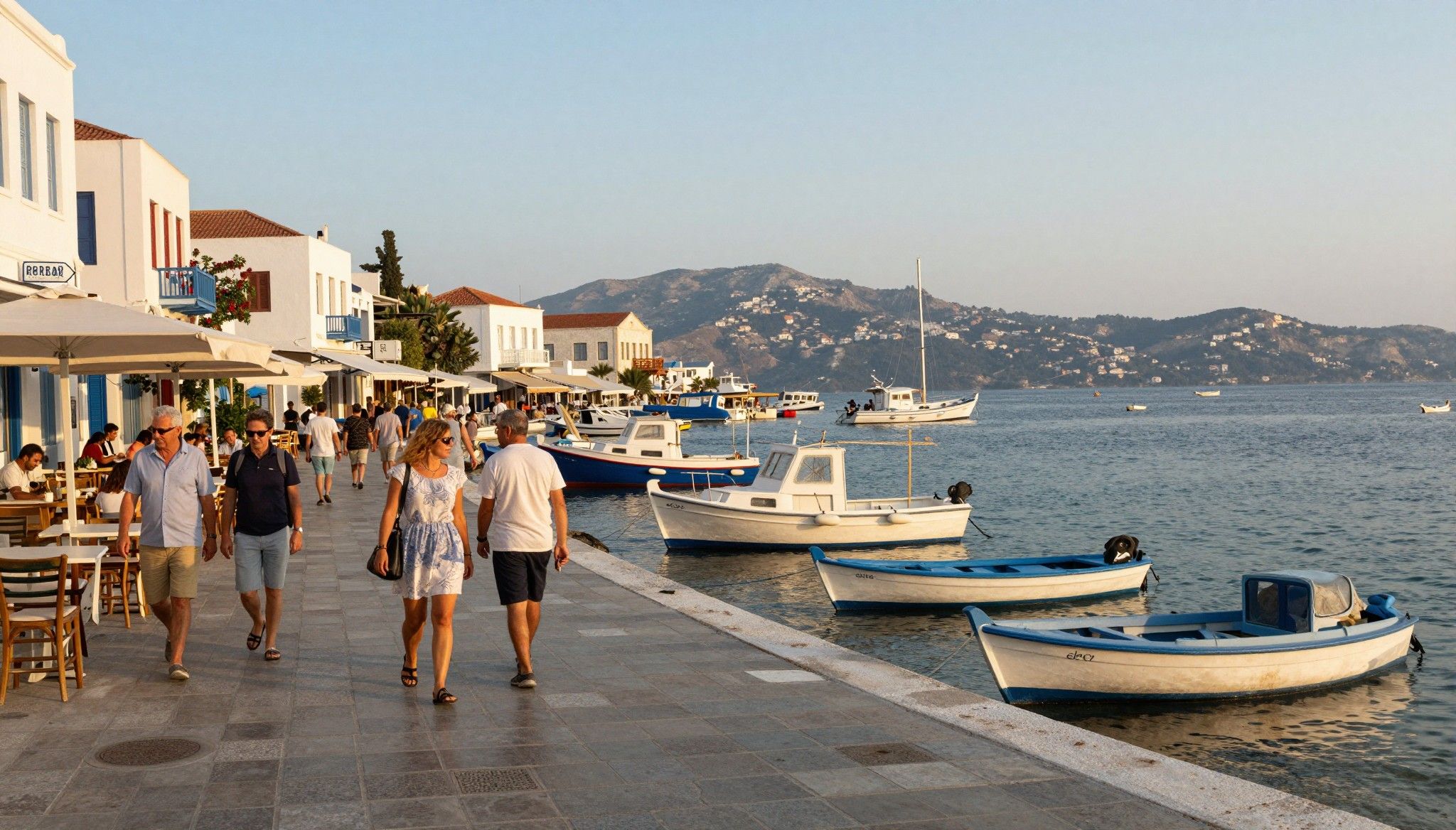
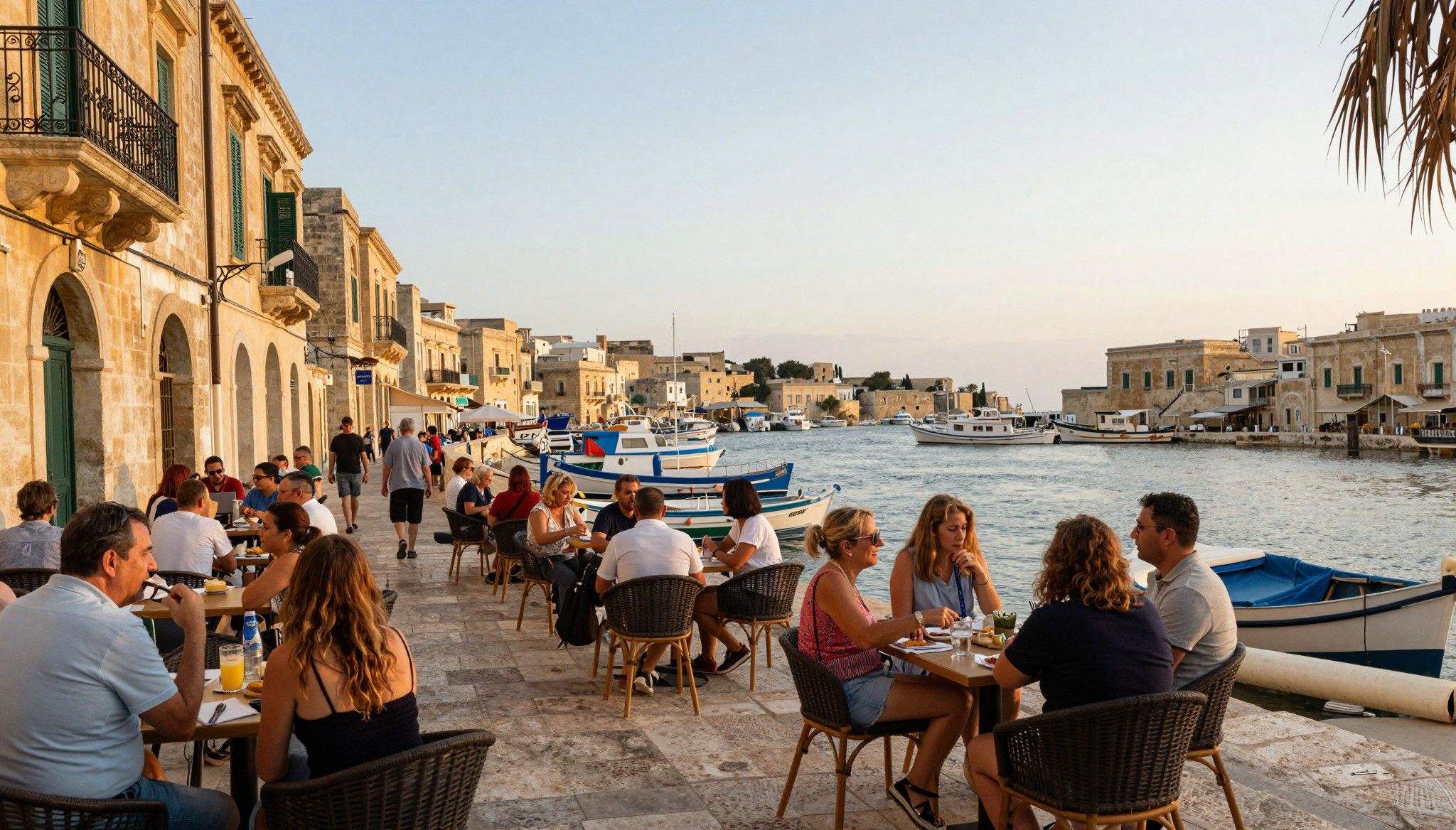
Malta’s character is defined by three things: limestone façades that warm at dusk, neighbourhood cafés where acquaintances become friends, and a coastline owed equally to sheltered bays and dramatic cliffs. Life here is lived outdoors for much of the year; terraces, roof gardens and narrow shaded lanes become rooms of the house. For an international buyer, the value of a home is often measured as much by proximity to market squares, a favourite pastizzeria, or a quiet harbour walk as by square metres.
Valletta and Three Cities: Heritage as daily backdrop
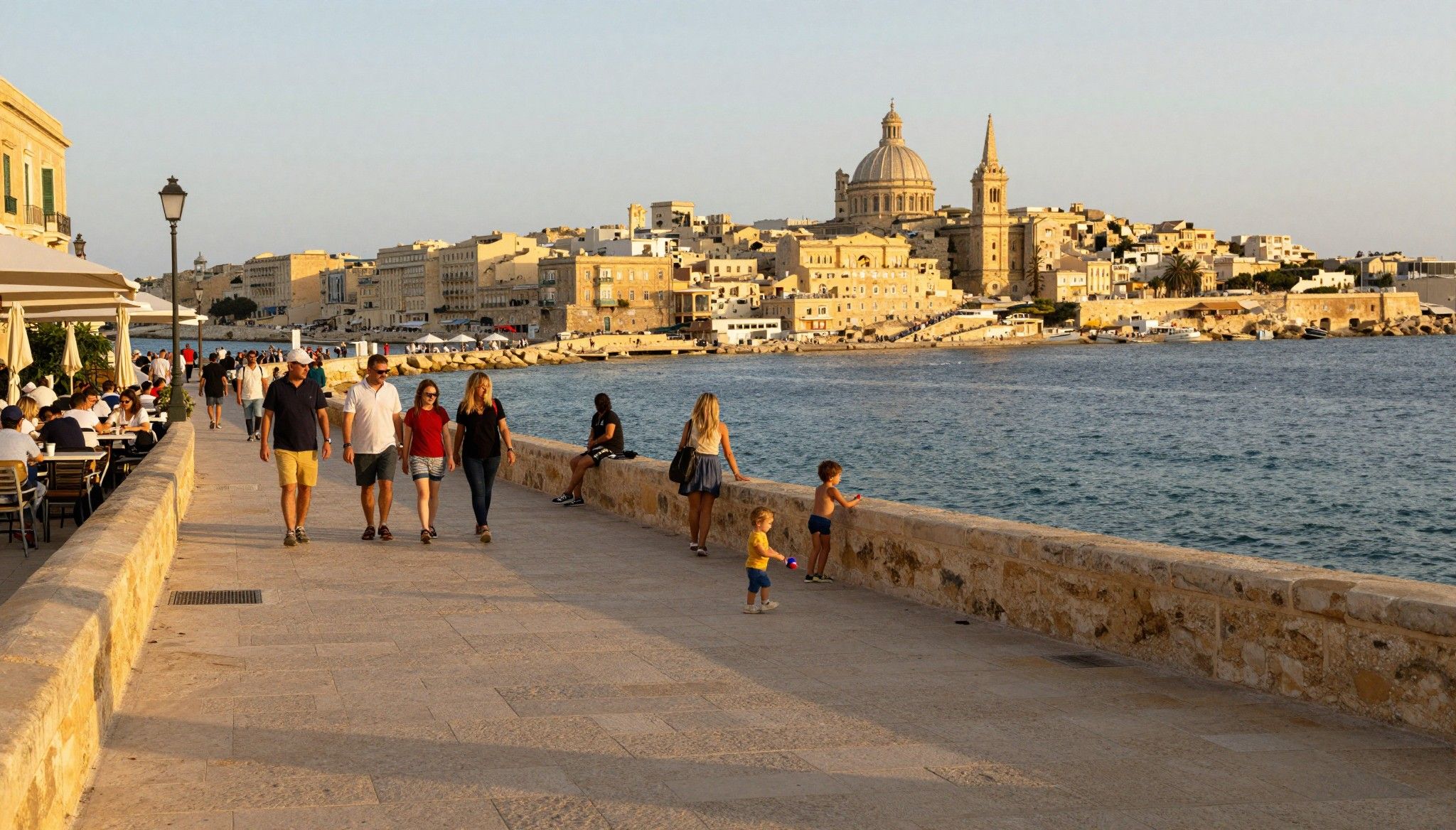
Valletta feels like a lived museum: Baroque churches, carved timber balconies and museums share pavements with small bakeries and quietly excellent fish restaurants. The Three Cities opposite — Vittoriosa, Senglea and Cospicua — offer a slower rhythm: fortification walls, narrow streets and restored townhouses with internal courtyards. In these central areas you pay a premium for provenance and immediate atmosphere; what you buy is both a house and a piece of civic fabric.
St Julian’s to Sliema: Coastal convenience and social life
If you prefer a livelier edge, Sliema and St Julian’s combine promenades, cafés and a concentration of services attractive to expatriates and remote professionals. Apartments here tend to be newer, with terraces or sea views, and the social calendar is active: seaside walks, rooftop bars and weekend markets. For families seeking schools and predictable routines, quieter inland towns such as Mosta, Naxxar and the south‑west villages provide larger houses and more gardened plots.
- Sunlit lifestyle highlights
- Morning espresso at Café Cordina in Valletta; a weekday market at Marsaxlokk on Sunday; cliff swims at Ghajn Tuffieha; roof‑top aperitifs in Sliema; Saturday strolls through Mdina’s quiet streets.
Making the Move: Practical Considerations
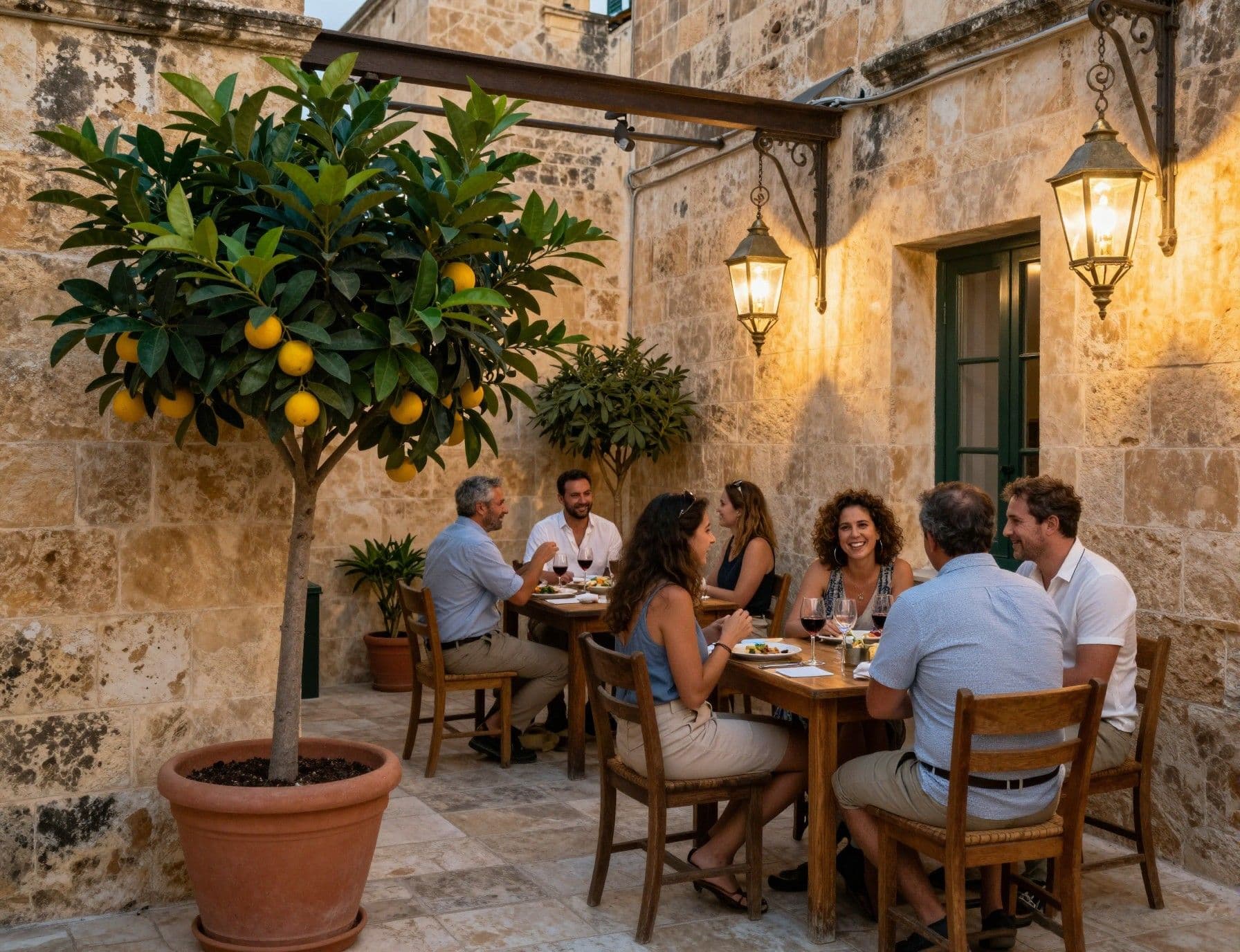
The romance of small lanes must be matched with practical planning. Malta’s market is compact and regulated; residency schemes and eligibility rules affect demand patterns, and recent regulatory updates have introduced new options for buyers who plan to live, rent or use a property as a residence under the Malta Permanent Residence Programme. Understand how rental flexibility, minimum terms and regional price bands can affect both your lifestyle and the investment case before making offers.
Property types and how you will live in them
Choices range from restored townhouses with internal light wells to modern apartments with glazed terraces. Townhouses deliver private courtyards, high ceilings and scope for bespoke restoration — ideal if you prize material craft and room‑to‑breathe. Apartments give convenience, security and proximity to cafés and services. Consider how Mediterranean living emphasises outdoor rooms: a modest terrace with shade and a view often yields more daily pleasure than an extra interior bedroom.
Working with local expertise
A well‑connected local agent translates neighbourhood nuance into practical choices: which streets remain quiet after tourist season, where light floods a courtyard in winter, or which buildings have recent structural reports. Engage advisers who understand Maltese planning constraints, conservation rules for historic façades and the realities of construction in limestone. Good counsel preserves both lifestyle and value.
- Practical steps to marry lifestyle and purchase 1. Map daily routes: markets, schools, commuting links. 2. Audit outdoor living options: terrace orientation, courtyard privacy. 3. Request recent structural surveys for lime‑stone façades. 4. Check MPRP rental/purchase rules if residency is a goal. 5. Engage an agent familiar with conservation orders and planning.
Insider Knowledge: What Expats Wish They’d Known
Seasonality, community and scale matter. Expats commonly report that the island’s small size accelerates social integration — you meet neighbours at cafés rather than through formal clubs — but it also concentrates any local nuisance. Market reports and industry surveys show a busy market with continuing foreign interest, yet buyers should expect pockets of constrained supply and localized price pressure. Those who settle best combine patience with an exacting view of craftsmanship and spatial quality.
Language, customs and small‑island reality
English is an official language and widely used, easing everyday life. Still, local customs — late lunch rhythms, strong family networks, and municipal events — shape where people choose to live. Respecting these rhythms helps newcomers integrate: show up at the market on market day, learn a few Maltese phrases, and choose a neighbourhood whose tempo matches your own.
Longer horizon considerations
Think beyond purchase: conservation rules may restrict alterations; insurance needs differ on an island exposed to marine air; and maintenance of historic stonework requires specialist contractors. For those seeking rental income, advertised yields are modest compared with some European markets, so view short‑term returns alongside long‑term stewardship and lifestyle benefits.
- Red flags to watch
- Unexplained premium for a mid‑terrace without documented restoration; unclear service‑charge histories for converted apartments; absence of structural or damp reports in older townhouses; agents unfamiliar with conservation restrictions.
Market snapshot: what data tells us
Official indices show continued, if moderate, price appreciation across 2024–2025 with apartments leading gains. Analysts note that limited developable land and steady foreign interest keep the market tight; at the same time, transaction volumes and value data point to selective opportunity for buyers who can be precise about location and property quality. Treat published indices as a directional guide and combine them with street‑level insight before committing.
Conclusion: How to fall in love — wisely
Malta rewards those who buy with lifestyle in mind and patience in practice. Let the island’s light, stone and quotidian pleasures shape your brief, then apply rigorous due diligence: survey reports, a local planning check, and an agent versed in conservation and residency rules. Start with a shortlist of streets rather than a price range; live the morning espresso, the market, the harbour walk — and then look for the property that fits that life. When in doubt, local expertise will preserve both the charm you fell for and the value behind it.
Former Copenhagen architect who relocated to Provence, offering relocation services, market analysis, and a curator’s eye for authentic regional design.