Croatia: Lifestyle First, Reciprocity and Stewardship
An intimate portrait of Croatian life paired with decisive legal steps: reciprocity rules, tax scenarios and preservation-minded due diligence for international buyers.
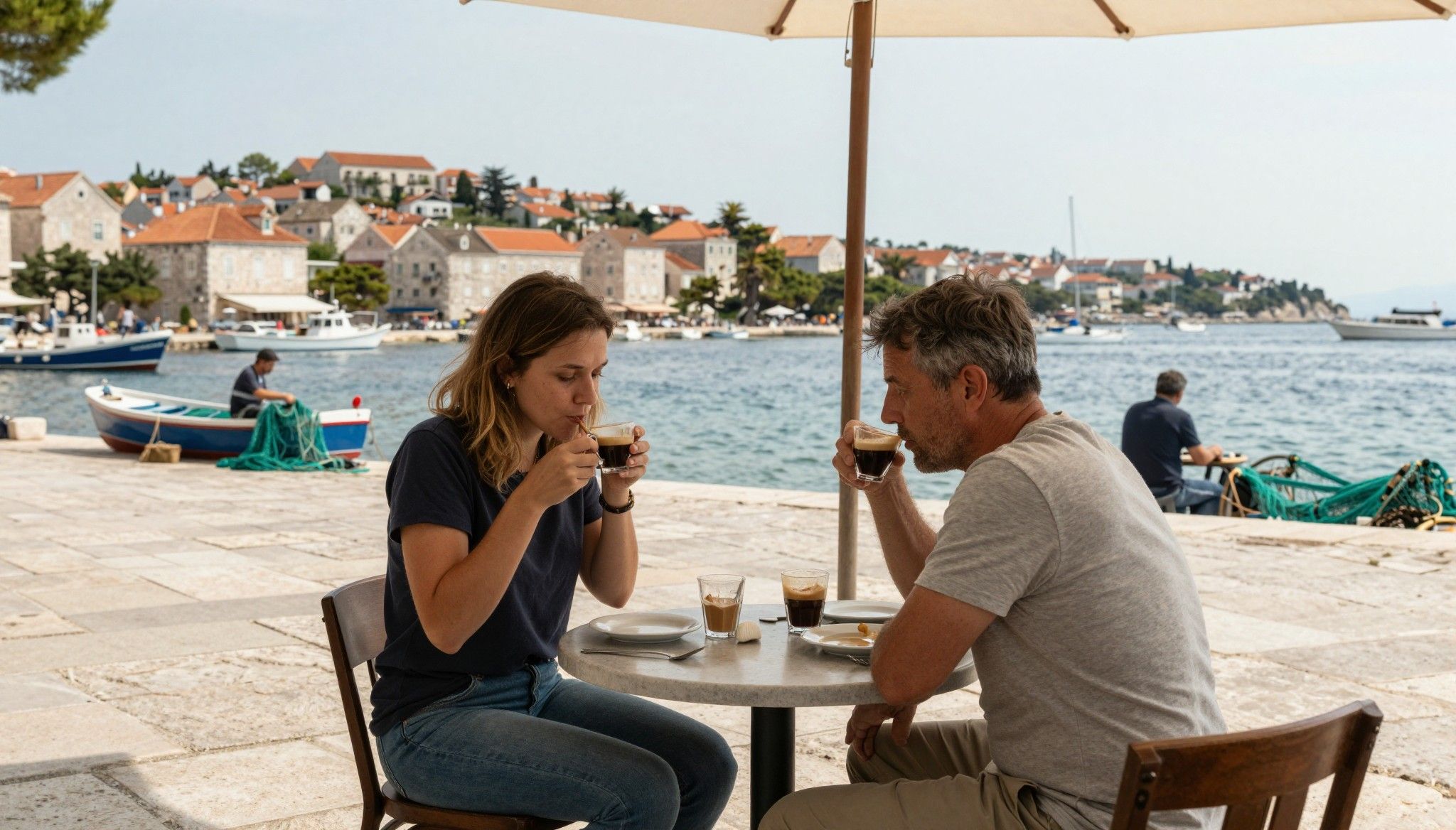
Imagine waking to the scent of fresh bread from Dolac market, pausing for espresso on Radićeva in Zagreb, then crossing to the Adriatic where fishermen mend nets at sunrise. Croatia rewards the senses: limestone alleys, pine‑fringed coves, and a calm civic rhythm that eases into late‑night conversation. For many international buyers the attraction is not only light and landscape but the promise of provenance — stone villas, baroque townhouses and patinated coastal homes that feel inherited rather than newly minted. Yet the practicalities of ownership here — reciprocity rules, taxes, and market momentum — shape which of those promises are attainable and when the right move becomes a wise one.
Living Croatia: the rhythms that shape where you buy
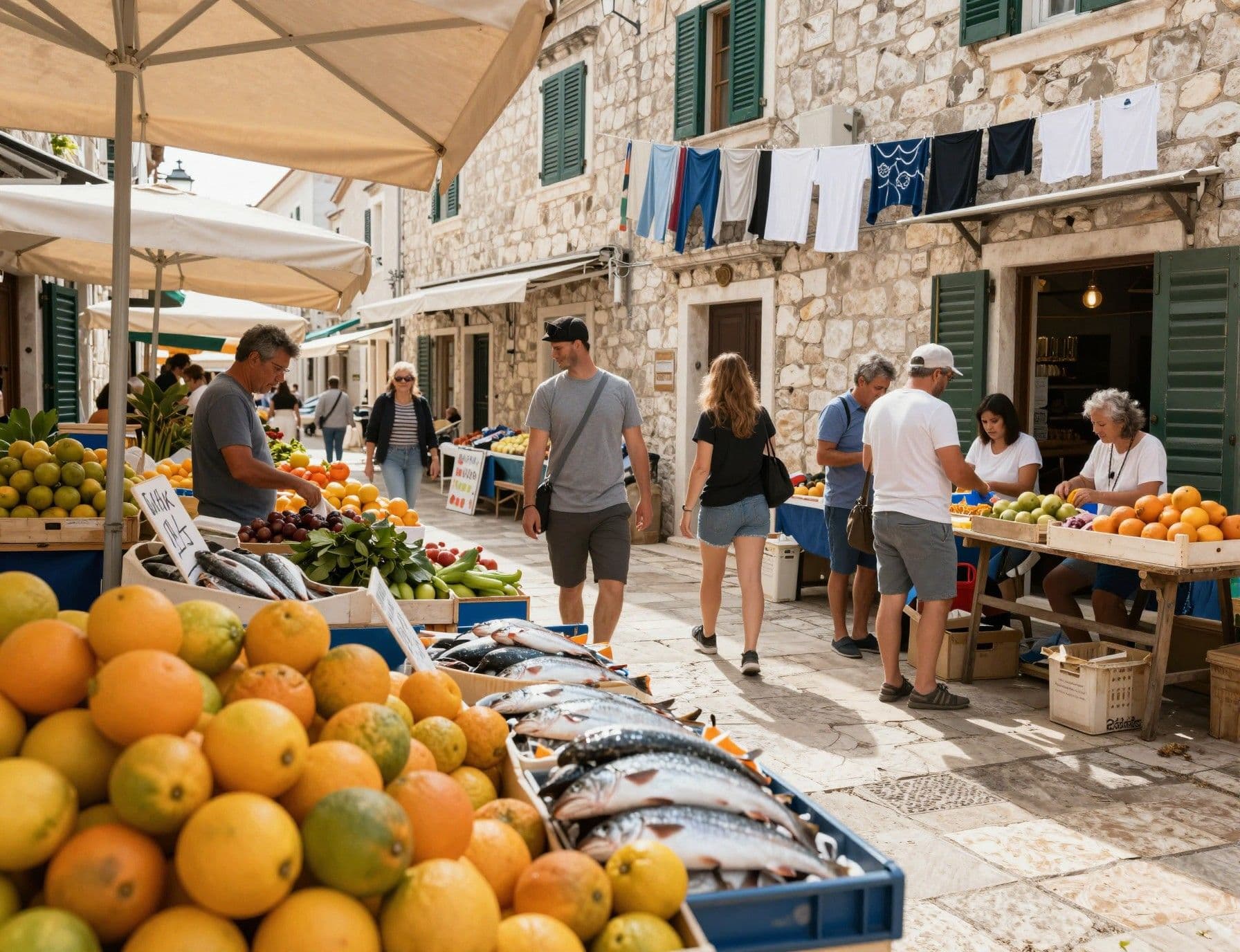
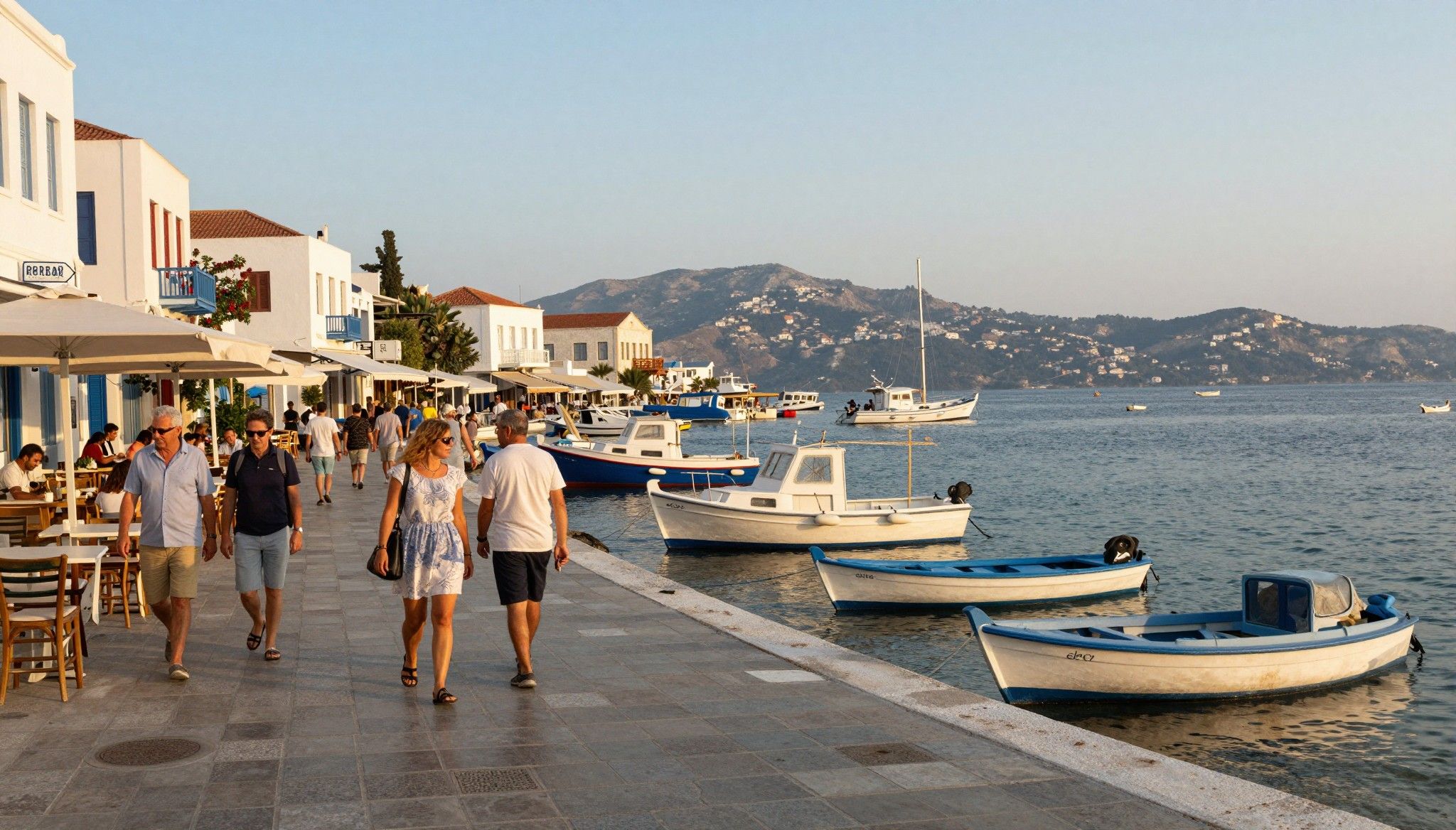
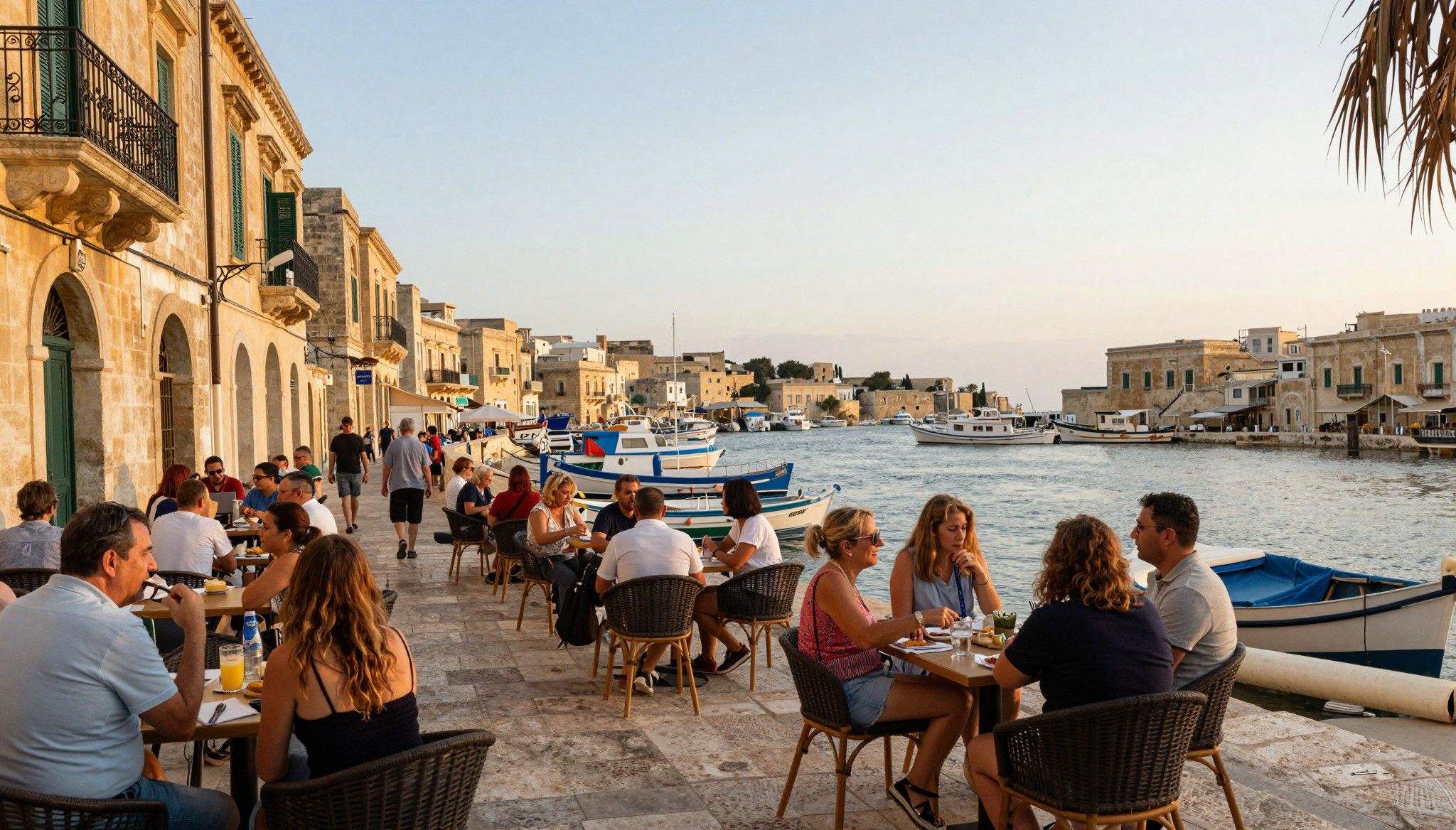
Daily life in Croatia is measured in small, concrete pleasures that inform property choices: morning markets and narrow pedestrian streets favor apartments with storage and walkable access, while island life privileges terraces, cisterns and sheltered courtyards. Coastal towns such as Korčula or Stari Grad present homes where the sea is a functional room; inland, Istrian hilltops keep provenance in stone and truffle fairs that animate weekends. Recent market momentum makes timing part of the lifestyle calculus — rising prices mean a seaside dream may need faster decisions or acceptance of renovation projects rather than turnkey perfection. Reliable market reviews show strong demand and constrained supply, especially along the Adriatic, which affects negotiation posture and due diligence.
Zagreb and the city routines
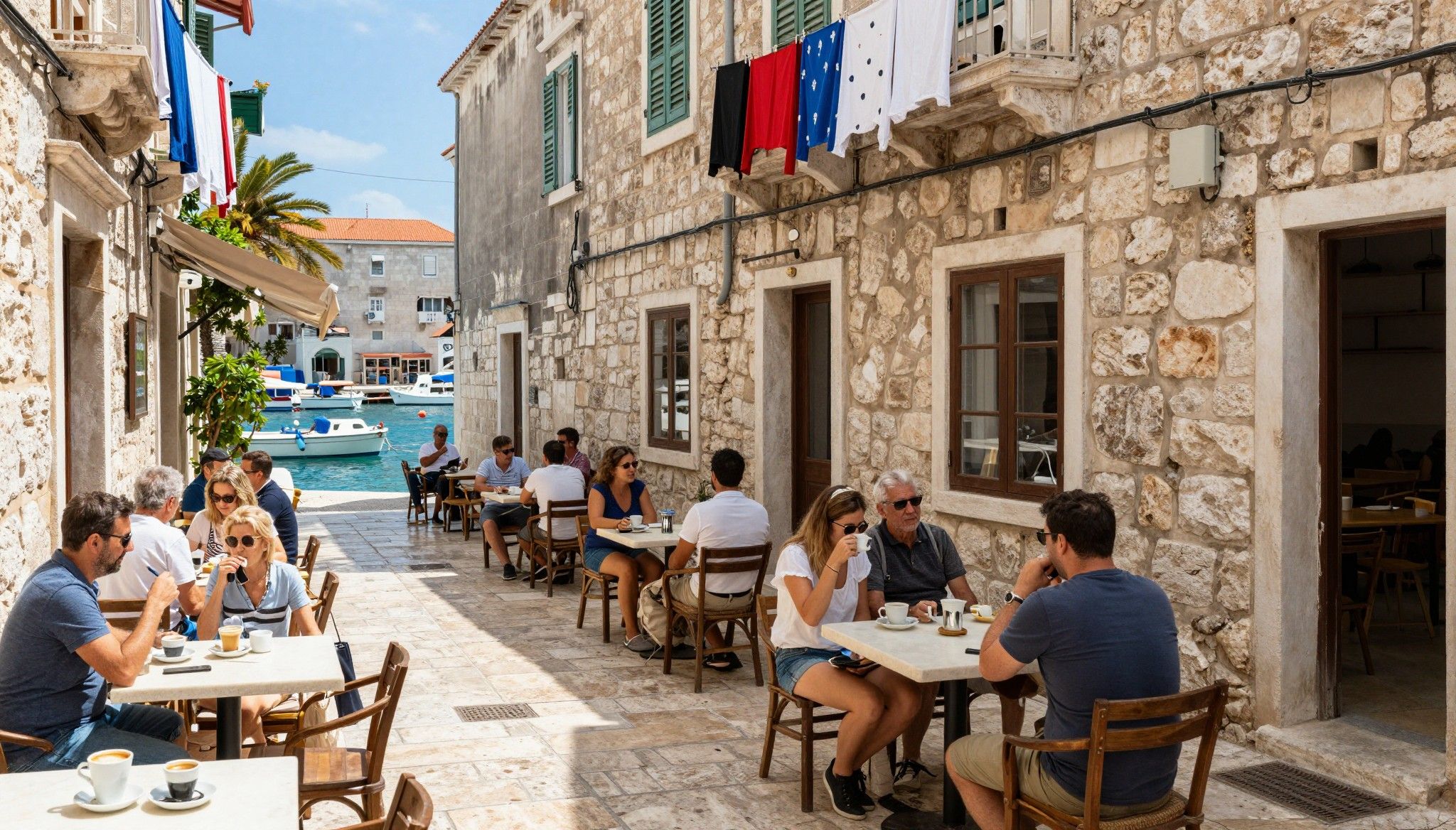
Zagreb offers a measured urban life: cafe culture along Ilica, museums clustered on Trg bana Jelačića, and leafy neighborhoods like Tuškanac and Pantovčak prized for private gardens and late‑19th‑century villas. For buyers seeking year‑round life and cultural infrastructure, apartments in restored Austro‑Hungarian buildings deliver scale, high ceilings and proximity to galleries and international schools. Expect to weigh commute times and parking limitations against the immediacy of city living; agent knowledge here often lies in micro‑blocks and which renovations preserved original joinery.
Coast and islands: which seaside life fits you
If you imagine summer terraces and morning swims, consider the trade‑offs: prime Adriatic towns bring proximity to shops and harbours but also seasonal congestion and premium prices. Data from the national statistics office shows notably faster price growth on the coast than inland, a reality that pushes many buyers toward near‑coastal villages where value endures. Practicalities such as boat mooring, access roads and protected heritage zones determine renovation permissibility and long‑term stewardship costs as much as the view itself.
- Daily highlights that influence lifestyle purchases: morning market at Dolac (Zagreb); espresso on Riva (Split); sunset swim at Zlatni Rat (Brač); truffle markets in Motovun (Istria); island ferry life in Hvar; stone courtyard dining in Šibenik.
Making the move: practical requirements that protect the lifestyle
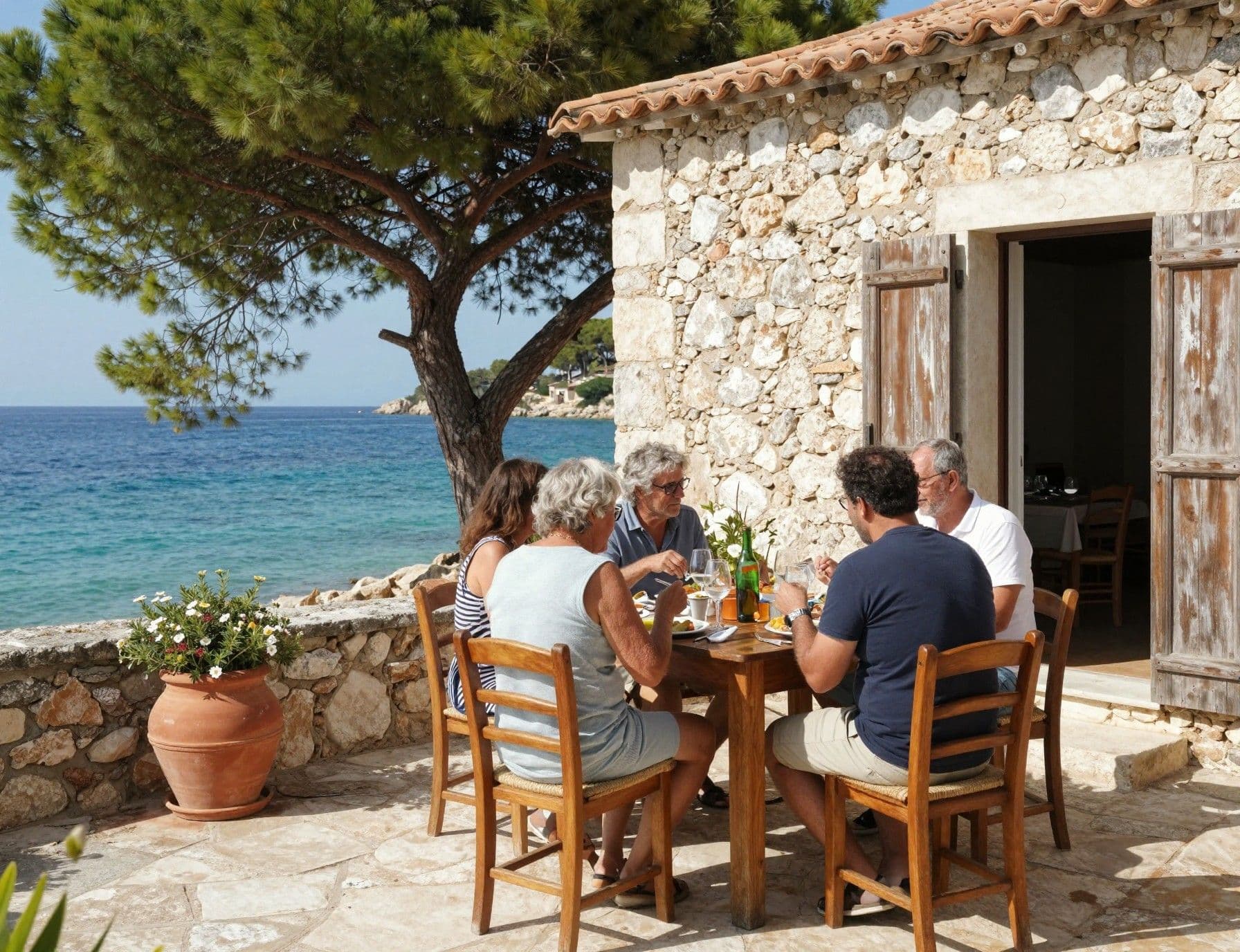
The enchantment of Croatian life is best preserved by understanding legal guardrails first. Croatia applies a principle of reciprocity: non‑EU nationals may acquire real estate only where their home country affords equivalent rights to Croatian citizens, and those conditions can change with bilateral adjustments. For EU citizens acquisition is straightforward; for others, the route may require administrative consent or buying through a local company, each with consequences for taxes, liability and long‑term stewardship. Knowing this early in the search prevents emotional missteps — falling in love with a stone house that you cannot legally buy without months of additional steps.
Property taxes and fiscal realities
Taxes shape the effective price of owning a home in Croatia: when VAT is not charged on a sale, buyers typically pay a real estate transfer tax; conversely new builds sold by VAT‑registered developers may shift the tax burden. Practical planning — whether to buy a renovated heritage house or a new build — must include clear modeling of transfer tax, VAT, notary fees and registry costs. Work with counsel or a tax advisor early; a modest error in classifying a sale can add several percentage points to acquisition costs and complicate resale prospects.
How local experts preserve the life you’re buying
A disciplined local team converts lifestyle aspiration into secure ownership:
- 1. Confirm reciprocity and permit pathways with an attorney before offers are made; this avoids emotional commitments that cannot be completed.
- 2. Request full land‑registry extracts and historic ownership chains; provenance affects planning approvals and access rights.
- 3. Model tax scenarios (transfer tax vs VAT, annual property taxes, municipal fees) to determine running costs relative to lifestyle use.
- 4. Insist on a technical survey that addresses sea‑air corrosion, roof drainage and foundation masonry — preservation, not cosmetic fixes, sustains value.
Insider knowledge: what expats wish they’d known
Seasonal life alters value in subtle ways: festivals in Dubrovnik and Split heighten rental income but can strain services, while winter months reveal whether a property is genuinely year‑round livable. Many expats underestimate administrative cadence; simple tasks such as obtaining a local utility connection or registering with municipal offices often take weeks and require patience and local goodwill. A recurring piece of advice from long‑term residents is to prioritise community — the neighbour who mows shared lanes, the baker who remembers your name — these human elements shape daily satisfaction more than panoramic views.
Cultural integration and everyday life
Croatia rewards those who learn local rhythms: modest Croatian phrases ease negotiations, attending market Saturdays introduces you to suppliers and joining village events speeds acceptance. Language need not be perfect; a willingness to participate in community customs opens doors to trusted craftsmen and unofficial renovation tips that tourists never learn. For buyers intending to rent, familiarity with local seasonality and hospitality expectations is essential for consistent returns rather than a summer spike followed by a long low season.
Long‑term stewardship: what endures
Think in generational terms: durable materials, sympathetic restoration and clear title yield estates that appreciate both financially and culturally. Buyers who prioritise craft — stone masons, lime plaster, traditional roof tiles — find properties that age gracefully and attract discerning tenants or buyers when it is time to sell. Market history shows sustained price growth over recent years; marrying that momentum with quality stewardship assures the lifestyle you bought is also an enduring asset.
- Final practical checklist before making an offer: confirm reciprocity status; commission a technical survey; obtain full land registry extracts; model tax outcomes; agree a timeline with your agent and notary.
If Croatia feels inevitable — the taste of black risotto in Rovinj, the hush of a stone piazza at dusk — pair that conviction with procedural rigour. Begin with a local attorney and agent who value provenance and can translate lifestyle requirements into legal certainty. With the right team, you do more than buy a house: you accept the responsibility of stewardship for a place that will steady the life you sought here. The next step is simple: visit in a season that reflects how you plan to live, bring questions about title and taxes, and let an expert show you properties that match both your imagination and the law that protects it.
Relocating from London to Mallorca in 2014, I guide UK buyers through cross-border investment and tax considerations. I specialise in provenance, design integrity, and long-term value.