Malta: When Lifestyle Outweighs the View — A Buyer’s Reality
Small‑scale, heritage‑rich Malta: market resilience meets lifestyle trade‑offs. Find value where craftsmanship, terrace living and conservation expertise align.
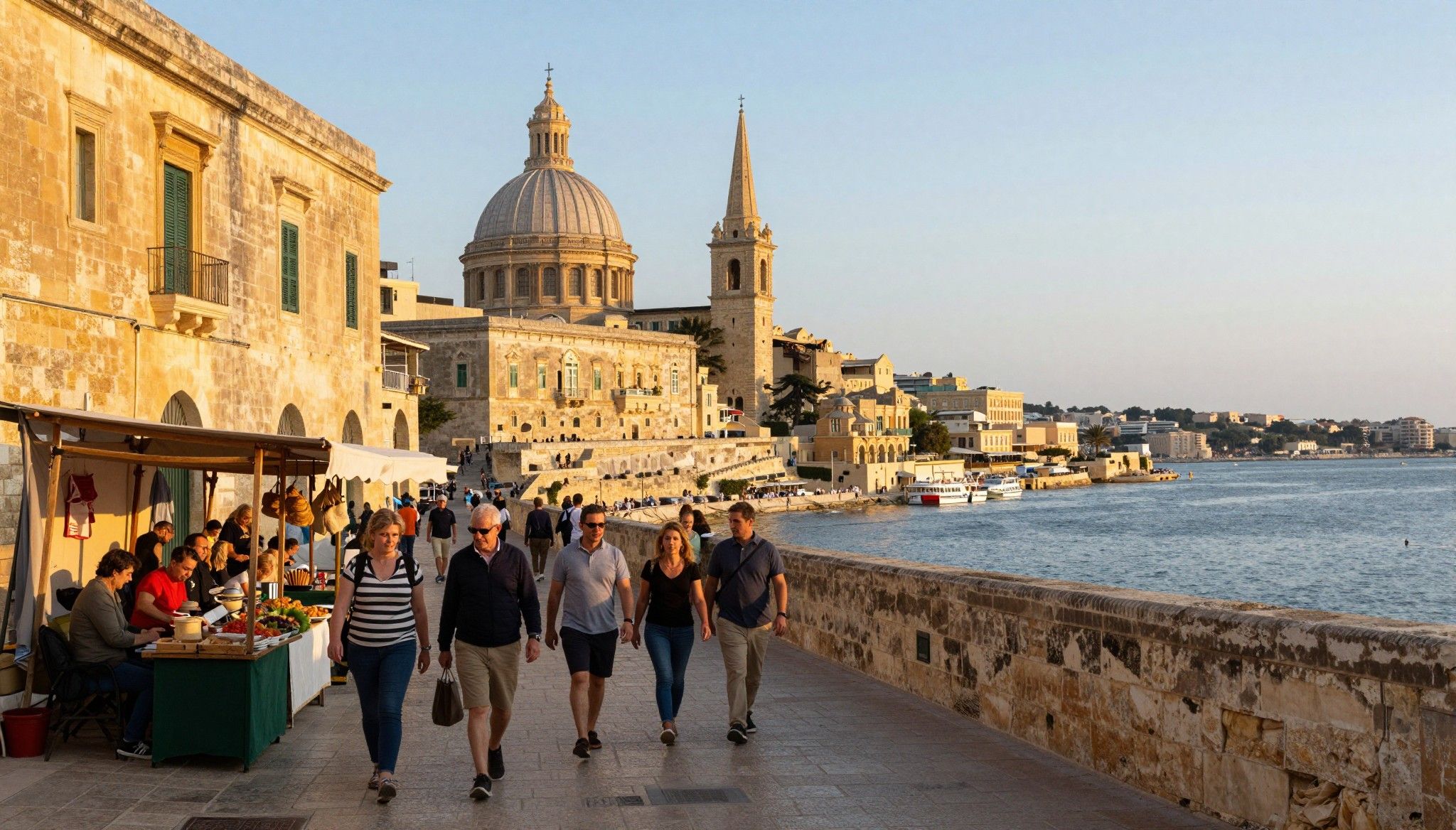
Imagine an early morning in Valletta: an espresso steamed to the precise thinness Maltese baristas favour, shutters opening on limestone façades, a fisherman mending nets beneath the grand sweep of the Grand Harbour. This is Malta — compact, luminous, and insistently lived in. For international buyers, the island’s small scale concentrates pleasures and trade‑offs alike: celebrated heritage streets sit metres from modern apartment blocks; seaside rituals coexist with year‑round cultural programming. Understanding how that life maps to prices and prospects is the first step toward a purchase that will feel like home rather than a holiday fling.
Living Maltese Life: neighbourhoods, mornings and markets
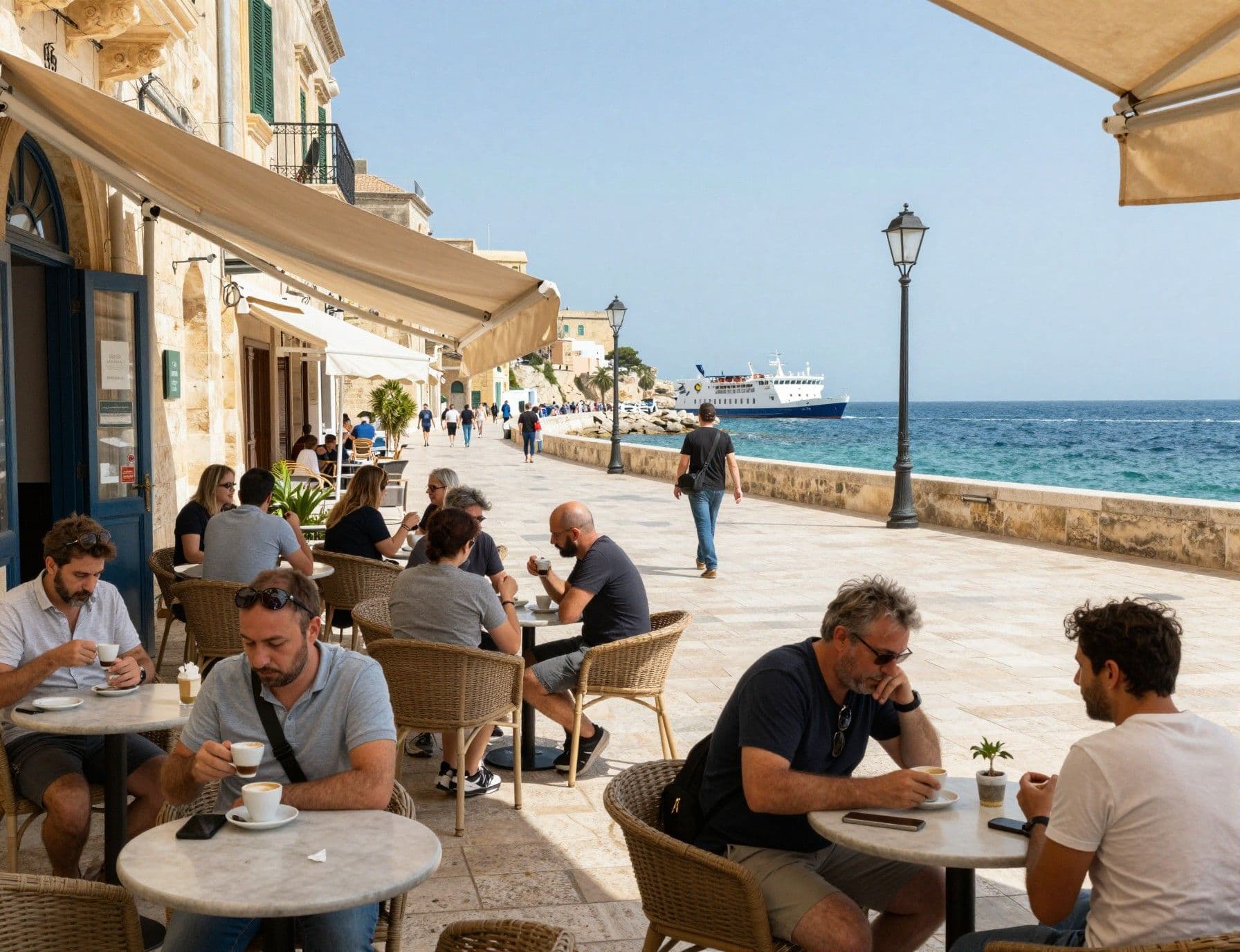
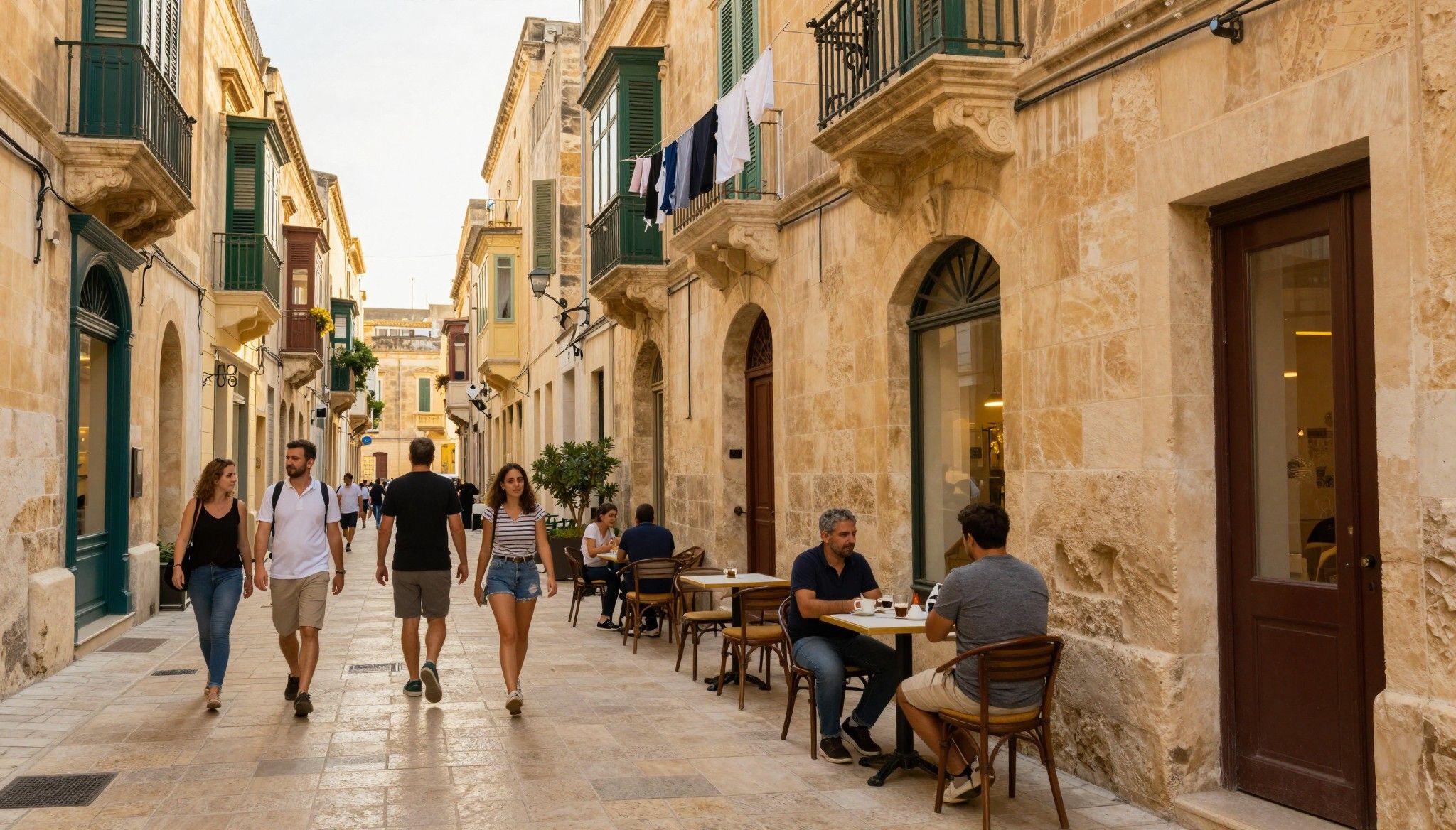
Life in Malta unfolds at street level. Days begin with markets and cafes, afternoons drift toward the sea, and evenings gather in trattorie and piazzas where conversation is the main course. English is widely spoken and small neighbourhoods—Sliema, St Julian’s, Msida, Birgu—retain distinct rhythms: Sliema’s promenade is for long walks and cafe terraces; St Julian’s is animated by restaurants and nightlife; Mdina offers a quieter, history‑rich cadence. For buyers, the question is not merely ‘which view?’ but ‘which daily ritual?’—and how a property will support it.
Sliema & Tigné: light, terraces and urban calm
Sliema’s narrow streets open onto a wide seafront. Tigné Point, a recent reclamation of urban living, offers contemporary apartments with generous glazing and private terraces. Choose Sliema if you want morning coffee with a sea view, short commutes to international schools, and walkable access to boutiques and ferry links to Valletta. Expect smaller internal floorplates than continental equivalents but generous exterior living, important given Malta’s year‑round outdoor life.
Birgu (Vittoriosa): quiet provenance and maritime history
Birgu’s narrow alleys, baroque churches and waterfront bastions appeal to buyers who prize provenance. Restored townhouses here trade on stonework, original beams and a sense of continuity. The trade‑off is maintenance: historic fabric demands stewardship. For those attracted to conservation value, restoration incentives and urban conservation areas make Birgu a compelling proposition.
- Lifestyle highlights — what you’ll actually do and where
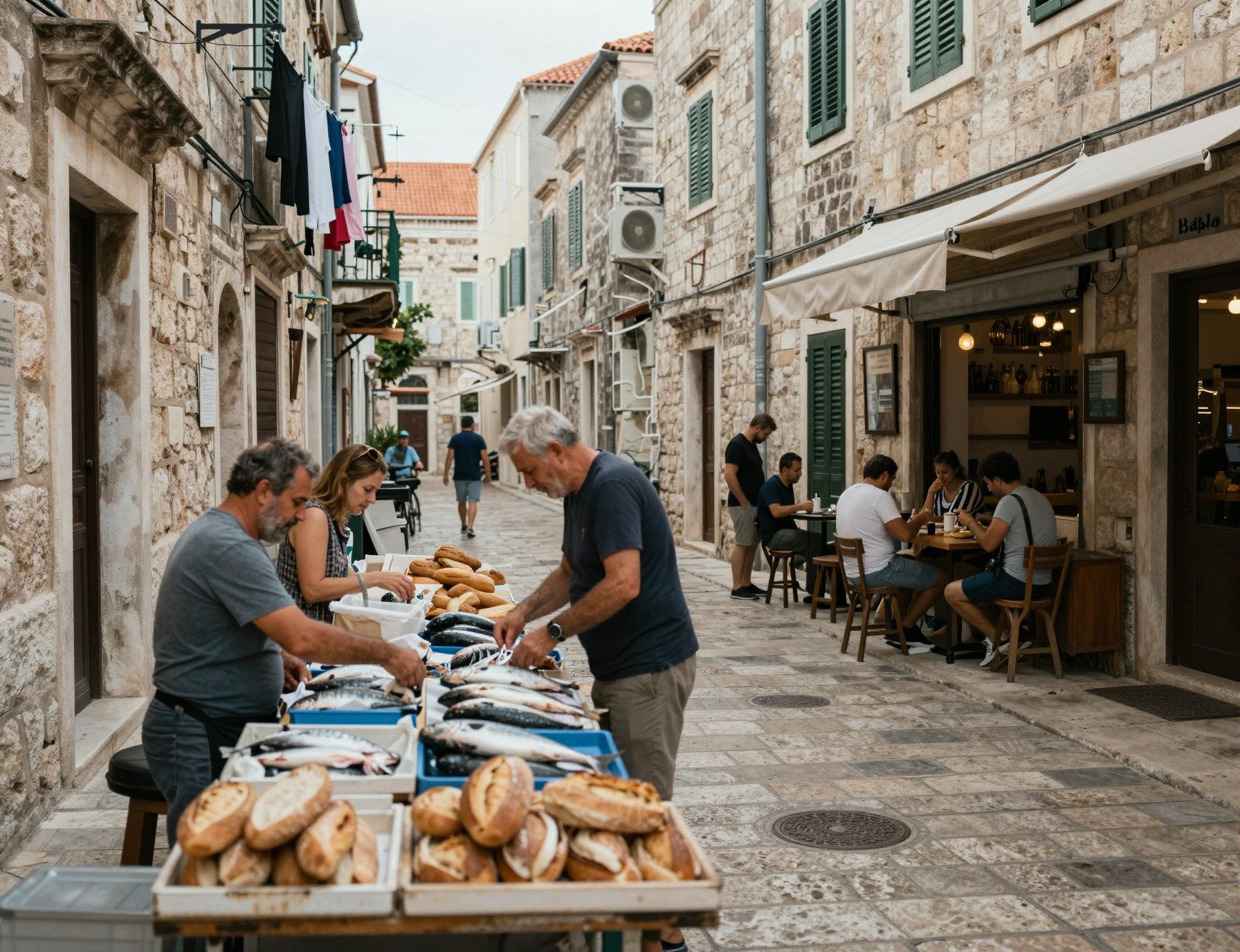
• Walk the Sliema–St Julian’s promenade at dawn, pass morning joggers and pause for a ricotta‑filled ftira at a corner bakery. • Buy fresh fish at Marsaxlokk market on Sundays, then lunch on the quay as colourful luzzu boats bob. • Spend late afternoons in the silent streets of Mdina, where light slices through Palazzo doorways. • Dine in small‑plate restaurants in Valletta after an evening at Teatru Manoel or a contemporary gallery showing. • Weekend escapes to Gozo: hilltop villages, limestone terraces and slower, rural rhythms.
Making the move: how lifestyle choices meet market reality
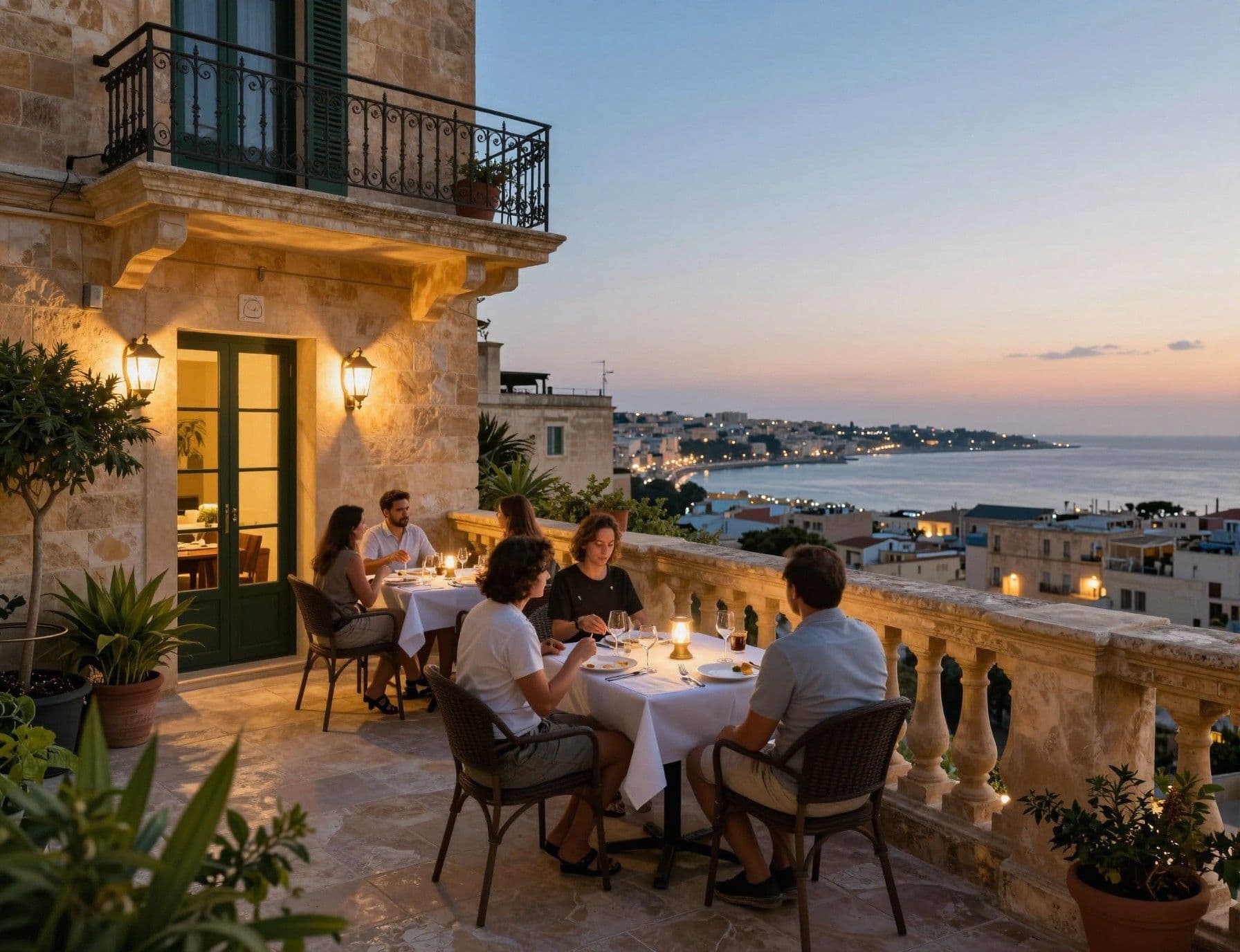
The romance of narrow Valletta streets must be measured against recent market dynamics. Malta’s market has been resilient; 2024 saw roughly €3.5 billion in residential transaction value and continued upward movement in the National Residential Property Price Index. Demand is concentrated in apartments and renovated townhouses, while supply increases have begun to moderate price growth. For buyers, that means two practical realities: competition for well‑located, well‑restored properties remains strong, and pockets of value can be found where authentic craftsmanship is needed rather than turnkey gloss. Relying on local data and a trusted advisor reduces the risk of paying a premium for surface staging rather than structural quality.
Property styles and how they shape daily life
Malta’s typologies are compact and particular: restored townhouses with internal courtyards, purpose‑built seafront apartments with balconies, and new blocks offering modern MEPs and concierge services. If your life centres on outdoor dining and guests, a flat with a wide terrace or a townhouse with a roof deck is more valuable than an extra interior room. Conversely, buyers prioritising quiet study or formal collection spaces may prefer the solidity of older homes with thicker walls and separate reception rooms.
Working with local experts who know the island’s rhythms
A local agent’s value goes beyond listings: they translate the lifestyle—‘which cafes are lively in winter’—into tangible property choices. Good agents will advise on seasonality (which streets are sun traps in January), maintenance realities for limestone façades, and whether a unit sits within an Urban Conservation Area (affecting permissible works). Use agents who can produce recent sales comparables and who maintain relationships with conservation architects and reputable local contractors.
- Steps to match lifestyle with purchase (practical + lived experience)
1. Spend seven days living neighborhood life before committing: breakfast, school runs, evening walks and a market morning. 2. Commission a conservation‑minded survey for historic homes; insist on moisture and salt‑ingress inspection for seafront properties. 3. Request recent deed data and local comparables (agents should provide final deed values rather than asking prices). 4. Factor in restoration budgets: authentic lime plaster, stone repairs and traditional timber shutters are costly but preserve value. 5. Test rental potential in your target area if you plan to let; proximity to universities and business hubs strongly affects short‑term demand.
Insider knowledge: what expats wish they’d known
Beyond architecture, expatriates often underestimate the social logistics of living in Malta. Daily life privileges small‑scale social ties: shopkeepers remember names, local councils run seasonal events, and language blends Maltese and English with neighbours adopting a conversational mix. For those seeking anonymity, central areas can feel intimate; conversely, quieter sea villages may be unexpectedly insular. Seasonal tourism pulses—summer fills promenades; winter reveals the island’s calm and community rituals—affect noise, parking and the feel of neighbourhood life.
Making Malta home: language, networks and everyday customs
English will serve you well, but learning Maltese opens doors in neighbourhood markets and parish networks. Expats who join voluntary band clubs, local festa committees or community markets find integration easier. Practicalities such as weekday shop hours, rubbish‑collection rhythms and the central role of family in social life shape how you plan a move; once accommodated, these small rituals become the texture of everyday belonging.
How the island changes as you settle in
Expect lifestyle evolution: a pied‑à‑terre in Valletta may become a family base in Marsaskala; a rental investment near the University of Malta may shift to holiday letting if regulations change. Closer engagement with local networks — conservation officers, parish notices, homeowners’ associations — reveals upcoming infrastructure projects and potential zoning adjustments that will materially affect value over time.
- Red flags and practical pitfalls local buyers warn about
• Cosmetic restorations marketed as ‘period‑perfect’ without structural guarantees. • Properties inside Urban Conservation Areas where permitted works are highly restricted and costly. • Overlooking rising supply in mid‑2020s new‑build pipelines that temper near‑term price rises. • Misreading tourism seasonality: summer rental income is strong, but long‑term yields depend on year‑round demand. • Assuming mainland‑sized interiors: check usable floor area and storage before committing.
Conclusion: where life and stewardship meet decision
Malta rewards buyers who value craft and community as much as capital appreciation. The island’s concentration makes every street a statement; a property purchased with attention to provenance, habitability and local networks will repay both as a place to live and as an asset. If you seek more than a view, partner with an agent versed in conservation, local comparables and the rhythms of Maltese life — someone who can show you morning markets as readily as final deed values. Begin with a short residency‑style visit, request recent deed data and a conservation appraisal, and let the island’s light and limestone decide if it is the right frame for the life you intend to build.
Former Copenhagen architect who relocated to Provence, offering relocation services, market analysis, and a curator’s eye for authentic regional design.