Mykonos Isn’t the Smartest Buy — Contrarian Areas in Greece
A contrarian look at Greek property: why inland streets and proven neighbourhoods often outlast seafront headline addresses—data and policy matter.
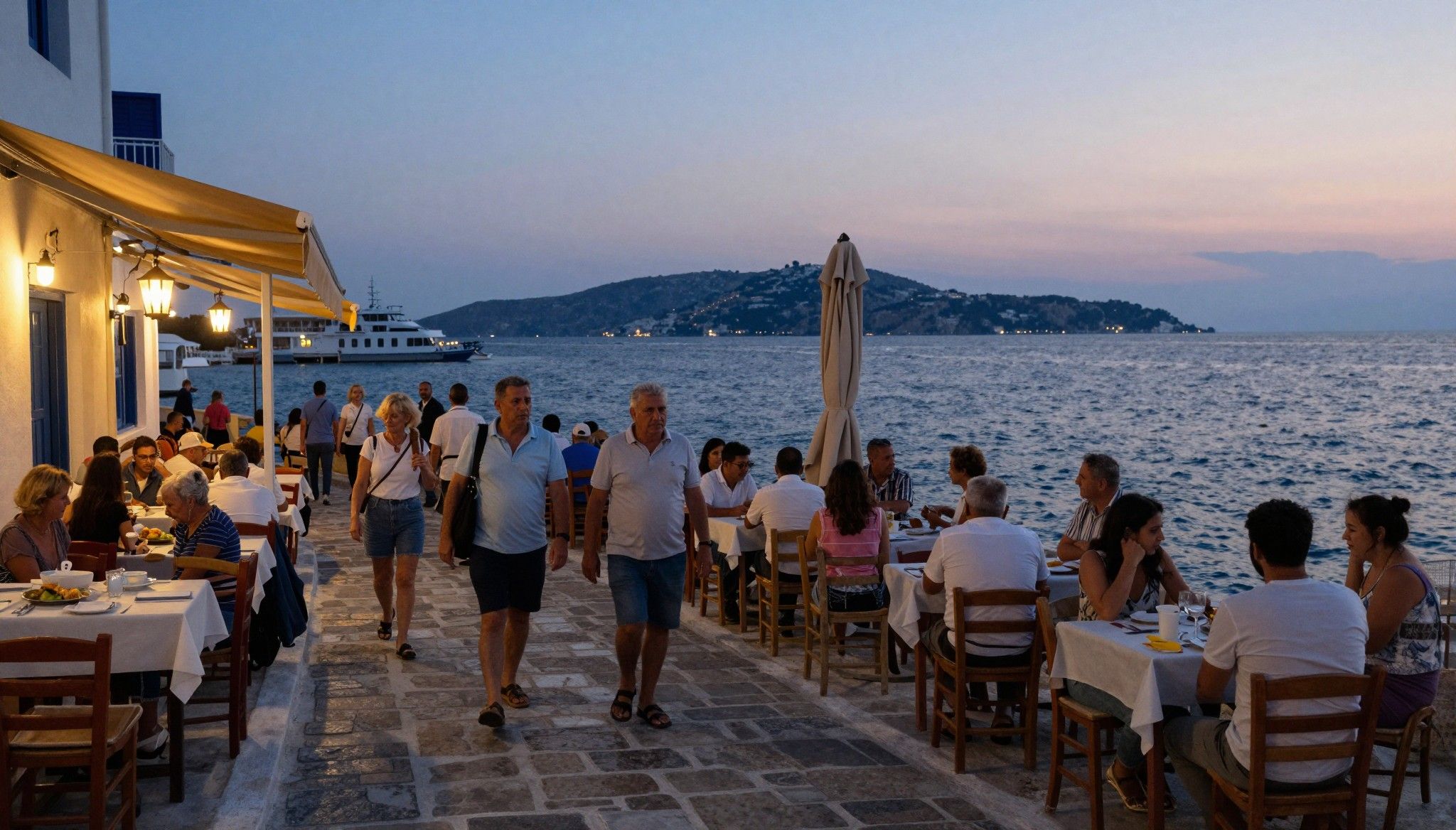
Imagine walking from a sun-warmed kafeneio on a narrow Mykonos side street to a modest townhouse whose worn shutters and cool interior feel like an immediate home. The romance of whitewashed cornices and cerulean sea views is irresistible, but what I learned living between islands and Athens is that the life you crave often lives one or two streets away from the postcard scene. Recent market analysis shows prices and policy shifts have re-shaped where value and everyday life now align in Greece. https://www.bankofgreece.gr/en/news-and-media/press-office/news-list/news?announcement=8e6098c4-5e6c-4f5d-9deb-01283ba33f38
Living the Greece lifestyle: more than a view
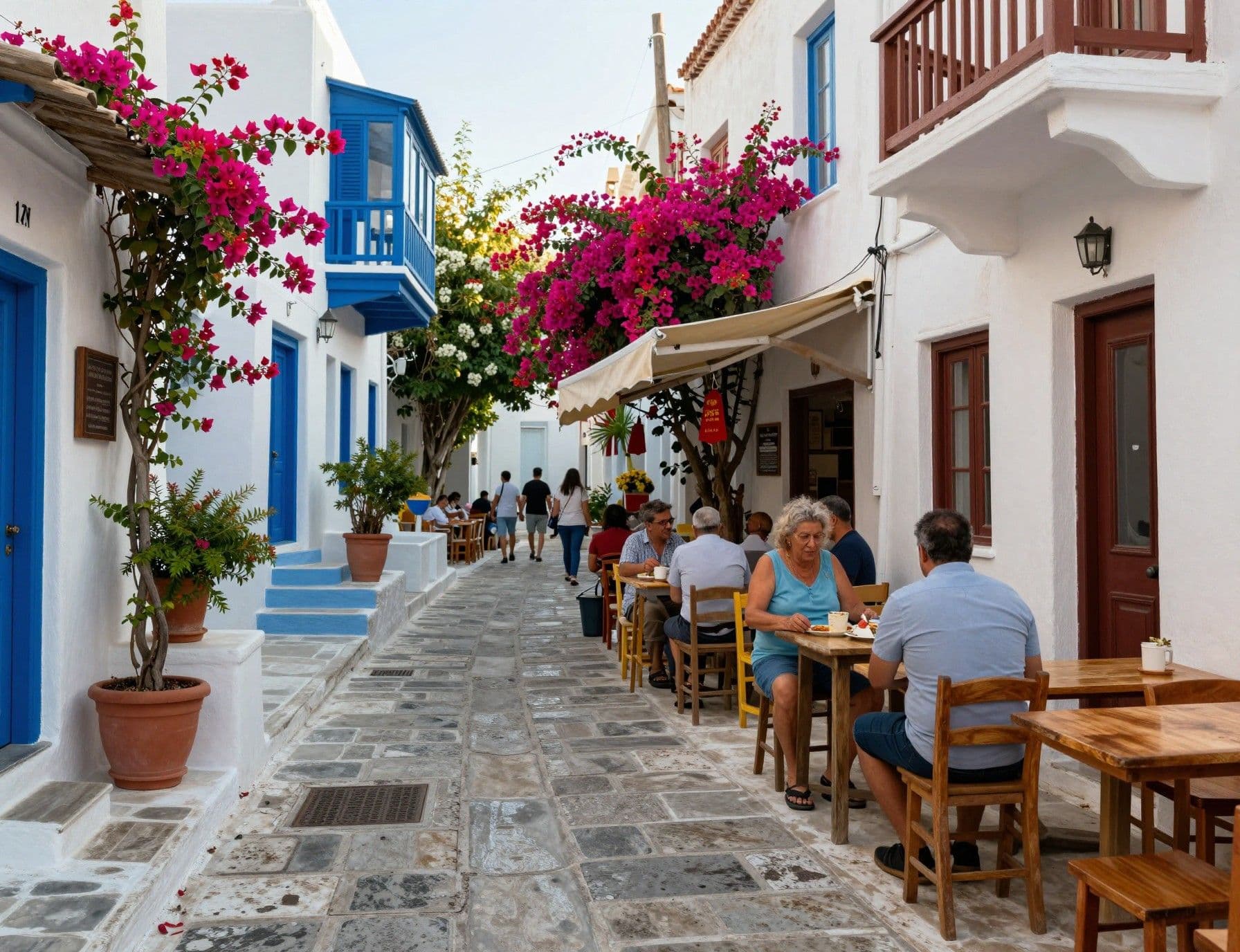
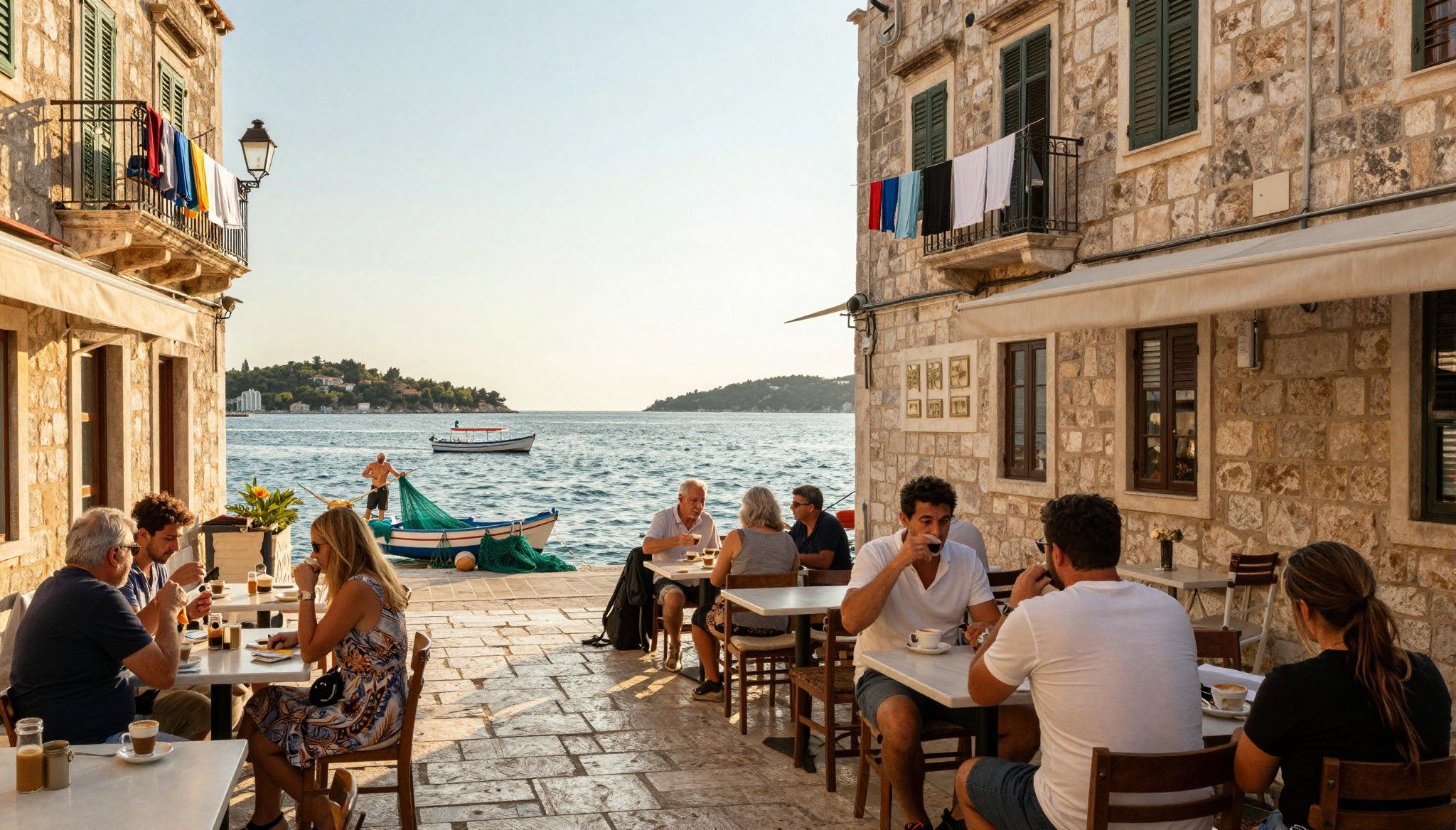
Greece's rhythm is measured by market mornings and twilight hours: a morning espresso at a pastry shop in Koukaki, an afternoon swim at Agios Georgios in Naxos, an evening of slow conversation on an Ionian veranda. Life here values conviviality and provenance—family tavernas, craft shops, parish festivals—rather than the curated glamour shown in travel brochures. For buyers, that means neighbourhood character, walkability and seasonal temper are as decisive as view and square metres.
Athens: city intimacy beyond the Acropolis
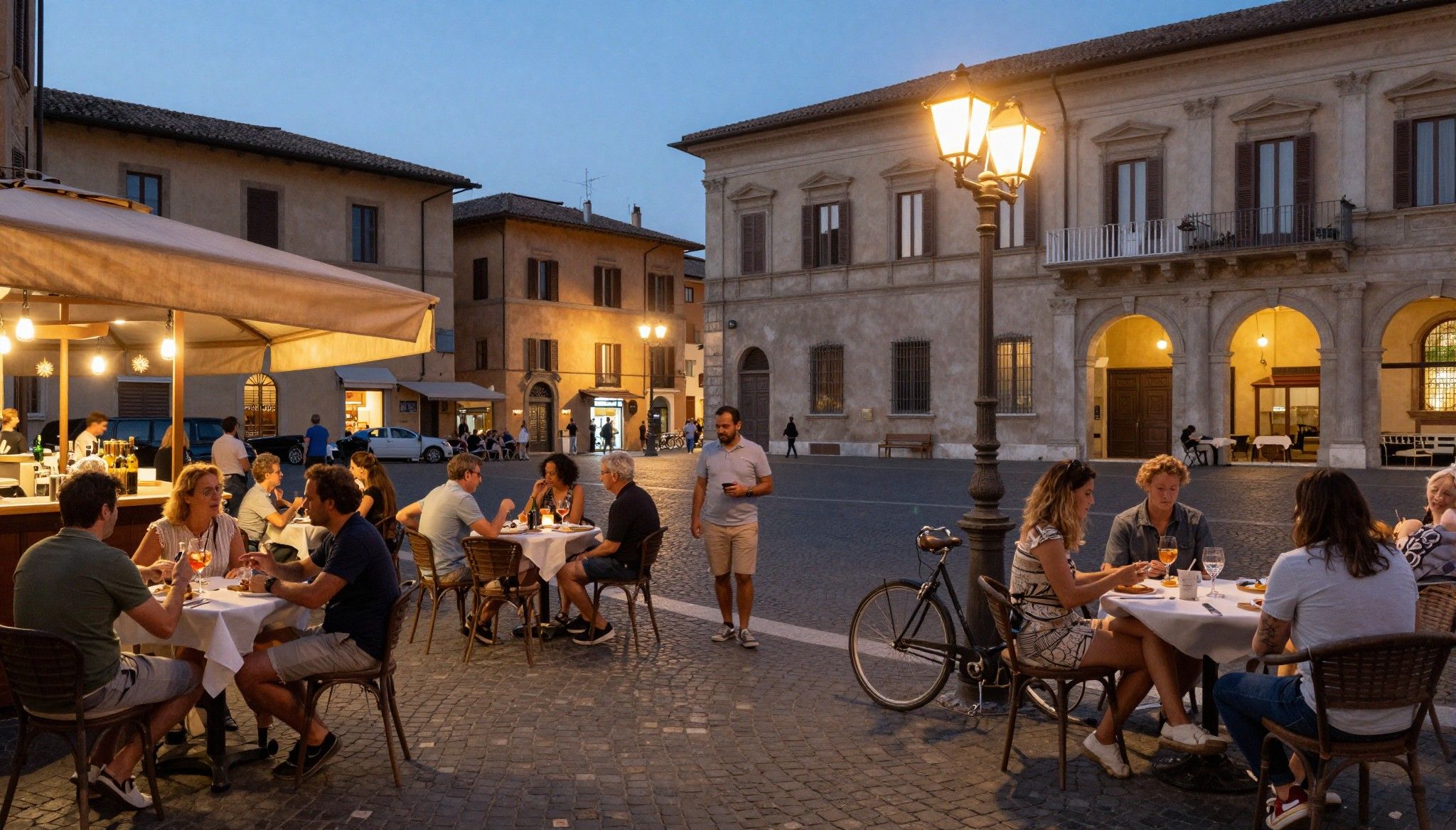
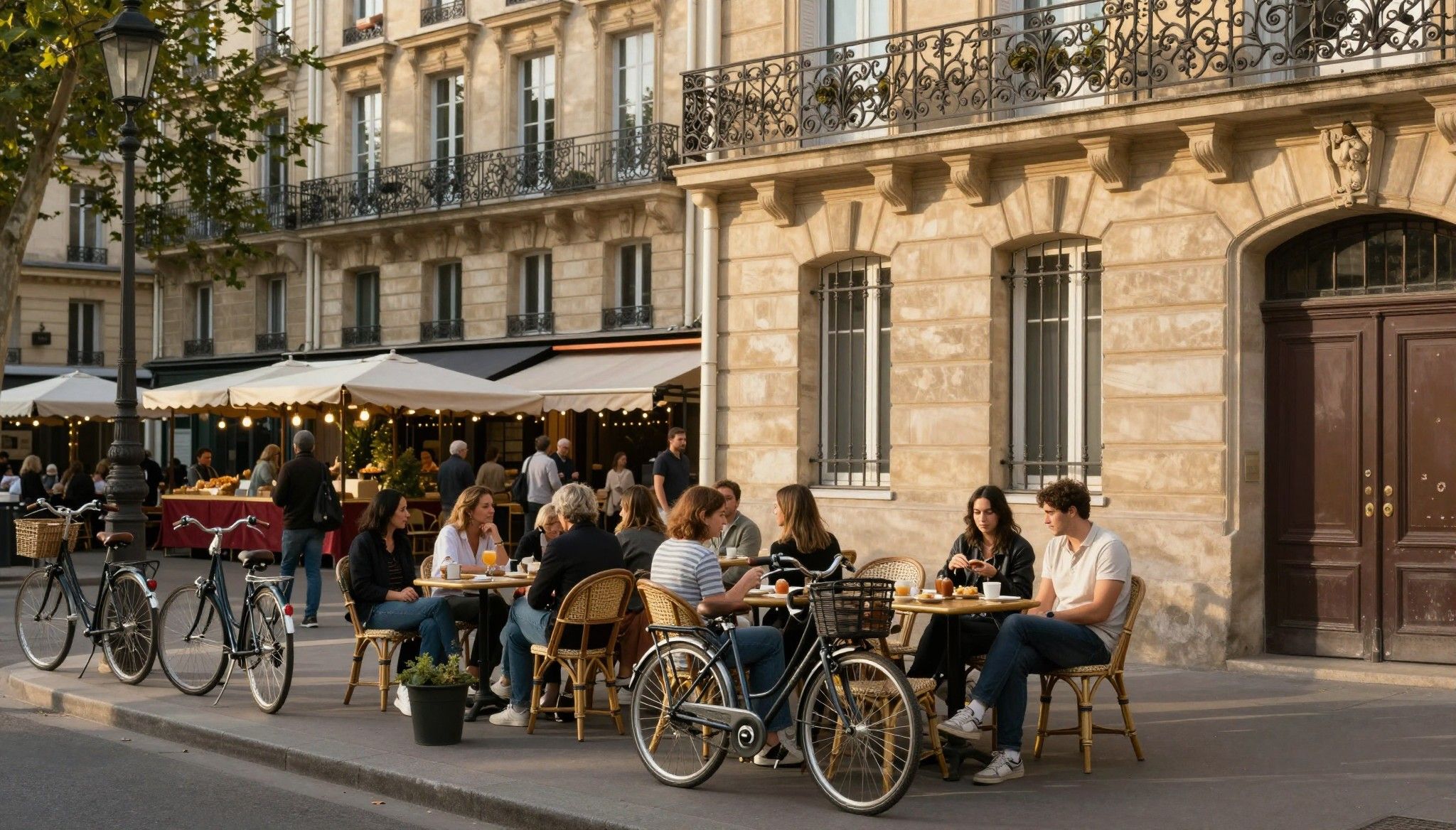
Streets like Kallidromiou and the quieter reaches of Pangrati trade the view for daily life: tree-lined cafés, small bakeries, evening markets and a palpable sense of neighbourhood security. Apartment prices rose materially in Athens through 2024, but that rise is uneven—central, well-served lanes show steadier demand than cliff‑top penthouses, according to national house price indices. For a buyer seeking enduring livability, proximity to classic amenities and discreet scale often outperforms spectacle. https://www.statistics.gr/documents/20181/18511159/NWS_Announcement_HousePriceIndices_20250101_EN.pdf/b295139b-f5da-8b1d-5211-804b3b1992bc?t=1735909265471
Island life: rhythm, season and the hidden streets
On islands, the lure of seafront drama masks the quieter value found one street inland—older houses with shaded courtyards, vergers of figs and access to village life. In 2025 many international purchasers favoured practical homes for second‑home use rather than grand speculative purchases, a pattern that reinforces value in well‑lived neighbourhoods rather than headline-facing addresses. If you want an island life that feels authentic year after year, look beyond the waterfront promenade. https://www.ot.gr/2026/01/16/english-edition/what-foreign-buyers-really-bought-in-greece-in-2025/
- Lifestyle highlights to seek
- Small kafeneia where locals know your order (Koukaki, Chora Naxos)
- A weekly market within walking distance for fresh produce and social life
- Access to a modest port or local harbour rather than a marina dominated by tourists
Making the move: practical considerations that preserve lifestyle
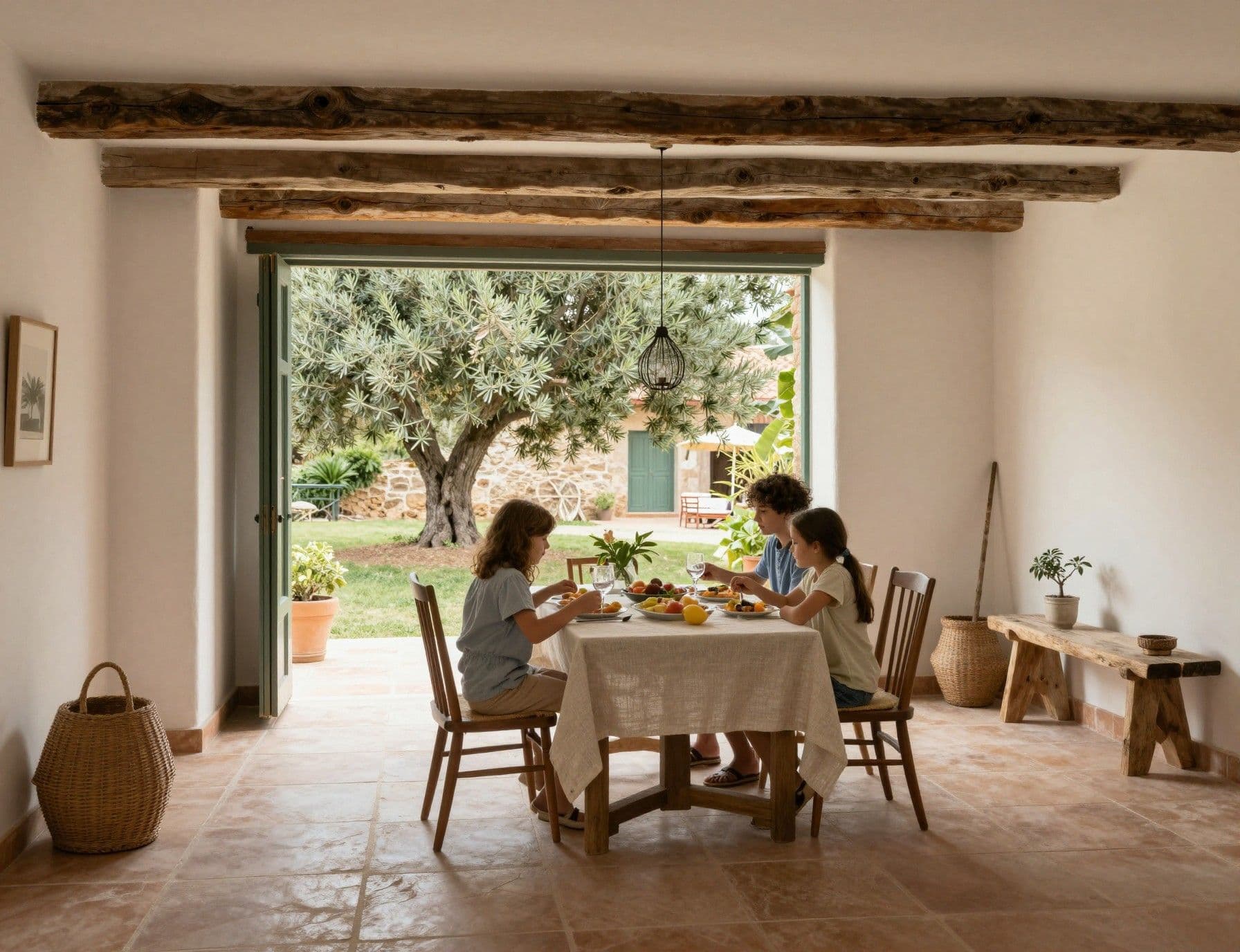
Translating lifestyle into a purchase requires blending sensory priorities with regulatory reality. Recent legislative change to residence-by-investment rules has altered which properties are desirable to international buyers and how they are used; long-term stewardship and permitted uses now matter as much as headline yield or view. Seek data and counsel before committing to ensure the property will support the life you imagine, not only the paperwork.
Property types and what they mean for daily life
A restored stone house offers cool interiors and a private garden but may require specialist renovation and permanent maintenance; a modern apartment gives ease of life and strong rental management but can lack provenance. Law changes in 2024–2026 modified residency thresholds and use restrictions, including limits on short‑term lets for Golden Visa properties—facts that should shape whether you buy to live, rent, or both. Choose the property form that reinforces the lifestyle you intend to lead. https://varnavas.gr/newsroom/post/new-rules-golden-visa-greece-2024/
Working with local experts who curate life, not just listings
An agency versed in local craftspeople, seasonal rental realities and municipal regulations will point you to streets where neighbours keep shops open year-round and where the sunlight on a courtyard matters more than a glossy brochure picture. Expect your advisor to translate municipal plans, obtain recent utility histories, and introduce you to local restorers whose work preserves material value and daily comfort. Their role is to match provenance and practicality to the life you seek.
- Steps to align lifestyle with purchase
- Visit neighbourhoods at different times (market morning, late afternoon, festival evening).
- Ask for recent utility and maintenance records; check municipal plans for nearby developments.
- Factor in seasonal access: ferry timetables, winter road maintenance and island services.
- Confirm permitted use—short‑term letting restrictions materially affect income and lifestyle choices.
Insider knowledge: what expats wish they'd known
Seasonal reality, municipal nuance and a modest bureaucracy are the everyday truths that surprise new arrivals. Many expats tell a similar story: the first summer is intoxicating; the first winter clarifies which streets will sustain everyday life. Policy changes around residency and short‑term renting have shifted buyer behaviour—some neighbourhoods once dominated by holiday lets now feel more residential and therefore more attractive for long-term living. Local press and analyses reveal that residence-by-investment remains influential but no longer guarantees simple rental arbitrage. https://www.ekathimerini.com/economy/real-estate/1261421/golden-visa-bolsters-house-sales/
Cultural integration and everyday social life
Learning a few phrases, attending the local panigiri and buying from the neighbourhood greengrocer will establish ties faster than any online forum. In practice, privacy and discretion are valued: introductions through a local agent or a neighbour open doors more readily than Cold‑call approaches. Expect slower administrative processes but a more generous social return when you invest the time.
Longer view: stewardship, restoration and resale
Properties with clear provenance, sound restoration and proportionate gardens hold value through cycles. National data show regional differences in price growth—choices grounded in material quality and neighbourhood life tend to outperform speculative waterfront bets over time. Think like a steward: preserve materials, document interventions, and select tradespeople who understand traditional techniques.
- Red flags to avoid
- Properties marketed with “unlimited short‑term rental potential” without confirmed municipal permissions.
- Houses with deferred maintenance where restoration would erase any near-term affordability advantage.
- Addresses served only seasonally—where winter life would feel deserted and services limited.
If you want a life in Greece that is lived, not merely observed, buy a street as much as a house. Pursue places where café culture, markets and civic life continue through the year; insist on paperwork that protects how the home will be used; and invest in restoration that honours materials and an occupant’s comfort.
Conclusion: fall in love deliberately. Spend time in the micro‑neighbourhoods, speak with the local tradespeople, commission a conservator’s inspection for older fabric, and align your purchase with the rhythms you most want to keep. An experienced local agency will curate those streets for you—bringing not only listings but introductions, municipal knowledge and the kinds of trades that convert a house into a life.
Dutch former researcher who moved to Lisbon, specialising in investment strategy, heritage preservation, and cross-border portfolio stewardship.