Croatia: How Nationality and New Lending Rules Shape Your Purchase
A lifestyle‑first guide to buying in Croatia: how nationality, ministerial reciprocity and new HNB lending rules shape financing choices and long‑term value.
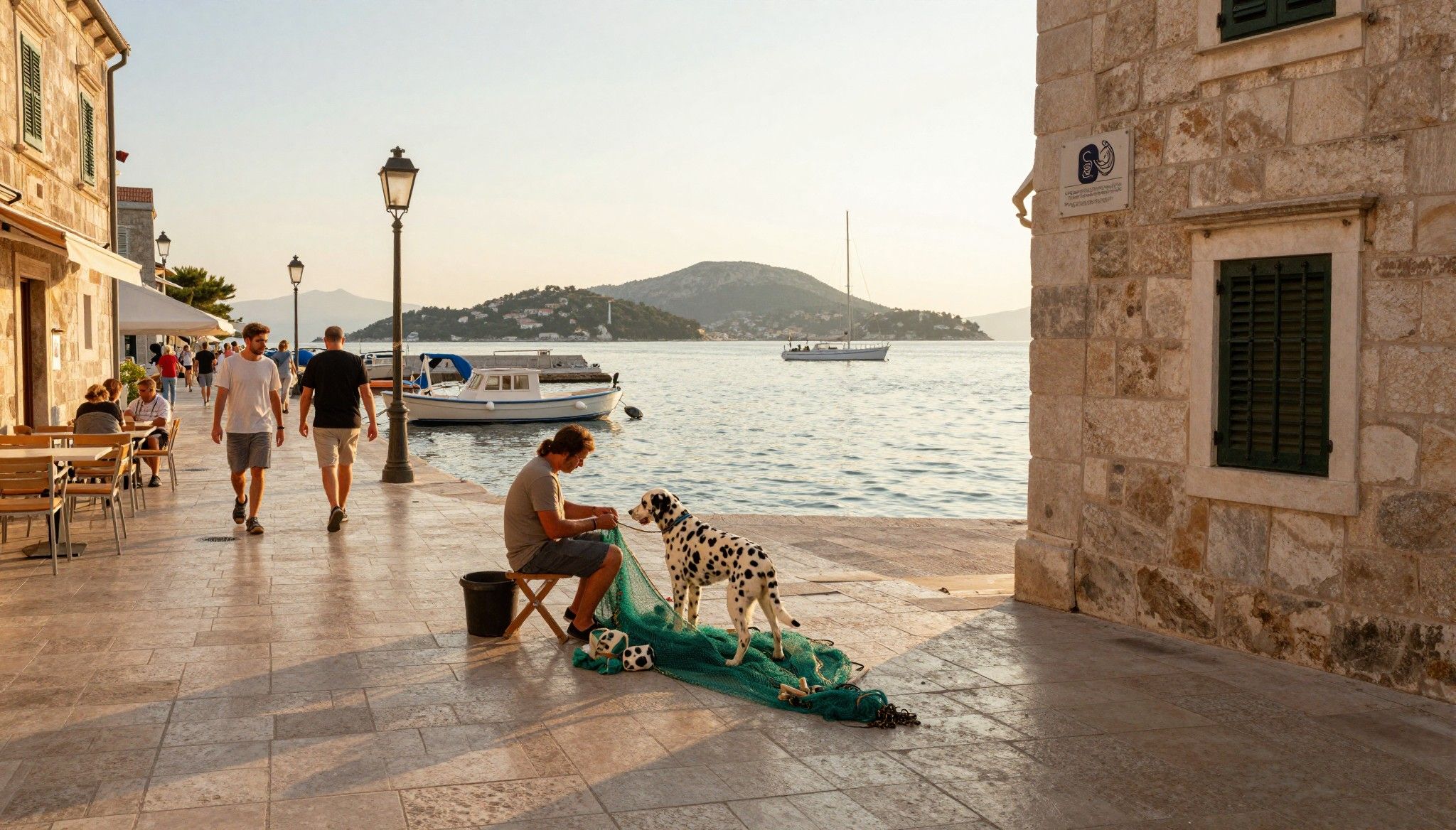
Imagine waking on a warm spring morning in Rovinj, the scent of fresh bread from a nearby pekara drifting down a cobbled lane while a neighbour trims bougainvillea on a limestone terrace. In Croatia the day unfurls slowly — markets open, cafés fill with conversation, and the sea provides a steady horizon. For many international buyers this is the romance that draws them; for prudent buyers it is the reason to pair emotion with careful financial planning. This guide blends lived-in scenes — streets, cafés and small harbours — with the practical, research-backed steps that make buying here both possible and wise.
Living the Croatian Life: Cities, Coasts and Rhythms
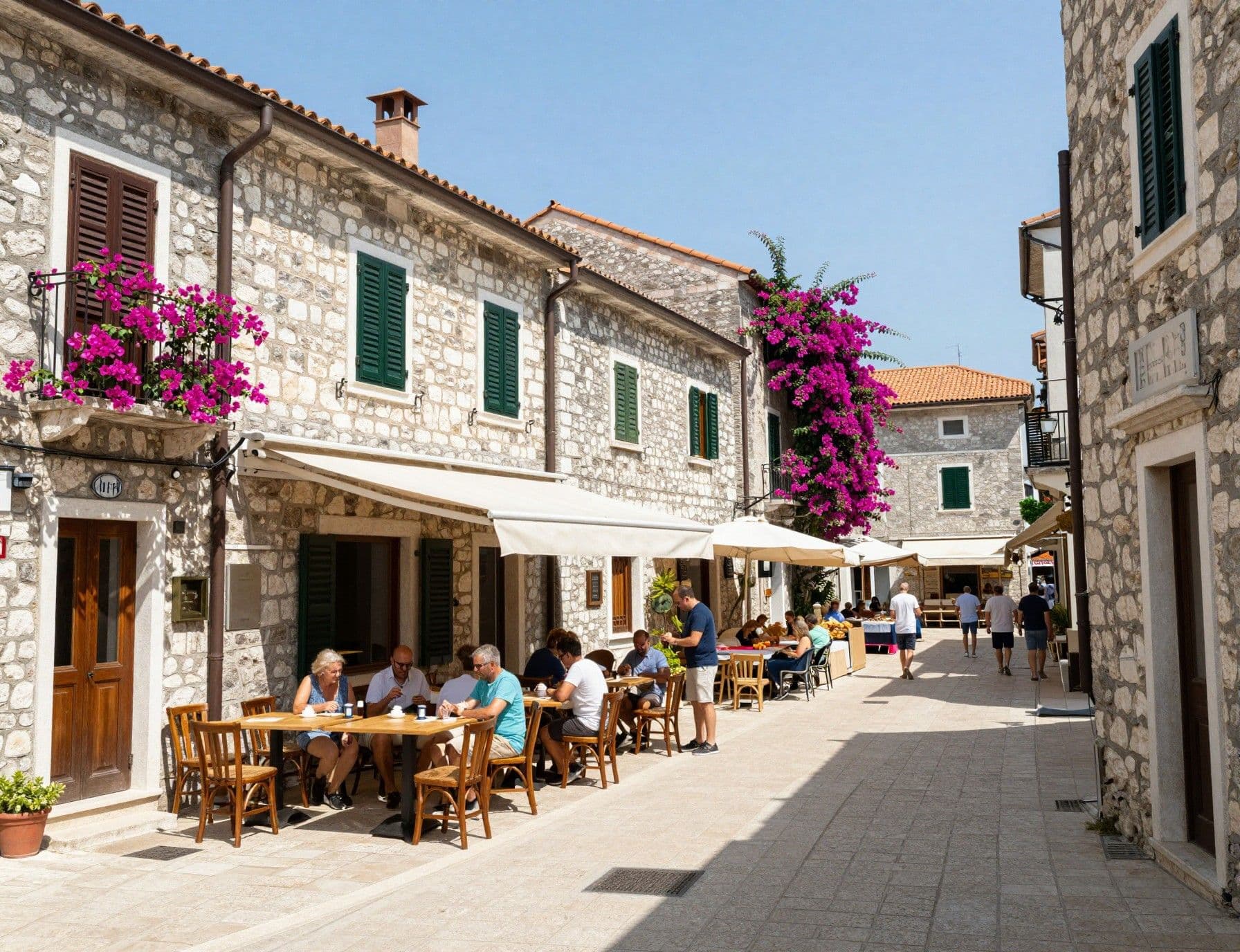
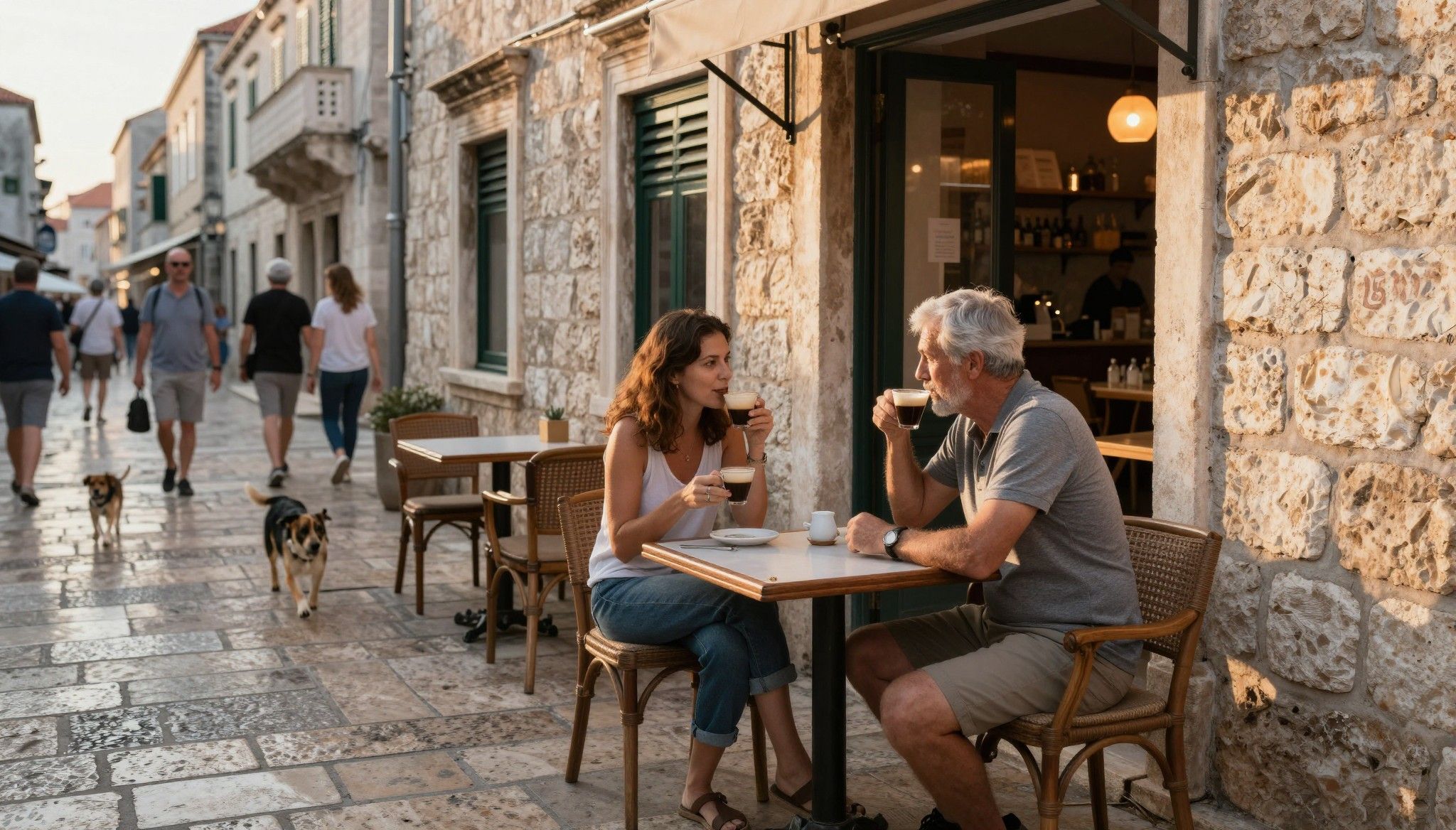
Croatia’s appeal is distinct: a refined coastal culture anchored by medieval towns such as Dubrovnik and Trogir, alongside quietly confident urban life in Zagreb. Weekends are measured by fish markets in Split’s Riva and late-afternoon espresso rituals in Zagreb’s Upper Town. Seasonal shifts are dramatic — summer brings a bright, international pulse to Dalmatian islands; winter brings empty beaches, lower prices and a different kind of local intimacy. Recent market commentary notes steady demand across coastal towns even as some urban districts cool slightly, a pattern that should shape when and where you bid.
Rovinj & Istria: Artists, Truffles and Quiet Luxury
Streets here slope toward the Adriatic; small galleries sit above osterias where Istrian olive oil takes centre stage. Buyers often trade a swept‑clean seafront for stone houses on quieter lanes — properties that reward careful restoration. Market data shows strong price growth in many coastal pockets recently, but the character of Istria means value often lies off the main boulevard in restored stone homes with gardens rather than in flashy sea‑front developments.
Zagreb & Inland: Seasonal Calm, Cultural Depth
Zagreb offers a different cadence: tree‑lined avenues, a strong café culture and year‑round cultural programming. For buyers seeking permanence and schools, the capital’s neighbourhoods — Maksimir, Britanski trg, Tuk — combine practical infrastructure with gracious housing stock. Reports from commercial brokers indicate urban transaction volumes softened recently, which can create discreet opportunities for purchasers who prioritise quality over headline waterside addresses.
Lifestyle highlights to sample before committing:
Morning market at Dolac (Zagreb) and late‑afternoon aperitivo on Split’s Riva — compare rhythms and noise before you buy.
Truffle season in Istria (October–November): a window when local life, restaurants and countryside access reveal the region’s deeper value.
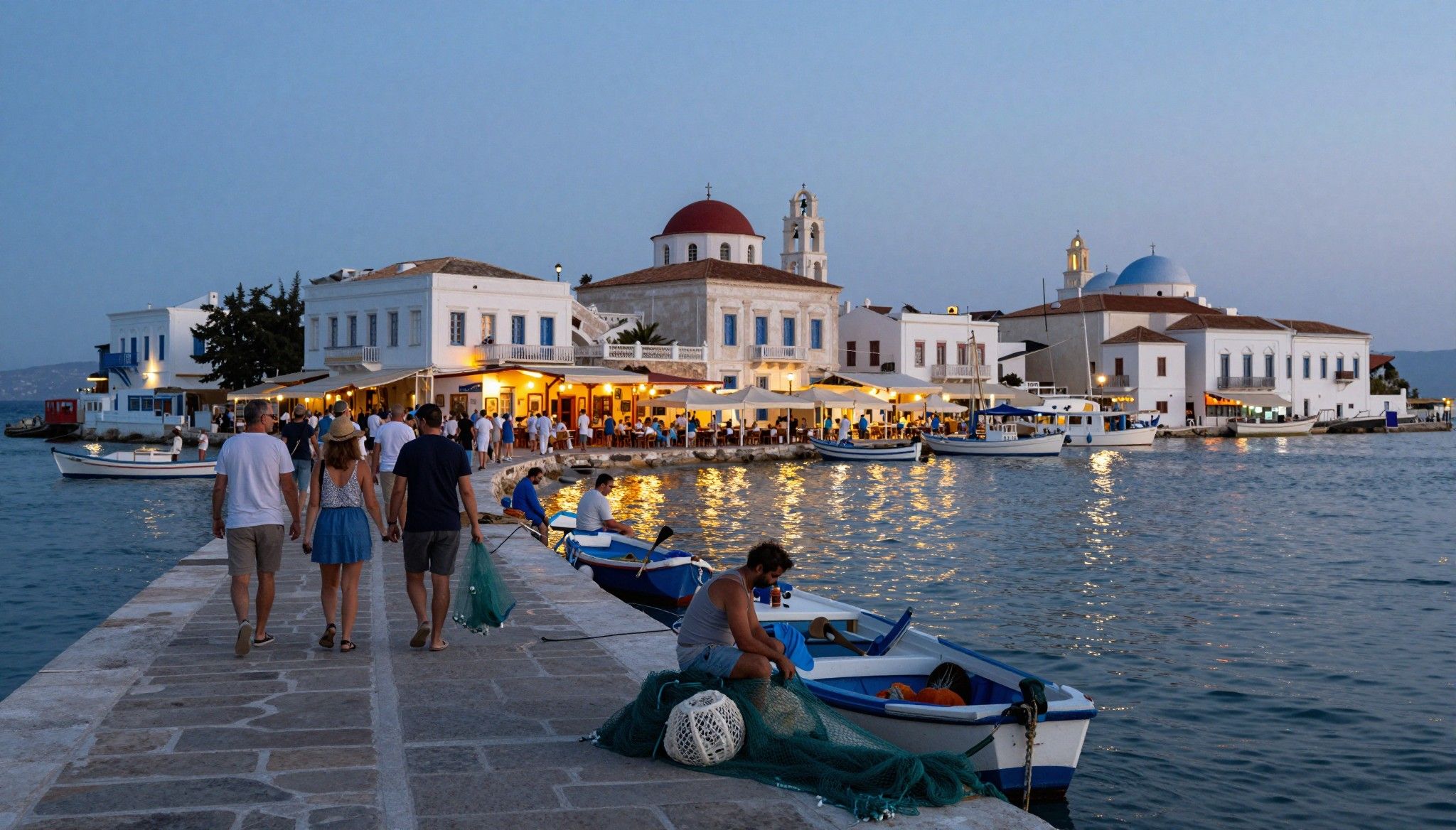
Island living in Hvar or Vis: consider ferry timetables, winter closures and maintenance costs before committing to an isolated retreat.
Making the Move: Financing, Permission and Practicalities
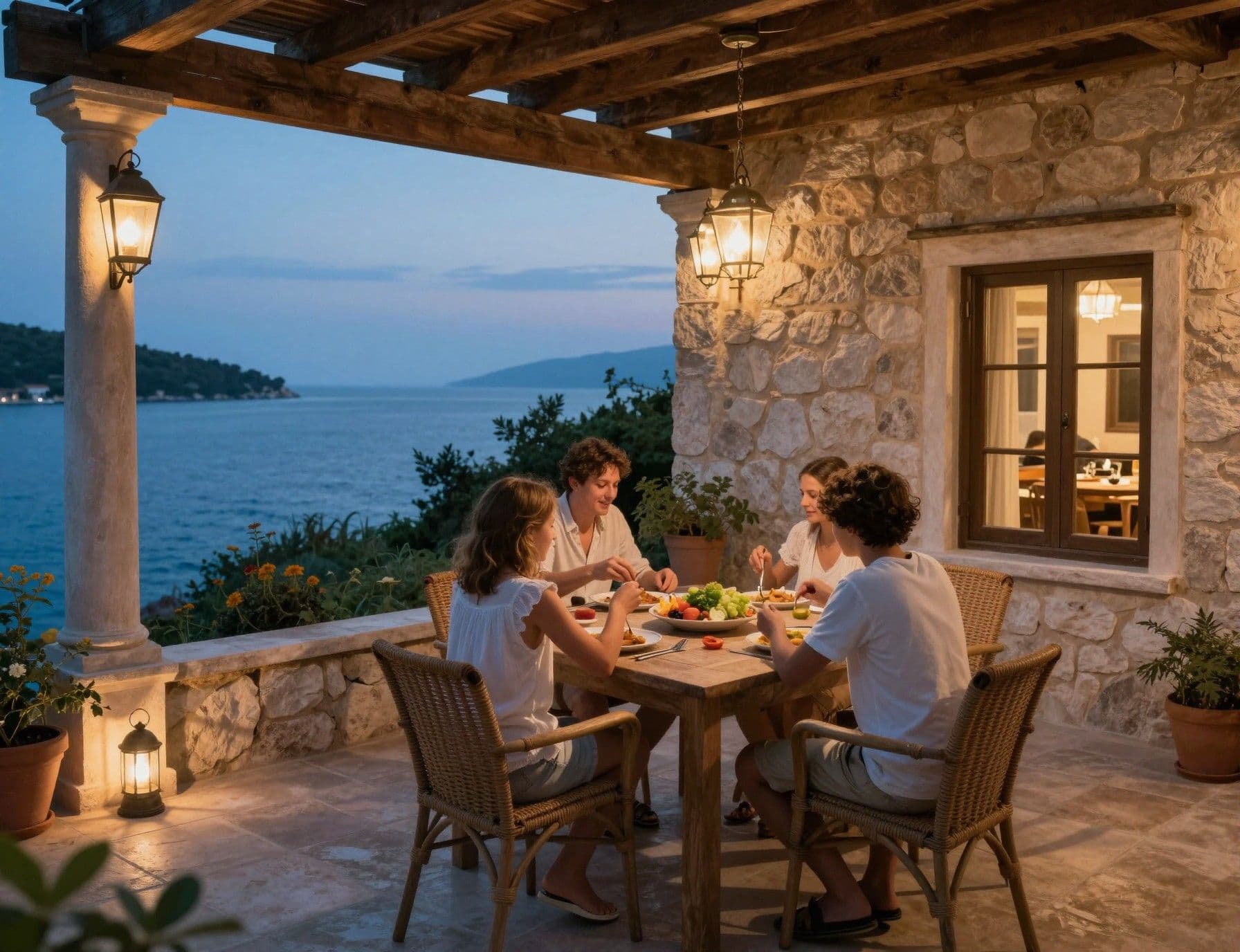
The practical side begins with two simple facts: your nationality and your financing route. Citizens of EU/EEA/Swiss states may buy freely; citizens of other countries usually need ministerial consent under the principle of reciprocity. Simultaneously, Croatian banks and the central bank’s recent consumer‑lending decision (effective 1 July 2025) tightened credit criteria, altering loan‑to‑value and affordability tests. Together, these rules determine whether you will pay in cash, take a Croatian mortgage or arrange financing through your home bank.
Mortgage realities: what international buyers should expect
Croatian banks will lend to non‑resident buyers but often with stricter terms than for residents: higher margins, lower LTV ratios and a stronger emphasis on documented income and Euro‑denominated assets. Since July 2025, banks apply tougher affordability tests and capped maturities for consumer real‑estate loans; this makes pre‑approval essential. For many buyers a blended approach — deposit in Croatia, bridging loan from a home lender, or a mortgage from a Croatian bank for up to 60–70% LTV — offers the best balance between cost and certainty.
Working with local experts to protect lifestyle and capital
Retain a Croatian solicitor early — they will confirm land‑register status, zoning, and whether ministerial consent is required. Engage an independent valuer and surveyor to quantify restoration or co‑ownership costs. Use an agency familiar with off‑market coastal houses; the right agent will translate lifestyle needs into legal and financial checks.
Insider Knowledge: Mistakes Expats Make and How to Avoid Them
The most resilient purchases pair a strong sense of place with meticulous paperwork. Expats commonly overpay for seafront visibility while underestimating seasonal maintenance, municipal rules on short‑term rentals, and the time required for ministerial approvals. Another frequent misstep is under-insuring for the region’s particular risks — storm damage to coastal masonry or the cost of bringing historic homes up to modern habitability standards.
Cultural and community integration
Learning a handful of Croatian phrases, frequenting the local konoba and joining seasonal communal events accelerate integration. Neighbourhoods value reciprocity — invitations and small acts of stewardship (garden upkeep, attention to shared staircases) establish trust quickly. For buyers seeking long‑term roots, proximity to a local primary school or community centre often matters more than a view when it comes to daily life.
Think beyond purchase price: recent data shows rental yields remain moderate on average, meaning stewardship and selective location choice drive long‑term return. If you plan to rent seasonally, check local rules introduced to balance resident housing with tourist rentals; regulatory shifts have affected short‑term yield calculations. Quality of restoration, authentic materials and a property’s capacity for year‑round comfort — insulation, efficient heating — will determine running costs and desirability.
Smart due‑diligence checklist:
Verify reciprocity and expected timing for ministerial consent before signing any unconditional agreement.
Obtain a binding pre‑approval that reflects post‑July 2025 affordability rules; banks now apply stricter tests.
Commission an independent technical survey for hidden restoration costs — roofs, foundations and historical permit compliance can be expensive.
Understand municipal restrictions on short‑term letting if rental income forms part of your finance plan.
Stepwise practical next actions:
1. Visit neighbourhoods in different seasons to test rhythms and maintenance needs.
2. Secure legal counsel and request a ministry reciprocity check early in the process.
3. Seek pre‑approval from a Croatian bank and compare with international lending offers before committing.
Conclusion: The life you buy in Croatia is quietly consequential — the right lane, the right stone terrace, the right legal framework. Pair that sensory discovery with rigorous checks: nationality and reciprocity, up‑to‑date mortgage pre‑approval, and careful technical surveys. Work with advisors who appreciate craftsmanship and provenance as much as balance sheets; when lifestyle and prudence align, Croatia rewards both the heart and the ledger.
Former Copenhagen architect who relocated to Provence, offering relocation services, market analysis, and a curator’s eye for authentic regional design.