How Cyprus’s Neighbourhoods Should Shape Your Finance
A lifestyle‑first look at how Cyprus’s places shape the finance you choose — market data, non‑resident lending norms and practical steps to buy the life, not just a property.
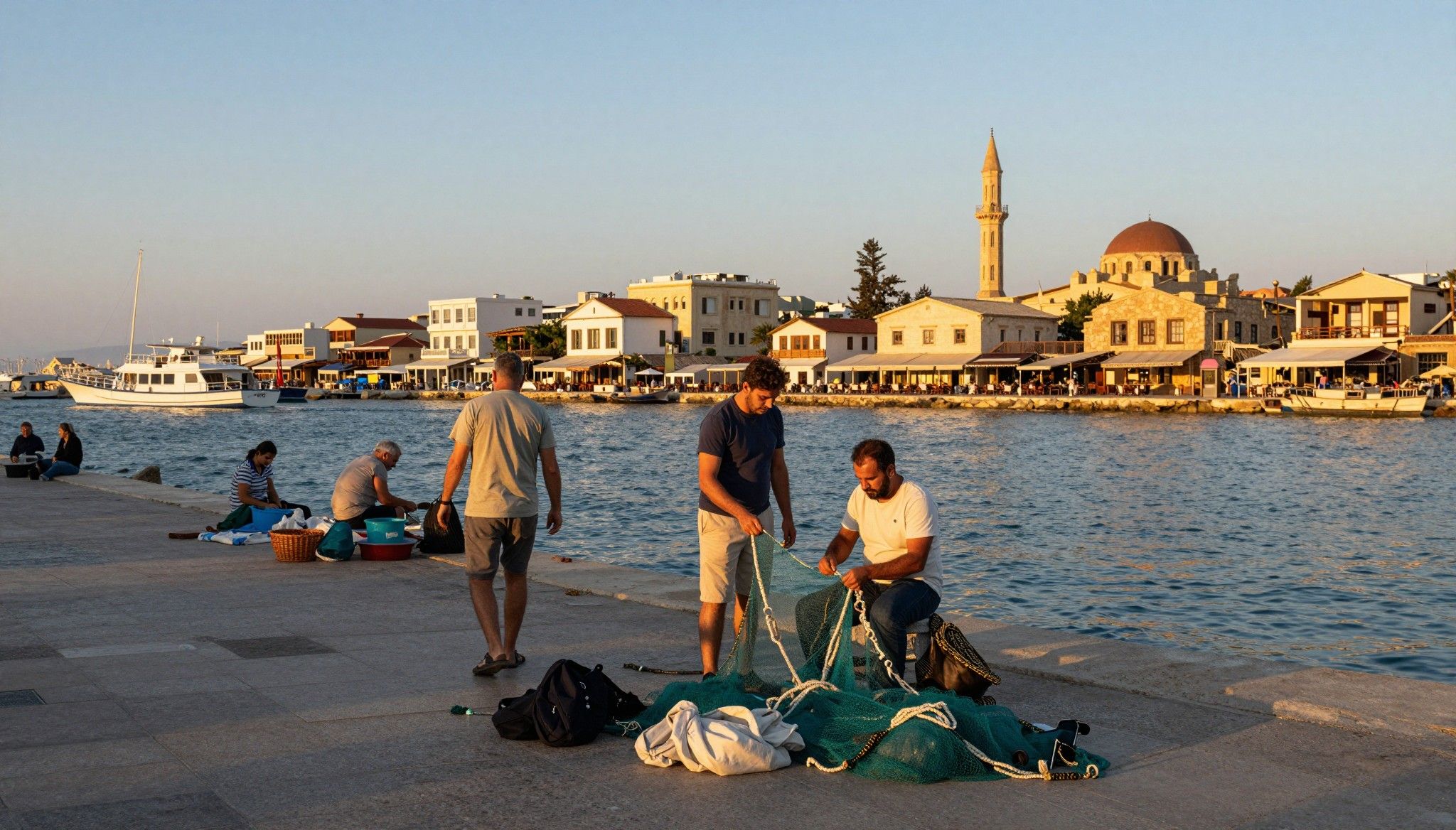
Imagine stepping from a sun-warmed lane in Limassol into a café where the morning conversation is equal parts business and family. In Cyprus the day begins outside: espresso cups cool, shutters open, and sea-breezes rewrite the plan for the afternoon. That lived intimacy — the market, the tavernas, the village square — is the reason buyers from London to Beirut keep returning. Understanding how to finance that life, rather than merely buying a property, is the difference between an elegant purchase and a burdensome possession. (See recent market context from PwC Cyprus.)
Living the Cyprus Life
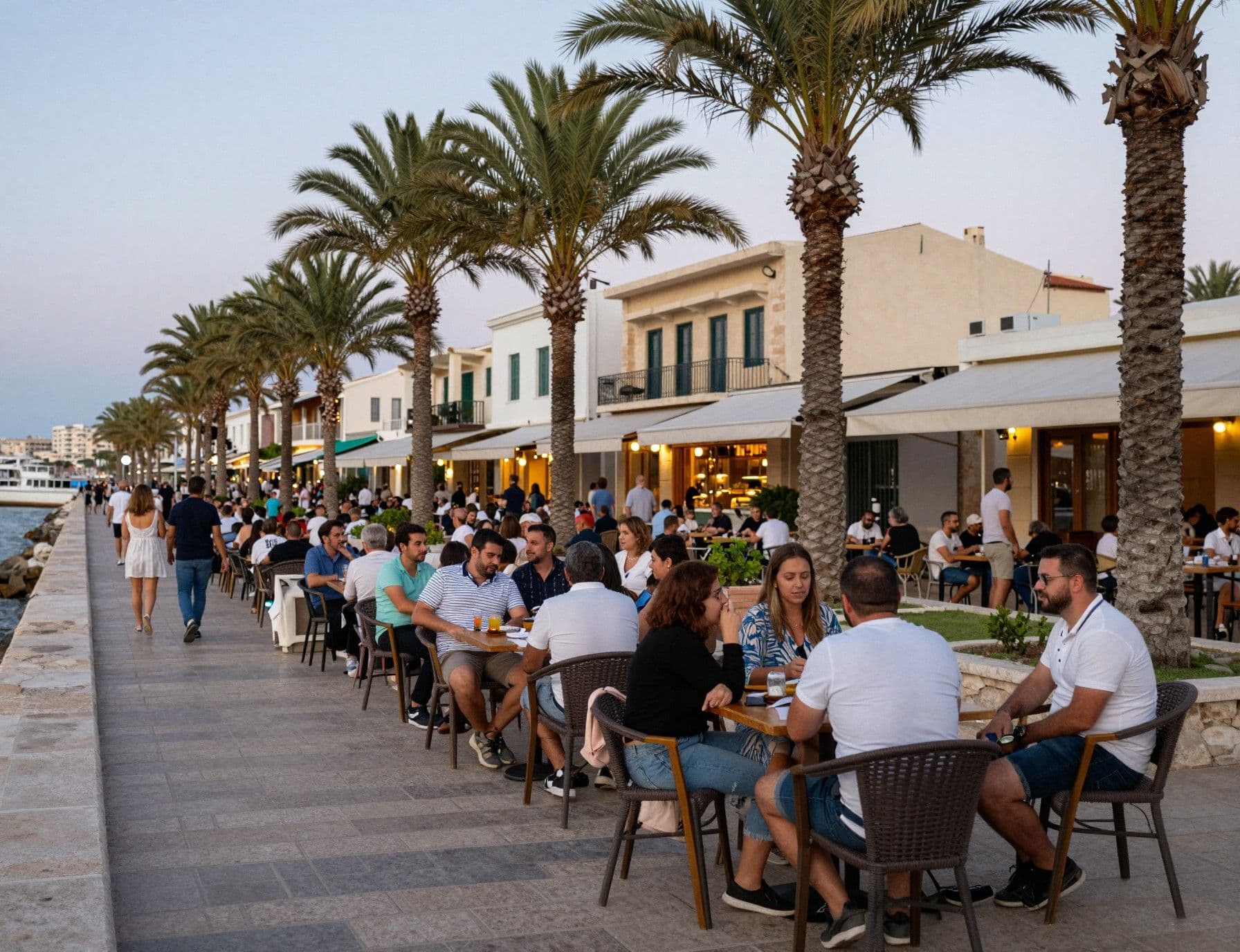
Cyprus is at once Mediterranean ease and discreet ambition: coastal promenades in Limassol and Larnaca, olive terraces in Paphos, and the slow architectural dignity of mountain villages such as Omodos. The island’s residential prices have shown steady, regionally varied growth in recent years, shaped by tourism, second‑home demand and local liquidity. If you plan to live in Cyprus, the rhythm of daily life — markets at dawn, siestas in midsummer shade, evenings that stretch into conversation — will shape what you need from finance and from a lender. Consult the Central Bank’s residential indices for the most recent price trends and area breakdowns.
Limassol: The Cosmopolitan Shore
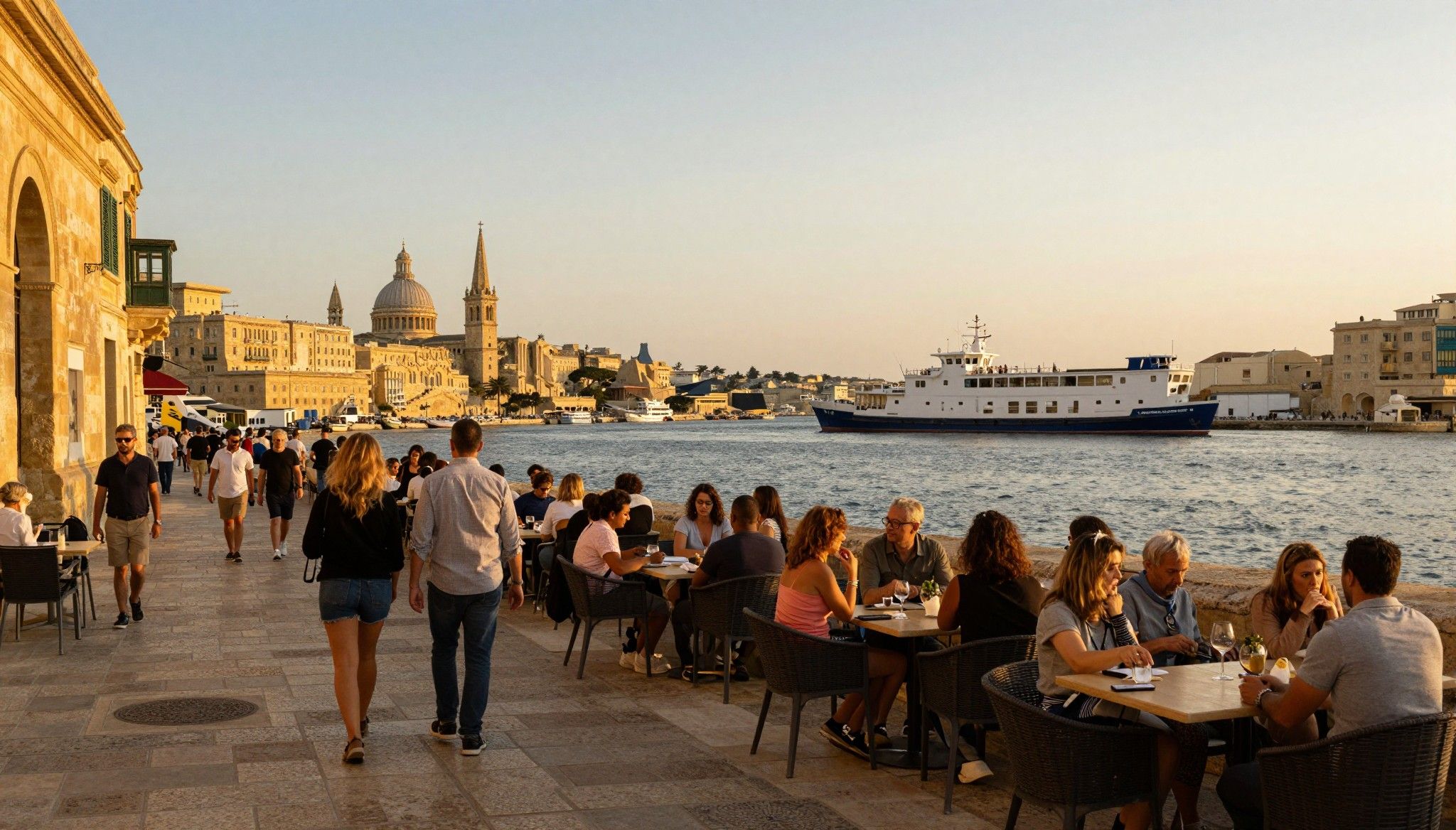
Walk the Molos promenade at dusk and you feel why Limassol commands premium pricing: yacht moorings, contemporary galleries, and restaurants where chefs favour Cypriot produce. For buyers seeking an urbane life, apartments on Anexartisias or villas in Agios Tychonas balance proximity to private schools with waterfront leisure. That convenience often makes a higher deposit and a slightly different mortgage product worthwhile; finance here is about matching cashflow to a lifestyle of short-drive services rather than remote rural self-sufficiency.
Paphos & Latchi: Quiet Provenance
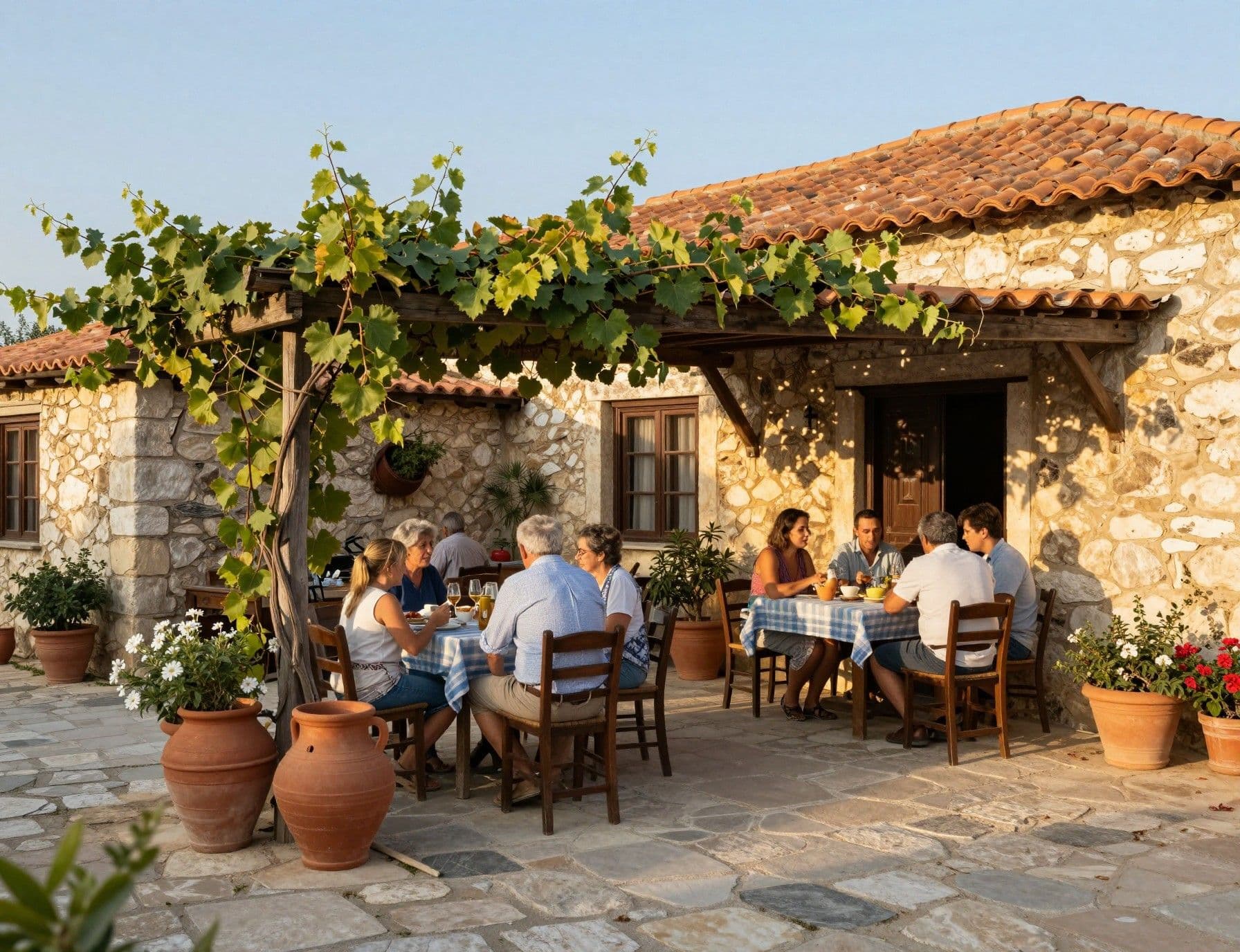
In Paphos, mornings belong to archaeology and coffee, and properties often carry a sense of provenance — stone courtyards, Byzantine traces, and quiet lanes. Buyers drawn to this quieter life value different mortgage considerations: longer-term fixed rates to protect from tourism seasonality, and careful checks on utilities and title continuity in older parcels. The lifestyle trade-off is straightforward: more space and heritage, sometimes at the cost of fewer banking options and slower resale liquidity.
- Lifestyle highlights to seek in Cyprus
- Morning espresso on Molos promenade (Limassol); sunset swims at Coral Bay (Paphos); fresh‑catch markets at Larnaca’s Zakaki; Sunday meze at Omodos square; winery visits in Vouni; early‑season yacht moorings near Limassol Marina.
Making the Move: Practical Considerations
The island’s romance invites many to enquire about mortgages. Banks in Cyprus lend to non‑residents, but under stricter rules than for locals: lower loan‑to‑value ratios, more documentation and often a preference for euro‑denominated income or collateral. Prepare certified bank statements, two years’ tax returns, and a clear source‑of‑funds trail. Work with a local lawyer and a bilingual mortgage advisor to present a dossier that reads plainly to Cypriot underwriters.
Property types and how they shape financing
New builds and off‑plan developments often attract developer financing or staged deposits, while resale coastal apartments typically require conventional bank loans with LTVs commonly in the 60–70% range for foreign buyers. Rural stone houses may need renovation loans or bridging finance and can be assessed differently for valuation. Match loan type to property type: a structured purchase‑to‑let requires different covenant terms than a principal residence loan.
How local experts make the difference
- 1) A local solicitor will check title continuity and whether the property is free of encumbrances; 2) A mortgage broker familiar with Bank of Cyprus, Hellenic Bank and private lenders will present the best terms; 3) An accountant can advise on tax residency, withholding and rental income reporting. These three relationships transform a promising listing into a secure purchase.
Insider Knowledge: Expats’ Real Lessons
Seasonality and local practice colour everyday experience in Cyprus. Sellers will quote summer occupancy; lenders will test affordability against year‑round income. Expats commonly underestimate transfer timings at the Land Registry and the need for certified translations of documents. Rely on recent market reports when pricing risk and on a local agency that understands how lifestyle promises translate into legally enforceable terms.
Cultural notes that affect ownership
Language is not a barrier to everyday life — English is widely spoken — but social practice is: hospitality matters, paperwork is formal, and relationships with local tradespeople or the community can determine renovation timelines. Respect for provenance also means older properties often reveal quirks in wiring, planning permission or water rights that a visual tour will not disclose. Budget for time as well as money.
- Practical items to verify before signing: clear title at the Department of Lands and Surveys; current transfer fee estimate and who bears it; VAT applicability for new builds; and any recent tax reforms that affect residency or stamp duty. These checkpoints reduce surprises and preserve the lifestyle you bought.
When I advise clients I tell them to imagine life first and ledger second: choose a street where you would spend mornings, then ensure the financing mirrors that life. Begin with a conversation with a bilingual agent who knows Molos from Mouttagiaka and a solicitor who has closed in both Limassol and Paphos. Those introductions cost far less than a rushed purchase that fails to deliver the life you imagined.
Next steps: gather two years of income evidence, shortlist neighbourhoods that match daily rhythms, and ask your broker for realistic LTV and rate scenarios for non‑resident applicants. Villa Curated can introduce agencies and advisers who balance the island’s particular charm with the legal and financial rigour that protects long‑term value. Let the life you wish to lead on the island direct the structure of your finance.
Former Copenhagen architect who relocated to Provence, offering relocation services, market analysis, and a curator’s eye for authentic regional design.