Malta: Lifestyle Trade‑offs and Real Living Costs
Malta’s compact charm masks seasonal costs and concentrated demand; pair sensory neighbourhood choices with transaction data and local expertise to align lifestyle with budget.
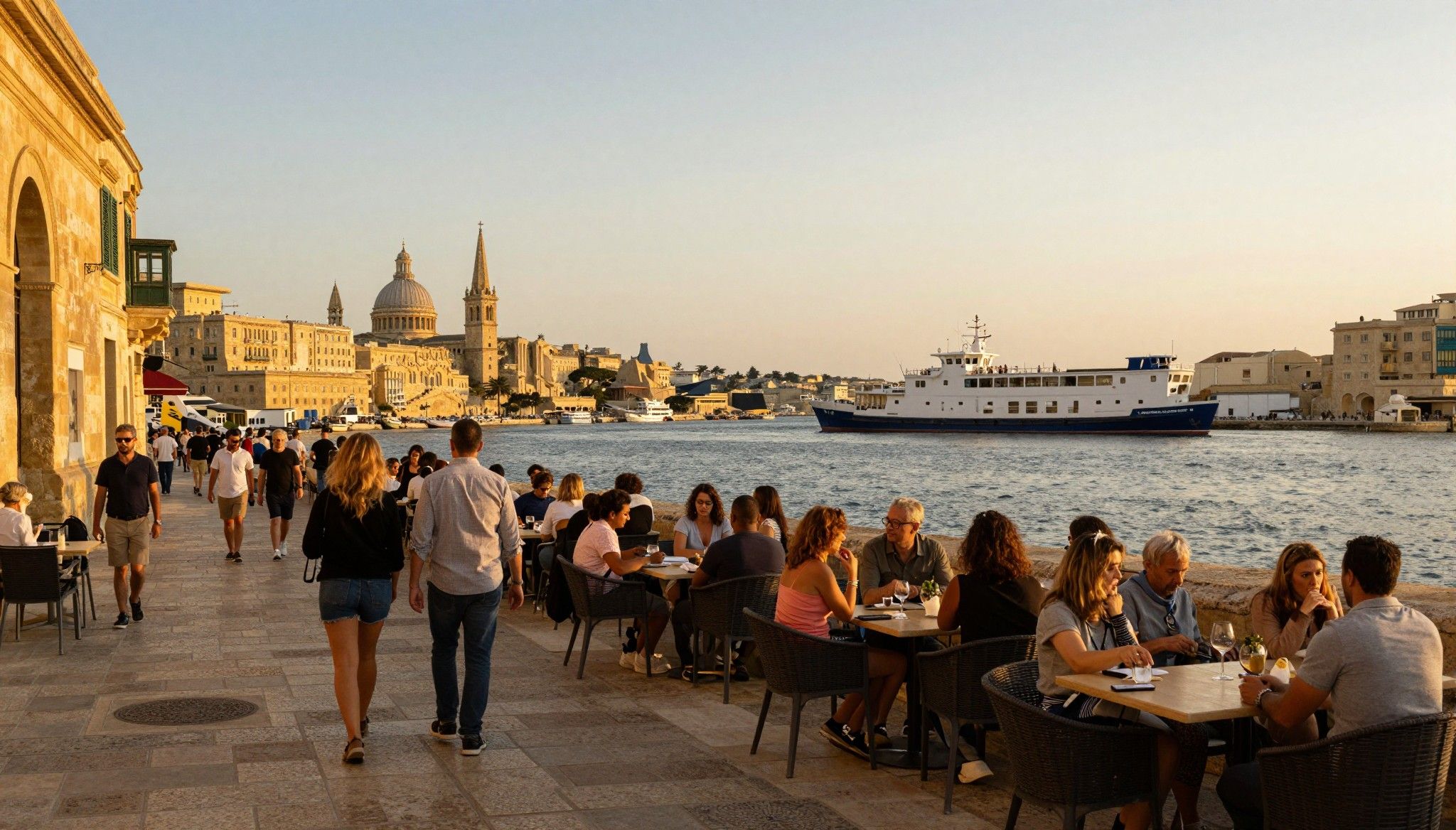
Imagine mornings in Valletta: a narrow street warmed by limestone, a café pouring espresso while a harbour breeze brings the scent of salt and basil. Living in Malta is lived close to the water and to history — compact towns where daily rituals, from the market to the paseġġ, shape how you use a home. For an international buyer this intimacy is the appeal and the constraint: charm and convenience are abundant, but so are trade‑offs in space, supply and seasonal life. This piece mixes sensory scenes with concrete cost signals so you can imagine life here and decide if the figures match the dream.
Living the Malta lifestyle
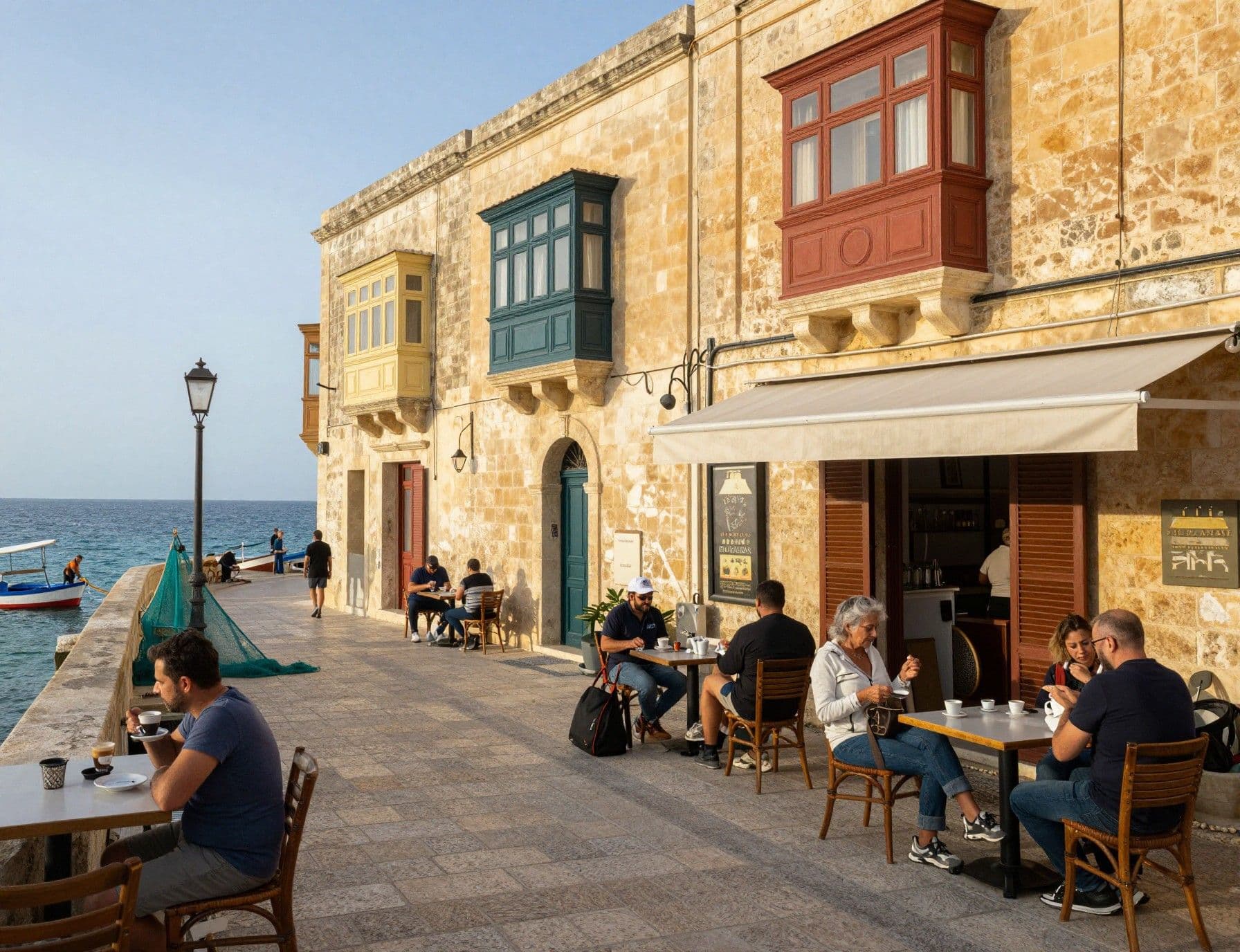
Malta’s days move at Mediterranean rhythm: market mornings in Marsaxlokk, late lunches in Sliema, and an evening passeggiata along St Julian’s waterfront. The island’s compactness means a 30‑minute commute can put you between beaches and a UNESCO city centre; it also concentrates demand, which shows up in both rents and everyday prices. Cost indices such as Numbeo place Malta below many Western European capitals on headline numbers, but local realities — hospitality‑driven seasonal price swings, island scarcity of land and imported food costs — complicate the arithmetic. Read these figures as directional rather than definitive when planning a move.
Neighbourhood moods: where life feels different
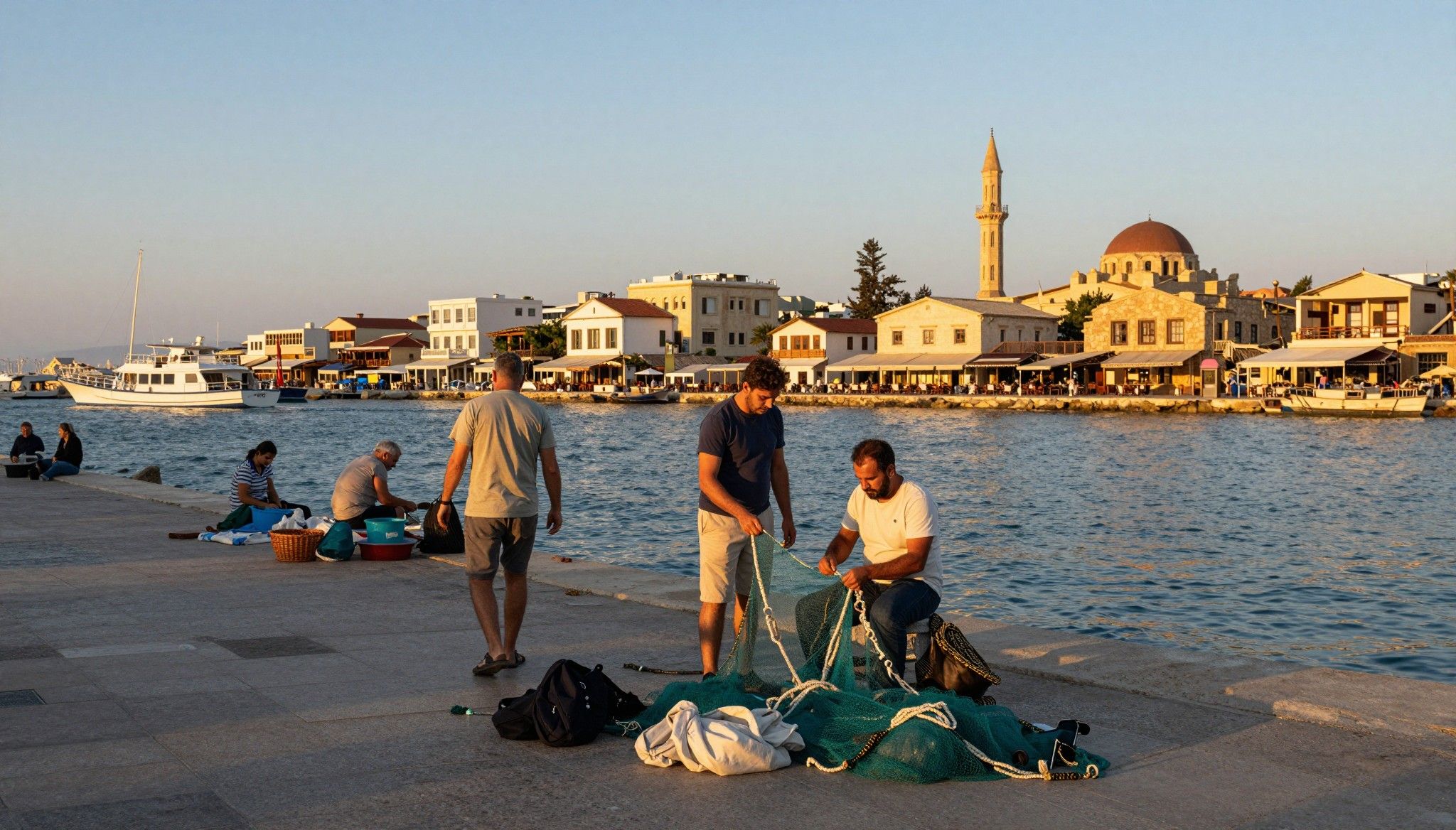
Each town in Malta reads like a chapter in a travelogue. Sliema and Gżira are urban, refined and convenient for cafés, boutiques and ferries to Valletta; St Julian’s and Paceville serve lively evenings and short‑term rental markets. Mellieħa and Gozo appeal when space and a quieter seaside life are priorities, while Marsaxlokk offers fishing‑village authenticity and regular fish markets. The consequence for buyers is simple: lifestyle preference directly determines both purchase price and day‑to‑day living costs, from utilities in an older maisonette to higher café prices in tourist corridors.
Seasonality and the daily rhythm
Summer reshapes the island: restaurants expand terraces, ferry timetables bulge, and short‑let demand lifts local prices. Off‑season, you find quieter streets and more negotiating room with sellers — an underrated window to buy or rent. Practically, that means budgeting for higher utility usage in summer months, and understanding that advertised monthly living costs may fluctuate by 5–15% depending on season and neighbourhood. For lifestyle buyers who value lively summers, the premium is often worth it; for those seeking year‑round calm, inland or Gozo locations temper seasonal spikes.
Making the move: practical considerations
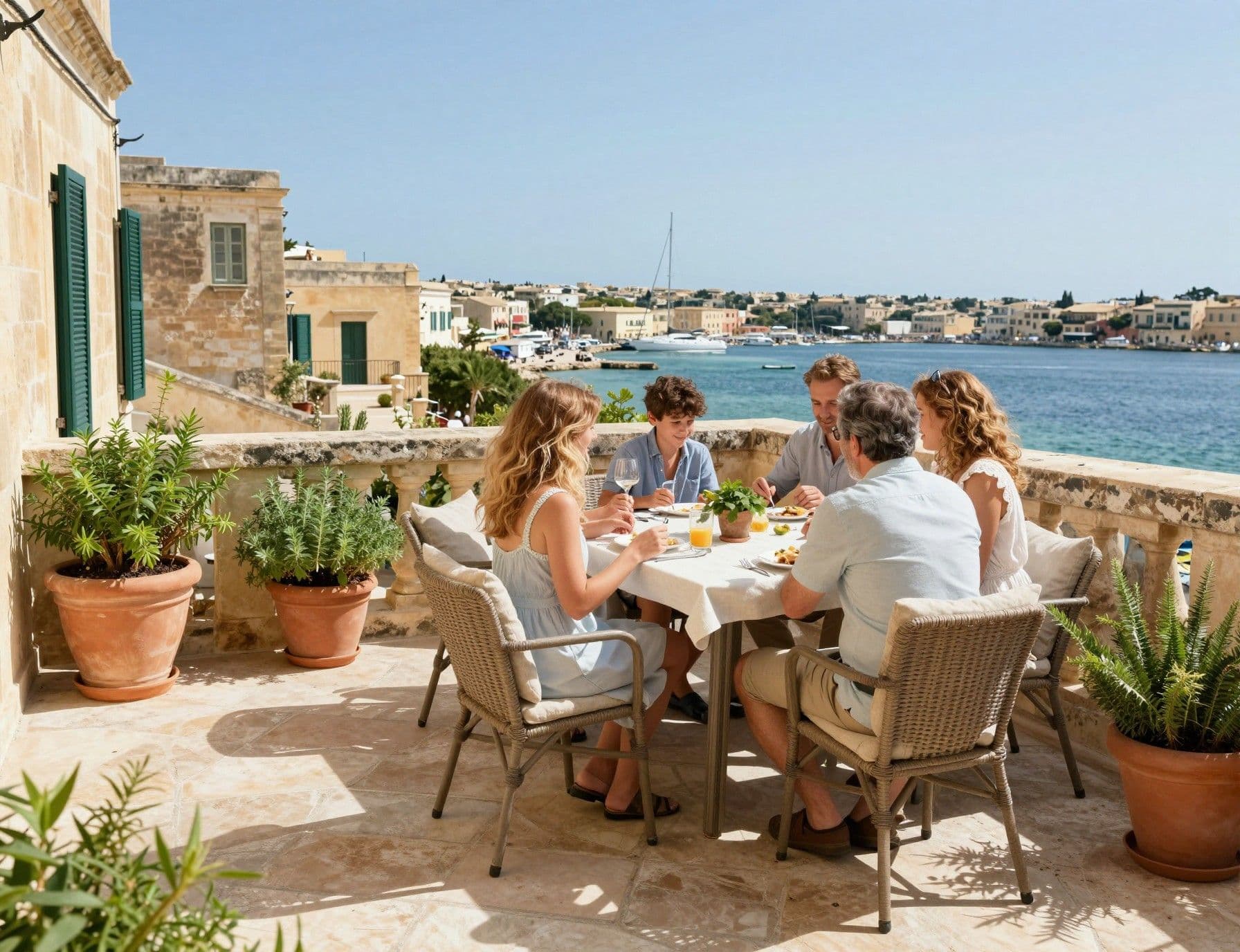
The island’s property market has shown steady price appreciation in recent years, driven by limited land, sustained tourist demand and strong domestic consumption. Reports from Malta’s statistical bodies and professional surveys indicate mid‑single‑digit annual rises in recent reporting periods, with apartments leading gains. That matters when you calculate total cost of ownership: purchase price, service charges for older stone buildings, and the likelihood of higher advertised rents in central seaside towns. Factor these dynamics into both short‑term affordability and long‑term stewardship of a Maltese property.
Property styles and living costs
Traditional townhouses and maisonettes require different budgets from contemporary apartments. Older limestone homes offer grandeur — high ceilings, internal courtyards — but often demand maintenance budgets for damp proofing and restoration. Newer apartments add convenience and insulation but carry development‑related service charges. For living costs, expect higher utility and maintenance budgets in older stock and a meaningful chunk of monthly outgoings for communal building upkeep in newer complexes close to the coast.
Working with local experts
Agents who live the island’s rhythms will guide you beyond price lists: they know which streets flood in winter, which buildings have sound‑insulation problems, and where long‑term neighbours resist short‑let conversions. Use an agent to align lifestyle with monthly costs — they can model gross rental yields, advise on likely service charges, and point to neighbourhoods where the lifestyle you want is affordable. Engage firms that can corroborate market data with recent deeds and local experience rather than rely on headline adverts alone.
Insider knowledge: what expats wish they'd known
Experienced residents say three things repeatedly: budget for imported‑food premiums, be realistic about space, and learn which neighbourhood rhythms suit your work and leisure. English as an official language eases daily life, but small‑island logistics — a compact hospital system, limited after‑school options for niche curricula — can affect family budgets and choices. On the upside, healthcare, connectivity and a welcoming expat community make integration straightforward; on the downside, property scarcity and tourist cycles mean costs can bite if you prioritise seafront living over quieter inland alternatives.
Cultural integration and daily life
Life in Malta moves between public rituals and private domesticity: festa season fills squares with band music and fireworks, while weekday rituals revolve around markets, bakeries and cafés. Making friends often happens through school communities, clubs and local associations rather than chance encounters on long streets. For buyers, that means selecting a neighbourhood where social life aligns with your family’s rhythms — proximity to an international school or a strong local community will reduce hidden lifestyle costs such as frequent taxis or time spent commuting for social life.
Long‑term lifestyle and value
Malta’s constrained geography makes stewardship a major factor in long‑term value: well‑maintained stonework, sympathetic restorations and considered interventions preserve character and resale appeal. If you plan to hold for a decade or more, prioritise building provenance and durable materials over short‑term cosmetic upgrades. In practical terms, that means allocating a renovation budget that respects the limestone fabric, and choosing an agent experienced in heritage properties or modern builds depending on the parcel of land you buy.
- Lifestyle highlights to cost‑check before you move:
- Sliema promenade cafés — higher everyday dining costs
- Marsaxlokk fish market — fresh produce but seasonal availability
- Gozo retreats — lower living costs but longer commutes
- Old Valletta townhouses — restoration costs and unique character
- St Julian’s nightlife corridor — good rental demand, higher wear‑and‑tear
Steps to reconcile lifestyle and budget
- Determine the life‑pattern you want (quiet inland, urban seafront, Gozo retreat).
- Collect local data: recent sale deeds, service charge statements, and seasonal utility bills.
- Engage a local agent to reconcile advertised prices with transaction records and neighborhood realities.
- Plan a test stay in your preferred neighbourhood during both high and low seasons to feel real living costs.
Conclusion: Malta rewards the buyer who pairs imagination with exacting local knowledge. The island’s charm is visceral — limestone light, market rituals, easy sea access — but the costs are concrete: concentrated demand, seasonal swings and maintenance of historic fabric. Pair a lifestyle must‑list with transaction‑level data, visit in both peak and quiet months, and work with agents who can translate local rhythms into reliable budgets. If you do, Malta can deliver a life that is at once Mediterranean and measured; a property here is a stake in a living place, not merely an asset.
Former Copenhagen architect who relocated to Provence, offering relocation services, market analysis, and a curator’s eye for authentic regional design.