Neighbourhood Life and Market Sense in Italy
Italy offers regionally distinct lifestyles; pair sensory neighbourhood selection with neighbourhood‑level market data and local stewardship to buy well.
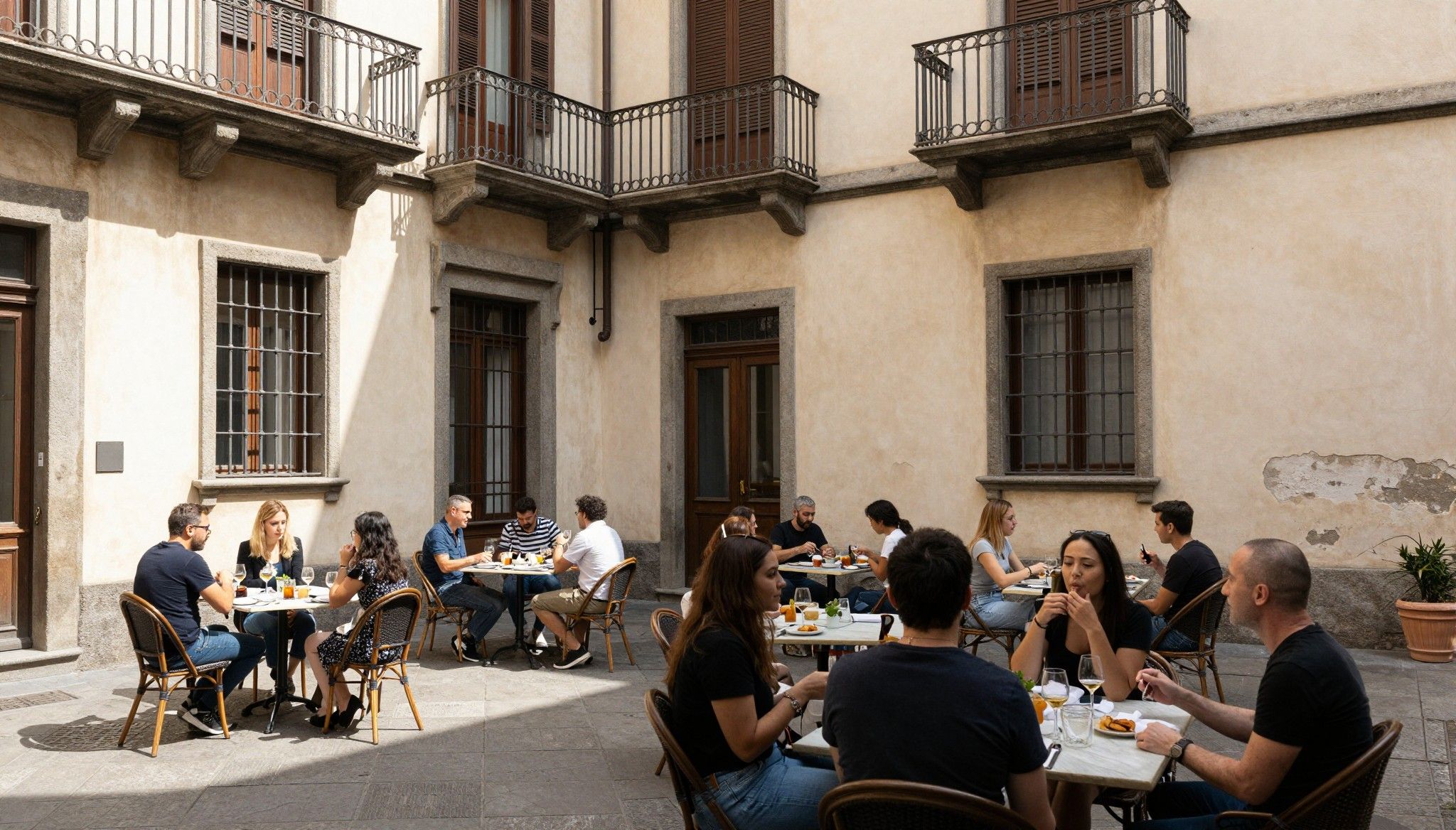
Imagine waking to the sound of church bells in an Oltrarno courtyard, buying figs at a stall on Via Romana and returning to a terracotta‑walled apartment whose windows frame a cathedral spire. In Italy, the day unfolds slowly and with detail; life is made of ritual — morning espresso, a midday mercato, an evening passeggiata — and the right property is the stage for that rhythm. For international buyers the romance is immediate, but the true question is practical: which neighbourhood will sustain the life you imagine and the value you expect? This piece pairs the atmosphere you came for with the market intelligence you need to decide, citing recent national data and local patterns.
Living the Italian Life

Italy's appeal is not one note; it is regional. In Milan the tempo is efficient and design‑minded: a morning coffee at a Galleria bar precedes client meetings and aperitivo by the Navigli. In Florence and much of Tuscany, life is measured by seasons and the harvest calendar — markets brim with produce, enoteca owners know your favourite vintage, and the lane outside your palazzo smells of wood smoke in autumn. On the Amalfi Coast and Sicily, daytime is outdoors: terraces, narrow coastal roads, and neighbours who treat lunch as a ceremony. Each place offers a different choreography of daily life, and your choice will determine not just address but habit.
Milan: Modernity, craft and discreet luxury
Walk through Brera in the late afternoon and you see why collectors gravitate here: Neoclassical facades, artisan boutiques and galleries create a residential canvas for refined urban living. Apartments in central Milan reward those who value craftsmanship and access — think restored boiserie, high ceilings and discreet modern services rather than ostentation. For buyers seeking rental yield, Milan’s status as a business and design nexus keeps corporate demand steady, while the city’s redevelopment corridors have introduced contemporary pied-à-terre opportunities near Porta Nuova.
Florence & Tuscany: Provenance, land and slow rhythms
In the Oltrarno or a farmhouse outside Siena, provenance is everything. You buy a story as much as stone: historic villas with cellars, chestnut beams and walled gardens are desirable for their craft and capacity for agriturismo income. Tuscany’s market has shown steady interest from foreign buyers and collectors, drawn by cultural density and the ability to assemble land parcels for long‑term enjoyment and stewardship.
Coast & Islands: Outdoor life, seasonal subtleties
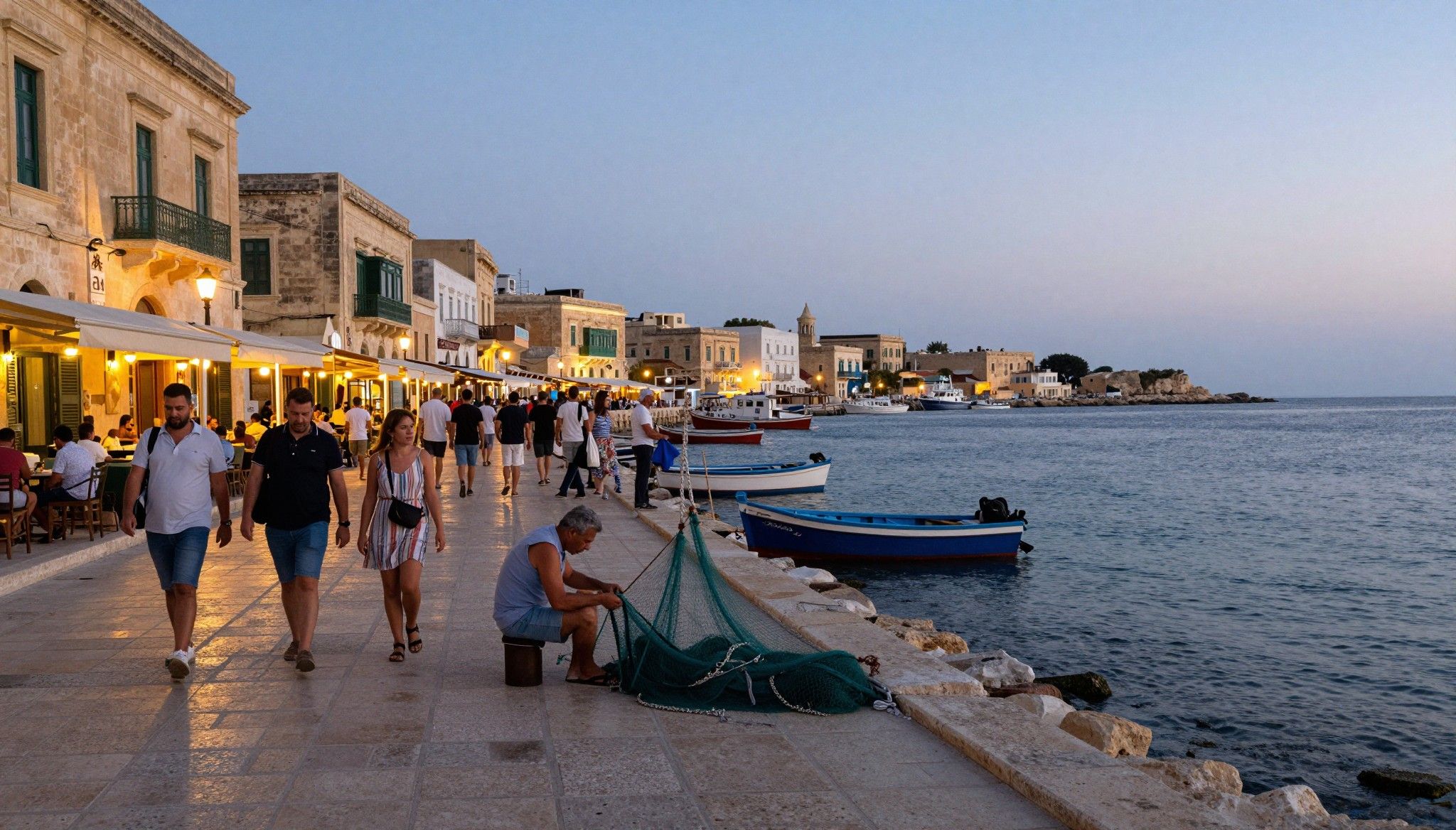
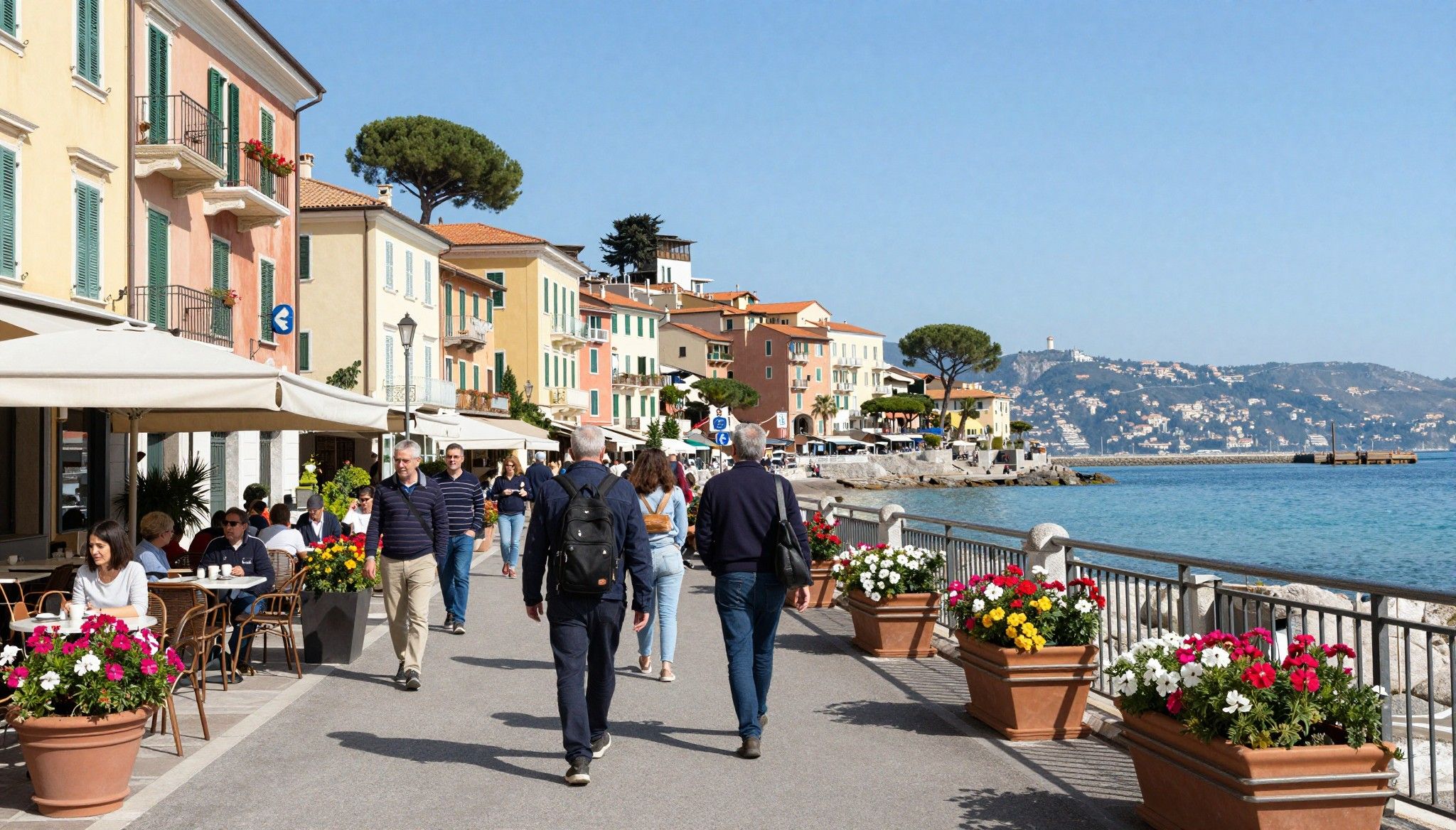
Living by the sea in Liguria, the Amalfi Coast or Sardinia means accepting seasonality as part of the property’s character. Summers are social and noisy; winters return the coast to a more local, intimate pace. Buyers who prize outdoor entertaining, terraces and sea light should account for maintenance and access: steep streets, private moorings and the logistics of service in peak season are part of the purchase equation.
- Marketable lifestyle highlights: Trattoria on Via de' Benci (Florence); espresso at Café Biffi (Milan); evening passeggiata on Lungomare in Salerno; morning mercato di Porta Romana in Milan; vineyard visits in Chianti; boat moorings in Positano.
Making the Move: Practical considerations

Romance must meet realism. National statistics show modest but consistent price growth in recent quarters and a house‑price index that recovered after early 2020 disruptions; Istat reported rising prices through 2024–25, reinforcing the case that well‑chosen Italian properties can preserve value. Yet Italy is not uniform: city cores and prime rural estates move differently. Your agency should translate national trends into neighbourhood‑level opportunity and risk.
Property types and what they mean for daily life
A palazzo apartment in a historic centre offers immediate atmosphere: marble thresholds, frescoed stairwells and a life lived on foot. A country villa brings land, privacy and the upkeep responsibilities of gardens and olive groves. New build developments near growth corridors offer modern systems and energy efficiency but less historical character. Choose by daily habit: if you want markets and neighbourhood life, prioritise walkability; if you want land and silence, factor in travel time for groceries and schooling.
Working with local experts who know the life
An agency that understands regional rhythms will save time and nuance. Beyond checking titles and permits, the right agent will introduce you to a baker who opens early, a notary experienced with international clients, and craftsmen capable of sensitive restorations. Local knowledge reduces surprises: whether it is the cost of restoring terracotta roofs in Umbria or the bureaucratic cadence of a coastal municipality, these are the differences between owning and stewarding.
- Practical steps to align lifestyle with investment: 1) List daily rituals (market, café, commute) before shortlisting neighbourhoods; 2) Commission a local valuation and structural survey early; 3) Confirm utility access and seasonal maintenance costs; 4) Discuss rental potential and rules with your agent; 5) Meet the notary and ask for precedent cases in that comune.
Insider knowledge: what expats wish they'd known
Expat owners repeatedly name the same lessons: maintenance matters more than headline price; neighbourhood social capital defines daily ease; and seasons change a property’s temperament. Buyers who expected year‑round vibrancy on the coast were surprised by winter silence; those who assumed a historic centre would be quieter found restaurants and tourists close at hand. The best purchases are those where the owner has reconciled imagined rituals with the calendar and municipal realities.
Language, community and the small customs that matter
Learning a few phrases unlocks more than conversation; it unlocks invitations. Neighbour relationships in Italy are built on routine exchanges — the morning salute at the bakery, shared waste‑collection days, and the local calcio club’s match. Joining a corso di cucina, volunteering at a festa, or investing in a local market stall can be as effective as formal networking in securing a community place and practical help for property management.
Long‑term stewardship: what a property asks of you
Historic properties reward those willing to maintain them. Stonework, lime plaster, antique roofing and original timber floors age with dignity but require skilled artisans and recurring budgets. If you buy for legacy, plan for conservation: a maintenance calendar, trusted local restorers and clarity on permitted interventions under soprintendenza (cultural heritage oversight) where applicable.
- Red flags and subtle pitfalls: properties without clear cadastral records; unresolved condominium debts; poorly insulated roofs in seismic zones; properties advertised without recent energy certification; access roads that are seasonal or municipal easements.
Conclusion: If you came to Italy seeking a life curated by craft, community and calm grandeur, the country will reward thoughtful buying. Begin with places that match your daily rituals, use local expertise to translate national trends into street‑level opportunity, and plan for stewardship rather than speculation. When you pair a refined lifestyle brief with measured due diligence, Italy becomes less an acquisition and more an enduring residence.
Former Copenhagen architect who relocated to Provence, offering relocation services, market analysis, and a curator’s eye for authentic regional design.