Cyprus: Life‑First Tax Steps to Protect Your Home
A lifestyle-led tax guide to buying in Cyprus: practical steps, surprising local realities and vetted sources to protect both your dream and your balance sheet.

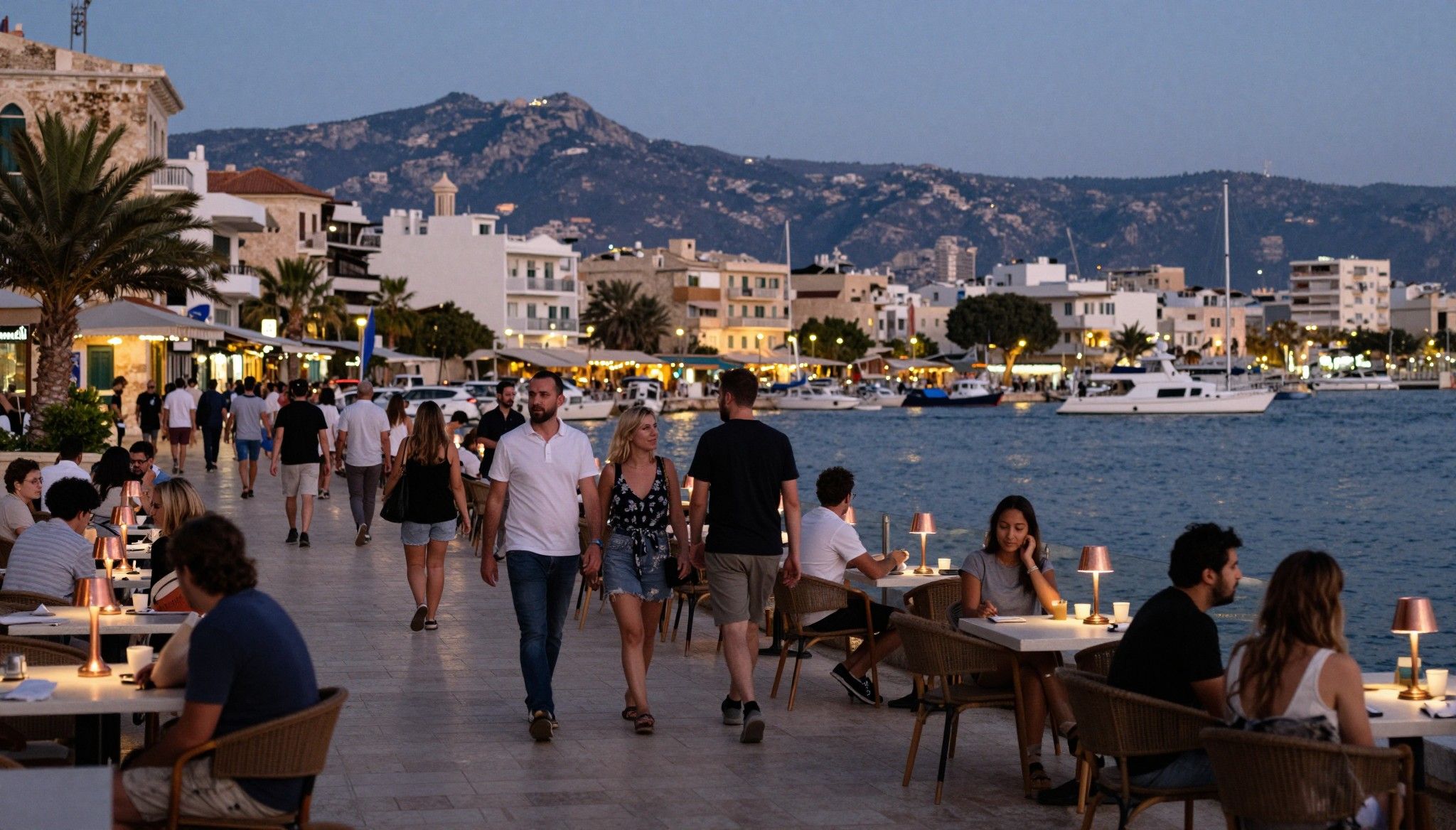
Imagine a Sunday morning in Limassol: espresso steaming at To Zesty, fishermen mending nets along the old marina, and a narrow lane where a restored neoclassical townhouse opens onto a quiet courtyard. This is the particular, lived Cyprus that lingers — sunlight on limestone, neighbourhood bakers, and a slow, assured rhythm. For the buyer who arrives with a suitcase and a plan, taxes and legal details often feel like an intrusion on that idyll. Yet handled with local insight, they become tools for shaping the life you want here.
Living the Cyprus Life — textured, local, precise
Cyprus rewards attention to detail. In Nicosia you feel the city’s measured austerity; in Paphos, the coastline confers a quieter conviviality; in Peyia and Tala, stone terraces and bougainvillea frame long afternoons. These differences matter when tax rules intersect with lifestyle: a home used seasonally will have different VAT or transfer-fee consequences than a permanent residence, and municipal charges vary by district. Knowing the street and the statute matters as much as knowing the café.
Neighbourhood portrait: Limassol’s old town and Amathus contrast
Walk the old town and you encounter restored townhouses, narrow alleys and tavernas where neighbours meet after work. Cross to Amathus and the tone shifts: modern seafront developments, international schools, and a different tax profile for newly constructed residences where VAT rules often apply. The choice between a vaulted, lime-washed courtyard and a seaside penthouse is therefore partly aesthetic and partly fiscal.
Food, markets and seasonal rhythms that shape property life
From fig sellers in Polis to fish markets at Larnaca, the island’s culinary calendar maps onto property use. A house with a courtyard becomes a summer table for long dinners; a centrally located apartment matters more out of season. These choices affect expected rental income, local taxes on earnings, and whether VAT or transfer fees will be the dominant closing cost.
Making the move: fiscal realities that preserve the lifestyle
Practicalities need not eclipse pleasure. Cyprus’s property tax architecture has a few reassuring features: there is no annual immovable property tax since its abolition, capital gains on property are limited to Cyprus-situated immovable property at a 20% rate after indexation, and transfer fees or VAT dominate closing costs depending on whether the sale is a resale or a new build. These are predictable rules you can plan around, not traps.
Property types and the tax trade-offs
A restored village house will usually be a resale for tax purposes — transfer fees and registration costs apply, and VAT does not. A developer’s coastal villa is often sold subject to VAT (standard rate 19% as applied to new builds), which can be partially recoverable for investment purchases but not for private holiday use. Choose the property type to suit the life you plan to live and the tax profile you can sustain.
Working with local experts who know both the street and the statute
Engage a lawyer and a tax adviser early. Lawyers navigate title, planning permissions and seller disclosures; tax advisers translate residency, non-domicile benefits and rental income rules into an owner’s expected after-tax cash flow. For many international buyers, a non-domicile regime and Cyprus’s IP/innovation incentives materially improve effective tax rates — but these require correct timing and documentation.
Insider knowledge: myths, red flags and seasonal timing
Myth: Cyprus is a tax haven with opaque rules. Truth: the system is transparent and well-documented — what varies is local practice. Red flag: contracts that promise ‘zero fees’ without clear reference to VAT versus transfer fees. Timing matters too: buying a new build in winter can secure the quieter months for due diligence, but tax-law changes are often announced at year‑end; when reforms occur, being contracted before a cut-off date can make a significant fiscal difference.
Cultural and administrative nuances expats often underestimate
Expect paperwork that reflects local institutions: municipal charges, planning certificates, Council of Ministers approvals in special cases. Language is seldom a barrier — many officials and lawyers use English — but local custom (a preference for in-person signatures, bank payment practices) speeds successful closings. Those who listen become residents; those who rush can be surprised by deadlines and documentary requirements.
Practical checklist: 6 fiscal and lifestyle steps before you sign
1. Confirm whether the property is sold with VAT or as a resale; 2. Obtain a legal due-diligence report that checks title, encumbrances and planning consents; 3. Model after‑tax rental income if you plan to let; 4. Verify residency/non‑dom implications for your wider tax affairs; 5. Ask for a municipal-charge schedule and utility histories; 6. Time the exchange to preserve any favourable tax cut‑off dates.
Step-by-step: a five-point closing order that safeguards lifestyle and money
1) Reserve and instruct a Cypriot lawyer; 2) Commission a due‑diligence (title search, planning); 3) Agree who pays VAT/transfer fees and document it; 4) Obtain a fiscal number and set up a local bank account for transactions; 5) Complete transfer at Land Registry with certified funds and receive title — each step reduces last‑minute surprises and preserves the life you imagined in Cyprus.
- Hints that professionals watch for: unexpected encumbrances on title; properties sold through opaque company structures; promises of residency tied to specific developments; mismatches between declared and actual habitable use; sellers who resist full disclosure of past planning permissions.
- A simple ranking of closing priorities: 1) Clean title and planning, 2) Clear VAT/transfer-fee allocation, 3) Residency and tax advice, 4) Local service arrangements (management, utilities), 5) Cultural fit with the neighbourhood.
Cyprus offers a life of convivial streets, calm shores and an architectural palette that ranges from Venetian remains to modern seafront elegance. The taxes and statutes are manageable when approached as part of a design brief for your life rather than as an obstacle. Begin with the neighbourhood you love, then enlist local legal and tax advisers to sculpt the transaction so your mornings in that lime-washed courtyard are uninterrupted. When you marry the island’s texture with sober fiscal planning, a property in Cyprus becomes both a home and a carefully tended legacy.
Dutch former researcher who moved to Lisbon, specialising in investment strategy, heritage preservation, and cross-border portfolio stewardship.