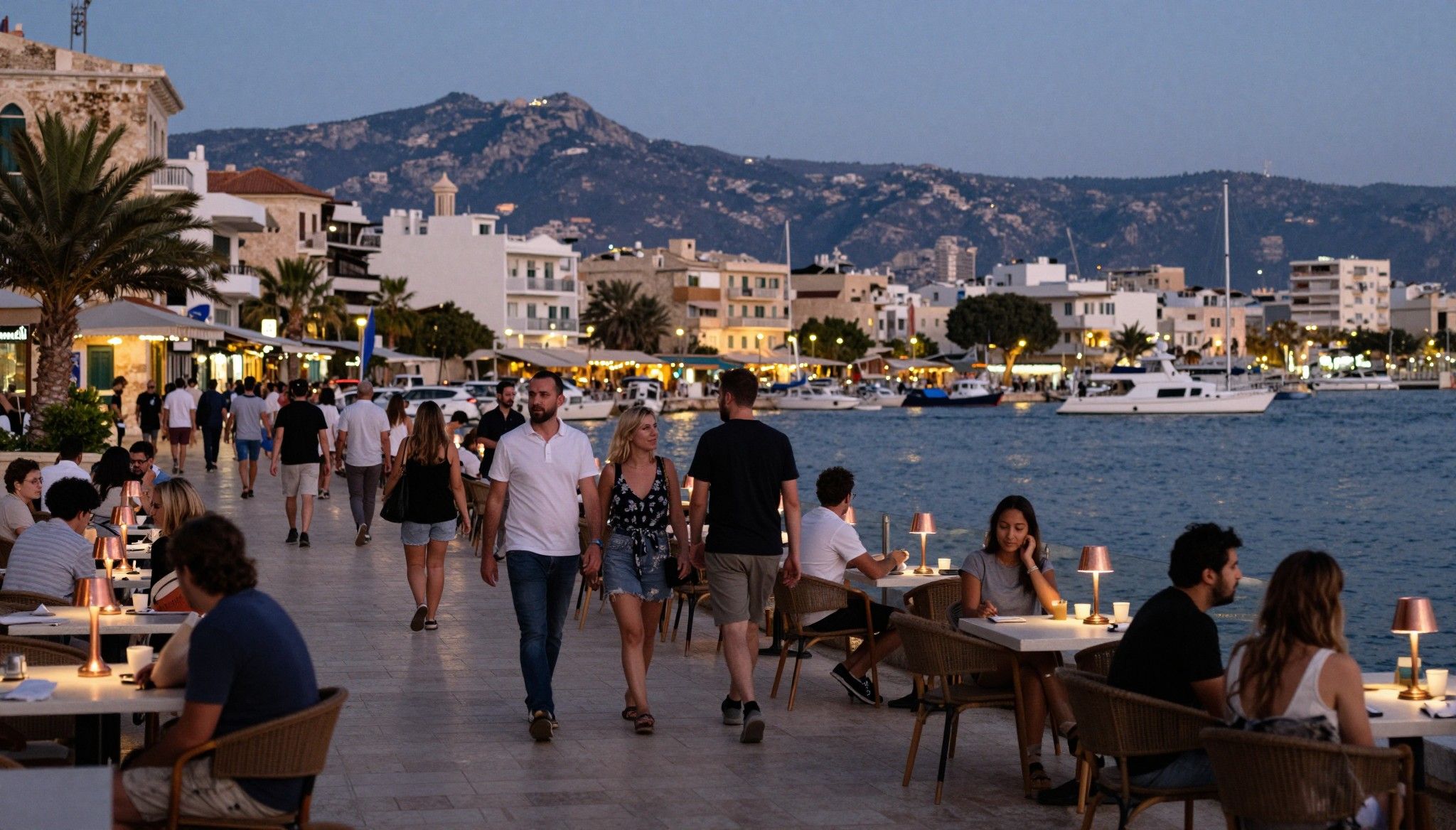
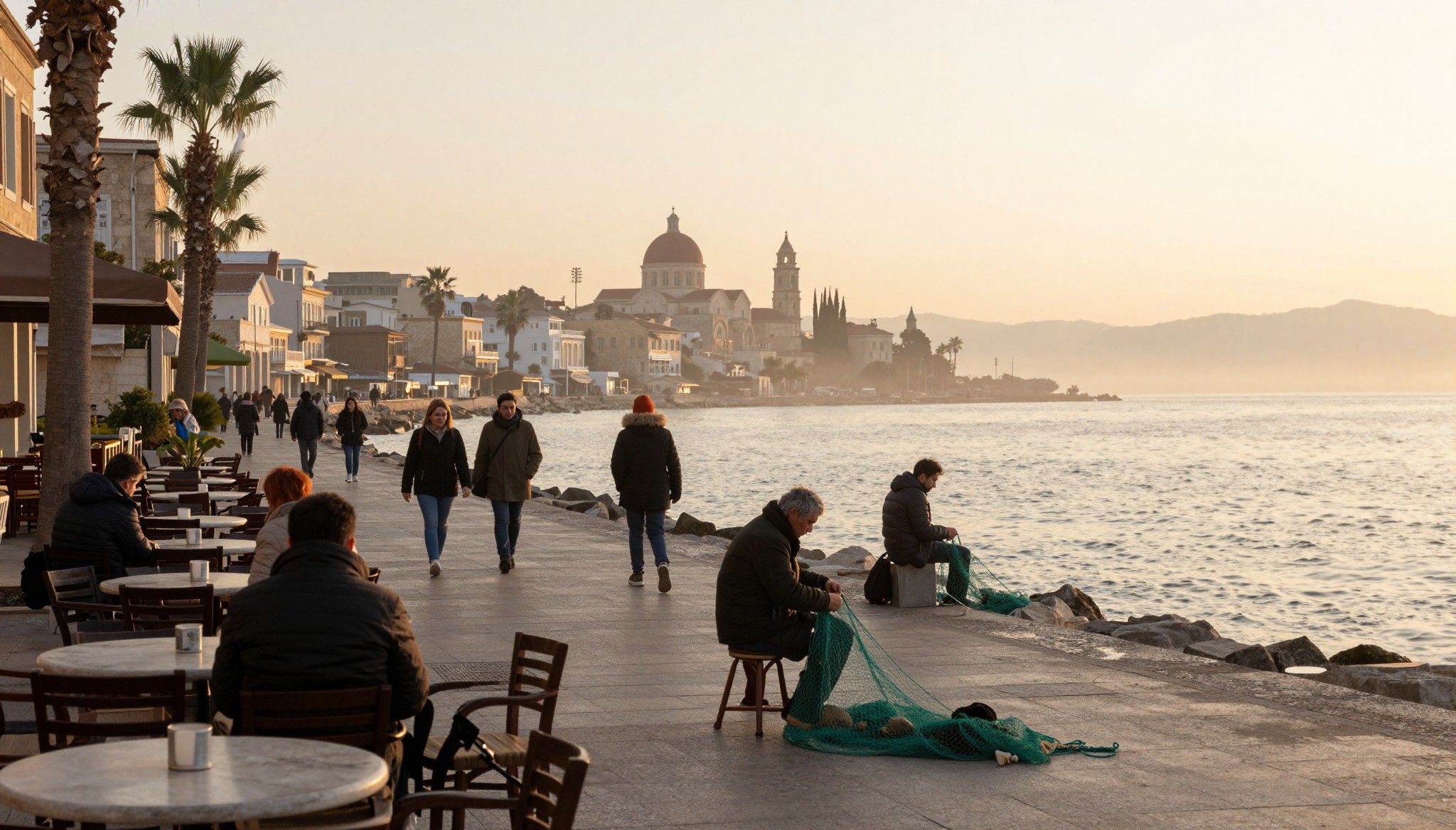
When the Coast Costs More: Where Italians Actually Live
How to match Italy’s celebrated lifestyle to real monthly costs—why inland streets often offer better value than flashy coasts, with steps to budget wisely.
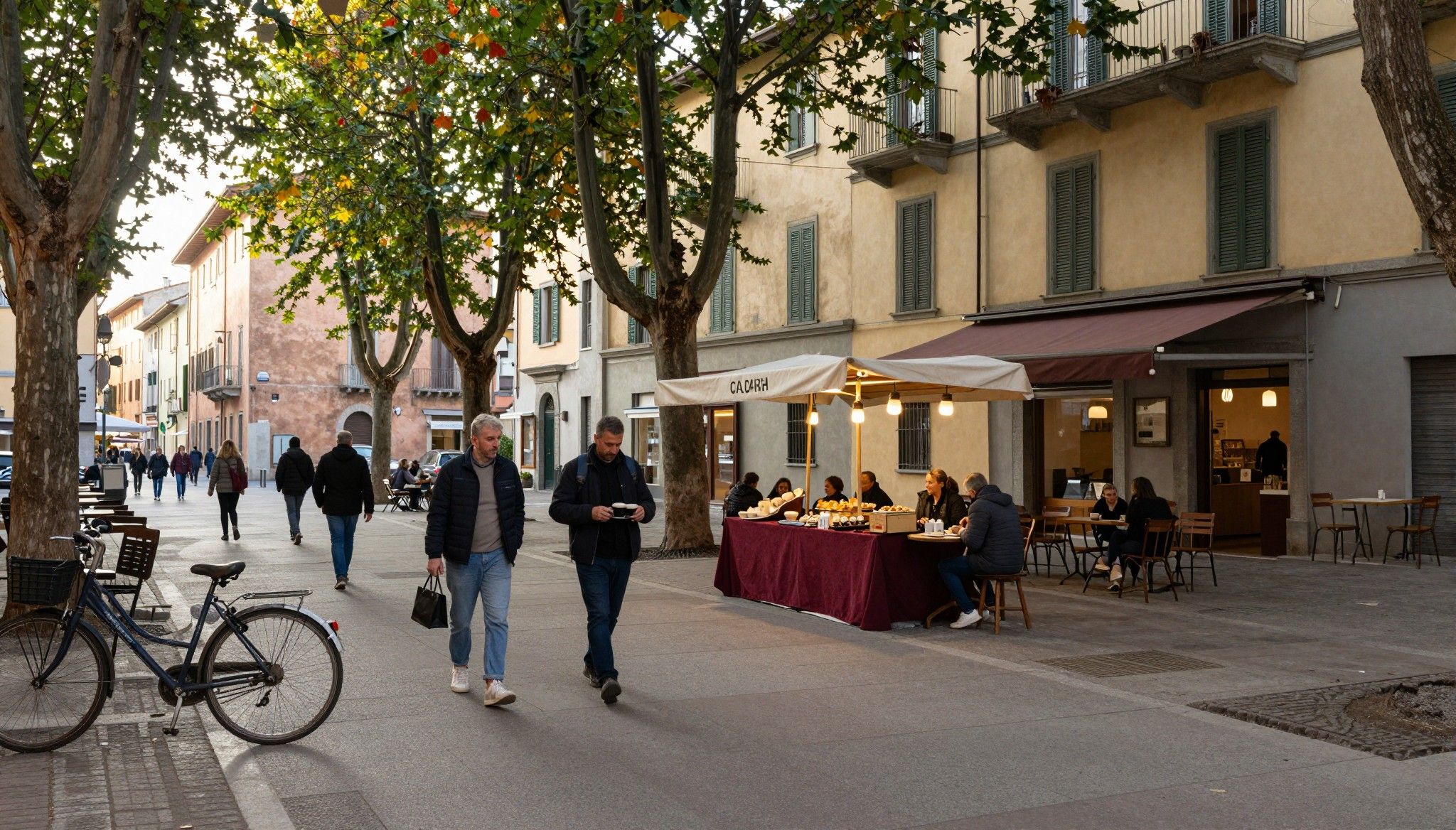
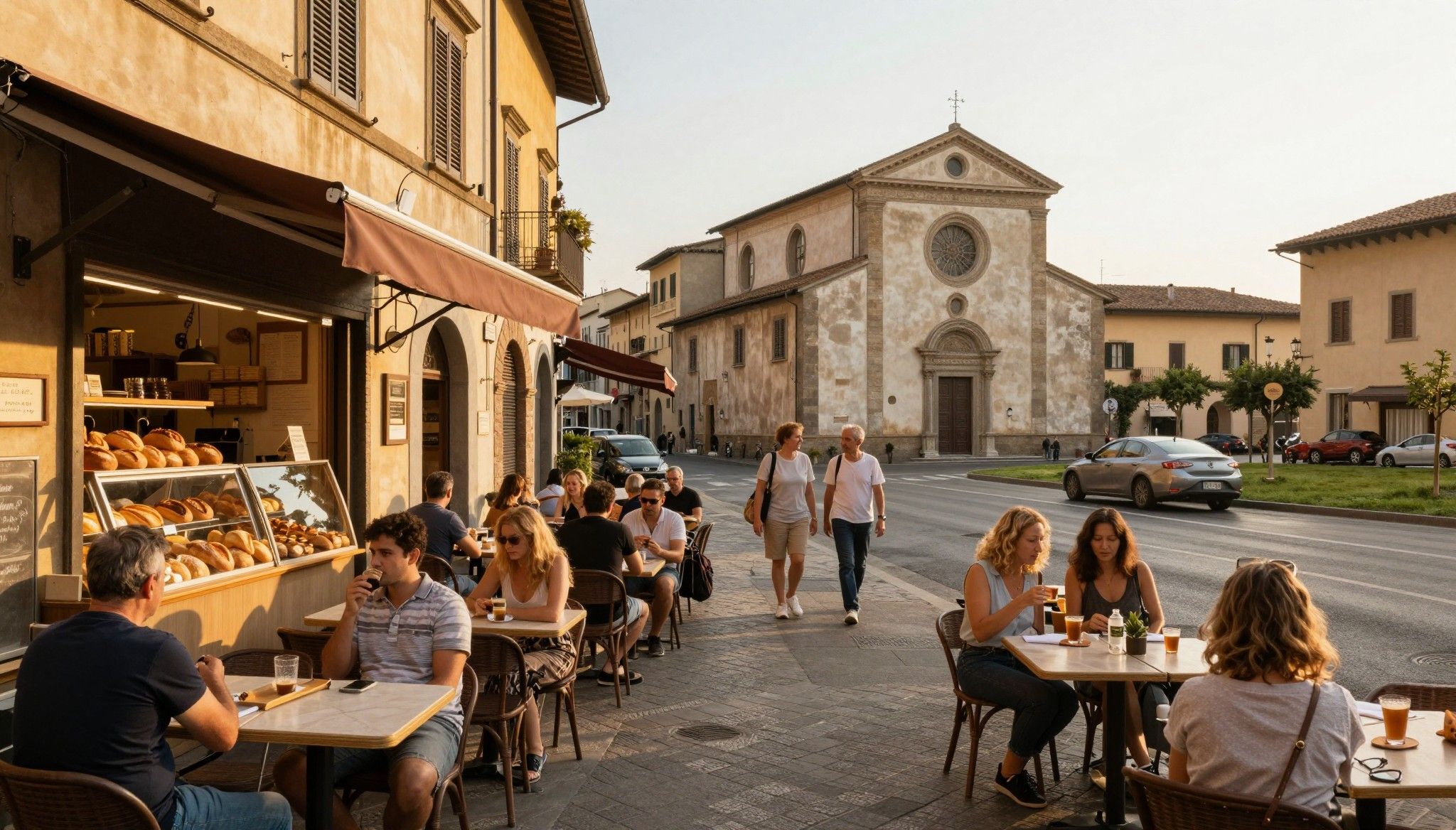
Imagine an early morning in Parma: an espresso at Bar Gianni, the baker on Strada Cavour arranging warm focacce, and pensioners discussing football beneath plane trees. The rhythms here—market runs before lunch, aperitivo at 7pm, shops that close for riposo—shape what life costs. For many international buyers the question is not only price per square metre but how daily spending, seasonal tourism and neighbourhood services add up across a year. This piece pairs the lived experience of Italian streets with up-to-date cost context so you see both the romance and the ledger.
Living the Italian life (and what it really costs)
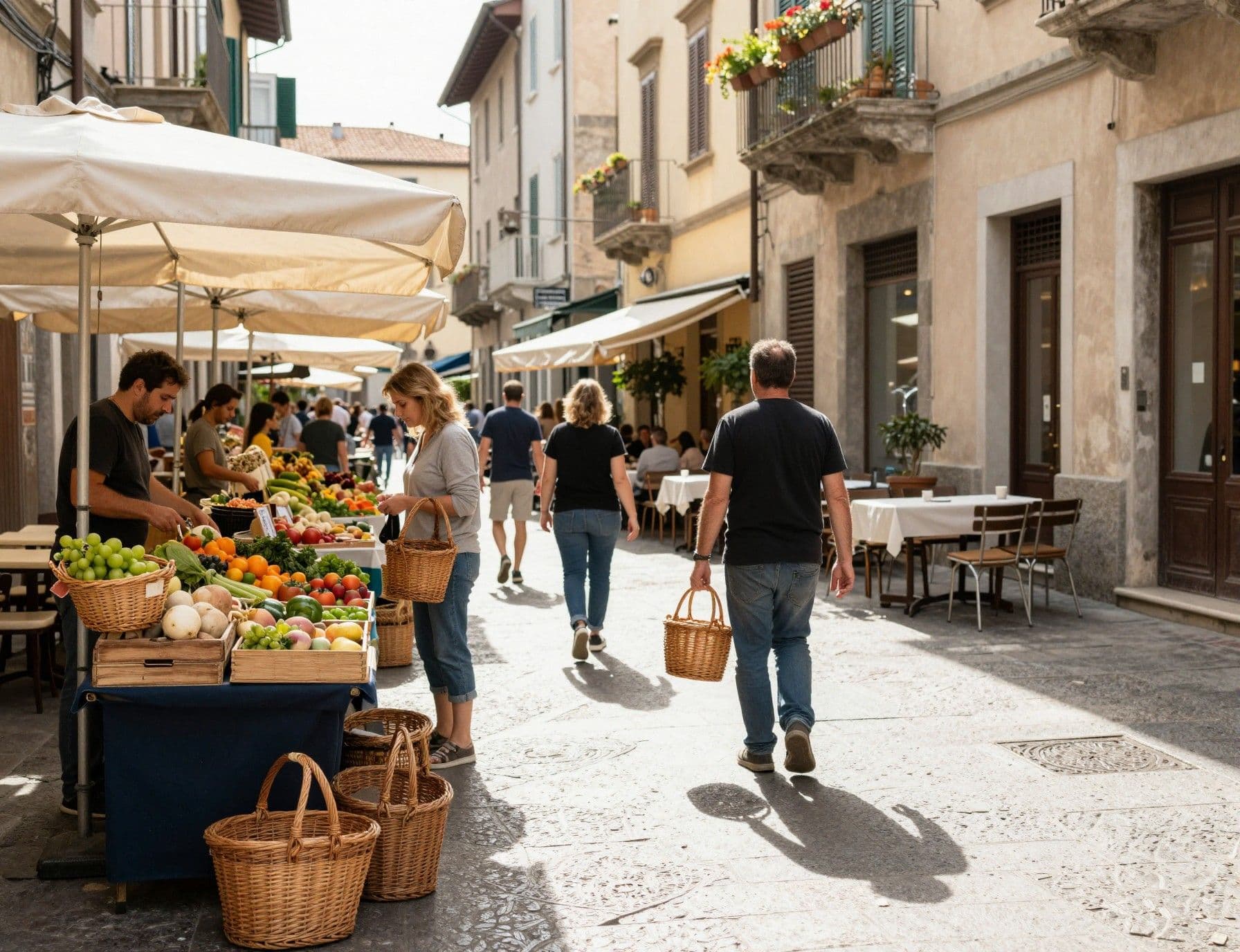
A day in an Italian neighbourhood is modestly theatrical: morning markets, three-course family lunches, siesta rhythms and late evening passeggiate. These rituals influence spending—food and dining remain a larger share of household budgets here than in many northern European capitals, even where rents are lower. Recent crowd-sourced indices show Italy’s overall cost-of-living index sits below major global hubs, but the distribution is uneven: pockets of high rent and tourist-driven prices coexist with surprisingly affordable inland towns. Context matters: what you pay depends less on the country than on the street you choose.
Neighbourhood spotlight: not the riviera but the internal ring
Take Bologna’s Santo Stefano quarter or Florence’s Campo di Marte: both are a short tram or bike ride from the historic centre, offer authentic daily markets and hold long-standing local communities. These are the streets many Italians choose—practical, with tree-lined cafés, small grocers and better-value housing than the tourist core. For buyers, that combination means lower running costs (less need for taxis, more efficient heating in masonry buildings) and a lifestyle that matches long-term residency rather than seasonal rental yields.
Food, markets and the arithmetic of pleasure
Eating locally remains an efficiency: weekly mercato purchases, seasonal produce and neighbourhood bakeries lower per-meal costs while delivering the Italian day-to-day pleasure. Yet grocery inflation has outpaced general inflation in recent years, making shopping choices decisive for monthly budgets. Registering with the local health service and using municipal services also reduces household costs in ways international buyers sometimes overlook when comparing headline rents and purchase prices.
Making the move: practical considerations tied to lifestyle

Buying in Italy rewards attention to fine distinctions. A 19th‑century apartment on a quiet street in Turin can offer lower purchase prices and more generous living space than a compact seaside flat near Positano—yet the seaside property may generate higher short-term tourist returns. Your lifestyle priorities—daily markets, proximity to a scuola internazionale, walkability or privacy—should guide which cost-savings matter to you in the medium term.
Property types and what they cost to live in
Stone apartments in historic centres demand careful maintenance—thick walls mean lower cooling bills in summer but can require costly heating upgrades in winter. Modern conversions and new-builds often deliver better insulation and predictable utility costs, though they command a premium per square metre in urban growth nodes like Milan. Factor in condominium (condominio) fees, local property taxes and the likely need for artisan restorations when assessing true ownership cost versus advertised price.
How to weigh lifestyle and running costs (practical steps)
- Estimate local utility patterns: ask sellers or agencies for past 12‑month heating and cooling bills to compare masonry versus modern builds.
- Map daily services: verify proximity to market, pharmacy and public transport; these lower recurring transport and convenience costs.
- Factor in community costs: monthly condominio fees, seasonal municipal levies and potential restoration reserves for historic façades.
Insider knowledge: what expats wish they’d known about daily costs
A common surprise for newcomers: tourism inflates service prices seasonally, not just rents. Small towns that look cheap in winter may see steep short-term premium during festivals or beach season; daily grocery, parking and restaurant prices follow suit. Long-term residents mitigate this with local relationships—the baker who holds a standing order, or a municipal annual parking permit—and those small arrangements materially change monthly expenses.
Language, paperwork and hidden savings
Learning basic Italian pays dividends: local discounts, better tradespeople quotes and care in negotiations reduce costs over time. Registration with local authorities unlocks subsidised healthcare and family services that international buyers often overlook when budgeting. Consider the lifetime savings of integration as part of the cost-of-living calculation, not merely an incidental benefit.
Expats' quick tips to lower monthly costs
- Shop seasonal produce at mercato stalls rather than supermarkets for better prices and quality.
- Negotiate a 12‑month utilities average with sellers to avoid surprise winter bills when converting heating systems.
- Choose a neighbourhood with year‑round services rather than one that shines only in the tourist season.
- Work with an agency that values street knowledge—ask for recent utility invoices, local service maps and community references.
Longer view: where costs converge and diverge
National statistics and market reports show modest house‑price growth and contained inflation recently, yet everyday costs—food, transport and services—are the decisive factors for long-term comfort. For many international buyers the best value hides inland in provincial hubs with robust cultural life: think Lecce’s baroque streets, Parma’s food culture or Trento’s alpine access. Those places offer authentic Italian living with lower monthly outgoings than the headline coastal investments.
When you are ready to act, use a local agency as a lifestyle curator: ask them to build a weekly-cost profile for each shortlisted property, request sample condominio accounts, and visit at different times of year. Small diligence—comparing market shopping receipts, municipal permits and winter utility bills—turns romantic aspiration into a sustainable life. Italy rewards stewardship; choose a street where life is lived, not merely photographed.
Next steps: compile a 12‑month living budget for preferred neighbourhoods, compare that to purchase and condominio costs, and brief your agent on lifestyle priorities—market, transit, school and community. Then visit in both low and high season; the difference in daily life (and cost) will be instructive. When you pair an honest neighbourhood with disciplined due diligence, Italy’s everyday riches become affordable and enduring.
Relocating from London to Mallorca in 2014, I guide UK buyers through cross-border investment and tax considerations. I specialise in provenance, design integrity, and long-term value.