Pick the Street, Not the View: Malta’s Lifestyle Trade‑Offs
Malta compresses Mediterranean life into neighbourhood-scale choices; pick the street to match the life you want and prioritise stewardship over short-term gain.
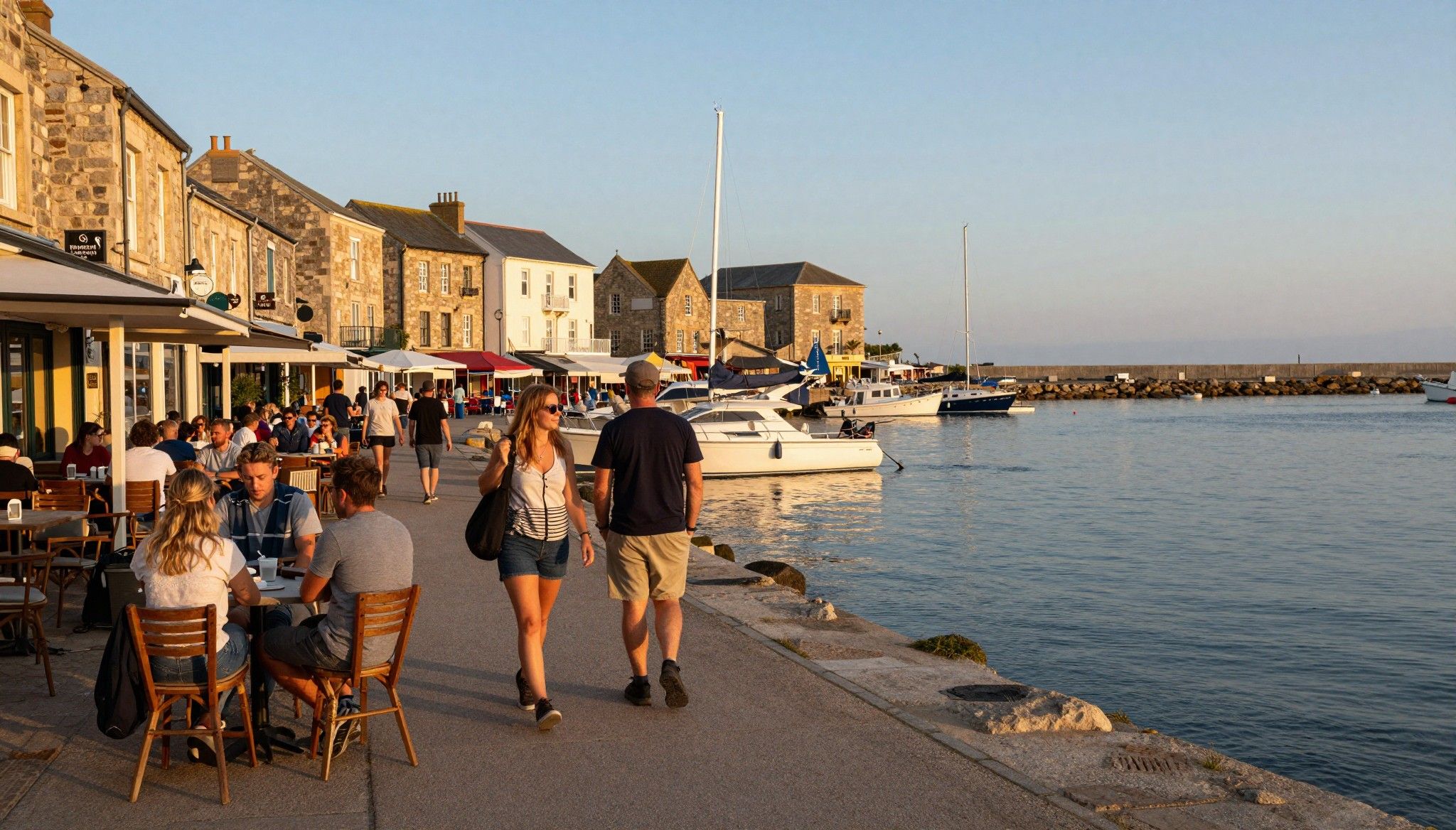
Imagine stepping out at dawn onto a limestone pavement in Valletta, the air warm with sea-salt and roasting coffee, while a neighbour fetches bread and the baroque light gilds carved balconies. This is Malta: an island where daily life is architectural theatre, compact enough that the choice of street often determines whether you keep a bicycle or a yacht.
Living Malta: compressed pleasures and considered choice
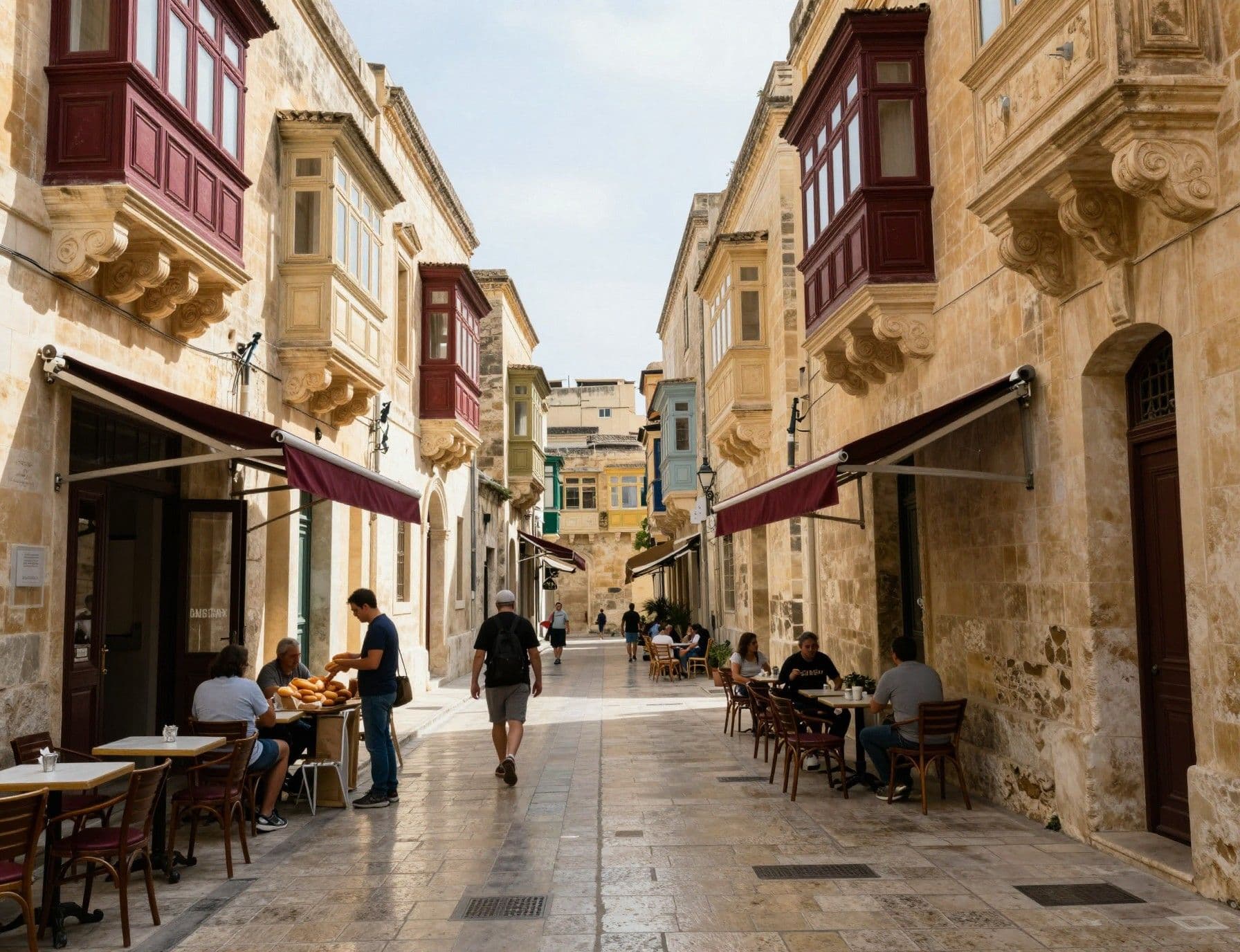
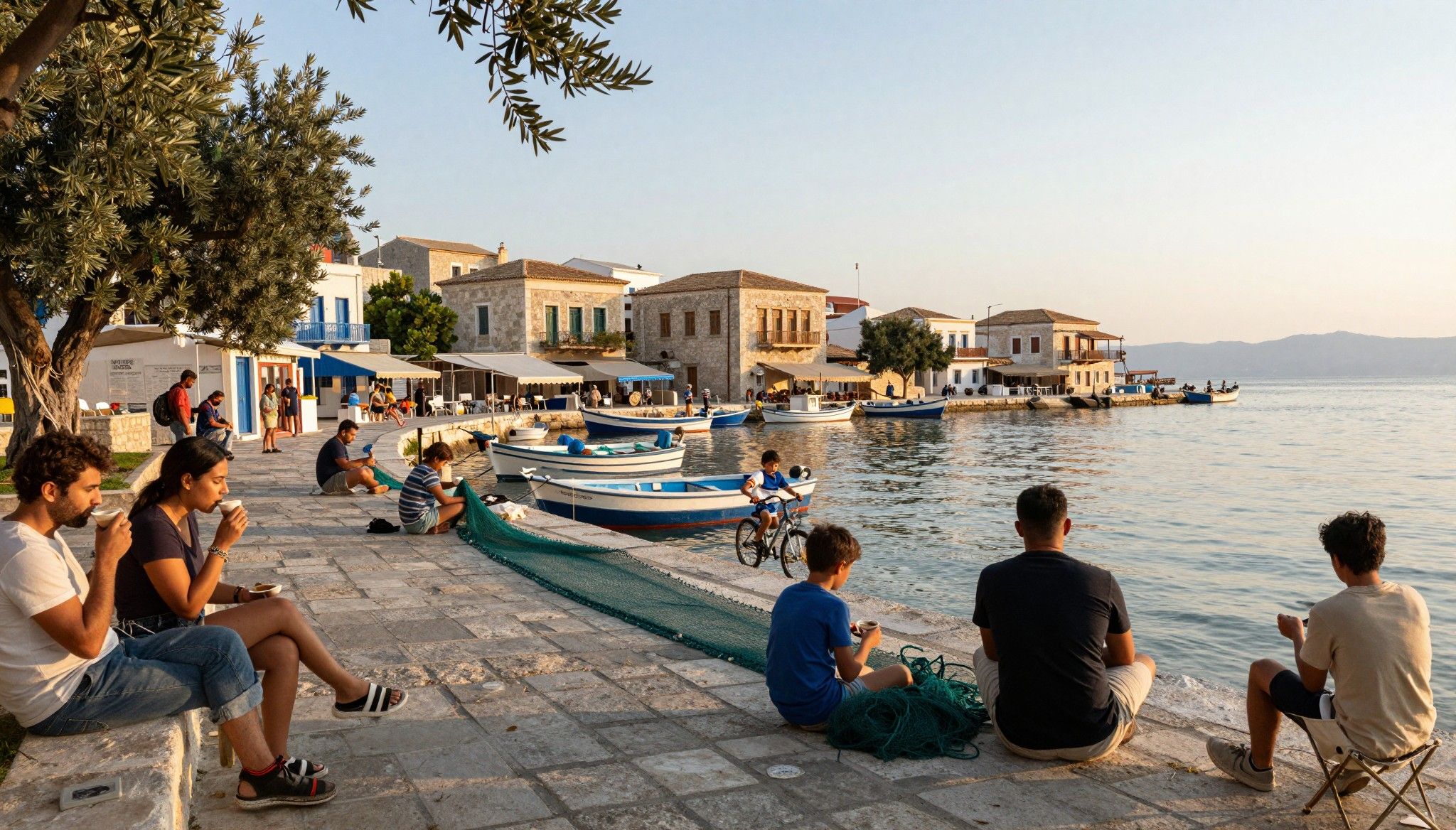
Malta compresses Mediterranean life into neighbourhood-sized experiences: mornings at seaside promenades, afternoons in sunlit piazzas, and evenings where a small trattoria becomes an extended salon. The island’s compact geography means neighbourhood character is intimate and immediately legible — Sliema’s promenades, Valletta’s stone-clad streets, Mdina’s hush — and each informs not only your daily rhythm but the type of property that will truly suit you. Recent market reporting shows concentrated activity in harbour and northern harbour regions, underlining how local context drives value and liquidity.
Valletta and the Three Cities: lived history
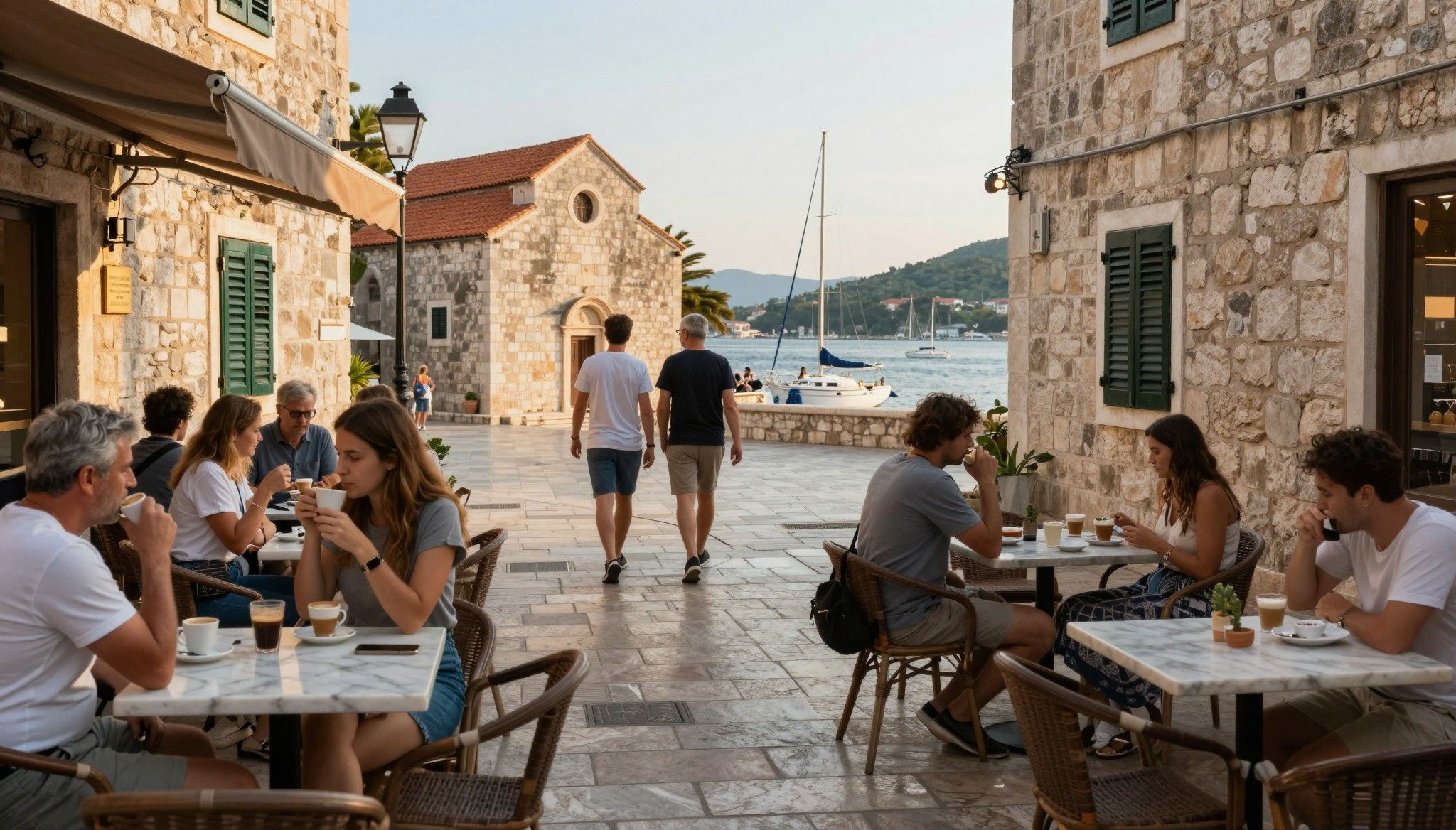
Valletta is theatrical in scale yet domestic in its daily use. Walk Strait Street at dusk and you move from quiet, carved-front doorways to discreet aperitivo bars. Across the Grand Harbour, the Three Cities (Vittoriosa, Senglea, Cospicua) offer a quieter harbourfront life: restored palazzos, private quays, and narrow lanes where boat ownership is as practical as car parking is not.
Sliema, St Julian’s and Gżira: promenades and practicality
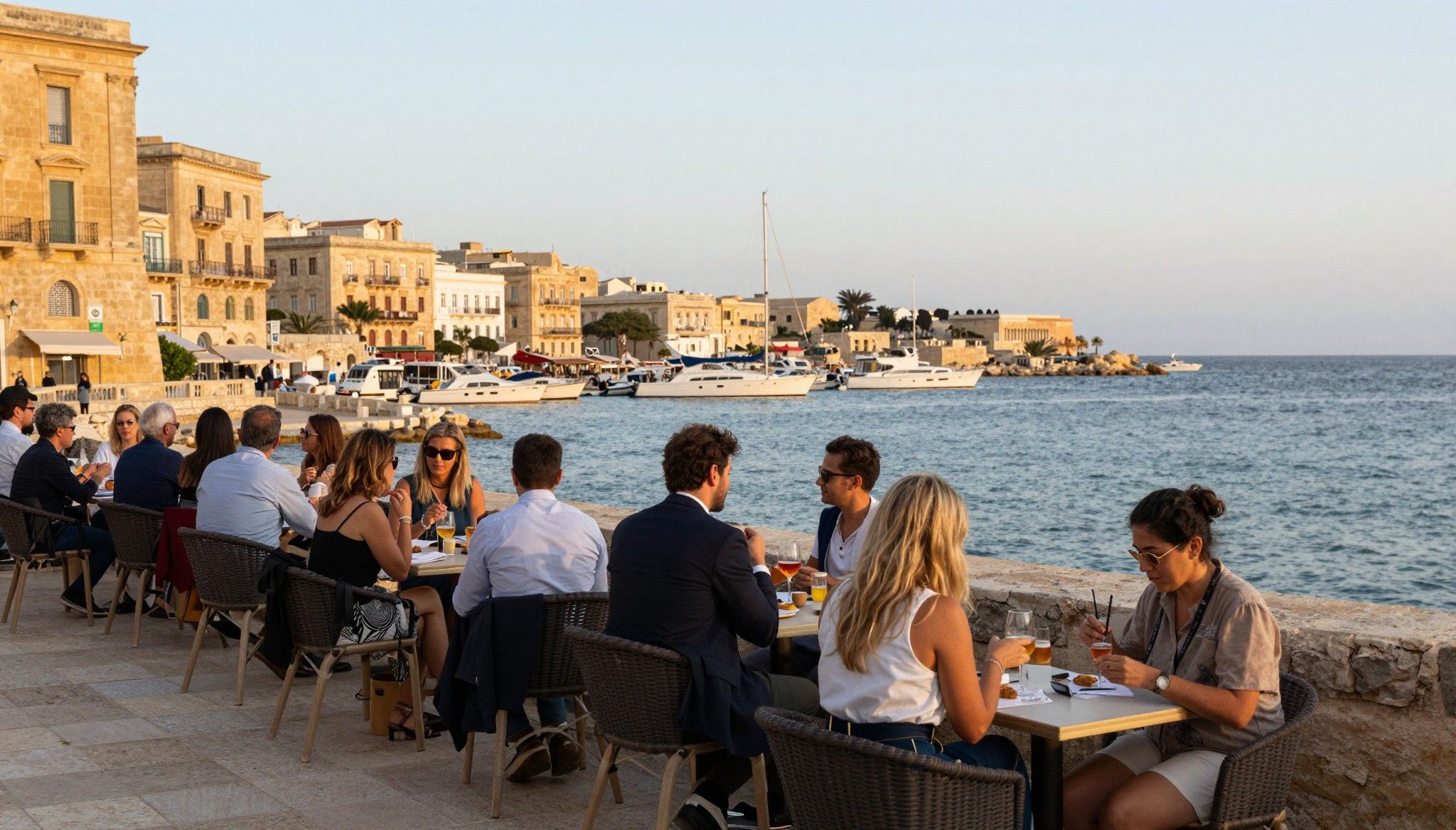
If you favour cafés that spill onto the pavement, reliable ferries and an international social scene, Sliema and St Julian’s will feel familiar. Gżira sits between them, quieter by reputation but imminently practical for families and remote workers. Expect apartments and maisonettes here; life is about terraces, sea-views and the cadence of promenade living.
- Lifestyle highlights to sample before you buy:
- Morning espresso at Caffe Cordina in Valletta; evening fish at Marsaxlokk market; a weekend hike and swim at Għajn Tuffieħa; an aperitivo on the Sliema promenade; a quiet Sunday behind Mdina’s Citadel farmers’ stalls.
Making the move: how lifestyle shapes property choices
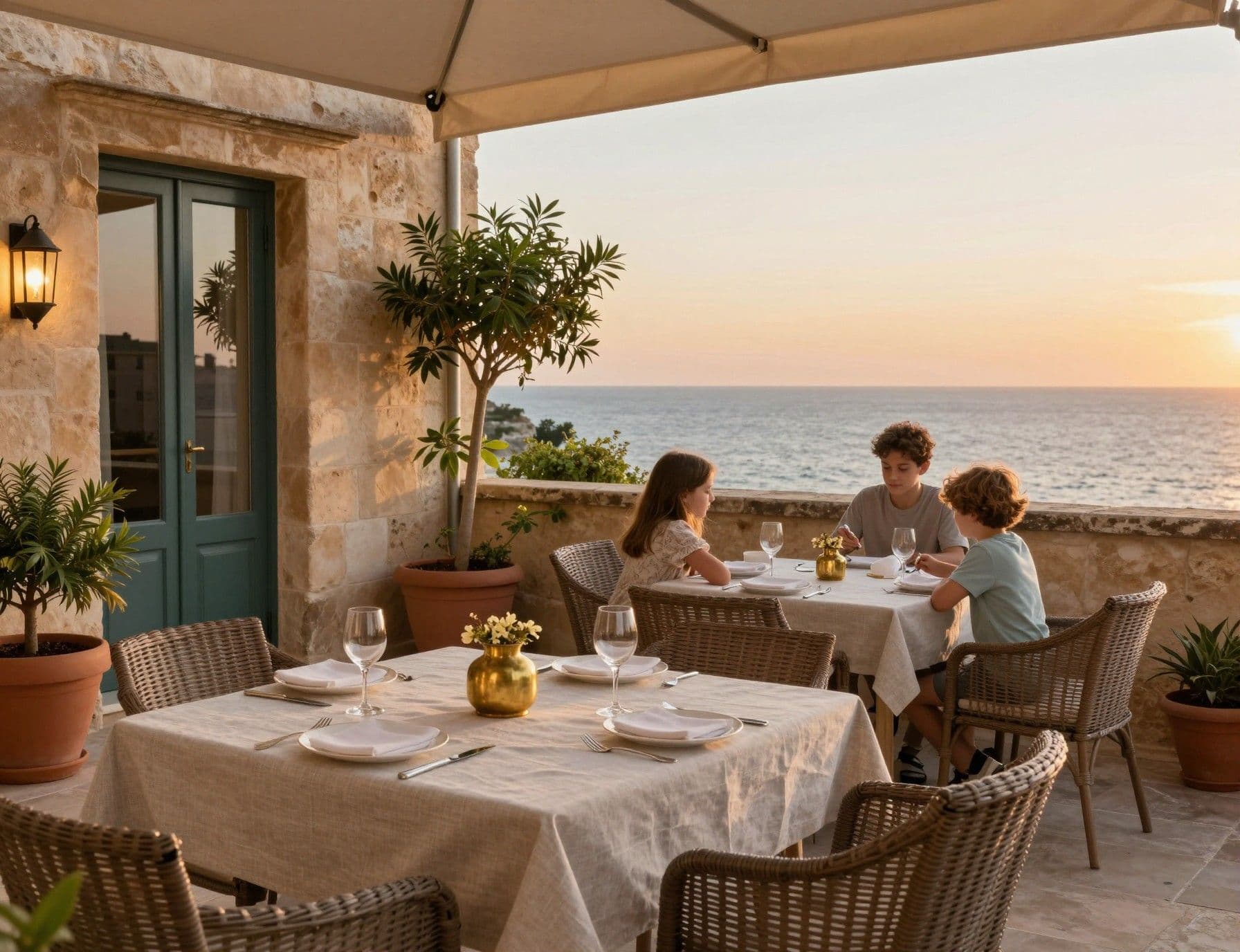
The romance of limestone façades must meet the practicalities of Malta’s market. National statistics record steady price appreciation, and purchase decisions hinge on three local realities: scarcity of period townhouses in core historic centres, a dominant apartment market, and regionally concentrated demand. Understanding how these forces interact with daily life is the most reliable way to buy well.
Property styles that deliver the life you want
Maisonettes and apartments suit promenade living and remote work: generous terraces and sea-views, efficient circulation, and proximity to cafés and marinas. Townhouses and palazzos — when available — offer scale, vaulted rooms and private courtyards, better suited to those seeking a house-like residence with room for guests and storage for art or a car collection.
Working with agents who understand place, not just price
- How a local agent protects your lifestyle intent:
- Clarify the street‑level trade-offs (noise, access, morning light).
- Assess adaptive potential (whether an apartment can accept new glazing, terraces or internal reconfiguration).
- Source comparable sales within the micro‑market (not the island-wide averages).
- Advise on stewardship obligations for protected buildings and realistic restoration costs.
Insider knowledge: what expats wish they’d known
Practical realities: resale windows are often localised, renovation timelines take longer than estimated when dealing with historic fabric, and seasonal demand concentrates viewings between April and October. Reports from industry groups note robust transaction volumes and a luxury segment outperformance — useful context when weighing a stewarded restoration against a new-build apartment.
Cultural cues that change the way you live
English is an official language and used in commerce, yet Maltese social life is organised around family, festas and church calendars. Expect late suppers, convivial neighbours, and a willingness to help with practical local introductions. Integration often depends more on attending weekly village events than on formal networking.
Long-term living: what changes after year one
- Later-stage considerations for lasting enjoyment:
- Community rhythms (market days, local clubs) that become central to social life.
- Maintenance cycles for limestone façades and wooden shutters; budget conservatively.
- How seasonal rental demand can offset ownership costs, if managed discreetly and respectfully.
If Malta’s compactness is its charm, it is also the reason to be deliberate: choose the street that aligns with the life you want, not merely the best view. Work with an agent who speaks to provenance, not just price; visit at different times of day and across seasons; and factor stewardship into your long-term cost projection. For many buyers, the island pays back careful attention with a life that is as intimate as it is memorable.
Relocating from London to Mallorca in 2014, I guide UK buyers through cross-border investment and tax considerations. I specialise in provenance, design integrity, and long-term value.