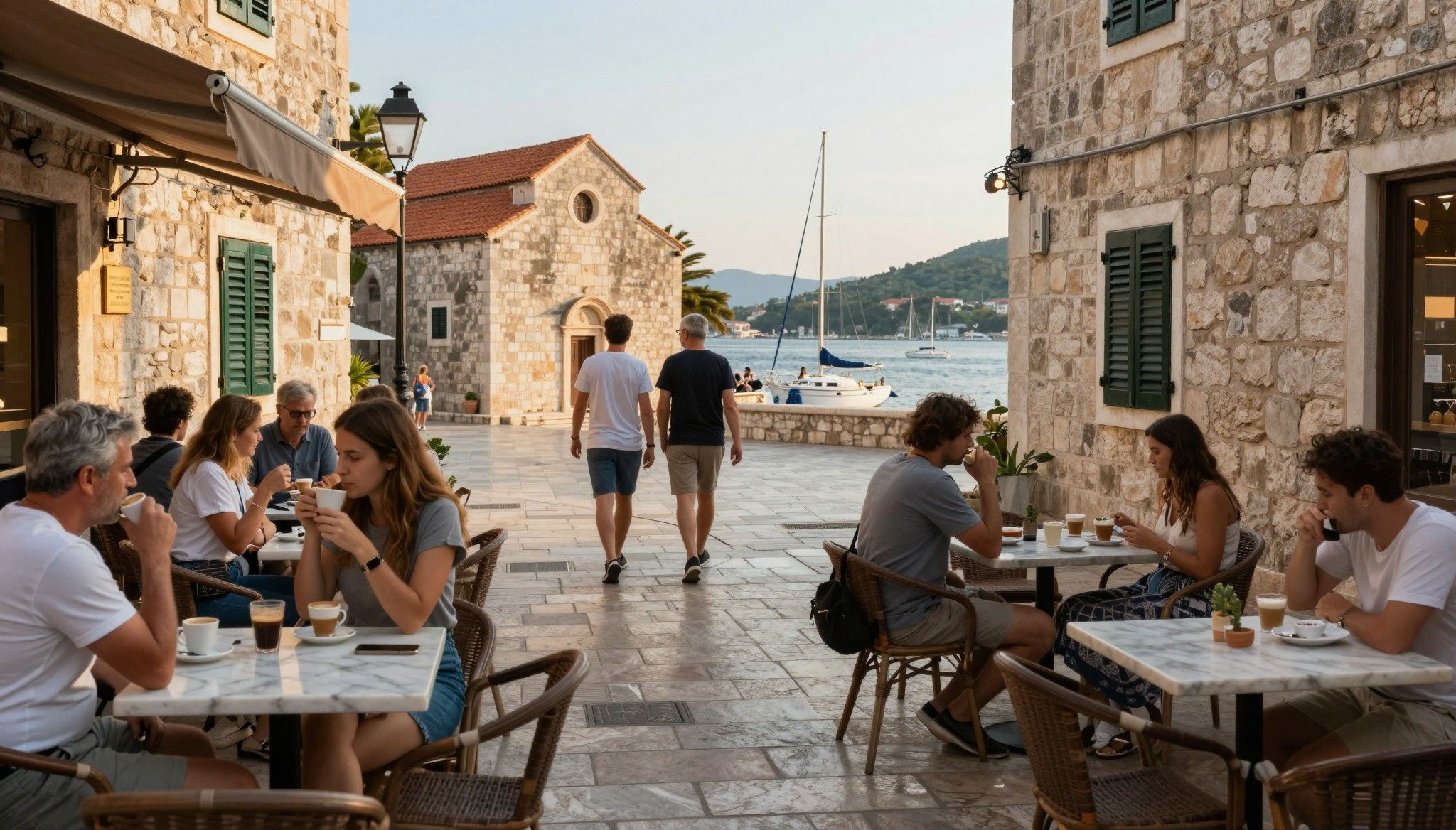
Greece: Life, Place and Practical Market Truths
A lifestyle‑first look at Greece: where market momentum meets provenance. Practical steps and local insights to buy a home that fits how you want to live.
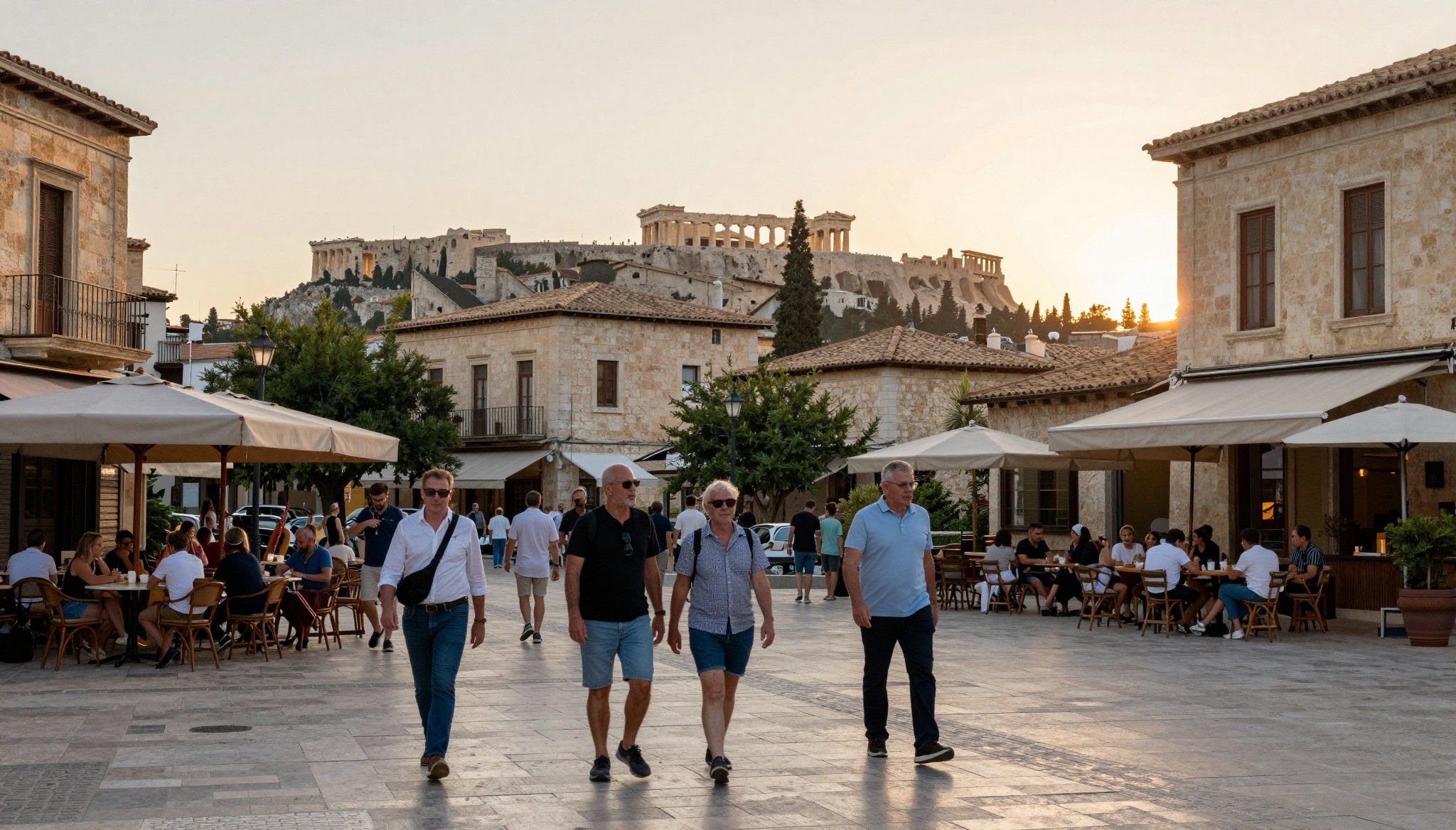
Imagine walking from a stone‑paved square in Plaka to a narrow kafeneío where an old man reads the paper and a barista pulls a steady espresso; by evening you are on a terrace in Kifissia watching plane light trace the Athenian sky. Greece is a country of layered days: markets at dawn, siestas in summer heat, late suppers that unfold into conversation. For many international buyers the romance is immediate — the islands, the light, the food — yet the decision to buy is informed by a market that has changed quickly in recent years. Recent official indices show sustained price growth across cities and islands; those movements matter if you intend to blend lifestyle and long‑term stewardship.
Living the Greek life — rhythm, places, particulars
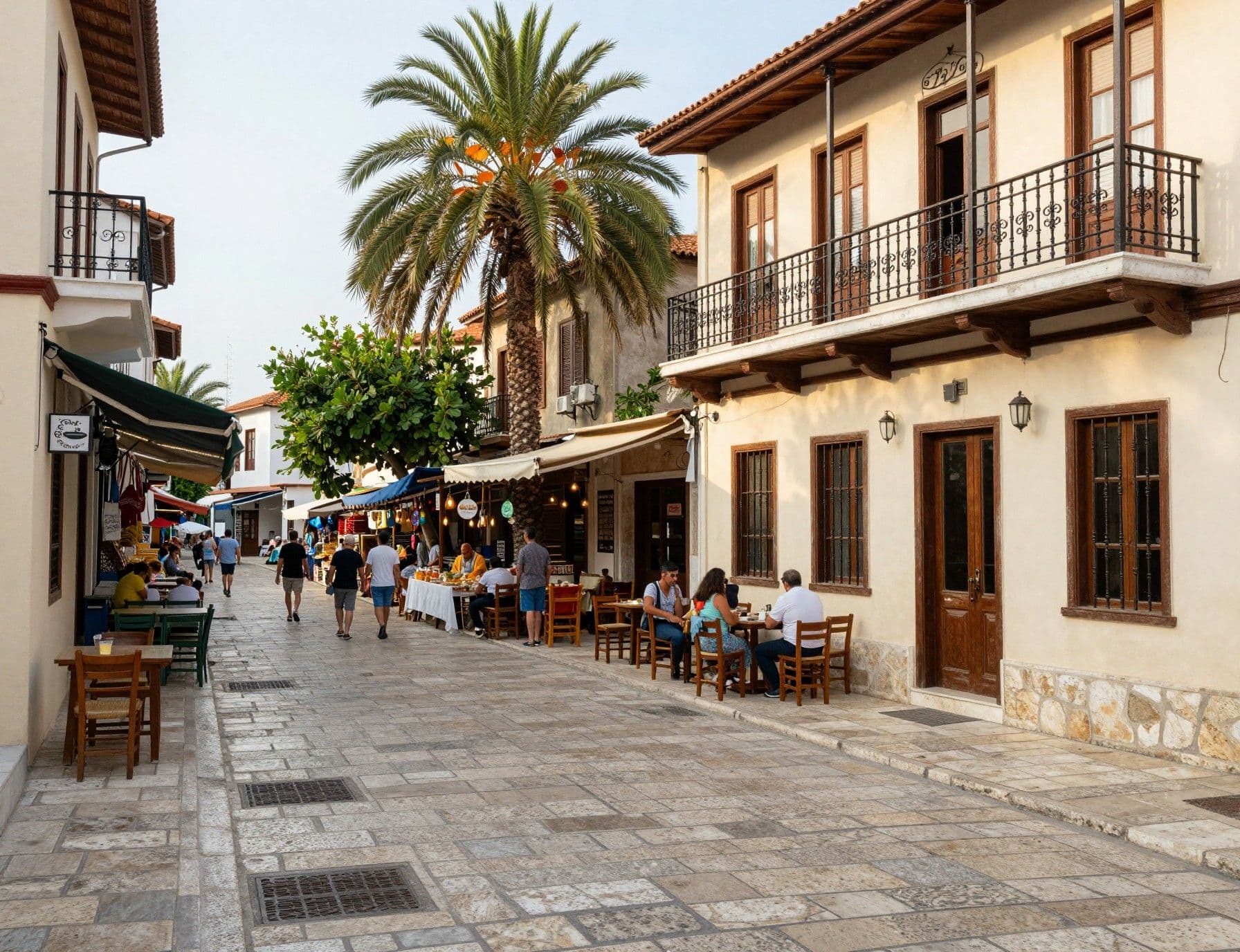
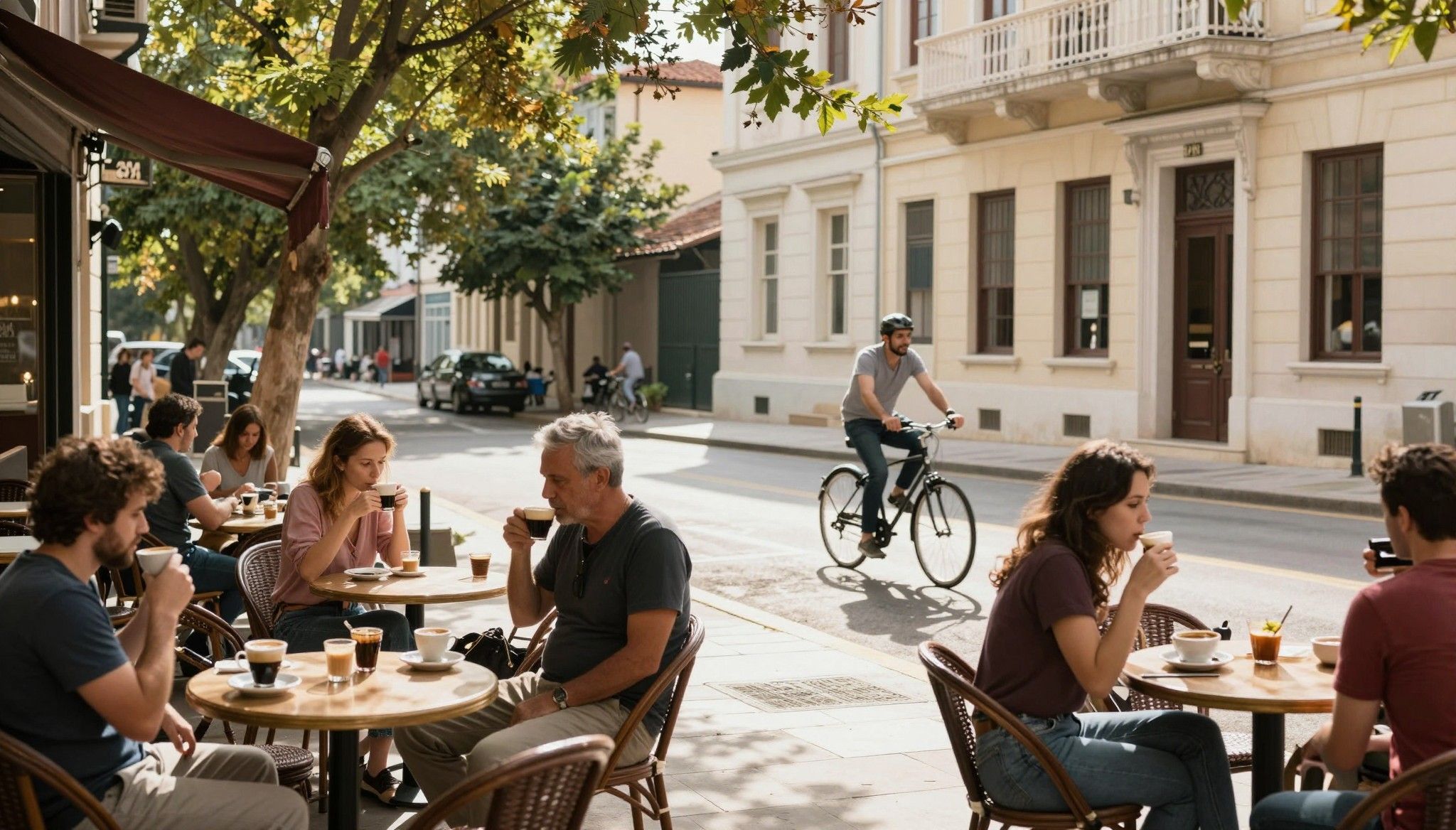
Daily life in Greece is tactile and social. On a weekday morning in Chalandri you will pass bakeries with warm koulouri and commuters on scooters; in the islands the day begins with fishermen hauling nets and ends with families lingering over seafood. For buyers the appeal is not only climate but scale: compact historic centres, generous terraces, and neighbourhoods where walking replaces driving. When you picture life here, include the small rituals — morning espresso at a corner café, late‑afternoon swims off a quiet cove, olive oil tasted like a cultural oath — all of which shape the kind of property you choose.
Athens: an ancient city with modern neighbourhoods
Athens has distinct moods: Plaka and Anafiotika offer stone houses and intimate courtyards; Kolonaki presents neoclassical facades and restrained boutiques; Kifissia, on the northern slopes, is a leafy refuge of timbered villas and boutique restaurants. In practice, this means a buyer seeking calm gardens chooses different building typologies — maisonettes or small villas — than one who values immediate urban culture, who will look for apartments near Syntagma or Exarchia. The architectural grammar varies street by street: marble thresholds, wrought‑iron balconies, original mosaic floors — details that reward a careful inspection.
Islands and coast: rhythm of seasonality and sanctuary
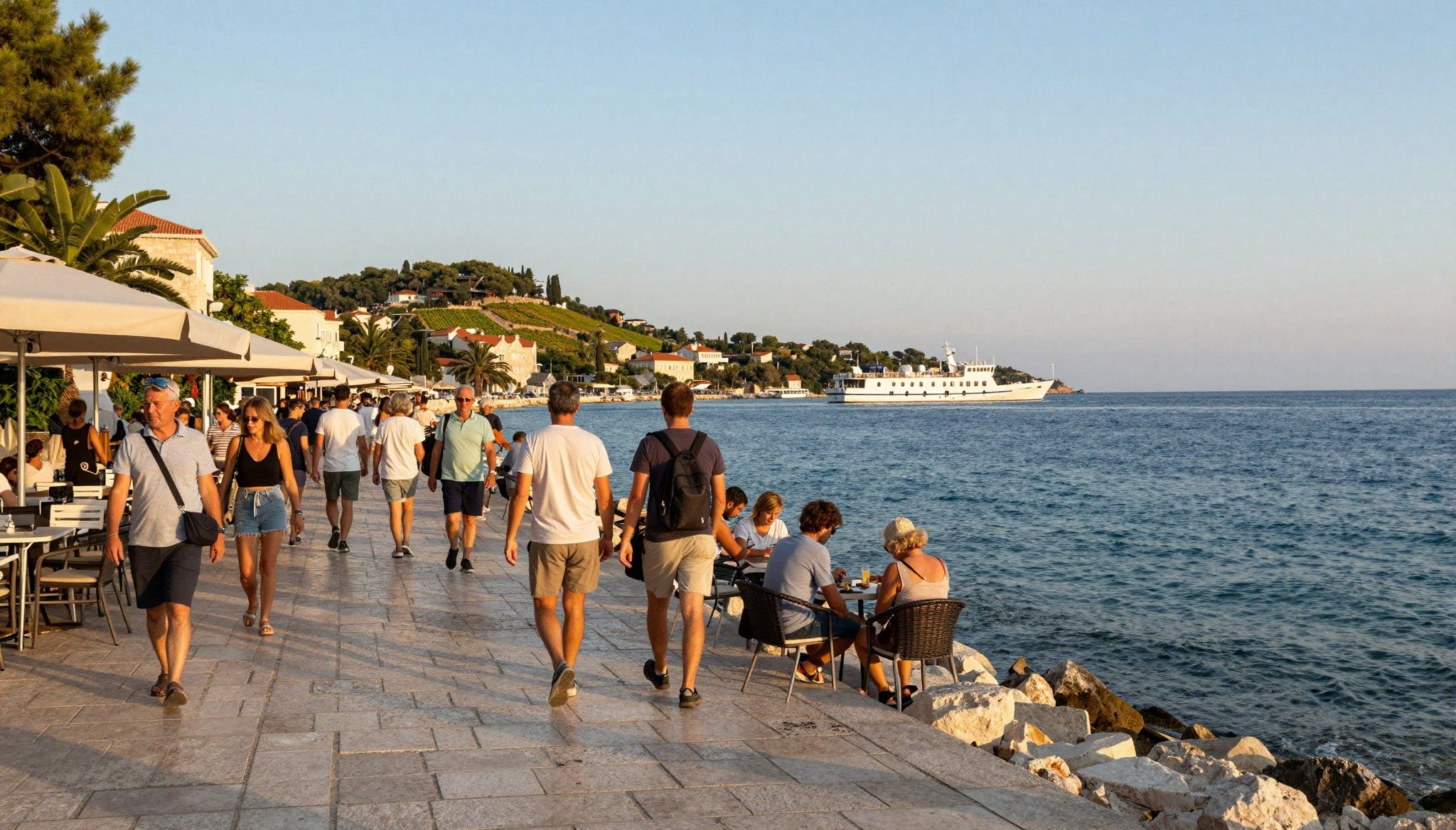
Aegean islands such as Paros, Naxos and parts of Crete combine whitewashed villages with pockets of discreet luxury; the Cyclades’ wind‑scoured simplicity suits minimal restorations, while the Ionian islands lean toward verdant, Venetian‑influenced villas. Seasonality is literal: summers teem with life and services; off‑season the islands contract to a quieter, local tempo. For buyers this affects rental potential, service access and maintenance cycles — a brighter high season can lift yields, but year‑round livability is a different calculation.
- Lifestyle highlights worth seeking
- Morning espresso at Aegli Café in Kifissia; an afternoon fish lunch at Varoulko in Piraeus; early swims at Agios Prokopios beach, Naxos; Sunday morning at the Varvakios Agora market, Athens; evening promenades on Hydra’s harbour front; a local pottery class in Chania.
Making the move: how lifestyle shapes property choices
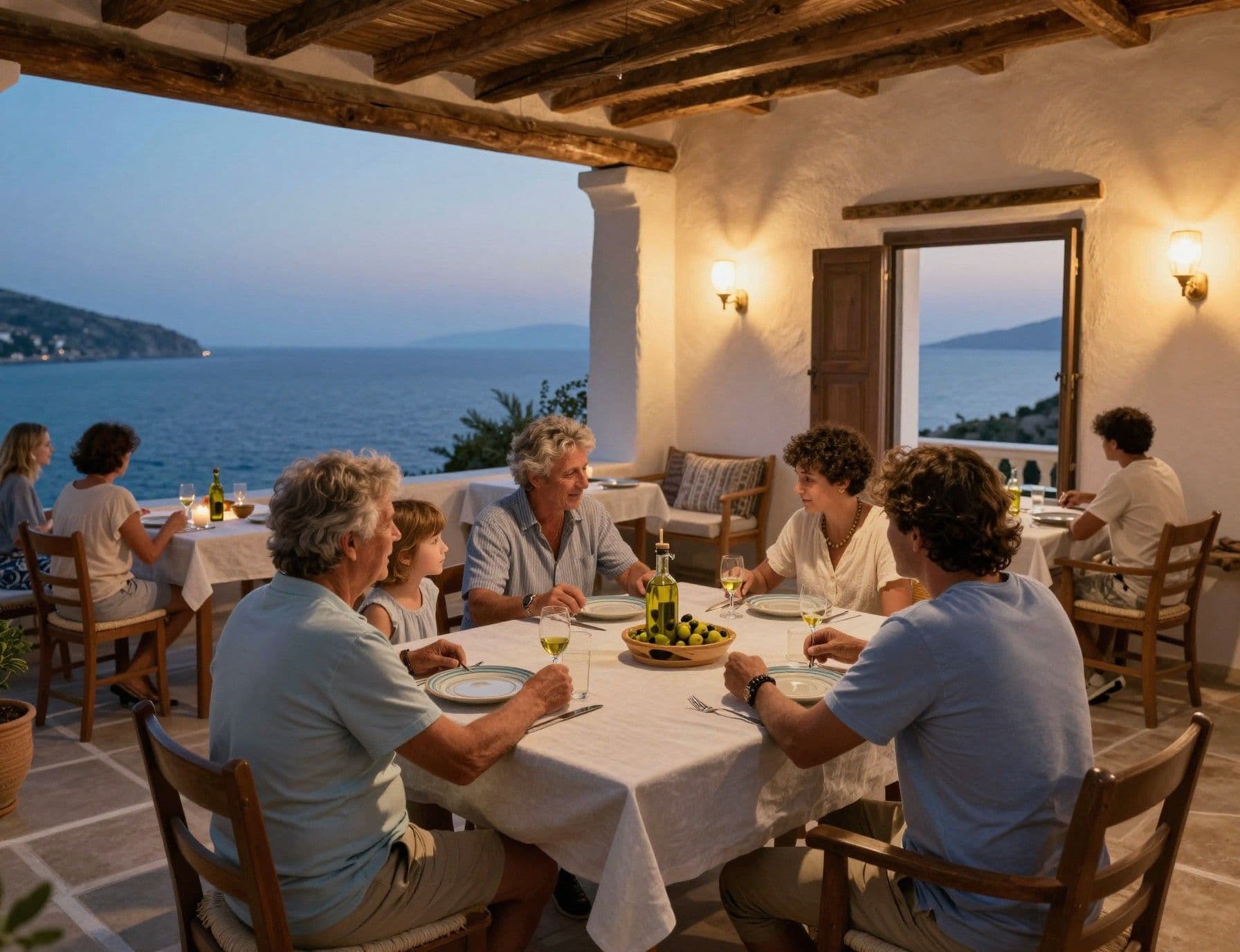
Dreams meet spreadsheets here. The residential indices from the Bank of Greece and recent market reports show meaningful price appreciation in cities and sought‑after islands over the last two years, with new builds outperforming older stock in many markets. That reality should not dissuade lifestyle buyers but inform timing and priorities: decide which elements of daily life you will not compromise — proximity to an international school, a garden, or an historic setting — and let those non‑negotiables guide location and property type.
Property types and their lived character
A neoclassical apartment in Plaka confers proximity to museums and narrow lanes but often requires thoughtful restoration; a newly built seafront villa brings modern systems and insulation but less historic provenance. Working with agents who can parse structural condition, provenance, and local planning rules will let you compare how a property will perform as both home and long‑term asset. Specialist consultancies — heritage architects, local surveyors, and trusted agencies — translate lifestyle requirements into technical checklists.
How local experts shape a lifestyle purchase
- Engage a small, experienced team: (1) a local agent versed in the neighbourhood culture and off‑market opportunities; (2) a bilingual lawyer who understands property title, coastal law and town planning; (3) a chartered surveyor to assess building condition; (4) a tax advisor who can explain residency, annual property taxes and rental regimes. Each step preserves the lifestyle intent — whether that is a quiet island retreat or a townhouse in a living city quarter.
Insider knowledge: pragmatic truths expats wish they’d known
Buying in Greece rewards patience and local relationships. Expats often underestimate day‑to‑day costs of maintenance (winter heating on some islands, septic upkeep, or seasonal closures of services) and overestimate immediate liquidity of certain properties. Market reports note faster rises in new builds and central markets; conversely, smaller villages can offer value but require acceptance of a quieter service calendar and sometimes longer travel times to medical or international school facilities.
Cultural integration and practical social cues
Language is less a barrier in hospitality and younger urban circles, but long‑term belonging often comes through shared daily practices: learning basic Greek, frequenting a single kafeneío, and participating in local festivals. Sellers and neighbours value personal introductions and discretion; a patient, respectful approach tends to unlock better neighbourhoods and off‑market homes. The social fabric is part of the property’s value — a restored house on a friendly street will deliver more than a sterile investment.
Longer view: stewardship, seasons and value
- Buyers who think generationally focus on materials (stone, timber, lime plaster), local craftsmanship for restorations, and maintenance rhythms that match seasonality. Consider: (a) orientation and ventilation for summer heat; (b) insulation and heating for winter months in northern parts; (c) durable marine‑grade fittings for coastal sites; (d) access to skilled artisans. Those choices shape both everyday comfort and long‑term resale among discerning buyers.
Where to begin now: steps that protect the lifestyle you seek
- 1. Visit in at least two seasons to feel daily life; 2. Shortlist neighbourhoods by lifestyle criteria rather than price alone; 3. Commission a local survey before offer; 4. Work with a lawyer to verify title, coastal setback rules and servitudes; 5. Ask a trusted agency for comparable recent sales and off‑market options. These steps keep the purchase aligned with how you will actually live in the home.
Conclusion: Greece is an invitation to a life shaped by light, food and community. For international buyers who value provenance and the work of careful stewardship, properties here reward patient, place‑led choices. Start with a visit focused on the rhythms you want, surround yourself with local expertise, and prioritise durable materials and neighbourhood relationships. The right agency becomes less a vendor than a custodian of that life.
Relocating from London to Mallorca in 2014, I guide UK buyers through cross-border investment and tax considerations. I specialise in provenance, design integrity, and long-term value.