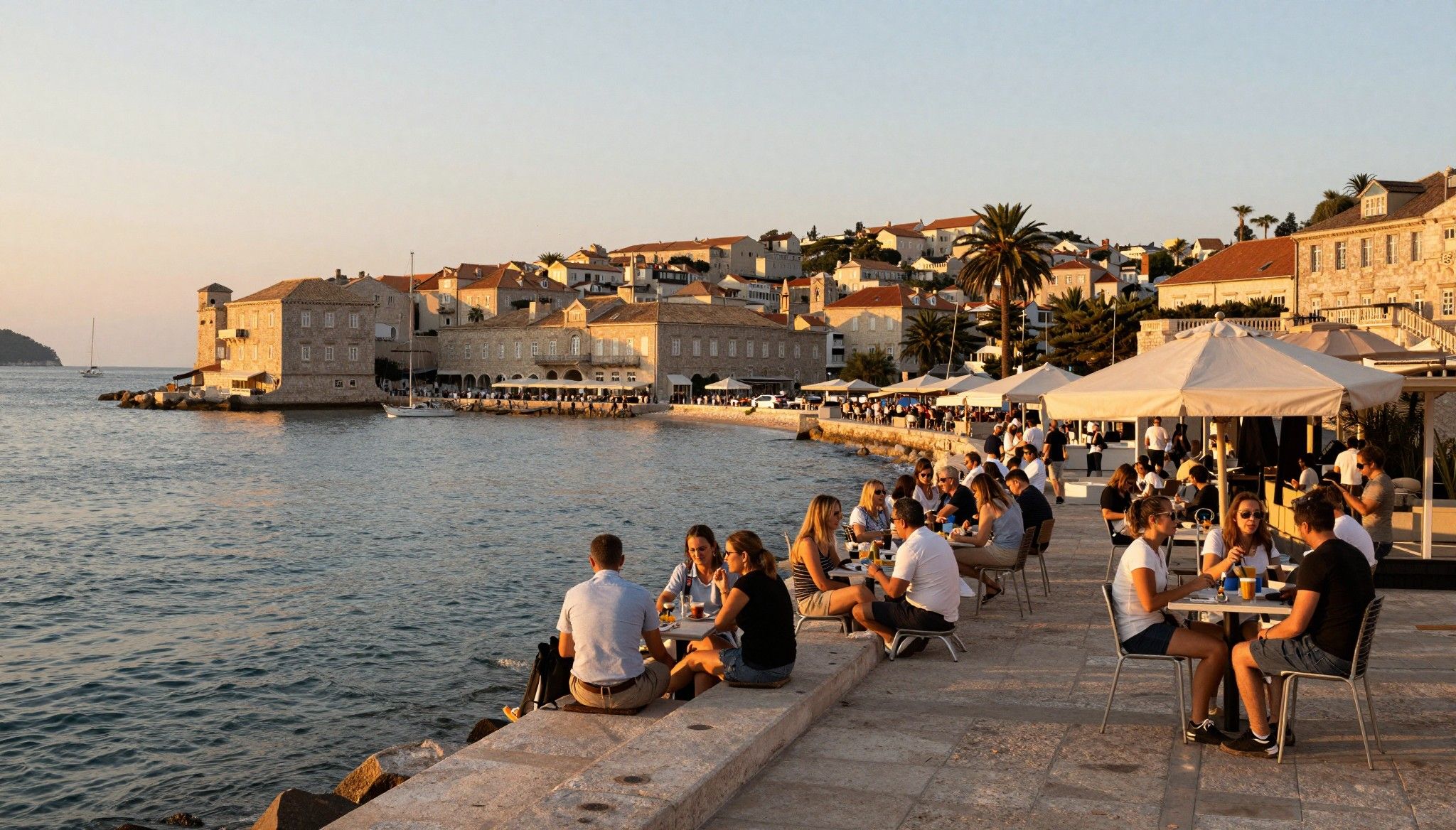
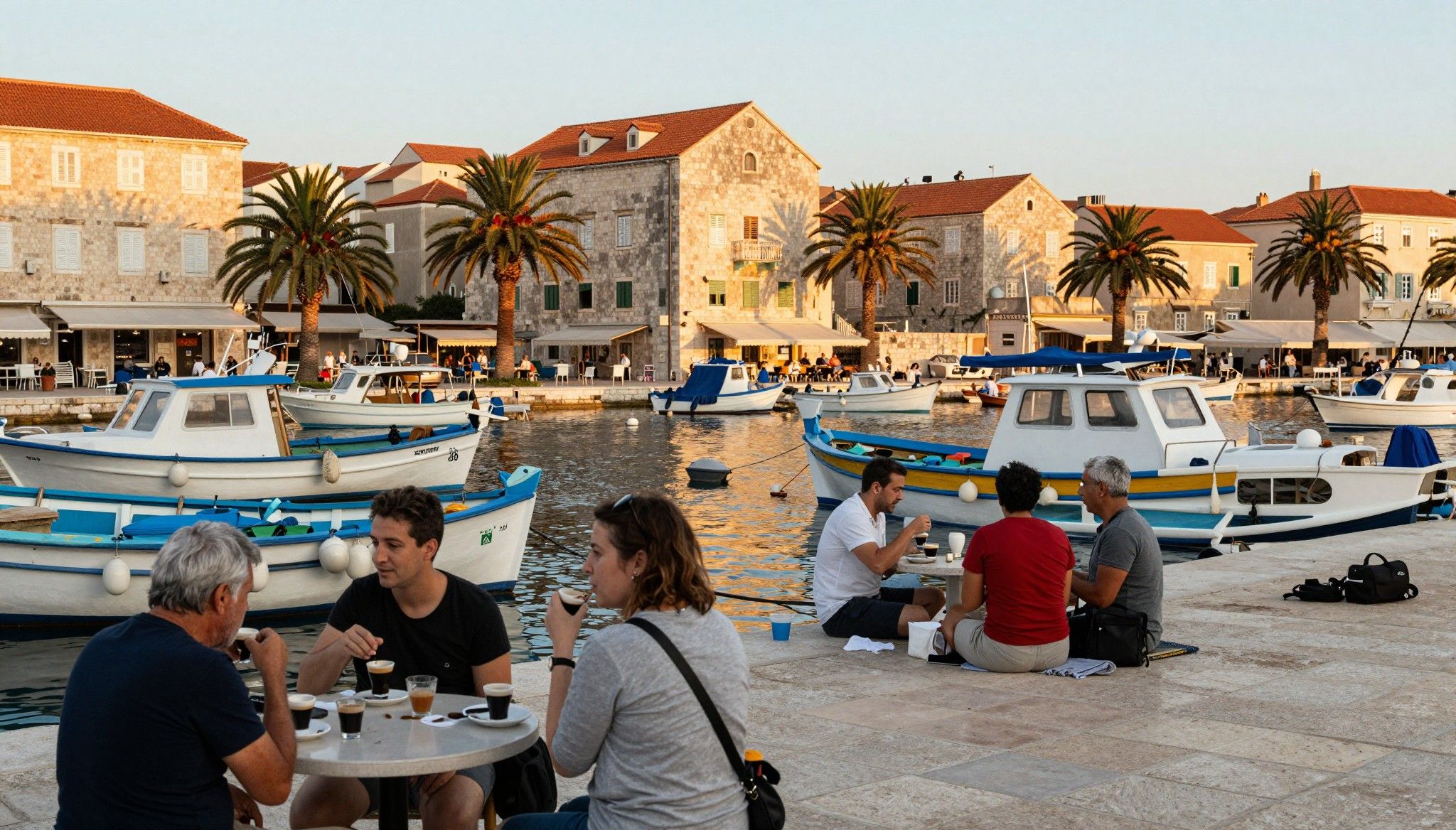
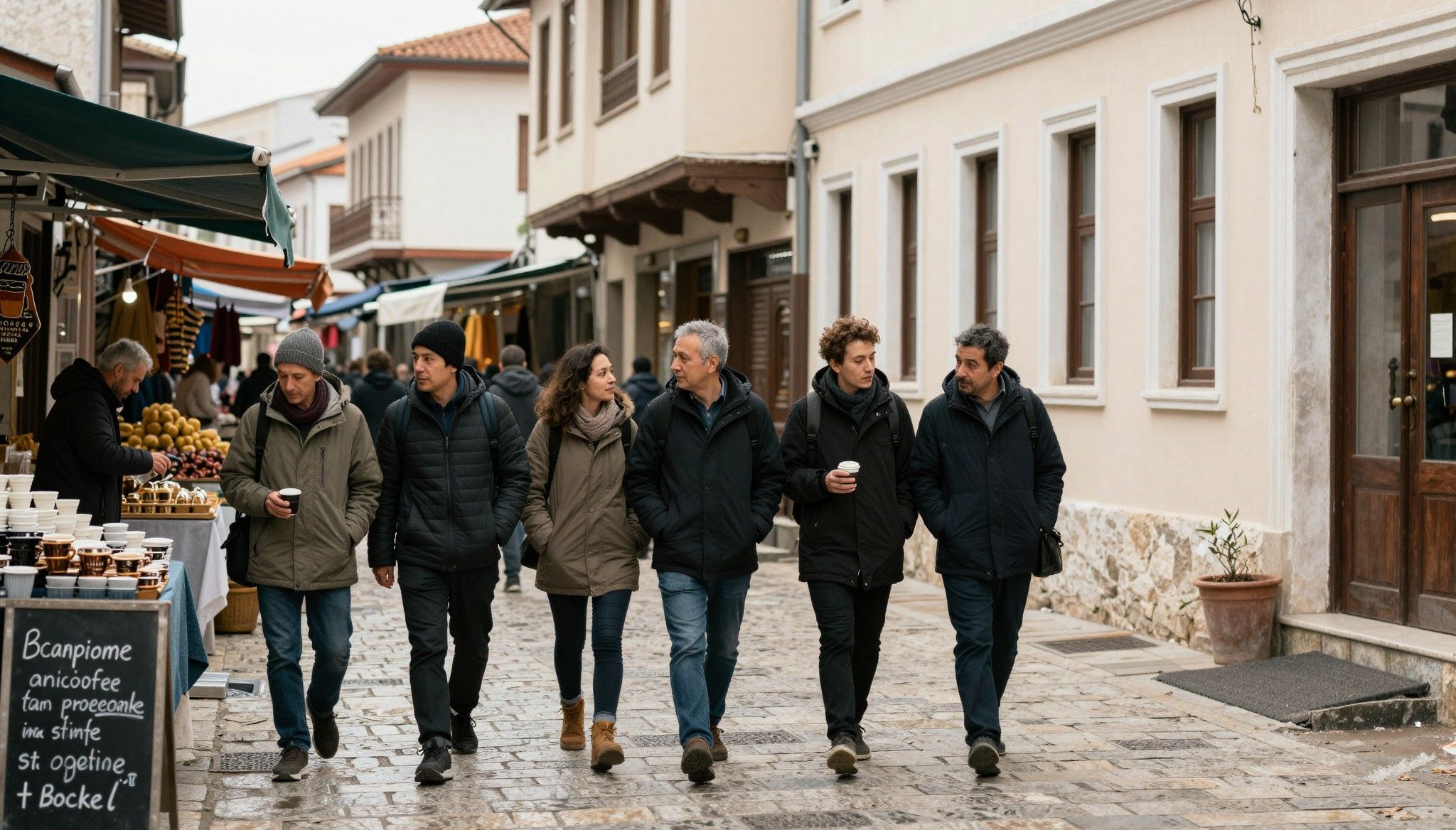
Buy in Italy’s Quiet Season — A Contrarian Market Play
See Italy in its quiet months: seasonality reveals infrastructure, cost and community — an advantage for prepared international buyers. ISTAT and market reports show measured regional growth.
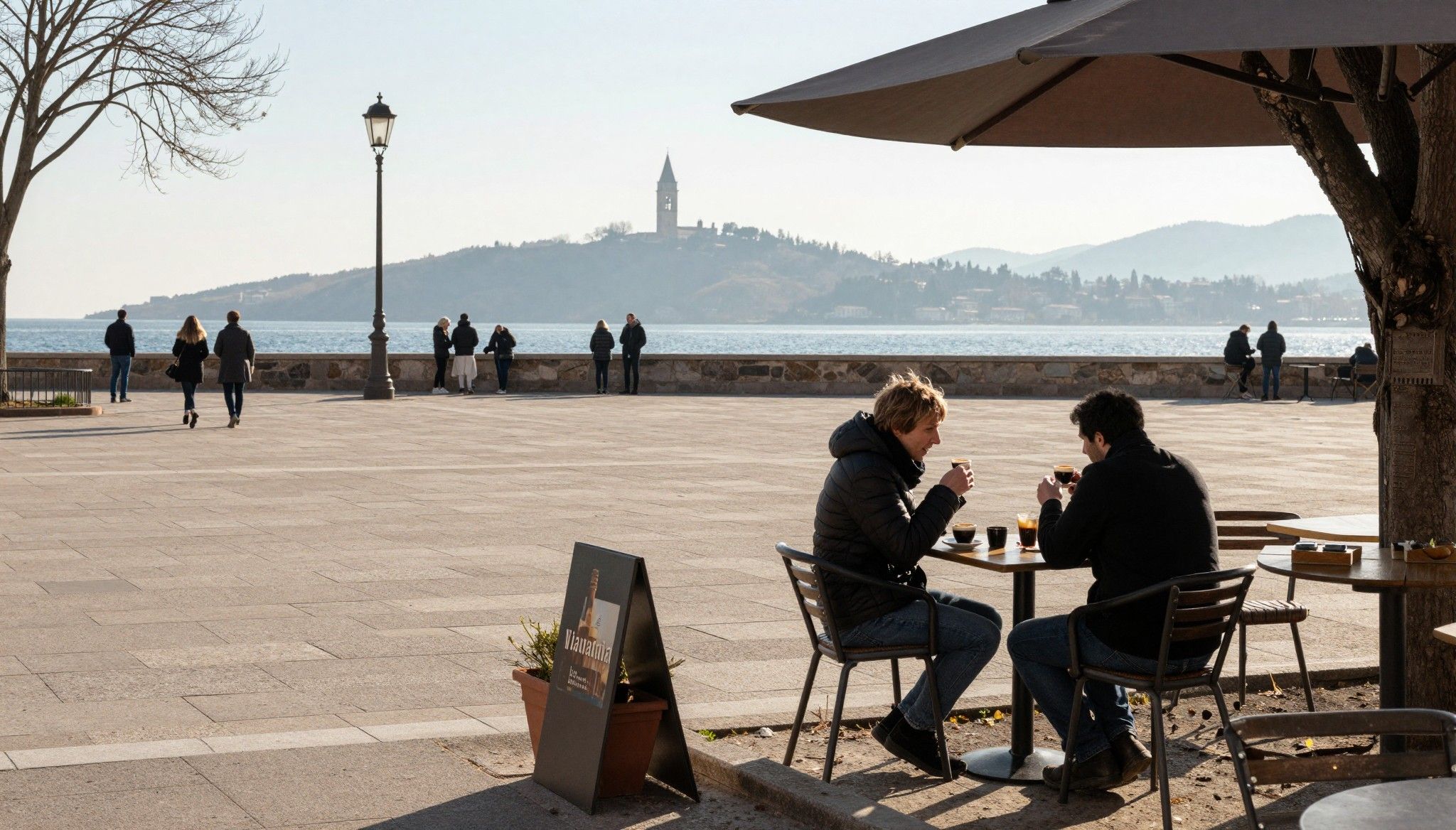
Imagine a late-autumn morning in an Italian hill town: market stalls folded away, a single bar open where the owner boils milk for cappuccini, and the piazza belongs to a few residents and the light. For international buyers who care more for lived-in place than postcard moments, those quiet months are not a limitation — they are an opportunity.
Living the Italy lifestyle in off-season clarity
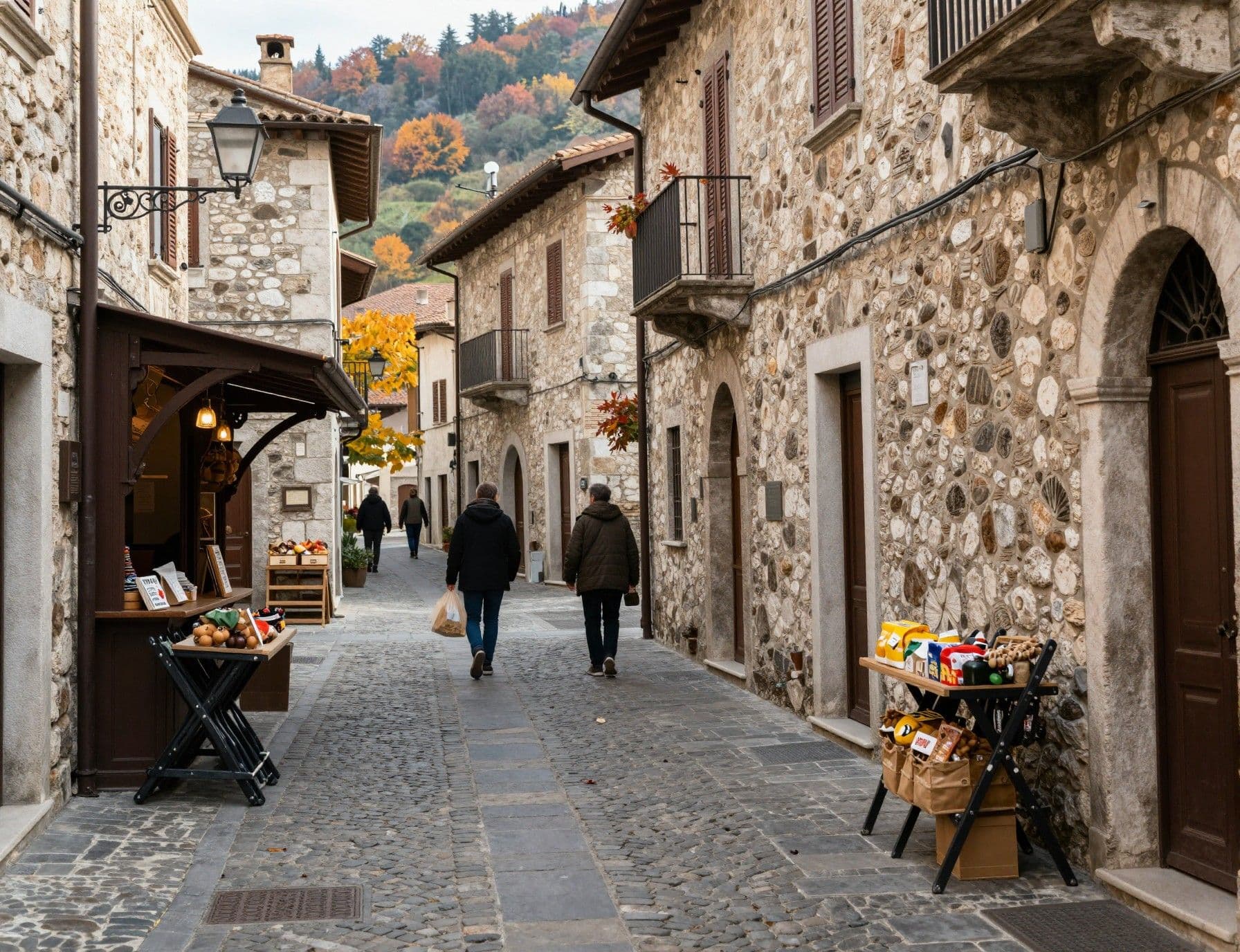
Italy is not a single rhythm but a collection of daily scripts: café rituals in Milan’s Navigli, slow market mornings in Lecce, aperitivi that spill down narrow streets in Bologna. Behind these scenes, market data show steady national price growth recently, but with marked regional variation — a nuance that quiet seasons make easier to read than summer’s glare. (See ISTAT for quarterly trends.).
Why off-season feels more authentic — and more revealing
When the day trappings of tourism retreat, the city or village returns to its structural character: commuting patterns, school rhythms, local services. Those are the features that determine long-term value for owners — not a street’s July footfall. Seeing a place in January reveals its utilities, neighbours and winter light; that clarity changes where one chooses to buy.
Neighborhood spotlights: where quiet-season insight matters
In Amalfi Coast towns, winter reveals the infrastructure limits and accessibility challenges that summer obscures; in Bologna’s Saragozza district you see the true cadence of family life and weekly markets; in Puglia’s Ostuni the quiet months reveal insulation needs in whitewashed trulli. For buyers, these are not inconveniences but diagnostic moments that inform renovation budgets and lifestyle fit (and explain why foreign buyer patterns are changing).
- Walkable daily life: bar-foro-casa routines, weekly markets and postal service reliability.
- Public transport and winter access: regional trains, bus frequency, and road maintenance.
- Local services: doctors, pharmacies, and schools that function year‑round rather than seasonally.
Making the move: practical considerations that start with lifestyle
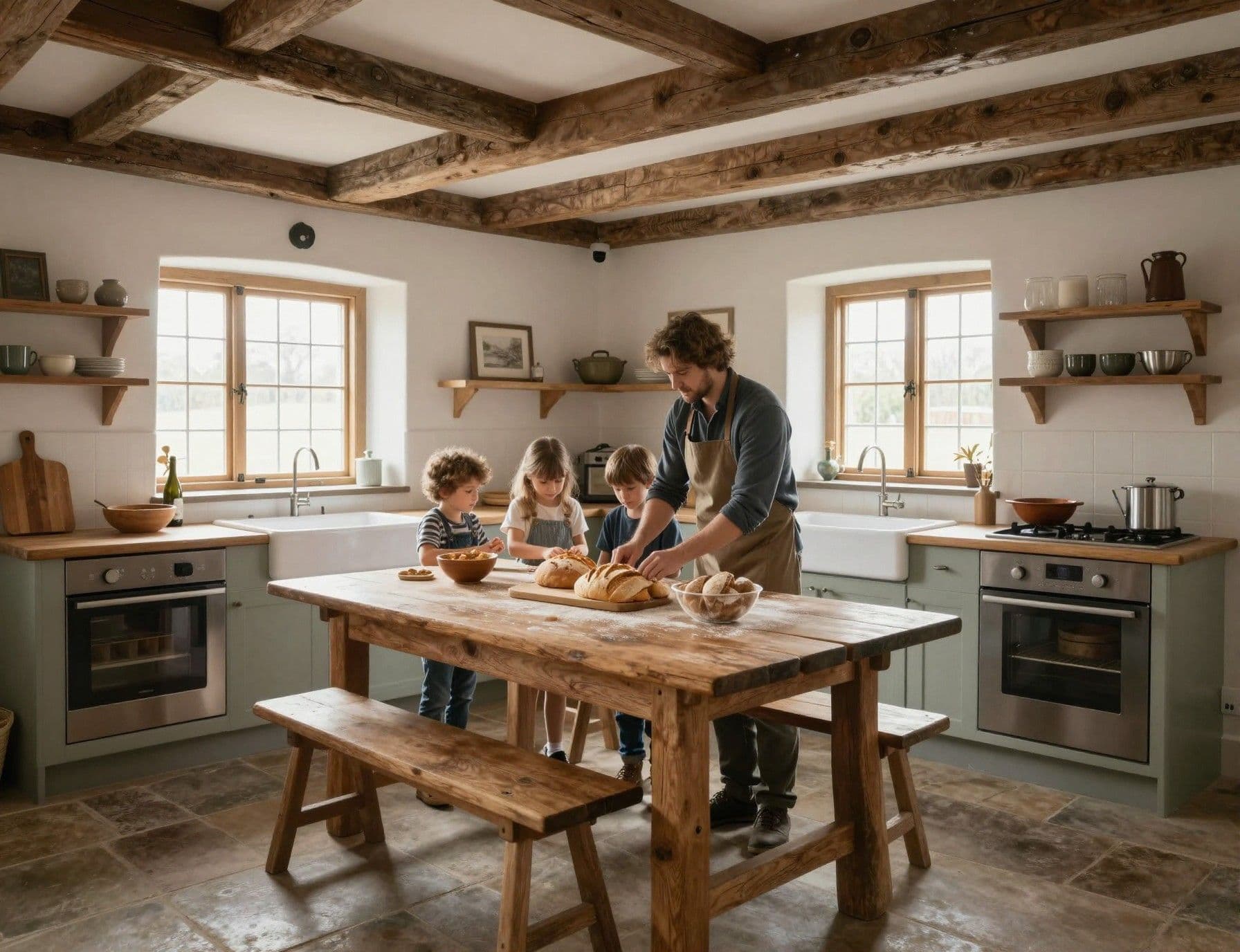
If the lifestyle impression is the reason you first fall for a place, the practical checklist is what keeps you there. National reports point to modest, broad-based price gains and a rise in foreign interest; the consequence for buyers is straightforward: preparation wins. Start with a lifestyle brief, then layer data on top.
Property types and how they shape daily life
A restored palazzo apartment offers high ceilings and centrality but may require modern heating interventions; a farmhouse (casa colonica) in Umbria delivers privacy and land but entails well-considered energy upgrades; a seaside casa in Liguria asks for respect to maintenance and access. Match typology to the life you actually want to lead across seasons.
Working with local experts who understand seasonality
An agent who shows you a town only in July is not the advisor you need. Seek agencies with year-round boots on the ground — those that can show heating bills, winter transit timetables and community calendars. Their local knowledge converts atmosphere into actionable specifications for purchase and restoration.
- 1. Visit in at least two seasons to assess livability. 2. Require utility and maintenance records for the previous 12 months. 3. Ask for neighbour references and local community meeting schedules. 4. Commission a winter-specific inspection (roof, heating, drainage, access).
Insider knowledge: the expat confession and hidden costs
Expat buyers often speak of two surprises: the intensity of winter household running costs in historic buildings, and how neighbourhood life changes after the tourists leave. National surveys confirm that time-on-market is shortening in many centres and that foreign demand increased markedly — both facts that make timely, informed offers essential.
Cultural integration and everyday community
Learning a few phrases, joining the parish festa committee, and shopping at the same market stall are not trivialities: they anchor you. Practicalities — from waste collection timetables to condominium assembly customs — determine how comfortable you will be in winter and rain as much as in sun.
Long-term lifestyle and stewardship
Buying in Italy is often a commitment across seasons and generations. Consider restorative works that respect materials and provenance, and plan for energy upgrades that reduce long-term costs. Good stewardship preserves value and the lived poetry of a place.
- Energy upgrades that respect listed fabric: insulated secondary glazing, reversible heating improvements, discreet solar solutions.
- Maintenance planning keyed to season: winter-proofing gutters and access, late‑autumn checks of external stonework.
- Local partnerships: a trusted local builder, a notary experienced with foreign purchasers, and an agent who knows year-round life.
If you are moved by the idea of long, contented winters with bread ovens and market rhythms — and of springs returning to the piazzas — then make seasonality a deliberate part of your acquisition strategy. Data indicate steady, regionally varied price growth and increasing foreign interest; combine that evidence with the lived truth you observe when the place is quiet and the choice will be clearer.
Start by booking two short visits in different seasons, insist on winter-operational documents, and ask your agent to codeproperties for ‘year-round livability’ rather than tourist performance. When you buy in the quiet season, you buy the place that remains after the postcards have been packed away.
Conclusion: fall in love with an Italy that lives, not with one that performs — then buy with informed care. Contact an agency that lives locally through all seasons; the right advisor will translate the quiet months into an enduring home and a prudent investment.
Relocating from London to Mallorca in 2014, I guide UK buyers through cross-border investment and tax considerations. I specialise in provenance, design integrity, and long-term value.