Skip the St Julian’s Hype: Where Malta’s Quiet Value Lies
Contrarian market insight: Malta’s quiet harbour towns and restored townhouses often offer better daily life and long‑term value than headline seafront addresses.
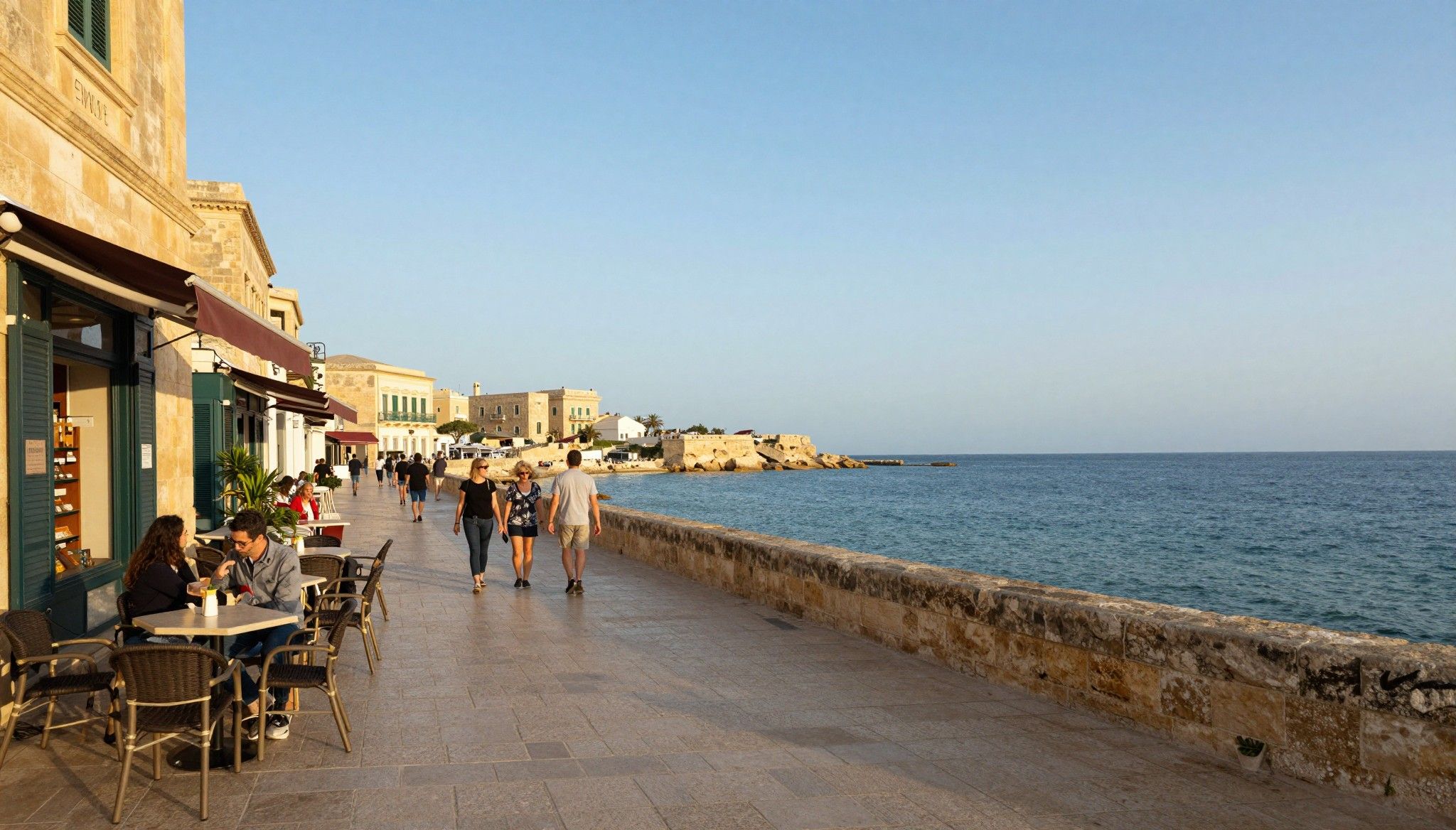
Imagine a late‑afternoon passeggiata along Balluta Bay: a pale limestone promenade, cafés spilling tables onto the pavement, a church bell marking the hour and a compact, well‑mannered skyline of Victorian terraces and modern apartments. This is Malta —small, crowded with history, and curiously efficient at making even the busiest neighbourhoods feel domestic. Yet the island's narrative for buyers has become predictable: buy in St Julian’s or Sliema, chase the view, pay the premium. The reality for discerning international buyers is more nuanced — and, at times, quietly advantageous away from the obvious addresses.
Living Malta: scaled intimacy, island rhythms
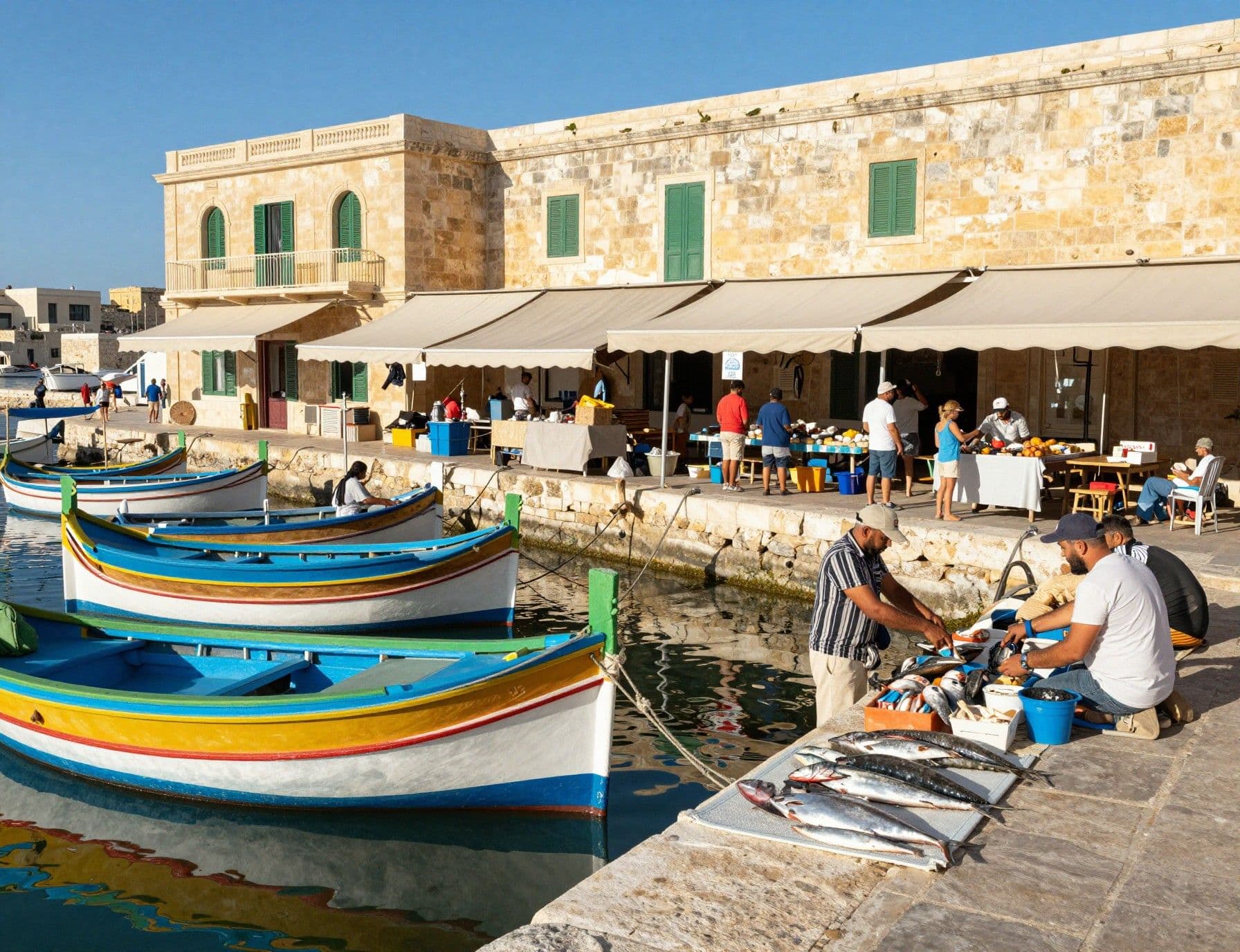
Malta's lived experience is one of compressed pleasures: a 25‑minute drive will take you from a seventeenth‑century bastion in Valletta to the sandy coves of the south. Days begin with espressos and neighbourhood gossip, pass through lunch markets and siesta‑light afternoons, and end with small plates shared at harbour‑side tables. For international buyers this means choosing a property is less about acreage and more about civic texture — the streets you cross, the bakery you learn by sight, the piazza where you meet friends on a Sunday.
Valletta, Sliema and the peninsula rhythm
Valletta offers a cathedral‑quiet morningscape and an architecture‑rich idea of home; Sliema and Gżira present a daytime commerce and café culture; St Julian’s provides nightlife and concierge convenience. Each satisfies a different tempo: Valletta for measured cultural life, Sliema for refined everyday convenience, the northern peninsula for sociable evenings. Learn the rhythm, and you will know where to position life — and where price and experience diverge.
South and harbour towns: a quieter kind of value
Walk into Marsaxlokk on a market morning and you see what many guidebooks miss: working harbour, fresh fish arranged like jewellery, low‑rise terraces with shuttered windows and a neighbourhood logic that resists the island’s tourist circuits. Places such as Marsaxlokk, Marsaskala and parts of the inner south offer a gentler pace and properties — often maisonettes and village houses — that come with day‑to‑day authenticity rather than staged vistas. For buyers seeking a life more local than spectacle, these addresses are quietly persuasive.
- Lifestyle highlights to scout before you buy
- Morning espresso rituals — Cafés on Triq it‑Triq in Sliema and along Strait Street in Valletta
- Weekend fish markets — Marsaxlokk Sunday market and the informal early auctions at the harbour
- Hidden coves — St. Peter’s Pool for afternoon swims and the quiet bays around Mellieħa for early mornings
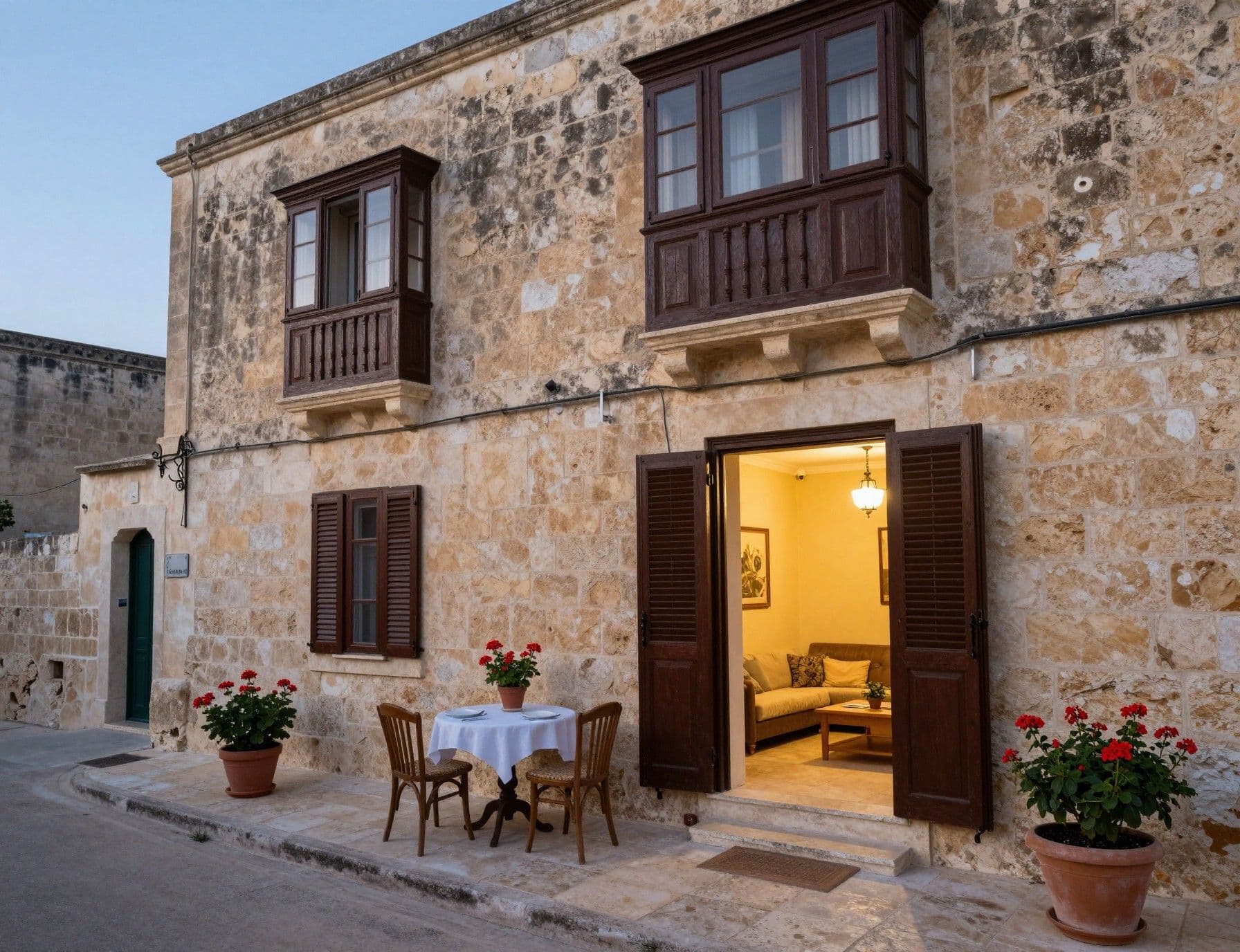
- Architectural details — limestone façades, traditional timber balconies, vaulted cellars ideal for climate‑sensible storage
Making the move: where lifestyle and market realities meet
Recent official data show Malta’s residential price index has risen steadily in recent years, with the National Statistics Office reporting mid‑single‑digit annual increases and industry surveys noting robust demand, especially for townhouses and houses of character. That said, headline growth masks uneven local performance: micro‑markets within the island behave differently, and a careful buyer will read neighbourhood fundamentals — stock turnover, typical floorplans, and the balance between short‑stay tourism and year‑round residents — before making an offer.
Property types and how they shape everyday life
Maisonettes, traditional townhouses and boutique conversions are Malta's domestic vernacular. Maisonettes favour immediate street life and terrace living; townhouses reward restoration patience and often carry vaulted basements; modern apartments deliver convenience but trade some character. If you imagine a breakfast on a sunwarmed terrace, prioritise outdoor private space over a sea view. If you value provenance, seek a house of character with documented restoration work.
Working with agents who understand provenance and place
Choose agencies that can place architecture within lifestyle, not simply price per square metre. The right broker will show you vaulted cellars in Rabat, explain the microclimate distinctions between Marsaskala and nearby Kalkara, and introduce local builders who respect lime mortar and traditional stone repair. Their value is in revealing trade‑offs: where a small terrace buys access to local life, and where a panoramic view compounds maintenance and short‑stay pressure.
- Steps to align lifestyle with market sense
- Spend three mornings in the neighbourhood at different times — note deliveries, church activity and evening cadence
- Request transaction histories for comparable units — look beyond asking prices to deeds and transfer dates
- Ask agents about short‑stay pressure and licence prevalence; a neighbourhood with many short‑lets can feel lively but compromise long‑term community
- Factor in restoration quality — a beautifully restored townhouse commands a premium but preserves value when done with authentic materials
Insider knowledge: what expats wish they'd known
Seasoned residents often tell the same story: early impatience to secure a sea view gives way to appreciation for a quieter street, an honest baker and neighbours you know by name. Many expatriates note surprise at how quickly social life arranges itself around a small piazza or harbour; conversely, they regret purchases made to capitalise on short‑term market spikes rather than on sustainable daily life.
Language, etiquette and the social ledger
English functions as a practical lingua franca, but Maltese customs matter: hospitality is direct, paperwork is exacting, and civic relationships — from parish halls to residents’ committees — have weight in an island this size. Becoming part of these minor institutions accelerates a sense of belonging and often reveals the best properties before they appear publicly.
Longer view: stewardship and legacy
For buyers with a multigenerational intent, Malta rewards stewardship. Stone repair, sympathetic extensions and preserving original floorplans sustain both value and daily delight. Consider longevity when weighing a premium for location: a modest home in a stable community can, over a decade, deliver the lived experience and capital resilience that a flashy seafront apartment may not.
Conclusion: if the island economy is compact, so too is its wisdom. Rather than following the most publicised addresses, look for streets that offer the rituals you want to keep — morning cafés, a trusted fishmonger, accessible walking routes — and let those daily pleasures define your purchase. Agents who can read place and provenance will turn a property transaction into a life change, not a headline. For international buyers, Malta's true advantage lies in finding a neighbourhood that feels inevitable to you.
Having moved from Stockholm to Marbella in 2018, I help Scandinavian buyers navigate Spanish property law, restoration quality, and value through authentic provenance.