Greece: Neighbourhood Rhythm That Shapes Value
A neighbourhood‑first look at Greece: sense the daily rhythms, compare Athens, islands and towns, and pair lifestyle priorities with market realities backed by BoG data.
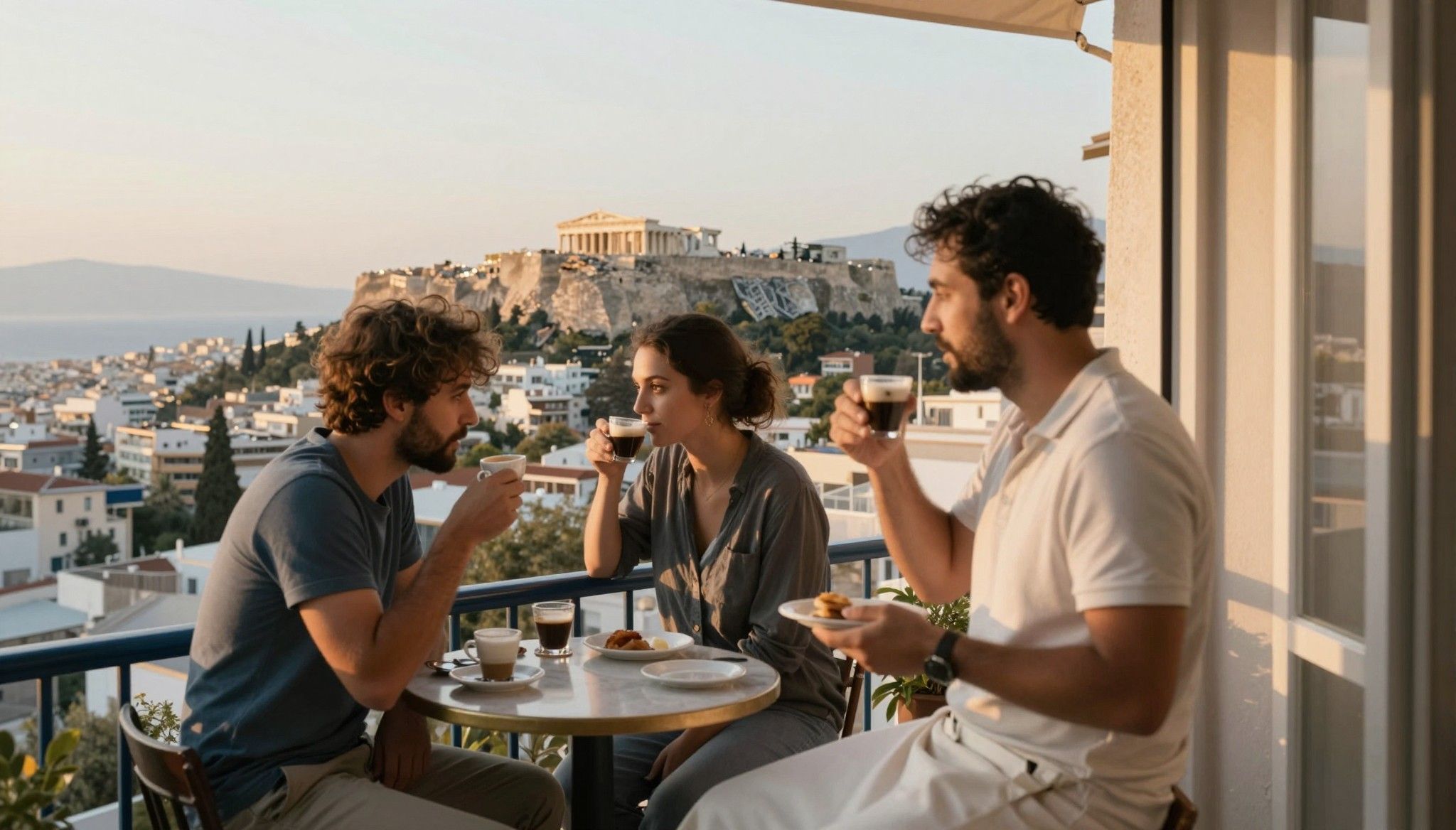
Imagine morning light warming a narrow street in Plaka, the smell of baking bread drifting from a kafeneio, and the sea a ten‑minute walk away. That sensory beginning explains why buyers fall for Greece; what follows is learning how neighbourhood rhythm, seasonality and local regulation shape the life you will actually lead.
Living the Greece lifestyle: texture, season and place
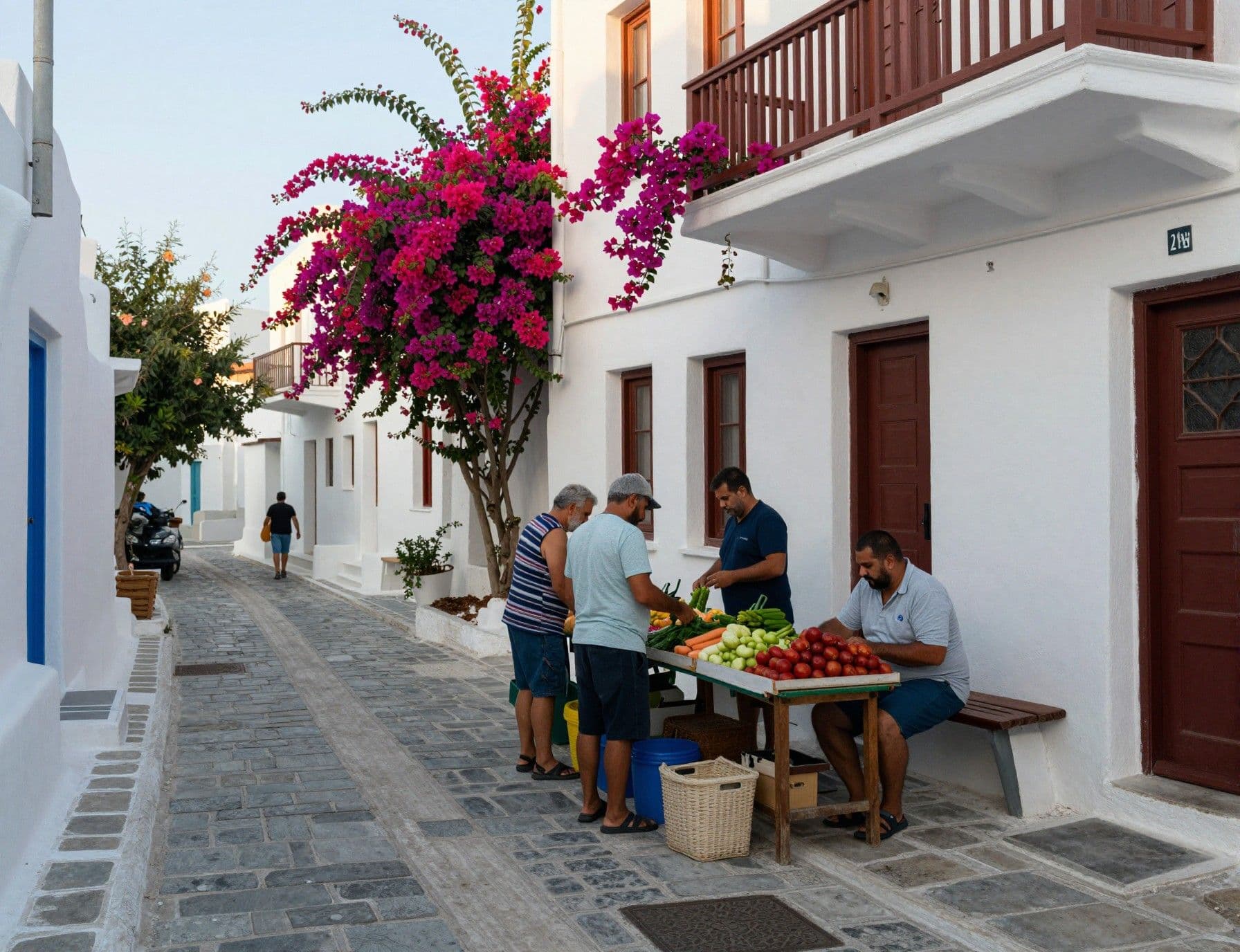
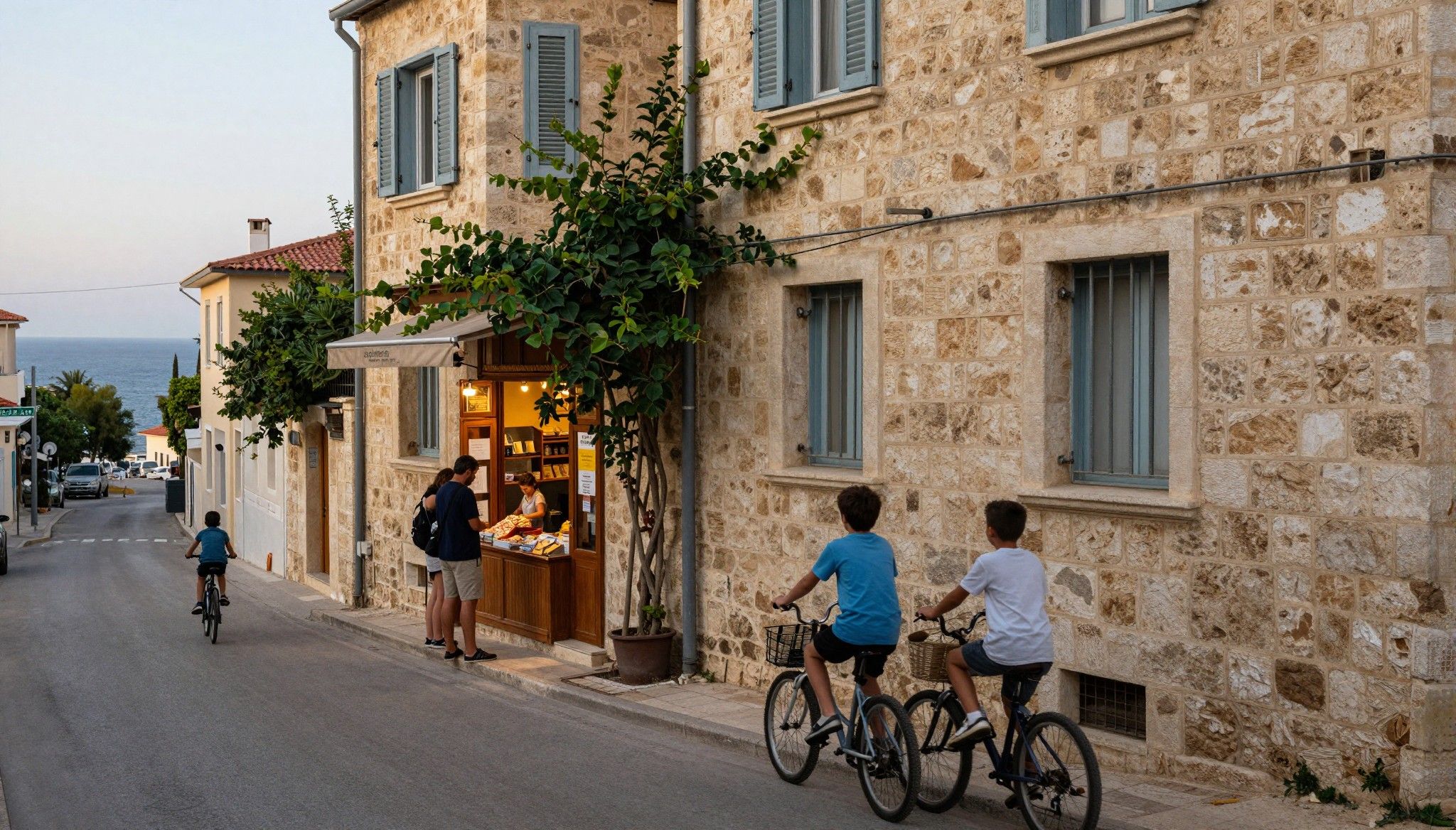
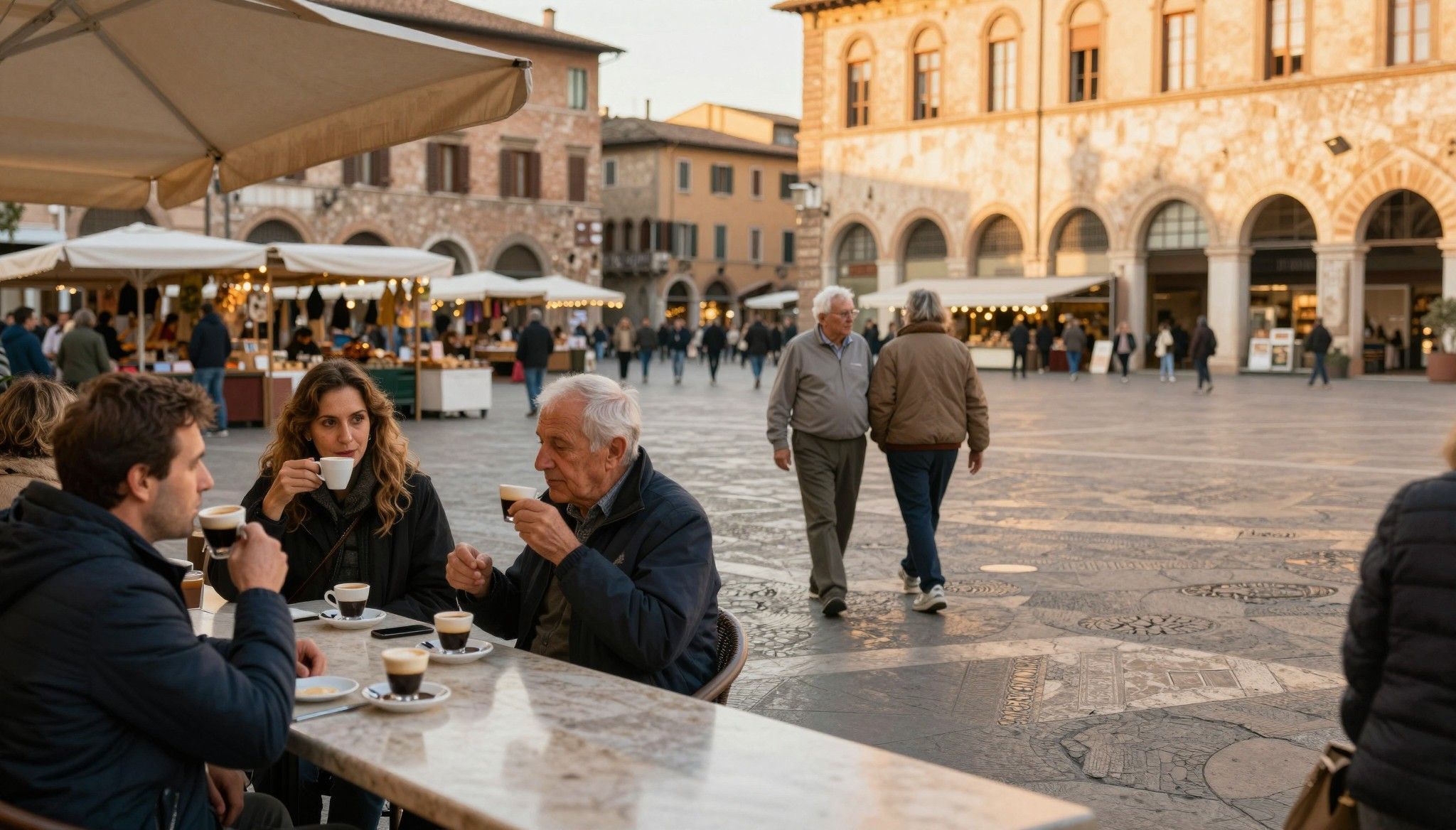
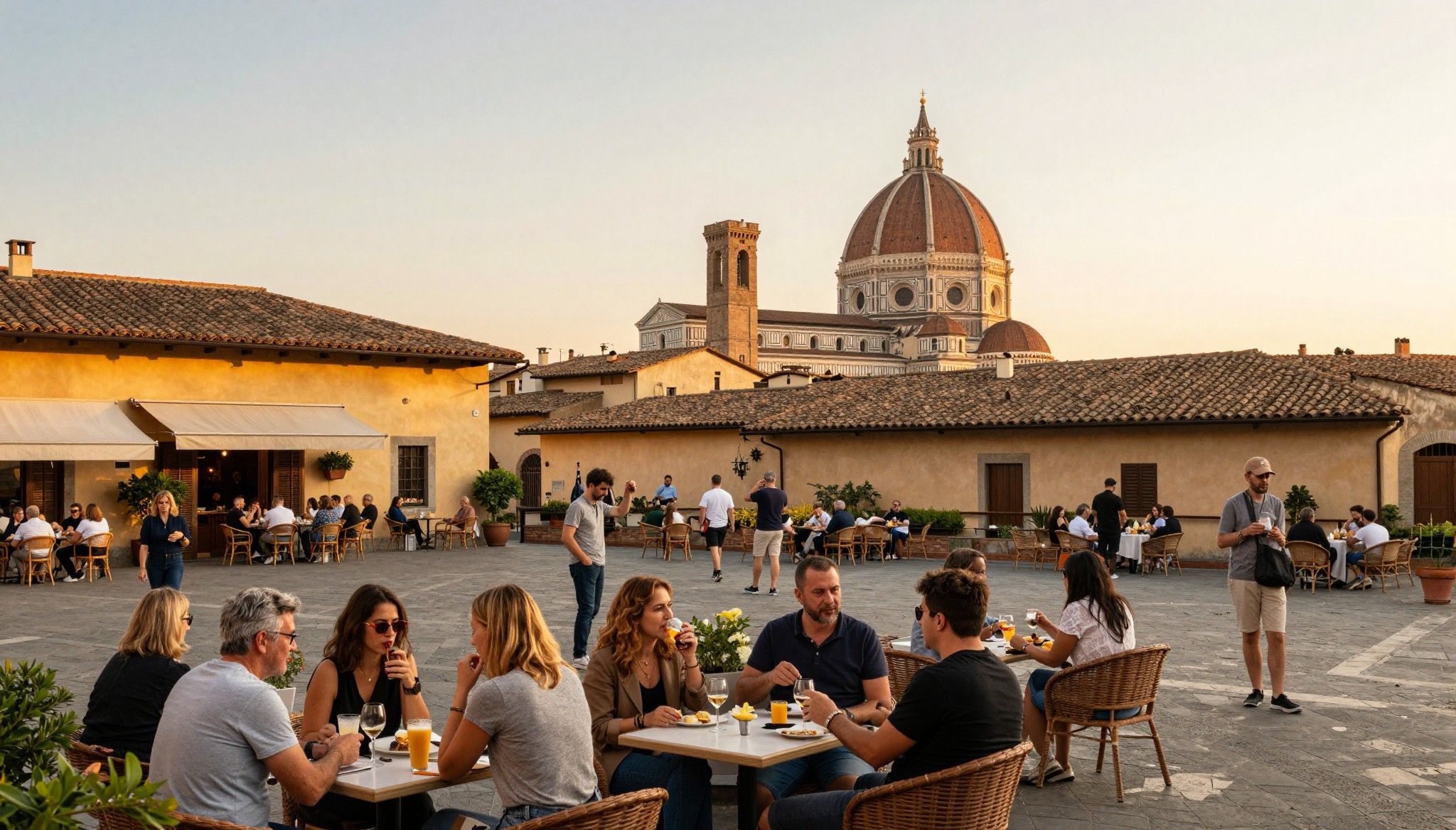
Daily life in Greece moves with a steady cadence: espresso and news at dawn, markets at mid‑morning, a long lunch or siesta in summer, and streets alive again after sunset. This tempo differs by neighbourhood — central Athens is compact and civic, Cycladic islands breathe slowly, and regional towns like Nafplio keep a measured provincial dignity — and these rhythms are the first determinant of where you will want to live.
Athens: classical streets, emergent design districts
Walk from Kolonaki’s restrained terraces past neoclassical facades to the contemporary galleries of Metaxourgeio and you feel Greece’s architectural duality. Apartments in Koukaki and Thissio place you within earshot of tavernas and ancient ruins; modern townhouses in Pangrati give light and a quieter street life. For buyers who want city culture and daily convenience, Athens’ neighbourhoods are different worlds within a single postal code.
Islands and coasts: the tradeoff of pace and liquidity
Seaside life — from the whitewashed lanes of Mykonos and Paros to the pine‑fringed coves of Peloponnese towns — is luminous and seasonal. Expect vibrant summers and quiet winters; that ebb matters for rental income and resale liquidity. Recent BoG indices show strong island and regional gains in recent years, a reminder that desirability does not always equal short‑term market liquidity.
- Neighbourhood highlights: streets, cafes and small reasons to stay - Plaka (Athens): marble steps, morning markets and immediate access to civic life - Koukaki: family cafes, restoration projects and close‑in views of the Acropolis - Ano Petralona: village streets, local tavernas and friendlier price points - Nafplio Old Town: port promenades, arcaded squares and restored neoclassical homes - Paros (Naoussa): fishing port energy, artisan shops and quiet inland olive lanes
Making the move: how lifestyle choices should shape the purchase
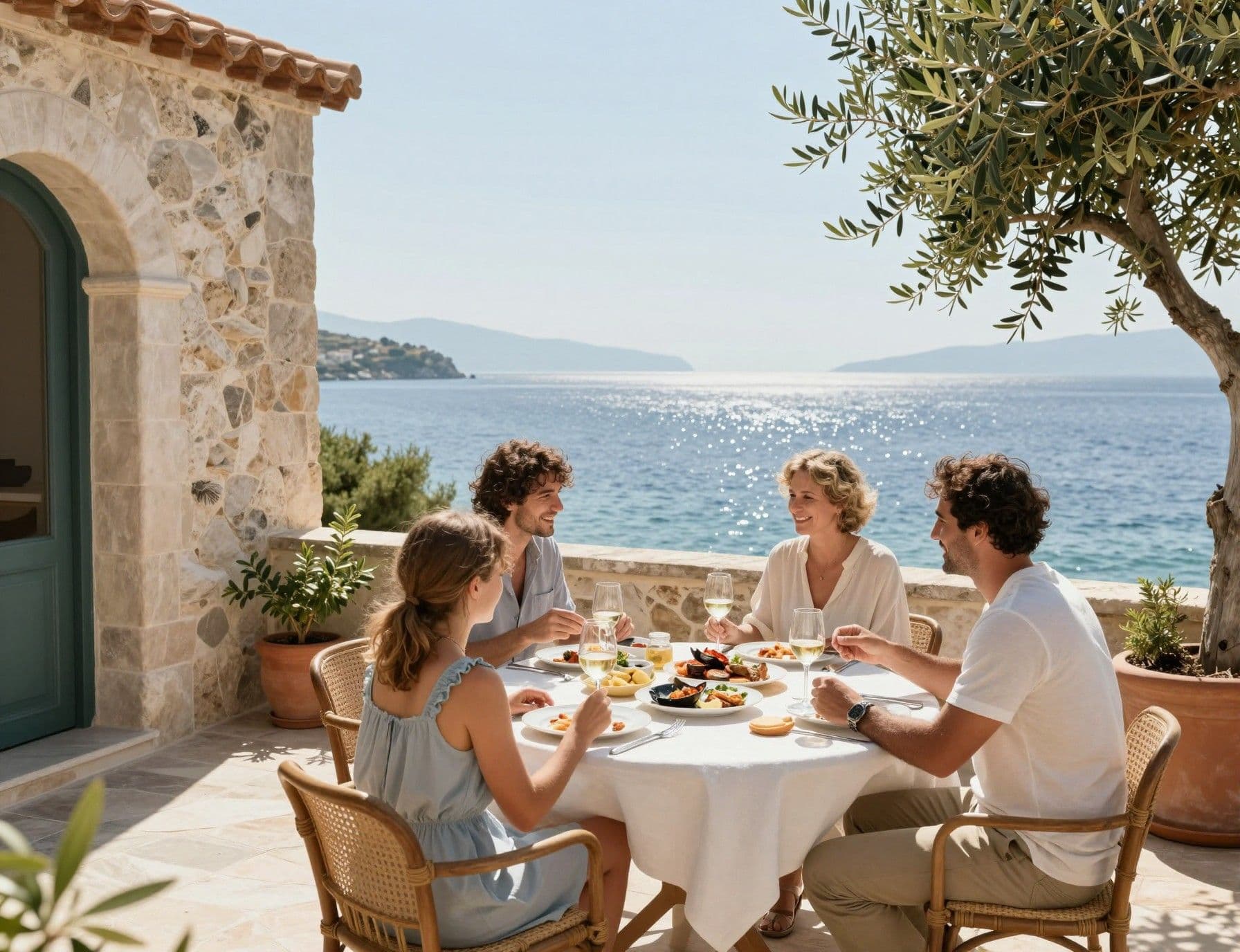
The dream of living in a sunlit courtyard must be married to practicalities: energy efficiency of older stock, seasonal running costs, and how local markets behave. Greece’s house price indices continued to rise through 2024–25, so timing, neighbourhood choice and a clear use case (primary residence, seasonal rental or full‑time move) will determine whether you buy a comfortable home or an underperforming asset.
Property types and how they translate to daily life
Stone houses, neoclassical flats and modern concrete blocks each ask for different stewardship. A restored neoclassical in Nafplio will demand ongoing conservation; a modern apartment in Thessaloniki offers easier maintenance but less historic character. Choose a type that supports the life you want: courtyards and terraces for slow summers, compact apartments for urban spontaneity, and properties with thermal upgrades if you plan year‑round living.
Working with local experts who know the rhythm
- How to combine lifestyle and process 1. Define lifestyle priorities (seasonal presence, rental strategy, neighbourhood tempo). 2. Ask a local architect or restorer about energy upgrades and authentic interventions. 3. Use an agency with island and mainland experience to compare liquidity and guest seasons. 4. Confirm visa or residency implications early — recent legal changes alter thresholds in specific zones. 5. Budget for hidden running costs: winter heating, summer utilities and seasonal staffing.
Insider knowledge: what residents and expats learn the hard way
Practical wisdom often trumps glossy listings. Expats tell a familiar story: the first year you learn the rhythm of municipal services, the second year you learn which baker opens at dawn and which tavern keeps its kitchen late. That local knowledge shapes both satisfaction and value — houses near a dependable market or ferry line outperform otherwise prettier but less connected properties.
Cultural integration and everyday social life
Greek hospitality rewards curiosity and patience. Learning a handful of phrases, attending local festivals and buying from the weekly market opens doors. Neighbourhoods that welcome newcomers — often village‑centres or cooperative seafront districts — provide faster social integration than gated developments.
Longer-term lifestyle and stewardship
- Things to consider for sustainable living in Greece - Seasonal cashflow plans if you rely on tourism income - Energy upgrades and insulation for comfort year‑round - Local trades: cultivate relationships with reliable craftsmen - Title and use‑of‑land checks for island properties - Community involvement: neighbours determine the quality of daily life
If the idea of Greece is sun and an easy pace, the reality is richer: public rituals, careful restoration, and a civic life that rewards patience. Marry that life to rigorous local advice and you will own more than a property — you will inherit a place to make mornings and markets matter.
Next steps: visit with a clear neighbourhood brief, ask for comparative liquidity and seasonal income scenarios from your agent, and prioritise properties with provenance and maintenance records. A thoughtful purchase in Greece is as much about joining a community as it is about price per square metre.
Having moved from Stockholm to Marbella in 2018, I help Scandinavian buyers navigate Spanish property law, restoration quality, and value through authentic provenance.