Malta: Intimate Provenance and How to Buy Accord
Malta’s compact scale delivers intimate, heritage-rich living; translate daily rhythms into property choices by sampling neighbourhood life, prioritising provenance and engaging local expertise.
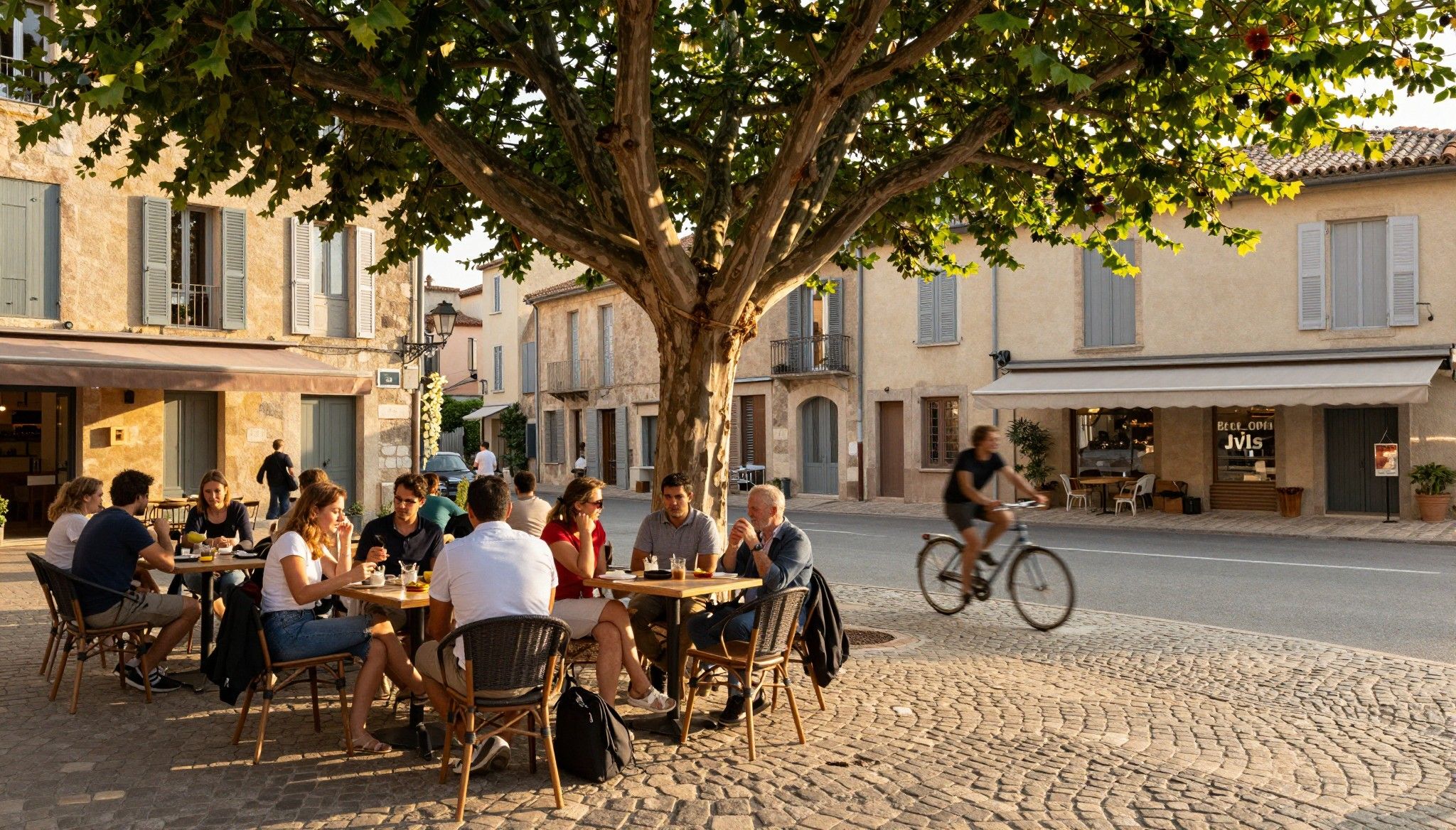
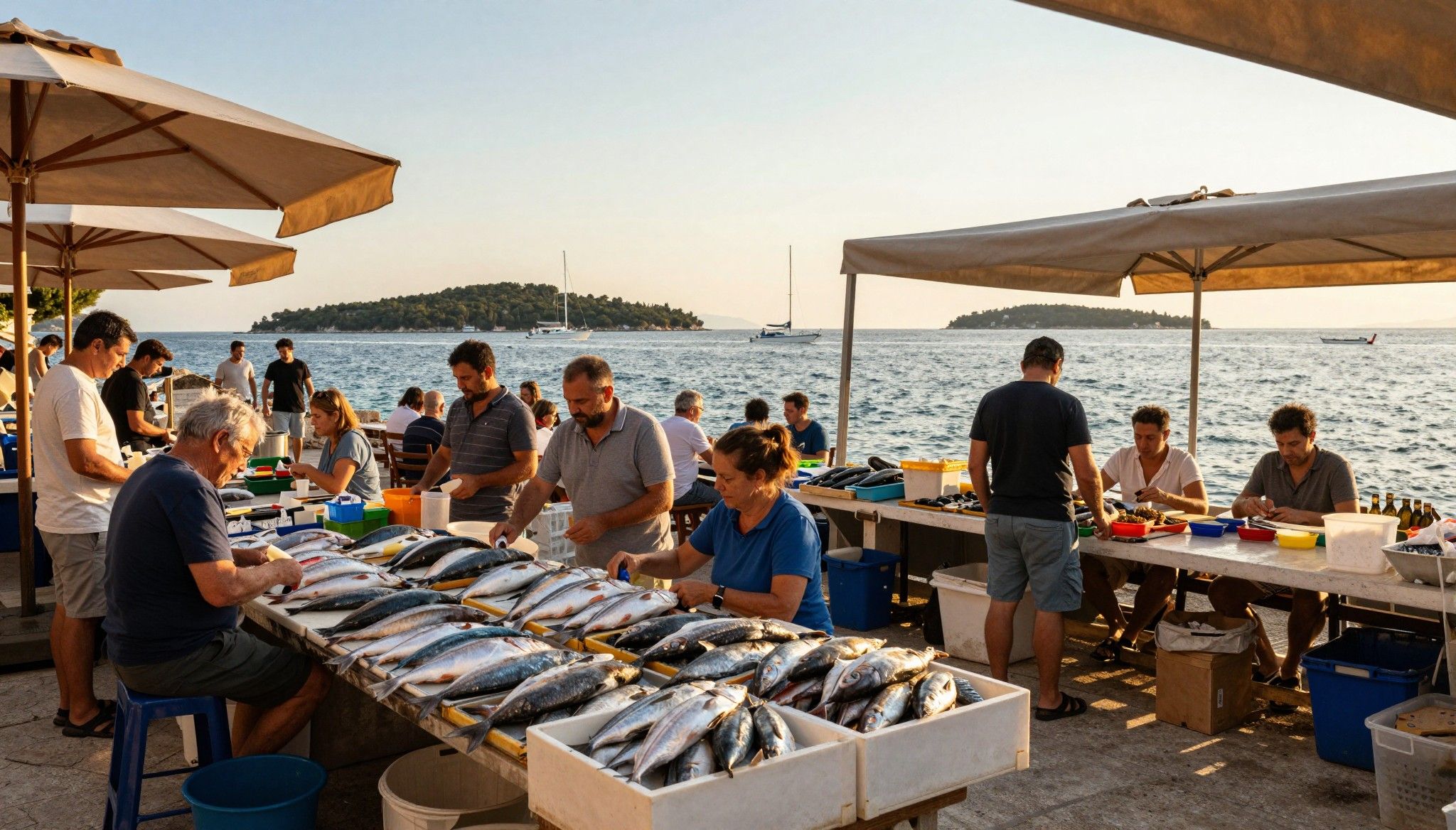
Imagine stepping out at dawn onto the narrow limestone lane off Strait Street in Valletta, the air carrying espresso steam and the distant clip of a ferry horn. In Malta the day begins with a measured cadence — cafes fill, fishermen mend nets in Marsaxlokk, terraces warm into the afternoon — and it is this intimate rhythm, rather than glossy vistas, that makes a home here feel enduring. For international buyers, that daily texture is what you actually acquire: a life folded into centuries of streets, a community that reads like a compact anthology of Mediterranean living.
Living Malta: small-scale grandeur, large-scale convenience
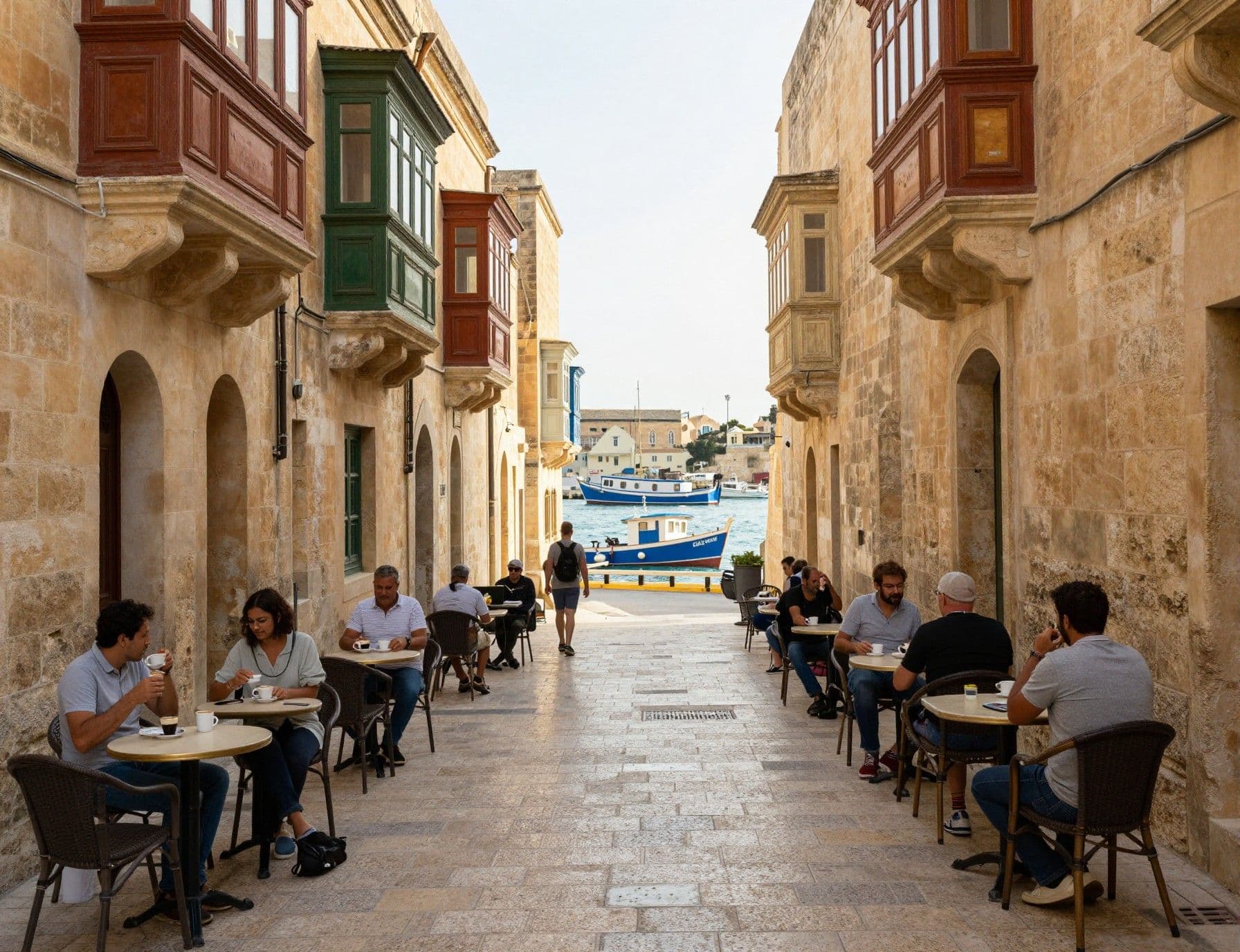
Malta's compact scale — just 27 miles by 14 — yields a curious mix: tightly grained urban centres such as Valletta and Sliema alongside quiet bays and village piazzas. Market data show steady price growth in recent years, reflecting constrained supply and sustained foreign demand; the Central Bank and NSO report modest but consistent increases in the RPPI. For lifestyle-minded buyers this means coveted walks to sea and short commutes, but also a premium for proximity to the islands’ cultural heart.
Valletta and the Three Cities: provenance, procession, pace
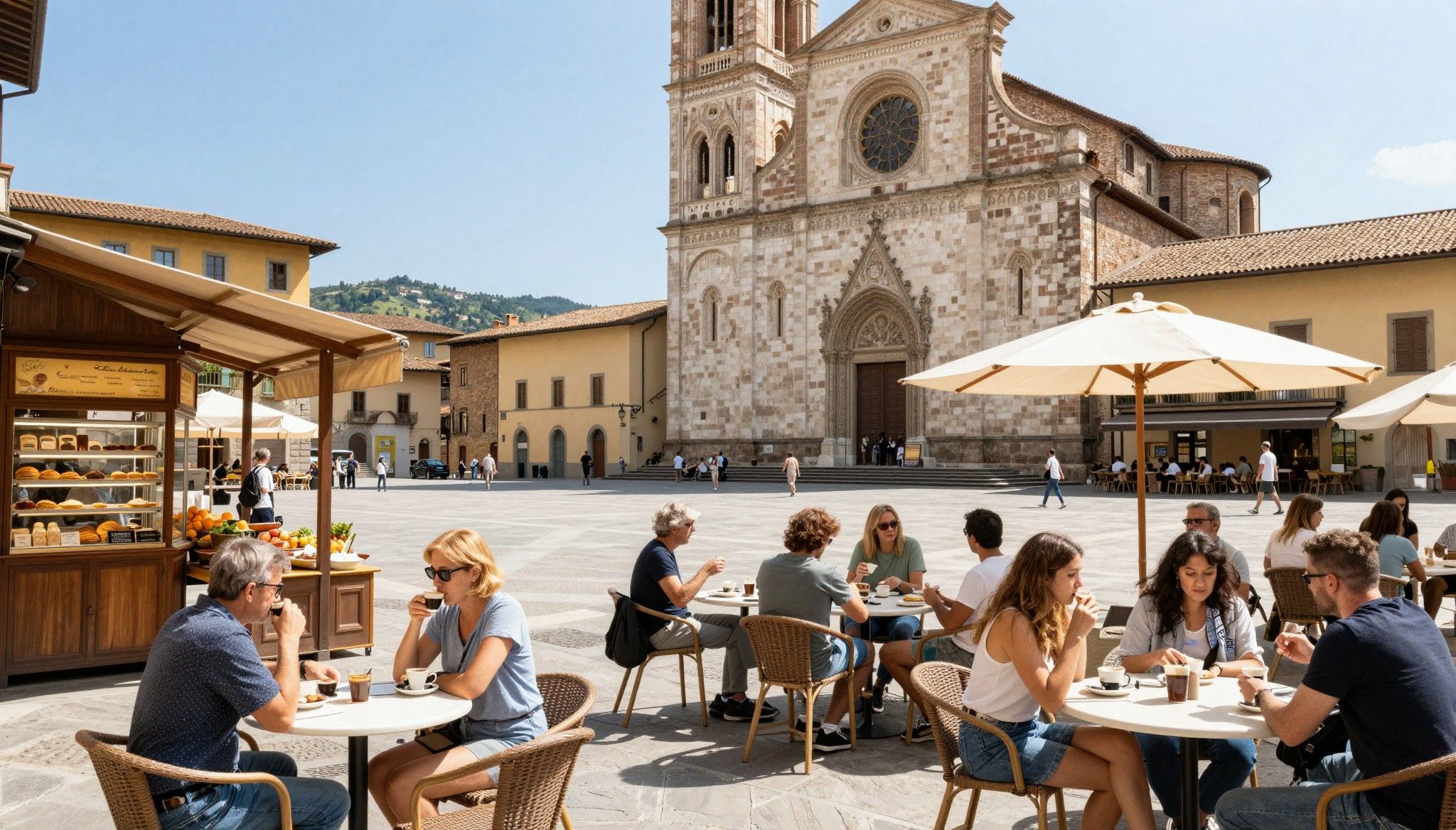
Valletta is not merely a capital; it is a lived museum. Wrought-iron enclosed balconies, baroque facades and narrow lanes create a life where every errand passes a palazzo. Morning coffee is taken beside St. John’s Co‑Cathedral; evenings are for harbour promenades. Homes here—traditional townhouses, restored palazzini and contemporary flats in converted warehouses—reward buyers seeking architectural provenance and compact, walkable urban life.
Sliema, St Julian’s and the north: café culture and modern comfort
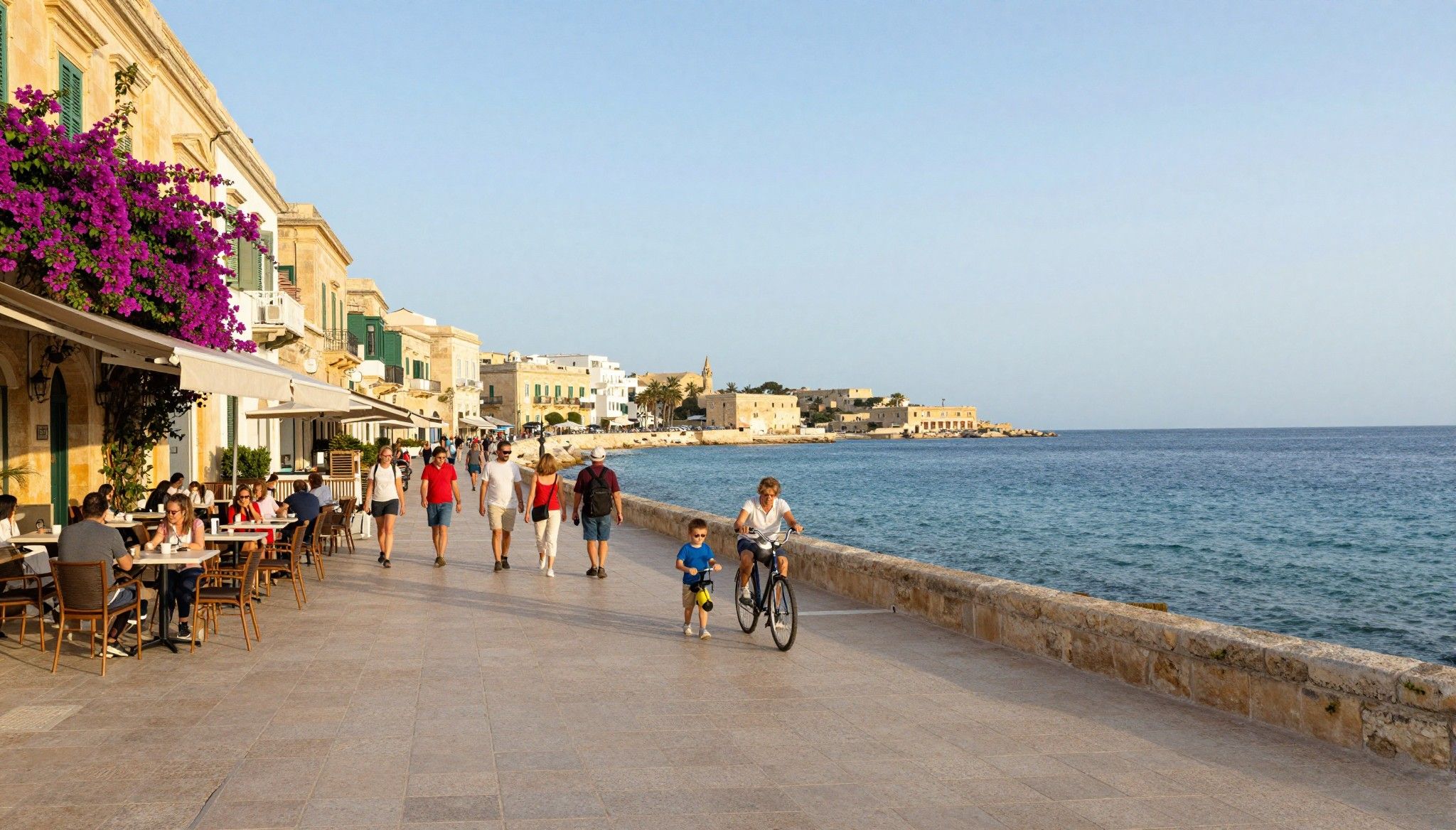
If Valletta is history in situ, Sliema and St Julian’s are the islands’ more contemporary salons: long seafront promenades, plentiful cafés, international restaurants and the city comforts that expatriates appreciate. Apartments with wide terraces, modern concierge blocks and maisonette conversions are common. For buyers who prize straightforward daily life — international schools, supermarkets, and evening dining — these neighbourhoods deliver without sacrificing Maltese character.
- Lifestyle highlights to sample before you buy:
- Breakfast at a Valletta pastizzerija; an early ferry across Marsamxett Harbour; aperitivo on Sliema’s Spinola Bay; Sunday fish market in Marsaxlokk; sunset swims at Golden Bay; wandering Mdina’s silent streets.
Making the move: how lifestyle informs property decisions
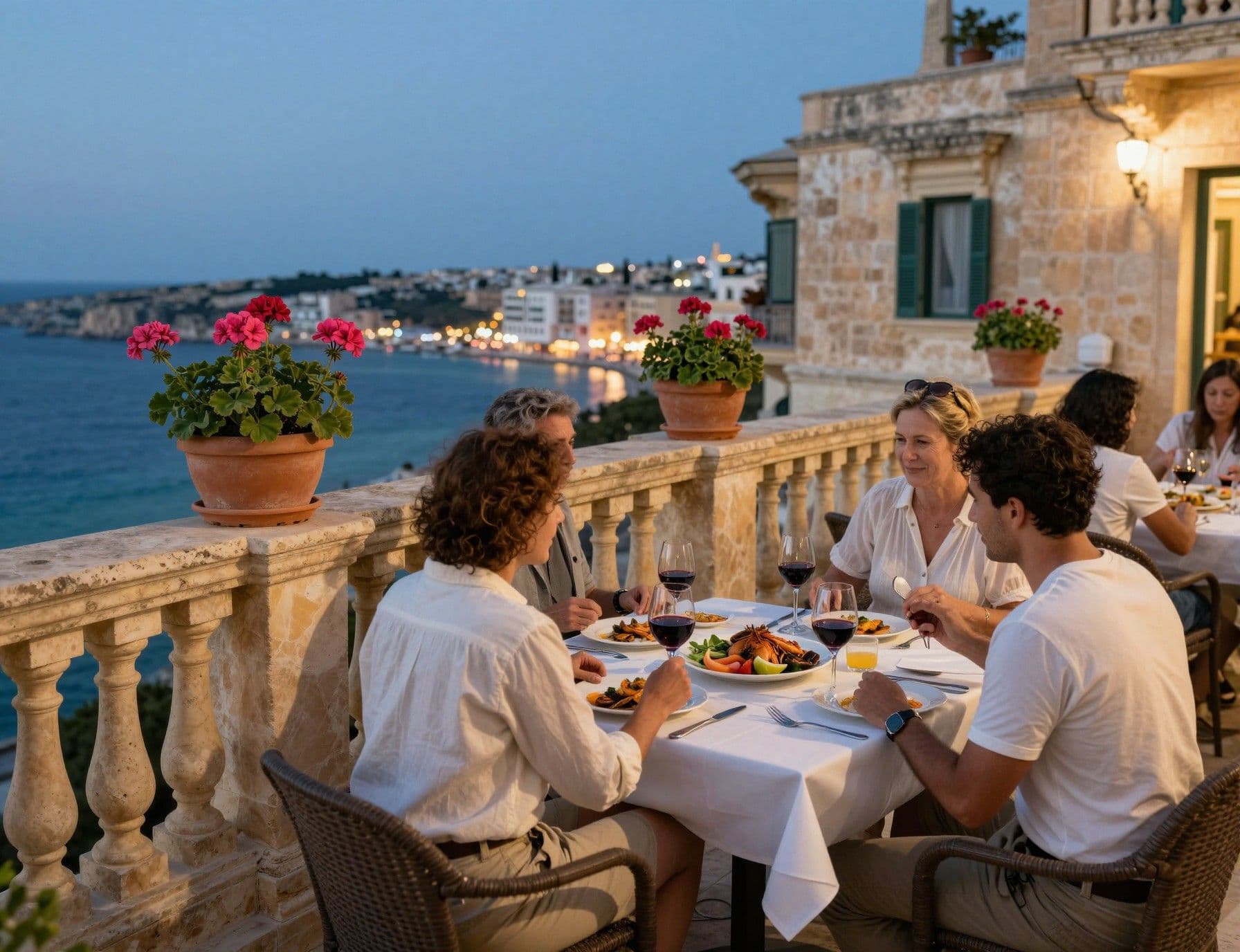
Turning affection into ownership requires translating the small pleasures into property criteria. Does morning light matter more than a harbour view? Will you host dinners on a terrace or prefer a cool, vaulted interior? Recent industry reports note an uptick in transactions and a concentration of foreign buyers in central localities; the practical consequence is that authentic homes with heritage features often command premiums, while contemporary blocks offer operational ease.
Property types that match how you live
Choose a maisonette or townhouse if you prize privacy, street access and the possibility of an internal courtyard; an apartment if you prioritise location, maintenance-light living and views; and a restored palazzo if provenance and generous volumes are central to your brief. Consider how Maltese limestone construction performs in summer heat and how terraces or shutters change daily comfort and energy use.
Working with local expertise to preserve lifestyle intent
A Maltese agent who understands craft restoration, local planning limits and the cadence of neighbourhood life is indispensable. Good advisors will prioritise provenance: confirming original features, advising on airspace (a frequent local consideration), and arranging viewings at different times of day so you can judge light, noise and neighbourly rhythm. They also shepherd negotiations where buying cultures expect discretion and measured offers rather than theatrical bidding.
- Steps to align lifestyle and purchase (practical-lifestyle mix):
- 1) Spend three separate days in neighbourhoods at morning, afternoon and evening to sense daily life. 2) Brief your agent with a lifestyle dossier: list routines, entertaining style, mobility needs and preferred sunlight. 3) Prioritise properties that require modest work if you value immediate living; reserve restoration projects for those who relish stewardship. 4) Ask for a rental-history summary and local amenity map to assess future domestic convenience and resale appeal.
Insider knowledge: what expats wish they’d known
Seasonal life and compact markets create surprises. Many expats underestimate how much local festivals, regattas and church feasts shape noise, parking and social calendars; they are public life, not inconvenience. Nor do buyers always appreciate that small maintenance items accumulate in older stone homes — from damp in shaded courtyards to terracotta roof repairs — and that trusted craftsmen are a local premium.
Cultural nuances that shape daily living
English is an official language and widely used in commerce, yet Maltese social life moves at its own pace. Neighbourliness is important: small kindnesses, punctuality for appointments and an appreciation for local hospitality open doors. Expats who invest time in local clubs, the parish calendar or volunteer associations find faster integration and a more meaningful sense of belonging.
Longer-term lifestyle considerations
Think beyond acquisition: consider who will manage the property when you travel, how seasonal rental might affect neighbours, and whether a restoration will require planning approvals. The market’s momentum suggests steady demand, but stewardship — choosing materials, hiring local artisans, preserving heritage features — secures both enjoyment and value over decades.
- Final steps to make Malta home:
- Arrange a two‑week exploratory stay; commission a neighbourhood lifestyle report from your agent; meet a local architect or conservator before bidding on historic homes; secure a property manager with local references; view NSO and Central Bank data to calibrate offer strategy.
There is a particular pleasure in buying on an island where scale amplifies intimacy: your favourite café becomes a daily anchor, your terrace a stage for light and conversation, and the stone connects you to generations. For buyers who value provenance and the art of stewardship, Malta offers compact grandeur — but it rewards patience, local knowledge and an agent who values life as highly as ledger lines.
Relocating from London to Mallorca in 2014, I guide UK buyers through cross-border investment and tax considerations. I specialise in provenance, design integrity, and long-term value.