Protecting a Cyprus Home: Insurance, Title & Practical Steps
How to protect your Cyprus dream home: tailored insurance, title safeguards and contrarian practical steps to preserve lifestyle and value.
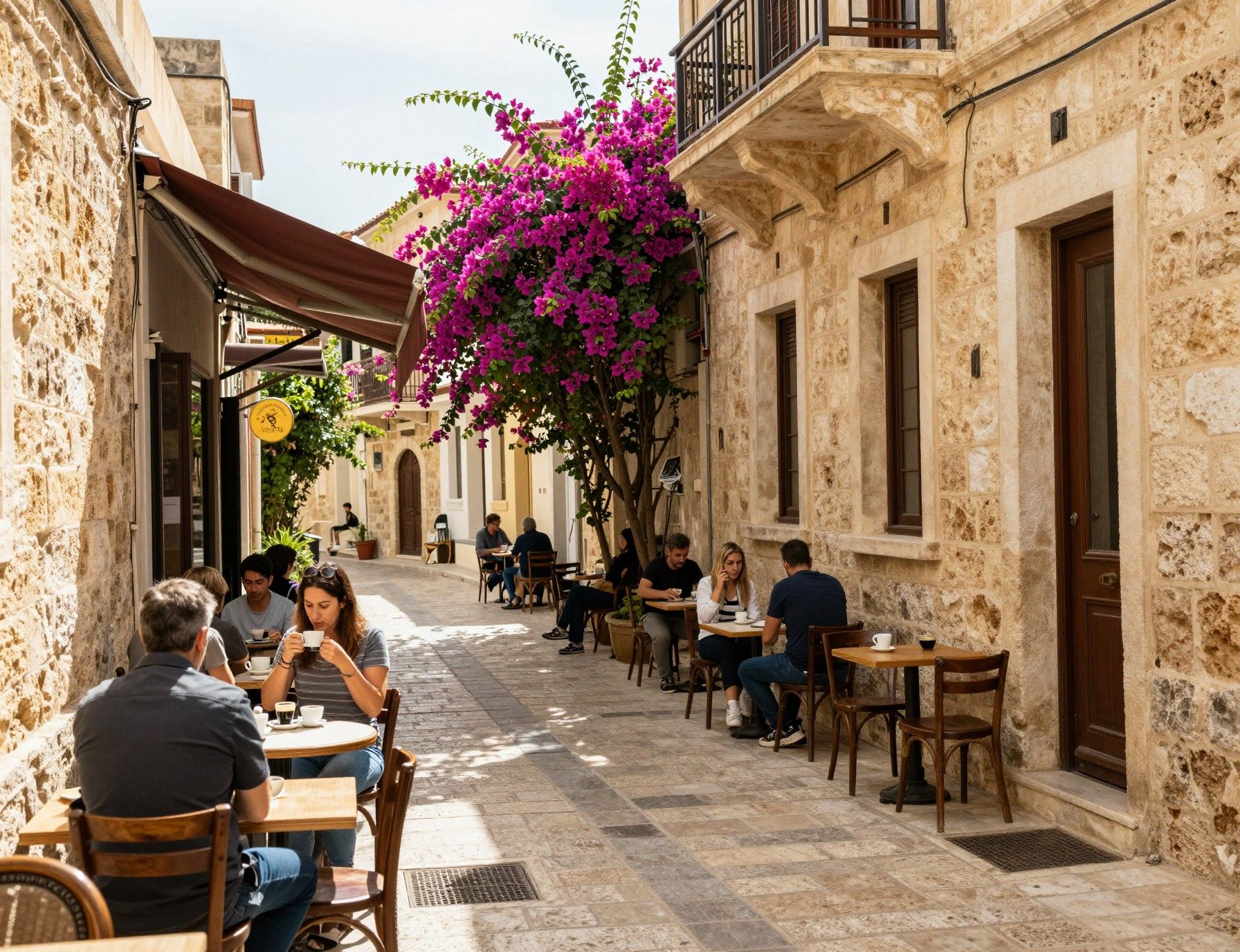
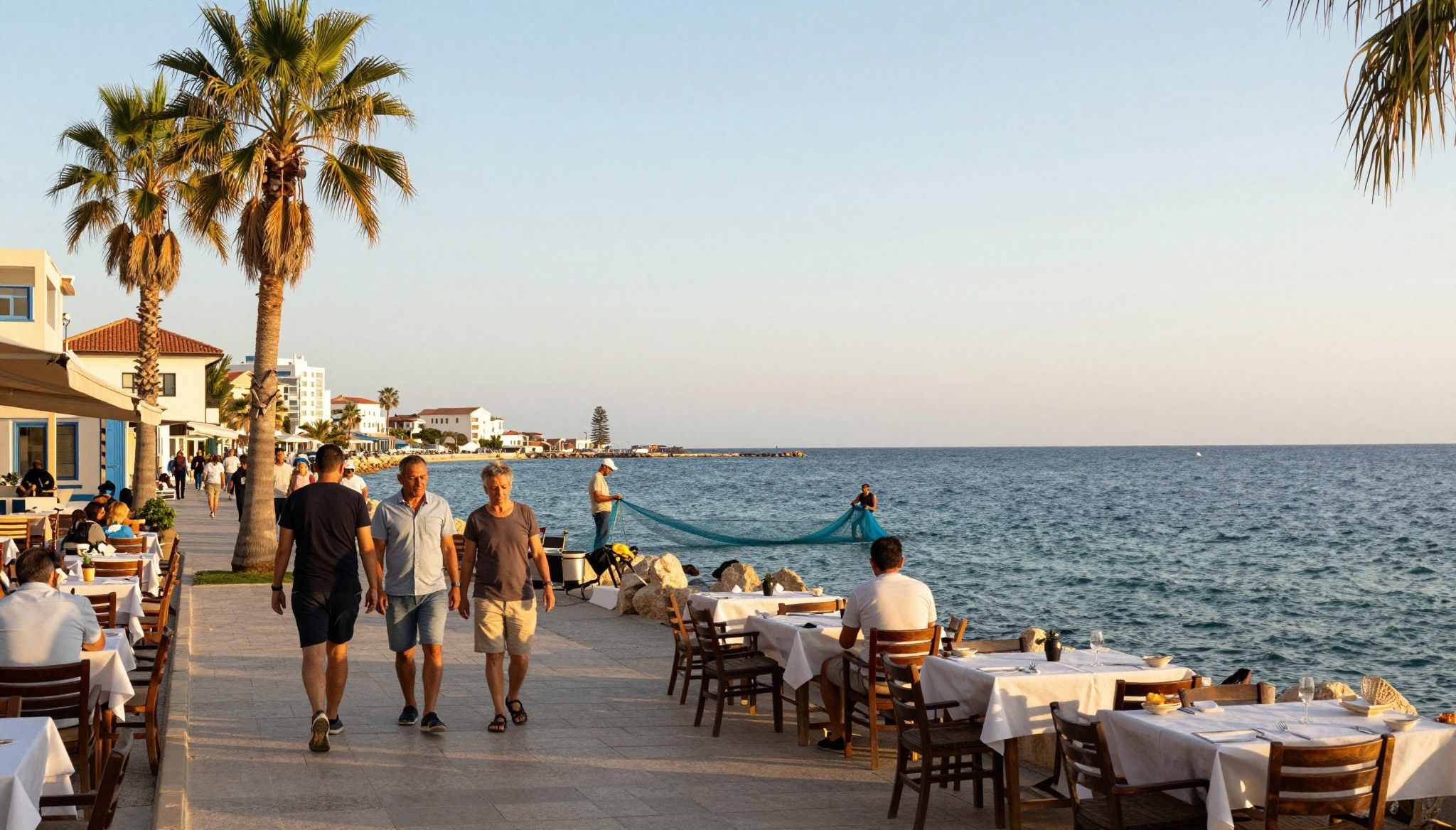
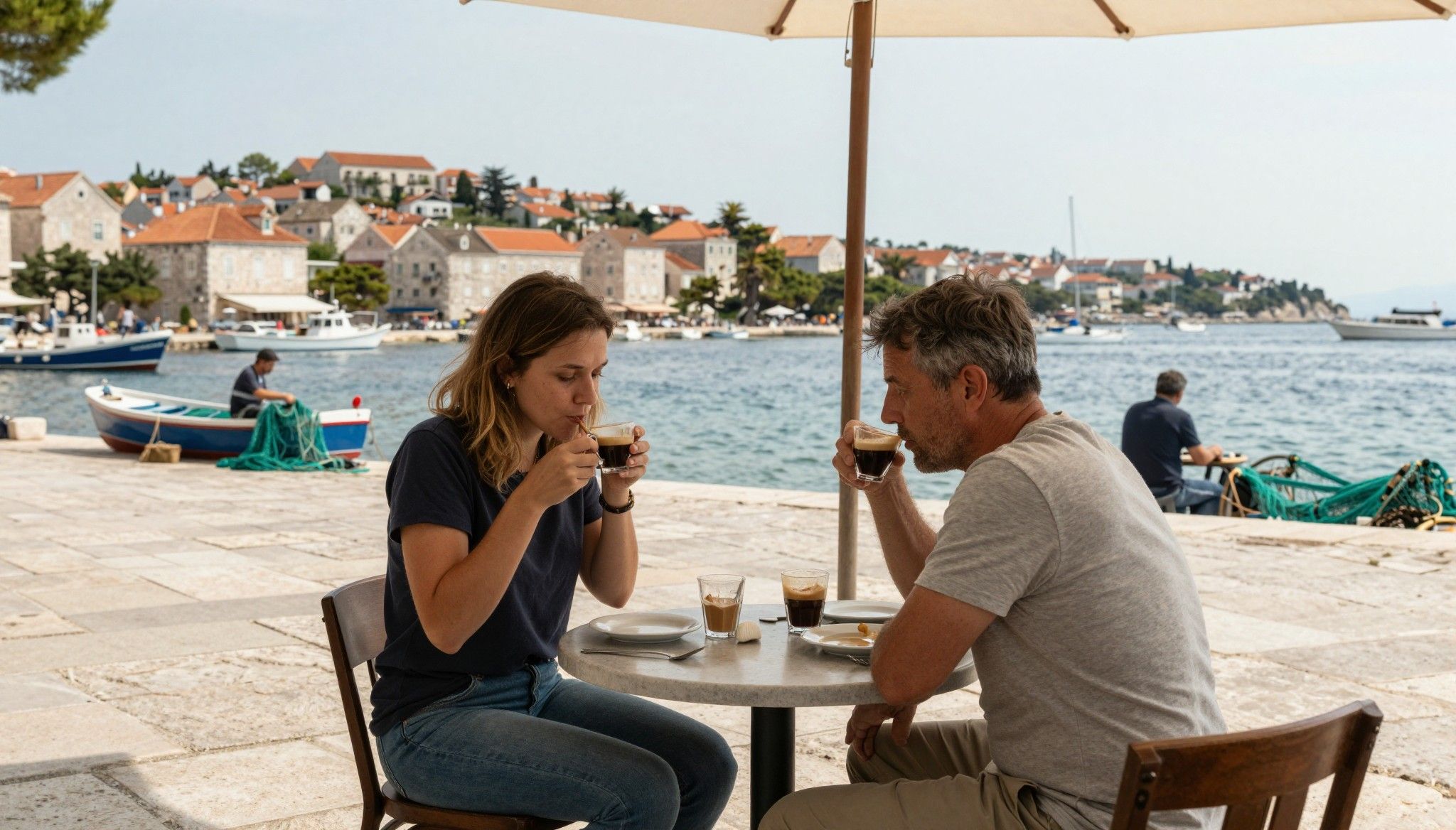
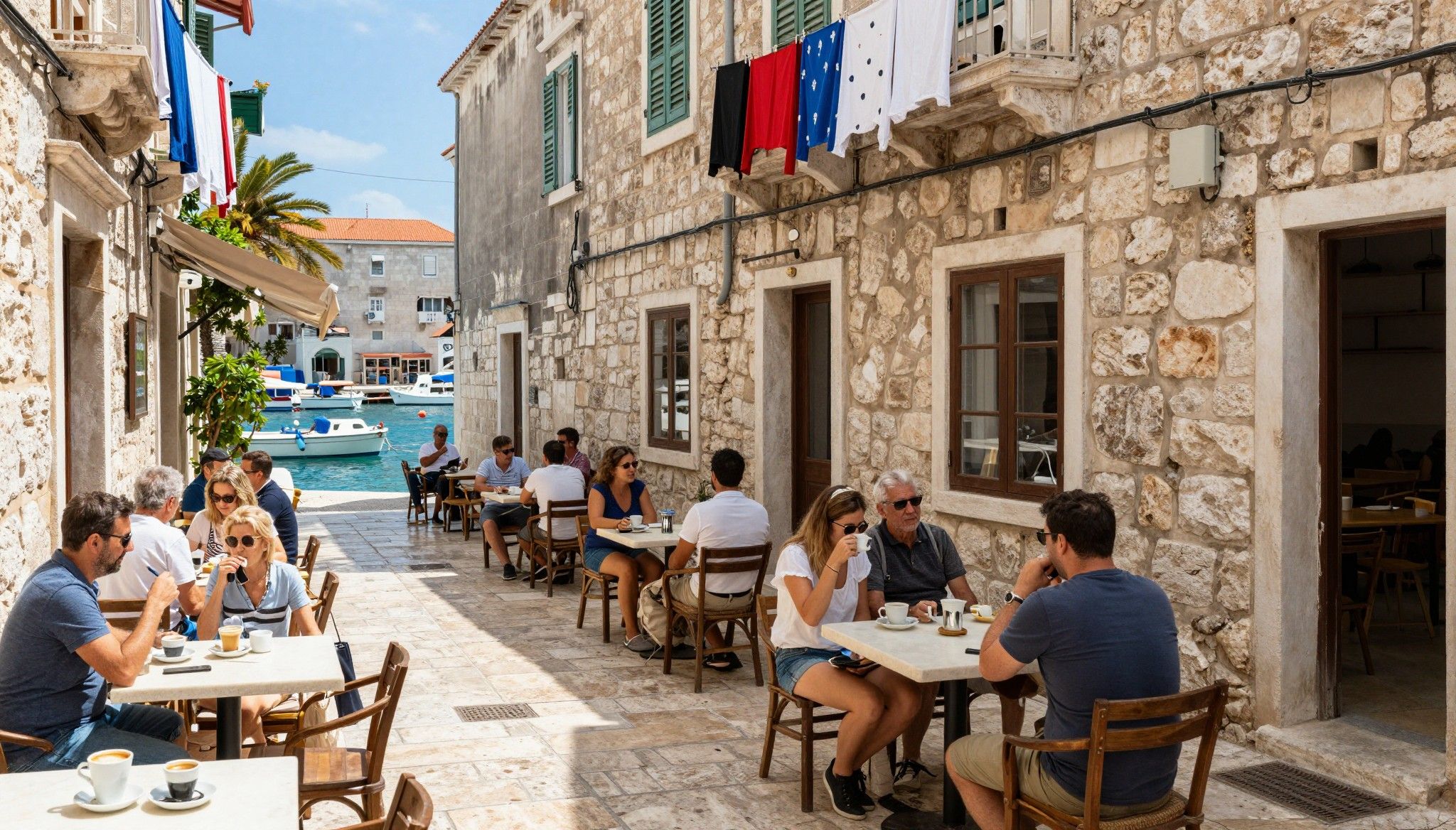
Imagine an early morning in Larnaca: espresso at To Kafenio on Kastella, sea salt in the air, the stone facades warmed by the sun. Buying property in Cyprus often begins with such a scene—an impulse shaped by climate, cuisine and neighbourhood rhythms. But behind that morning lies a particular set of protections you must arrange. Title clarity, tailored insurance and simple contractual safeguards protect not only an investment but the life you hope to live here. Recent Land Registry reporting underlines why those steps matter.
Living Cyprus: the daily textures that shape risk and protection
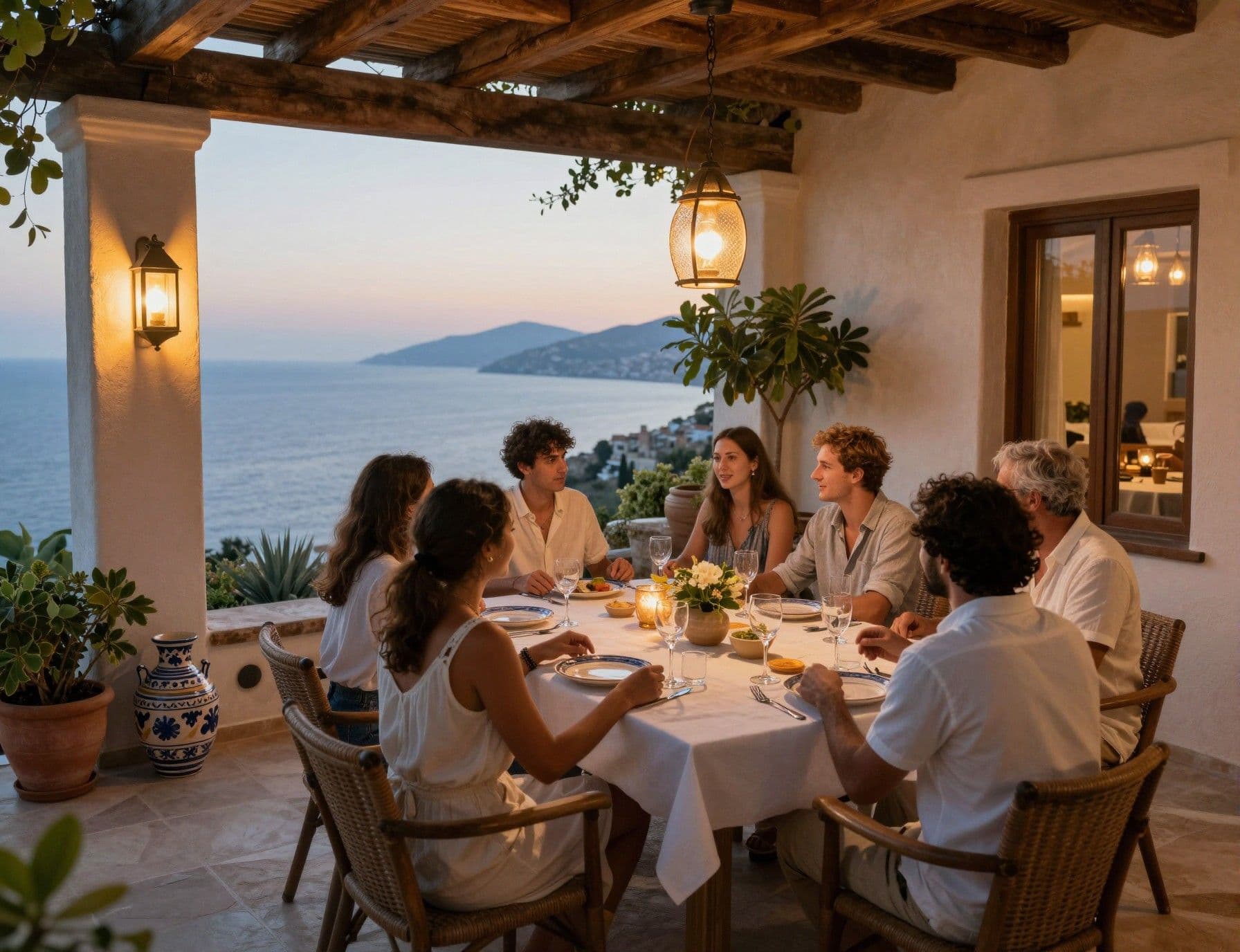
Life on the island—slow breakfasts, late-afternoon promenades, village fêtes—defines what owners value: outdoor rooms, stone terraces and a sense of continuity. Those very pleasures create particular exposures. Coastal homes face storm-surge and severe wind; hill villages contend with sharp temperature swings and occasional subsidence; urban flats contend more with water ingress from neighbouring units than with storm surge. Understanding lifestyle first helps you choose the right cover next.
Neighbourhood notes: where lifestyle meets insurance needs
Ayia Napa and Paphos harbour properties reward a seaside life but often require extended storm and flood cover. In Nicosia’s old quarters, stone townhouses bring heritage charm—and with it, restoration-sensitive cover that recognises historic materials. Troodos homes, beloved for cooler summers and chestnut woods, need policies that consider slope and subsidence risks. Match the policy to the street, not only to the postcode.
Seasonality and the insurance lens
Cyprus’s long summer reduces some risks—mould, for instance—but increases others: unattended holiday homes are targets for burglary and water-system failures. If you intend seasonal occupancy, insure for vacant-period perils and insist on regular local inspections to keep claims straightforward.
Making the move: three practical protections to insist on
Dreams meet contracts. Before transferring any funds, be certain of three protections that reduce later friction: 1) an appropriately worded indemnity in the sale contract covering outstanding developer obligations; 2) comprehensive building and contents insurance with specified perils (earthquake, storm, escape of water); and 3) title verification or an escrow arrangement if title deeds are delayed. Cyprus insurers commonly include earthquake and flood as optional perils—confirm those inclusions early.
Property styles and the cover they require
New-build coastal apartments usually attract standard fire and storm cover but require additional communal liability clauses for shared terraces and pools. Restored stone houses in villages need agreed-value clauses for artisan restorations and listed-material replacement. If you plan to rent, add landlord and short‑term rental cover to account for guest liability and frequent turnover.
Working with local experts who protect the life you want
Choose advisors who combine lifestyle sensibility with technical know‑how:
An English‑speaking property lawyer versed in Cyprus conveyancing and title gaps.
A local surveyor who inspects for coastal corrosion, damp and roof-line stability.
An insurance broker who will build a policy reflecting occupancy pattern, architectural materials and rental intentions.
Insider knowledge: the practical red flags and contrarian moves
The most persistent problem buyers encounter in Cyprus is not the weather but paperwork. A sizeable number of properties remain without final title deeds due to developer debts or administrative backlog. This is not necessarily a deal-breaker, but it requires structured legal safeguards: escrow, developer guarantees and conditional completion clauses are standard defences against delayed deeds.
Three contrarian protective moves that feel counterintuitive
1. Ask sellers to temporarily reduce price rather than waive developer guarantees; cash reductions are tempting but leave you exposed. 2. Insure for ‘vacant period’ risks even if you intend to live there; many claims arise in the first unattended season. 3. Request an independent structural survey before deposit—this can uncover costly defects that neither agent nor seller disclose.
Simplifying settlement: a six-step checklist
1. Verify seller identity and title history with your lawyer. 2. Obtain a structural and pest survey. 3. Agree contract clauses for deed issuance timelines and developer liabilities. 4. Secure buildings and contents insurance to begin on contract exchange. 5. Use an escrow for deposit and staggered payments tied to registration milestones. 6. Confirm transfer fees, VAT status and any recent tax changes with your tax adviser.
What expats wish they’d known: culture, community and long‑term stewardship
Beyond contracts, a successful move is about relationships. Neighbours in mountain villages expect participation in local festivals; coastal condominium life asks for attentiveness to shared areas and reserve funds. Stewardship—maintaining original materials, supporting local craftsmen—preserves both the building and the community that makes Cyprus desirable. Good insurance and sensible contracts are the infrastructure that let that stewardship happen with confidence.
Long view: sustaining value and lifestyle
Stewardship pays. Insuring and maintaining traditional stonework, high-quality joinery and mature landscaping preserves capital and keeps a property aligned with the island’s rhythms. Consider a rolling maintenance plan and specialist insurers for artisan restorations; these small decisions protect both daily life and generational value.
Conclusion: fall in love deliberately. Let the island’s light, markets and kitchens seduce you; then apply precision to protect that life. Begin with a neighbourhood visit—walk Ermou in Nicosia, take an evening at Paphos harbour, taste fish in Larnaca’s old port—and come prepared with a lawyer, a surveyor and an insurance broker who share your aesthetic sensibility. Those three professionals translate a life‑style vision into secure ownership.
Norwegian with years in Florence guiding clients across borders. I bridge Oslo and Tuscany, focusing on legal navigation, cultural context, and enduring craftsmanship.