Finance the Croatian Life: Mortgages, Taxes, Reality
How to finance a Croatian home without losing the romance: lifestyle-first insights with practical mortgage, tax and residency guidance for international buyers.
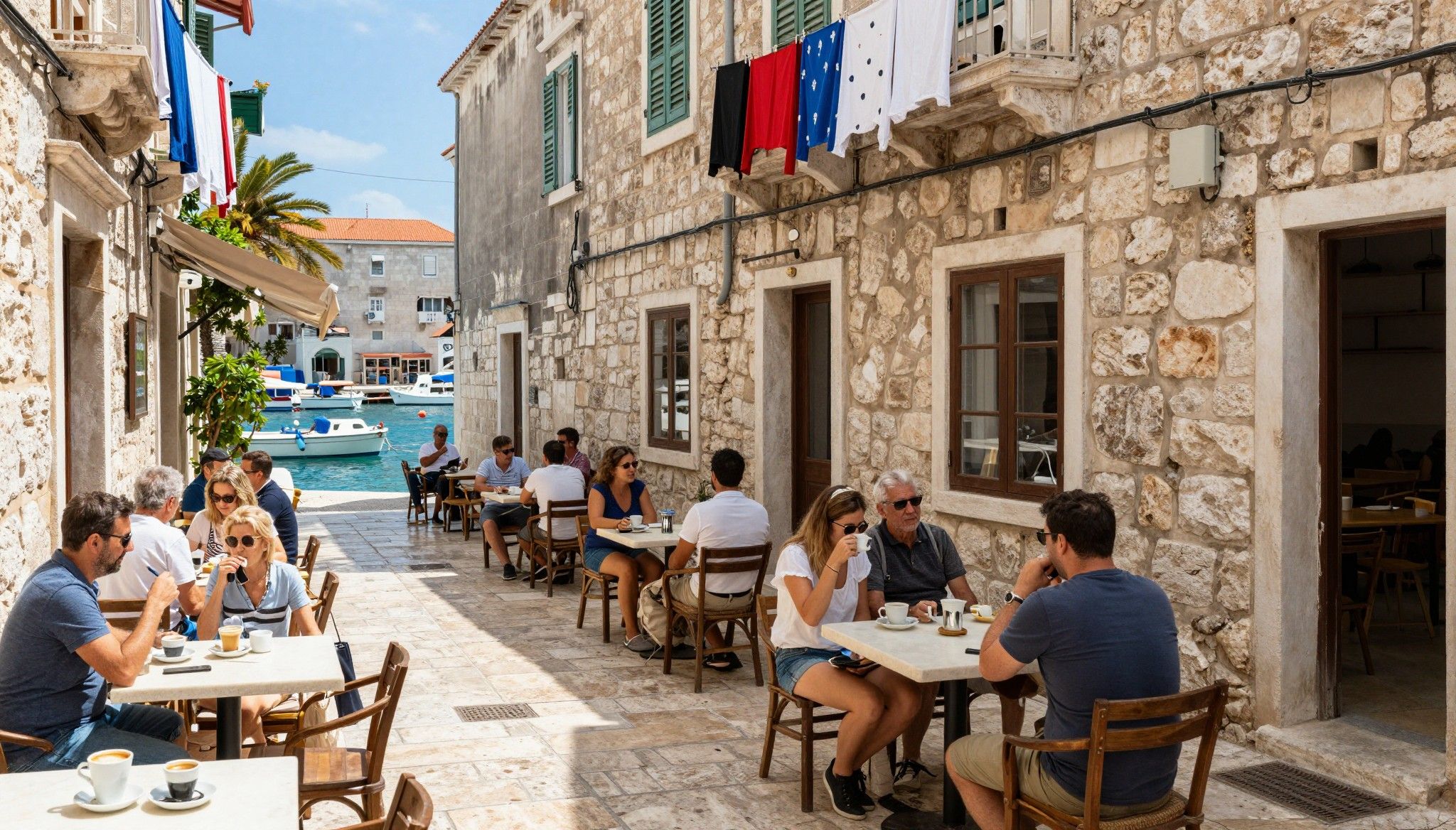
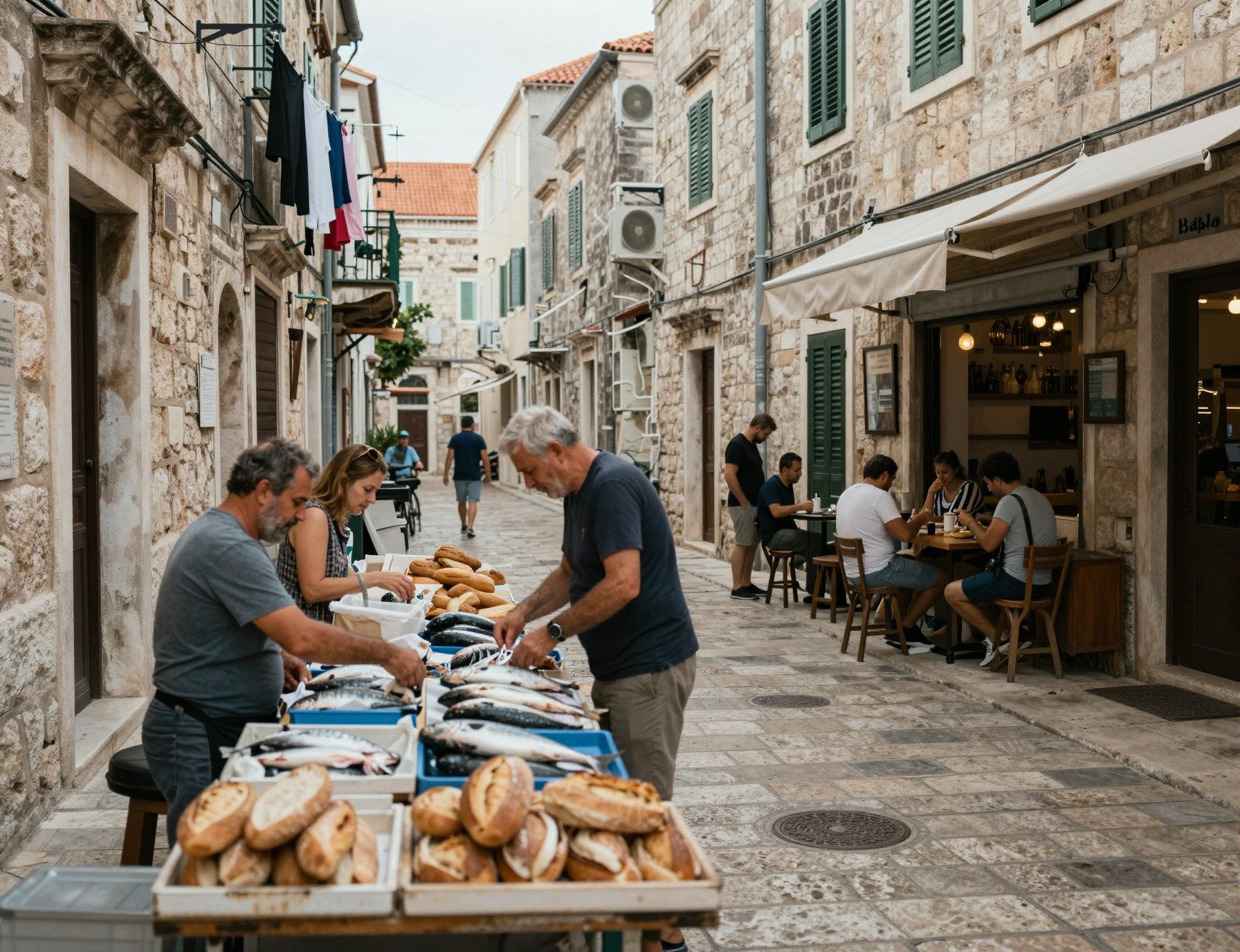
Imagine an early morning in Split: espresso steam mingles with the salt air, fishermen unload the first catch at the Riva and a restored stone palazzo’s shutters open to reveal a balcony where someone reads the paper. Croatia moves to a quiet rhythm of markets, coastal promenades and evenings that begin late and end with olive oil and conversation. For many international buyers the romance is immediate — yet the route from daydream to deed requires careful financial craft. This guide pairs the life you can expect with exacting, contemporary guidance on financing a home in Croatia so you may arrive prepared and unruffled.
Living the Croatian life
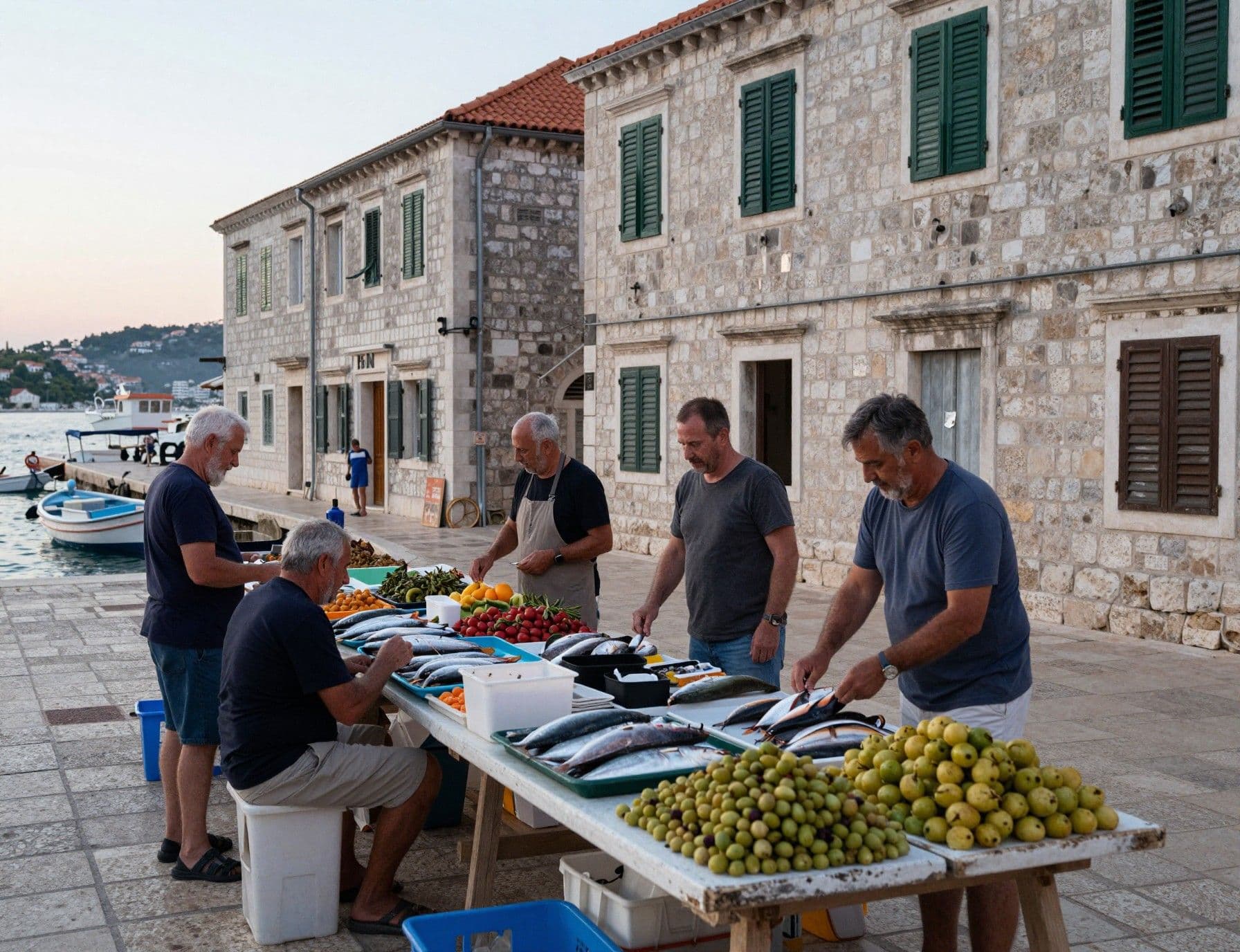
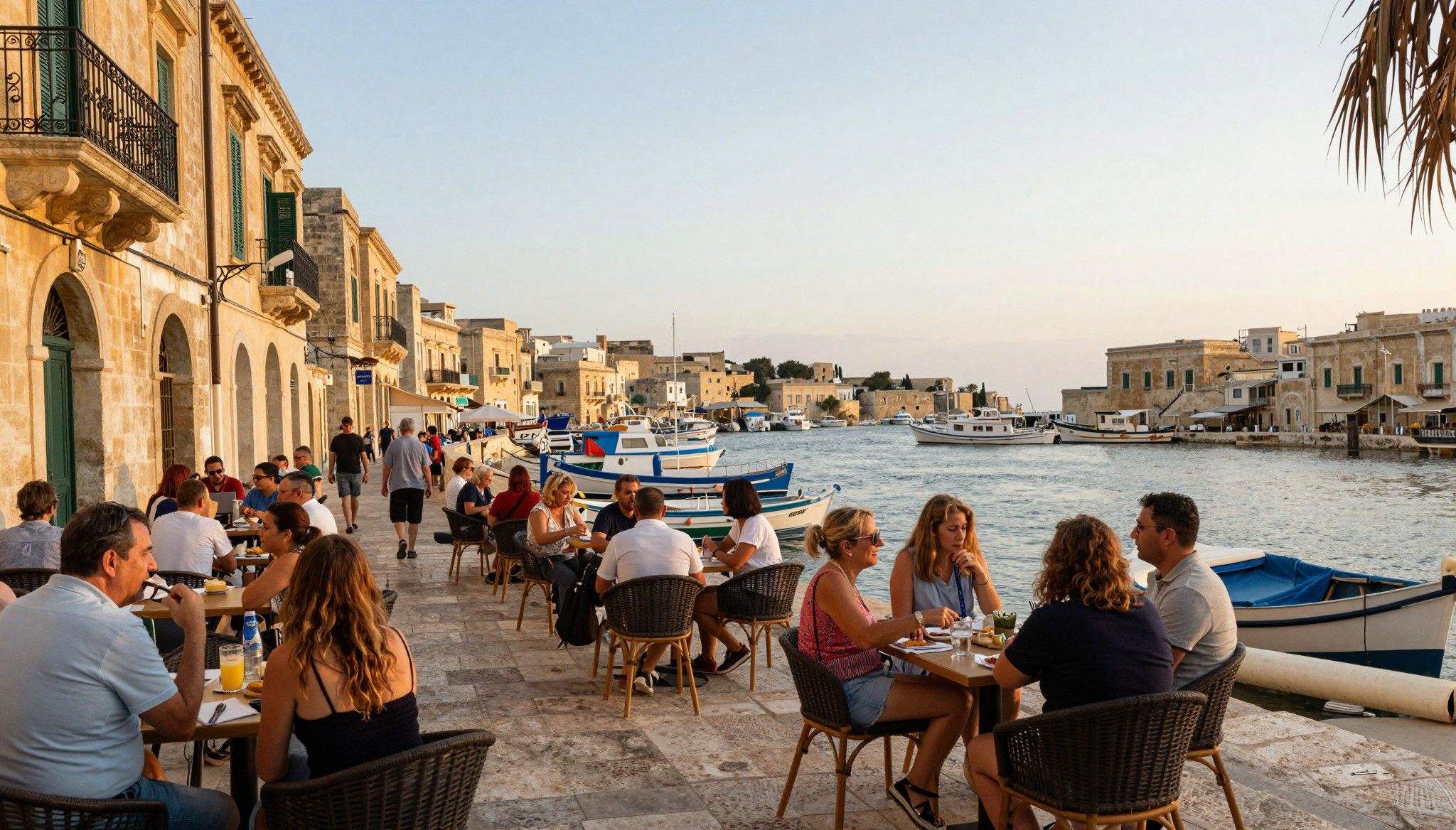
Daylight in Croatia favours outdoor life: cafés on Korčula’s main square, morning markets in Zadar where figs and Pag cheese sit side by side, and slow swims at Zlatni Rat before the crowds arrive. Houses here are gestures toward light and stone — limestone facades, shuttered windows, terraced gardens with grapevines. For an international buyer the appeal is tangible: a sense of provenance, a community that knows its seasons, and a built environment that rewards stewardship rather than fashion.
Neighborhoods that repay attention
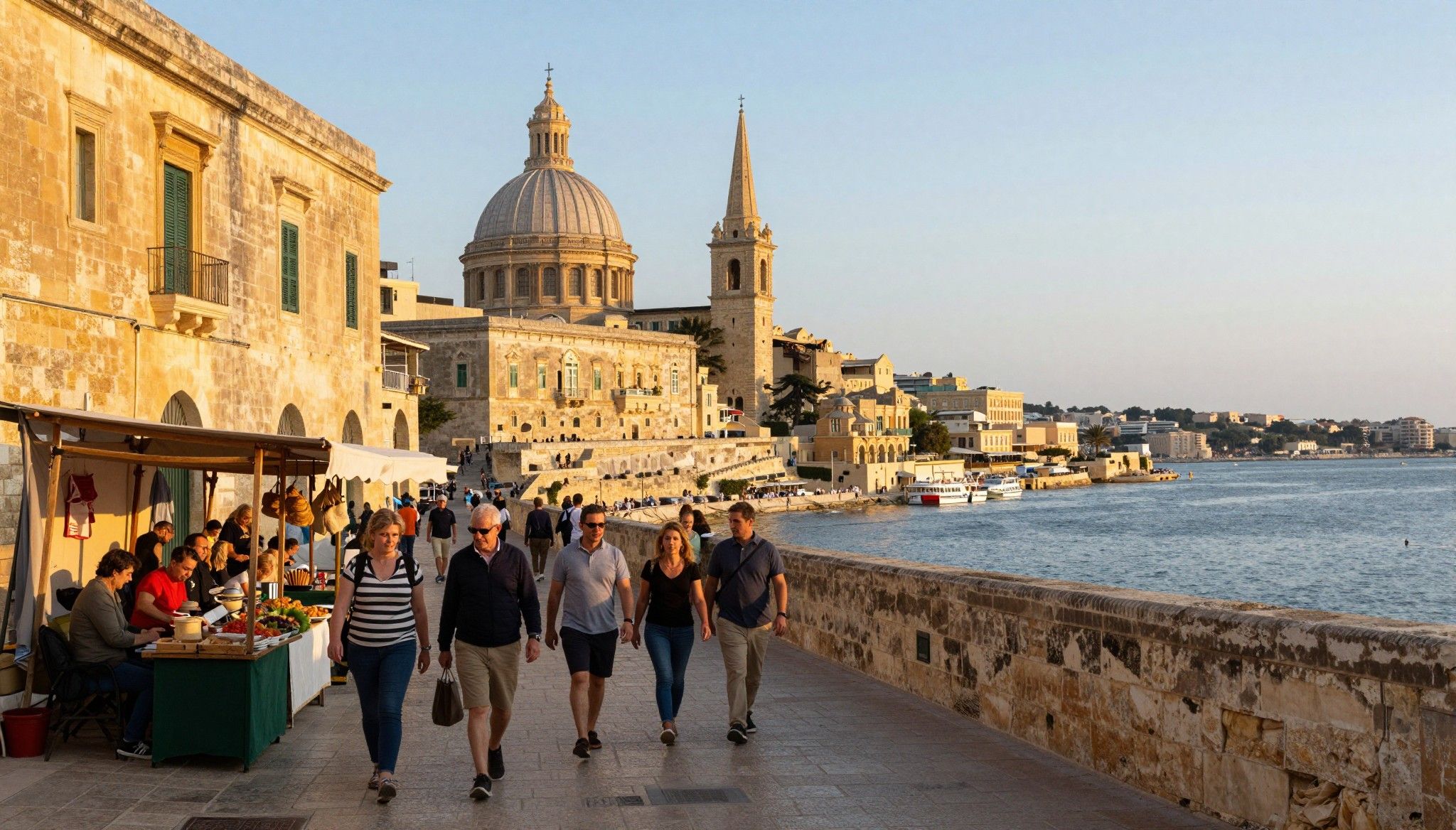
Choose carefully between Dubrovnik’s fortified intimacy, Split’s layered Roman streets around Diocletian’s Palace, and Istria’s hilltop villages where stone houses sit above truffle-rich woods. Each offers a different daily life: Dubrovnik is calendar-driven with a discreet international circuit, Split hums with cafés and port life, and Istria moves at agricultural season pace — markets on Saturdays, slow lunches in konobas. When viewing, walk beyond the main square: find the narrow street where a single bakery sets the tone for the block.
Food, festivals and the calendar of living
Croatia’s year is punctuated by harvests and festivals: Pula’s film season, Hvar’s summer evenings, Slavonian wine fairs in autumn. These rhythms change how neighbourhoods feel — serenity in winter, exuberance in summer — and they influence rental demand if you intend to let. For those buying to live, they offer immediate ways to belong: volunteering at a confraternity harvest, learning to buy directly from a fisherman, or reserving a table at a hidden konoba.
- Streets, tastes and small pleasures: actual places to know • Riva promenade, Split — morning espresso and people‑watching • Pazar (Green Market), Zagreb — the best olive oil vendors and seasonal produce • Zlatni Rat, Brač — shoreline for sun and windsurfing • Stari Grad, Hvar — narrow lanes and family-run konobas • Rovinj’s old harbour — cobbled streets and gallery openings
Making the move: practical considerations
A life in Croatia begins with practicalities: title registration, transfer tax and — for many internationals — the challenge of financing. The national portal and official guidance set out registration and tax timings, while banks apply modern lending rules that link ability-to-pay to local income, residency and debt‑service ratios. Before you bid, know the administrative steps and how they intersect with seasonal market rhythms so your offer arrives both well-timed and legally sound.
Property styles and how they shape financing
Financing a restored stone house differs from financing a new-build apartment. Resales are typically subject to the 3% real estate transfer tax when VAT does not apply; new developments may attract VAT instead. Banks look at energy class, title clarity and projected maintenance costs when assessing long-term affordability: a well-restored property with clear documentation and efficient heating will be easier to underwrite than an unloved waterfront cottage that needs major works.
Working with local experts who know the life as well as the law
- How local advisors translate lifestyle into finance 1. Engage a notary and Croatian lawyer early to verify title, zoning and any restrictions on foreign ownership. 2. Speak with banks about mortgage availability for non-residents; many lenders prefer residents or local income, so prepare alternative funding plans. 3. Ask an agent to show comparable seasonal rental returns if you intend to offset costs with short‑term lets. 4. Obtain a professional energy certificate and building survey to avoid surprises in repayments or renovation budgets.
Insider knowledge: what expats wish they'd known
Many buyers arrive believing a mortgage will be straightforward; experience shows otherwise. Non‑EU nationals face reciprocity rules and may struggle to find domestic lending unless they hold residency or local income. Several experienced expats recommend securing bridging finance or completing purchase with private funds, then refinancing locally once residency and proof of income are established. The extra planning time buys peace and usually a better rate.
Cultural integration and the small steps that matter
Learn a few phrases, attend a local sagra or market and let the neighbours see you buy local bread: such gestures accelerate acceptance. Registration—getting a local address, health insurance enrollment and utility accounts—also unlocks practical advantages when applying for services or loans. Expats who embraced the local calendar, from olive‑press season to patron‑saint festivities, reported quicker integration and a deeper sense of belonging.
Longer-term stewardship and financial resilience
- What seasoned buyers do differently • Build a 10-year maintenance reserve for stone houses exposed to sea air. • Prioritise title clarity over aesthetic compromises—clear title reduces refinancing friction. • Balance central‑town convenience with quieter suburbs for long-term quality of life. • Consider local property managers who double as custodians when you are away.
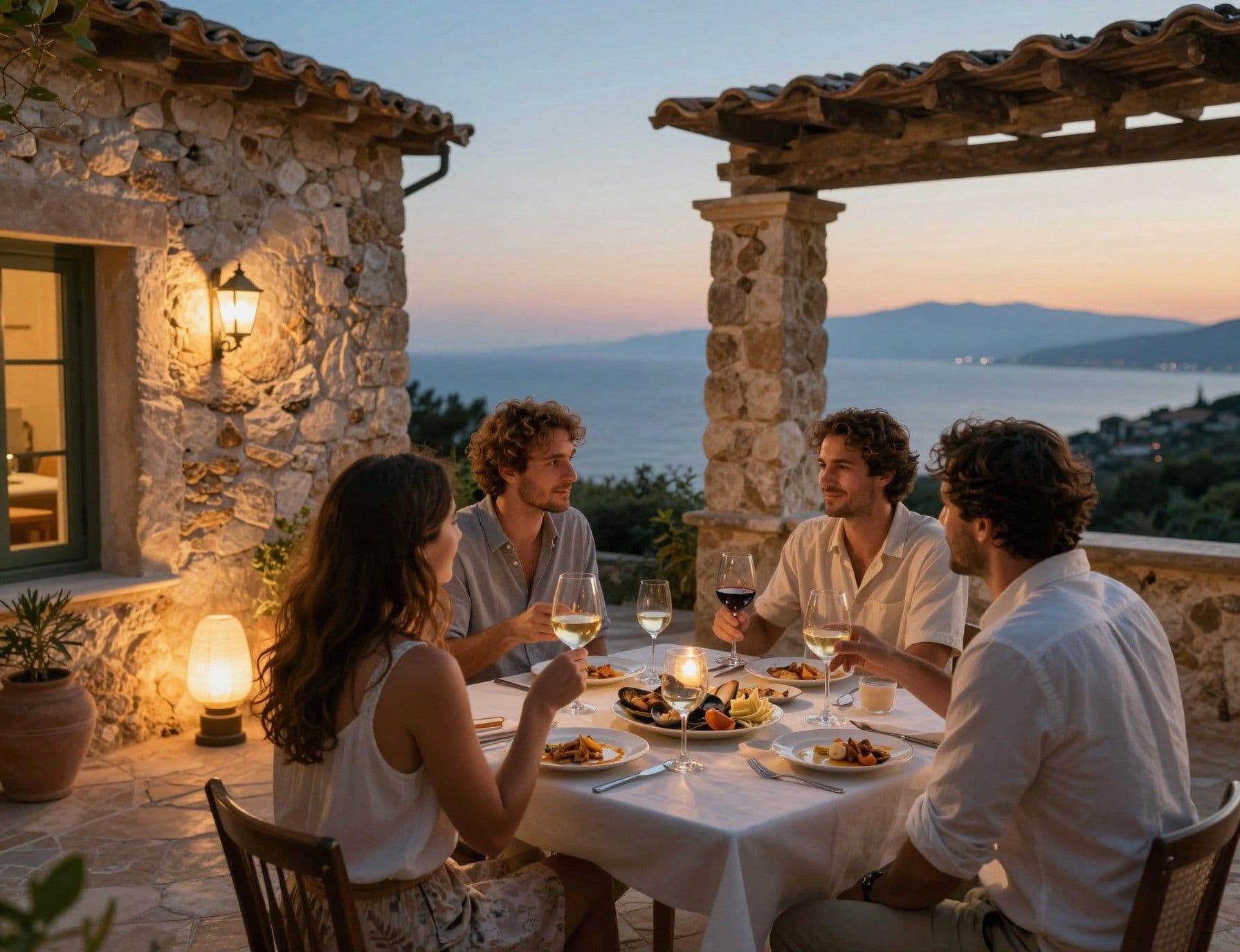
Conclusion: the life and the ledger sit side by side. Croatia offers a textured, season‑rich existence — mornings at a market, afternoons on a pebble beach, evenings in a stone courtyard. Bring that life into alignment with tailored financing: verify title, account for transfer tax or VAT depending on the property, prepare contingency funds for restoration and, where necessary, accept staged financing (private bridge then local refinance). When done with deliberate care, the result is not merely a property purchase but a seamless relocation into a place with provenance and presence.
Relocating from London to Mallorca in 2014, I guide UK buyers through cross-border investment and tax considerations. I specialise in provenance, design integrity, and long-term value.