Malta: How Lifestyle Choices Reveal True Living Costs
Malta’s charm is compact — lifestyle choices drive where costs appear. Match neighbourhood rhythms with RPPI data, local market prices and residency thresholds for confident buying.
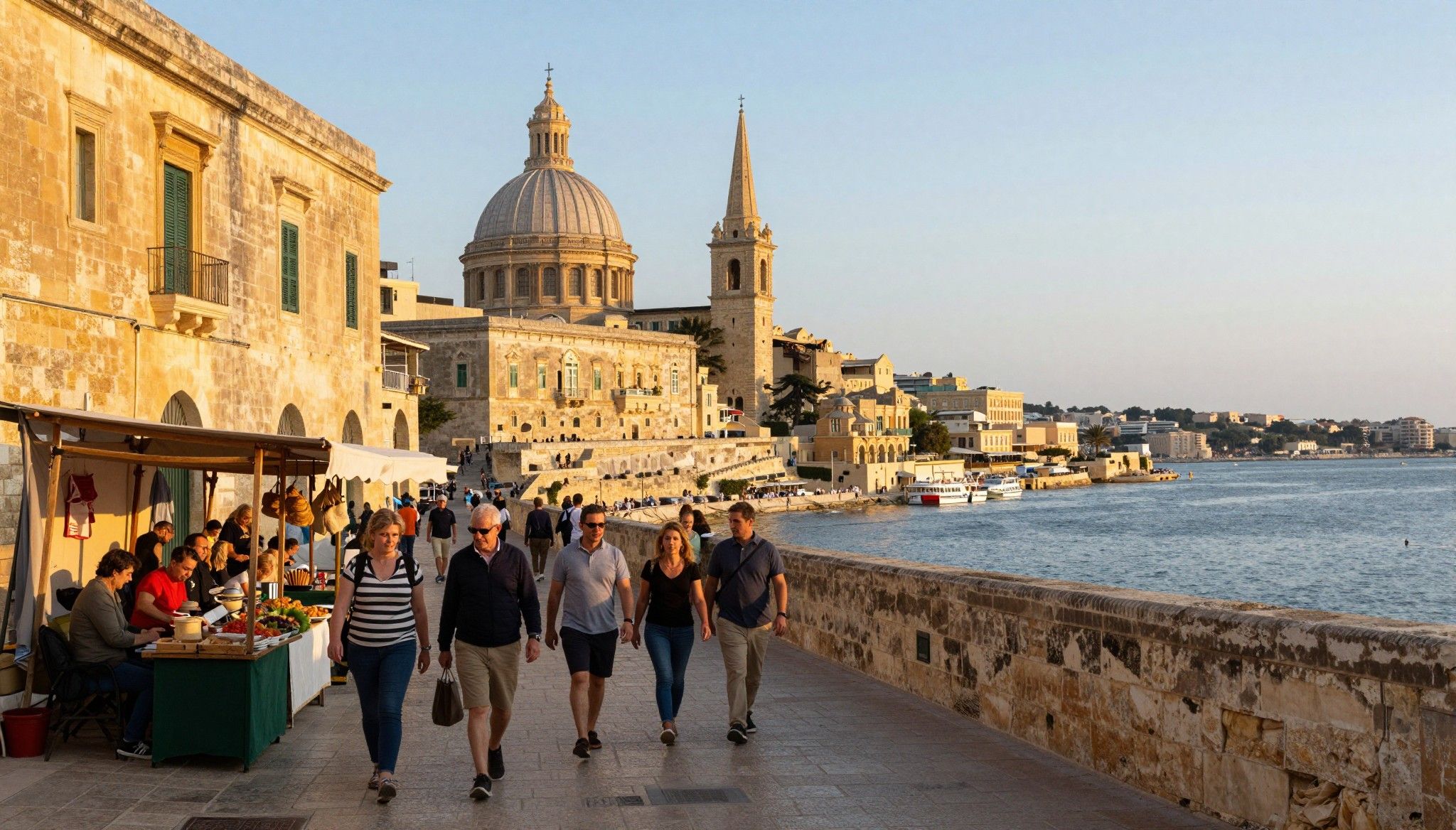
Imagine an early morning promenade in Sliema: espresso steam rising beside limestone façades, fishermen mending nets in Marsaxlokk, children racing down the promenade in Valletta’s soft light. Malta is compact enough that these scenes sit within half an hour of one another, and that proximity frames both the island’s charm and its cost profile. The question for many international buyers is not whether Malta is lovely — it is — but what that compactness means for budgets, daily life and long‑term stewardship. This piece pairs lived experience with up‑to‑date data so you can see the life first and the costs second.
Living the Malta life
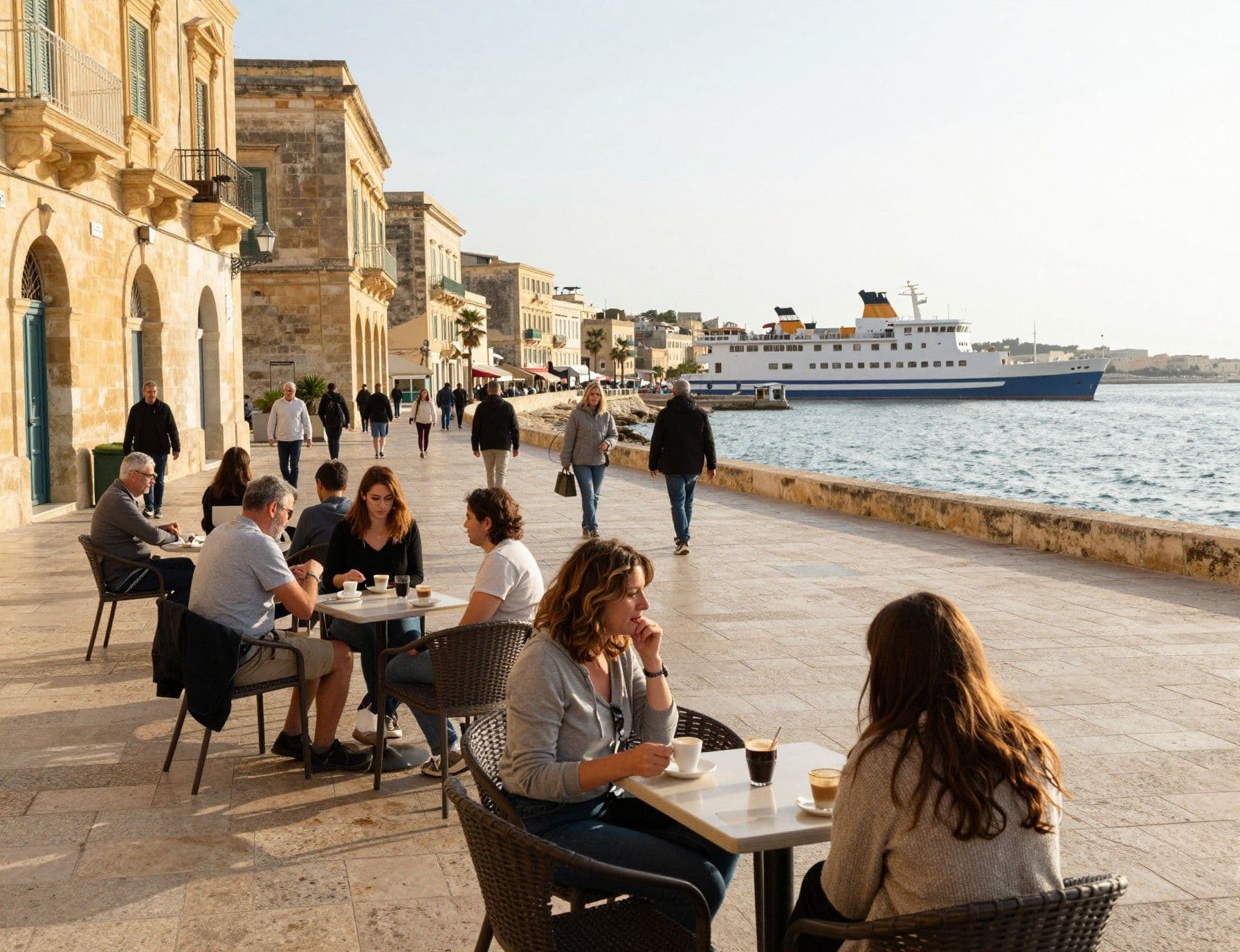
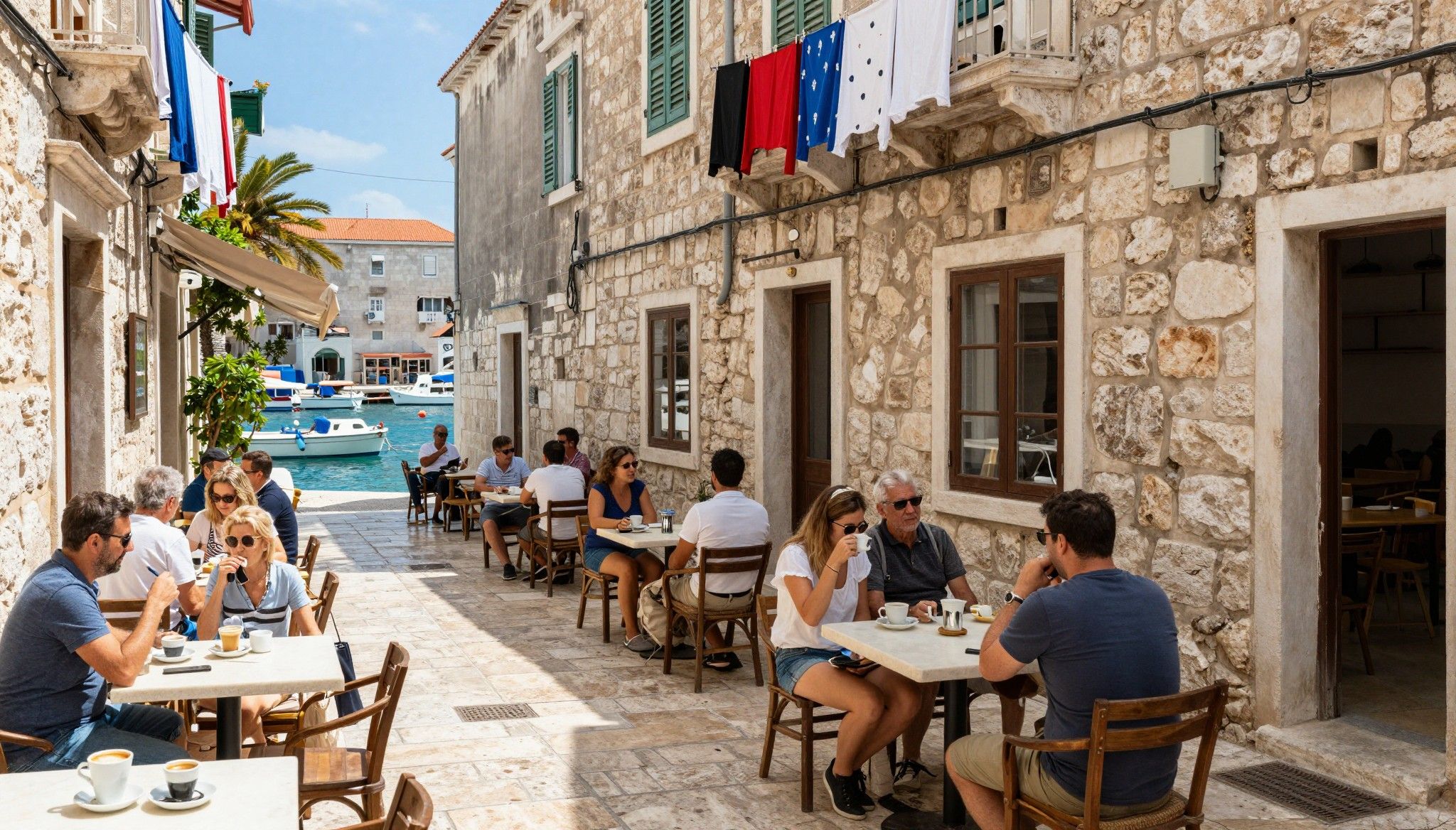
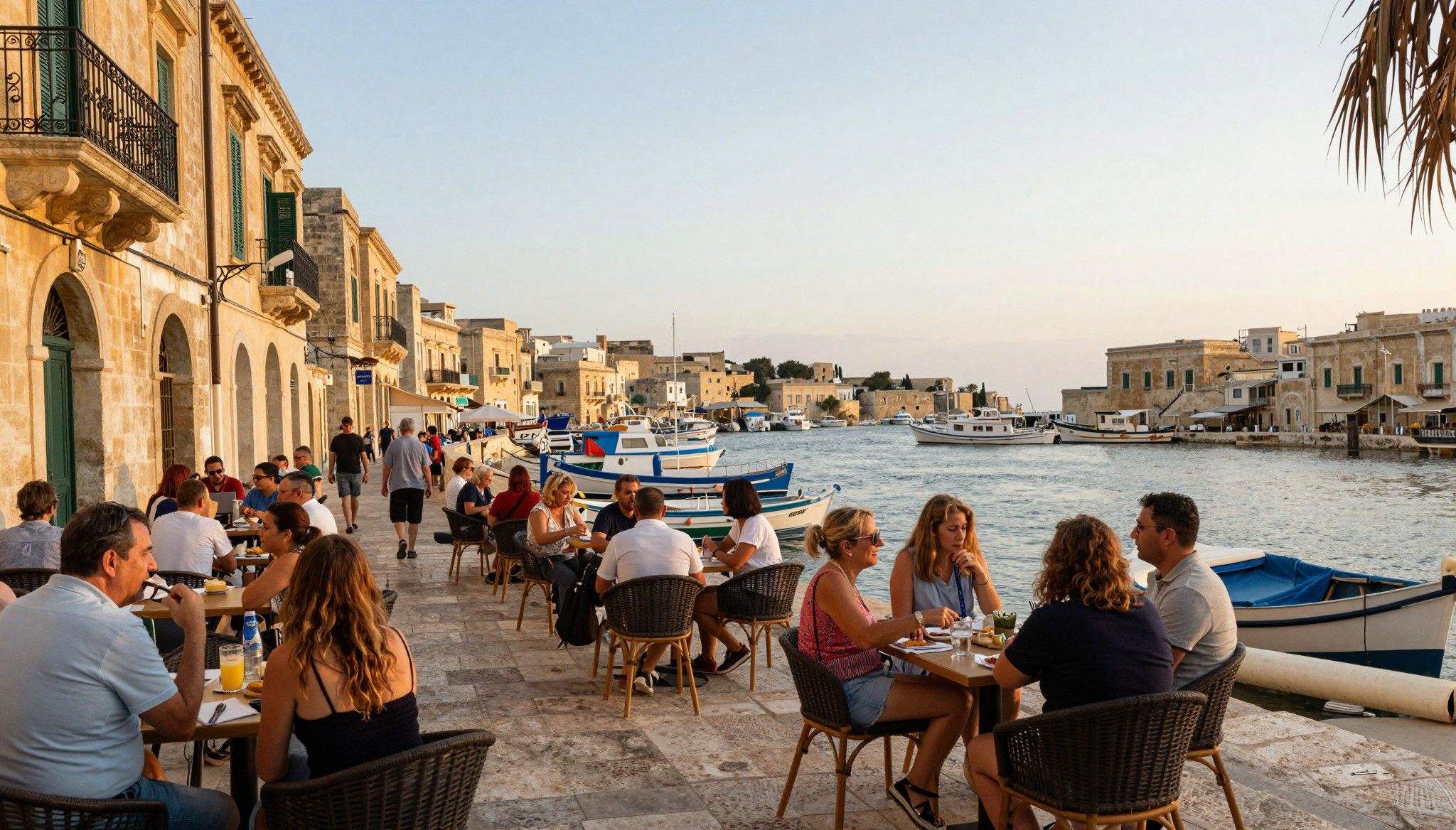
Malta moves at Mediterranean pace: markets at dawn, cafés full by mid‑morning, and a late, social evening rhythm that centres around shared tables. English is an official language; streets alternate between Baroque grandeur in Valletta and restrained Victorian terraces in Sliema. For buyers this means you do not buy a lifestyle abstractly — you buy into a district rhythm. Where you choose to be affects daily convenience, community composition and, crucially, recurring costs such as utilities, maintenance and local service availability.
Neighborhood spotlight: Valletta, Sliema, St Julian’s and Marsaxlokk
Valletta’s narrow streets and palazzini offer immediate access to museums, fine dining and ceremonial life; Sliema presents a seafront routine with premium cafés and ferry links; St Julian’s concentrates nightlife and leisure; Marsaxlokk remains the island’s fishing heart with weekly market rituals. Each area trades a different kind of value: Valletta for provenance and views, Sliema for everyday seafront living, St Julian’s for social energy, and Marsaxlokk for pastoral authenticity. Property smallness and high demand mean that a modest advantages in location often translate into material price differences.
Food, markets and the uncommon routines that shape budgets
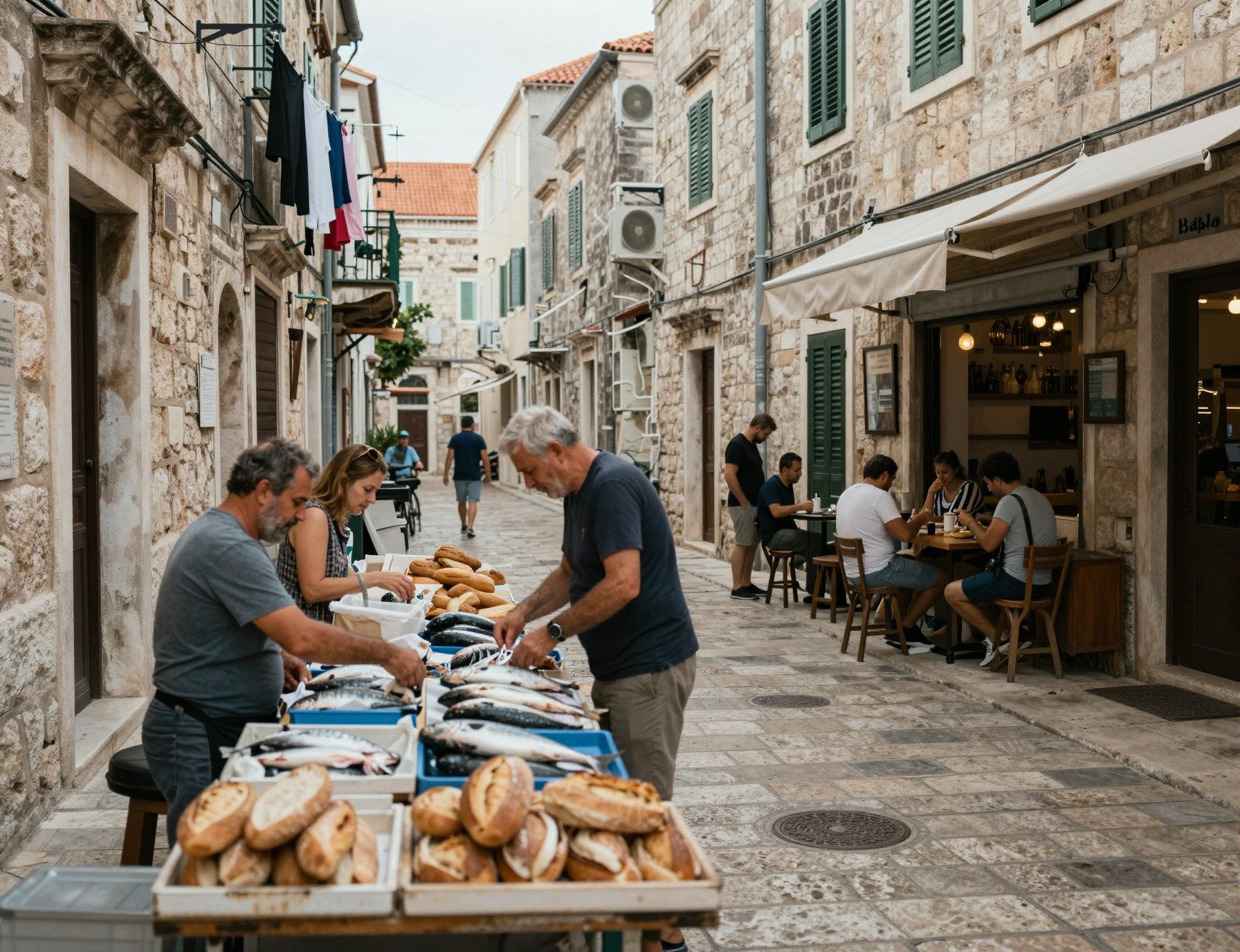
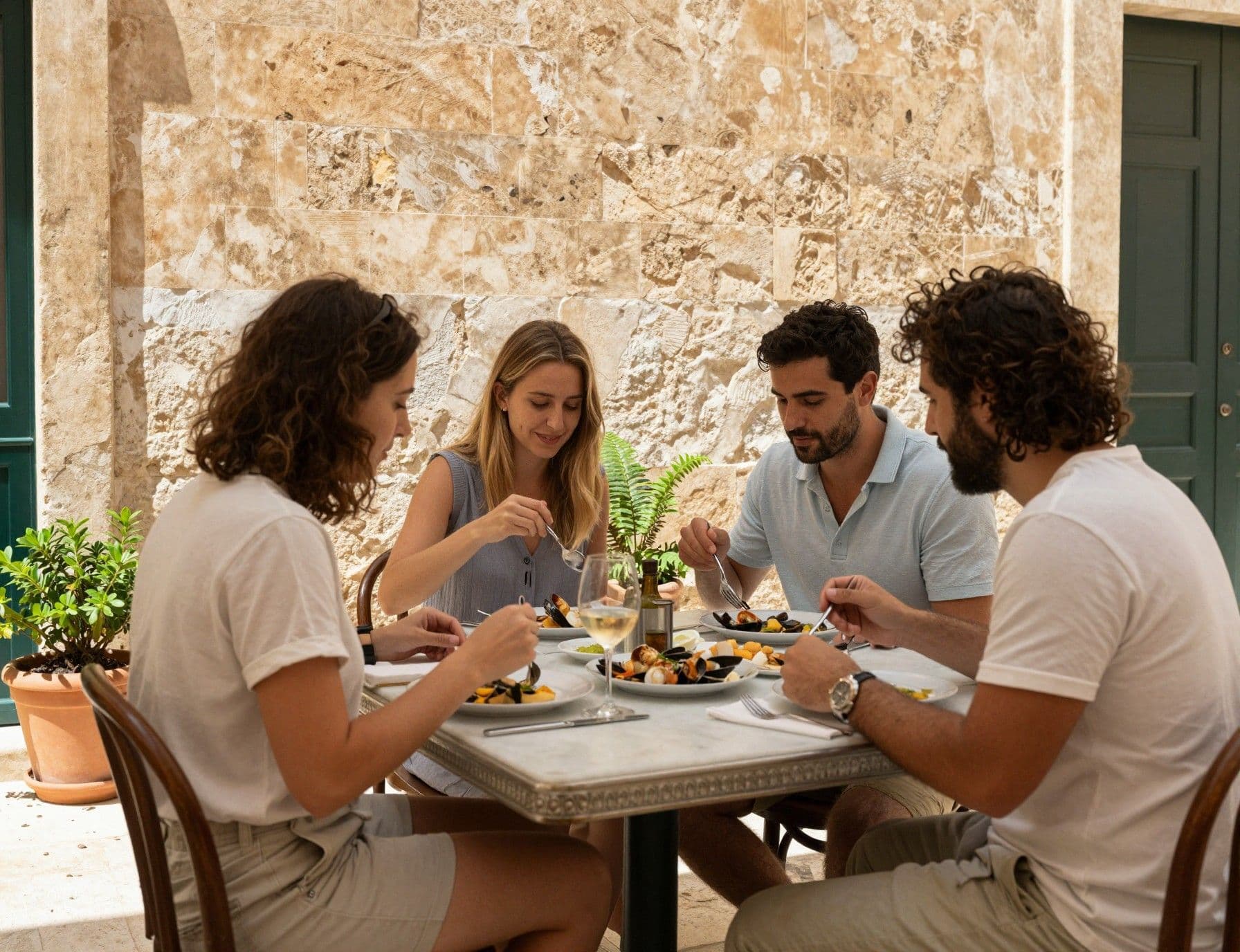
Buying seasonally at the Marsaxlokk fish market or the Valletta craft stalls changes weekly food budgets more than any single headline price. Eating out ranges from affordable pastizzi stands to refined restaurants clustered in restored palazzos; your dining pattern therefore becomes a decisive cost lever. In practice, households that blend market shopping with home cooking find the island both indulgent and manageable. That blend also influences the kind of kitchen and storage you should prioritise when viewing properties.
- Lifestyle highlights to consider before you buy
- Morning promenade on Sliema seafront and ferry commute to Valletta
- Sunday fish market at Marsaxlokk and neighbourhood produce stalls
- Late dinners and small‑plate culture in St Julian’s and Spinola Bay
- Quiet, restored palazzos in Valletta with private courtyards
Making the move: practical considerations
The lived pleasures of Malta sit alongside a market that has seen steady price appreciation in recent years. Official RPPI series and Central Bank summaries point to mid‑single digit annual rises across 2024–2025, together with a tightening of supply in sought‑after districts. For buyers this yields two immediate imperatives: align lifestyle priorities with realistic budgets, and allow for maintenance and restoration costs that older buildings typically require.
Property styles and how they shape monthly costs
A restored Valletta palazzo will demand higher initial outlay and regular fabric maintenance, but offers durable heritage value and cooler interiors in summer. Modern apartments in Sliema or St Julian’s carry service charges, lift maintenance and potentially higher utility consumption. In Gozo, detached houses offer space at lower sticker price but add transport and higher running costs. Factor in homeowner association fees, periodic façade restoration, and the island’s reliance on imported fuels when modelling annual running costs.
Working with local experts who know the life you want
A local agent who lives the rhythm of Malta will recommend neighbourhoods that match your daily patterns — market access, school runs, or quiet evening walks — and will also advise on hidden charges such as restoration levies and UCA (Urban Conservation Area) permissions. Solicitors versed in Maltese conveyancing and architects experienced in limestone restoration will protect both value and the lifestyle you seek. Treat agency expertise as a lens that converts atmosphere into actionable purchase choices.
- Steps to reconcile lifestyle wishes with realistic costs
- List lifestyle priorities (e.g., morning cafés, school proximity, sea access) and rank them by non‑negotiable versus desirable.
- Obtain recent RPPI or advertised‑price samples for your chosen districts and translate median asking prices into monthly carrying estimates.
- Engage a local surveyor and solicitor early; add conservative sums for restoration, service charges and higher utility months.
- If residency matters, align property thresholds with the Malta Permanent Residence Programme rules before making offers.
Insider knowledge: what expats wish they’d known
Expats regularly tell a similar story: the island rewards sensory living but surprises with its concentrated costs. Grocery, dining and local transport numbers on crowd‑sourced sites give good starting points, yet they understate the premium of living in the island’s compact hotspots. What newcomers call “small surprises” — a frequent façade repair, intermittent water pressure, or seasonal tourist premiums — accumulate. Knowing these micro‑costs changes how you budget and which property type you favour.
Cultural integration, language and routine
Social life in Malta is local and tactile: invitations to neighbourhood festas, morning café rituals and small tradespeople relationships all ease integration. English will ease transactions but learning fragments of Maltese opens doors and practical goodwill. For buyers, this human currency often turns into practical savings — trusted tradespeople, quicker municipal processes and clearer expectations about restoration timelines. Invest time in local routines and they will repay you in smoother ownership.
Long‑term lifestyle and stewardship considerations
Owning property in Malta can be both a lifestyle choice and a stewardship responsibility. Heritage buildings require periodic marble and limestone care; modern blocks demand attentive service‑charge governance. For those considering residency, property thresholds and contribution rules are consequential and change over time. Plan for generational upkeep and choose agents who can source skilled artisans and long‑term property managers.
- Red flags and small‑print items to watch
- Unclear service‑charge accounting in newer developments
- Pending UCA or conservation restrictions on façades and internal alterations
- Inadequate survey reports on damp or hidden structural works in older stone properties
- Assuming advertised price equals transaction price — insist on comparable sold data
Conclusion: how to fall in love and proceed with confidence
Picture the life — morning markets, limestone courtyards, and harbour light — then translate that picture into concrete figures. Use official RPPI and Central Bank summaries to set price expectations, supplement with crowd‑sourced living‑cost indexes to map monthly outgoings, and engage local agents, surveyors and restorers early. When you pair a clear lifestyle brief with disciplined due diligence, Malta rewards both the heart and the ledger.
Norwegian with years in Florence guiding clients across borders. I bridge Oslo and Tuscany, focusing on legal navigation, cultural context, and enduring craftsmanship.