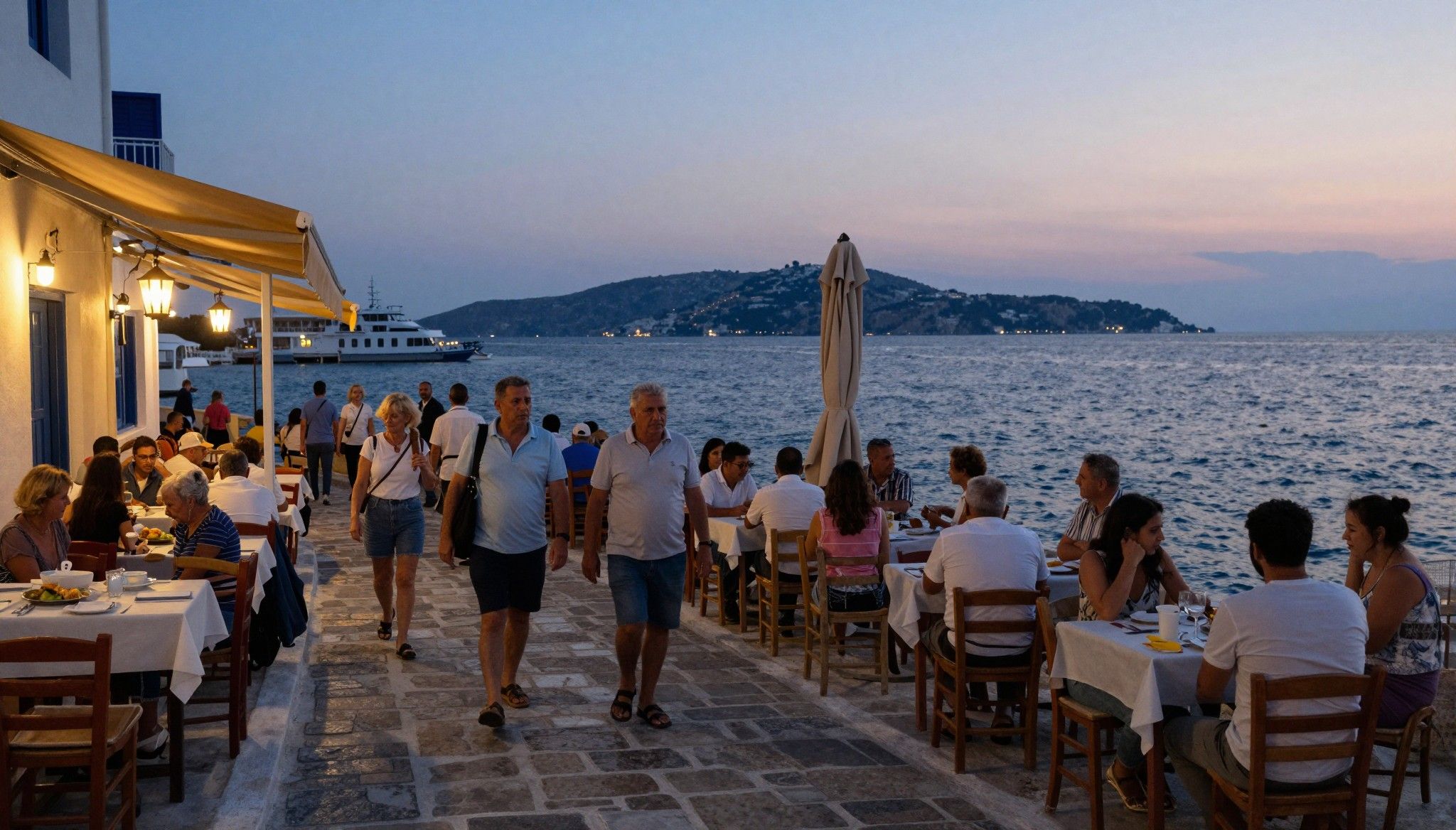
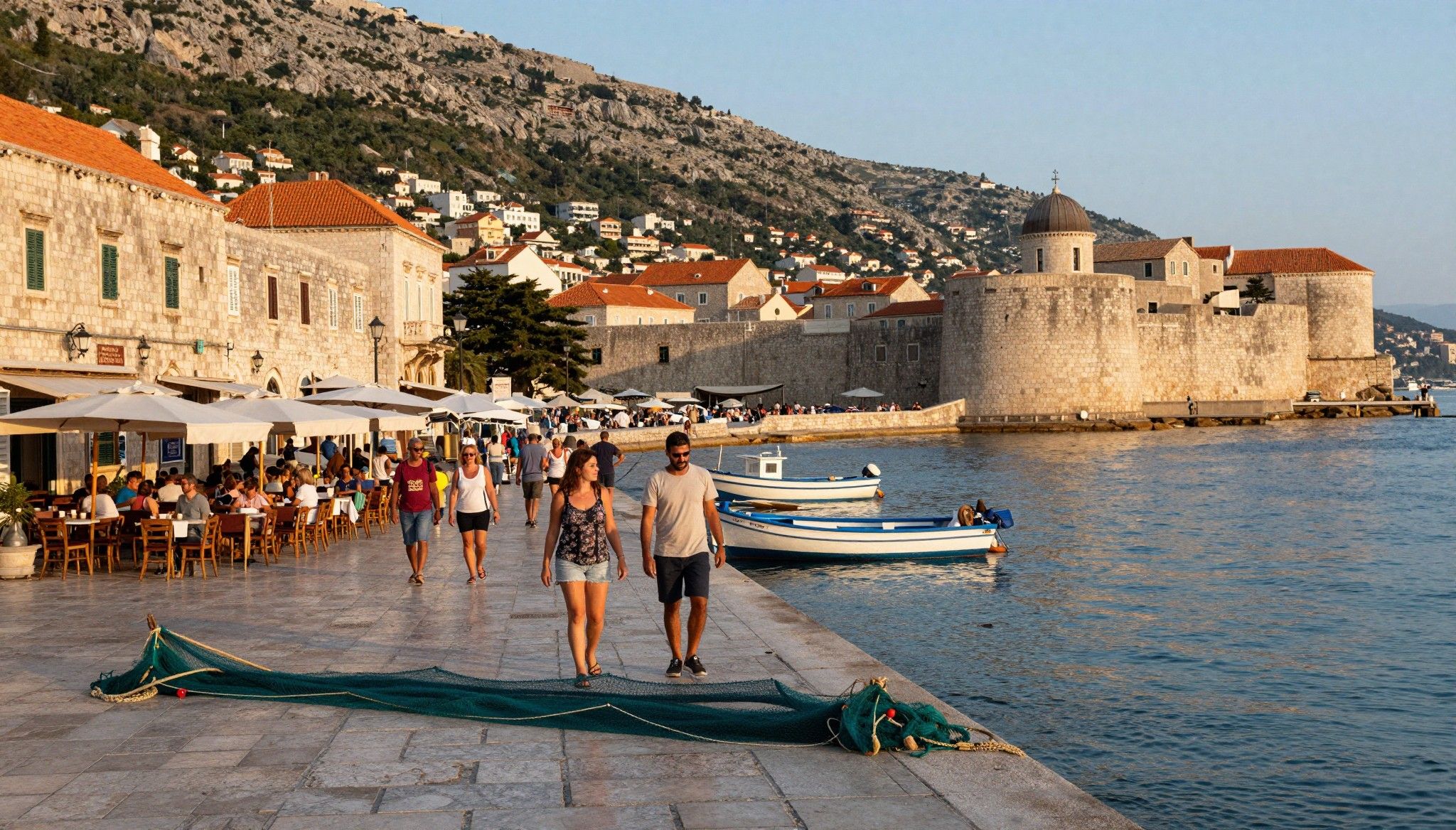
Croatia: How Transfer Tax, VAT and Neighbourhood Shape the Buy
Pair Croatia's coastal, market‑led lifestyle with precise tax choices: 3% transfer tax vs VAT, municipal levies and residency effects shape cost and long‑term value.
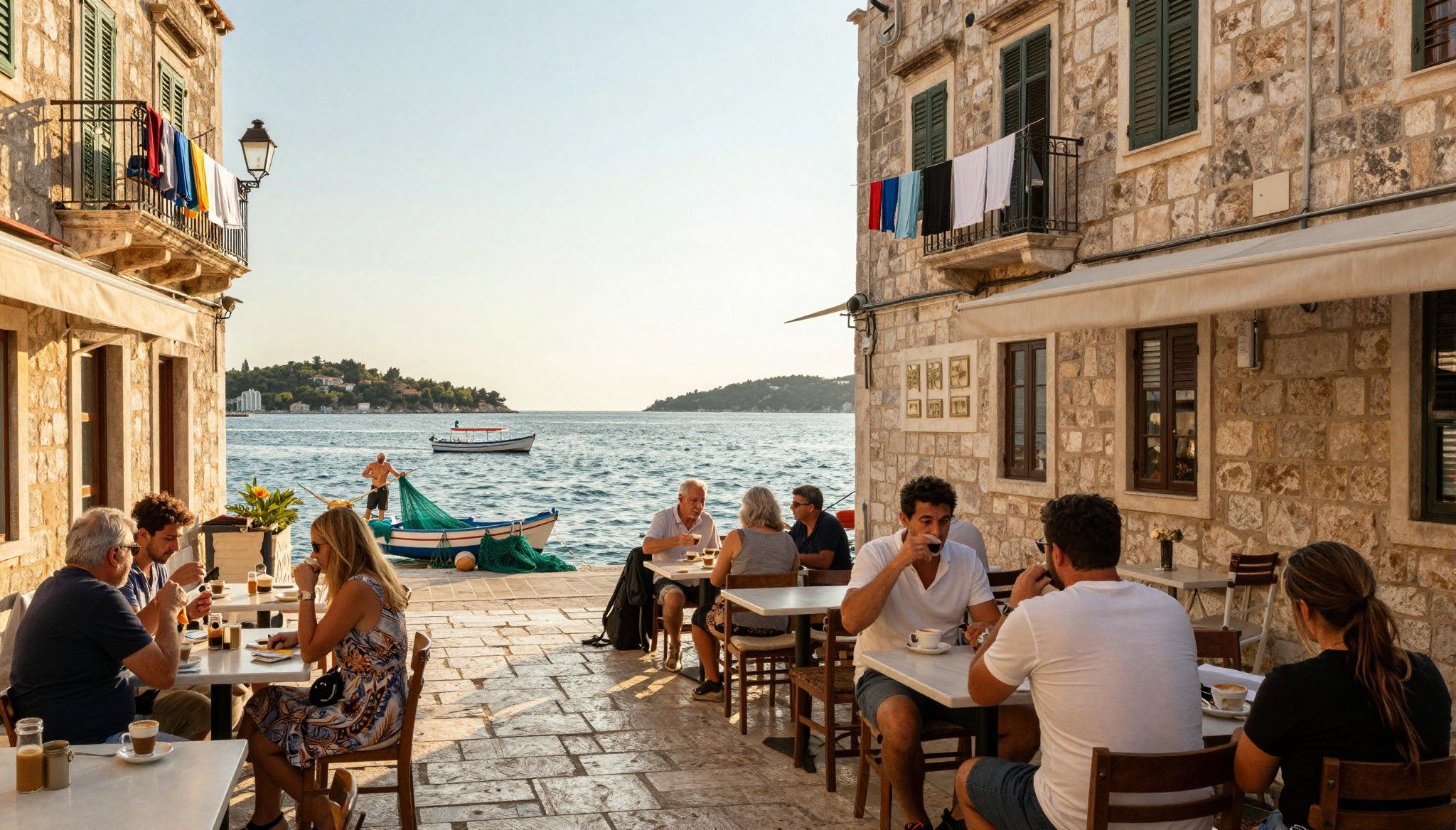
Imagine an early morning in Rovinj: fishermen hauling nets, espresso crema steaming at Caffè Bar Navigator on Trg, limestone facades glowing in soft light. That unhurried rhythm — markets, seafront walks, late dinners of grilled branzino — is what draws buyers to Croatia. Yet beneath the romance lies a quiet arithmetic: transfer taxes, VAT choices, local property levies and residency knots that shape whether a coastal maisonette is a joyful home or an expensive lesson. This guide pairs the sensory life of Croatian neighbourhoods with precise tax insights so you can buy with conviction and keep the life you moved for.
Living the Croatia Lifestyle
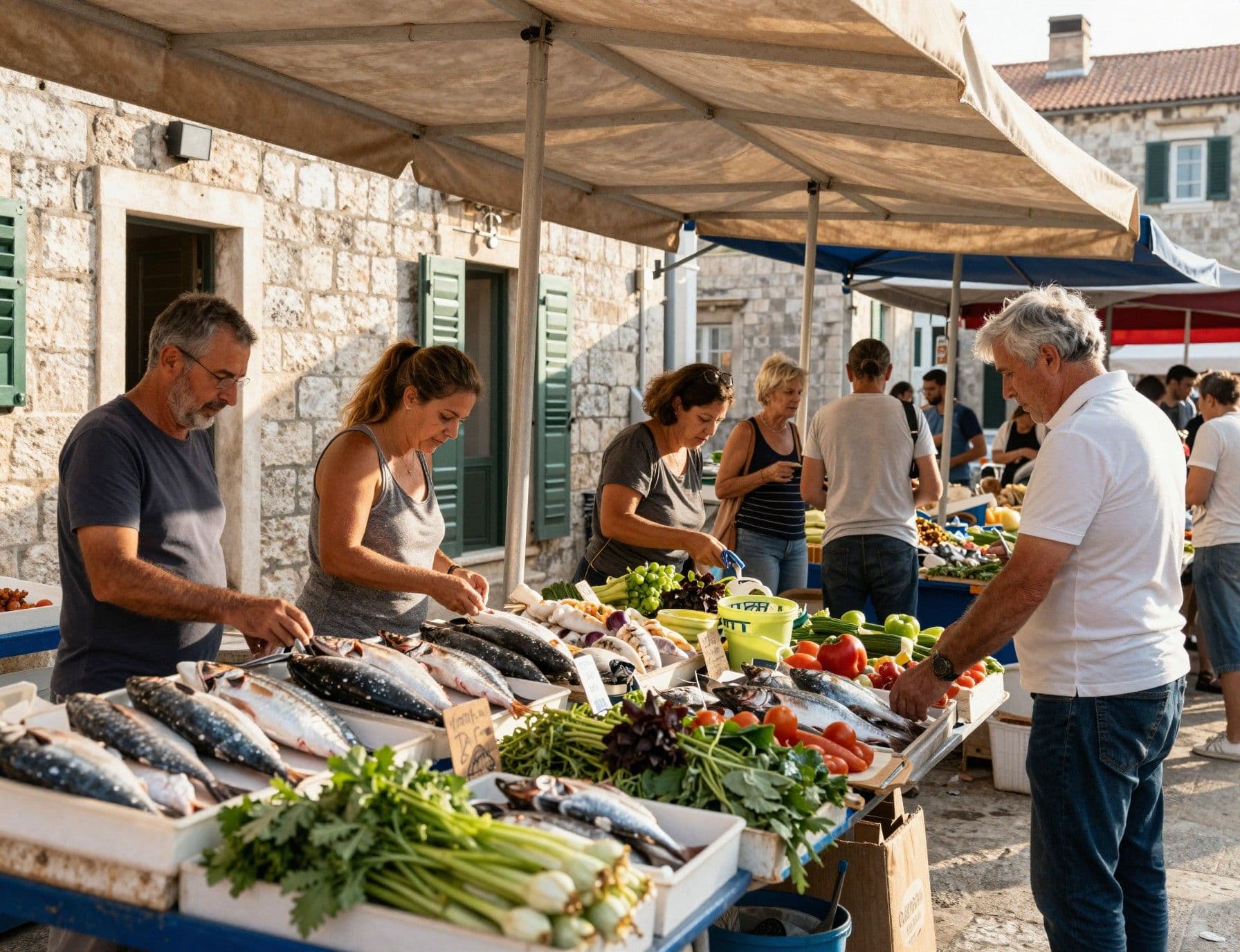
Croatia's tempo is coastal mornings and inland afternoons: dalmatian towns where stone alleys lead to shaded konobas; Zagreb neighbourhoods where bakeries scent the air; Istrian hilltops threaded with truffle-foraging routes. Life here privileges provenance — an olive press with a family name, a baker known by generations. For a buyer this means properties are not only investments but entries into established community rhythms that reward long-term stewardship.
Seaside charms: Split, Dubrovnik and the islands
Walk the Riva in Split at dusk and you feel the city moving between history and leisure — mariners, architects restoring stone houses, and chefs sourcing fish from the same harbour. On Hvar and Korčula, terraces face the Adriatic and summer markets pulse; Dubrovnik's Old Town is theatrical, its price-for-space premium matched by unmatched cultural capital. Expect higher transaction competition in these markets and correspondingly sharper attention from tax authorities to declared values.
Inland and Istria: quiet provenance and gastronomic life
Istria’s hill towns — Motovun, Grožnjan — offer restored stone houses, gourmet producers and a slower calendar. Inland regions provide larger plots for gardens or olive groves and are where buyers find relative value. These quieter places often come with different municipal property taxes and lower seasonal maintenance costs, a factor to weigh if you prefer a year-round life rather than a holiday rental orientation.
Making the Move: Practical Considerations
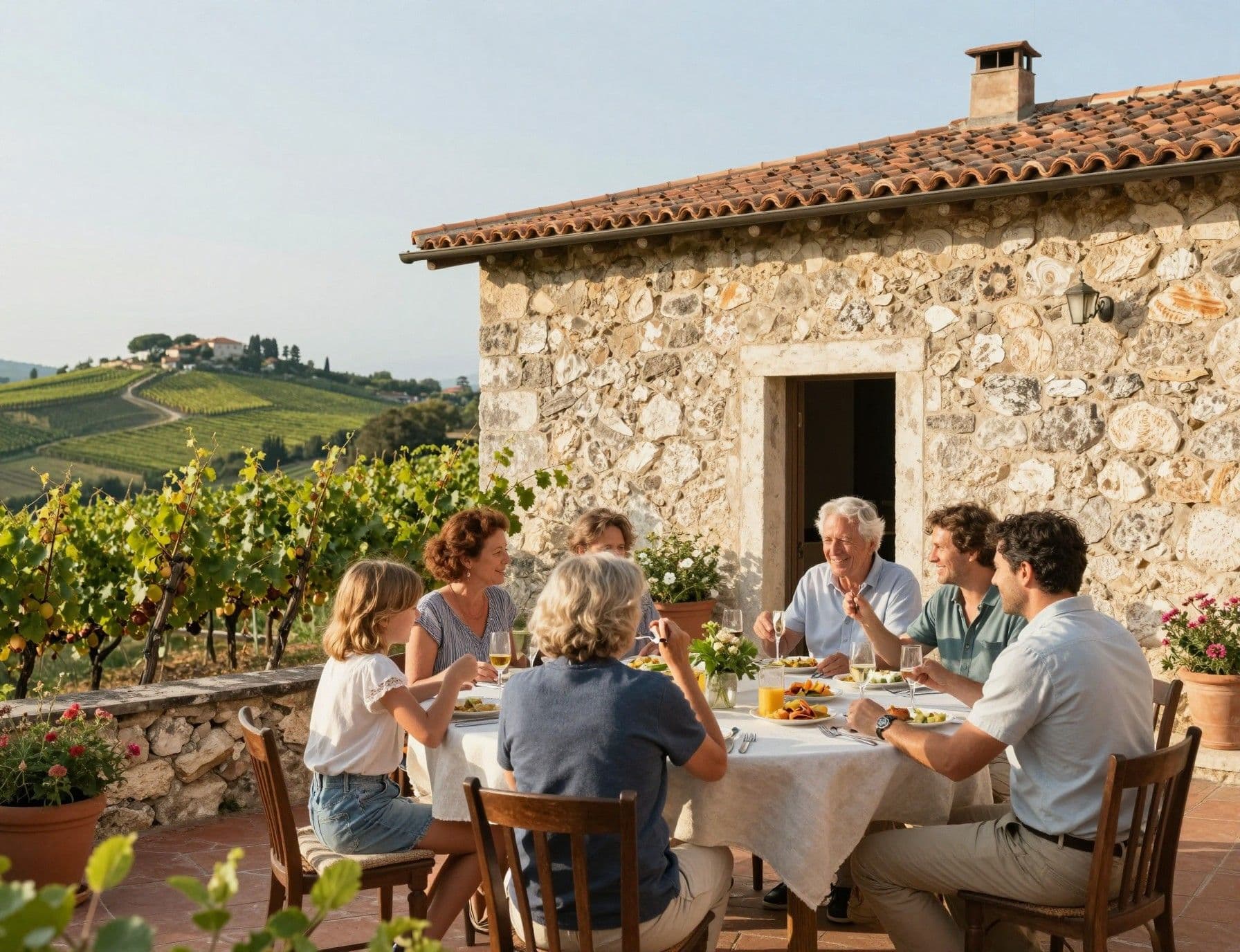
Romance aside, Croatian tax rules draw clear lines: resale purchases ordinarily attract a real estate transfer tax (3%), while new builds sold by VAT-registered developers are typically VAT transactions, not both. Closing costs therefore hinge on product type — historic stone house or contemporary development — and those choices should shape negotiation strategy from day one.
Property types and the tax pivot
If you buy a resale apartment, plan for a 3% transfer tax on declared market value; when the purchase is a new-build from a VAT-registered seller, VAT (often 25% though reduced rates can apply in special cases) replaces the transfer tax. That choice affects not only upfront cost but rental potential and resale pricing — a VAT-structured new build often offers modern efficiencies but also higher initial tax.
Working with local experts who steward both life and law
A discerning agency in Croatia becomes both cultural translator and technical advisor: sourcing neighborhoods known to locals (Ulica kralja Tomislava in Split for quiet proximity to the marjan park; the Lapad peninsula in Dubrovnik for family life), vetting whether a listing is VAT-registered, and liaising with notaries who execute deeds into the land register. Your team should include a Croatian-qualified lawyer, an accountant familiar with cross-border tax, and an agent who respects provenance.
Insider Knowledge: Taxes That Surprise Newcomers
Expats often assume purchase taxes are the only fiscal consideration. In practice, capital gains rules, municipal property levies and possible double taxation treaties can materially change lifetime costs. Croatia has updated measurements for average prices used in some subsidies and local tax bases; understanding these mechanics before you sign is essential to avoid unwelcome surprises later.
Common tax myths — corrected
Myth 1: “Foreign buyers cannot buy in Croatia.” In truth, EU citizens generally buy freely; non-EU nationals may need ministerial approval unless reciprocity or company structures apply. Myth 2: “Only transfer tax matters.” Municipal annual property taxes and capital gains on sales within statutory windows also matter. Myth 3: “Declared price is fixed.” Authorities may review declared market values; professional valuations and comparable sales documentation protect buyers during registration.
Lifestyle-aware tax checklist
Confirm whether the seller is VAT-registered (new-builds) or the sale is subject to a 3% transfer tax.
Check local council property tax rates — they vary and affect annual holding costs, particularly for larger land plots.
Request a recent market valuation and comparable sales to withstand tax authority scrutiny of declared price.
If you plan to rent, assess VAT and income tax on rental receipts and whether short‑term letting changes tax treatment.
Early residency planning: whether you will be tax-resident in Croatia affects worldwide income taxation and must shape timing of purchases and sales.
Step-by-step: from first view to registered deed
Arrange local representation: an agent, a Croatian lawyer and an accountant to discuss VAT vs transfer tax implications before a bid.
Obtain an OIB (Croatian tax ID) and, where needed, ensure ministerial approvals for non‑EU nationals are in progress before contract signing.
Commission a formal market valuation and agree the contract terms that allocate responsibility for taxes and notary/registry fees.
Complete notarial deed and submit for land register entry; expect municipal property tax notices to follow the registered ownership.
What Expats Wish They’d Known
Long-term residents speak of small practicalities that matter: the right north-facing kitchen window to catch summer breezes, hedged courtyards that block bura wind, and choosing neighbourhoods where a baker and a doctor become part of daily life. From a tax perspective, those choices affect maintenance costs, eligibility for reno incentives and community goodwill — all of which preserve value beyond spreadsheets.
How seasons change both life and costs
Summer tourism uplifts short-term yields but raises utility and maintenance demands; winter occupancy reduces income and can change municipal service classifications. Smart buyers model both seasonal cashflow and the tax consequences of using a property as a primary residence versus a holiday let.
Preserving provenance: renovation, heritage and incentives
Restoring a stone farmhouse can unlock cultural-hertiage goodwill and sometimes municipal incentives, but it also attracts additional permitting and can alter tax depreciation profiles. Work with conservation-aware architects and ensure VAT or grant rules are understood before committing.
Conclusion: Live first, plan taxes second — but plan them thoroughly. Croatia offers a life shaped by sea, stone and seasonal conviviality; to secure that life you should align neighbourhood choice, property type and tax strategy with the lifestyle you intend to lead. Engage a local lawyer and tax advisor early, obtain reliable valuations, and let an experienced agency introduce you to streets where life — not just views — endures.
Relocating from London to Mallorca in 2014, I guide UK buyers through cross-border investment and tax considerations. I specialise in provenance, design integrity, and long-term value.