Why Greece’s ‘Too Expensive’ Label Misses Value
Greece offers textured neighbourhood life and selective investment opportunity; match seasonality and micro‑market data to lifestyle priorities for durable value.
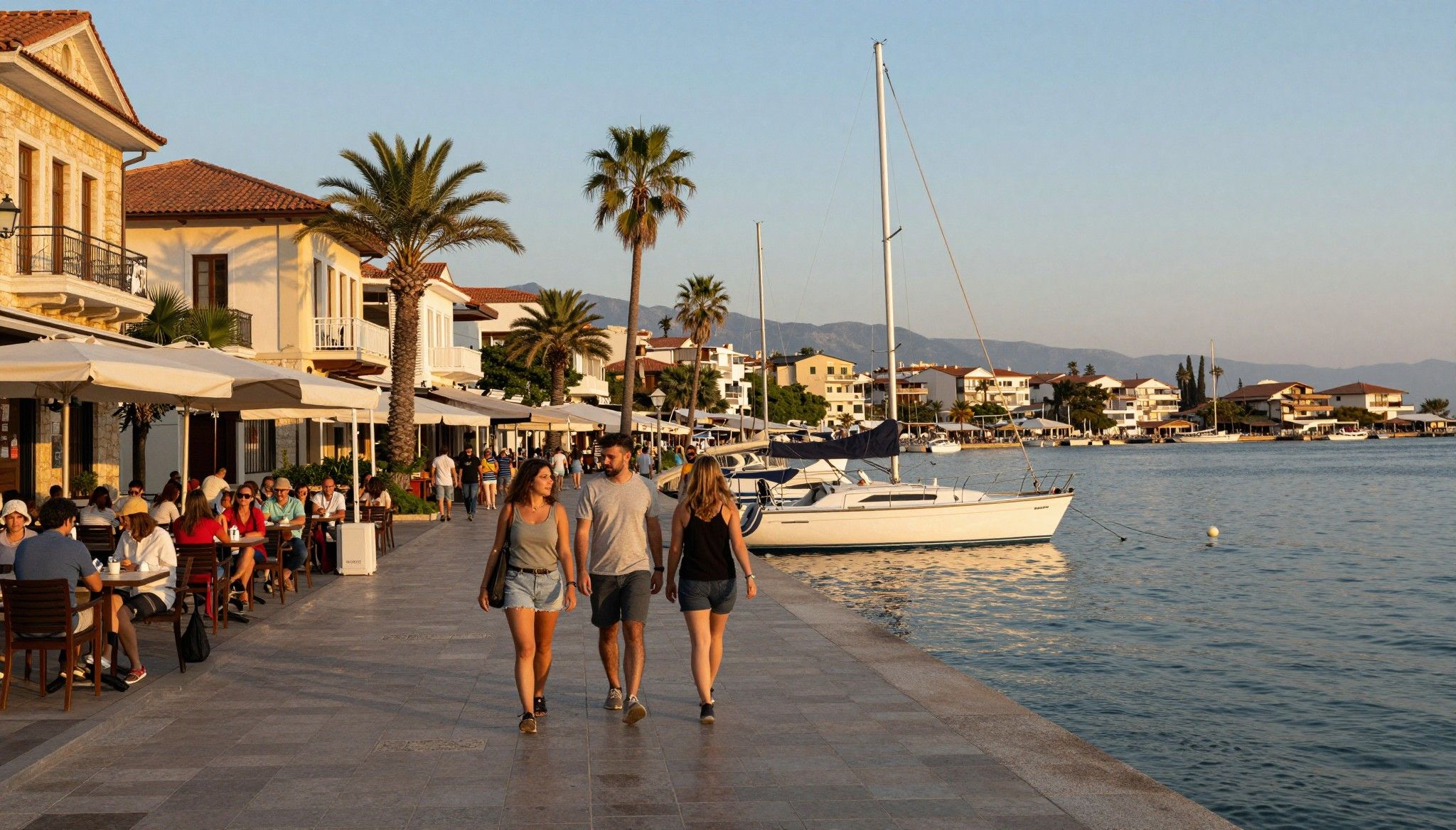
Imagine arriving at a sun-warmed kafeneio in Koukaki, the scent of fresh bread from the baker on Drakou Street, and a neighbor returning from the market with figs and sardines. This is the rhythm many imagine when they think of Greece — slow-light afternoons, a small-town intimacy within a capital city, and islands where architecture meets sea. Yet beneath this familiar tableau are market dynamics that complicate the dream: pockets of rapid price growth, island micro-markets driven by short-term rental demand, and policy shifts that reshape investor calculus. Here we marry that lived day-in-Greece feeling with research-backed market insight so you can see where genuine opportunity remains, and what is only surface glamour.
Living the Greece lifestyle
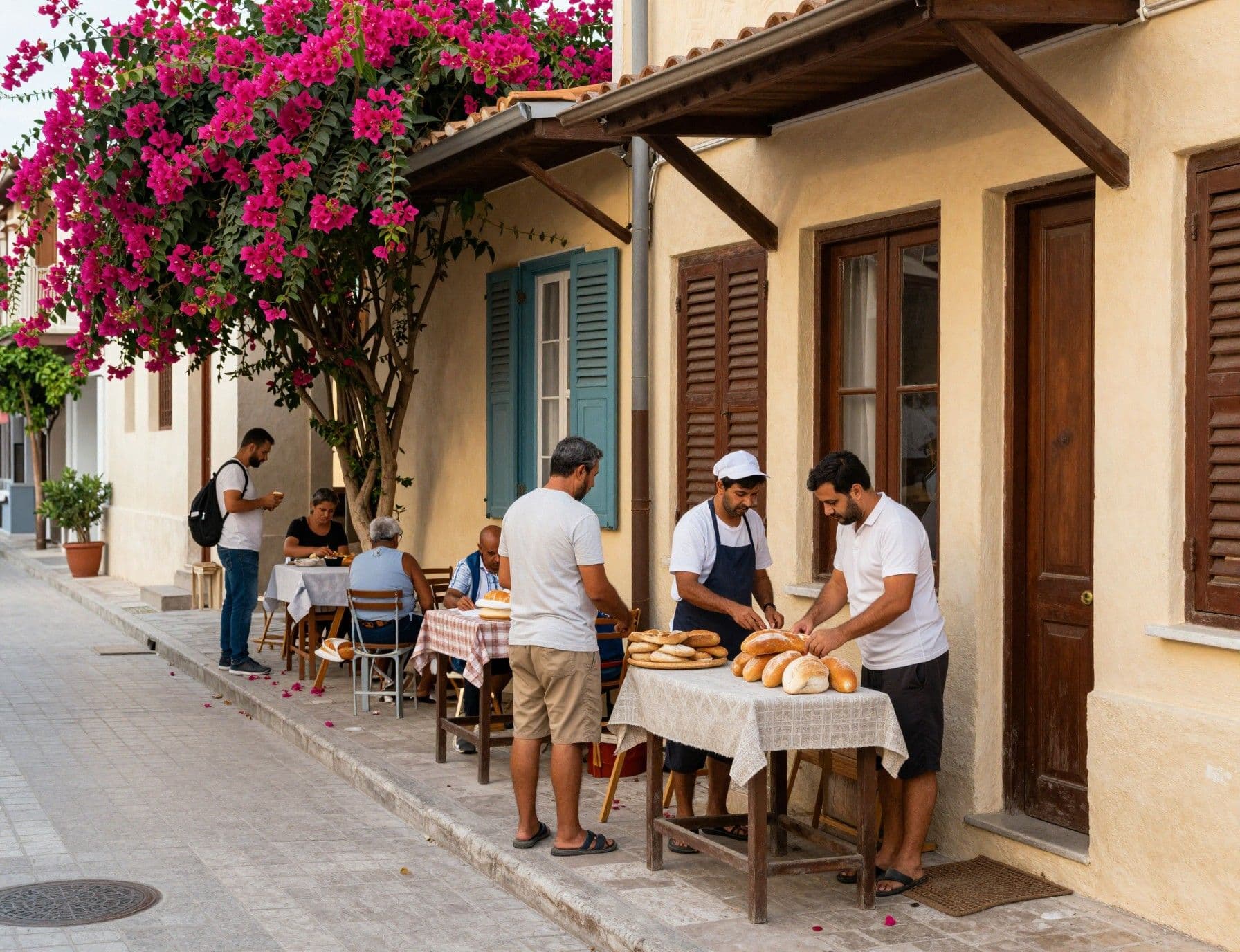
Greece is a study in layers: an early morning commute in Athens that ends at a seaside café in Vouliagmeni; a Cycladic alleyway where a century-old limestone doorway frames a contemporary gallery. The daily life blends ritual and improvisation — espresso sipped standing at a counter, markets arranging the week’s rhythm, communal dinners that extend into night. For buyers, those rituals suggest neighbourhoods with authentic life rather than mere viewlines. The appeal is tactile — olive trees, stone thresholds, and narrow streets that invite walking rather than driving — and this shapes both the types of properties that retain value and the services you will want from an agent.
Athens is not one market but many. Kolonaki and Kifisia trade on refinement; Koukaki, Pangrati and Mets promise lived-in urbanity with independent cafés and artisans. The Riviera towns — Glyfada, Voula, Vouliagmeni — combine seaside leisure with well-established local services. Understanding which pocket matches the life you want is the single most effective way to avoid paying a premium for mere brand-name cachet.
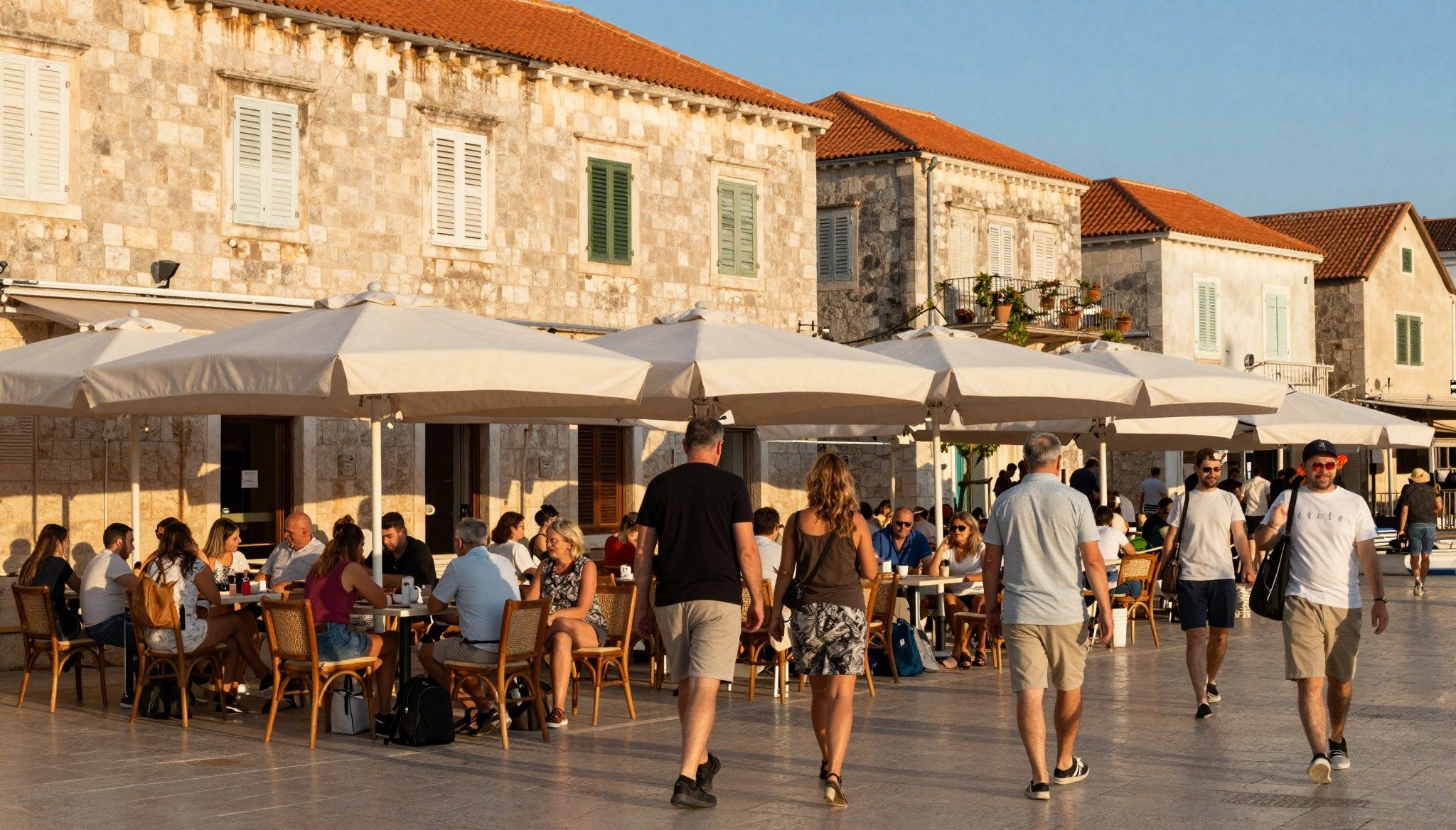
If you prize day-to-day conviviality — morning markets, a baker you know by name, neighbours who meet for late coffee — look to streets where small commerce still exists: Kallidromiou in Exarchia, Veikou in Pangrati, or the quieter lanes around Kifisia’s Agias Filotheis square. These are streets where architectural texture matters: plasterwork, timber shutters, and low-rise buildings that invite community life.
Food, sea and seasonal life
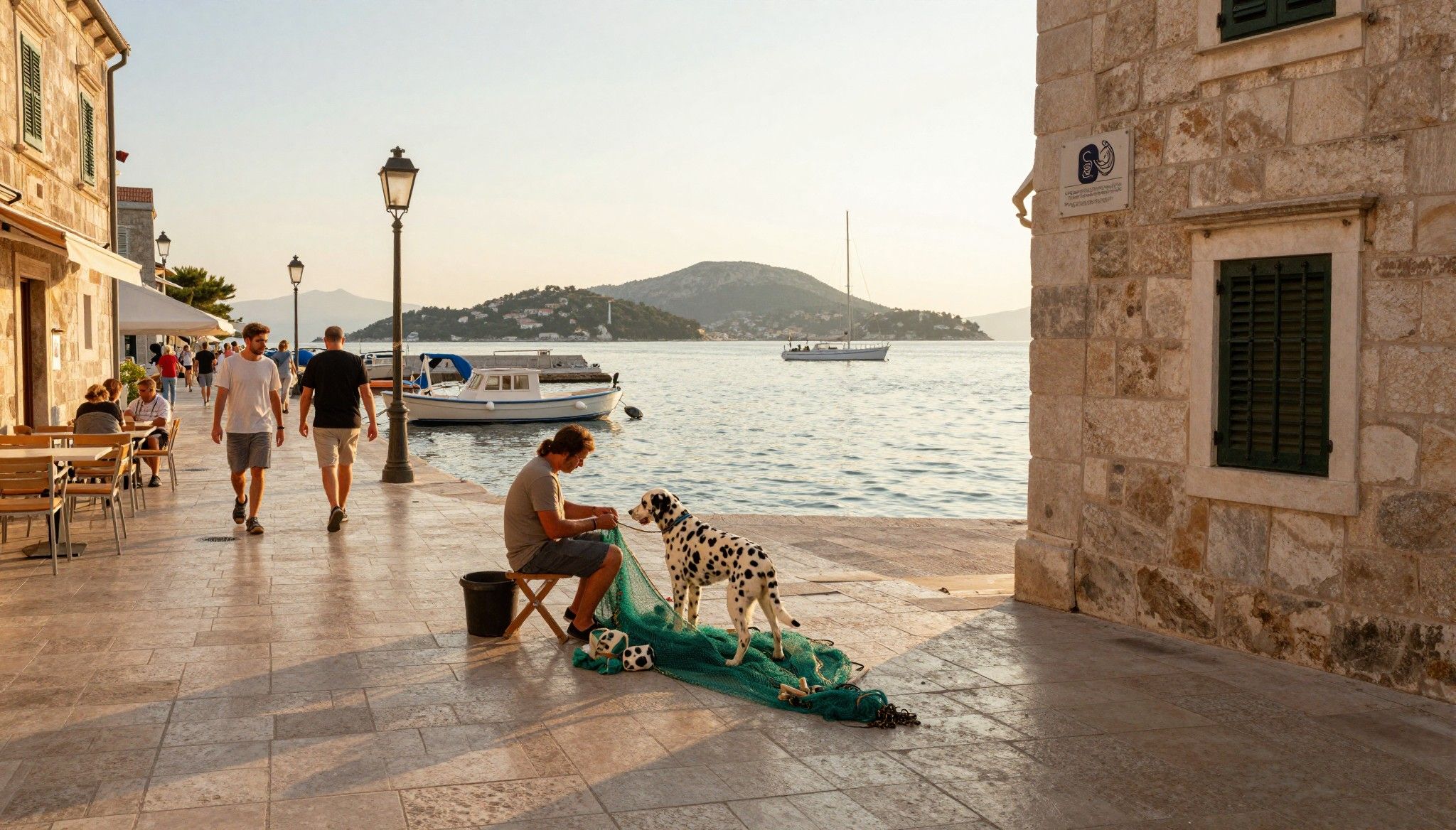
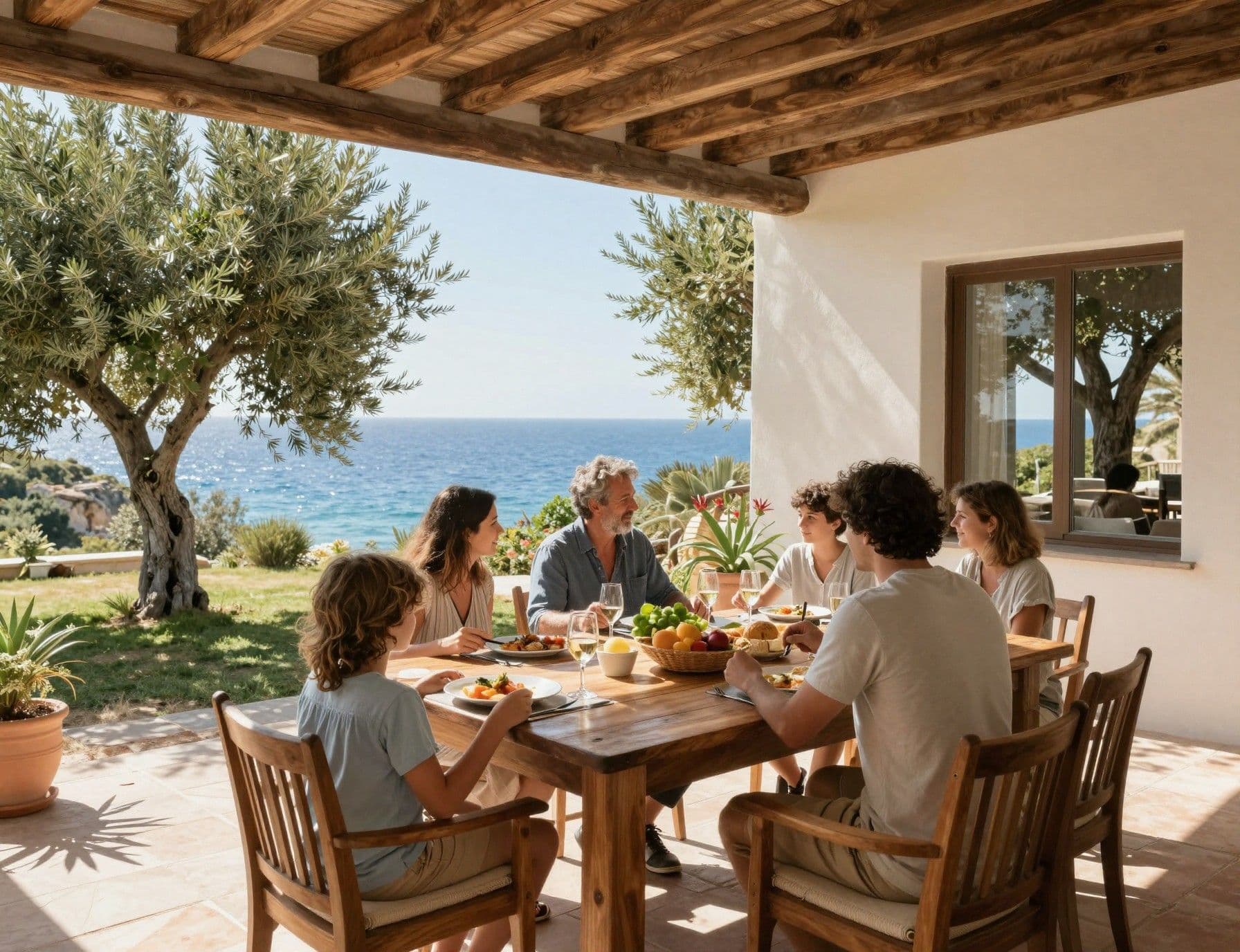
Food culture is a practical consideration for where you live: tavernas anchored in neighbourhoods deliver year-round life, whereas island properties reliant on summer visitors can feel deserted outside peak months. The sea is never far from the imagination, but the reality of living near water in Greece involves seasonality — quiet winters on many islands, busy summers in ports and select coves — and that seasonality materially affects rental dynamics, maintenance cycles and community life.
- Koukaki espresso bars and small galleries; Glyfada’s marina and evening promenades; Kifisia’s tree-lined avenues and patisserie culture; Paros’ hidden coves for morning swims; Chania’s Venetian harbour and food markets.
Making the move: practical considerations
The romantic vision must meet data. National indices from the Bank of Greece show continued residential price rises in recent years, with notable strength in urban centres and selected islands. That momentum means supply scarcity in desirable pockets and price dispersion between headline islands and lesser-known locales. For an international buyer, the questions are precise: which micro-markets still offer room for measured appreciation, and which are priced for short-term tourism returns?
Property typologies and how you live in them
Stone village houses and neoclassical flats ask for different commitments than new-build apartments. A restored stone home in Mani or a neoclassical apartment in Plaka demands stewardship — plumbing upgrades, insulation, sympathetic restoration — but rewards with provenance and durable desirability. New builds near Ellinikon or in Glyfada offer turnkey convenience but can lack the character that sustains long-term premium. Match property type to whether you plan year-round residence, seasonal rental, or a hybrid use.
Working with local experts who know the life
A specialist agent does more than find listings; they read neighbourhood life. Look for advisors who can point to examples: the pastry shop on the corner that keeps a street alive, the municipal plan limiting building heights, or the water restrictions on smaller islands that affect renovation plans. Agents versed in local administrative practice will save you time and expense, particularly where zoning, historical protections or recent Golden Visa adjustments intersect with property choices.
- Decide your lifestyle priorities, then rank markets by these factors: proximity to year‑round services; micro‑seasonality (tourism intensity); architectural integrity; resale demand; and regulatory constraints.
Insider knowledge: what expats wish they'd known
Many arriving from abroad expect perennial hustle on the islands; instead they find extremes: intense summer commerce and quiet winters. That divide influences everything from household budgets (winter heating, water provisioning) to the social life you hoped for. Expats often tell us their clearest regret was underestimating seasonality and overvaluing headline island names. A smaller Aegean port with a dependable year-round community can outlive a hyped island in terms of genuine livability.
Cultural integration and daily life
Language is a gateway. While many Greeks in service sectors speak English, mastering basic Greek opens doors to neighbourhood networks and smoother administrative processes. Social customs favour reciprocity: invitations to table-side kafes or seasonal festivals translate into a sense of belonging more swiftly than any property purchase. Consider investing time in local routines as part of your cost of ownership; they are as important as municipal taxes or maintenance.
Long-term living: what changes after five years
Over five years the owners who remain happiest are those who chose community over spectacle. Their properties—whether a restored town house in Rethymno or an apartment near Athens’ central market—benefit from steady local demand, modest but consistent appreciation, and the kind of lifestyle resilience that surges in headline markets cannot guarantee. Expect your relationship with place to deepen: weekend markets become calendars, not conveniences.
- Priorities to check before purchase: proximity to year-round services; documented water and waste infrastructure; municipal building rules; ratio of short‑term rental listings; recent comparable sales in the street.
If you love the idea of Greece, plan for the specifics: walk the street at different times of year, meet neighbours, and ask an agent to show service infrastructure, not just the view. Good stewardship and modest local knowledge will preserve both your enjoyment and the long-term value of the property.
Conclusion: Greece offers a distinctive, textured life that rewards careful choices. Use neighbourhood study and season-aware judgement to separate marketing from lived reality. Work with advisers who understand local streets as well as statutes; start by visiting at different seasons and request comparable street-level sales and infrastructure notes from your agent. When matched to the right street and stewardship plan, a Greek property is both an everyday pleasure and a lasting asset.
Former Copenhagen architect who relocated to Provence, offering relocation services, market analysis, and a curator’s eye for authentic regional design.