Buy in Croatia at the Right Moment: Tax Timing That Pays
Timing your Croatian purchase around seasonality and tax rules can reduce transfer costs, speed registration and align lifestyle with lower administrative friction.
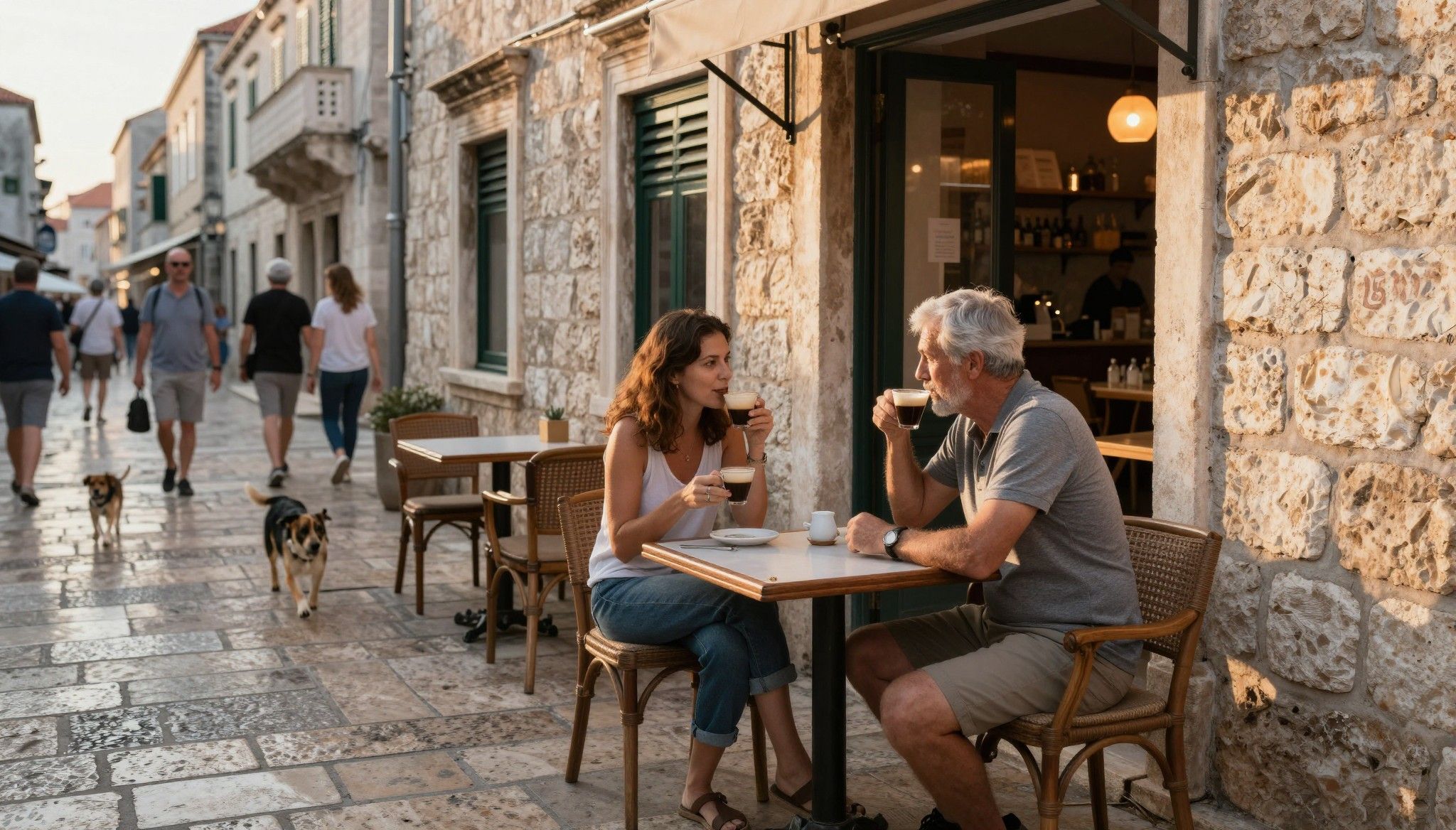
Imagine a late‑autumn morning in Dubrovnik: a diminishing tourist tide, a coffee pulled at Café Festival on Stradun, and stone courtyards returning to a measured domestic rhythm. In that quieter calendar there is a very practical advantage: the timing of your purchase can materially affect tax and admin costs. For many international buyers, seasonality in Croatia is more than ambience—it is a planning tool that, when combined with local tax rules and the transfer calendar, can save both money and months of paperwork. This guide pairs the life you dream of with the precise tax moves that make that life more attainable.
Living the Croatian rhythm
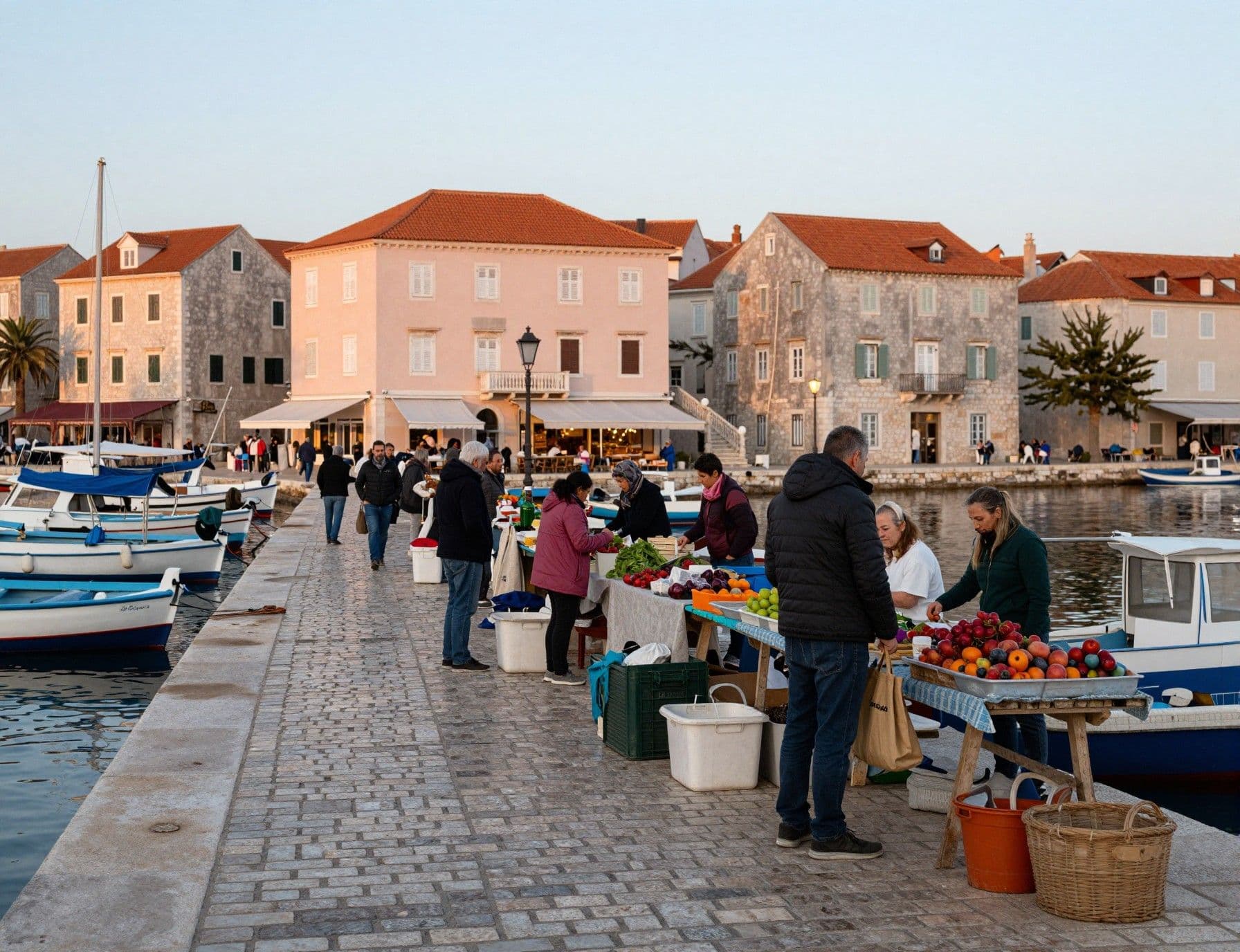
Croatia’s daily tempo shifts with the seasons: coastal towns pulse from May to September, while autumn and winter restore local life to a slower, more resident‑centred pace. Streets in Split’s Veli Varoš, Zagreb’s Gornji Grad, and Rovinj’s old town reveal different kinds of neighbourhood life — from morning fish markets to late‑night konobas where neighbours gather. Understanding that rhythm is essential because tax deadlines, municipal decisions and even the speed of registering a property in the land registry are influenced by local administrative cycles and staffing patterns. Put simply: when the town rests, so too can your search—but timing the legal steps matters.
Coastlines and small‑town cadence: Split, Rovinj, Hvar
On islands and Adriatic peninsulas the practicalities of buying shift with tourism. Hvar’s terraces and Rovinj’s cobbled lanes are alive with seasonal workers and short‑term lettings during summer; in winter those same properties revert to long‑term life and clearer local comparables. For buyers who favour quieter viewings and more direct conversations with neighbours, off‑season visits reveal the authentic pace of the place. Practically, you will often meet municipal officials, not seasonal staff, which can speed title searches and reveal local tax assessments that are otherwise obscured by high‑season demand.
City life and steady services: Zagreb and Rijeka
Zagreb provides a different promise: year‑round cultural life, reliable public services and a domestic market less dependent on tourism cycles. For buyers seeking stability—schools, healthcare, municipal services—the capital demonstrates how lifestyle and administrative reliability align. In Rijeka, with its port‑city economy and Trsat promenade, the off‑season market is still active, which means negotiations and inspections tend to be more businesslike and less theatrical than coastal peak season viewings. These differences matter because they shape likely rental returns, local tax banding and long‑term stewardship decisions.
Making the move: timing, taxes and practical considerations
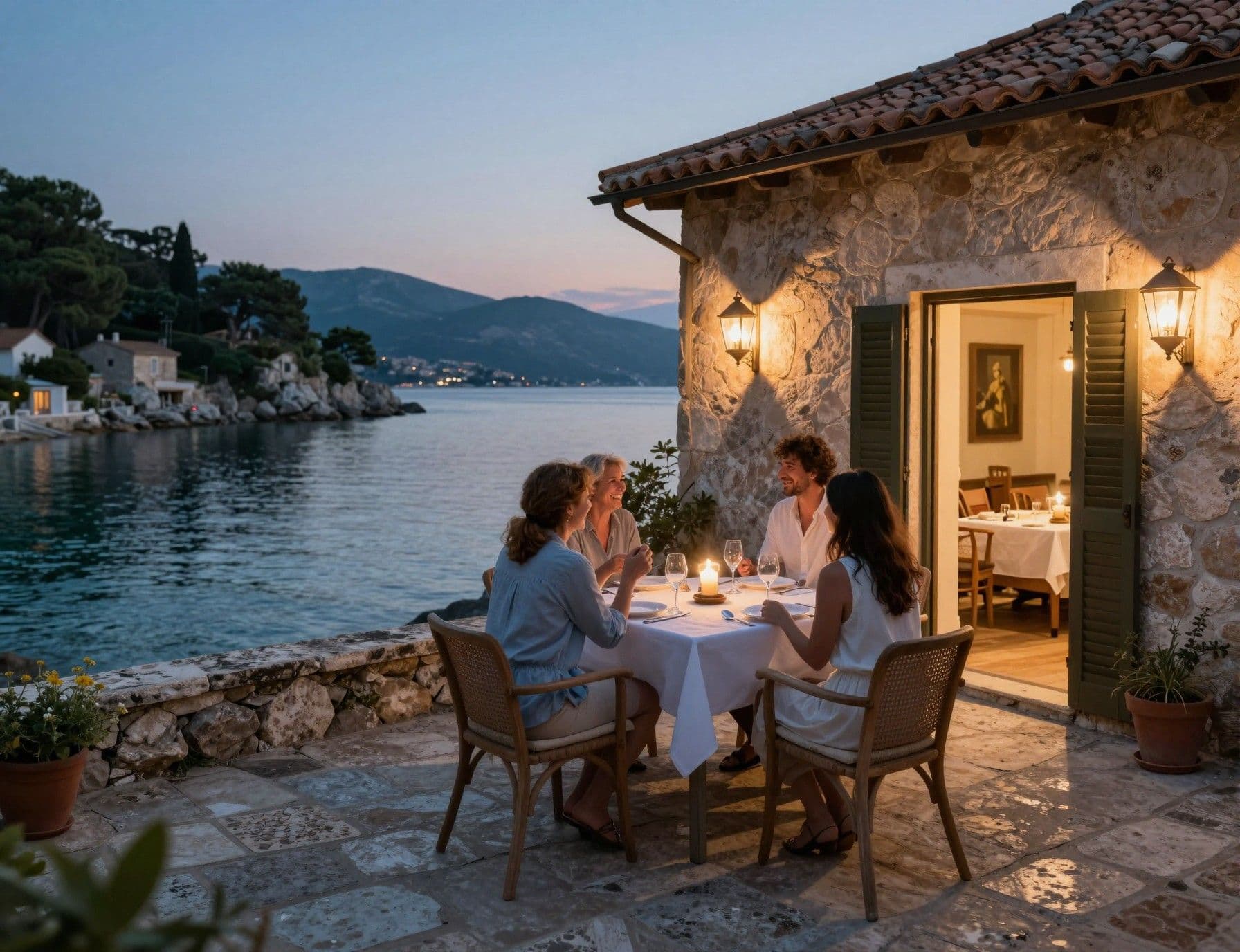
The headline tax fact is straightforward: Croatia applies a real estate transfer tax of 3% for most private sales, while VAT (25%) applies in specific new‑build situations and commercial transfers. But the savings lie in two less obvious places: timing the purchase around municipal tax assessments and choosing the legal structure that best suits your residency and usage aims. Administrative slowdowns in summer or winter holidays can delay registrations; conversely, buying when local authorities are fully staffed can shorten a chain and avoid interim holding costs. Thoughtful scheduling is therefore a modest wealth‑preservation tactic.
How seasonality affects fees and registration times
Municipal offices and notaries slow during August and end‑of‑year holidays; Croatia’s land registry (Zemljišne knjige) can take longer to process during these windows. For non‑EU buyers there is also a ministerial reciprocity check that can add three to six months if required. Working with a local notary and an agent who times contract signing to avoid these bottlenecks can reduce interim tax exposure and prevent having to pay transfer tax based on a later market revaluation. In short: a well‑timed offer is both a lifestyle choice and a tax strategy.
- Key factors to weigh when scheduling your purchase
1. Local staffing cycles: avoid August and late December for critical registration steps. 2. New‑build vs second‑hand: VAT rules apply to new developments; confirm with seller whether VAT or transfer tax applies. 3. Residency and financing: non‑EU buyers may need ministerial consent; allow extra time. 4. Market comparables: off‑season sales can reveal truer market values and negotiate room for price adjustments. 5. Municipal assessments: property tax bases are often reviewed annually—knowing the review calendar can alter the effective cost of ownership.
Insider knowledge: what expats wish they'd known
Expats often tell the same story: they fell for a place in high season and then discovered the administrative reality in low season. Lessons learned include preferring properties that sit within a clearly documented local tax history and choosing neighborhoods where community life persists year‑round. Small details matter—a reliable konoba, a municipal office with English‑speaking clerks, and a notary experienced with international clients will shorten your timeline and reduce surprises. These are the practical comforts that convert a weekend romance into a sustainable residence.
Cultural integration, language and making it home
Learning a few phrases, attending a local market in Split or a klapa concert in a Dalmatian square, and registering with the local community create social capital that often translates into practical help with permits and tax clarifications. Many expats find a neighborhood circle in places like Cavtat, Trogir or Zadar will point them to trusted accountants and builders who understand local tax niches. Respectful engagement with neighbors and municipal staff is a modest investment that pays dividends during tax season and when managing long‑term property responsibilities.
Long‑term stewardship and tax positioning
Think of buying in Croatia as acquiring a living heritage: choices on title structure, residency intent and how you use the property (primary home, rental, company asset) will change tax treatments. For example, transfer tax is typically 3% for private sales, but VAT may apply to new properties and certain business uses. Properly documenting primary residence and understanding capital‑gains rules when you eventually sell will protect the value of your investment and the life you build there. Engaging both a Croatian tax advisor and a trusted local agent early is the reliable path.
- Practical next steps to marry lifestyle and tax sense
1. Visit off‑season to test daily life and municipal responsiveness. 2. Secure an OIB (Croatian tax number) before making formal offers. 3. Ask the seller to clarify whether VAT or 3% transfer tax applies and obtain written confirmation. 4. Work with a bilingual notary and a local tax advisor to schedule registration outside holiday bottlenecks. 5. Consider title held personally versus via a Croatian d.o.o. only after tax and residency advice—the right structure depends on your long‑term plans.
Conclusion: buy the life, then shape the tax picture. Croatia rewards those who understand its seasonal heartbeat—when you plan viewings, legal steps and registrations with that rhythm, you protect both the lifestyle and the capital you bring to it. Begin with a short off‑season stay, secure local professional advice, and let timing be as considered as taste. When those elements align, the Adriatic life you imagined becomes both sustainable and tax‑efficient.
Dutch former researcher who moved to Lisbon, specialising in investment strategy, heritage preservation, and cross-border portfolio stewardship.