Why the Neighbourhood Matters More Than the View in Greece
Greece’s charm is neighbourhood‑specific. Combine lifestyle visits with Bank of Greece indices and local case studies to buy a street, not a postcard view.
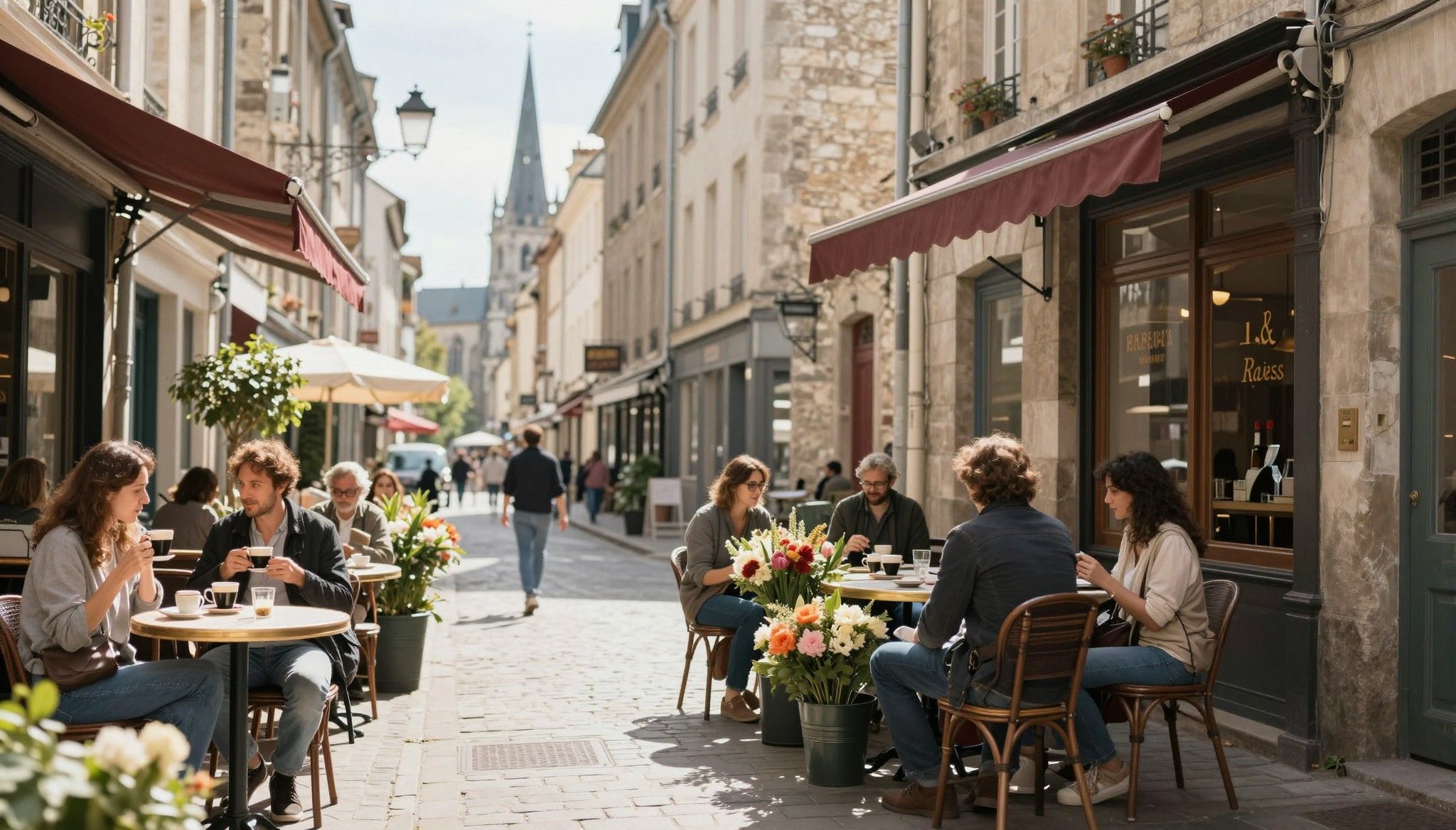
Imagine morning light spilling over a narrow Athens lane, the smell of ground coffee and baking bread, and an artisan boulangerie where the owner knows your order. Picture a late‑afternoon swim in a quiet cove on Chania’s western shore, followed by a taverna meal of grilled fish and local assyrtiko. For buyers who arrive with a ledger in one hand and a longing for everyday beauty in the other, Greece is not a single lifestyle — it is a selection of neighbourhoods that trade different kinds of refinement, history and convenience.
Living the Greek life: rhythm, scale and detail
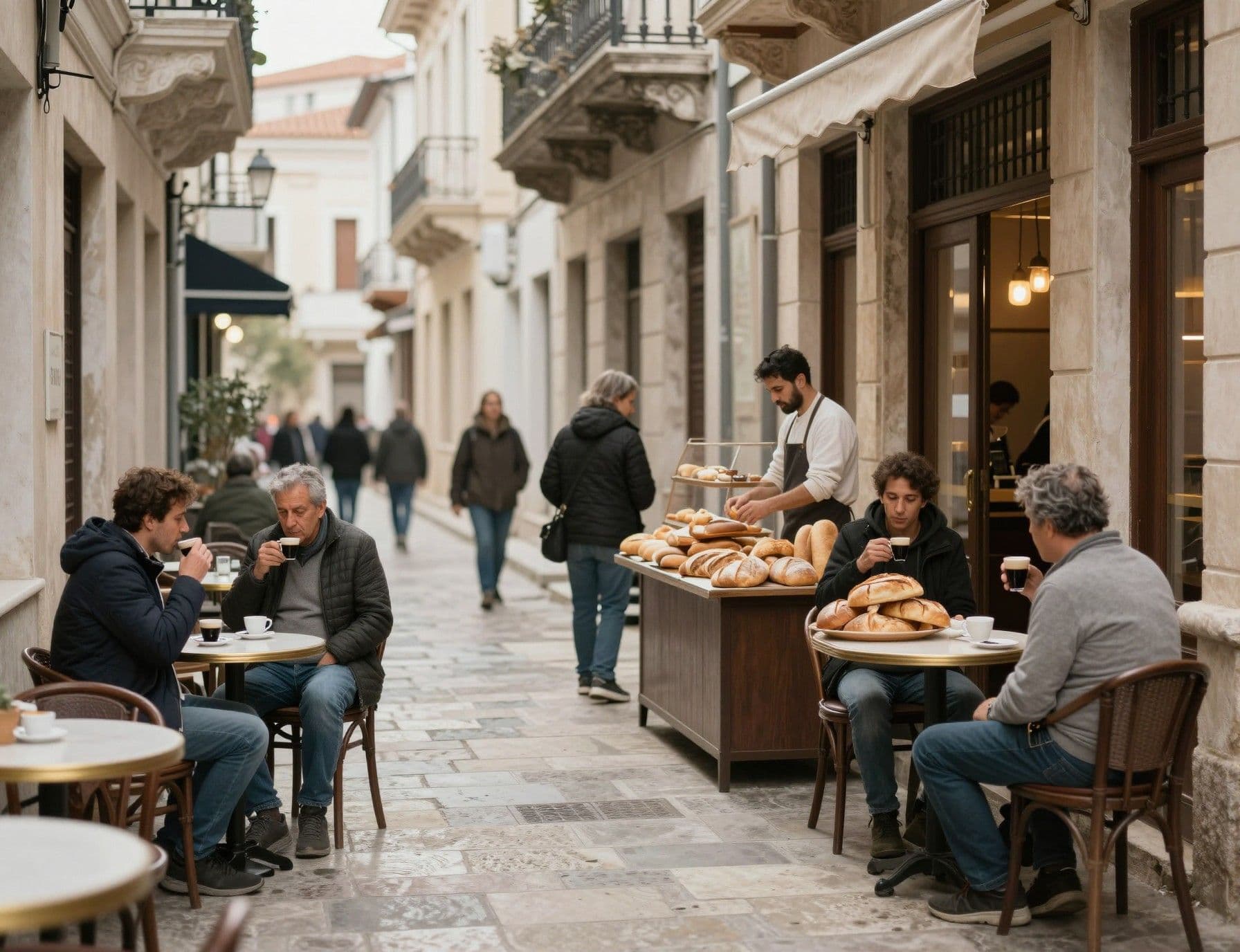
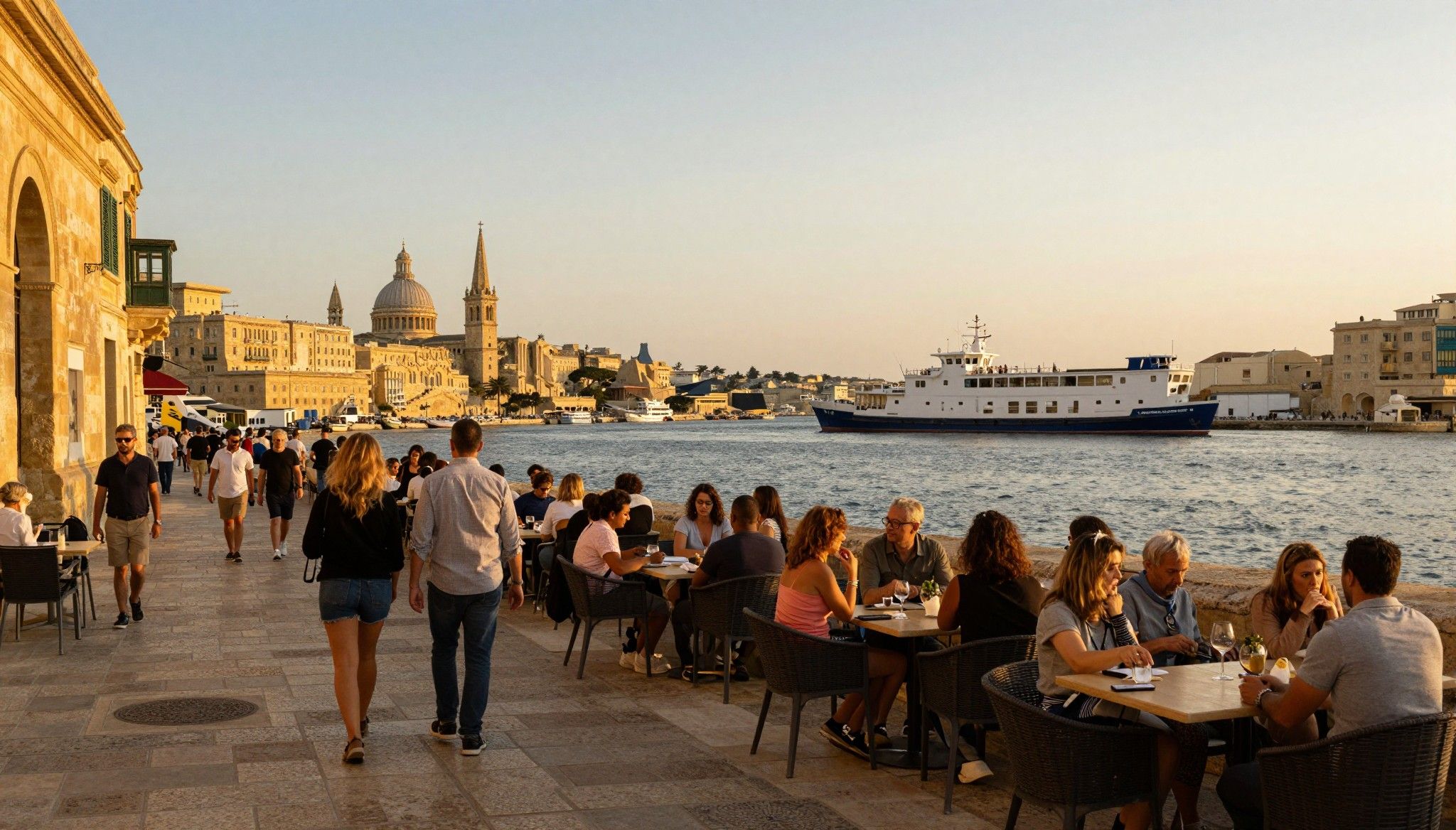
Life in Greece favours human scale and sensory detail: late mornings over strong espresso, long lunches that quiet mid‑day streets, and evenings that open into plazas and sea views. Cities and islands have different tempos — Athens hums with layered history and weekday commerce, Thessaloniki leans on social cafés and wide boulevards, while the Cyclades compress daily life around harbour choreography. When you choose a neighbourhood here you are choosing a rhythm as much as a roofline.
Neighbourhood spotlight: Athens — Plaka, Koukaki, Kifisia
Plaka offers Venetian stairways and postcard vistas at the foot of the Acropolis; it is intimate, tourist‑visible and architecturally intact, where a restored neoclassical townhouse will reward stewardship. Koukaki, one tram stop away, has quietly become the neighbourhood where chefs and curators live: narrow streets, small galleries, and honest neighbourhood tavernas. Farther north, Kifisia presents a different proposition — tree‑lined avenues, Art Nouveau villas and a tempo more suburban and private, ideal for families seeking gardens and international schools.
Islands and regional character: Chania, Syros, Naxos
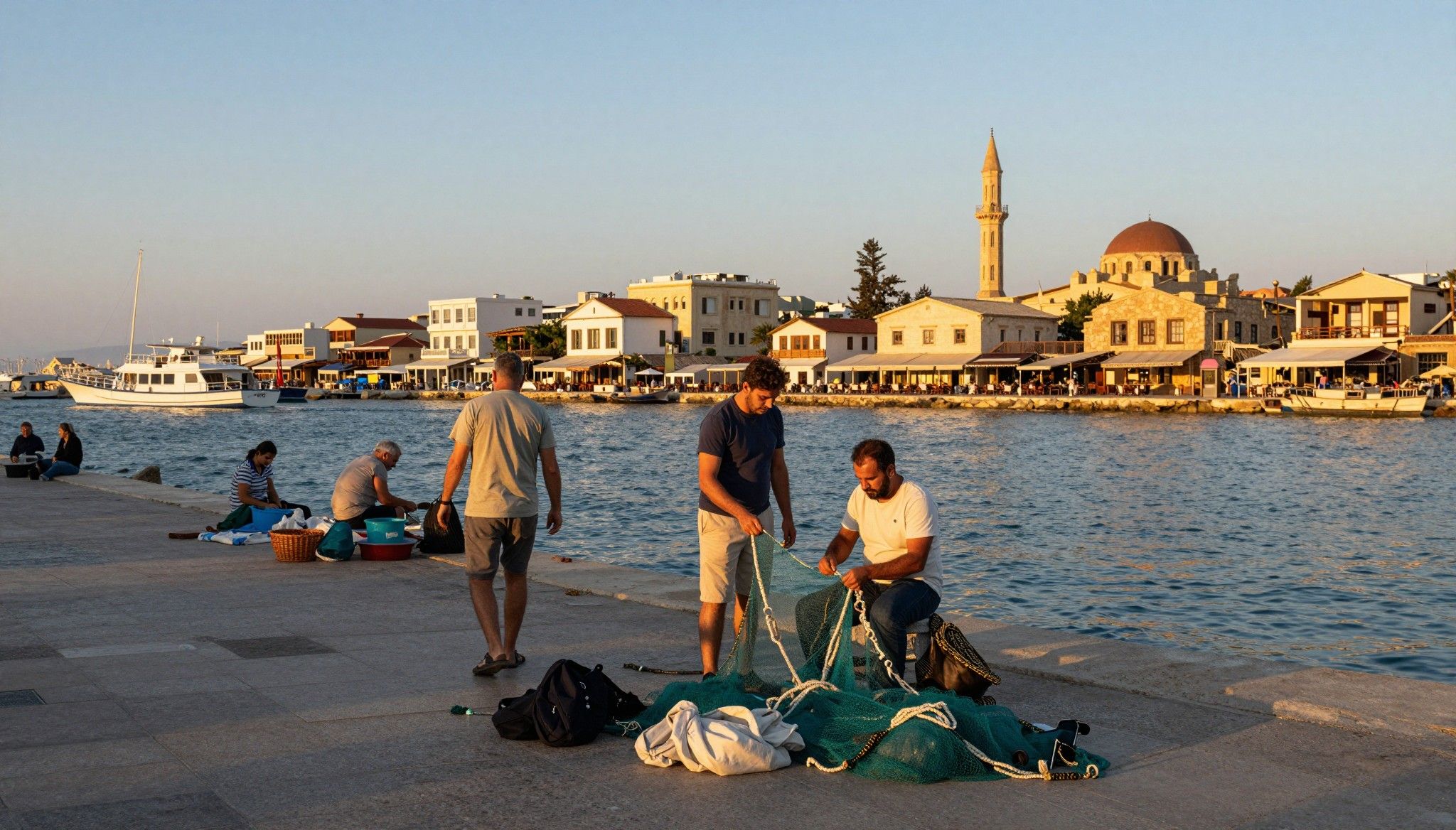
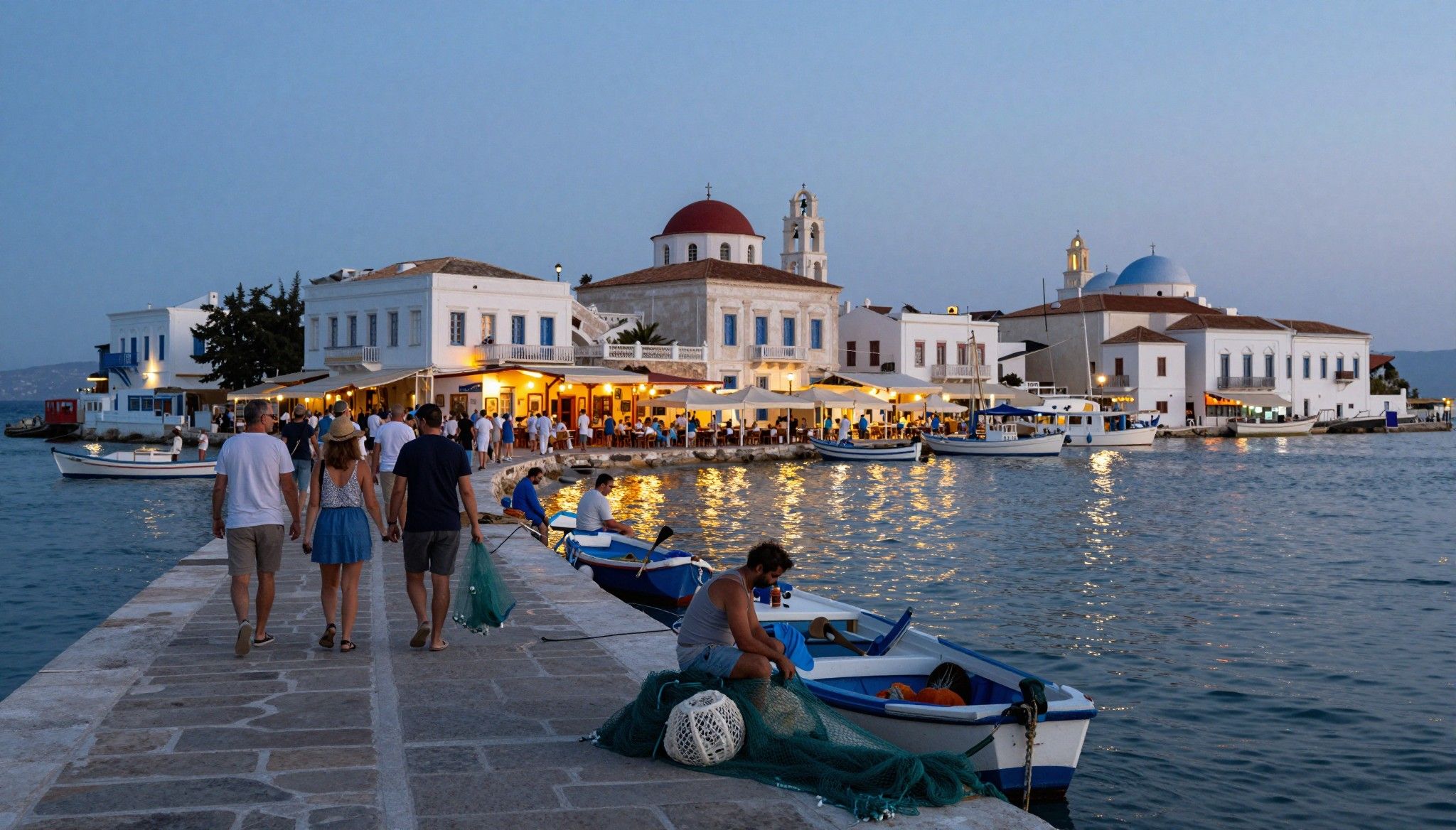
Crete’s Chania juxtaposes Venetian harbour façades with a working market, where fishermen’s gossip and spice aromas define the day. Syros, less trafficked than Mykonos, keeps a municipal calm and remarkable civic architecture in Ermoupoli; its grid streets and classical townhouses reward buyers who want island life without the peak‑season spectacle. Naxos mixes long beaches with fertile hinterland; here a farmhouse with olive groves is as valuable for lifestyle as a sea‑edge plot is for holidays.
- Lifestyle highlights: cafés, markets and hidden corners - Morning espresso at ‘Taf Coffee’ style cafés in Koukaki; market shopping at Chania’s Agora - Evening promenades along Chania’s Venetian harbour; Syros’s quiet theatre evenings in Ermoupoli - Weekend drives to Attica vineyards or Naxos’s inland villages for farm‑to‑table produce - Local craft shops: ceramics in Paros‑adjacent villages; tailors and restorers in Plaka - Seasonal rituals: Orthodox feast days, island panigiria, autumn olive harvest
Making the move: how lifestyle and market data align
The neighbourhood you love should also make sense in the ledger. Greek residential prices have been on a measured rise in recent years; the Bank of Greece publishes regular indices showing national apartment prices rising in the mid‑single to low‑double digit range in recent quarters, while agency reports (RE/MAX, Savills) note stronger performance in prime urban and island areas. These data points matter because they explain why locals still prize particular streets and why some ‘hyped’ seafronts outperform only during peak months.
Property styles: what each neighbourhood practically offers
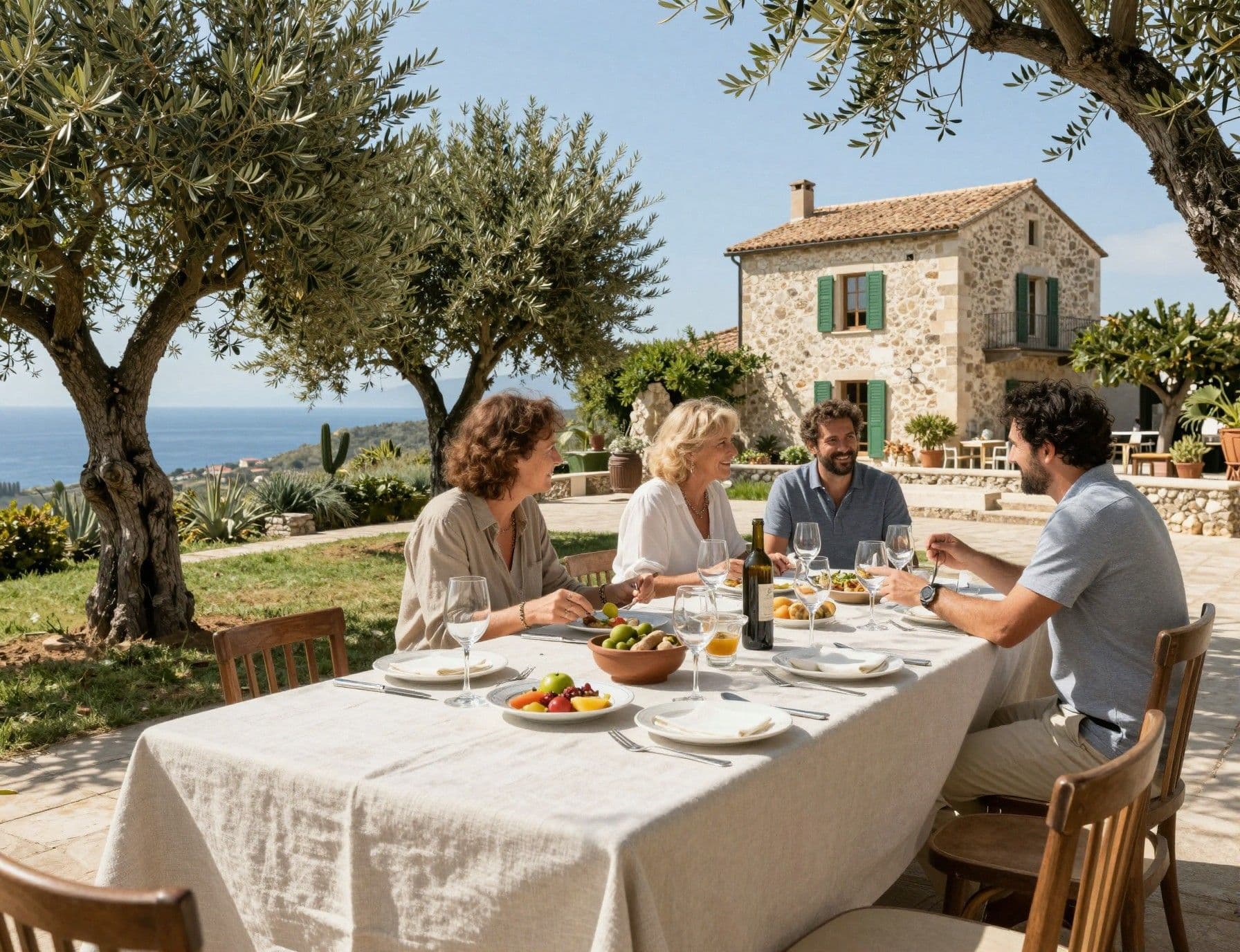
Greek property ranges from restored neoclassical townhouses to modernist apartments and vernacular island homes. A Plaka maisonette offers high ceilings, original timber beams and limited outdoor private space — a life defined by streets and views. In Kifisia, detached villas give gardens and privacy. On islands such as Naxos, stone farmhouses with courtyards exchange immediate convenience for rural quiet. Choose the type that supports daily habits: morning markets, alfresco dinners, or large family gatherings.
Working with local experts who know the life you want
An agent who understands neighbourhood microclimates — where winds affect terraces, which streets are quiet at night, which buildings have authentic period features — will save you months of friction. Good agencies add value by introducing trusted restorers, local planners, and accountants familiar with municipal processes. Ask for neighborhood case studies, not generic listings: a walk‑through of recent restorations, rental performance in shoulder seasons, and references from past international clients are the telling proofs.
- Steps that blend lifestyle and pragmatism 1. Spend three separate visits at different times of year to test tempo and seasonality 2. Prioritise neighbourhood streets over single properties — proximity to a market, café, or harbour defines daily quality 3. Commission a local technical survey and ask about insulation and humidity solutions for coastal properties 4. Request anonymised rental and occupancy data for comparable properties if you plan occasional letting 5. Meet a local architect or restorer before bidding; renovation reality often changes budget and lifestyle outcomes
Insider knowledge: what expats wish they’d known
Expats often arrive enchanted and then surprised: the small civic rituals, from rubbish collection days to market opening hours, shape whether a neighbourhood works. Language is less a barrier than local networks; a friendly baker, the kebab shop owner or a municipal official will often open doors that formal paperwork cannot. Learning the cadence of services (bank hours, municipal planning timetables) is part of successful long‑term stewardship.
Cultural integration: how everyday life changes where you buy
In neighbourhoods where residents know each other, reciprocity matters: introduce yourself, attend local festivals, and invest time in small obligations — such social capital will translate into smoother neighbourhood relations and practical help when renovating or navigating bureaucracy. Expect to be invited to panigiria (local festivals) and to reciprocate with stewardship — gardens kept, stonework preserved — which aligns with Villa Curated’s theme of generational care.
Long‑term life: how neighbourhoods evolve (and how to spot durable value)
Durable neighbourhood value comes from layered assets: good transport links, a strong local market and civic investment. Savills and other market reports note that areas with consistent municipal upkeep, heritage protection and mixed‑use streets outperform one‑season ‘buzz’ locations. Look for signs of long‑term care: restored façades, active local businesses, accessible healthcare and schools — these are the neighbourhood characteristics that sustain lifestyle and price.
Conclusion: choose the life, then the property Buy in Greece for the life you intend to lead: the morning ritual, the neighbour’s pelargoniums, the winter light across a tiled terrace. Use local market data — such as the Bank of Greece indices and credible agency reports — to temper enthusiasm with timing and budget. Finally, partner with an agency that can translate lifestyle into practical outcomes: the right block, the right street, and the right craftspeople will ensure your purchase is both beautiful and enduring.
Dutch former researcher who moved to Lisbon, specialising in investment strategy, heritage preservation, and cross-border portfolio stewardship.