Croatia: Lifestyle‑First Tax Steps Before You Buy
Why a 3% transfer tax or 25% VAT can change which Croatian property makes sense — lifestyle-led buying with practical tax steps for international purchasers.
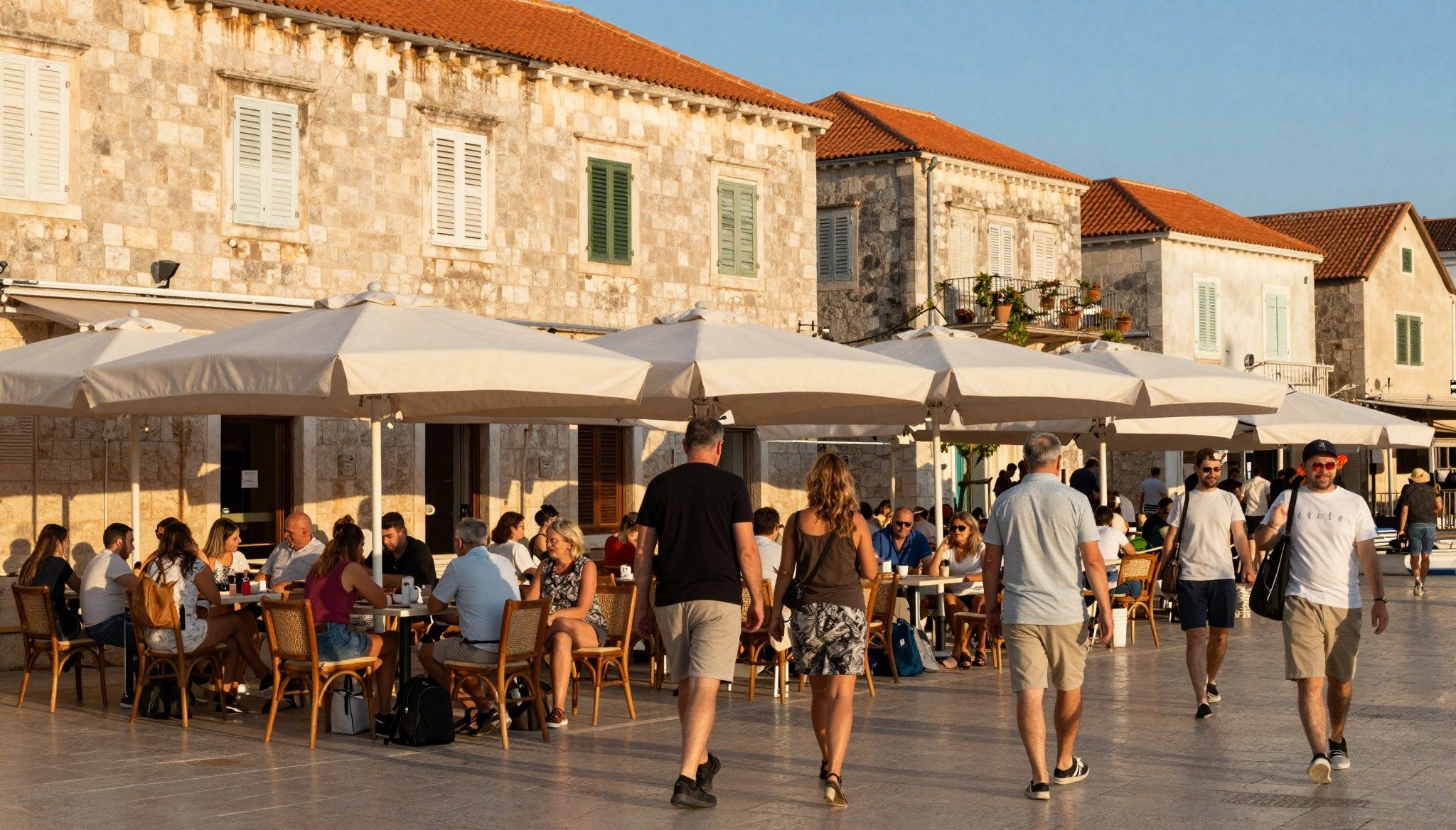
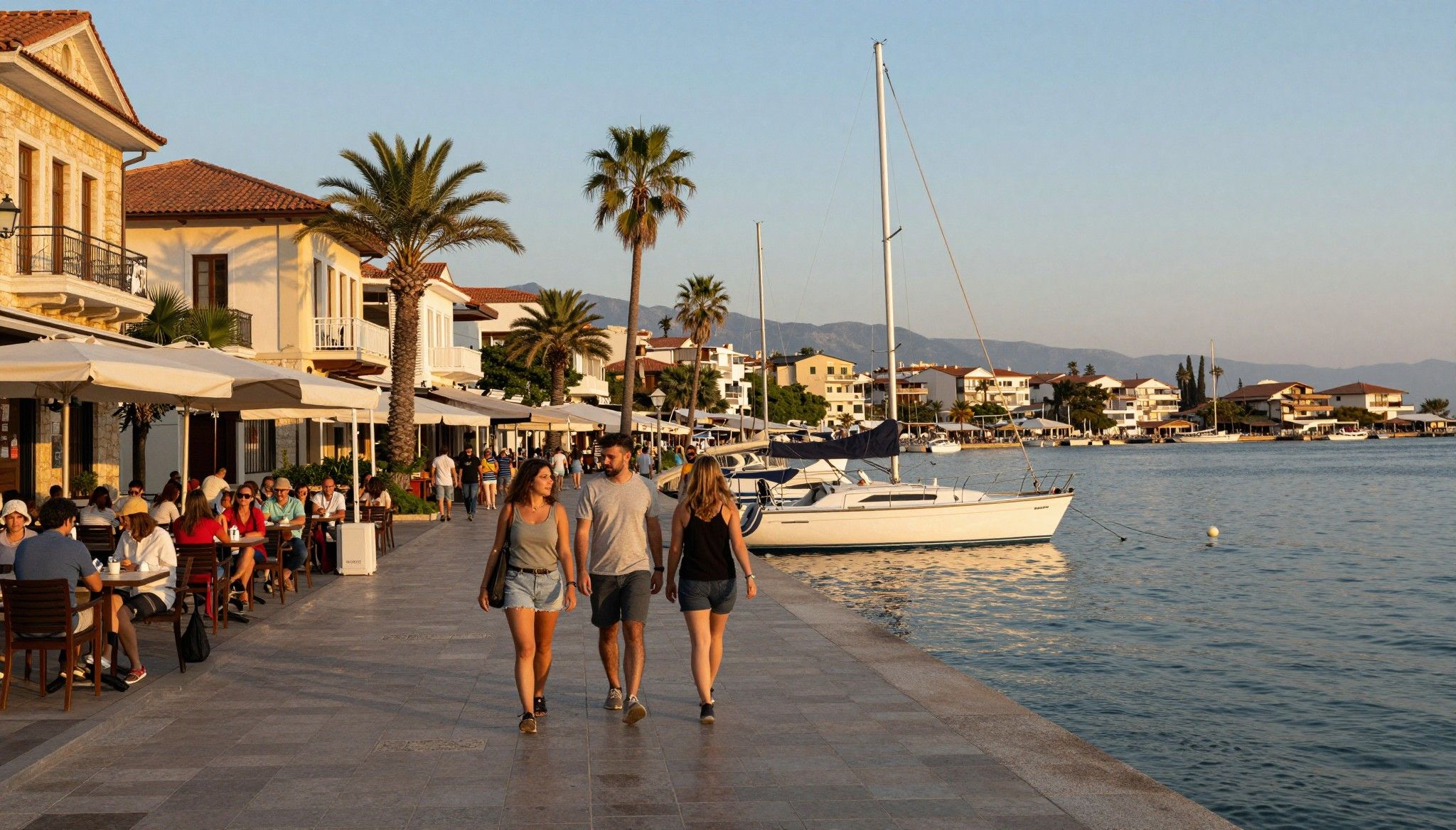
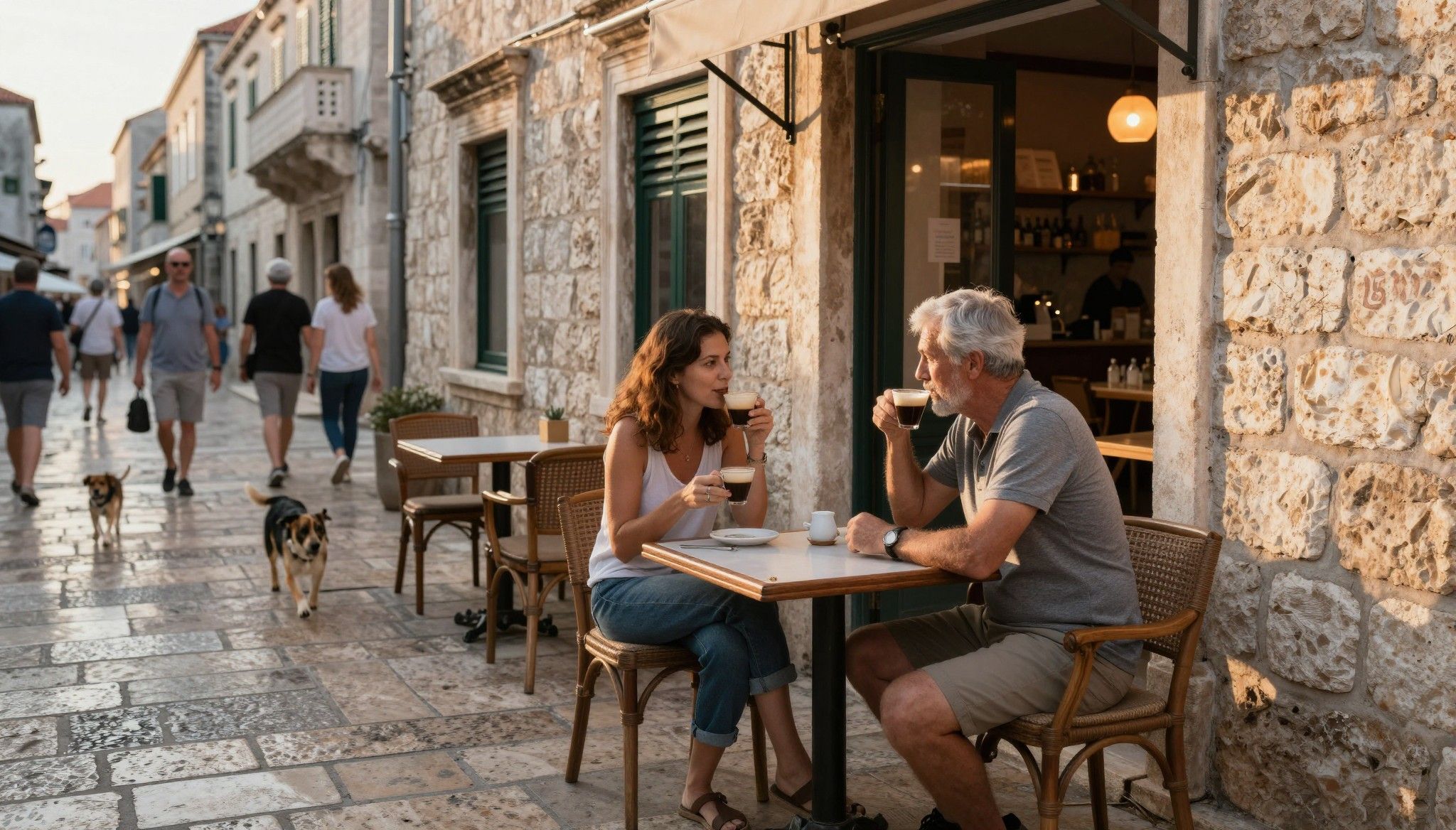
Imagine an espresso in Split’s Marmontova, the Adriatic wind carrying the smell of grilled sardines, while a restored stone townhouse two streets away waits quietly for you. Croatia’s coasts, pines and medieval cores promise a life measured in promenades, markets and late‑afternoon light — and they demand a different kind of financial attention than the Mediterranean clichés suggest.
Living Croatia: rhythm, places and what you actually buy
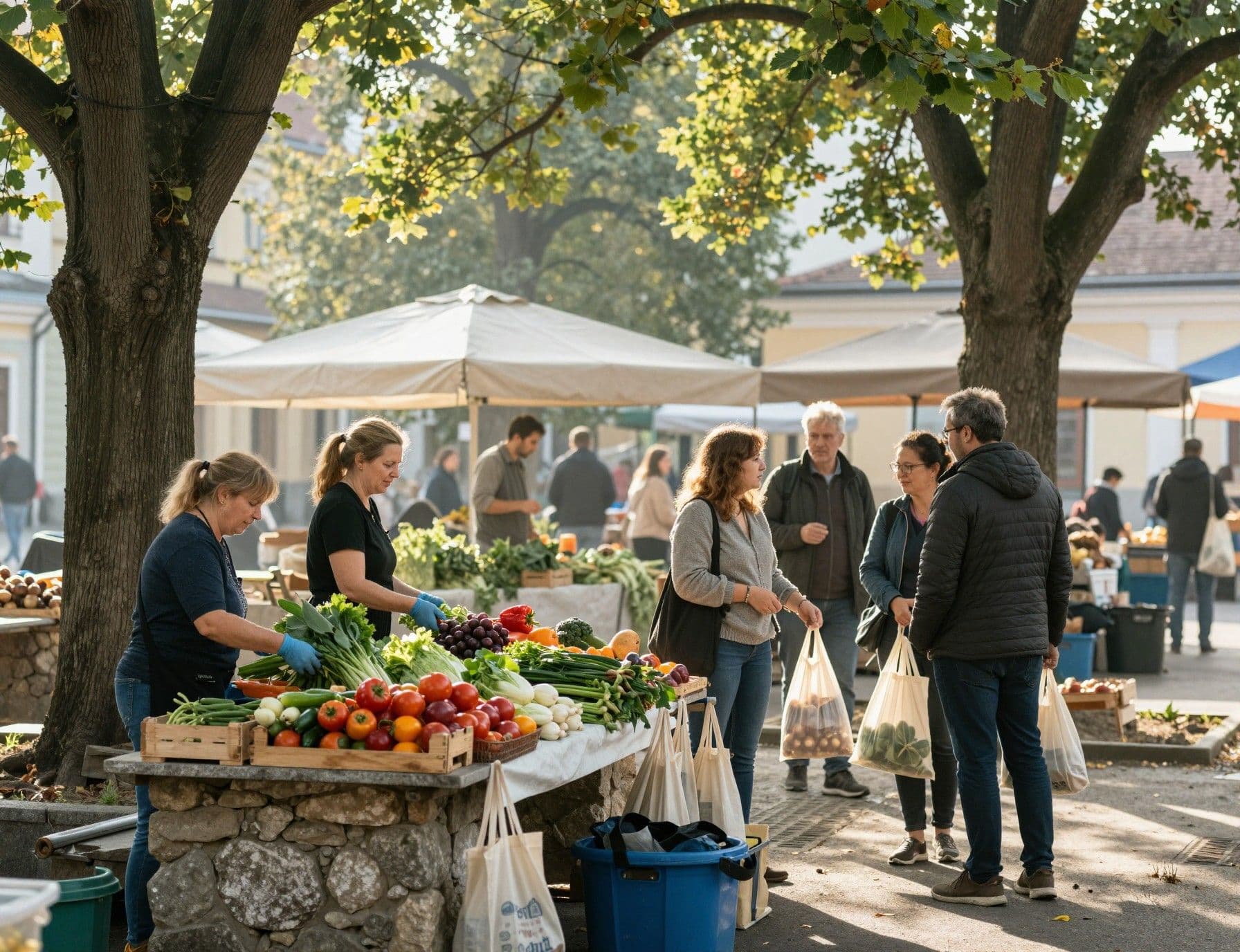
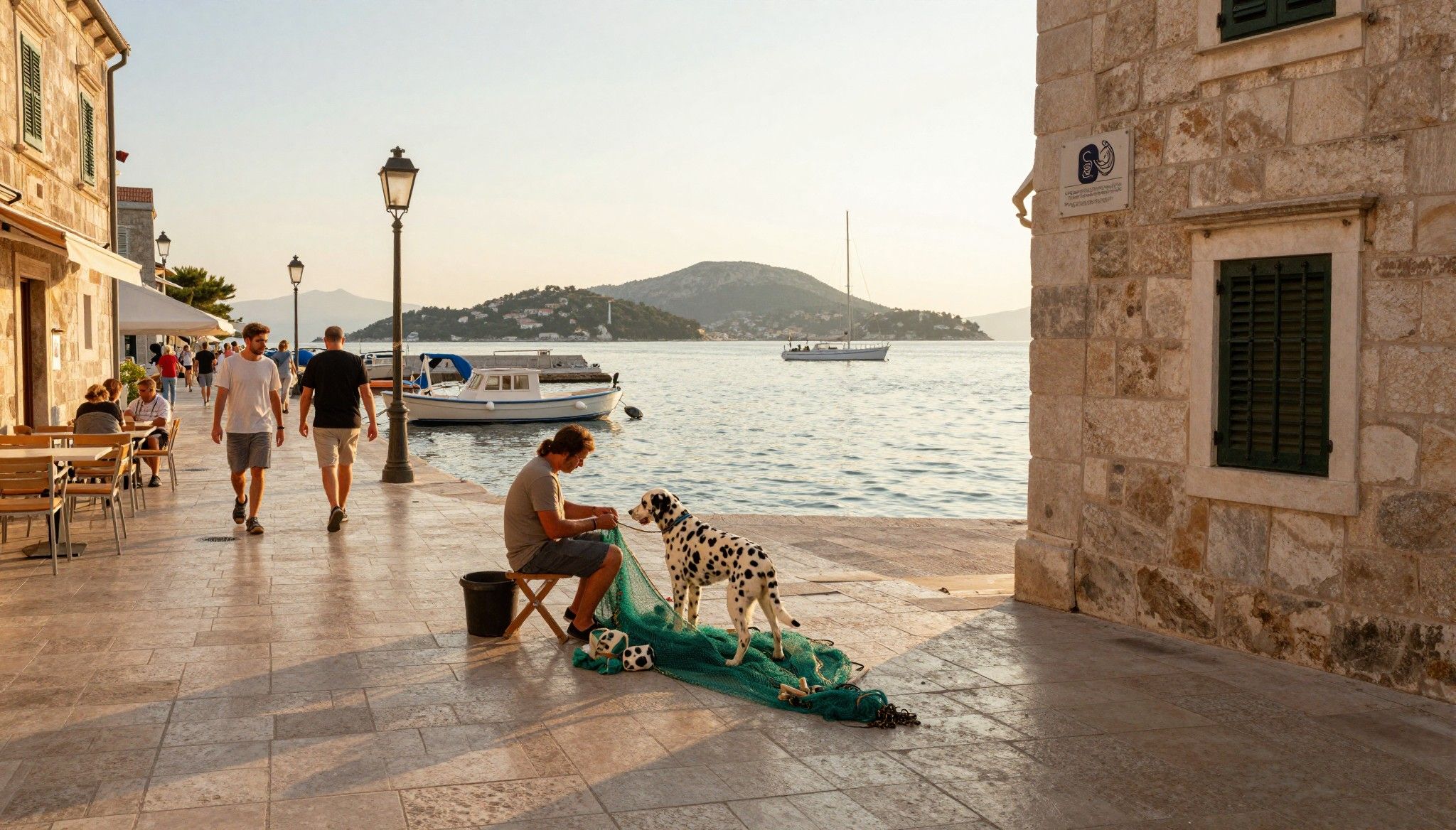
Daily life here is precise: morning markets, a slow coffee at a local konoba, children playing beneath plane trees. In Zagreb the rhythm is urban and cultured; in Dubrovnik the day bends around tourism seasons; in Istria towns such as Rovinj and Motovun are about truffles, viniculture and a quieter calendar. That lived texture is what you are paying for — not merely square metres or a sea view.
A few neighbourhoods that define the life
In Split, the Veli Varoš quarter offers pebbled alleys and fisherfolk cafés; Špansko in Zagreb delivers village calm within the city; Hvar Town’s Stari Grad suits bohemian afternoons and late nights. Each neighbourhood has its practical trade‑offs — connectivity, year‑round services and renovation constraints — which shape taxes, permits and long‑term costs.
Food, markets and seasons that shape property life
Weekend routines often centre on markets: Dolac in Zagreb, the Pula fish market, Hvar’s open stalls. Seasonal life matters — summer tourism can inflate short‑term rental income but also brings maintenance and local regulation scrutiny. Think in terms of life‑cycle: how you’ll use the house in high season, and how the place behaves for the remaining nine months.
- Lifestyle highlights to test on a scouting trip
- Morning espresso at Split’s Riva; evening fish at Konoba Mate in Stari Grad.
- Truffle hunts around Motovun and wine tastings in Istria’s Teran vineyards.
- Market shopping at Dolac (Zagreb) and weekday strolls through Dubrovnik’s less touristy lanes.
Making the move: fiscal realities that won’t spoil the romance
Practicalities matter: most resale purchases attract a 3% property transfer tax, while newly constructed units sold by VAT‑registered developers are subject to 25% VAT rather than the transfer tax. These are not marginal details — they can change your effective price and the appeal of buying new versus restored. Government guidance and legal texts confirm the 3% transfer tax rule and the VAT treatment for new builds.
Property types and the tax trade‑off
A restored stone house in Dubrovnik will have different fiscal consequences than a seaside modern apartment bought from a developer. If the sale is outside the VAT system you pay the 3% transfer tax; if the seller is VAT‑registered (new build or certain business sales) VAT replaces that tax. Factor this into pricing conversations and negotiations rather than treating tax as an afterthought.
Short‑term rentals: revenue, registration and what platforms report
If you plan to rent seasonally, be aware platforms and authorities have tightened reporting. Rental income is taxable; non‑residents and residents have distinct reporting rules and allowable deductions. The yield upside during summer must be weighed against local registration requirements, tourism levies and compliance work that can erode net return.
- How to structure a fiscally sensible purchase (practical steps)
- 1) Confirm whether the property is VAT‑liable or subject to the 3% transfer tax; ask the seller for VAT status early.
- 2) Obtain an OIB (Croatian tax number) and instruct a local lawyer to perform land registry and encumbrance searches.
- 3) Model realistic net rental yields after reported tourist levies, management fees and seasonality before assuming summer revenue will pay the mortgage.
Insider knowledge: what expats wish they’d known earlier
A frequent surprise: whether you can buy at all. EU citizens generally enjoy the same rights as Croatians; non‑EU nationals depend on reciprocity and sometimes ministerial approval. That procedural layer can add weeks to completion and influence property selection — especially for coastal plots or agricultural land, which have stricter controls.
Cultural and administrative realities that affect costs
Land records are meticulous but historically complex; title clarity and municipal planning consents are often the decisive factors in price and future use. Expect translation, notary and registry fees, and allow time for municipal checks — these are common blockers that buyers who rush inspections later regret.
Long‑term stewardship: taxes, inheritance and local ties
Recent changes to property taxation and the introduction of certain local levies mean that steady ownership carries administrative obligations. If you intend the house to become a family asset, plan for Croatian inheritance rules and possible local property tax regimes so stewardship is not left to chance.
- Red flags local agents will help you spot
- Unregistered extensions or terraces; ambiguous land parcel boundaries in coastal communes; seller claims of 'off‑books' rental income.
- Promises about future zoning that lack municipal written confirmation; sellers pressuring for quick cash settlements.
- Next steps — how to act without losing the romance
- 1) Spend three days living in the neighbourhood: visit markets, meet an agent, and view properties outside peak tourist weeks.
- 2) Commission a local lawyer and a chartered surveyor before exchanging contracts; insist on OIB documentation and land registry extracts.
- 3) Treat tax structure as part of price negotiations: whether VAT applies or the 3% transfer tax will materially affect your offer.
Croatia offers life by the sea, carefully preserved urban heritage, and fields where small producers still sell by the kilo. If you love markets, stonework and a place with its own slow calendar, the country rewards patient, informed buyers. Begin with neighbourhood visits and a crisp fiscal model; let experienced local counsel translate the romance into secure ownership.
Dutch former researcher who moved to Lisbon, specialising in investment strategy, heritage preservation, and cross-border portfolio stewardship.