Neighbourhoods for Life: Italy’s Quiet Investment Rules
Choose an Italian neighbourhood for life, not only view: practical, localised advice—market data and insider checks to align lifestyle and purchase.
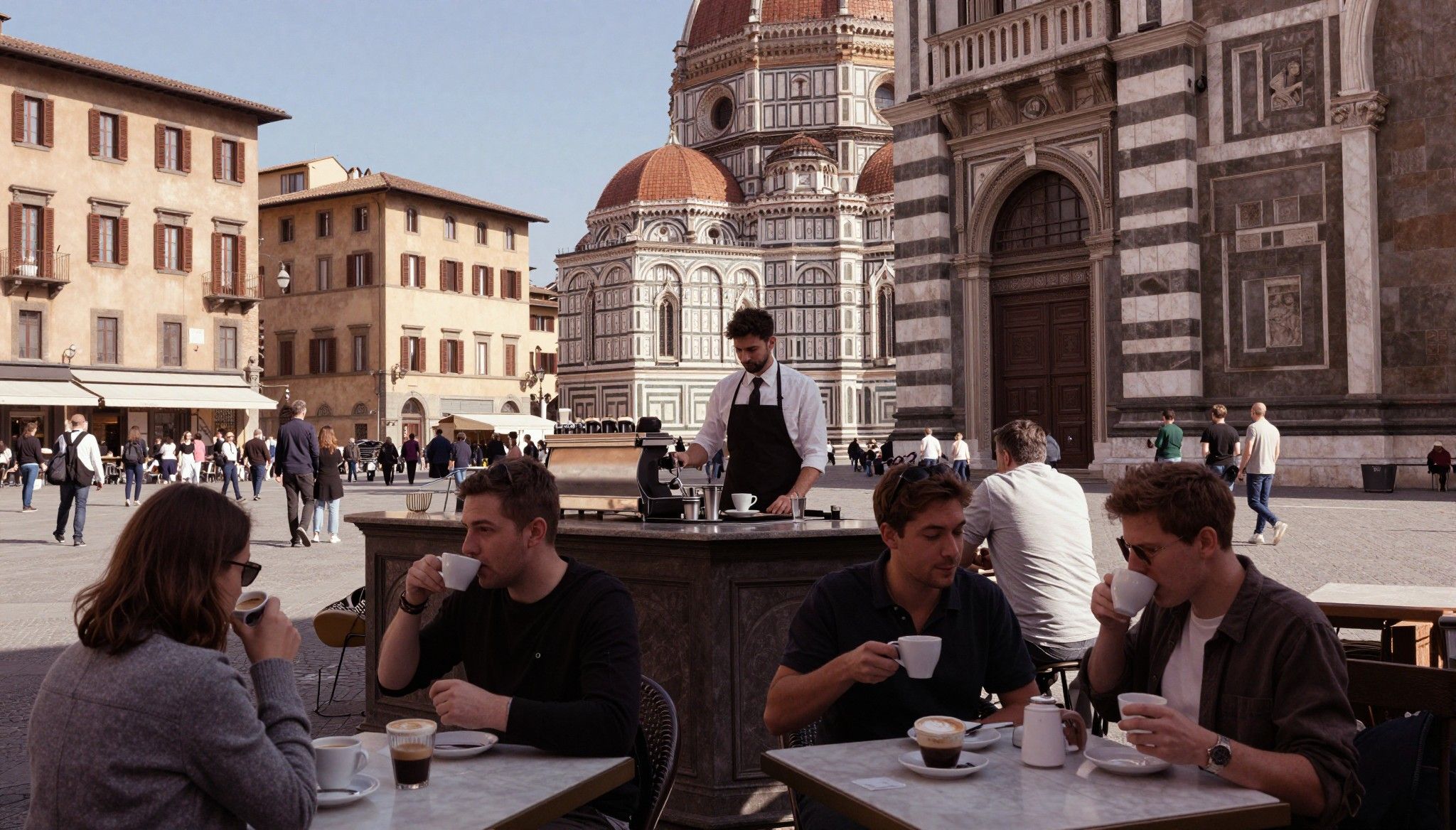
Imagine an autumn morning in an Italian mercato: crates of figs, the hiss of an espresso machine, a piazza where the conversation drifts from politics to neighbourhood news. This is the rhythm many international buyers imagine when they search for a home in Italy — and it is real, but textured. Behind the romance sits a deliberately diverse market: vigorous city demand, quietly reviving historic centres, and countryside pockets where restoration and stewardship define value. For buyers who seek life as much as asset, understanding which neighbourhoods sustain that life is the difference between a charming stay and a lived, generational home.
Living the Italian Lifestyle
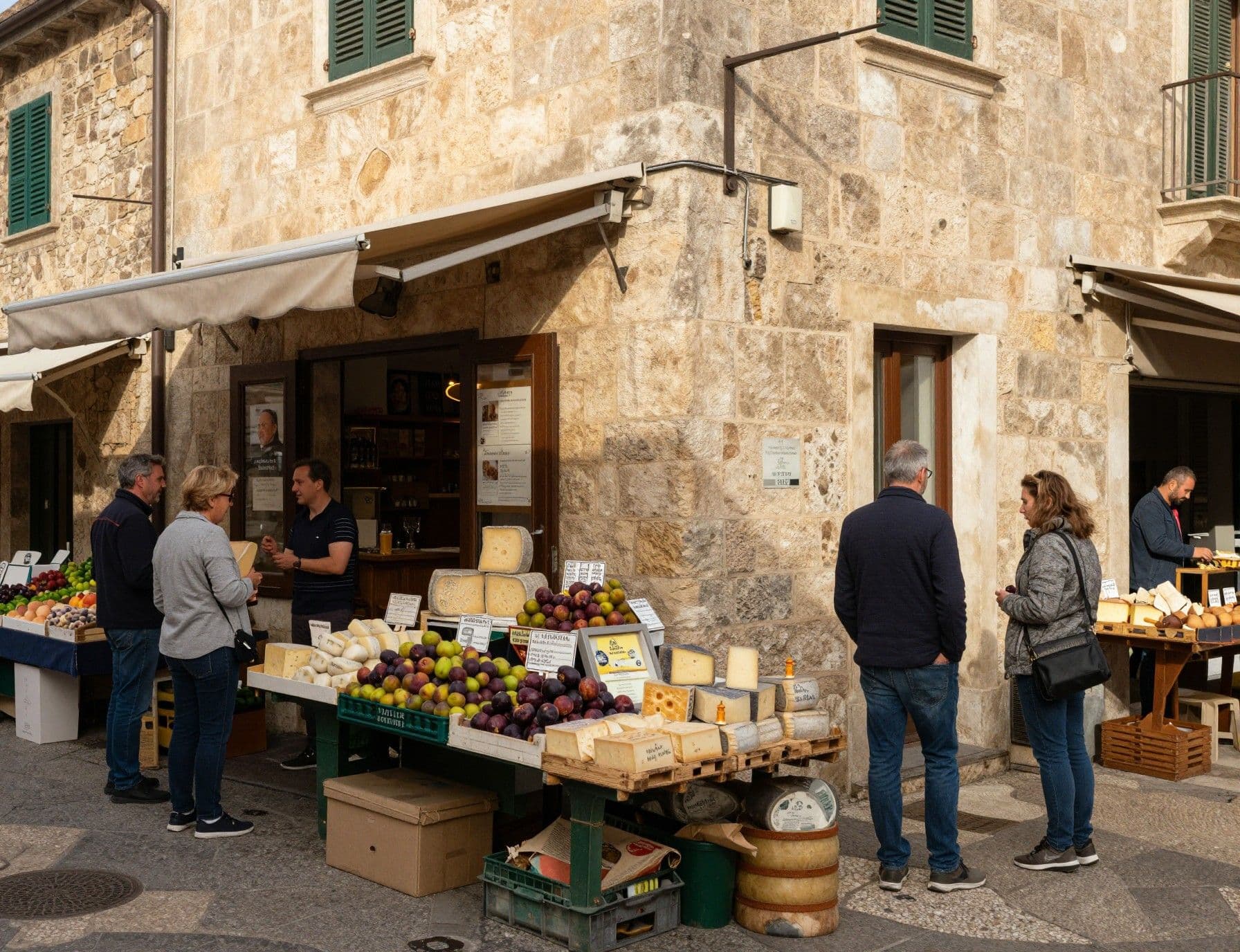
Italy’s lifestyle is local by design: coffee rituals at corner bars, late-week aperitivi, and regional markets that reshape weekends. Cities like Milan, Florence and Bologna pair refined cultural institutions with neighbourhood tenacity; smaller towns and coastal villages trade anonymity for rhythm and ritual. Recent market studies show a rising share of international buyers across price tiers, which means popular neighbourhoods now blend local habit with cosmopolitan services. Acquiring a property here is therefore as much about selecting a cultural cadence as it is about square metres.
Historic centres and daily life: where texture matters
Walk the narrow lanes of Florence’s Santo Spirito and you feel how everyday life is layered into architecture: a baker’s oven beneath a Renaissance cornice, a small trattoria that anchors the square. Historic cores reward stewardship — restored stone, original beams and discreet modern insertions create both comfort and market resilience. For buyers prioritising cultural proximity, these neighbourhoods offer immediate atmosphere, but require due attention to maintenance, access and heritage regulations that govern changes to facades and interiors.
Coastal towns and countryside: the quieter promise
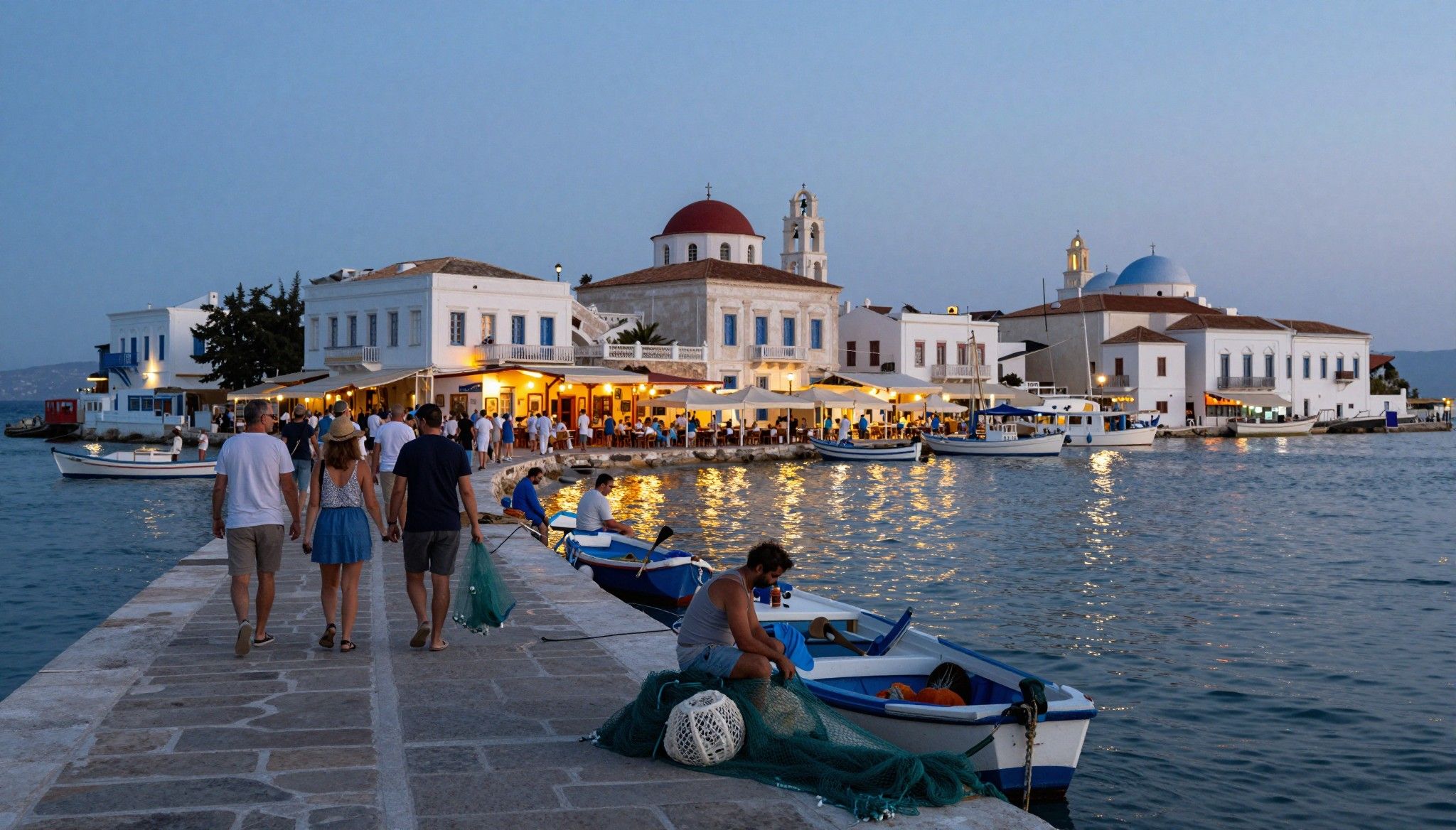
Beyond the tourist season, Liguria’s cliffside villages and Puglian farmsteads reveal a slower, materially rich life: terraces, olive groves, small neighborhood bars where everyone knows your name. These areas often offer larger plots, traditional materials and the pleasure of a permanent community. That said, infrastructure, healthcare access and seasonal economies vary sharply between towns; a weekend idyll will feel different when lived year-round, so buyers should prioritise connectivity and local services alongside charm.
- Lifestyle highlights to look for when choosing a neighbourhood: - Daily market or neighborhood grocer within a short walk (example: Mercato di Sant’Ambrogio, Florence) - A lively café or bar that functions as the local agora - Access to regional rail or a reliable road link for weekly travel - Presence of artisan shops or small-scale food producers - A local patron saint festival or weekly social event that marks the calendar
Making the Move: Practical Considerations
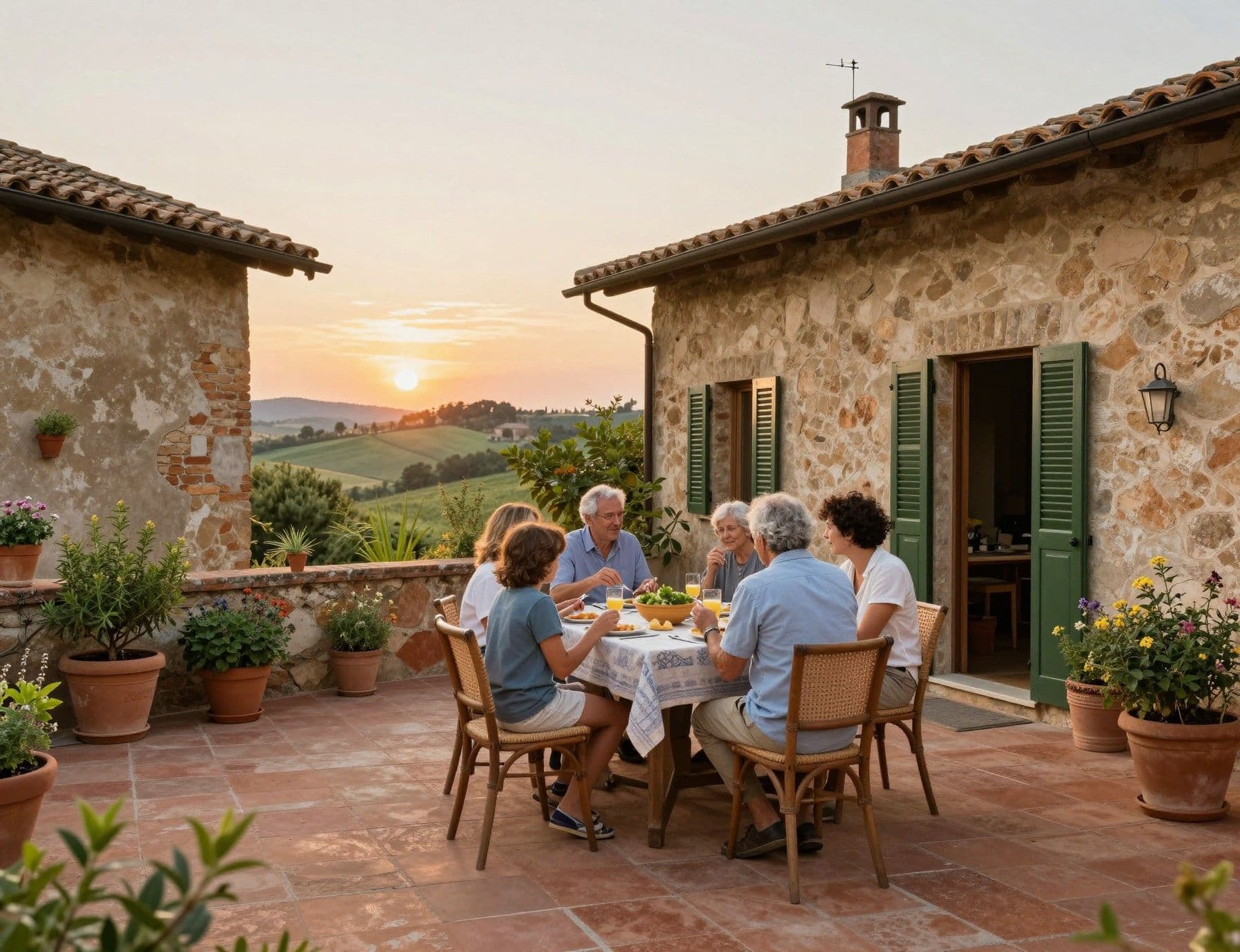
Dreams require scaffolding. Recent official figures show steady transaction volumes and modest price growth concentrated in northern regions and prime city neighbourhoods. For international buyers, three practical threads matter: the property’s condition and ongoing stewardship costs, the neighbourhood’s year-round viability, and the local service network — notary, architect, and a reliable agency that understands both market nuance and lifestyle fit. Start by prioritising the life you want to lead, then layer in technical checks.
Property styles and how they shape living
A terraced apartment in a palazzo requires different habits from a restored farmhouse. Apartments in central blocks trade private outdoor space for proximity and cultural life; farmhouses offer light, land and autonomy but often need investment in insulation, plumbing and energy systems. Consider what daily routines matter — morning light for an artist, an easily maintained garden for someone who values weekends off — and choose the building typology that supports those routines.
Working with local experts who know the lifestyle
A bilingual agency that understands municipal customs, seasonal rental realities and restoration etiquette is indispensable. They translate lifestyle wants into feasible searches — for example, locating a townhouse near a weekly market or a villa with a south-facing garden for winter light. Ask agencies for specific neighbourhood provenance: which streets have reliably good restorations, where families actually live year-round, and which blocks are seeing discreet renovation rather than noisy tourist conversions.
- Steps to align lifestyle and purchase (practical, chronological): 1. Visit in the season you intend to live there (summer life ≠ winter life). 2. Walk target streets at different times to gauge noise, services and community. 3. Commission a local technical survey to identify maintenance and energy upgrades. 4. Confirm municipal restrictions on restorations and short-term rentals before offer. 5. Arrange introductions to a notary and local architect via your agency before signing.
Insider Knowledge: What Expats Wish They’d Known
Many expats tell the same story: they bought a property for its character and only later learned to steward that character. Conservation rules, seasonal service fluctuations and the rhythm of local commerce can surprise newcomers. Equally common is the delight of neighbourhood reciprocity — a shopkeeper who keeps an eye on your place, neighbours who share produce — and those human assets frequently outweigh short-term returns. The best purchases are those where buyer stewardship enriches local life.
Cultural integration, language and social fabric
Learning basic Italian opens neighborhoods. Simple phrases at a bar or market transform transactions into relationships. In smaller towns, social entry often comes through local rituals — a patron saint day, volunteering at a festa, or joining a neighbourhood association — and these are better predictors of long-term contentment than distant property metrics. Agencies that introduce buyers to these social corridors provide real added value.
Long-term lifestyle and stewardship considerations
Think of property as cultivated land: value responds to care. Invest in energy upgrades and sympathetic restorations, and you preserve both lifestyle and market worth. For those planning multi-year habitation, prioritise neighbourhoods with mixed-age populations and year-round services; for seasonal owners, consider proximity to transport and property managers who understand calendared maintenance.
- Red flags to watch for in neighbourhood selection: - Streets dominated by short-term rentals with little resident community - Properties requiring extensive unseen structural work (roof, foundations) - Poor seasonal services (healthcare, shops closed for months) - Strict heritage constraints that prohibit necessary modernisation - Over-reliance on a single tourist-season economy
Italy rewards patience. Choose a neighbourhood where everyday life suits your temperament, then enlist an agency that can translate that life into a curated search, reliable due diligence and discreet negotiation. Visit in the season you intend to live there, meet the neighbours, and ask for street-level provenance from your agent. The result is a home that is simultaneously intimate and enduring — a place that feels right the moment you enter and remains worth caring for over years and generations.
Norwegian with years in Florence guiding clients across borders. I bridge Oslo and Tuscany, focusing on legal navigation, cultural context, and enduring craftsmanship.