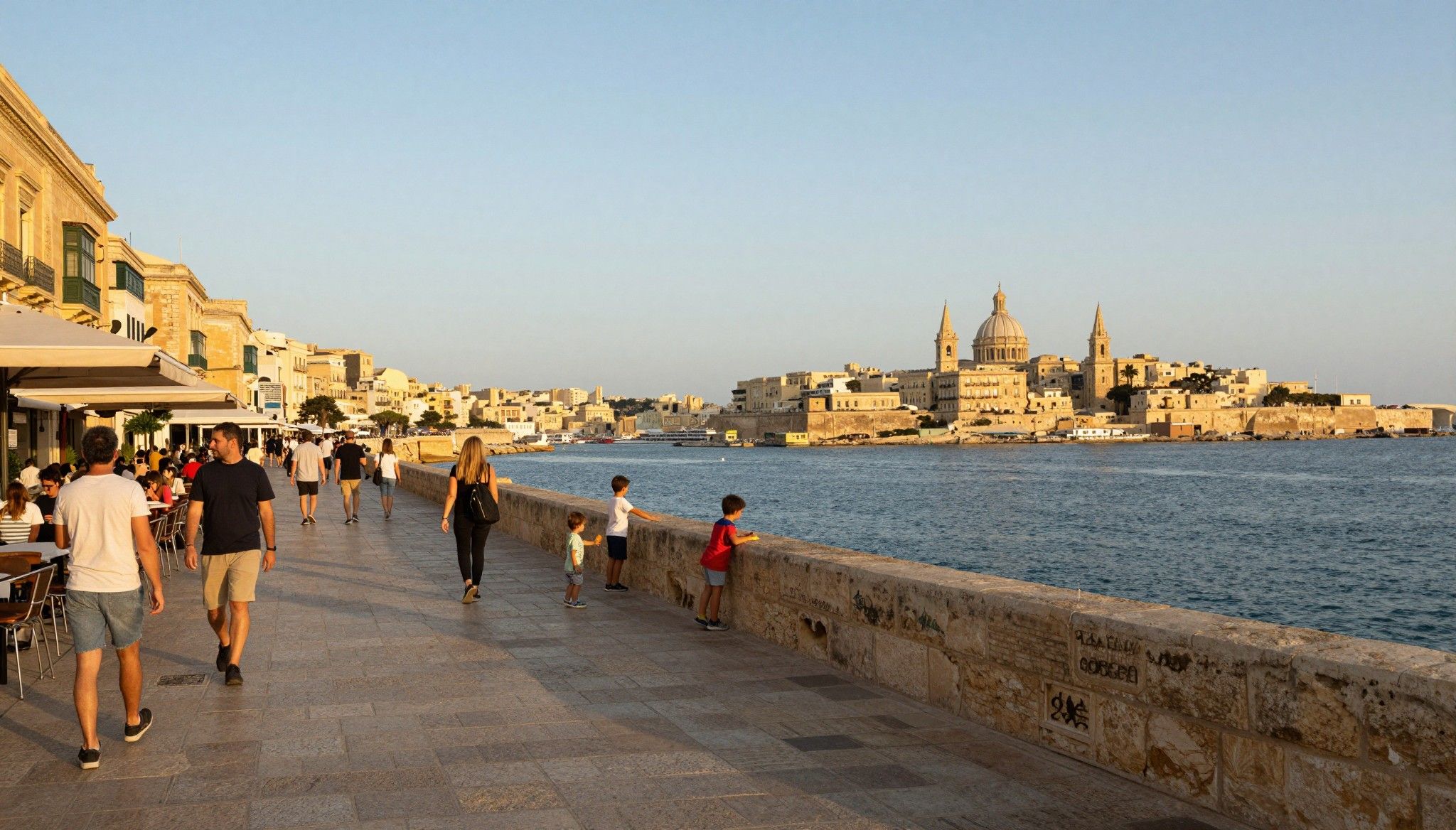
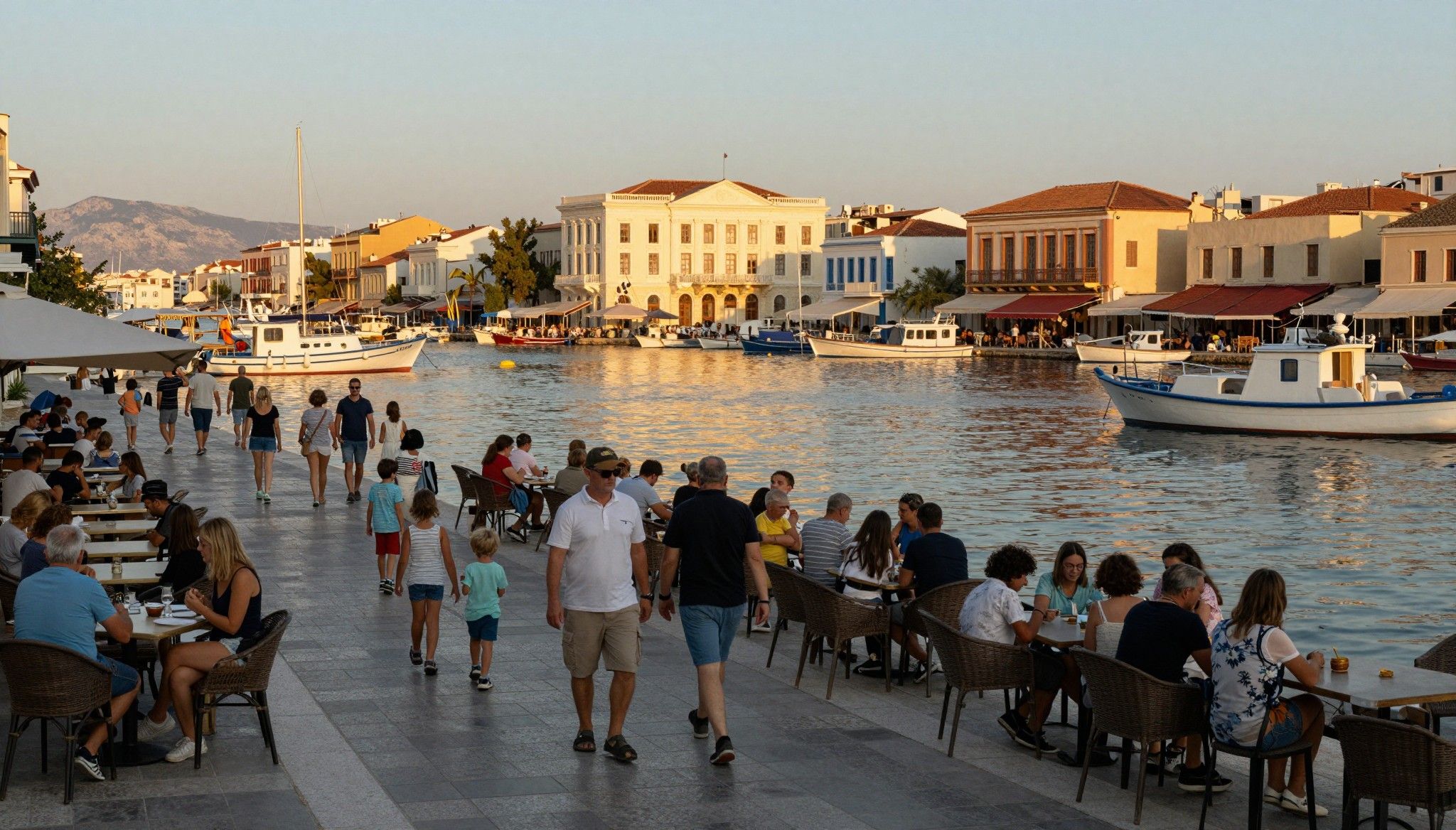
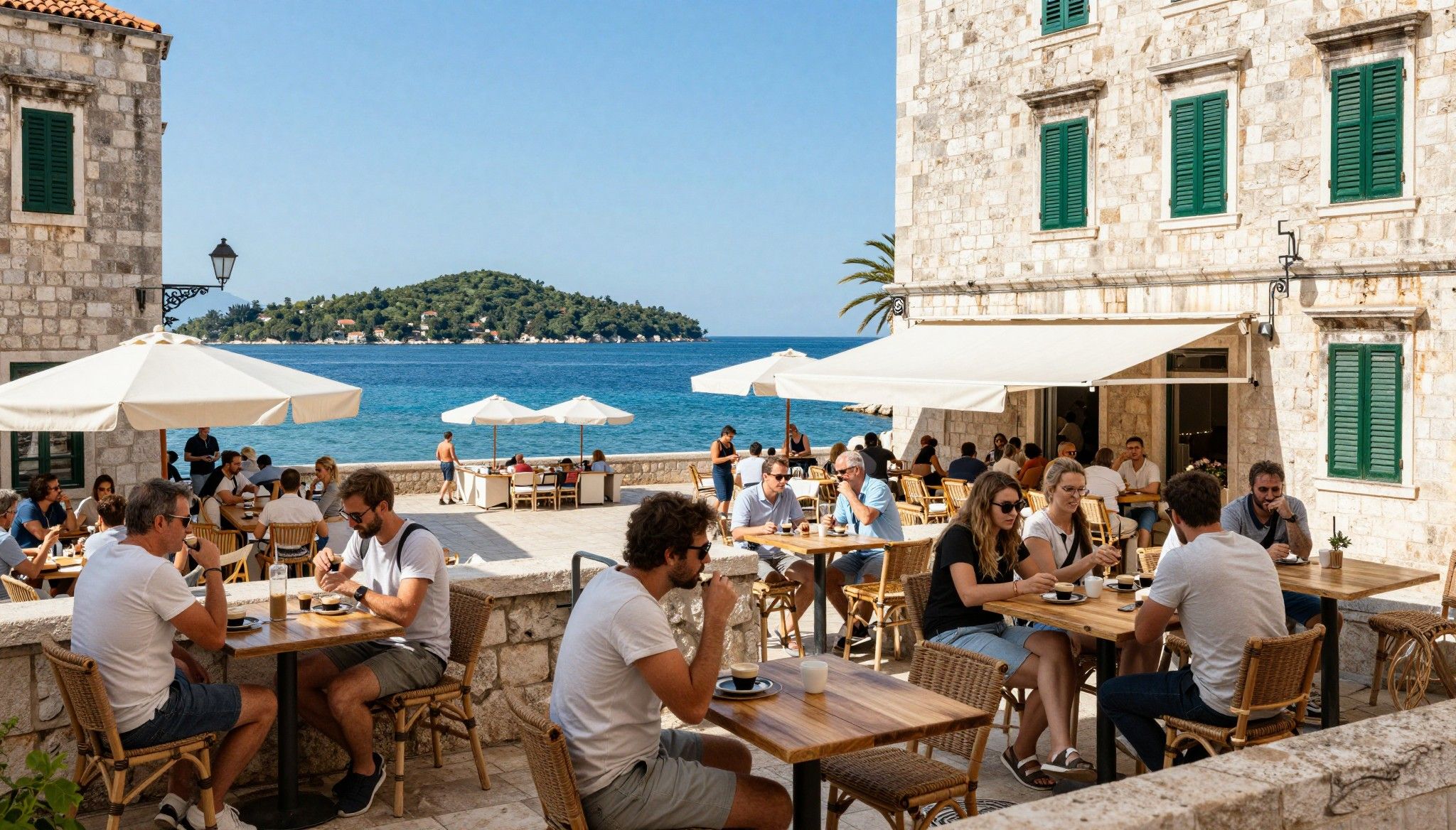
Life‑First Legal Checks: Buying Property in France
A lifestyle‑first guide to buying in France: match neighbourhood rituals to legal checks, budget for evolving transfer taxes, and enlist a local team to preserve both life and asset.
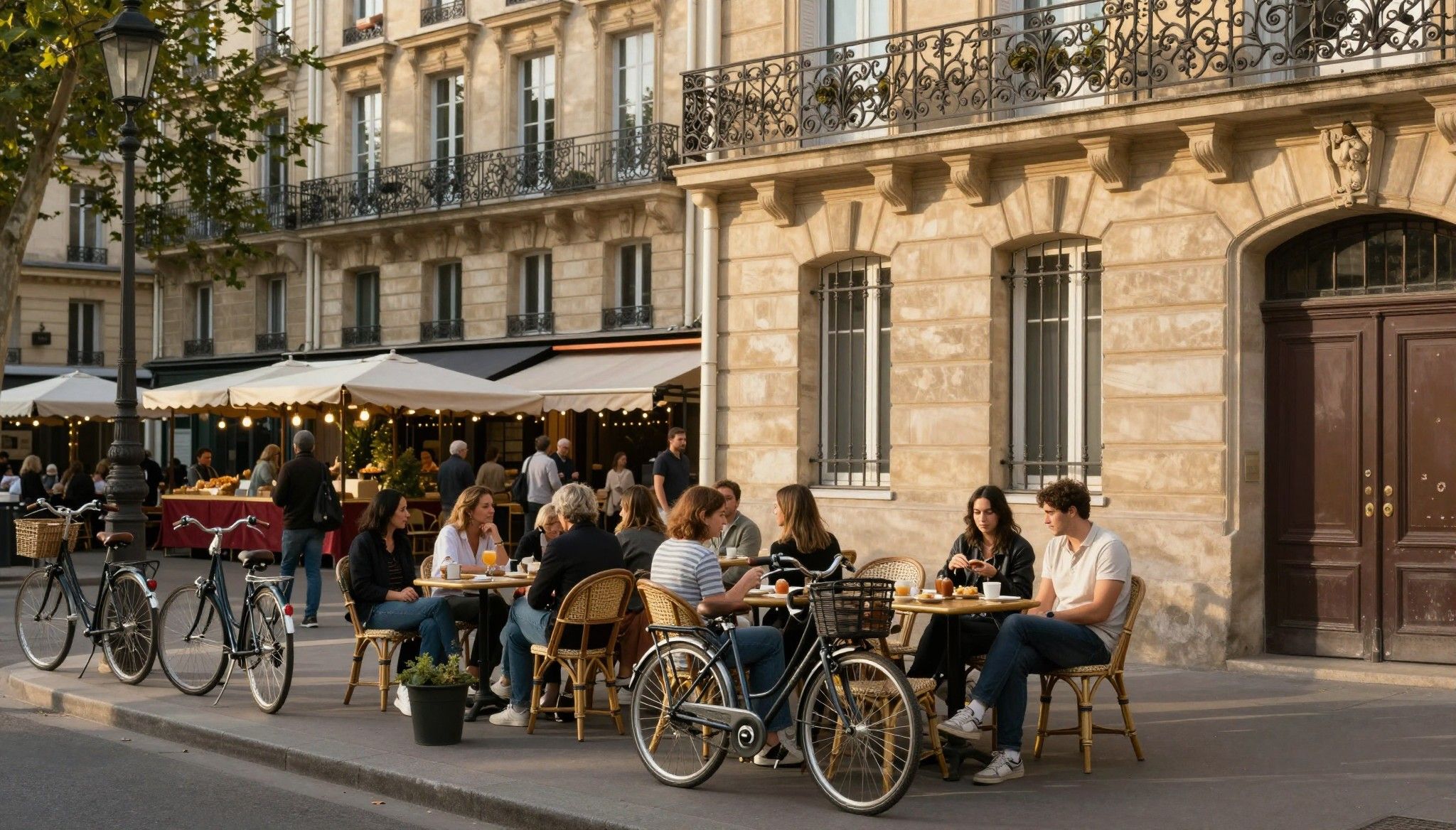
Imagine stepping out at dawn onto Rue Cler in Paris, the air smelling of fresh croissant and roasted coffee; or waking to cicadas in a stone village house above the Luberon. France lives in sensuous detail—markets, cafés, boulangeries, village fêtes—and those pleasures shape practical choices when buying here. Recent market signals and legal shifts mean the moment you fall in love with a place should be paired with clear, local legal checks before you sign.
Living the French life: how place informs purchase
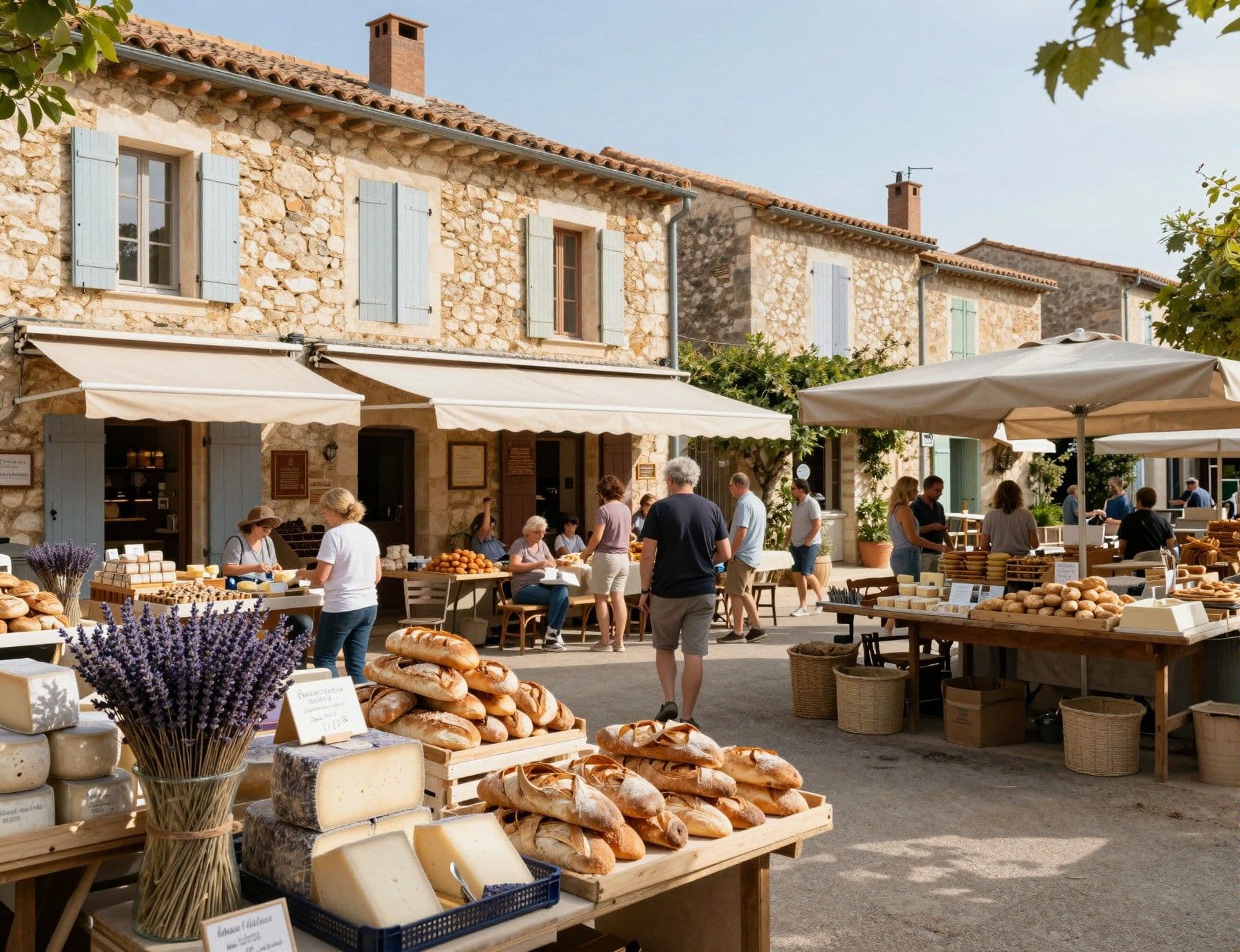
The life you buy varies sharply by street and season. Paris apartments hum with café life and late services; coastal villas along the Côte d’Azur move between languid summers and quiet winters; villages in Provence and Dordogne offer a rhythm ordered by market day and harvest. Market data from Notaires and INSEE show regional differences in price movement that frequently defy national headlines—meaning your lifestyle brief must be matched to micro‑market reality.
Paris streets and the small rituals that matter
Picture mornings on Rue des Martyrs, afternoons in the covered passages, and evenings on the banks of the Seine. In central arrondissements, proximity to an artisan bakery, a marché couvert or a favourite librairie often outweighs extra square metres. For buyers, that means accepting trade-offs: pay a premium for address and convenience, or choose quieter arrondissements where a well‑restored Haussmannian flat delivers larger living rooms and quieter nights.
Coast, country and the seasonal life
Buying by the sea demands different legal and practical checks than buying inland. Coastal towns swell in summer, altering rental demand, service availability and neighborhood character; inland heritage homes often require specialist restoration and local planning expertise. Recent notarial data show coastal and urban behaviours diverge—so align your purchase with how and when you intend to live there.
- Lifestyle highlights to look for in a French location
- Daily market ritual (e.g., Marché Forville, Cannes) that supplies the pantry and social life
- Neighbourhood cafés and evening apertifs that mark community rhythm (Rue Cler, Paris; Place des Lices, Saint‑Tropez)
- Seasonal cultural anchors: truffle fairs in Périgord, grape harvest in Bordelais, summer festivals in Avignon
Making the move: practical considerations that preserve the lifestyle
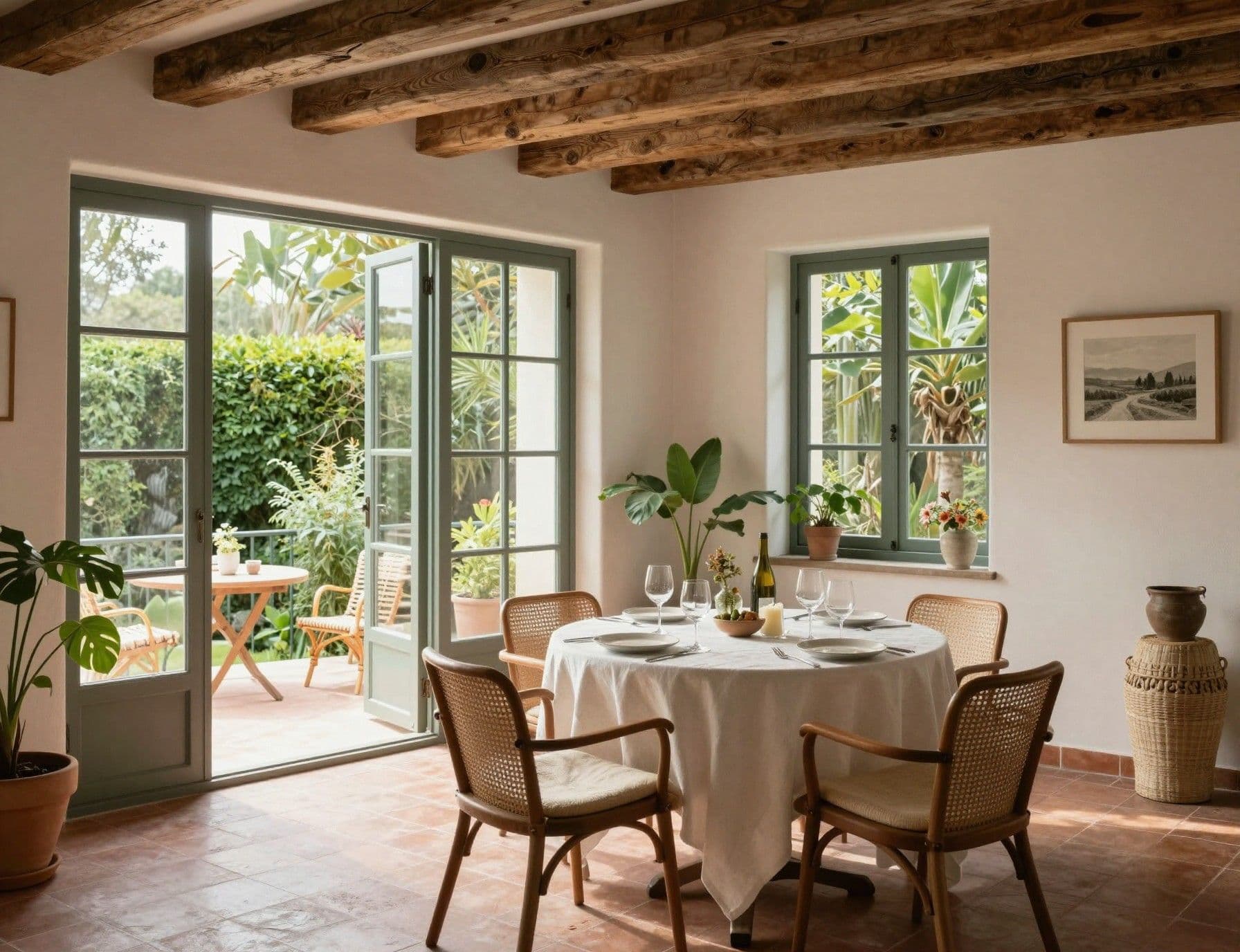
The paperwork is not the romance but it is what protects your life there. From local taxes to notaire costs, small rules change monthly rather than acting as a single barrier. Non‑resident ownership carries reporting obligations and local taxes; planning for these preserves time for the markets, cafés and social life that drew you in. Treat legal checks as the instrument that makes quotidian pleasures sustainable.
Property types: which fit the life you want
A pied‑à‑terre in Paris, a stone farmhouse in Dordogne, or a renovated mas in Provence each require distinct legal checks: co‑ownership rules and copropriété budgets in the city; servitudes, rural building regulations and heritage listings in the country. Recent changes allow departments to tweak transfer tax components—budgeting for 6–8% in so‑called "frais de notaire" remains prudent, with the notaire’s regulated fee only a small fraction of that total.
Working with local experts who preserve both dream and safety
A notaire, a locally rooted agent, and a specialist avocat for cross‑border tax are the minimal team. Agents who live the neighbourhood—those who know the café owners, the mairie officials and the market rhythms—translate lifestyle priorities into legal safeguards: confirming for instance whether an attic conversion is permitted or whether a property lies in a zone with strict heritage controls. This team turns a fondness for place into a durable ownership plan.
- Steps to marry lifestyle and legal certainty
- Visit at least twice in different seasons to test markets, services and noise levels.
- Secure a local agent with proven knowledge of the micro‑neighbourhood and references from other international clients.
- Ask a notaire for an early read on fiscal exposure, transfer duties and any servitudes attached to the title.
- Commission a technical survey that addresses moisture, insulation, and heritage constraints when buying older buildings.
Insider knowledge: expat truths and surprising legal pitfalls
Expats regularly tell the same stories: they fell for a house’s light and garden, then discovered a local tax quirk or an old servitude that altered renovation plans. Others underestimate seasonal service limits—shops that close off‑season or municipal rules that affect short‑term rentals. A little local knowledge prevents large disappointments; reporting obligations and local property taxes are straightforward once understood and budgeted for.
Cultural integration and the small rituals that create belonging
Language matters less than participation. Regular attendance at the marché, an introduction at the mairie, and being present for local fêtes signal intent and speed integration. Buying with that social calendar in mind—choosing a neighbourhood with a weekly market or an active association—turns a house into a home and ensures neighbors support small permissions, like an after‑hours delivery or a garden repair.
Long‑term stewardship: what owners wish they’d known
Owning in France is often a generational decision. Consider maintenance of stone façades, heating upgrades to meet evolving standards, and inheritance law. French succession rules can affect long‑term plans; an early conversation with a French notaire and a cross‑border avocat clarifies how property will pass to heirs and what structures (donation, French will) might preserve both family wishes and tax efficiency.
- Red flags to act on before signing
- Unexplained works or missing permits on the dossier—always ask for title history and building permits.
- Unclear copropriété accounts or special levies—review the last three years of meeting minutes and charges.
- Properties in protected zones without early planning advice—consult an architect experienced with local heritage authorities.
When the romance of a place meets legal rigour, both are preserved. Your agent’s role is to steward the process discreetly—introducing trusted notaires, sourcing technical surveys, and translating local rhythms into a purchase strategy that protects the life you imagined. The final act is practical: sign only after a clear fiscal read, technical green light, and a local welcome.
Having moved from Stockholm to Marbella in 2018, I help Scandinavian buyers navigate Spanish property law, restoration quality, and value through authentic provenance.