Malta: Streets, Stewardship and Where Life Really Happens
Malta’s appeal is a lived-in mix of limestone streets, close-knit neighbourhoods and steady market demand — buy where life, architecture and stewardship align.
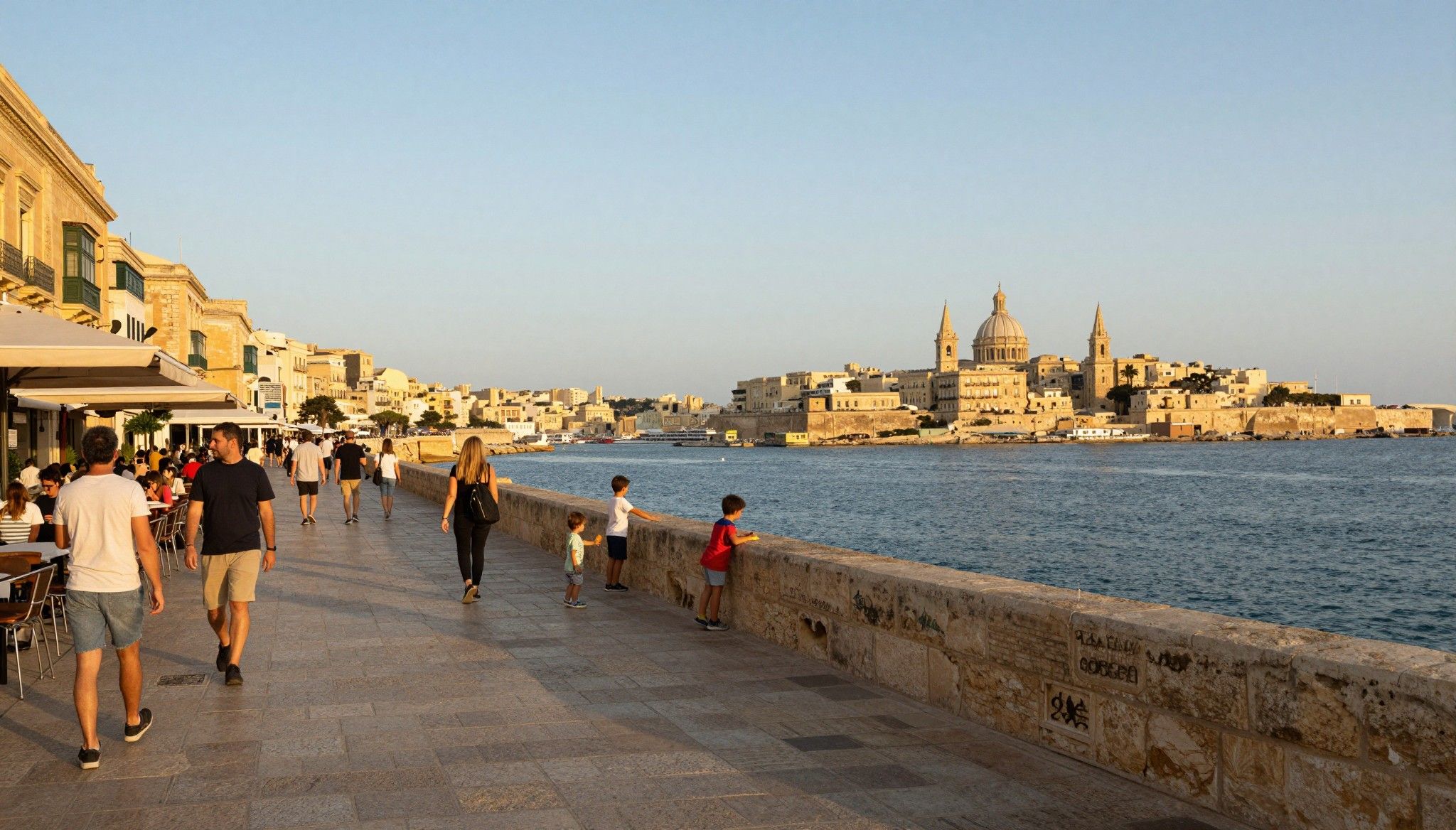
Imagine waking to the smell of freshly baked ftira, crossing a limestone street to a café where conversation moves as slowly as espresso cools, and ending the day on a terrace watching a soft Adriatic dusk fold over a honey‑coloured skyline. This is Malta: compact, textured, and curiously generous — a place where a city’s cultural density sits within a short drive of quiet coves. For the international buyer who values provenance, quiet charm and clear lines of stewardship, Malta’s choices reward those who look beyond postcard seafronts and into streets where life is actually lived.
Living the Maltese life

Life in Malta is tactile: limestone that warms underfoot, narrow lanes that funnel sound and life, and a social calendar weighted toward village festas, small galleries and sea swims at dawn. The island’s size — just 27 miles end to end — means errands, cafés and cultural venues are rarely far. Recent market data shows steady residential demand, which helps explain why the lifestyle premium on central neighbourhoods remains resilient. Buyers should feel the place first and then measure market facts — the two together reveal where value lives.
Valletta: measured grandness
Step into Valletta and you enter a carefully composed stage of Baroque façades, merchant palazzos and restrained public squares. Living here is for those who prize architectural provenance: restored townhouses with original timber balconies, high ceilings and stone mullions. Days are shaped by museum openings, early evening paseos along the marina and quiet breakfasts in narrow courtyards. Expect premium on conservation‑grade properties — the reward is a patina of history and immediate access to cultural life.
Sliema and St Julian’s: refined convenience
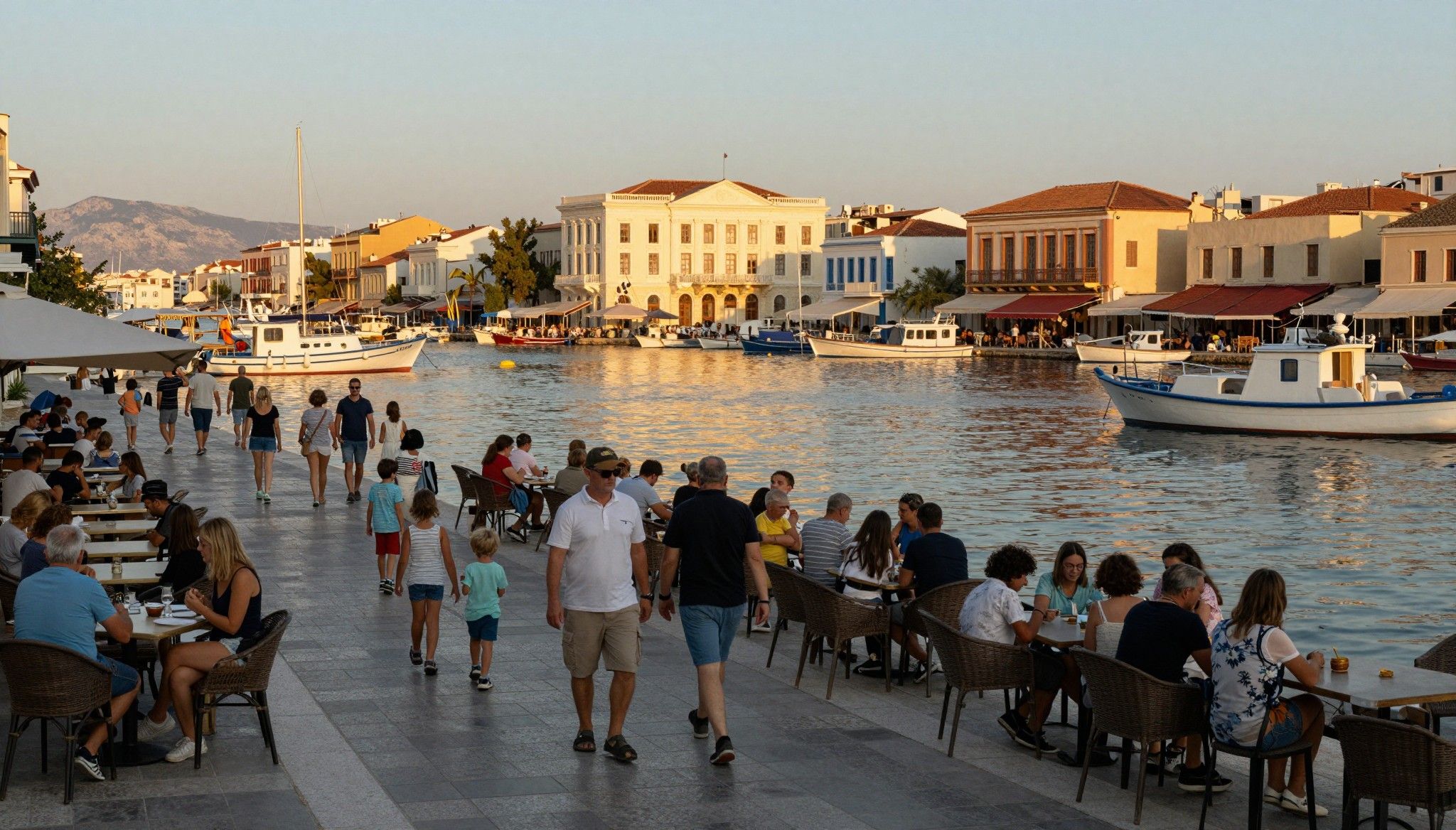
Sliema and St Julian’s offer the modern rhythms many internationals expect: waterfront promenades, boutique cafés, short commutes to Valletta and a strong private‑school and serviced‑apartment scene. Swieqi, tucked behind St Julian’s, trades nightlife for quiet residential streets and private gardens — a common choice for families and professionals working in tech and iGaming sectors. These neighbourhoods balance daily ease with a predictable rental market for those considering letting periods.
- Lifestyle highlights: Valletta’s theatres and palazzos; Sliema’s promenades and cafés; St Julian’s dining and marina life; Mellieħa’s beaches and slower pace; Gozo’s rural villages and restored farmhouses.
Making the move: practical considerations

The most romantic aspect of buying in Malta — a neighbourhood’s lived‑in charm — is inseparable from the market realities: small supply, steady demand and a price index that has risen consistently in recent years. That means well‑situated historical homes command premiums and off‑plan apartments can offer access at lower entry points. A clear read of recent transaction data is essential; local statistics and market reports should shape timing, not sentiment alone.
Property types and how they shape life
Malta’s palette runs from restored 18th‑century townhouses and traditional maisonettes to contemporary apartments on newly reclaimed peninsulas. A townhouse in Mdina or Valletta offers rooms scaled for formal living, cooling thick walls and a sense of centuries‑old continuity. Newer apartments around Tigné Point prioritise open layouts, glazed façades and amenities. Choose by how you intend to live: a courtyard for quiet writing mornings, or a seafront balcony for dinners with a view.
How local experts translate lifestyle into purchase
- 1. Commission an agent who knows conservation rules and planning permits, especially for restored properties. 2. Ask for recent deed‑of‑sale comparables within the same street — Malta’s island scale makes micro‑data decisive. 3. Confirm utility upgrades and insulation; traditional limestone homes benefit from sympathetic, not invasive, modernisation. 4. Balance rental potential with personal use: town centre homes rent well seasonally, coastal family houses have steadier long‑term lets. 5. Use a local notary experienced in cross‑border transactions to avoid procedural delays.
Insider knowledge: what expats wish they’d known
Expats often arrive enchanted by sea views and festivals; what surprises them is the importance of street life and neighbour relations. In tightly knit localities, small courtesies — attending a festa or speaking a few Maltese phrases — open doors. Practical realities — parking, seasonal tourist flows and calm summer nights offset by summer daytime bustle — shape the daily experience more than headline price tags. Listening to neighbours reveals far more than glossy listings.
Cultural integration and the social fabric
English is official and widely used in business, yet Maltese village life preserves rituals and an expressive public sphere. Joining a local club, learning a handful of phrases, and knowing which festa falls in your parish are practical social investments. For buyers seeking to belong rather than merely to possess, these small attentions pay returns in community trust and everyday ease.
Longer‑term lifestyle considerations
Over a decade, central Maltese addresses have shown resilience; limited land and ongoing demand from residents and internationals keep well‑located properties desirable. For those planning to pass a home to the next generation, provenance and conservation quality matter: professionally documented restorations, original features preserved, and sympathetic modern services increase both daily pleasure and long‑term value.
- Practical next steps: on‑the‑ground checklist • Visit neighbourhoods at different times of day to feel seasonal rhythms. • Request recent deed comparables and a street‑level inspection report. • Meet a local architect or conservator before bidding on historic homes. • Factor in serviceability (parking, storage, lift access) when comparing listed prices. • Use an agency with cross‑border experience to manage documents and local contacts.
Malta is small enough that neighbourhood choice determines daily life; it is particular enough that careful stewardship repays itself. If you seek a home that offers history, convivial daily rituals and uncomplicated travel to cities like Valletta, Sliema and St Julian’s, begin with the life you want and let local experts translate that life into address, deed and reliable stewardship.
Norwegian with years in Florence guiding clients across borders. I bridge Oslo and Tuscany, focusing on legal navigation, cultural context, and enduring craftsmanship.