Hidden Tax Truths That Shape Buying in Croatia
Practical, lifestyle‑led tax guidance for buyers: how Croatia’s transfer tax, municipal levies and residency rules reshape the cost and joy of ownership.
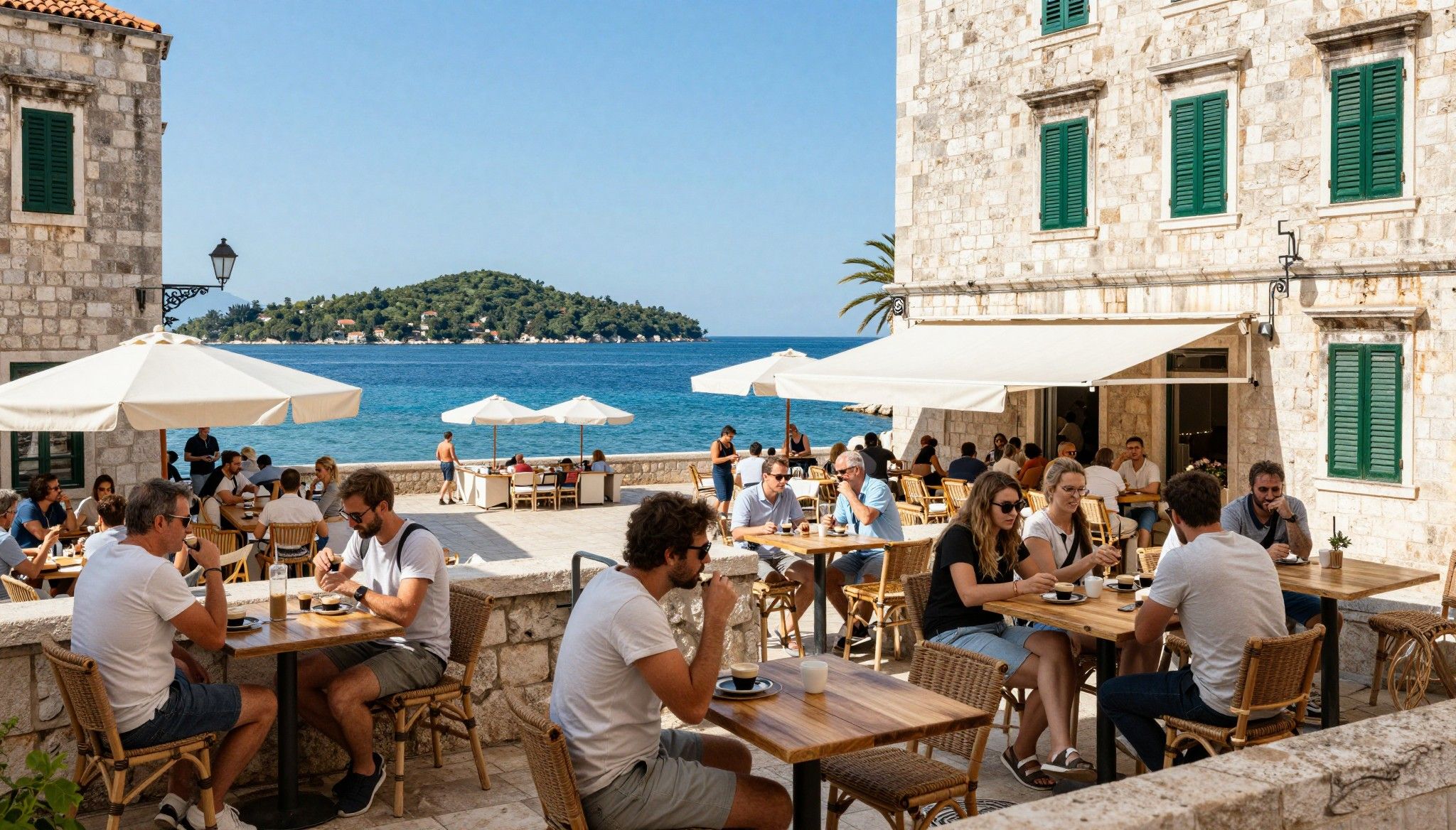
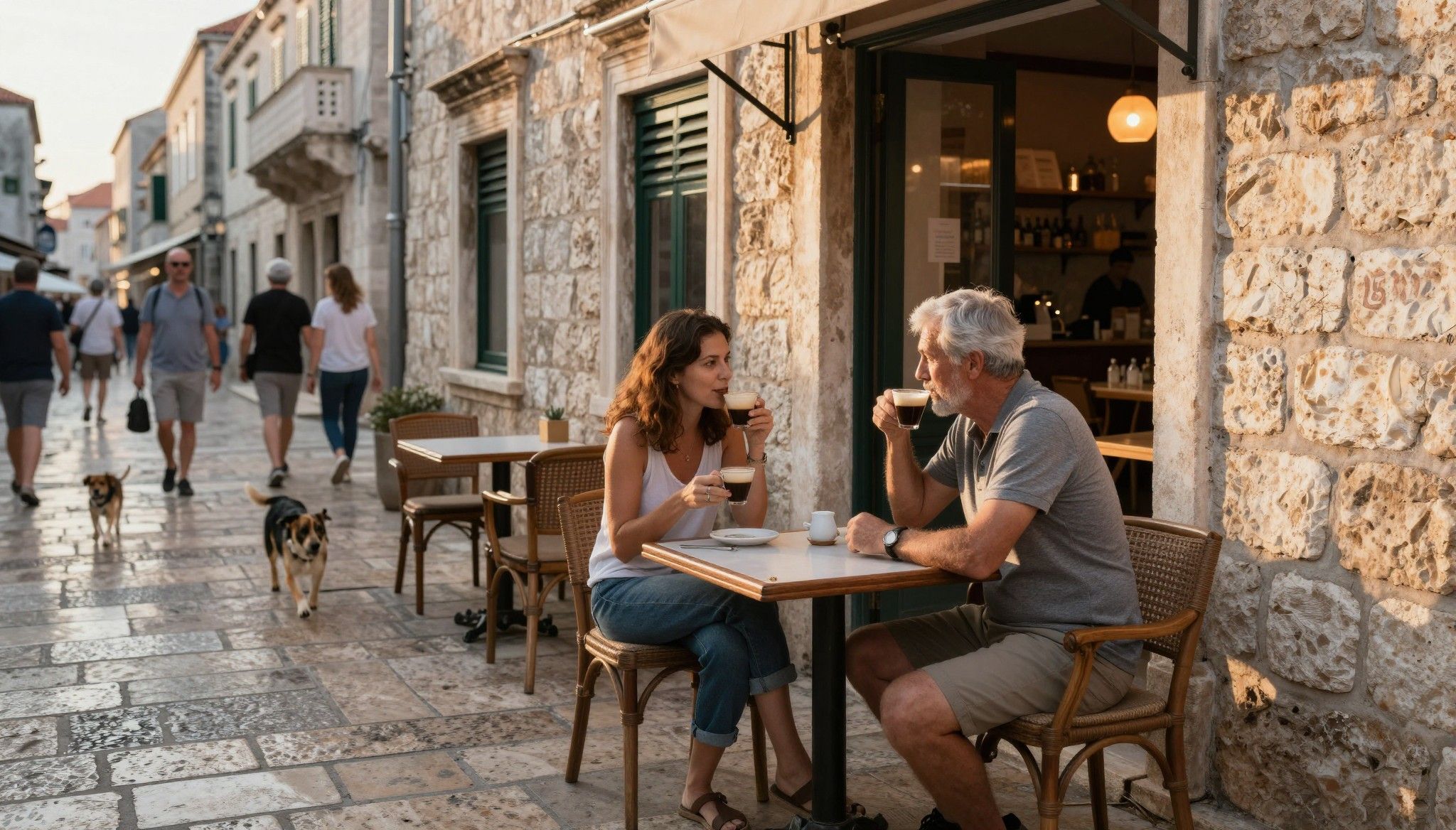
Imagine an October morning in Split: espresso steam rising outside a stone café on Radićeva Street, fishermen unloading the day’s catch at the Riva and, three streets back, a renovated Dalmatian townhouse whose roof terrace frames the islands. The life Croatia sells is tactile — salted air, limestone underfoot, coaxing light — and it is what draws many of us here. Yet the buoyant lifestyle and modest asking prices conceal tax shifts and local rules that quietly reshape the cost of ownership. If you love the light but want certainty, a few tax truths — not slogans — will protect both your dream and your balance sheet.
Living the Croatia lifestyle
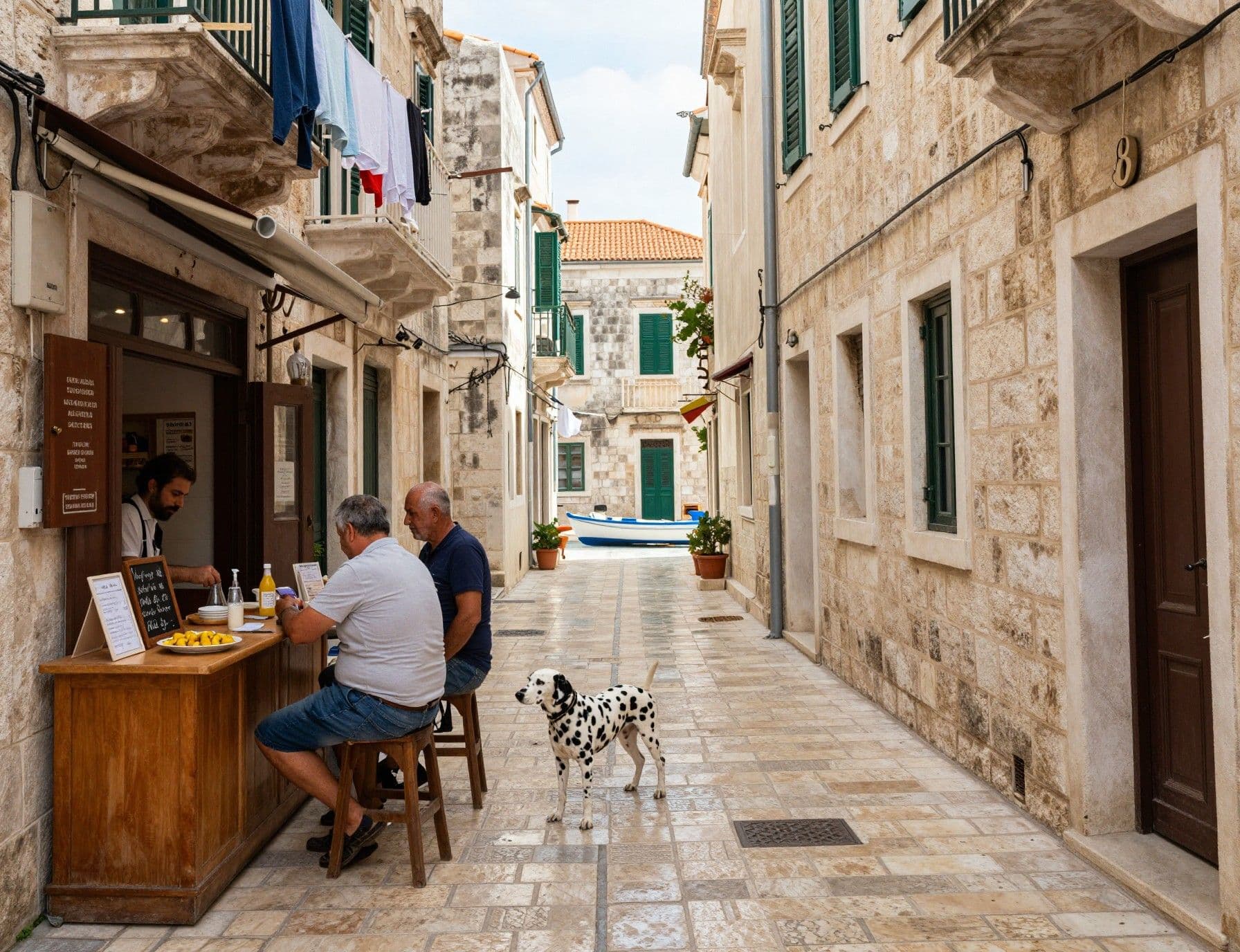
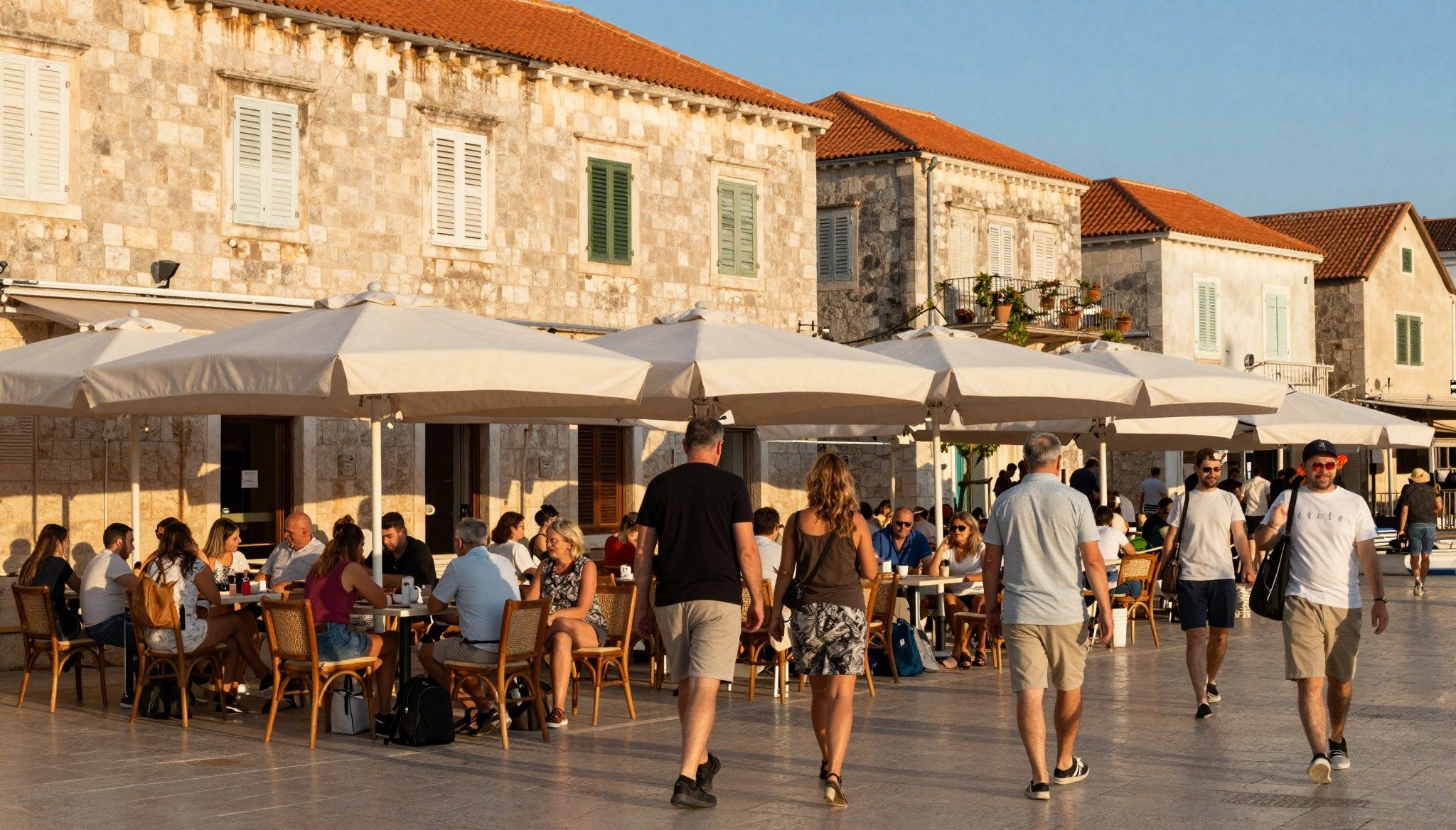
Croatia’s rhythm is coastal and seasonal yet surprisingly metropolitan where it counts. In Zagreb cafés on Ilica the morning is brisk and literary; on Hvar’s harbour the afternoons slow to a long lunch; in Rovinj narrow streets bend toward the sea and stand-still time. For many buyers the attraction is intimacy — small markets where fishmongers remember names, neighbourhood bakeries that open at dawn, and public squares that become living rooms in summer. This texture of local life should be the first compass for where you search: architecture, scale and neighbourhood life determine not only pleasure but which taxes and obligations will apply to you.
Coastal towns vs. inland cities: different atmospheres
Choose a Dalmatian stone house and you buy into a summer economy: tourism, seasonal rentals and municipal levies that respond to visitor numbers. Choose a flat in Varaždin or Zagreb and the pulse is year‑round — quieter peaks for rental income but steadier municipal charges and utility realities. The consequence is practical: the tax profile and ancillary costs in Omiš, Korčula or Dubrovnik differ markedly from a baroque apartment near Zagreb Cathedral. Think in terms of living pattern — full‑time, part‑time, or investment — before committing to a neighbourhood.
Food, markets and the small rituals that define place
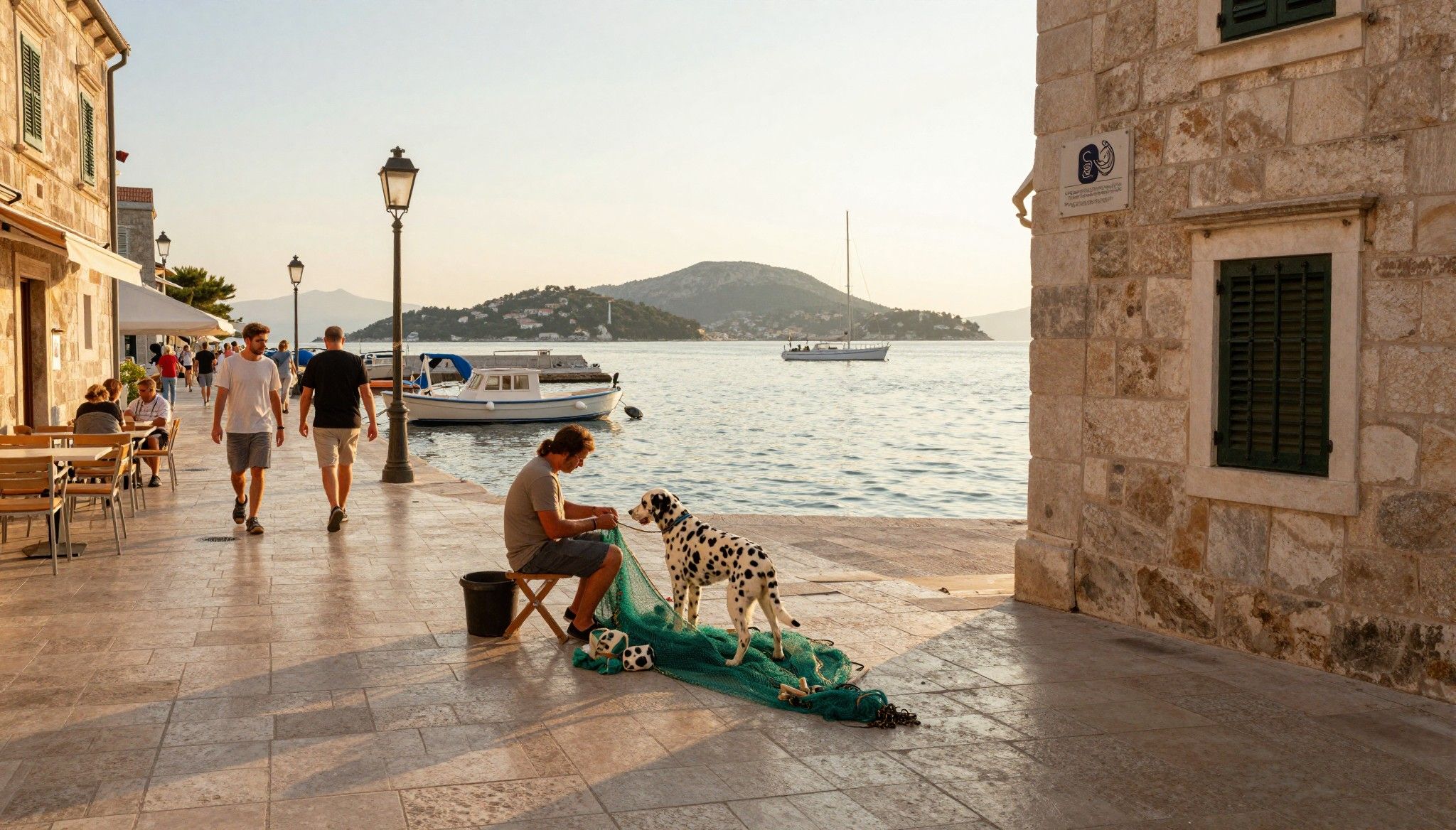
Weekends in Croatia often orbit market life: Dolac Market in Zagreb for produce and conversation, Split’s Pazar for flowers and anchovies, the fishermen’s stalls in Mali Lošinj for fresh tuna. These rituals shape living choices — a kitchen worthy of market produce, storage for preserved goods, or proximity to a quay for fresh fish. When you measure a property’s value, include the practical joys that become daily habits; they often justify spending slightly more on location and reduce the temptation to chase lower purchase prices that diminish life quality.
Dolac Market (Zagreb) — morning produce and community exchange
Split Riva and Radićeva — daily waterfront life and small cafés
Rovinj old town — cobbled lanes, artisan studios and intimate dining
Hvar harbour — social season, off‑season solitude and island access
Making the move: practical considerations

Lifestyle animates the search, but taxes set the ledger. Recent practical guides show that closing costs in Croatia typically lie between roughly 3.5% and 8% of the purchase price depending on whether you buy a new build with VAT or a resale subject to transfer tax. These headline figures are useful, but what matters is how they interact with municipality rules, whether you plan to rent, and if you will establish tax residency. Plan for both one‑off transactional taxes and recurring local charges when evaluating affordability.
Property types and what they mean for tax
A resale between private individuals normally attracts a real estate transfer tax of 3% of market value payable at transfer; new builds sold by entrepreneurs are often VAT‑based instead, which can make apparent purchase price comparisons misleading. Renovation projects carry additional layers — VAT on works, municipal fees, and occasionally special levies when coastal protection rules apply. For buyers, this means comparing net effective cost, not just the advertised price: a slightly higher asking price on a resale might be cheaper overall than a VAT‑heavy new build once transfer taxes and renovation allowances are considered.
Working with local experts who know the lifestyle
Choose a legal adviser experienced in coastal property and heritage rules; municipal interpretations vary.
Engage a tax consultant to model residency, rental income, and capital gains scenarios before offer.
Ask your agent for recent comparable sales (not asking prices) and proof of how transfer tax was calculated.
Confirm whether a property falls under special coastal or protected‑zone regulations that affect renovation and insurance.
Insider knowledge: expat realities and tax myths
Expats often start with assumptions that can be costly. The myth that a Croatian purchase will always be cheaper because asking prices look lower ignores recurring local taxes and new national property taxation reforms introduced since 2024. Equally, many believe establishing tax residency is merely bureaucratic; in reality residency alters taxable bases — for worldwide income and certain exemptions — and changes the calculus on rental profits. Early clarity on residency rules and municipal tax schedules avoids surprises when a beloved holiday house becomes a year‑round financial obligation.
Cultural integration and daily life
Learning Croatian, even at a conversational level, pays dividends beyond courtesy: it smooths negotiations with craftsmen, clarifies municipal notices about property tax, and unlocks social routines that make integration simpler. Locals value discretion and relationships; a well‑regarded notary or a municipal clerk who knows you can speed approvals and reduce friction. Practically, this means investing time in local networks early — join a market morning, a harbour association or a neighbourhood group — and factor the time cost into your move plan.
Long‑term owners speak of a subtle shift: taxes that were once occasional now arrive as predictable line items. Recent reporting places closing costs in a realistic band and highlights that new annual property taxation can be material in tourist zones. For stewardship‑minded buyers, the best approach is conservative modelling: assume higher municipal charges, allow for seasonal maintenance and insurance, and prefer properties where workmanship and materials reduce repeated upkeep. This preserves lifestyle and capital alike.
Red flags buyers often miss:
Unclear boundary titles and disputed access — can escalate legal fees and affect marketability.
Properties in protected coastal or archaeological zones — restrictions on renovation and potential fines.
Assuming short‑term rental income covers taxes — off‑season occupancy often leaves gaps.
Buying based only on advertised price without a tax residency and capital gains scenario analysis.
A simple three-step tax sanity check
Request a written estimate of transfer tax/VAT and closing costs from your notary before making an offer.
Model two scenarios with a tax adviser: part‑time owner renting seasonally and full‑time resident using local services.
Confirm municipal property tax rates and any new local levies with the town office; get the exact calculation in writing.
Conclusion: the lived‑in decision
If Croatia seduces you with light and texture, let tax literacy keep the romance intact. Small differences — whether a 3% transfer tax or a municipality’s annual property levy — compound over years and convert a charming pied‑à‑terre into a financial burden if unplanned. Begin with neighbourhood visits and market mornings, then secure clear, written tax estimates and a municipal confirmation. When lifestyle and ledger align, the result is not only a beautiful home but a durable one; local experts can translate desire into a defensible, long‑term plan.
Relocating from London to Mallorca in 2014, I guide UK buyers through cross-border investment and tax considerations. I specialise in provenance, design integrity, and long-term value.