Reciprocity, Rhythm and Red Flags: Buying in Croatia
How Croatia’s daily rhythms meet legal reality: reciprocity, transfer tax vs VAT, notary practice and local red flags to guard your lifestyle investment.
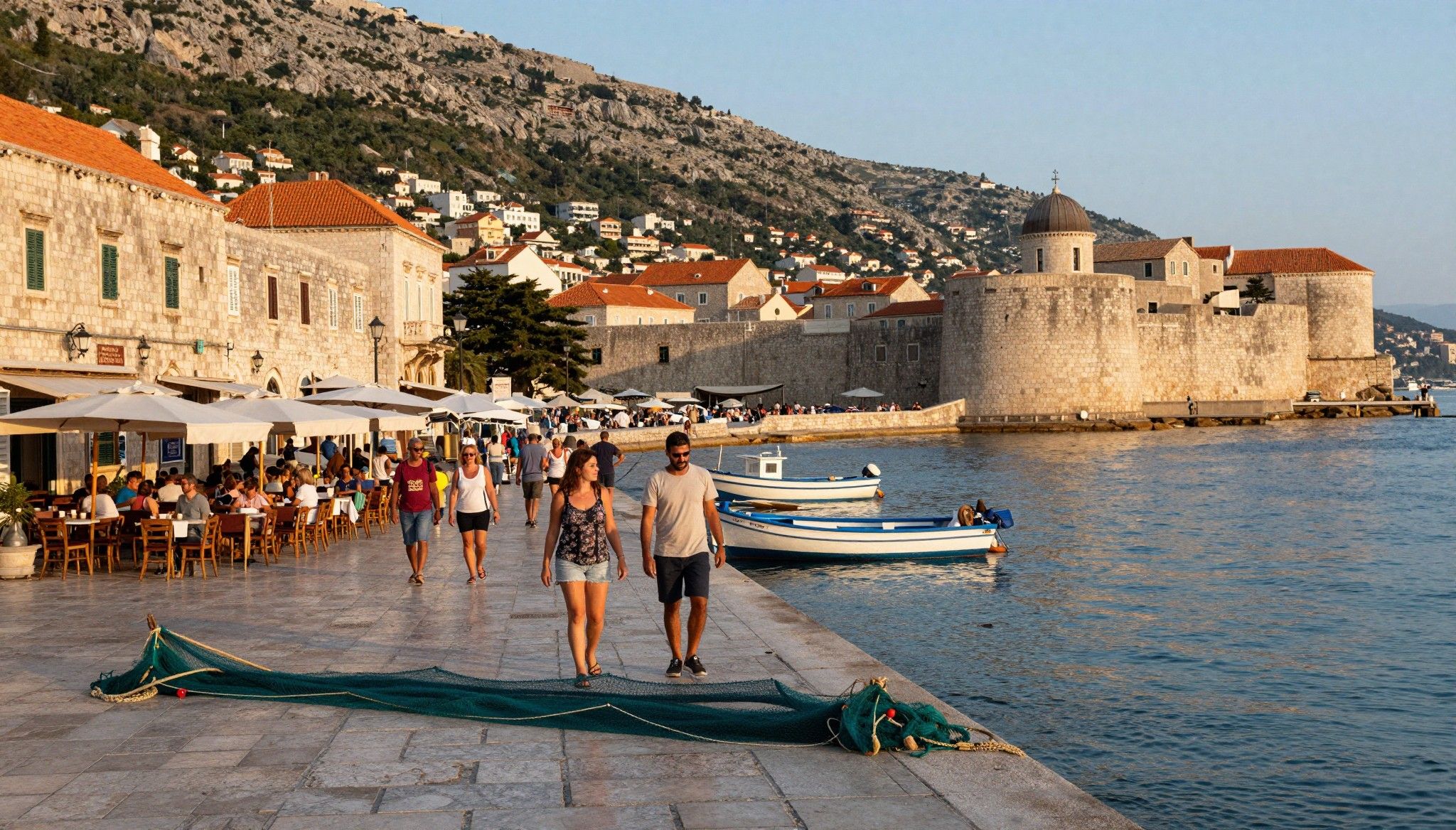
Imagine arriving at Split’s Riva as the morning light makes the marble glow, then wandering up narrow streets where a baker knows your name and a neighbour invites you for rakija. That rhythm—sea, market, friendly ritual—shapes how homes are lived in Croatia. But the romance of stone facades and Adriatic light meets a particular set of legal rules. Knowing them early preserves the life you want here, not only the keys.
Living the Croatian rhythm
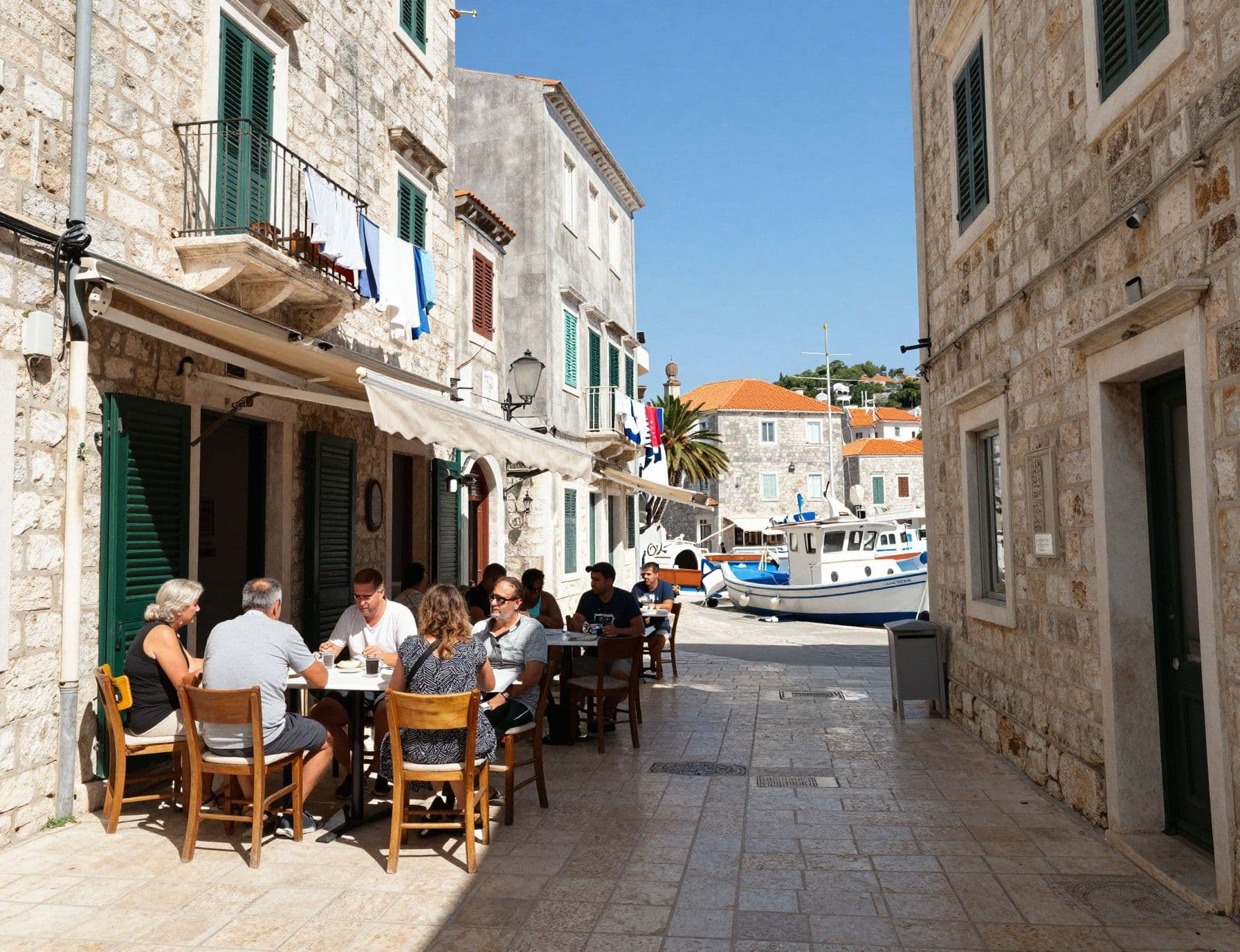
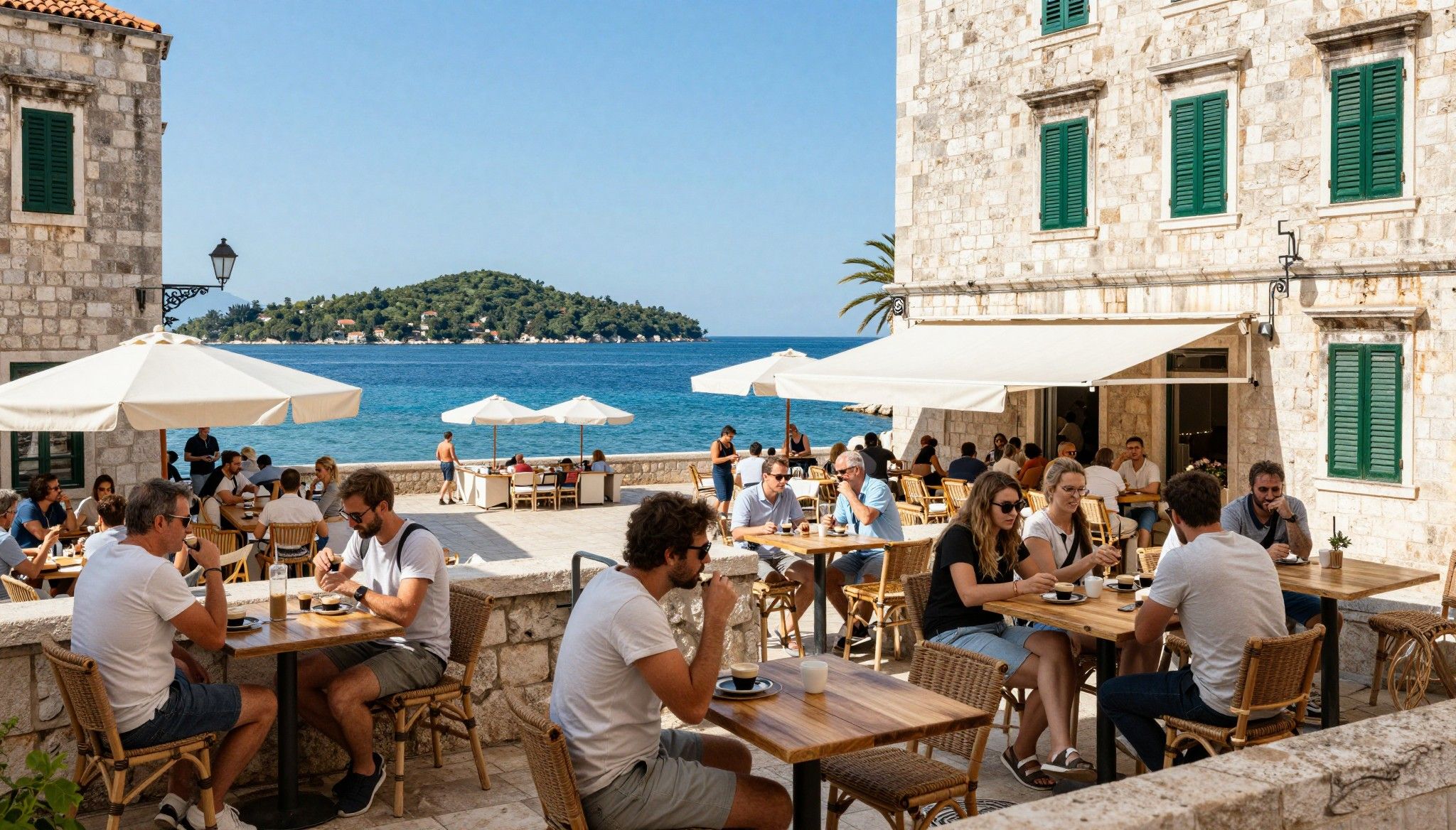
Day-to-day life in Croatia is quietly tactile: espresso at a small kiosk in Zagreb’s Britanski trg, fishermen selling morning catch at Hvar’s waterfront market, children cycling past stone houses in Rovinj. These local rhythms influence what buyers value—compact historic flats with shuttered windows, terraces that capture evening breeze, and basements reimagined as wine cellars. These are not resort properties; they are lived-in homes that age gracefully.
Coastal towns and island life: Split, Hvar, Rovinj
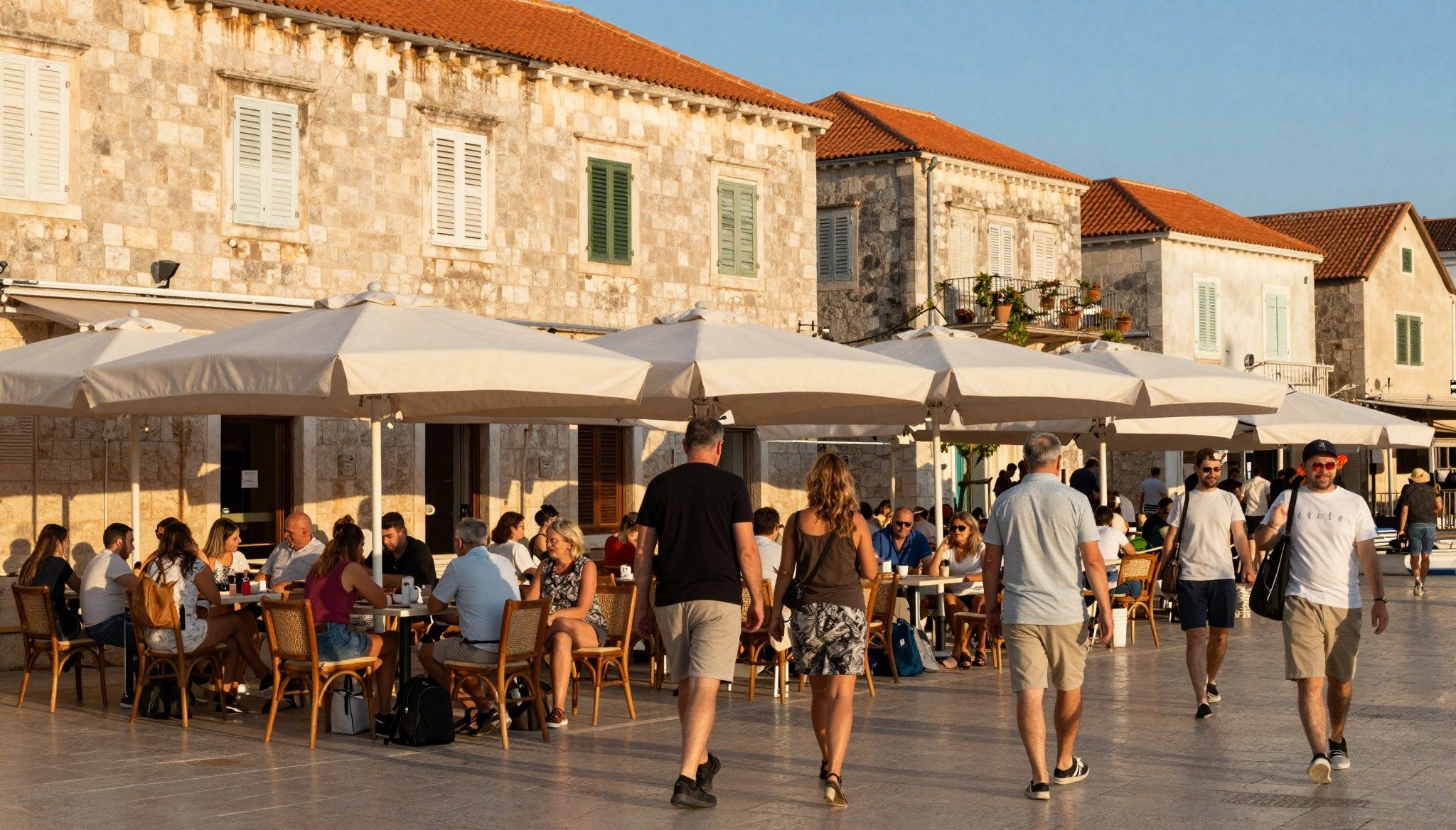
On the Dalmatian coast the day begins and ends by the sea. In Split you will buy bread on Marmontova and find evenings in small konobas where neighbours trade news. Hvar still rewards early adopters of restored stone houses; Rovinj’s pastel streets attract collectors who prize provenance and restored details—wrought iron balconies, artisan tile floors and native oak beams.
Inland and regional character: Istria, Zagorje, continental towns
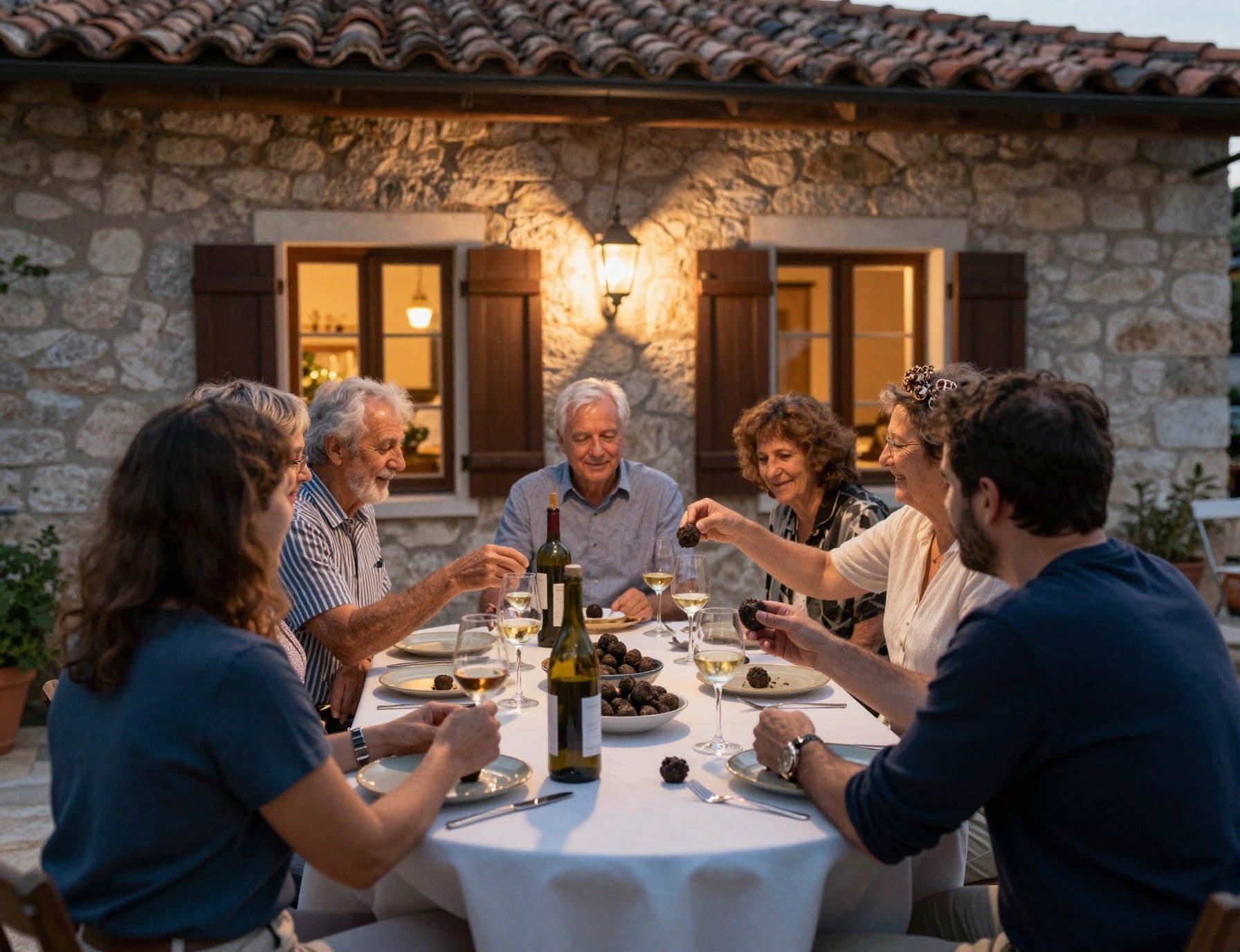
Istria’s truffle season transforms hilltop towns into communal feasts; Zagorje’s white-stone farmhouses offer space and quiet. In cities such as Zagreb, elegant Austro-Hungarian townhouses sit beside contemporary galleries. These differences matter: an Istrian stone house requires different upkeep and insurance than a protected apartment in Dubrovnik’s Old Town.
- Lifestyle highlights: morning markets (Dolac, Split fish market), konoba evenings, island boat days, summer cultural festivals (Dubrovnik Summer Festival), truffle hunts in Motovun.
Making the move: practical legal realities
The charm of place must be paired with procedural clarity. Croatia’s accession to the euro and Schengen has simplified daily life, but property transactions retain formalities that matter for foreigners: reciprocity rules, the notary-led contract process, and the distinction between VAT-liable new builds and resale transfers subject to transfer tax. Treat these steps as part of curating the life you want, not bureaucratic hurdles.
Who may buy: reciprocity and approvals
Citizens of EU/EEA states and Switzerland generally purchase without special permission. Non‑EU buyers may require prior approval from the Ministry of Justice, dependent on reciprocity between Croatia and the buyer’s country. This is the most common surprise for international buyers: without checking reciprocity first, a signed agreement can stall awaiting paperwork.
Money matters: VAT, transfer tax and what they mean
Resale purchases are typically subject to the real estate transfer tax (commonly applied at around 3% of market value when VAT does not apply). New builds sold by VAT-registered developers are usually subject to VAT (25%) instead. Notaries report transactions to the Tax Administration, and the authority may assess market value independently—so an artificially low contract price can trigger reassessment.
- Steps to reduce surprises when budgeting: obtain an official OIB (tax ID), confirm whether the vendor is a VAT payer, request a pre-contract legal review, order a cadastre/land registry extract, and ask your notary to estimate transfer duty. Each step protects both the lifestyle you expect and the capital you invest.
Insider knowledge: the small rules that change everything
Expats often discover local customs faster than lawbooks: renovations require municipal approvals in protected zones, shared coastal access affects seafront parcels, and heritage protections can limit alterations. These realities influence whether a property is a permanent home, a seasonal retreat, or an asset to pass to the next generation.
Integration, community and language
Croatia rewards patient integration. Learning some Croatian opens doors at markets and neighbourhood kafanas; joining local associations or cultural events accelerates belonging. For many buyers, the best properties are those whose owners already participate in these rhythms—neighbours who share garden produce, café proprietors who remember birthdays, and municipal clerks who expedite permits for recognised residents.
Long-term stewardship and practical upkeep
Historic stone houses require maintenance plans: regular roof inspections, attention to damp in basements, and careful restoration using traditional materials when in protected zones. Factor in local tradespeople, seasonal availability and property management for absences. Stewardship ensures the character that drew you here remains intact for decades.
- Practical red flags to watch for: unclear cadastral boundaries, undocumented sea access rights, sellers with pending court disputes, properties in protected heritage zones without clear renovation permissions, and contracts written solely in Croatian without certified translation.
Begin with a sense of place: take time in markets, sit on terraces, listen to neighbourhood rhythms. Then pair that appreciation with careful legal checks—reciprocity status, tax treatment, notary reporting and cadastre clarity. When lifestyle and law are aligned, your move to Croatia becomes an act of stewardship: a chosen life in a place that will reward care.
Next steps: confirm reciprocity for your nationality, request a pre-contract legal review, ask a notary to estimate transfer tax/VAT exposure, and arrange local visits to live the rhythms you covet. If you value provenance and stewardship, work with advisors who understand both the life and the law of Croatia.
Relocating from London to Mallorca in 2014, I guide UK buyers through cross-border investment and tax considerations. I specialise in provenance, design integrity, and long-term value.