Italy: Why Neighbourhood Wins Over Price
Italy’s neighbourhoods shape life more than price per square metre; pair atmospheric visits with targeted technical due diligence and local agency expertise.
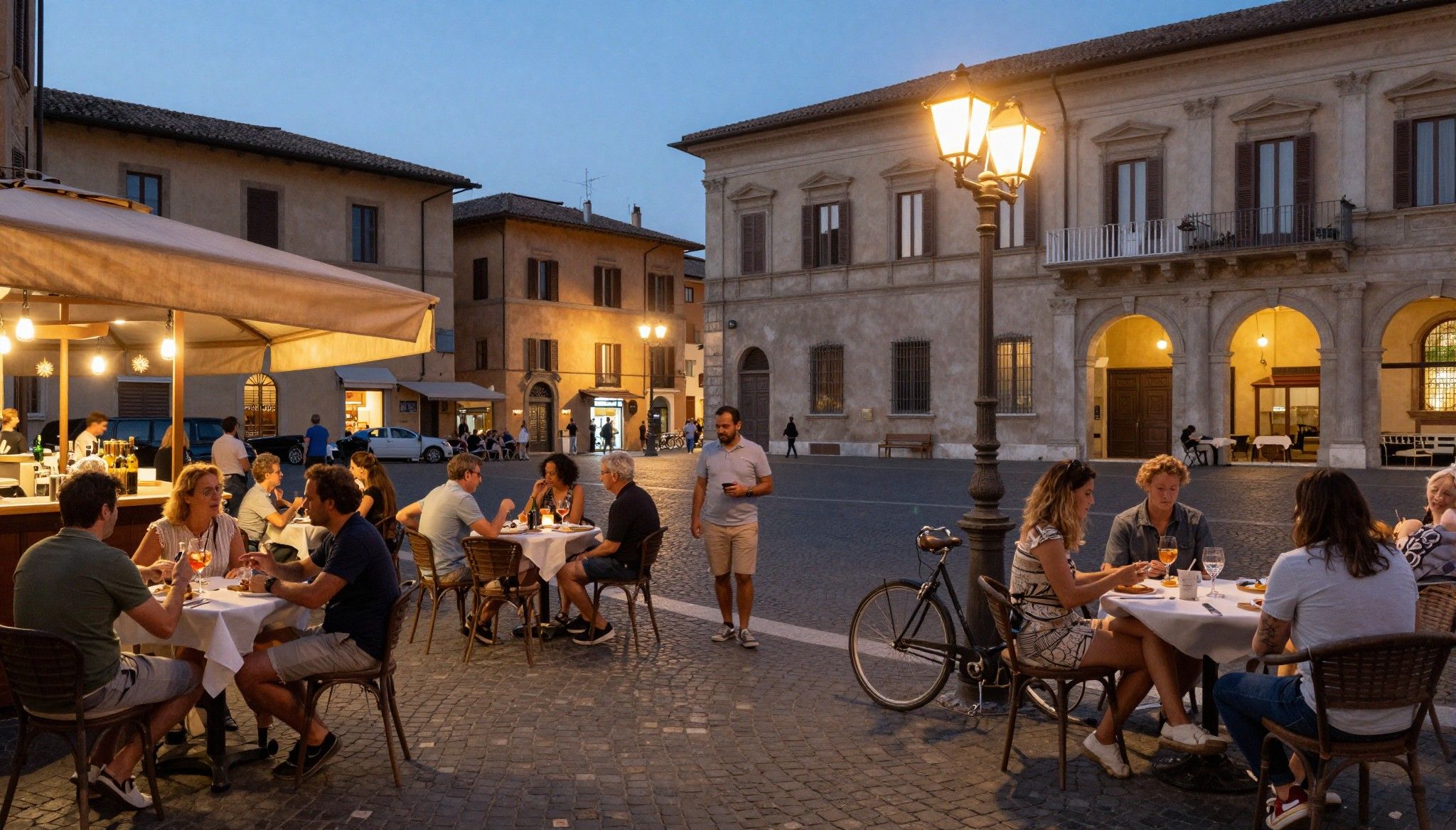
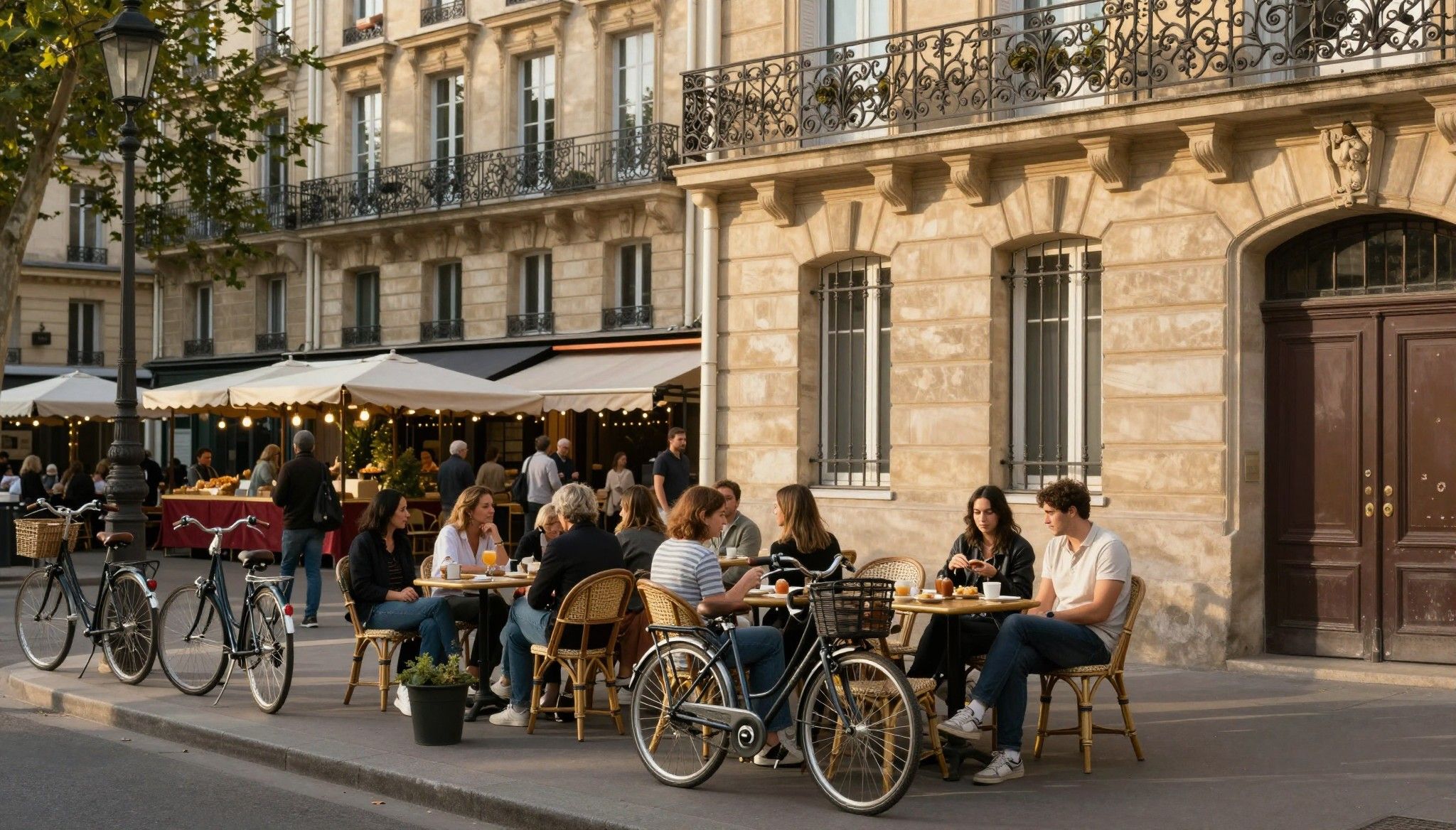
Imagine an early morning in Italy: an espresso cup warming your hand on a small marble table in Trastevere, the laundry of a palazzo across the lane catching a soft light, and a baker in a narrow street already laying out fresh sfoglie. This is a country where urban ritual and slow pleasure shape how you live, and where neighbourhood identity often outweighs square‑metre metrics. For an international buyer, that texture of life is the first currency to understand; the second is market reality. Recent Italian housing data shows modest but consistent price growth that varies sharply by city and coastal or rural district, a divergence every buyer should factor into a lifestyle‑led purchase. (Sources below.)
Living the Italy life: atmosphere, ritual and place
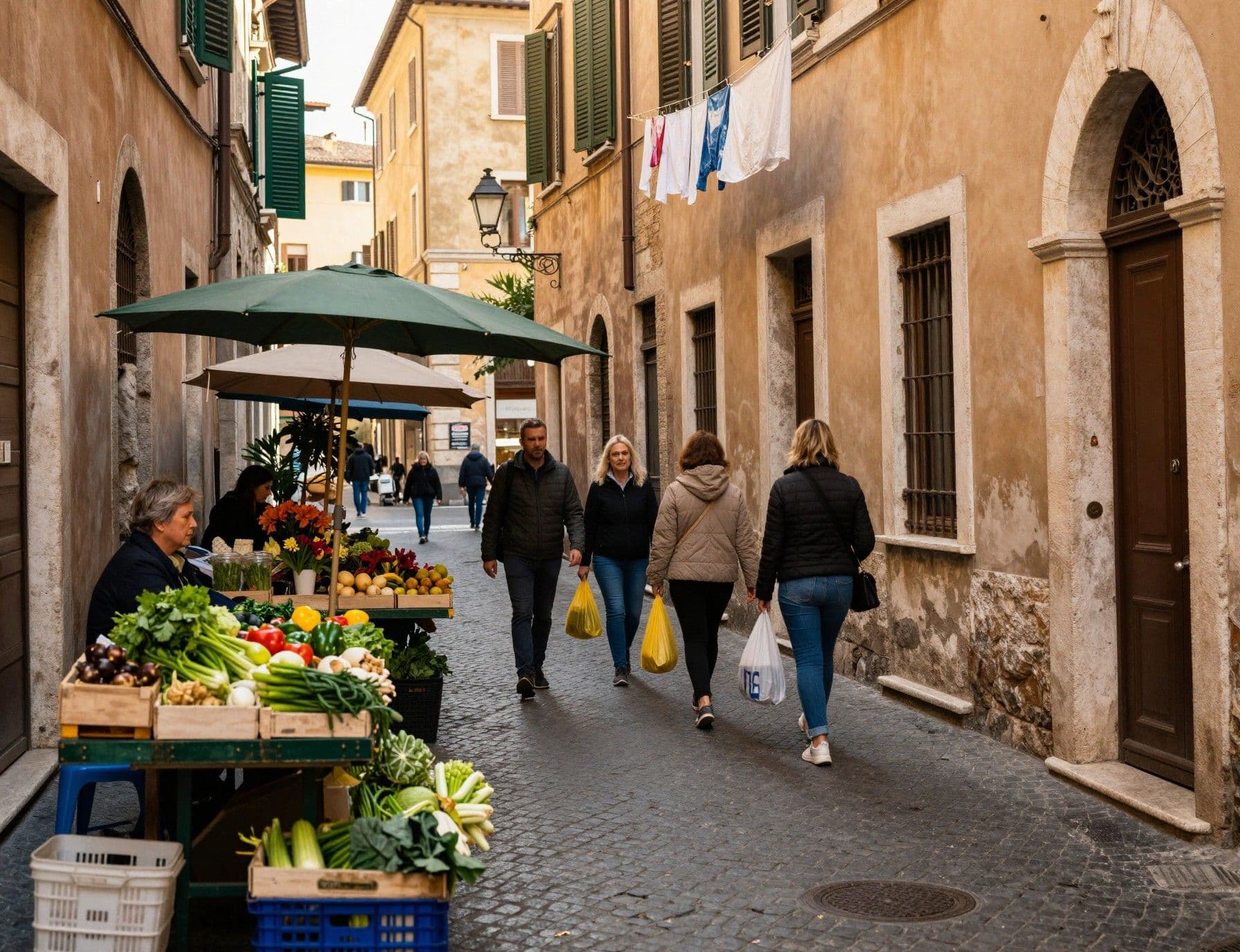
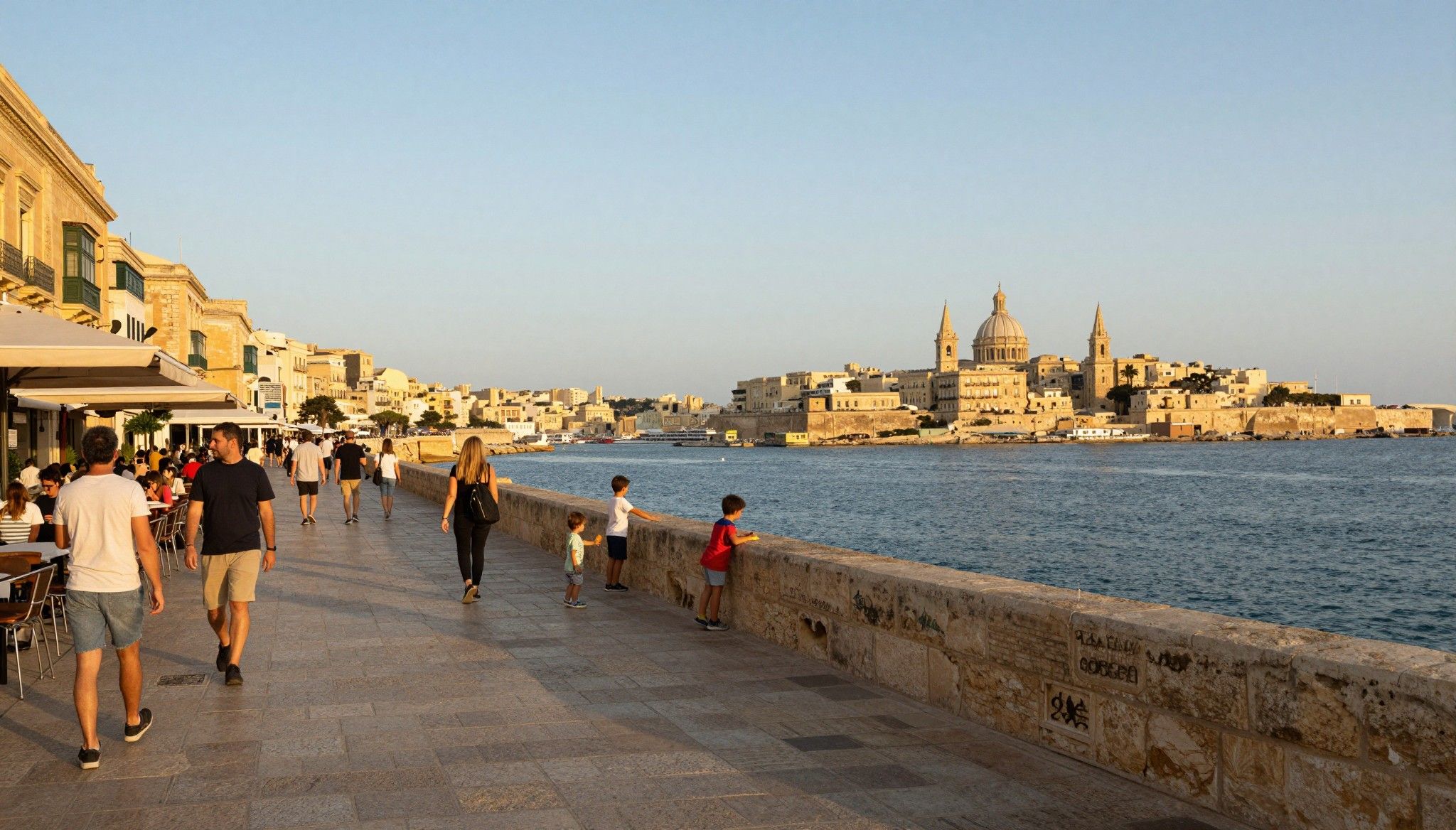
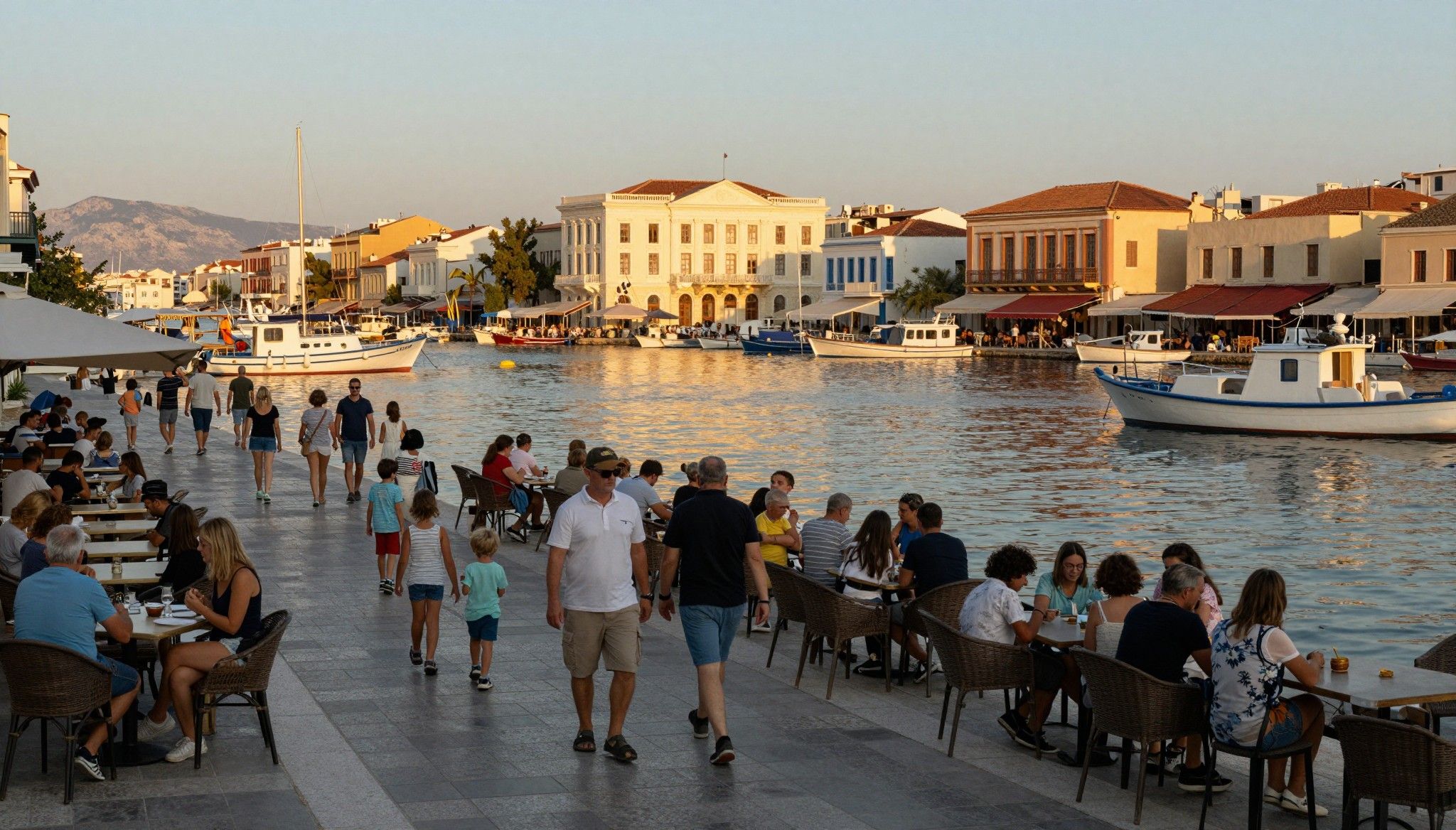
Italy's daily rhythms are framed by neighbourhood piazze, markets and the cadence of seasonal food. In cities like Rome, Milan and Florence, ordinary streets contain the architecture and services that shape daily life: bakeries opening before dawn, artisanal butchers with a loyal clientele, and cafes that serve as an office extension for freelance professionals. In smaller towns — a Ligurian fishing village or a Tuscan hilltop hamlet — communal rituals run deeper and buying there is buying into continuity as much as into property. The consequence for buyers is simple: where you live will determine how you live, and small differences of street and square matter more than headline price per square metre.
Rome: Trastevere, Testaccio and the art of neighbourhood living
If you picture Roman life, Trastevere's cobbled lanes and Piazza Santa Maria provide the image; yet Testaccio — with its market stalls and restrained residential blocks — is where many Romans actually shop, eat and raise children. Trastevere is theatrical at night; Testaccio is domestic and durable by day. For buyers who prize everyday authenticity over tourist atmosphere, streets around Via Marmorata and the Mercato Testaccio are worth a closer look. Properties here reward stewardship: correct restoration and resolving damp or insulation issues deliver both comfort and market resilience.
Milan: Brera’s atelier energy and measured investment
Brera offers an architecture‑rich urban life — narrow streets that open to the Pinacoteca, studios and refined boutiques — and a property market that privileges provenance and finish. Milanese buyers favour apartments with high ceilings, carved cornices and quality joinery; international buyers should look for those original features. The neighbourhood’s proximity to the financial and cultural institutions makes it resilient in both rental and long‑term capital terms, provided the property’s technical condition is sound.
Making the move: lifestyle meets practical property reality
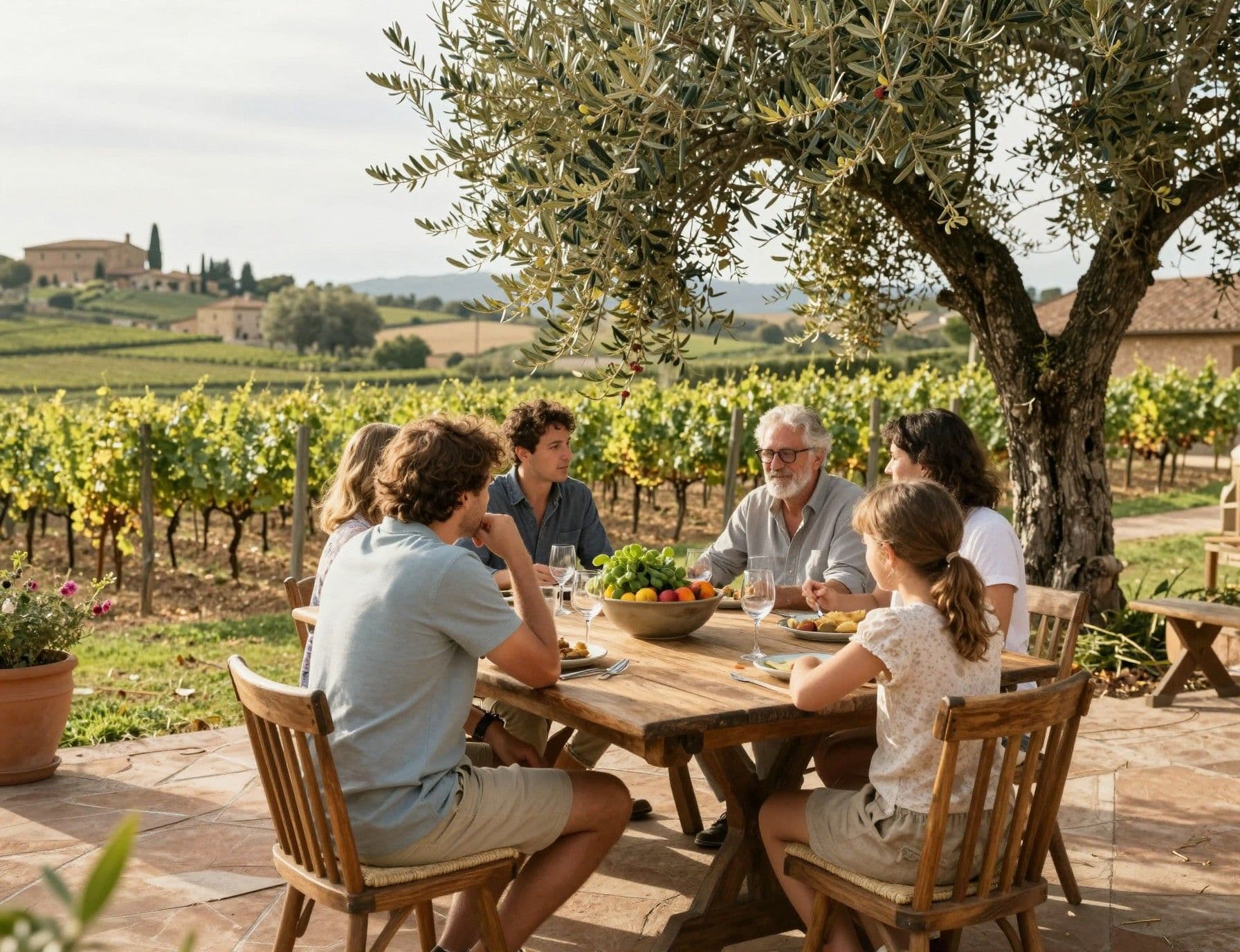
Translating the dream into a purchase requires balancing the sensory appeal of a neighbourhood with objective market indicators. National statistics and industry reports show price increases concentrated in prime urban centres and selected coastal areas, while much of inland Italy remains comparatively affordable. That pattern creates opportunity: a lifestyle buyer willing to accept a longer commute or a modest renovation can access architecture and land that a central‑city budget would not permit. Agencies with local knowledge help map these trade‑offs, pairing streets and squares with realistic forecasts for rental demand and maintenance costs.
Property types and how they shape daily life
A restored palazzo flat, a converted barn in Tuscany, a modern apartment in Milan’s Porta Romana — each offers a distinct lived experience. High‑ceilinged historic flats prioritise formal rooms and generous entrance halls; rural conversions emphasise outdoor life and dependence on local services; new builds provide efficient systems and lower immediate maintenance. Consider what you actually do at home: if mornings are for market shopping and late afternoons for inviting friends, a ground‑floor apartment with a small courtyard will outperform a glazed penthouse in delivering everyday pleasure.
How a local agency earns its keep: a practical checklist
- 1. Curates neighbourhood tours that include markets, schools and evening routines rather than only property walk‑throughs. 2. Verifies technical dossiers (Ape energy certificates, structural surveys) and interprets them in plain terms. 3. Advises on true maintenance costs for historic fabric (roof, damp, wiring) and provides contractor references. 4. Sources off‑market opportunities via local networks — the best family homes often never reach portals. 5. Frames realistic rental projections and seasonality for coastal or heritage properties.
Insider knowledge: what expats wish they’d known
Experienced expats and collectors emphasise three truths: first, everyday life trumps the view when you move for the long term; second, technical due diligence on older buildings is non‑negotiable; third, local social networks — the barista, the shopkeeper, the community association — are the essential integration tools. Italy rewards patience: the most satisfying purchases are often slow decisions made after repeated visits and conversations with neighbours. Agencies that act as cultural translators and technical coordinators are the ones worth retaining.
Language, culture and daily integration
Learning a few phrases and attending local markets and association meetings accelerates integration more than formal language courses alone. Italians prize courtesy, knowledge of local customs and a modesty of presence in shared spaces. For buyers, investing time in local rituals — the Saturday market, the parish festa, the aperitivo hour — builds a practical social safety net that enhances both lifestyle and the property’s sustainable enjoyment.
Longer‑term stewardship: what to expect
Buyers who treat an Italian property as stewardship rather than a quick flip find rewards in preserved value and authentic living. National statistics indicate steady house price growth in prime centres, while regional divergence offers selective value. Plan for cyclical maintenance and prioritise craftsmanship in any restoration: lime‑based plasters, breathable insulation, and discreet mechanical upgrades will protect both character and capital. Work with conservators and architects who understand regional materials; their choices determine whether a house ages gracefully or loses value.
- Lifestyle highlights to seek when choosing a street or quarter • A morning market within walking distance (fresh produce and social life). • An afternoon café where neighbours gather — a social thermostat of a good street. • Practical services: a pharmacy, a bakery, and reliable public transport access. • A nearby green space or riverside walk for daily exercise and respite. • Evidence of careful restoration on façades and roofs; this reduces surprise costs.
- A four‑step approach to a confident Italian purchase 1. Visit in the season you plan to live in — summer life differs markedly from winter routines. 2. Commission a structural and systems survey before offer; let the quote inform negotiation. 3. Secure a local agency that provides both lifestyle tours and technical coordination. 4. Allow time for permits and registrations; the pace is deliberate and attention to detail repays patience.
Conclusion — the life you buy is the life you steward
Italy offers an array of lives: coastal mornings, hilltop quiet, and metropolitan culture, each anchored in civic rituals and architectural habit. Choosing among them requires a pairing of desire and discipline: a clear sense of daily life, and careful technical work. Engage a local agency that can read streets as well as statutes, and you will buy more than bricks; you will buy belonging. When you arrive, let the piazza set the tempo and the neighbourhood teach you how to live there well.
Norwegian with years in Florence guiding clients across borders. I bridge Oslo and Tuscany, focusing on legal navigation, cultural context, and enduring craftsmanship.