Greece: Lifestyle Costs, Seasonal Trade‑offs and Market Reality
Greece offers a lived-in Mediterranean life; balance sensory pleasures with Bank of Greece price indices and regional cost data to model real holding costs and seasonal trade-offs.
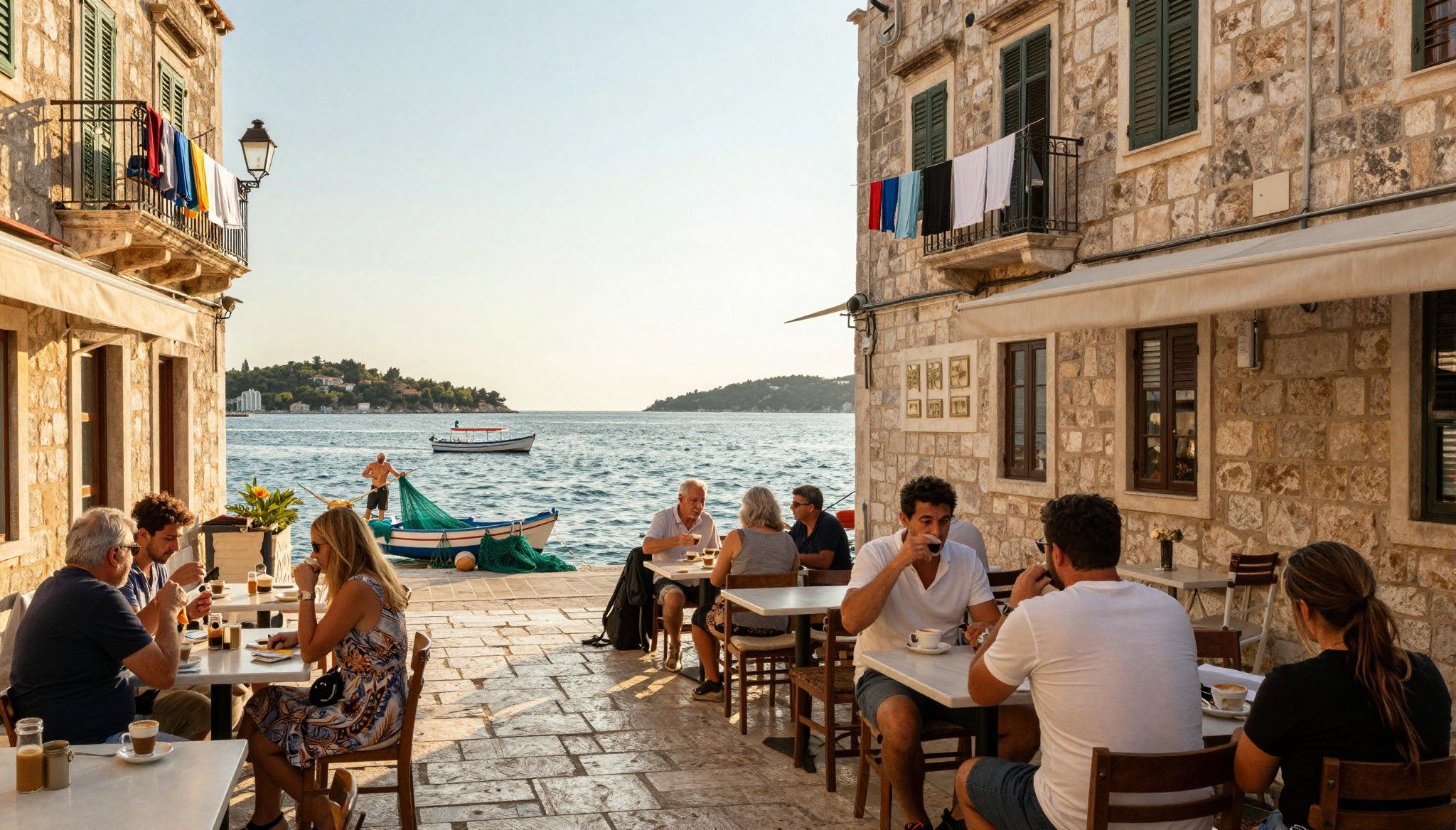
Imagine waking to the smell of strong, black coffee on an early Athenian morning, then walking past a bakery on Dionysiou Areopagitou toward a neighborhood where Byzantine tiles meet contemporary galleries. In Greece, daily life tilts toward the public — a slow café culture, seaside promenades, open-air markets and a certain patience for late evenings. For international buyers that sensibility is part of the purchase: you are not simply buying square metres, you are buying into rhythms, seasons and community. This piece balances that lived-in allure with the hard figures reputable sources report about prices, inflation and local market dynamics.
Living the Greece lifestyle
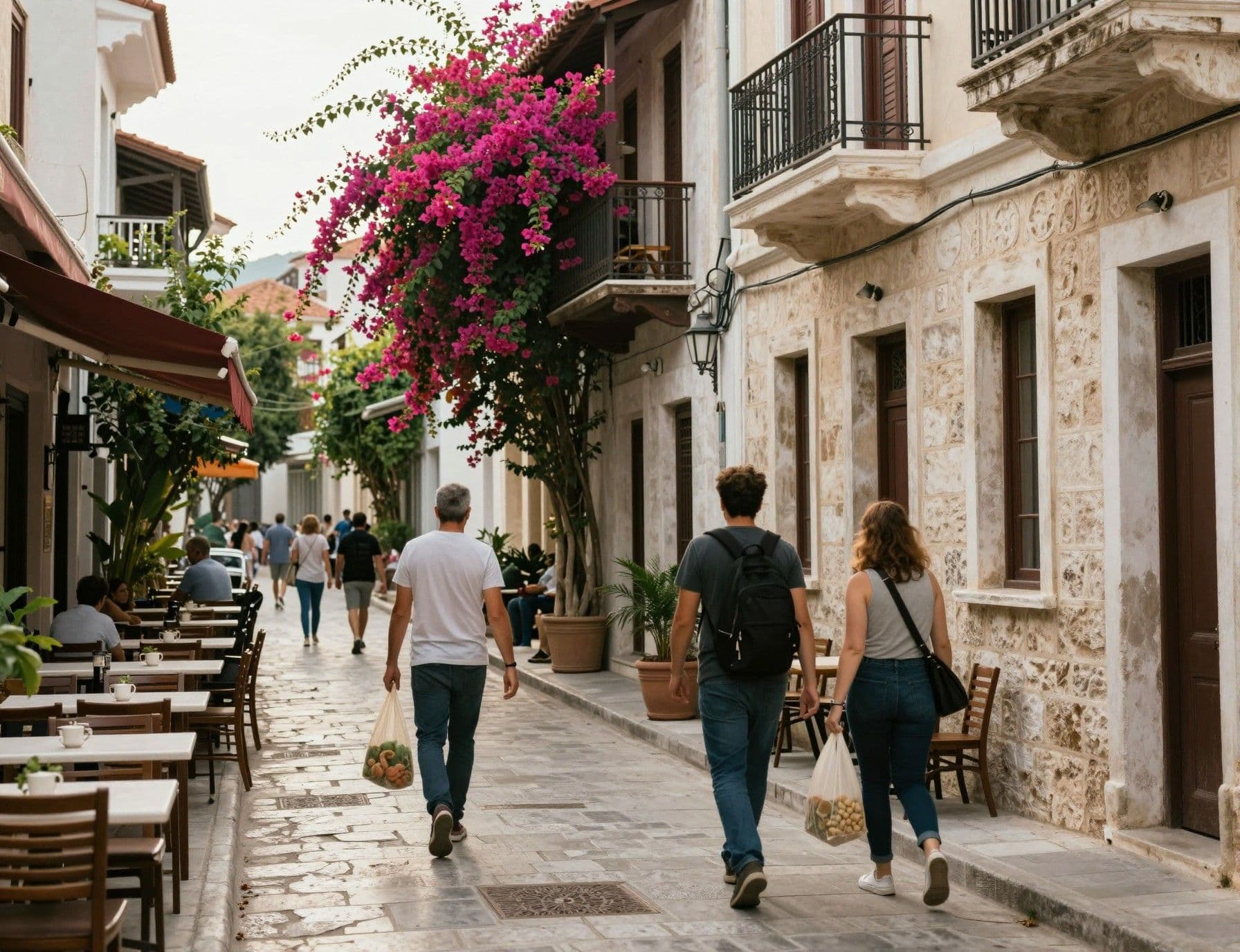
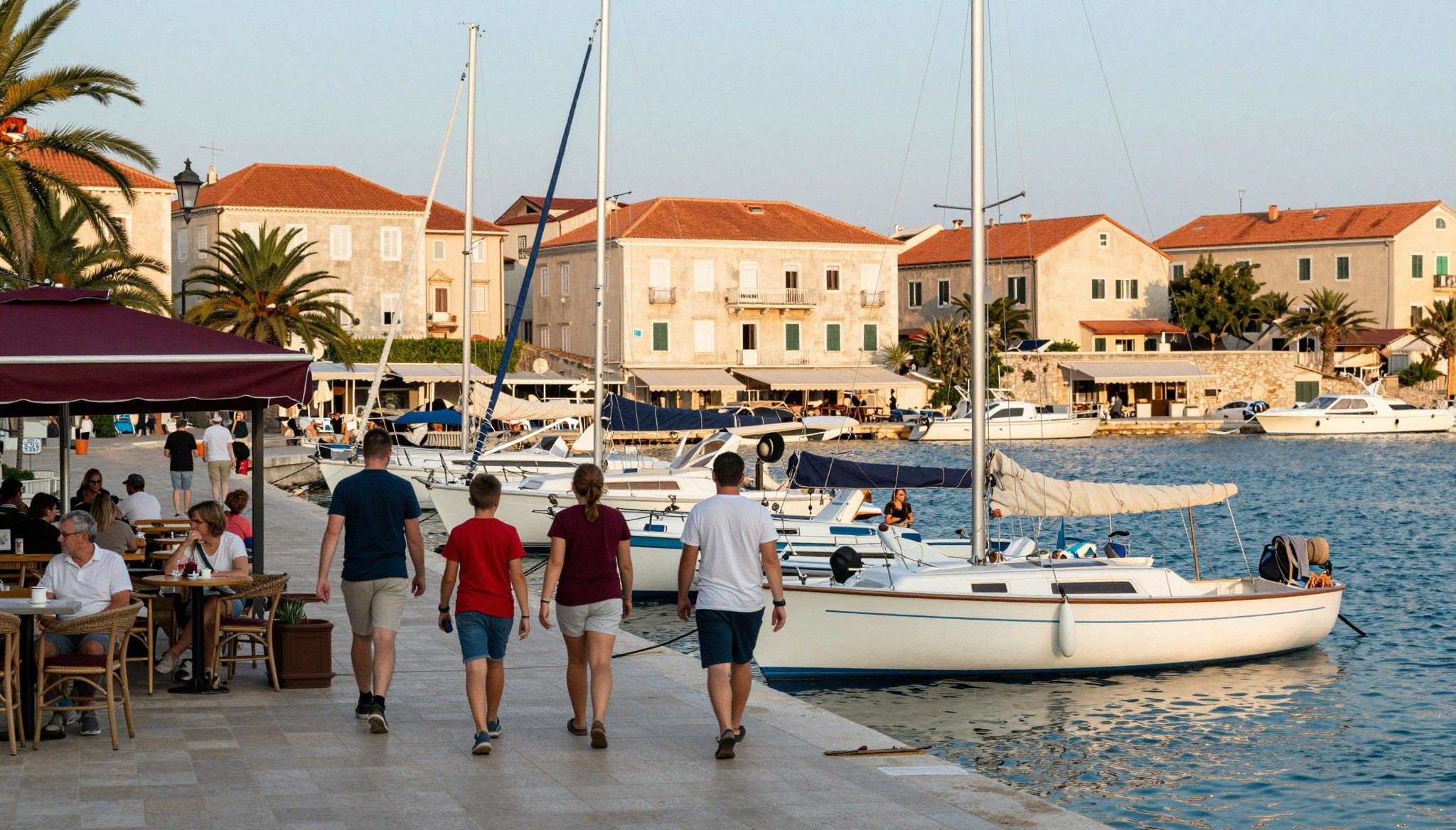
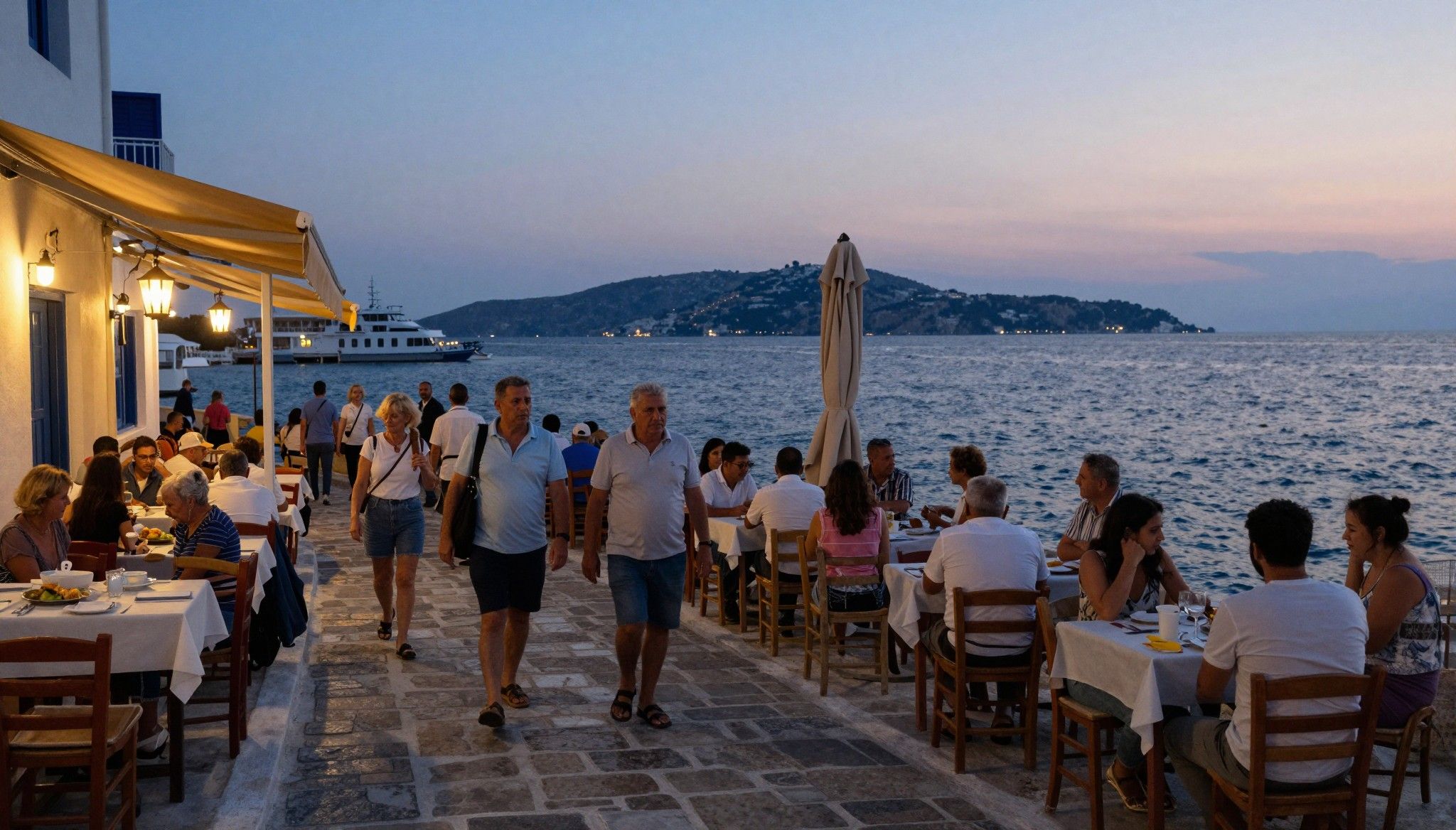
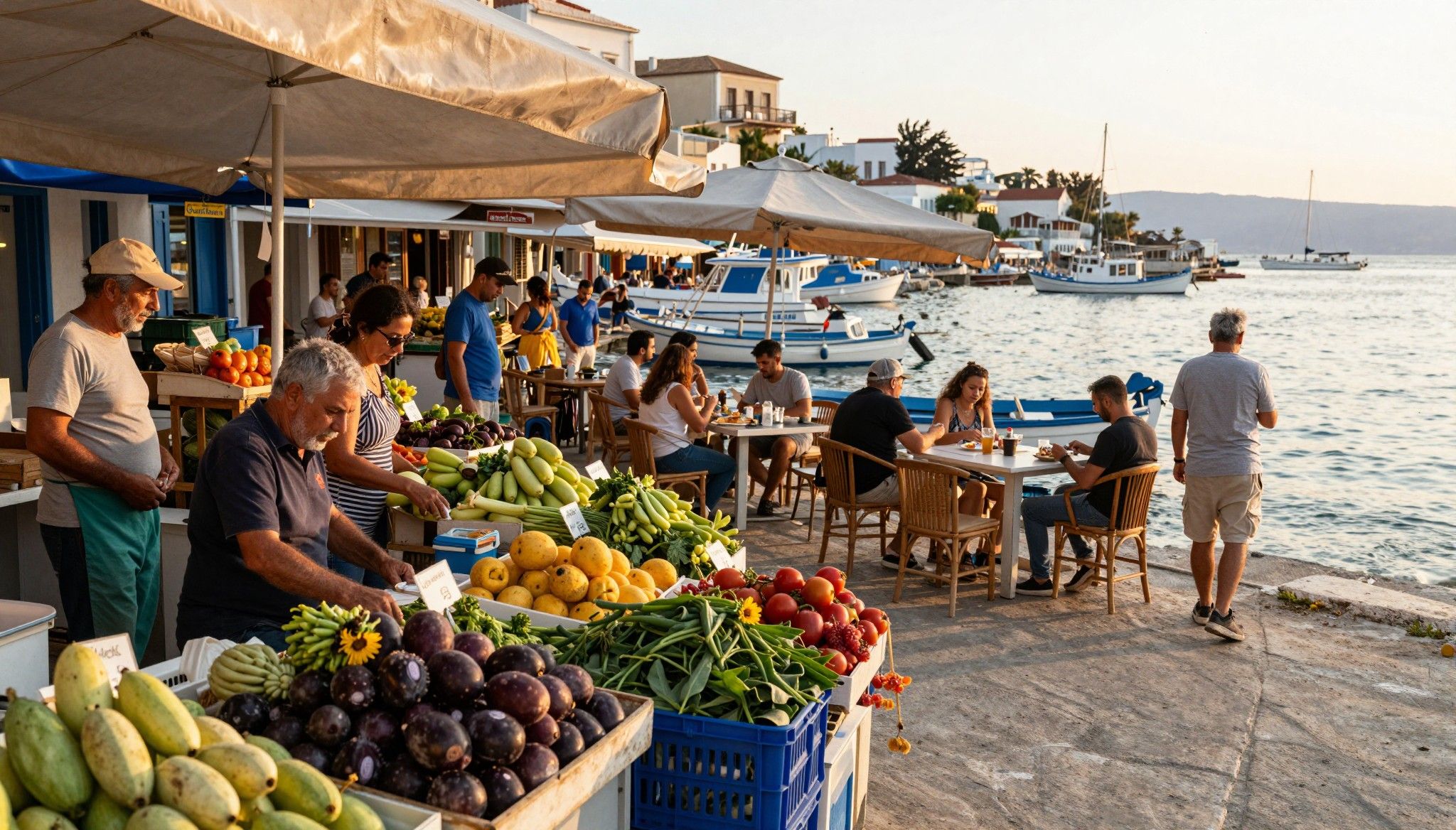
Daily life in Greece is sensory and social. Picture late breakfasts of koulouri and Greek coffee in Plaka, weekend fish suppers in Glyfada, and market bargaining at Varvakios for the freshest octopus. Seasons govern behaviour: the islands empty and then refill with a new tempo of summer heat and evening light, while the mainland moves more slowly in winter with quieter tavernas and lower tourist pressure. While lifestyle feels effortless, cost-of-living data and local price trajectories matter — Numbeo and similar indices show regional variation that can be material to an international buyer's budget.
Athens: a city of converging lives
Athens is paradoxically metropolitan and intimate: Kolonaki offers curated boutiques and quiet squares, Psiri pulses with late-night dining and street art, while Kifissia presents tree-lined avenues and 19th-century neoclassical villas. A buyer who wants urban life with provenance will compare a refined townhouse in Kolonaki with a restored neoclassical apartment on Dionysiou Areopagitou. Transport, schools and proximity to green space will alter not just monthly living costs but the everyday pleasure of living here.
Islands and the coast: tone, tempo and trade-offs
The islands are not a single market. Mytilene, Chania and Naxos each offer distinct rhythms and price points: Naxos leans toward agricultural authenticity, Chania blends Venetian architecture with year-round life, and Mykonos presents seasonal luxury that pushes both rents and resale values. For many buyers the coast promises a slower pace, outdoor dining and sea breezes — yet also requires accepting seasonal vacancy, higher maintenance for salt‑exposed fabric, and a reliance on ferry or air links for everyday necessities.
- Lifestyle highlights worth factoring into cost assumptions
• Morning coffee culture: cafés on every corner, cheap and sociable. • Fresh markets: Varvakios (Athens) and municipal markets on the islands supply seasonal produce at modest prices. • Dining out: taverna meals are often excellent value; fine dining is concentrated in major tourist hubs. • Transport mix: efficient urban transit in Athens, car dependence on many islands. • Healthcare access: good private clinics in Athens and Thessaloniki; more limited on remote islands.
Making the move: practical considerations
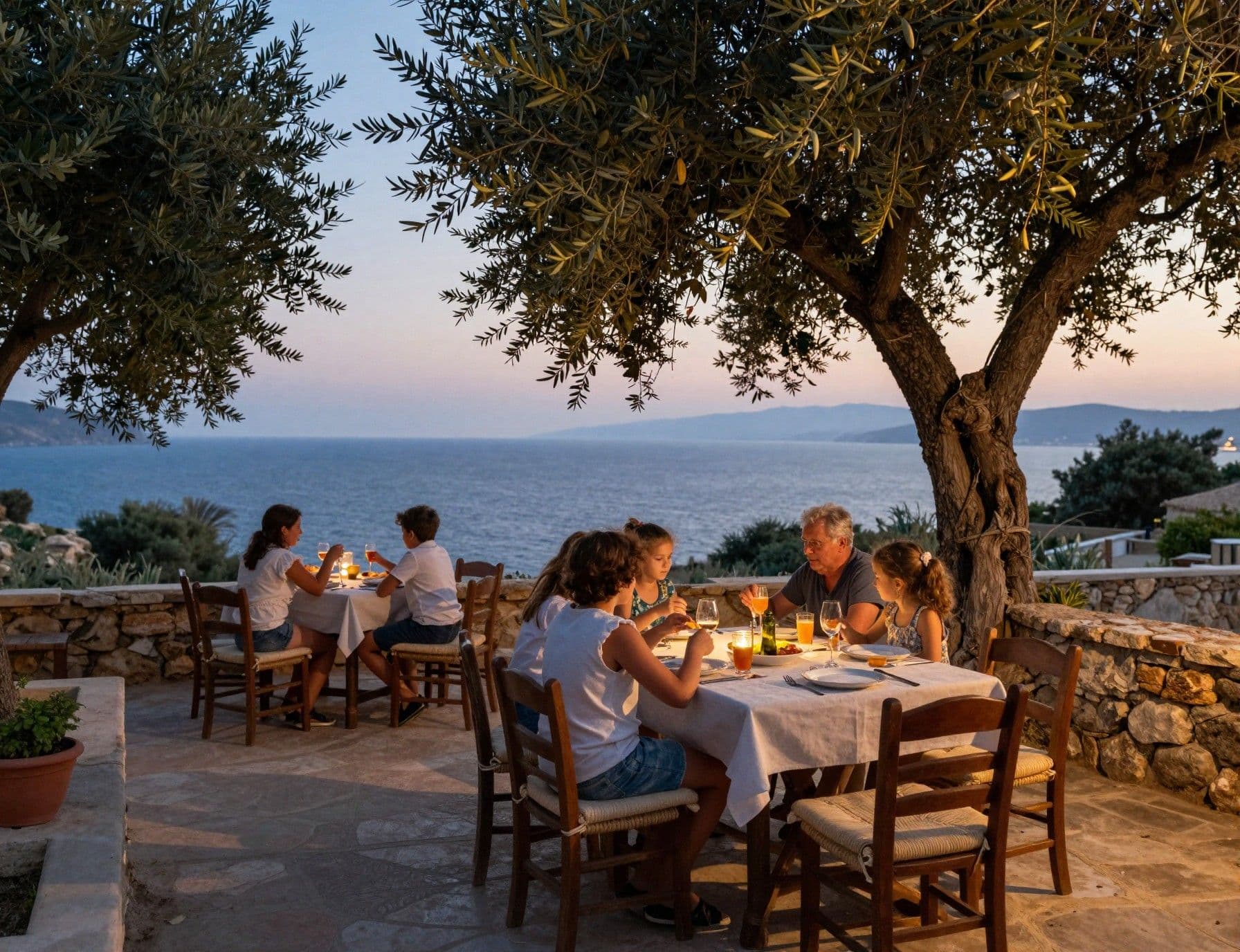
Turning affection for place into a sensible purchase requires translating lifestyle priorities into measurable costs. Residential prices in Greece have been on an upward trajectory: Bank of Greece indices reported continued price growth through 2024 and into 2025, with stronger increases in new-builds and urban hotspots. These market moves affect holding costs, expected rental yields and the timing of purchase. Consider also energy costs for older stone homes and the expense of authentic restorations if provenance matters to you.
Property styles and what they cost to live in
A restored neoclassical apartment in central Athens carries different running costs than a modern seafront villa on an island. Older masonry homes offer thermal mass and character but may require insulation, seismic reinforcement and new plumbing. New builds tend to be more energy efficient and simpler to maintain yet can cost a premium in desirable districts. Factor in local service costs — garden maintenance, caretaker staff and seasonal property management on islands — when you model annual running expenses.
Working with experts who understand life and numbers
- 1. Commission a local valuer early: accurate, area‑specific valuations reduce negotiation risk. 2. Choose an agency with renovation and stewardship experience: they can estimate running costs and achievable rental figures. 3. Seek advice on energy upgrades and seismic compliance: these often yield better comfort and marketability. 4. Model seasonal income conservatively if you plan to rent; assume vacancy months and management fees.
Insider knowledge: what expats wish they'd known
Real buyers speak of small truths that shape long-term enjoyment. On islands, wind and salt demand robust material choices. In Athens, daytime heat makes shaded courtyards and cross‑ventilation invaluable. Expats say that learning a few phrases of Greek and knowing local rhythms (siesta hours, market days, municipal holidays) accelerates belonging and reduces friction with suppliers and neighbours. These subtleties also have cost consequences: a good local network will source tradespeople and secure better pricing for maintenance.
Cultural integration and everyday practicalities
Language is useful but not a strict barrier; many professionals in real estate, law and hospitality speak English, yet the best repairs and bargains are often arranged through Greek‑speaking contacts. Establishing utility accounts, understanding local waste and recycling schedules, and registering with your local municipality will make life smoother—and cheaper—over time. Community is a resource: neighbours will recommend reliable electricians or a trusted carpenter who understands traditional joinery.
Long-term lifestyle and value considerations
Think beyond immediate charm to the stewardship of a property: quality-of-life amenities (a proximate market, year-round medical services, reliable transport) often preserve value more consistently than a photogenic sea view. Where possible, prioritise properties with documented restorations, clear titles and energy upgrades. Investors who treat a purchase as a long-term cultural stewardship — investing in materials, artisans and sympathetic upgrades — typically experience steadier demand from discerning renters and buyers.
Conclusion — how to move from infatuation to confident purchase: begin with a short living visit in the season that most reflects your intended use, commission local market data and a valuation, and ask an agency to model realistic running costs including energy, maintenance and seasonal management. Treat Greek life as the central return on your investment: when your daily rhythms align with the place, the expenses become part of an intentionally chosen life rather than a burden. When you are ready, a local agency that respects architectural heritage and understands municipal realities will convert affection into an enduring property.
Dutch former researcher who moved to Lisbon, specialising in investment strategy, heritage preservation, and cross-border portfolio stewardship.