When the Coast Feels Like Home: Croatia’s Tax Truths
A lifestyle‑first look at Croatian living that pairs seaside rituals with precise tax planning: transfer tax, VAT on new builds, reciprocity and practical steps for confident purchase.
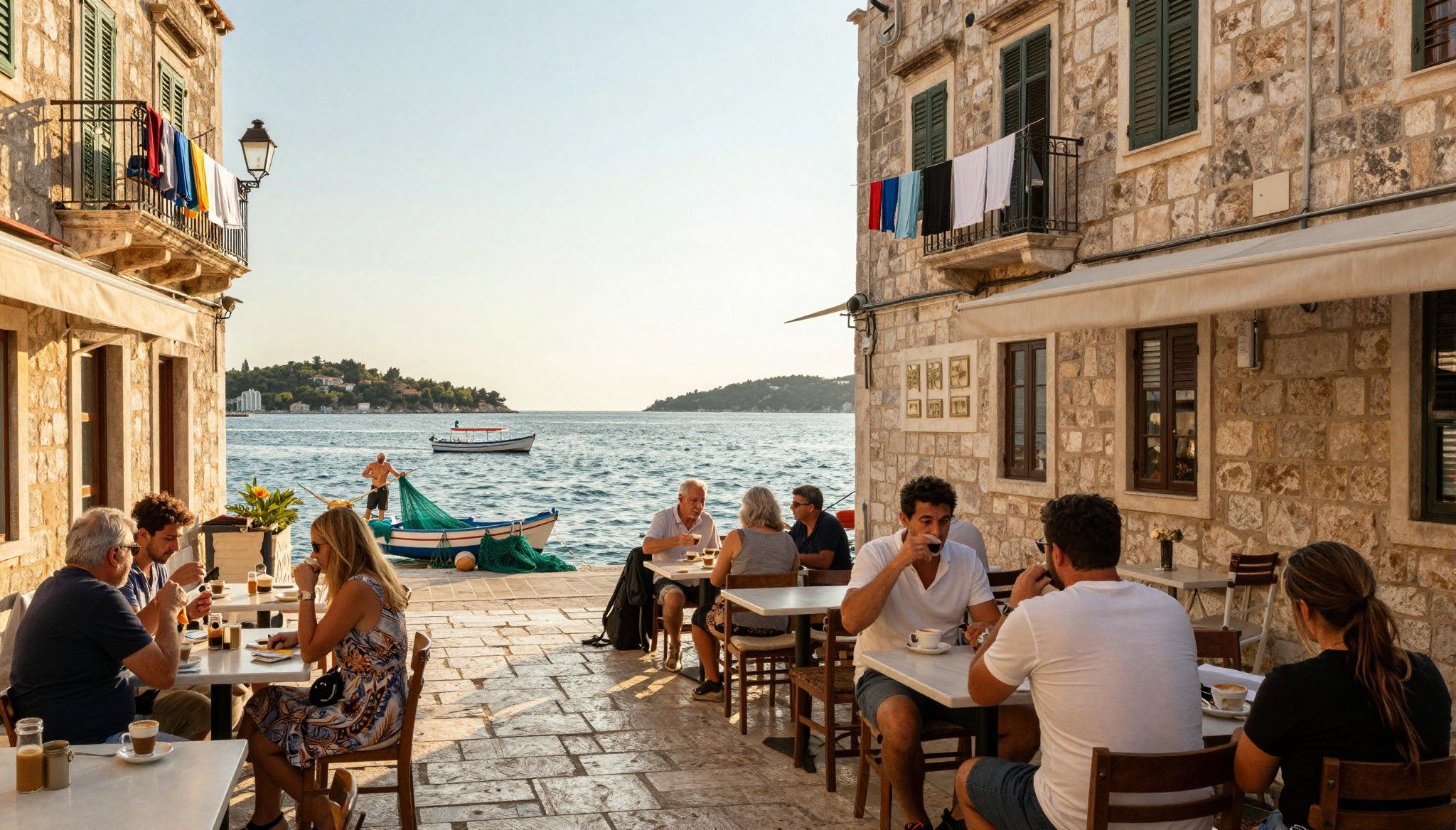
Imagine an early morning in Dubrovnik’s Old Town: espresso steam, limestone warmed by the sun, fishermen hauling the day’s catch at Gruž market. Owning a stone house with wrought‑iron shutters here feels less like an investment and more like joining a way of life—yet the delight of coastal mornings must be married to clear thinking about tax, transfer rules and timing to preserve value.
Living the Croatia lifestyle
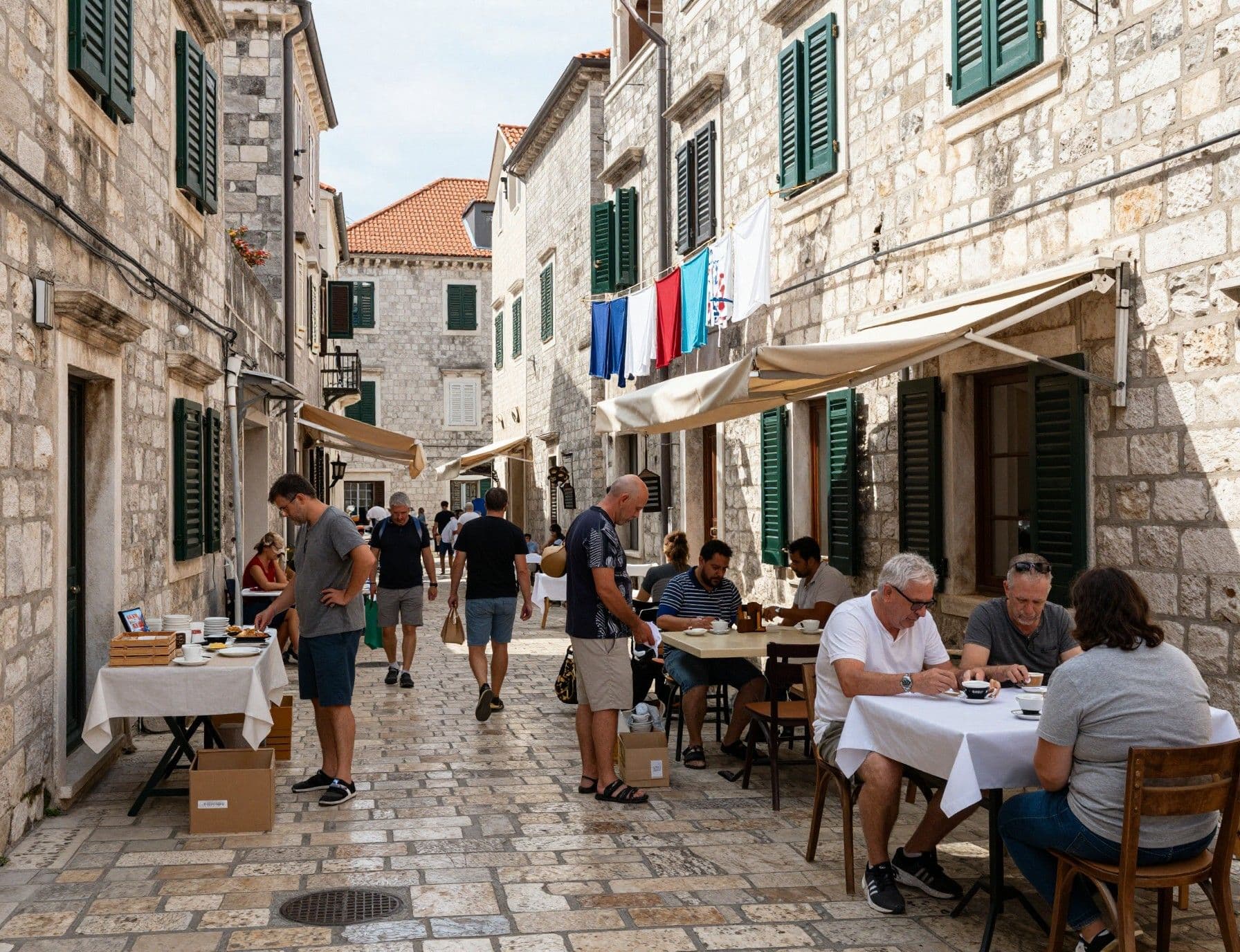
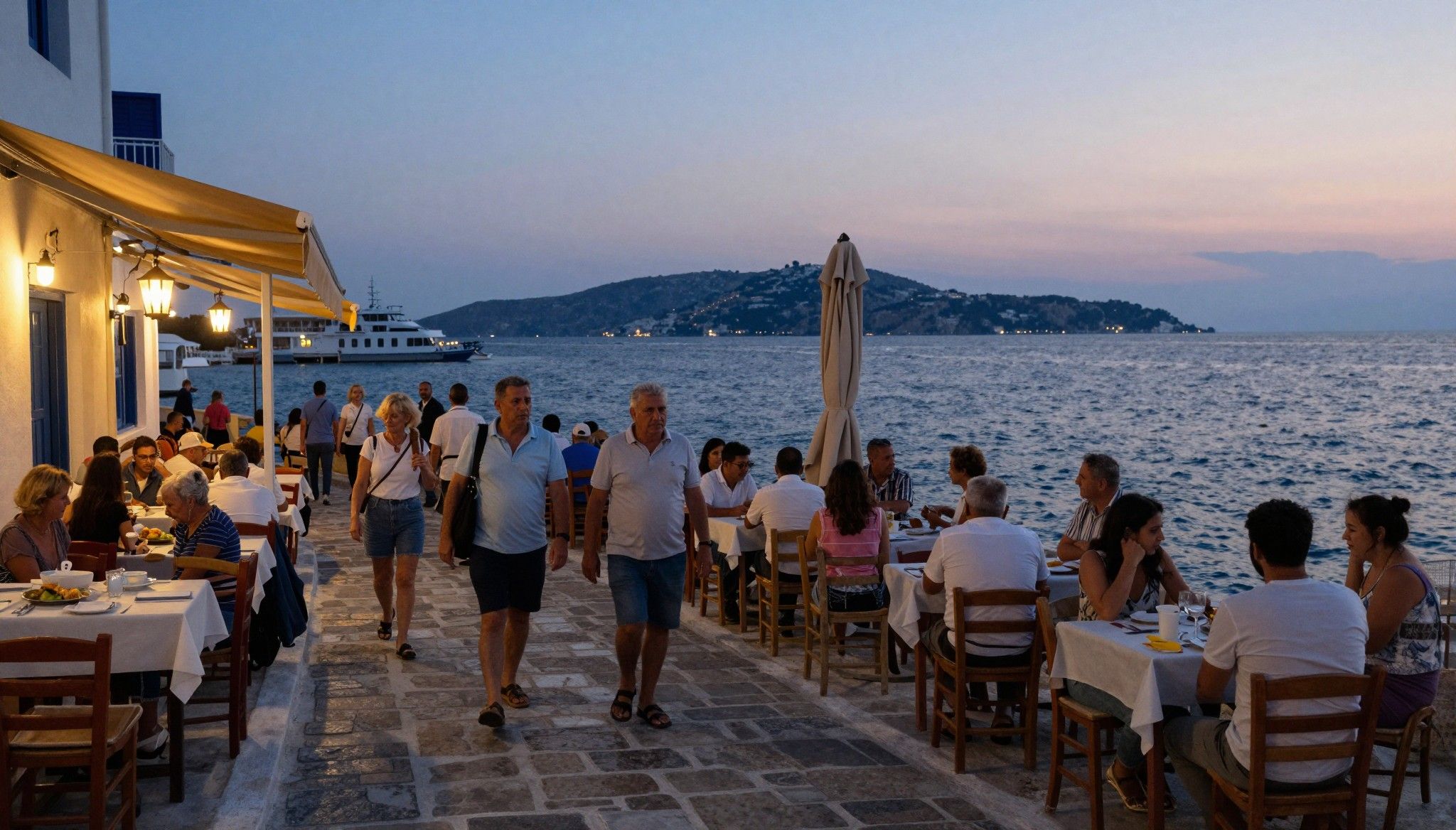
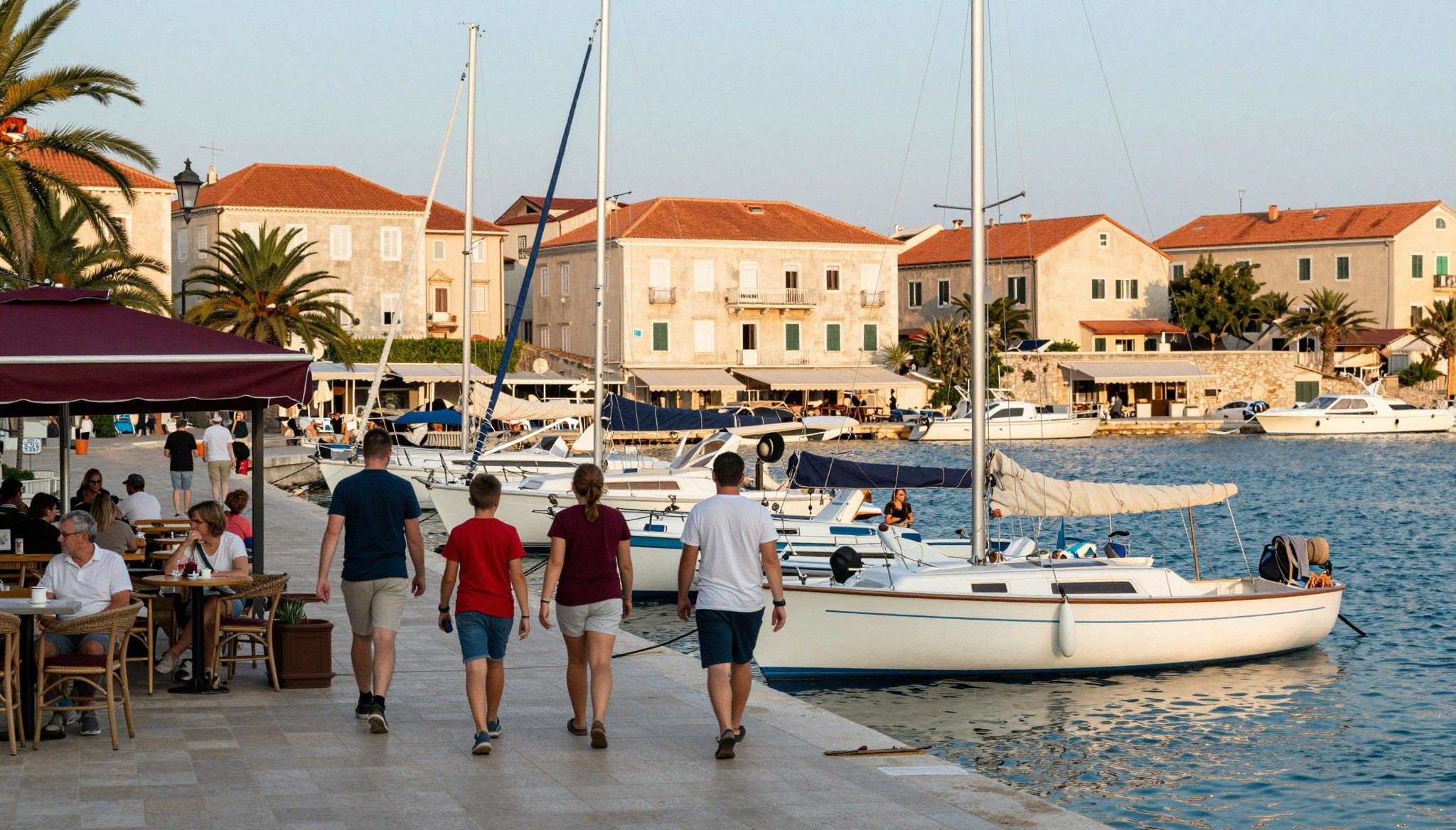
Croatia’s rhythm is maritime and seasonal. Summers pulse with island cafés, late dinners and boat lanes around Hvar and Vis; winters hush into slow markets and neighbourhood trattorias in Split’s Varoš or Zagreb’s Upper Town. For a buyer, this seasonality shapes not only daily life but the economics of ownership: peak‑season rental yields, maintenance rhythms, and when municipalities inspect coastal promenades all affect the practical value of a property.
Neighborhoods that tell a story
In Split, walk from Diocletian’s Peristyle down to Firule for morning swims and you’ll understand why many buyers prefer a modest flat near the sea over a showy penthouse inland. On Istria’s hill towns—Motovun and Grožnjan—stone cottages offer bucolic privacy and access to truffle season. In Zagreb, lower Maksimir combines leafy streets with discreet villas, while coastal Šibenik’s waterfront offers restored stone houses at a softer price than Dubrovnik. These micro‑choices determine tax outcomes: whether a home is seen as a primary residence, a rental unit or a commercial property for VAT purposes.
Food, markets and everyday pleasures
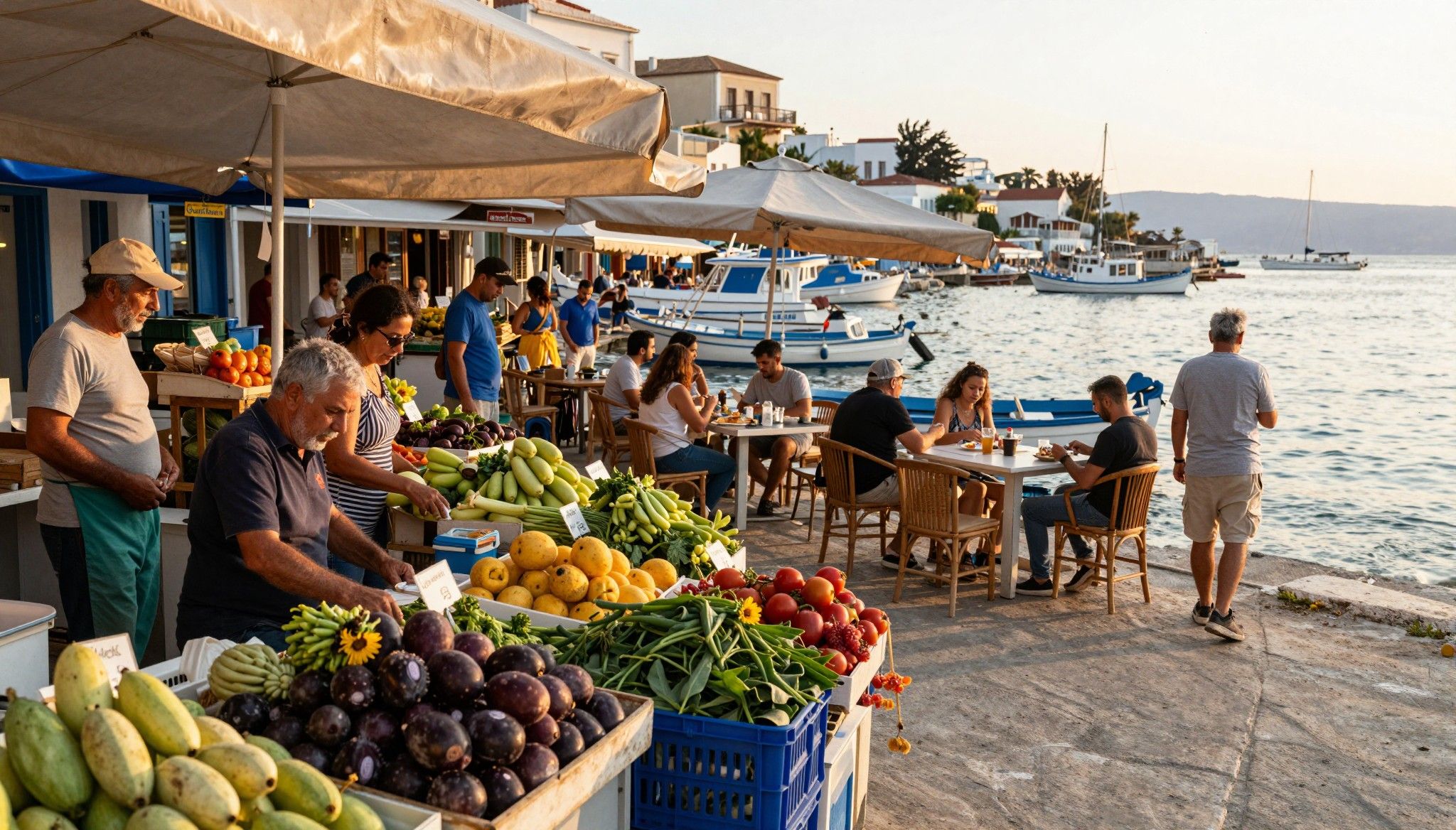
Picture buying produce at Dolac market in Zagreb, selecting seafood at Zadar’s fish stalls, or stopping for a pale beer on Korčula’s harbour after a morning of island viewing. These are the rituals that make Croatia livable. For buyers, proximity to markets, a sheltered terrace for evening meals and easy access to marina services are lifestyle features that also influence local taxes (tourist levies, municipal utility fees) and the practicality of short‑term letting.
Making the move: practical considerations
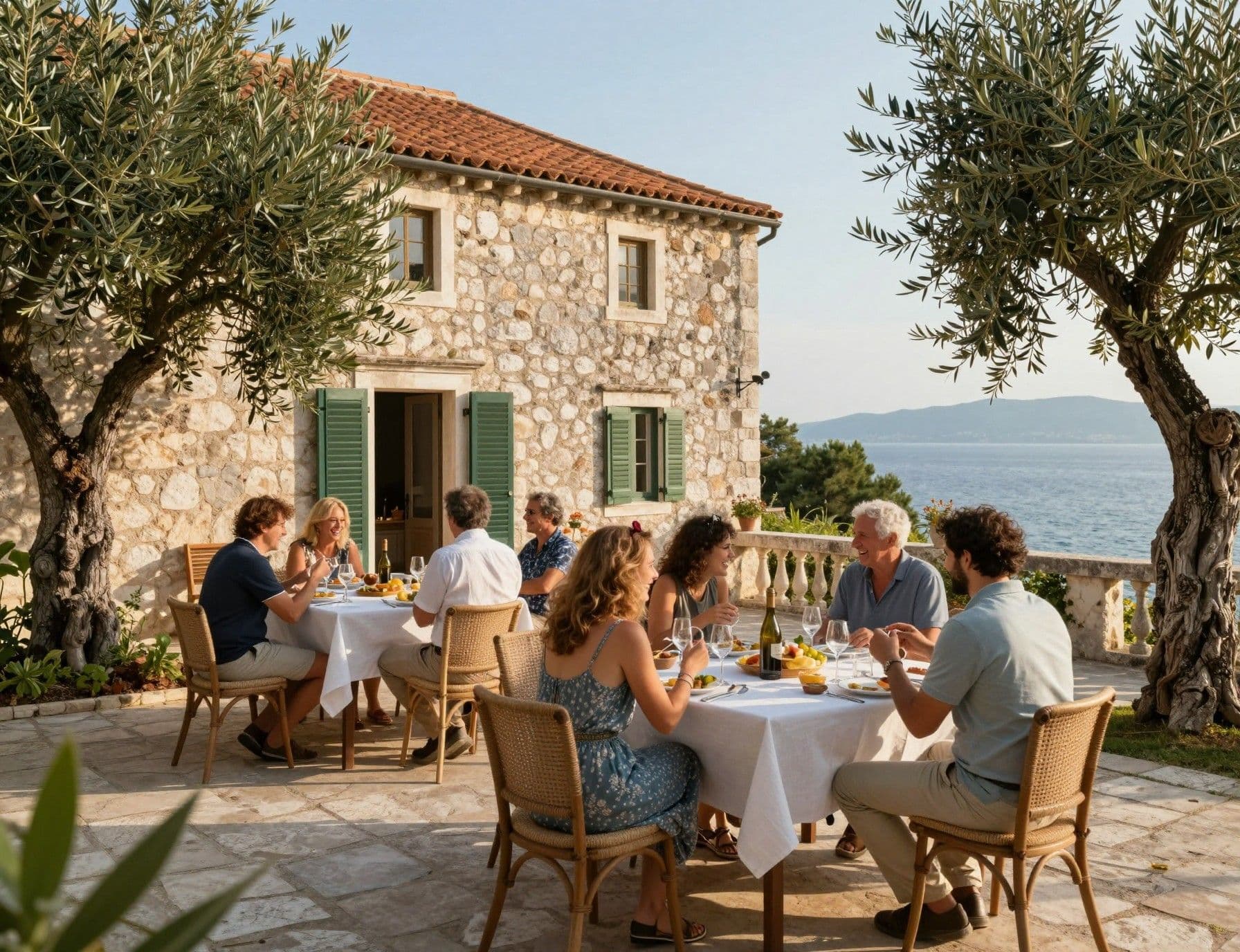
The pleasure of place must be reconciled with three concrete fiscal realities in Croatia: real estate transfer tax (typically 3% where VAT does not apply), VAT on new builds (commonly 25% when buying directly from a VAT‑registered developer), and residency/reciprocity rules for non‑EU nationals. Understanding which rule applies to your deal is the single most effective way to avoid an expensive surprise at closing.
Property types and their tax profile
New, never‑inhabited apartments sold by VAT‑registered developers are typically subject to 25% VAT instead of the 3% transfer tax; resale homes generally attract the 3% transfer tax. Practically, this means a carefully negotiated purchase price for a new build should reflect VAT liability, and buyers should compare the all‑in cost of a renovated stone house (transfer tax + registration costs) against a developer unit (VAT + potential lower running costs).
Steps to ensure tax clarity before you sign
1. Ask the seller for VAT registration status and whether the sale is 'delivery of a new building' (which triggers VAT). 2. Require a contract clause making the deposit refundable if a Ministry reciprocity approval is needed and denied (non‑EU buyers). 3. Commission a recent cadastral extract and valuation to establish the base for the 3% transfer tax. 4. Obtain a local tax advisor’s written estimate of stamp fees, municipal levies and annual utility charges before finalising offer.
Insider knowledge: what expats wish they’d known
Many buyers are surprised by the reciprocity and approval steps for non‑EU nationals. If you are an EU/EEA citizen, purchase is straightforward. If you are outside the EU, check whether your country has reciprocity and be prepared for a formal approval process from the Ministry of Justice. The pragmatic safeguard is making contractual completion conditional on that approval.
Cultural and seasonal realities that affect taxes and use
Short‑term letting is lucrative along the Dalmatian coast but brings municipal tourist levies, stricter health/safety compliance and possible VAT registration if you exceed thresholds. Longer off‑season vacancy lowers local service costs but may affect capital gains treatment if you look to sell within the tax exemption window.
Lifestyle‑meets‑tax checklist
• Confirm whether the unit is a 'new building' (VAT) or a resale (3% transfer tax). • Make the purchase conditional on Ministry approval for non‑EU nationals. • Model short‑term letting income conservatively; include tourist levies and potential VAT registration. • Budget for restoration: permits and VAT treatment on construction works vary by contractor VAT status. • Consider holding structure: for some buyers, ownership via an EU company can simplify tax and succession planning—discuss with a cross‑border tax advisor.
What long‑term stewardship looks like
Owning in Croatia can be a generational decision. Good stewardship means respectful restoration, clear succession planning under Croatian inheritance rules, and annual tax compliance that treats the home as a lived space rather than a speculative asset. Over time, neighbourhood improvements, marina upgrades or conservation protections may enhance both life and capital value—if you have planned for maintenance, taxes and legal clarity.
1. Visit the neighbourhood across seasons; 2. Instruct a Croatian notary or lawyer to search title and cadastral records; 3. Obtain a written tax cost estimate from a Croatian tax advisor; 4. Make signatures and completion conditional on reciprocity/Ministry approval if applicable; 5. Arrange a local bank relationship for utilities, property tax and rental receipts.
Conclusion: the life and the ledger
Croatia rewards those who pair affection for place with careful fiscal planning. Sipping late‑afternoon coffee on a Korčula terrace is best enjoyed when the transfer tax, VAT exposure and residency paperwork have been settled. Begin with a neighbourhood visit, then bring the right local specialists: a notary for title, a tax advisor for numeric clarity and an agent who understands where the littoral lifestyle meets sensible tax choices.
Having moved from Stockholm to Marbella in 2018, I help Scandinavian buyers navigate Spanish property law, restoration quality, and value through authentic provenance.