Malta: Lifestyle, True Costs and the Stewardship Premium
A sensory tour of Malta's neighbourhoods with data‑backed cost realities—how to pair the island's luminous daily life with the true costs of property ownership.
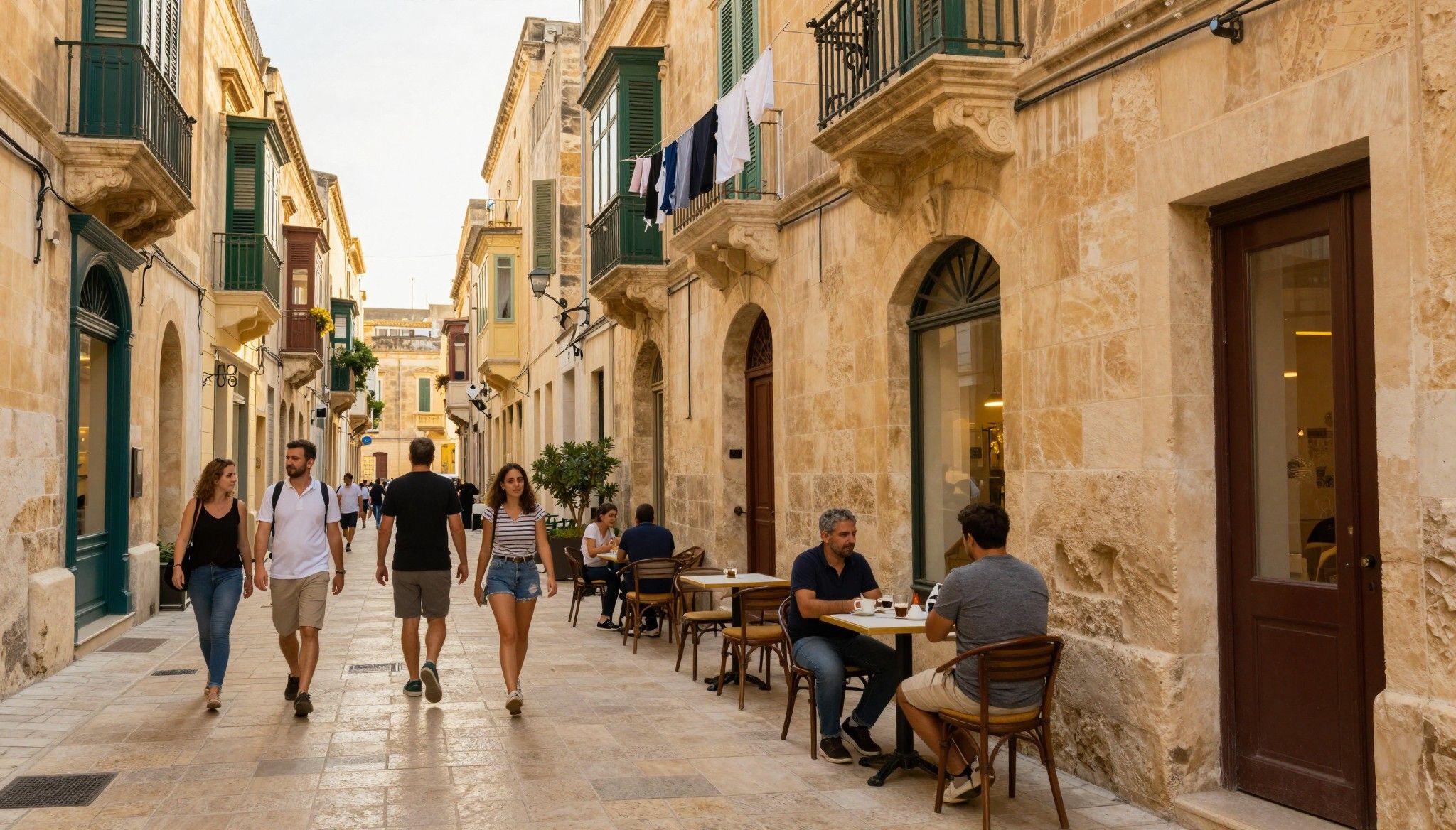
Imagine stepping from a honey‑colored limestone street into a small café on Strait Street, the scent of roasted coffee mixing with sea air. In Malta, daily life folds history into habit: neighbours greet one another from balconied facades, fishermen unload the morning catch in Marsaxlokk, and a short drive might take you from baroque Valletta to a quiet, wind‑shaped bay. For international buyers, that texture of place matters as much as the numbers. Recent official indices show a modest but persistent rise in residential prices; this article balances the romance of Maltese life with the practical cost realities that shape a confident purchase.
Living the Malta lifestyle
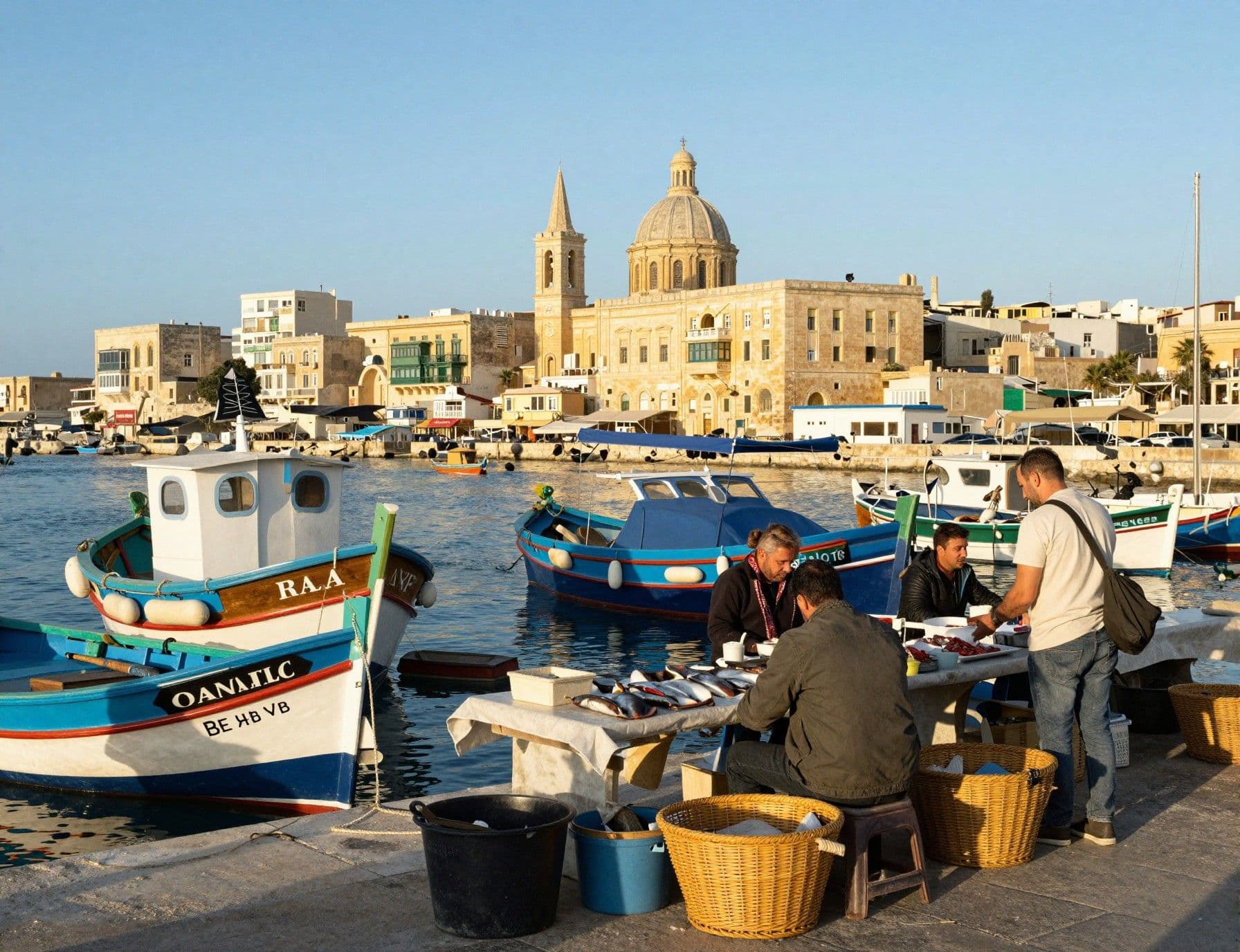
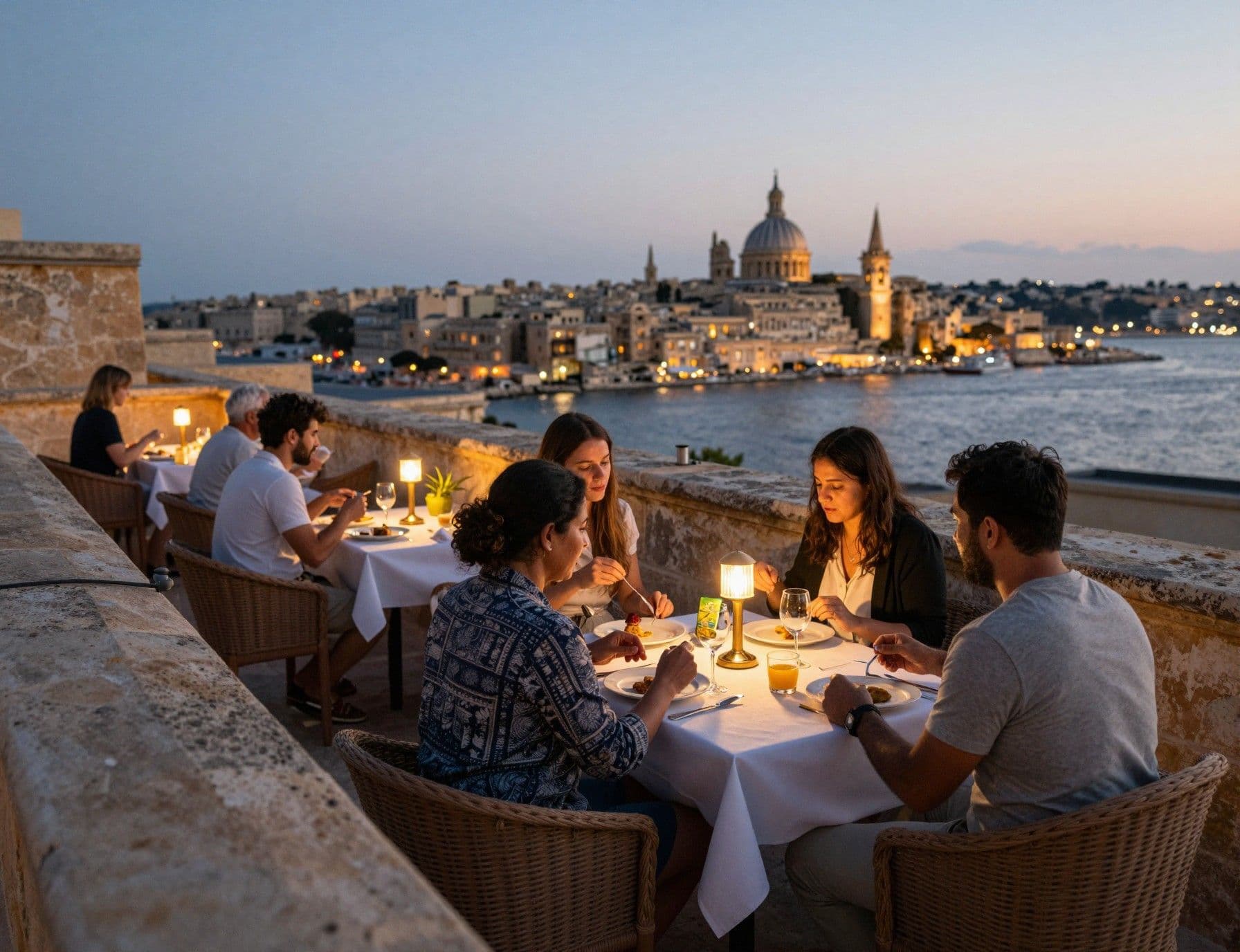
Life in Malta is compact and layered. Days are ruled by light: soft winter greys, intense summer brilliance and long, slow evenings where dining spills into plazas. Public life centres on cafés, the il‑ħabta of small markets and coastal promenades. English is widely used; Maltese inflects daily speech and adds a warmth that helps newcomers feel at home quickly. Space is at a premium, so interiors that maximise courtyard light, mezzanines and roof terraces are highly prized.
Valletta, Sliema and the city‑by‑the‑sea rhythm
Valletta's narrow streets and stately palazzi make for a life organised around museums, specialist shops and classical concerts. Cross the harbour to Sliema and you find a livelier waterfront of cafés, boutique retailers and apartment living with balconies that face the sea. For buyers who prize immediate urban amenity and architectural presence, these areas deliver a daily backdrop that feels curated and lived in.
Quiet harbours, inland villages and Gozo's slower tempo
If you prefer less bustle, Balluta Bay, Mellieħa and the villages of Gozo offer a different cadence: mornings at bakeries, afternoons by small coves, and a community rhythm that privileges neighbourliness over nightlife. Properties here tend to be larger and trade at a discount to central Valletta—appealing for buyers seeking outdoor living, vegetable terraces and room for a studio or workshop.
- Lifestyle highlights: café rituals at Pjazza San Ġorġ, Sunday markets in Marsaxlokk, early swims at Għajn Tuffieħa, aperitifs on Sliema promenade, artisan bakeries on Merchants Street, rooftop dinners with harbour views.
Making the move: practical cost considerations
The feeling of place is often affordable in small doses—coffee, markets, a village lunch—but property ownership tells a different story. Malta’s official residential property index recorded a continued increase through 2024, reflecting constrained supply and steady demand. At the same time, everyday living costs (groceries, utilities and services) sit mid‑range for Western Europe, but neighbourhood and lifestyle choices materially change monthly budgets for internationals.
Property types and how they shape costs
Traditional townhouses, modern apartments and converted palazzi each carry different cost profiles. A restored townhouse in Mdina or a refurbished palazzo in Valletta commands a premium for craftsmanship and provenance; new apartments in Sliema offer maintenance ease but smaller floorplates. Buyers should budget for restoration contingencies where heritage fabric is involved, and for higher strata fees in waterfront developments with concierge services.
Working with local experts who understand both life and ledger
- 1. Ask for neighbourhood living profiles that list real monthly costs (utilities, local taxes, average grocery bills, typical strata fees). 2. Request a recent RPPI‑based price comparison for at least three nearby streets rather than a town average. 3. Factor in restoration quotes from Maltese stone masons when buying older fabric. 4. Consider a short‑term rental trial in the target neighbourhood before committing. 5. Use agents who connect you to local services — not only lawyers — to understand daily life costs.
Insider knowledge: what expats wish they'd known
Expats often underestimate three things: sunlight‑driven energy bills in older stone houses, the social premium of location (a quieter lane may cost less but demand more travel), and the way seasonality reshapes service availability. Festivals and regattas enliven neighbourhood life but can temporarily raise short‑term rental rates and local prices. Planning for these cycles converts pleasant surprises into predictable budgets.
Cultural integration and daily life
Maltese social life is direct and neighborly. Learning a few Maltese phrases softens transitions, but English suffices for most administrative and commercial needs. Community life often centres around festas and parish events — attending these is as useful for finding a good plumber as it is for understanding local rhythms. Schools, healthcare and family services are clustered in main towns; proximity matters for daily convenience.
Longer term: stewardship and value
Owning in Malta often becomes a stewardship exercise: maintaining stone façades, respecting conservation rules and thoughtfully integrating modern comforts. Official indices indicate steady appreciation rather than exuberant spikes, which rewards buyers who prioritise provenance and long‑term use over short‑term flips. Consider properties where restoration lifts both living quality and market differentiation.
- Red flags and hidden costs to budget for: higher‑than‑expected strata fees in luxury developments; restoration costs for traditional limestone fabric; seasonal spikes in utility consumption and short‑term rental demand; conveyancing and due diligence when a property has mixed titles or heritage restrictions.
Conclusion — why Malta rewards the considered buyer: The archipelago offers a life of luminous mornings, concentrated culture and neighbours who see living as a craft. But the market rewards discipline: select neighbourhoods where lifestyle and stewardship align, engage local experts who can translate daily life into true costs, and treat restoration and service budgets as intrinsic to purchase price. If you wish to move from dreaming to living, start with a short residency trial, commission a neighbourhood cost profile from your agent, and prioritise properties with proven maintenance histories. Villa Curated partners can introduce vetted agents and craftsmen who understand both Malta's light and its ledger.
Dutch former researcher who moved to Lisbon, specialising in investment strategy, heritage preservation, and cross-border portfolio stewardship.