Hidden Rules That Shift Value in French Property
A lifestyle‑first guide to buying in France: how hidden legal rules—registration duties, servitudes, co‑ownership minutes—shape where locals actually live and what buyers should verify.
Imagine a Sunday morning in Aix‑en‑Provence: a baker pulling pain au chocolat from a wood-fired oven, a market spilling heirloom tomatoes and lavender, and pale stone terraces catching the light. That ease—food, light, rhythms of place—is what draws international buyers to France. Yet beneath the cafe tables and limestone staircases lie rules and small legal turns that change cost, timing and the very character of ownership. Understanding a few “hidden” legal levers turns romantic aspiration into a lasting, measured purchase.
Living the French life: more than a view
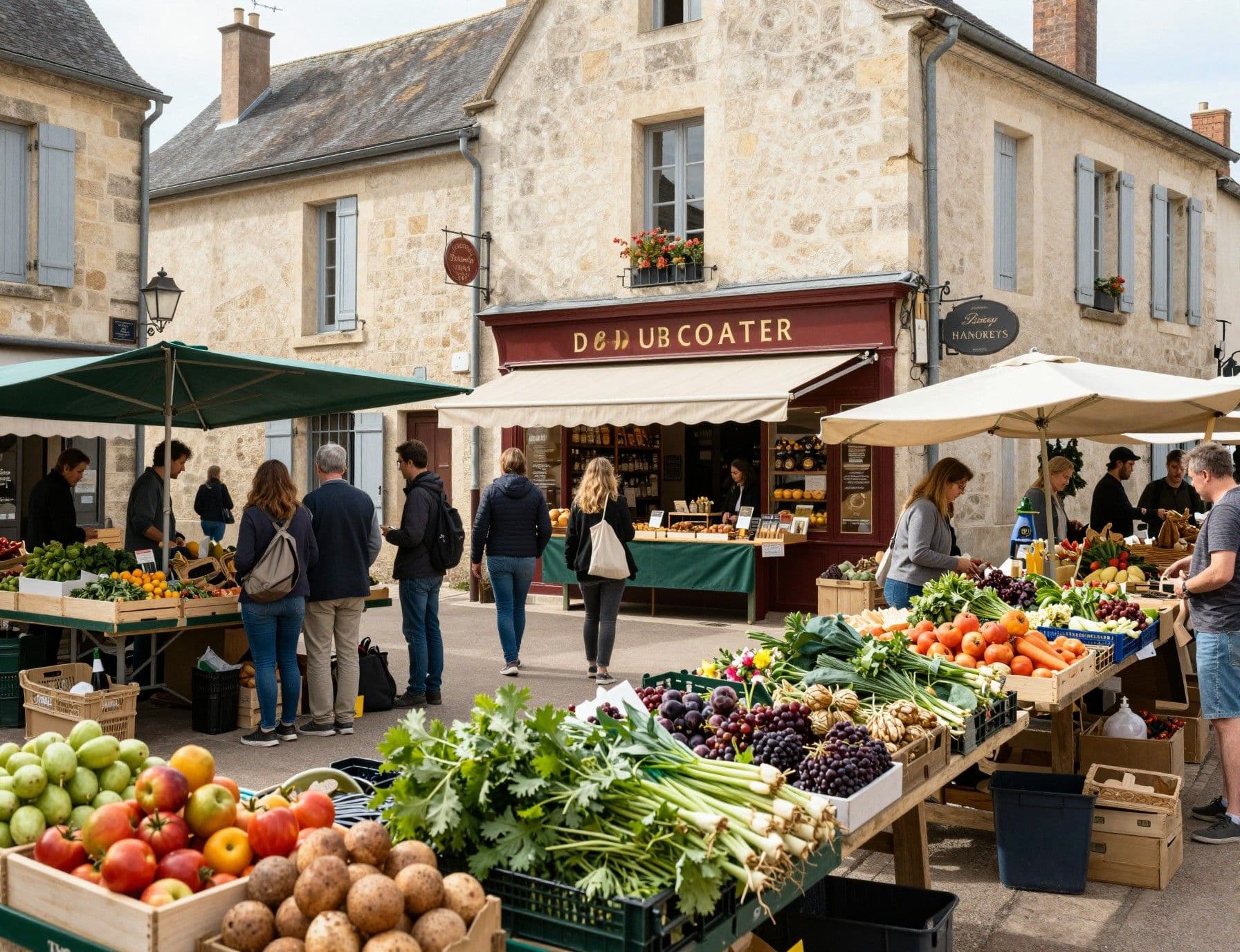
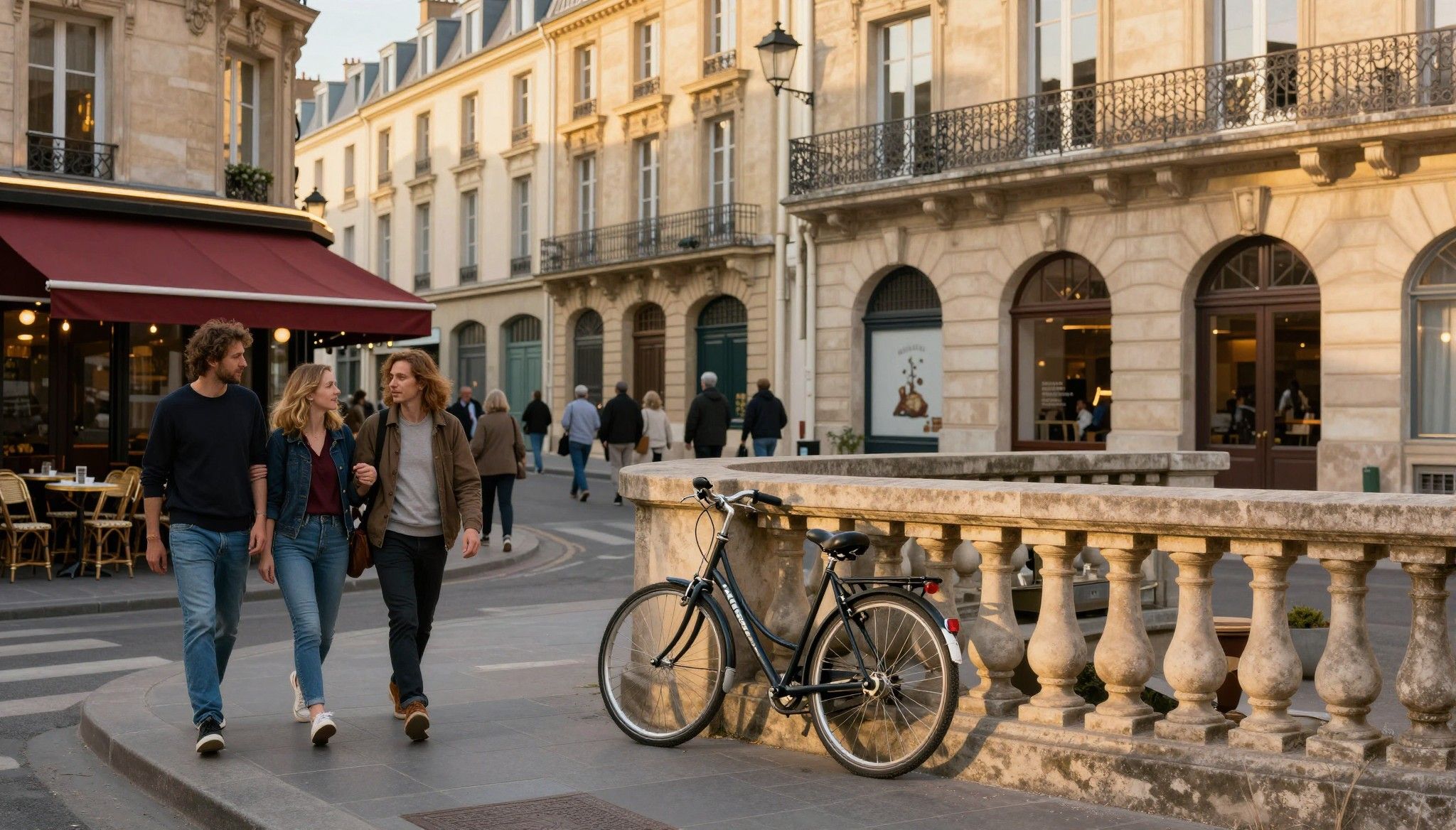
France is best understood by tempo: the weekday commerce of Haussmann boulevards, the Saturday seafood market at Cap Ferret, the late‑afternoon passeggiata in Nice. Each region offers a distinctive rhythm—Normandy’s orcharded lanes and timber vernacular, Bordeaux’s quiet, vine‑lined communes, Provence’s light and intimate squares. Buying here is an invitation to those rhythms; the legal framework defines how you join them, not merely where you park a suitcase.
Neighbourhoods that feel lived in
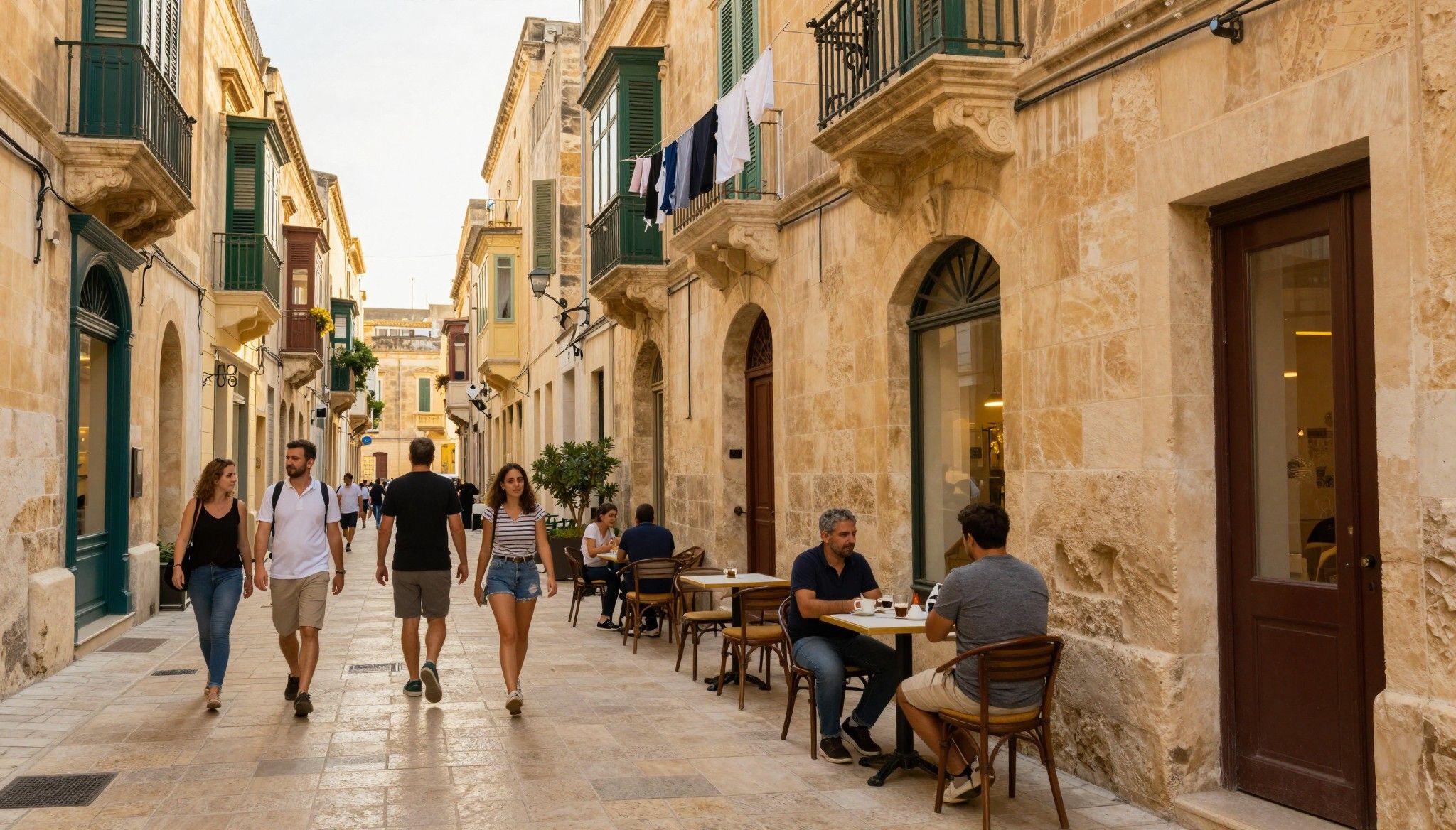
Walk the rue Cler in Paris, the rue du Mirail in Bordeaux’s Chartrons or the rue Saint‑Savournin in Marseille and you see a pattern: independent shops, local tradespeople and small‑scale housing stock. These streets often sit outside the headline 'prime' maps, but they are where daily life happens—and where legal subtleties (co‑ownership rules, servitudes, local planning restrictions) most affect value and use.
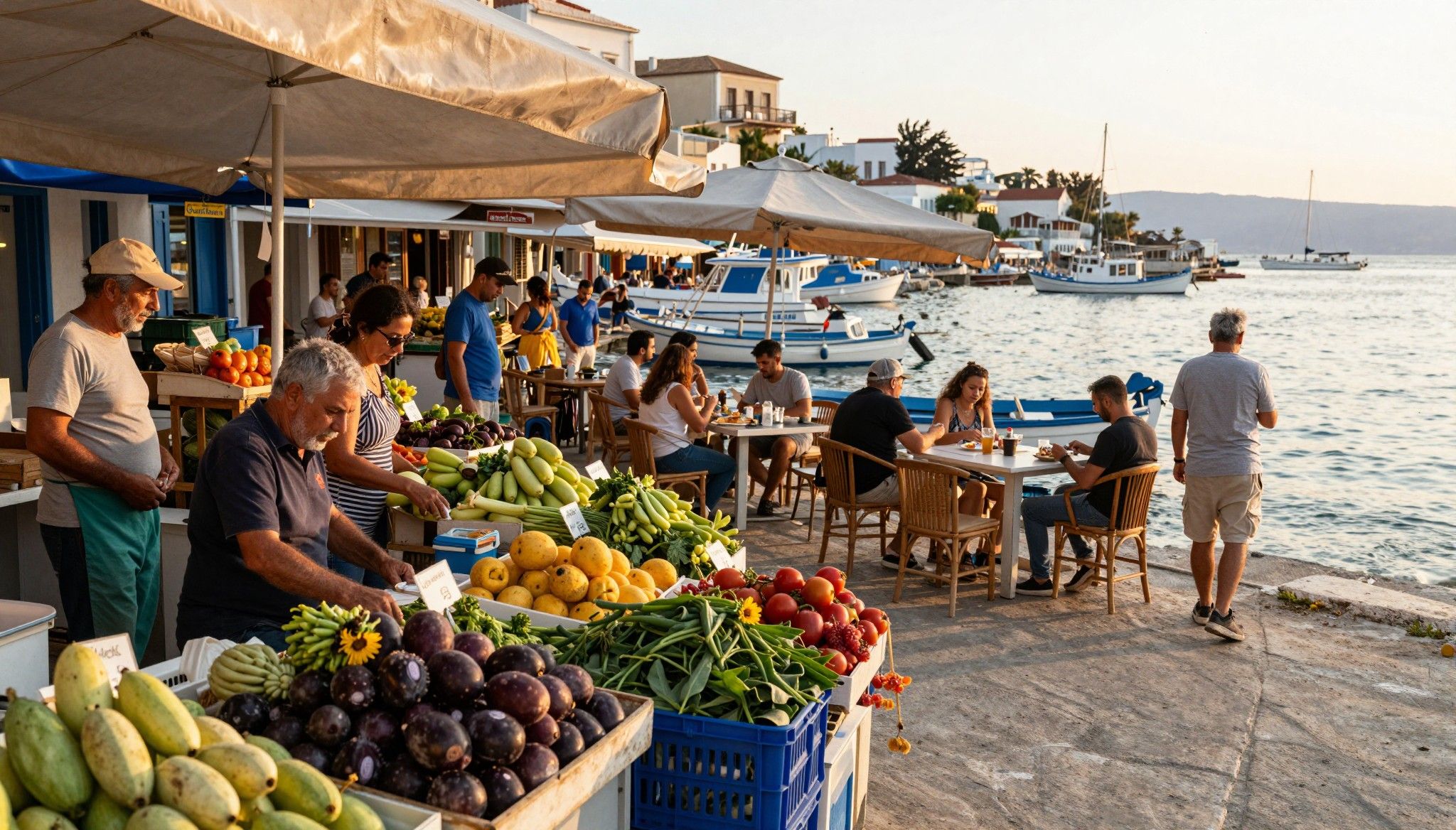
Food, market life and seasonal truth
Season matters. A coastal town thrums in July and quiets in November; a market that fuels social life closes for a week in August. These seasonal patterns shape rental potential, maintenance needs and even the classification of a property (primary residence, secondary home), which in turn affects tax treatment and the notaire’s calculations. New builds carry reduced transfer tax; older properties often incur higher registration duties. Small choices—declaring a property as primary rather than secondary—carry legal consequences.
- Lifestyle highlights to seek when you buy in France: - A covered market within a 10‑minute walk (fresh produce shapes daily life) - A lively boulangerie with early service (community anchor) - A neighbourhood square where locals gather in summer evenings - Proximity to a train line for regional travel (practical and social) - Local artisans, vintners or restaurateurs who animate the area
Making the move: practical considerations that protect the lifestyle
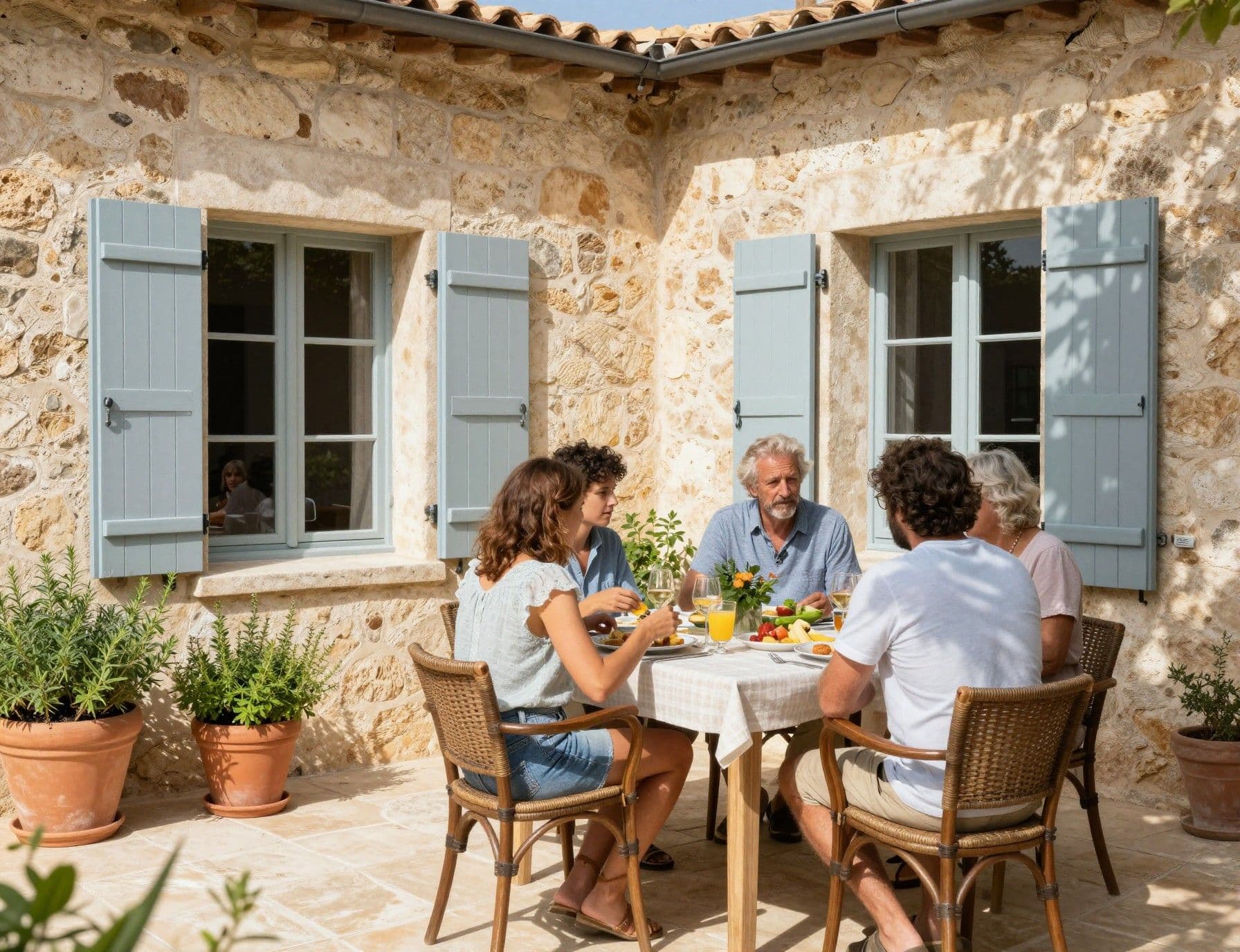
Translating a lived experience into a legal title requires attention to three often overlooked items: the composition of notaire fees (taxes, formalities, emoluments), departmental variations in registration duties, and servitudes or easements that may limit use. These are not arcane niceties; they determine monthly costs, renovation possibilities and whether the home fits long‑term life plans.
Property types and how they shape daily life
A hôtel particulier in Lyon offers grand rooms and a garden but brings higher upkeep and stricter heritage controls. A village farmhouse in Dordogne offers land and quiet, yet may have septic, access and agricultural servitude issues. New apartments in Bordeaux allow contemporary living with reduced registration tax but less patina. Match property typology to how you intend to use the house: seasonal retreats favour compact, low‑maintenance dwellings; year‑round moves justify investment in insulation and administrative registration.
Working with local experts who conserve the lifestyle
An estate agent with local relationships points you to streets that hold life; a notaire explains registration duties and can flag pre‑existing servitudes; an architect advises on sympathetic restoration that preserves the house’s character. Use professionals who understand both the cultural life you seek and the legal instruments that sustain it.
- Steps that blend lifestyle and legal prudence: 1. Walk the street at different times before making offers to sense daily life and noise patterns. 2. Ask the notaire for a title search and copies of any servitudes or condominium minutes. 3. Confirm departmental registration duty rates — they vary and affect total acquisition costs. 4. Arrange an architectural or technical survey focused on living systems (insulation, heating, septic). 5. Consider declaring residency status early if you plan to make it a primary home — tax and social matters differ.
Insider knowledge: what expats wish they'd known
Common regrets among international buyers are practical rather than romantic: underestimating local timing (August closures), misreading co‑ownership regulations for period buildings, or overlooking slight departmental tax shifts that add several thousand euros to acquisition costs. Small administrative details—how refuse collection is charged, whether a property sits in a protected zone (ABF)—shape daily comfort.
Cultural integration, language and neighbourhood life
Language matters more in everyday life than in contracts. A notaire conducts the legal process and will provide certified translations if needed, but your neighbours, butcher and school will not. Learn essential phrases, attend market mornings and volunteer for local fêtes to embed yourself—these are the gestures that transform a house into a home.
Long‑term lifestyle and stewardship
Think like a steward. Maintain original details where possible, keep consistent landscaping, and document any restoration work. Heritage assets and well‑maintained village homes often outperform flash renovations in desirability and resale; they preserve both the life you sought and the property’s intrinsic value.
- Red flags and legal checks before you sign: - Missing cadastral plans or unclear boundaries - Unrecorded servitudes restricting access or use - Co‑ownership (copropriété) minutes showing deferred maintenance - Planning restrictions (ABF or local PLU rules) limiting changes - Recent departmental increases in registration duty that raise total acquisition costs
Conclusion: buy for the life, verify for the long term. Fall in love with the market square, the light on the stairwell and the sound of the boulangerie at dawn—but bring exacting legal and local expertise to the table. A notaire’s clarity on fees and deeds, a local agent’s street knowledge, and a planner’s eye for sustainable restoration will protect both the life you imagine and the capital you commit. When these elements align, France rewards patient, informed stewardship with a life both beautiful and well‑secured.
Norwegian with years in Florence guiding clients across borders. I bridge Oslo and Tuscany, focusing on legal navigation, cultural context, and enduring craftsmanship.