How Timing Your Croatian Purchase Lowers Tax and Raises Value
A lifestyle‑first look at Croatia with a tax‑smart spine: timing, VAT vs transfer tax, and practical checks that preserve beauty and reduce avoidable costs.
Imagine waking to the smell of strong coffee and sea salt on a narrow Split morning, then signing papers for a stone apartment whose terrace looks toward an impossibly blue Adriatic. This guide begins there — with what it feels like to live in Croatia — and then reveals a less romantic but decisive truth: timing, tax rules and local custom shape the home you can afford and the life you will lead. For buyers who value provenance and craftsmanship, a small shift in timing or structure can materially change your tax bill and long‑term stewardship obligations.
Living Croatian Days: pace, places and sensory details
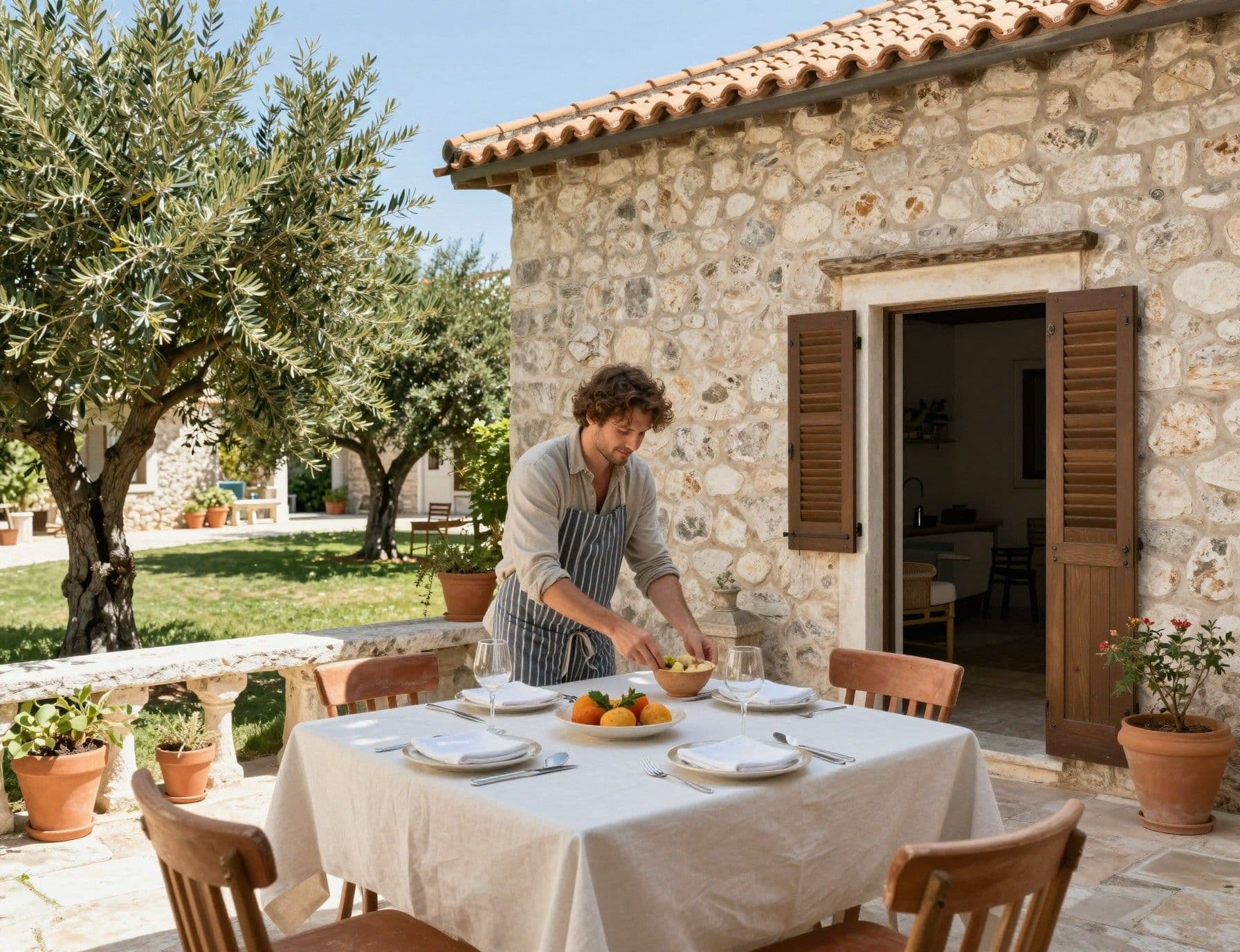
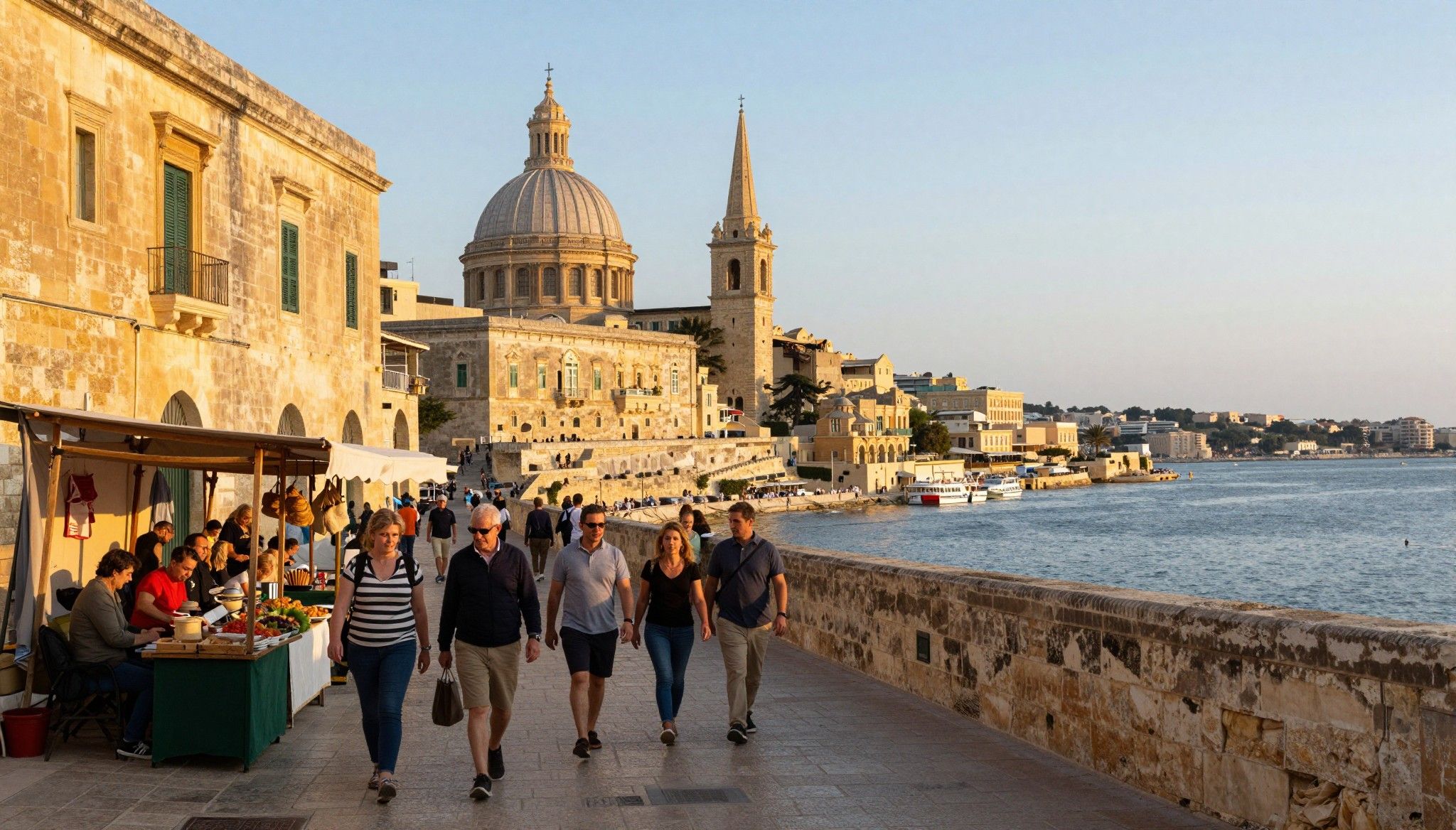
Croatia moves at the intersection of Mediterranean rhythm and Central European order. Mornings begin with espresso in local cafes, afternoons dissolve into siesta‑light quiet on stone promenades and evenings are for long meals of grilled fish and local wine. Whether in Dubrovnik’s Old Town, a converted Dalmatian stone house on Brač, or a quiet villa outside Zadar, the life you buy is sensory — sea, light, limestone, and the small, precise pleasures of neighbourhood markets and family bakeries.
A few neighbourhood portraits
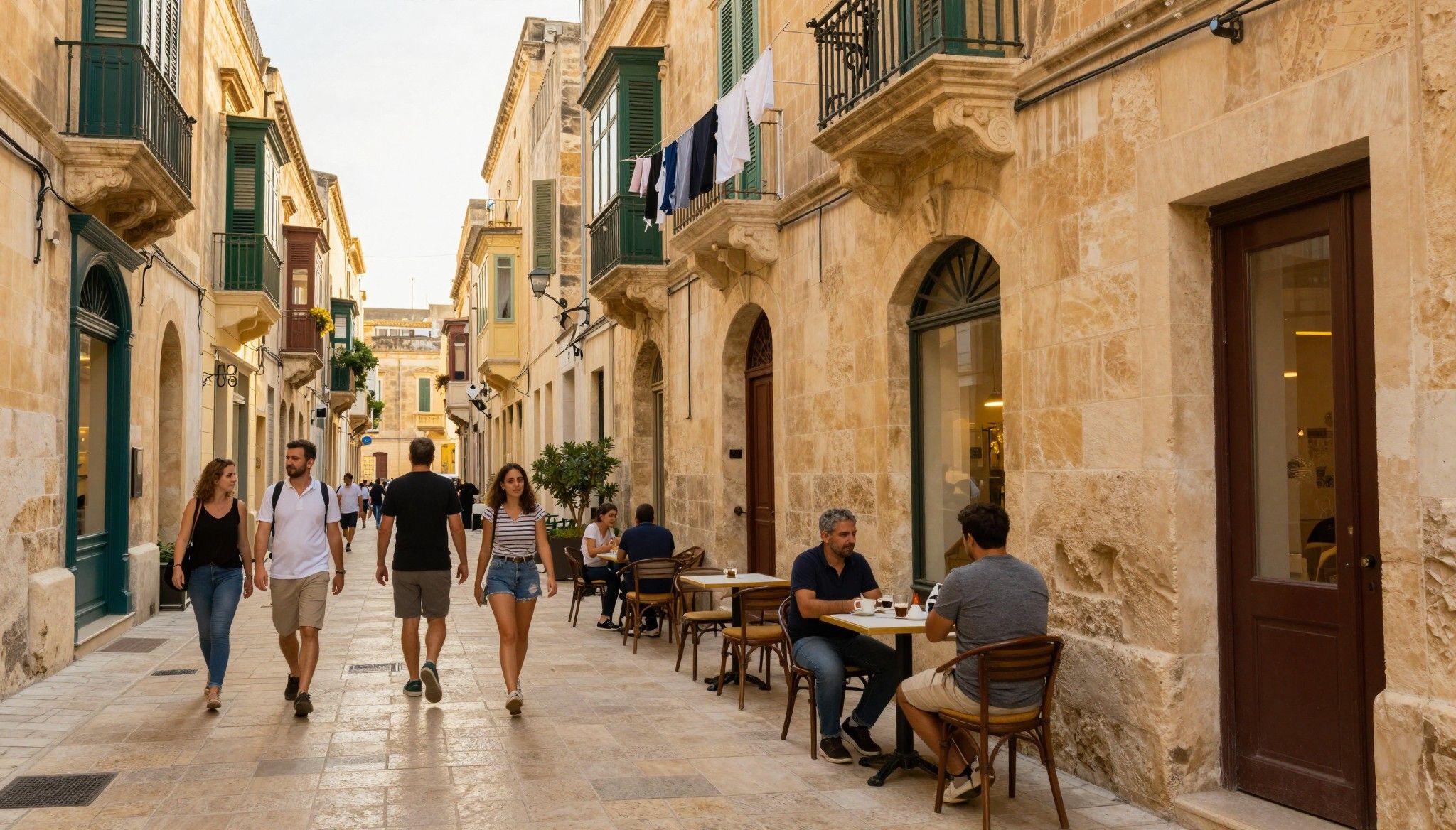
Split’s Veli Varoš rewards morning walkers with shaded alleys, small konobas and a community that knows the tides of tourism. In Dubrovnik, Ploče balances access with stature — centuries of stonework that demand careful stewardship. On the Istrian peninsula, Rovinj’s old town favours restored townhouses with exposed beams and mosaics. Each place implies a different ownership choreography: historic facades need conservation, islands require logistics for maintenance, and new‑builds near Rijeka may offer modern efficiencies but less patina.
Food, markets and the social economy
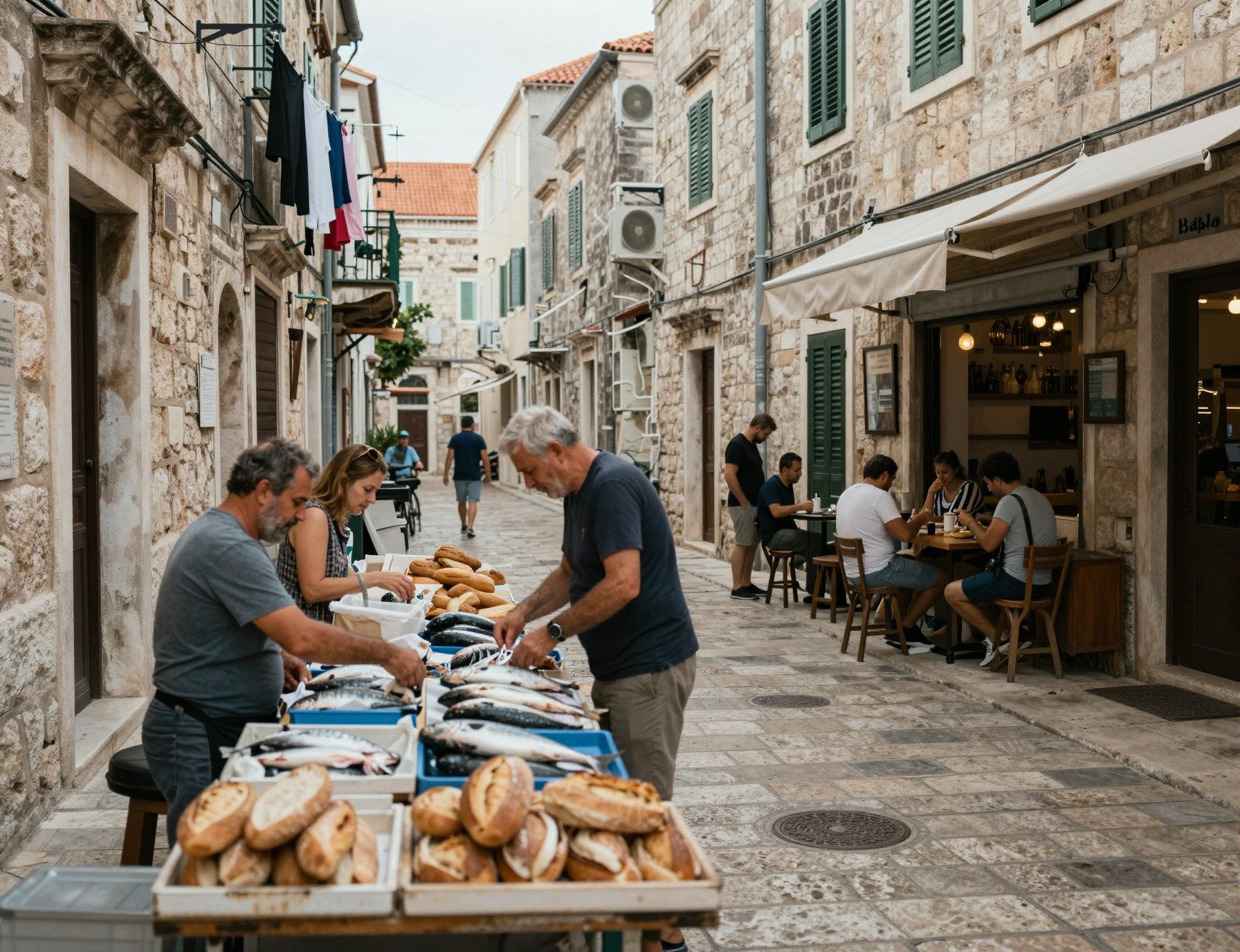
Weekends follow markets: in Zagreb’s Dolac you’ll find seasonal produce and charcuterie; along the Dalmatian coast, fishermen arrive with morning catches that define menus. Cafés such as Split’s Kava Tonic or small konobas on Hvar shape where neighbours meet. These rituals affect property choice — proximity to a market or a beloved cafe often matters more to long‑term satisfaction than a panoramic view that comes at the cost of daily convenience.
- Lifestyle highlights to look for when visiting
- Morning espresso on a shaded terrace (Veli Varoš, Split)
- Saturday market pilgrimage (Dolac, Zagreb)
Making the move: how taxes and timing shape the lifestyle purchase
It is tempting to separate the poetry of place from the arithmetic of purchase, yet in Croatia the two are joined: the real estate transfer tax, exemptions and the tax treatment of rental income and capital gains will materially alter both initial cost and ongoing returns. For most resale transactions budget for a 3% transfer tax on market value, plus notary and registry fees; for new builds VAT rules and exemptions can change the picture entirely. These are not arcane details — they determine how quickly a seaside restoration becomes financially comfortable.
Property types and the tax consequences
Stone apartments, converted villas and new coastal developments sit under different tax regimes. Resale properties are usually subject to the 3% transfer tax, while a newly built dwelling sold by a VAT‑registered developer may be subject to VAT instead — meaning the buyer does not pay the 3% transfer tax but may face VAT at the standard rate on the selling price. Choose a purchase structure that matches your plans: short‑term rental, family retreat, or long‑term residence.
Working with an expert who understands both life and law
A local advisor can translate lifestyle preferences into the correct tax and ownership vehicle. They will advise on whether a notional VAT transaction suits your goals, whether a company purchase (sometimes used for island homes) is prudent, and how to plan for municipal property tax. Good counsel preserves the character of a house while limiting avoidable taxes and administrative friction.
- Steps to marry lifestyle choice with tax sense
- Decide intended use (primary residence, vacation rental, investment) and prioritise neighbourhoods that support that life.
- Request seller documentation showing whether VAT was charged on initial construction or sale; if VAT applies the 3% transfer tax will usually not be charged.
- Ask for an independent market valuation before signing to avoid surprise reassessments by the tax authority.
Insider knowledge: myths, red flags and tax realities expats regret not knowing
Myth: a low advertised price always means value. Reality: Croatian tax authorities may reassess market value if the contract price looks artificially low, increasing the 3% transfer tax bill. Myth: islands are cheaper to maintain. Reality: logistics, seasonal service costs and higher local property taxes can erode returns. Myth: tax on capital gains is minor. Reality: if you sell within short ownership windows or as a non‑resident, capital gains tax and special real‑estate profit taxes can apply and should be modelled from the outset.
Capital gains and rental income — what to expect
If you plan to rent the property, remember rental income is taxable and requires local registration. Capital gains rules depend on ownership period and residency status — many practical guides note that gains realized within a short period of ownership may be taxed at special rates. For high‑value and heritage properties, an adviser can help structure ownership to mitigate double taxation and ensure compliance with local reporting.
Practical red flags at viewing and contract stage
- Seller claims that the property’s official value is lower than the market price — request the notarised sale price and an independent appraisal.
- Unclear VAT status on new builds — confirm whether the developer charged VAT and whether transfer tax has been waived.
- Municipal property tax rates vary — check local rules for holiday homes where seasonal surcharges can apply.
- How to proceed once you love a property (a concise checklist)
- Engage a Croatian notary and reputable local lawyer to confirm title, encumbrances and tax history before deposit.
- Order an independent valuation and request seller declarations about VAT and previous tax payments.
- Model ownership scenarios with an adviser — personal ownership, company ownership, and implications for U.S./home‑country tax.
Conclusion: a life‑first purchase that respects the ledger
Croatia offers an enviable balance of crafted living and considered scale. To secure that life without unwelcome fiscal surprises, imagine the day‑to‑day first, then engage advisors who convert that vision into the right legal structure. A modest shift — confirming VAT status, timing a purchase to clear a two‑year capital‑gains window, or choosing a neighbourhood with lower municipal levies — preserves both the poetry of place and the prudence of ownership.
Next steps: visit during market‑quiet months to feel neighbourhood life; request valuation and VAT evidence before offers; instruct a notary and tax adviser versed in Croatian practice. With careful timing and trusted local counsel, a Croatian property can be both a lived treasure and a well‑structured asset.
Having moved from Stockholm to Marbella in 2018, I help Scandinavian buyers navigate Spanish property law, restoration quality, and value through authentic provenance.