Malta: Neighbourhood Life and the Stewardship Buy
A sensory tour of Malta’s neighbourhoods—Valletta, Sliema, St Julian’s—and research‑backed steps that turn a romance with the island into a durable property choice.
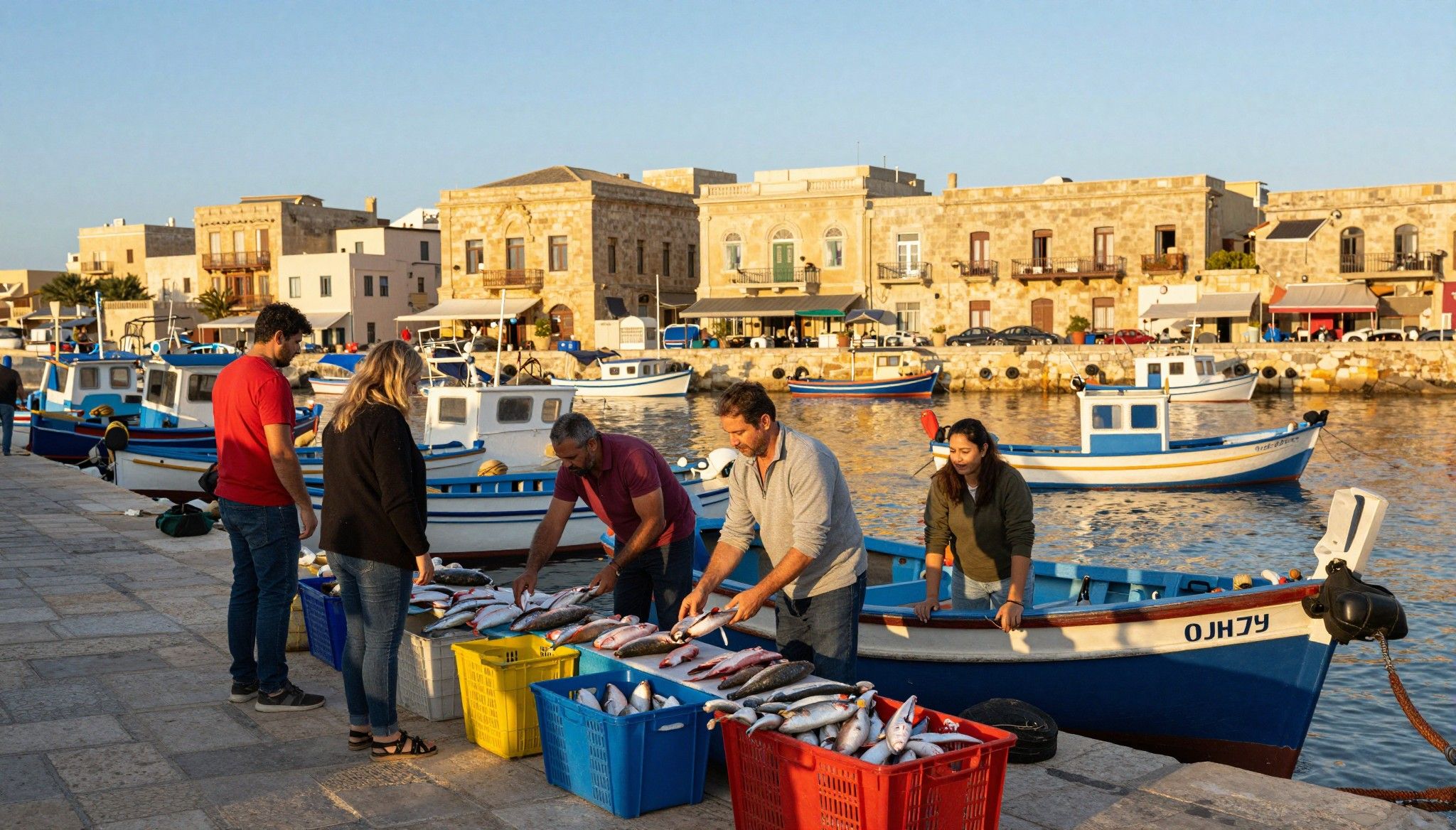
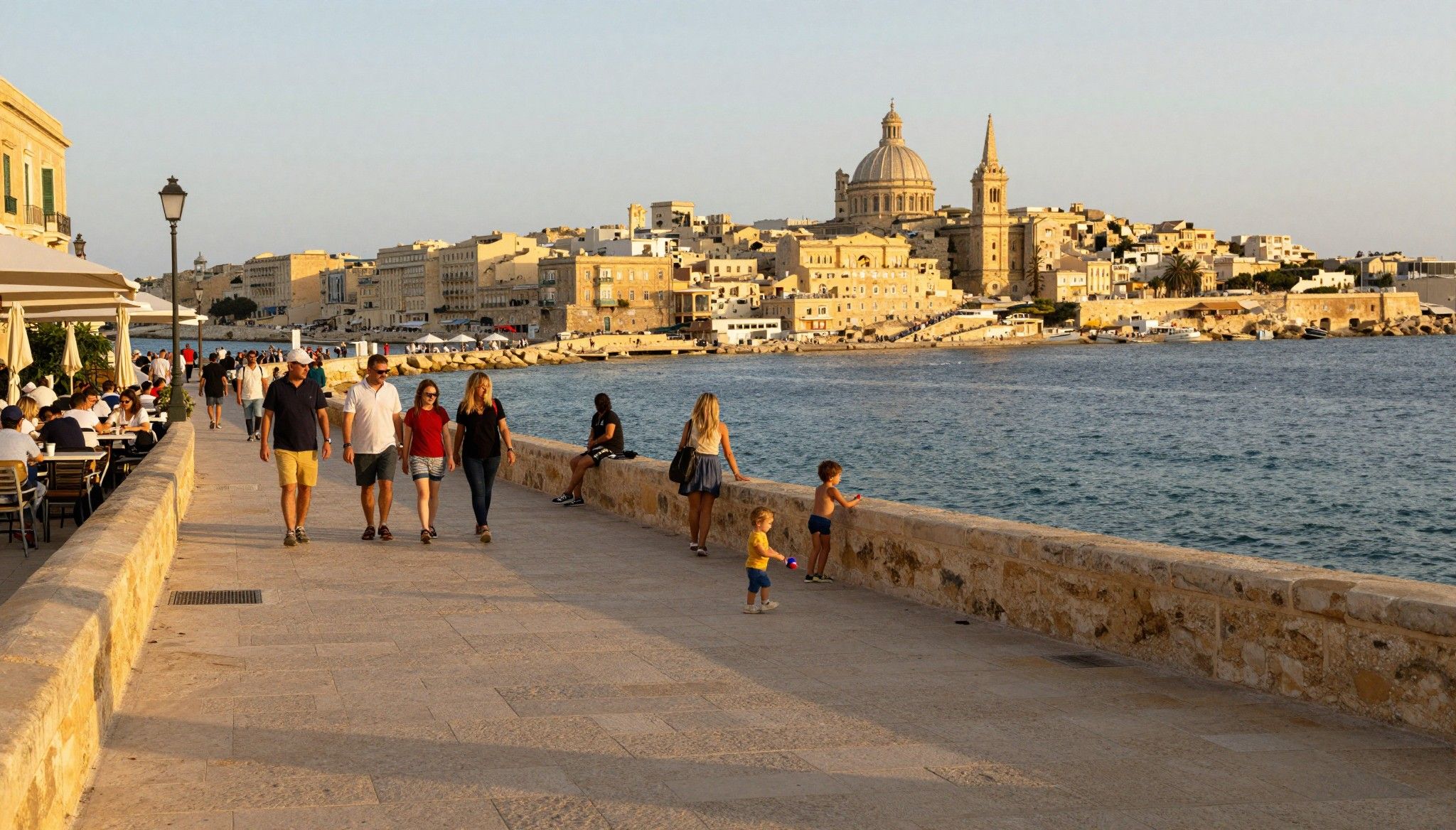
Imagine an early morning in Valletta: limestone warmed by a low sun, café tables forming a quiet constellation along Republic Street and a fisherman’s boat cutting across the Grand Harbour. Malta is compact enough that a weekend can hold a market in Marsaxlokk, an afternoon in Mdina’s hush, and an evening in Sliema over a promenade dinner. For buyers who prize texture—historic fabric, sea air and village festas—Malta reads like a series of intimate neighbourhoods rather than one homogeneous resort. Recent market reports show steady price appreciation, but the lived trade‑offs—size, maintenance, and seasonality of neighbourhood life—are where decisions are won or lost.
Living the Malta life
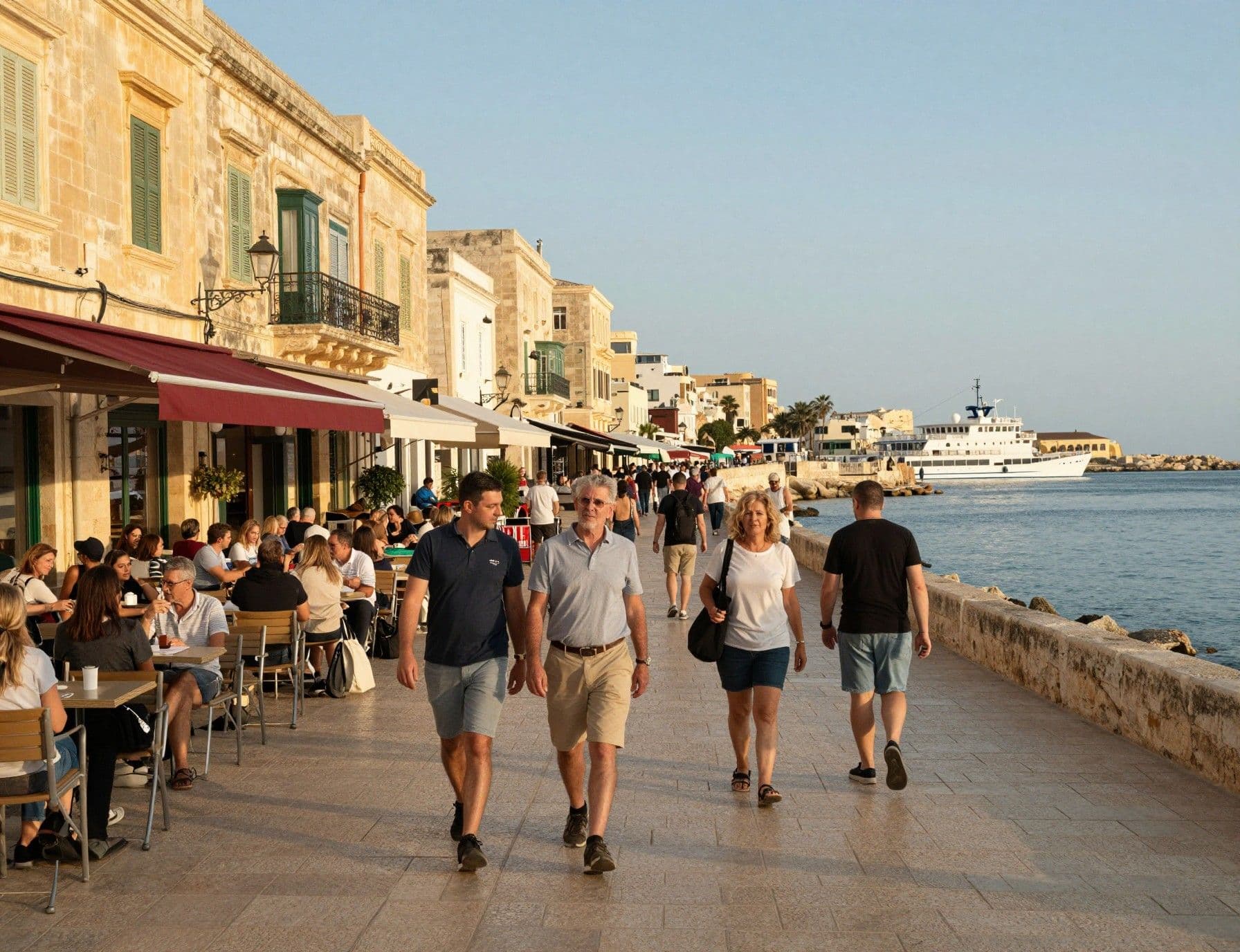
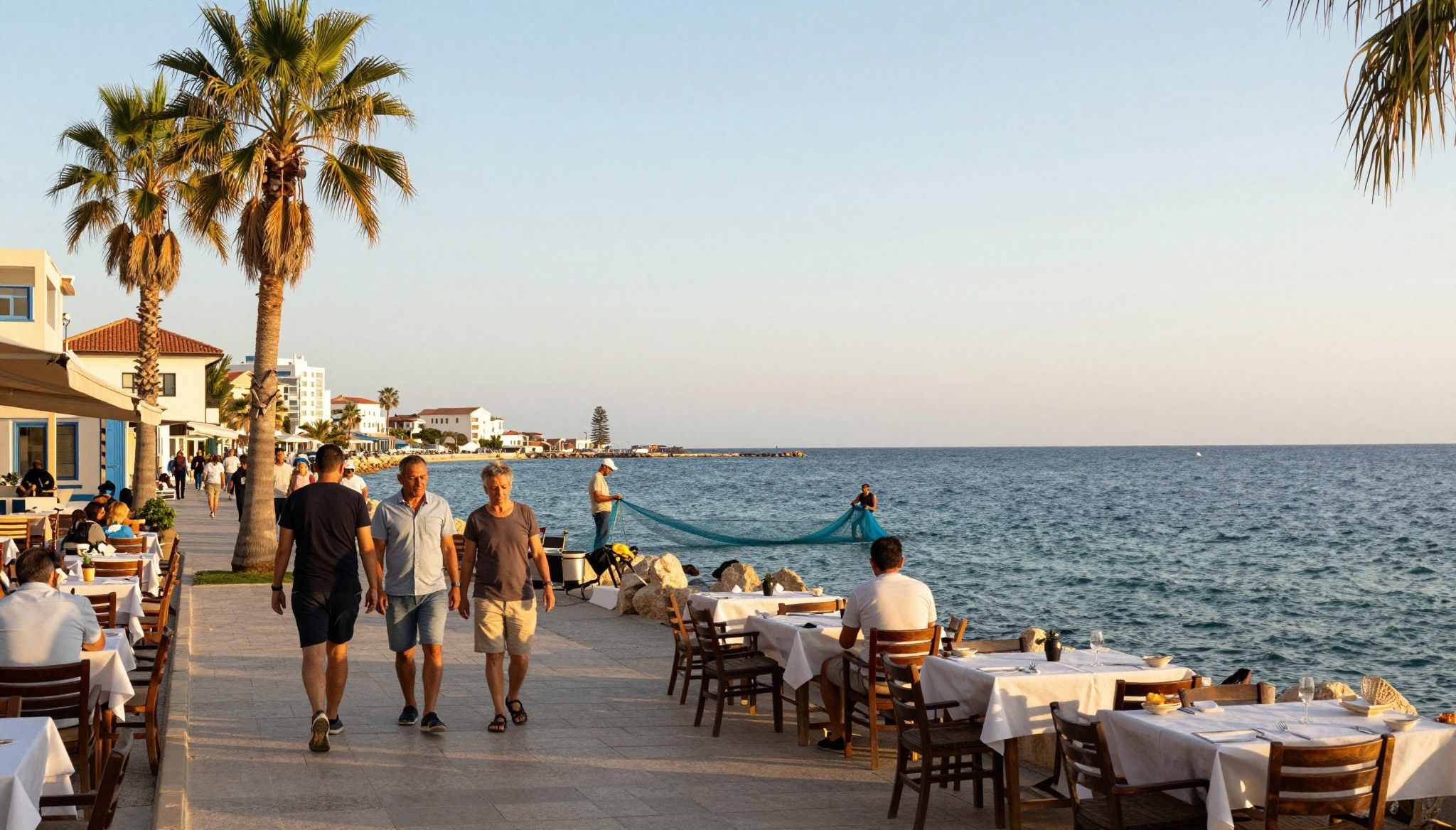
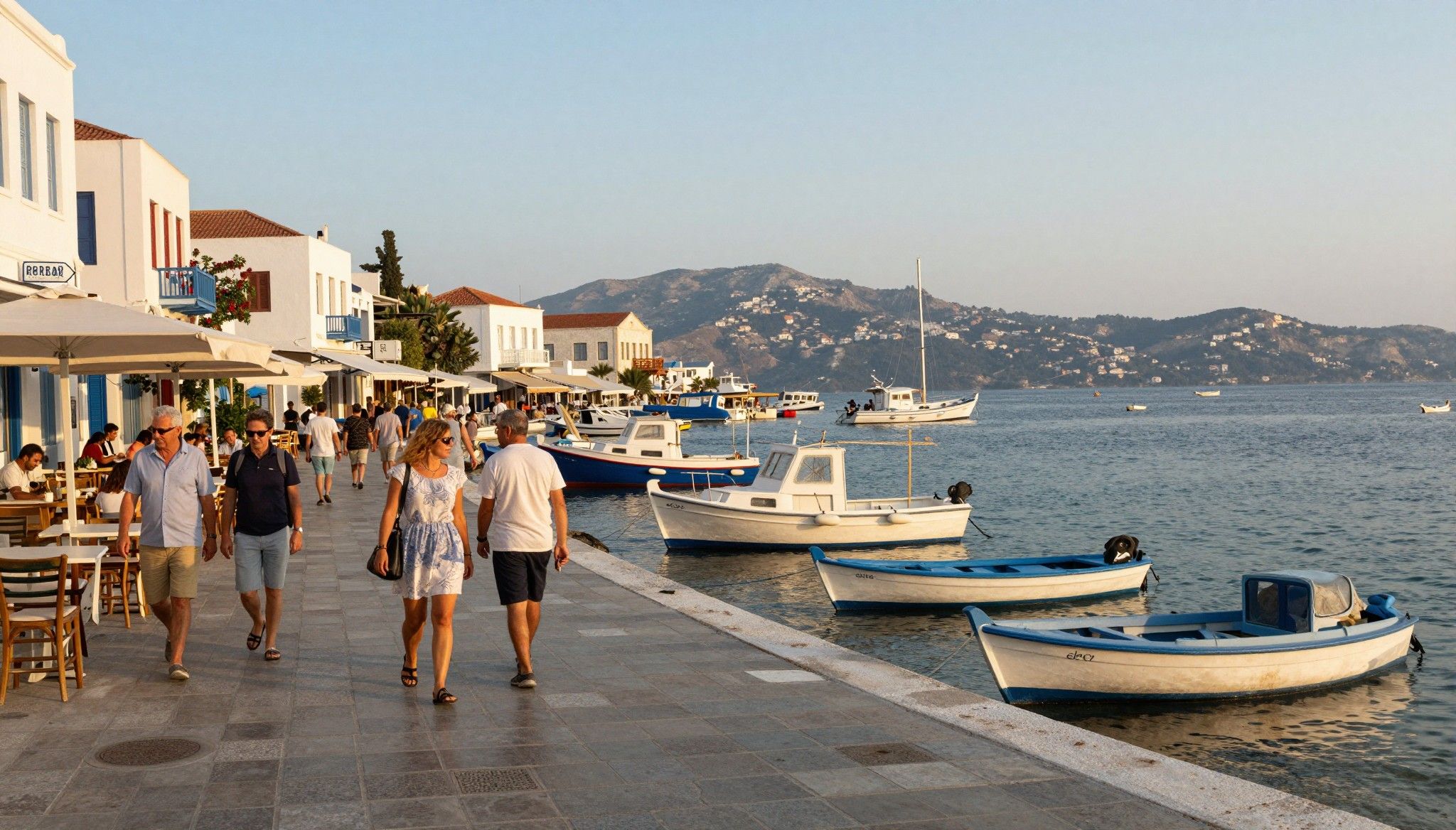
Life in Malta unfurls at coastal pace: mornings for cafés and errands, afternoons for sea or a siesta during high summer, evenings for slowly evolving dinners. The island’s small scale means neighbourhood character is intimate — Valletta’s theatrical façades, Sliema’s promenades, St Julian’s lively marinas — and each demands different house types and daily rhythms. The National Statistics Office tracks modest, persistent house price rises; what those numbers do not capture is the premium placed by locals and long‑term residents on walkability, shade, and a good bakery three streets away.
Valletta: the architectural heart
Valletta is best understood as a living museum: compact palazzini, baroque churches and narrow lanes that enter cool shadows. Morning espresso at Caffe Cordina (Republic Street) leads to galleries and late‑day aperitifs on the bastions watching cargo and ferries. Properties here tend to be smaller, vertically arranged townhouses or restored apartments with high ceilings and sash windows; they reward careful restoration and an appreciation for heritage rather than contemporary open‑plan living.
Sliema & St Julian’s: promenade life and social ease
Sliema and St Julian’s offer the everyday conveniences that many internationals seek: long promenades, cafés that open early, boutiques and a steady rhythm of ferries to Valletta and the islands. The housing mix leans toward modern apartments and converted maisonettes with sea glimpses and terraces. If you prioritise walkable shops, a good international school commute, and an active expat community, these districts simplify daily life—and will feel busy in high tourist season, an important consideration for sleep and privacy.
- Lifestyle highlights to test in person
- Sunday morning at Marsaxlokk fish market for fresh catch and waterfront life.
- An afternoon wander across Mdina’s silent streets to understand scale and neighbourly quiet.
- Sunset drinks on Sliema’s promenade to assess noise, light and view permanence.
Making the move: practical considerations that preserve lifestyle
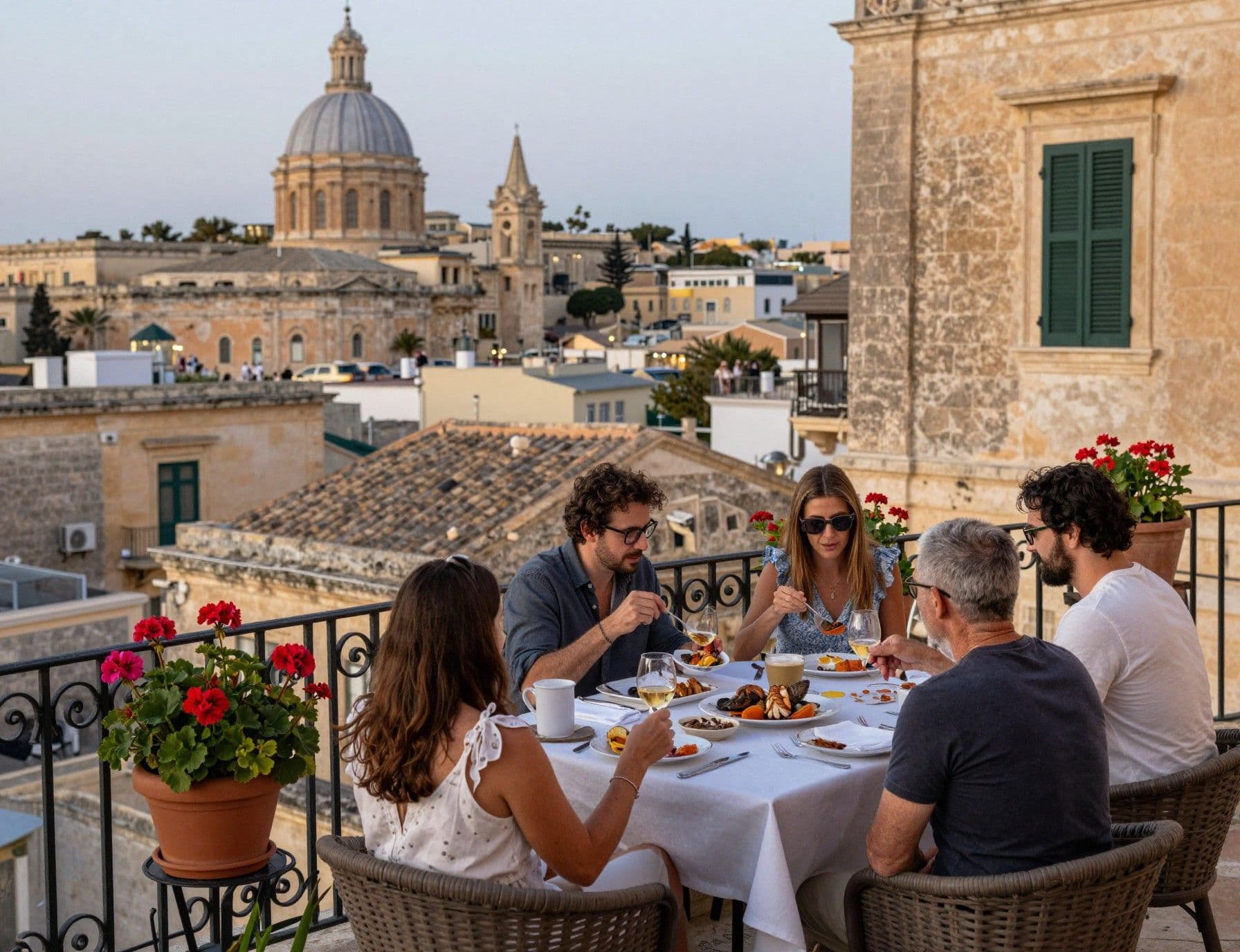
The romance of narrow streets and harbour views must be balanced with practicalities: limited internal space, upkeep of limestone façades, and seasonal noise in popular bays. Recent industry surveys show a resilient market—transaction values rose in 2024—so buyers ought to pair lifestyle priorities with a clear view of maintenance overhead, local service availability and the property’s capacity to perform across seasons. Good local advice translates lived aspirations into properties that sustain them.
Property types and how they fit life here
Decide first how you wish to live: a restored Valletta palazzo for cultural immersion, a Sliema apartment for promenade life, or a farmhouse on Gozo for rural quiet. Apartments offer convenience and lower external upkeep; historic townhouses reward stewardship and can command a premium for provenance. The Central Bank’s commentary on the market underlines steady demand, which means buyer choices should value longevity—durable materials, sound insulation and private outdoor space where possible.
Working with local experts who know the life you want
- 1. Choose an agency with documented restorations or heritage listings experience to match architectural expectations. 2. Ask for neighbourhood walkthroughs at different times of day (weekday, weekend, high season). 3. Commission a local building survey that includes salt‑air degradation and lime mortar assessment. 4. Confirm service‑provider access (plumbers, specialist stone masons) and obtain real post‑purchase cost estimates.
Insider knowledge: what expats wish they'd known
Expats often arrive enchanted and later discover small, persistent realities: summer crowds on the bays, a tendency for apartment floorplates to be compact, and a local fondness for repair over replacement. Integration is eased by speaking a few Maltese phrases and by attending village festas; English is widely used in commerce, which smooths administration. Those who settle for the long term speak of the surprise of community rituals—bakery queues, festa fireworks and the quiet pride of well‑kept façades—that define belonging.
Cultural rhythms and daily life
Small courtyards, late suppers and a neighbourhood baker you will come to rely on shape daily routines. Weekends are for sea trips, markets and family meals; many socials orbit the church calendar and village festas. For buyers, this matters because the best properties are those that sit comfortably within local routines—close to a market, shaded in summer and accessible in winter.
Long‑term considerations: stewardship over speculation
With constrained land and steady demand, value in Malta is often retention‑focused: well‑restored heritage properties and carefully specified new works hold up. Think of purchase as stewardship—invest in materials and services that age well and in measures that reduce future conservation costs. Market analyses consistently show modest gains; buyers who choose with craft and context in mind extract both lifestyle and long‑term worth.
If Malta’s compact life appeals—cobbled streets, seas that shape the calendar, neighbours who become friends—take these next steps: visit neighbourhoods at different hours, instruct a local conservator or surveyor, and work with an agency that can introduce you to craftsmen and community rituals as readily as to deeds and valuations. The island rewards those who buy with care: choose a property that supports the life you imagine and preserves the character that makes Malta singular.
Relocating from London to Mallorca in 2014, I guide UK buyers through cross-border investment and tax considerations. I specialise in provenance, design integrity, and long-term value.