How Greece’s Neighbourhoods Shape Life — And Your Purchase
A lifestyle‑first comparison of Greek neighbourhoods and property types, blending sensory local insight with up‑to‑date market and residency changes.
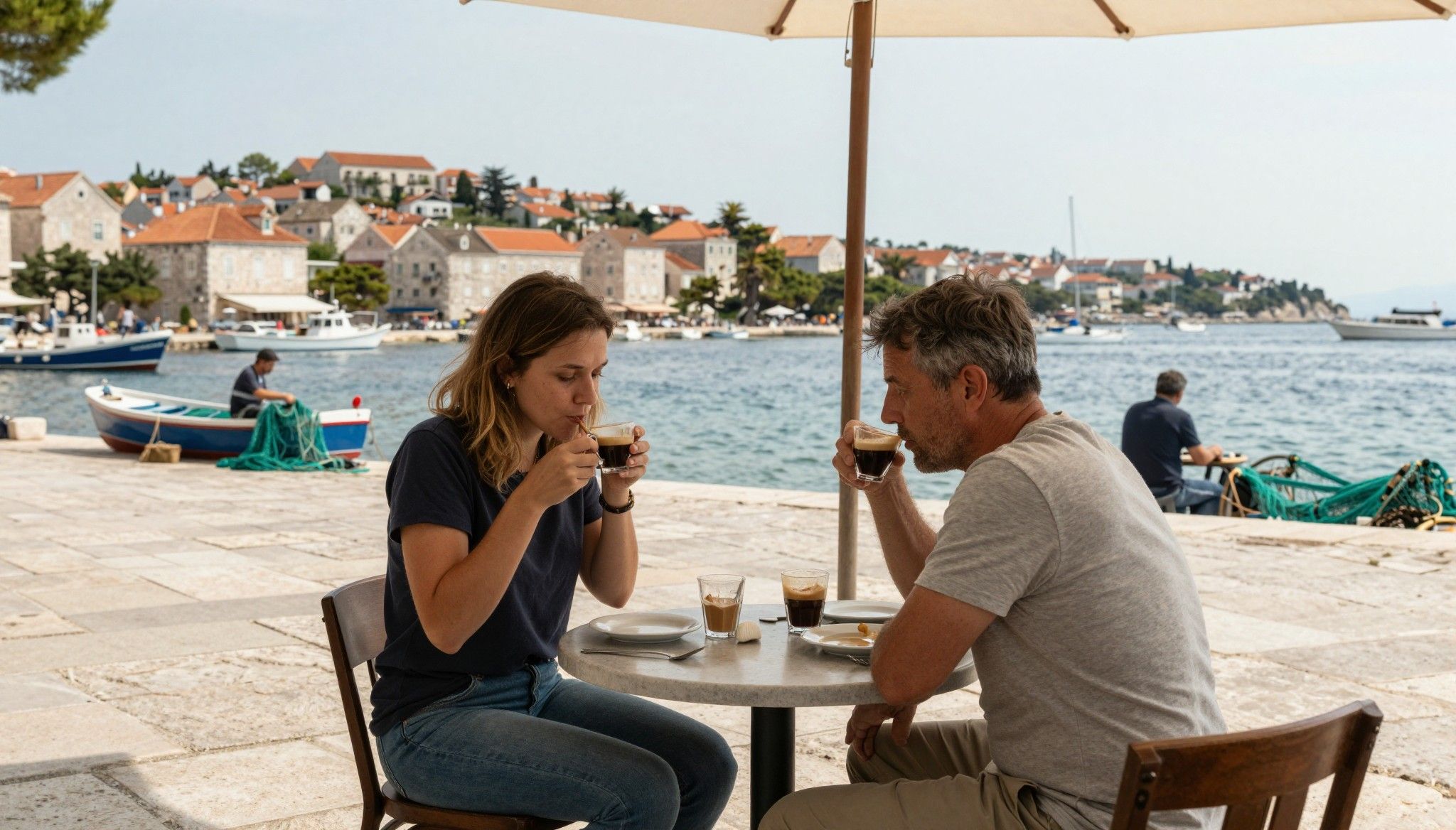
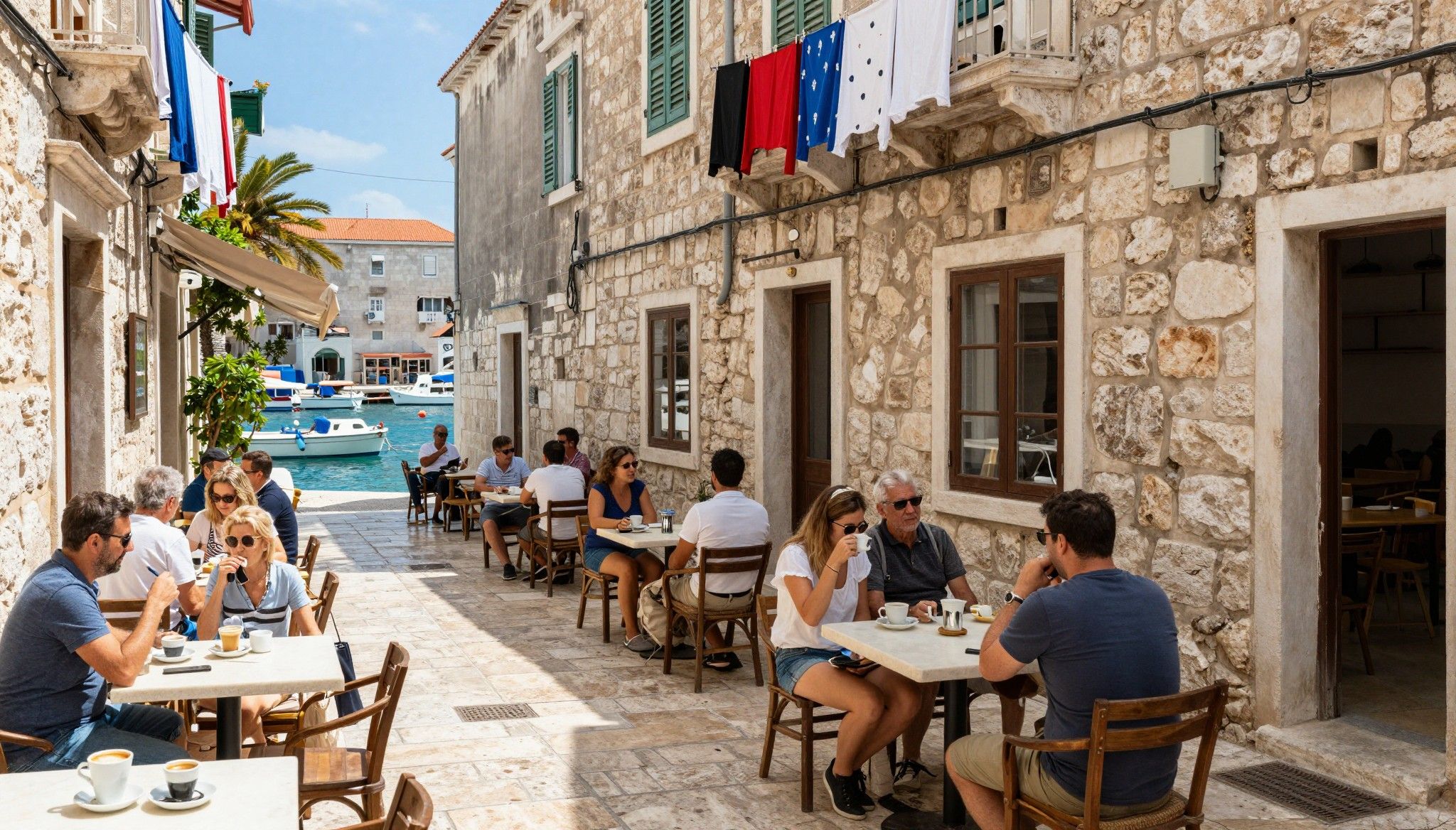
Imagine a late‑morning in a sunlit Athenian kafeneío: thick espresso, a newspaper folded at a local headline, the cadence of vendors arriving to the nearby market. The city smells of lemon oil and warm stone; on an island, that same morning opens onto sea salt, bougainvillea and the muted chiming of church bells. Greece asks you to slow down, to taste life in neighbourhoods where architecture and daily ritual are inseparable. For an international buyer who wants both provenance and a lived life, that rhythm is the real purchase.
Living the Greece Lifestyle
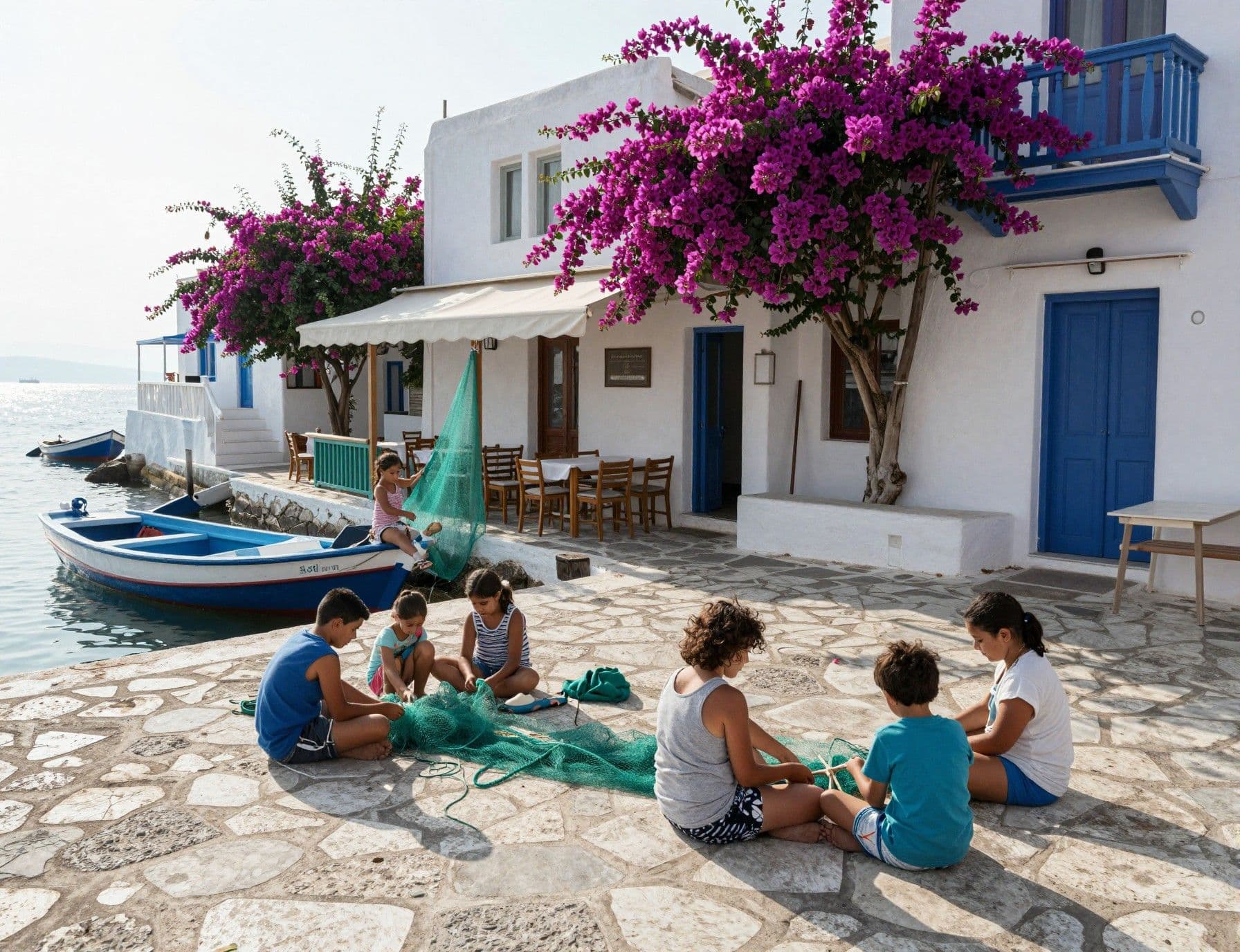
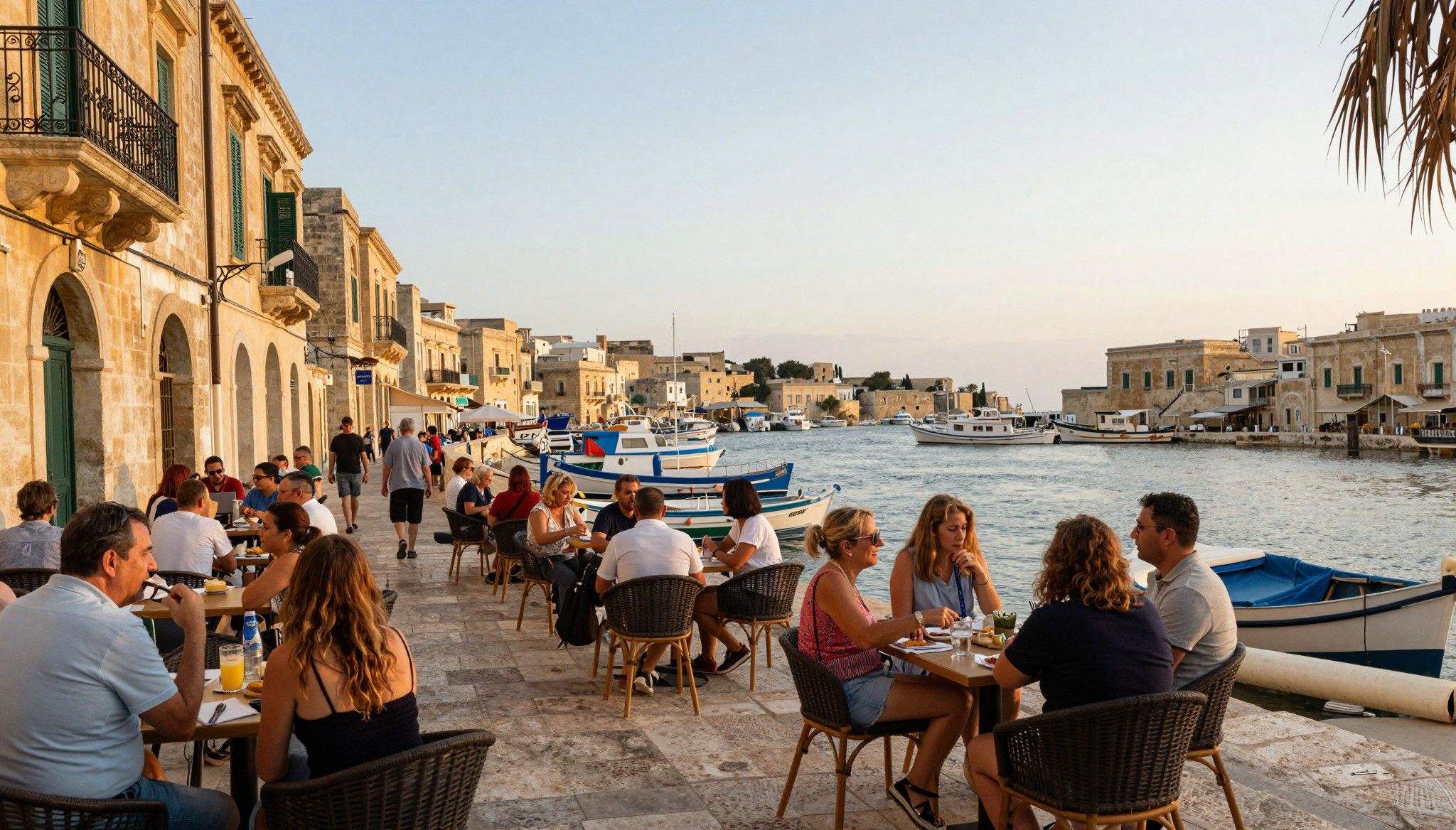
Daily life in Greece is organised around place and season. In central Athens, mornings begin with espresso on narrow pavements; in Chania the day unfolds around the old harbour; on Serifos or Kea, late afternoons are for cooling swims and convivial dinners on terraces. These patterns shape what you will value in a property: compactness and proximity in the city, shaded courtyards and cisterns in the islands, or a field of olive trees and a stone house in the Peloponnese. Recent official indices show steady price growth concentrated in urban cores and popular islands, confirming that demand tracks lifestyle appeal as much as pure investment metrics.
Athens: Classical bones, neighbourhood life
Athens offers a surprising variety of living: restored neoclassical apartments near Plaka, atelier flats in Metaxourgeio, and light‑filled maisonettes in Koukaki with rooftop views toward the Acropolis. Walk the streets of Psiri at dusk and you will see neighbourhood restaurants that double as living rooms for regulars; on days off, Athenians take the tram to Voula or Glyfada for the sea. For buyers who prize provenance, look for buildings with original cornices, sash windows and stone staircases — these details define value more decisively than a generic sea view.
Islands: Distinct characters, distinct trade‑offs
The islands are not a single market. Mykonos and Santorini remain high‑demand and carry premium pricing; Sifnos, Syros and the lesser‑visited Sporades offer quieter cultural seasons and often better stewardship of local architecture. Recent legislative changes to investor residence rules have raised minimum investment thresholds in high‑demand areas, altering where international buyers can most cost‑efficiently acquire residency through property. That juridical reality reshapes the map: heritage houses in smaller islands suddenly look more attractive for lifestyle buyers than commoditised luxury developments on the headline islands.
- Lifestyle highlights to experience before you buy: Try an early market visit in Athens’ Varvakios for cheeses and olive oil; an aperitivo at Anafiotika’s steps; a sunset swim at Vlychada, Santorini; a weekday coffee at Fabrica in Chania; a sea‑front lunch under platanus trees in Nafplio.
Making the Move: Practical Considerations

The romance of Greece is real, but turning that romance into a successful purchase requires local knowledge. Start with how seasonality affects logistics: most renovations and surveys are easiest in late spring and autumn, while vendor availability and local craftsmen peak before high summer. Equally important are recent regulatory changes affecting investor residency; understanding those rules up front keeps expectations aligned and prevents expensive last‑minute substitutions.
Property styles and how you will live in them
Stone village houses bring seasonally comfortable interiors and a sense of provenance but often demand careful waterproofing and insulation work. Converted warehouses and neoclassical apartments in cities bring high ceilings and natural light, with maintenance obligations tied to communal building systems. New builds offer lower immediate maintenance and modern thermal performance; however, they rarely carry the same patrimonial value as a restored 19th‑century residence. Match the property type to the life you intend to lead: daily walks to cafés suggest a compact urban flat; long, slow summers suggest a house with shaded loggia and a cistern.
Working with local experts who know the lifestyle
- 1. Commission a local architect or conservation builder to assess fabric, material authenticity and practical upgrades. 2. Ask your agent for named referrals to notaries and surveyors with island experience. 3. Request a neighbourhood walkthrough with a local resident or long‑term tenant. 4. Insist on a full utility and title check that includes communal building minutes and any pending restoration orders. 5. Plan renovations around the local craft calendar: stone masons and plaster specialists are busiest in late spring and autumn.
Insider Knowledge: What Expats Wish They’d Known
Buyers who arrive expecting a perpetual holiday are often surprised by the quotidian infrastructures that matter most: seasonal grocery deliveries, reliable healthcare access, and winter heating arrangements. Expats tell the same small regrets — underestimating storage for seasonal living, overlooking communal building governance, and assuming island shops operate year‑round. Conversely, the happiest owners planned for rhythm: they bought near a morning market, within walking distance of a harbour or park, and prioritised simple, durable materials that age well.
Cultural integration and everyday social life
A modest effort at phrasebook Greek changes the tenor of neighbourhood life. Asking a local about the taverna owner’s family, helping at the village festival, or bringing baked goods to a building meeting will open doors faster than any formal introduction. Community in Greece is local and reciprocal: long dinners, help moving furniture, and shared vegetable plots form the social infrastructure many buyers cherish. For property stewardship, this social capital often produces better maintenance outcomes than legal guarantees alone.
Long‑term lifestyle considerations
Think generationally: stone walls and hand‑made tiles will outlast a single owner, but they require a commitment to conservation. If rental income matters, choose locations with year‑round appeal — university towns, cities, or islands with ferry connections to the mainland. Finally, consider seasonal logistics: winter maintenance and insurance for coastal properties are recurrent costs often under‑budgeted by newcomers.
- Red flags and local realities to watch for: Unclear communal minutes or unpaid building levies; properties with recent 'change of use' without completed permits; access roads that become impassable in winter; sellers who cannot produce original construction documentation; properties with excessive cosmetic overbuild that mask damp or structural issues.
If residency by investment matters, consult a migration lawyer early: thresholds and eligible property categories changed in 2024, and special rules now apply to high‑demand regions. Use official indices and reputable local counsel when modelling returns or residency timelines. Local agencies that pair lifestyle curation with legal partners offer the most seamless path from discovery to ownership.
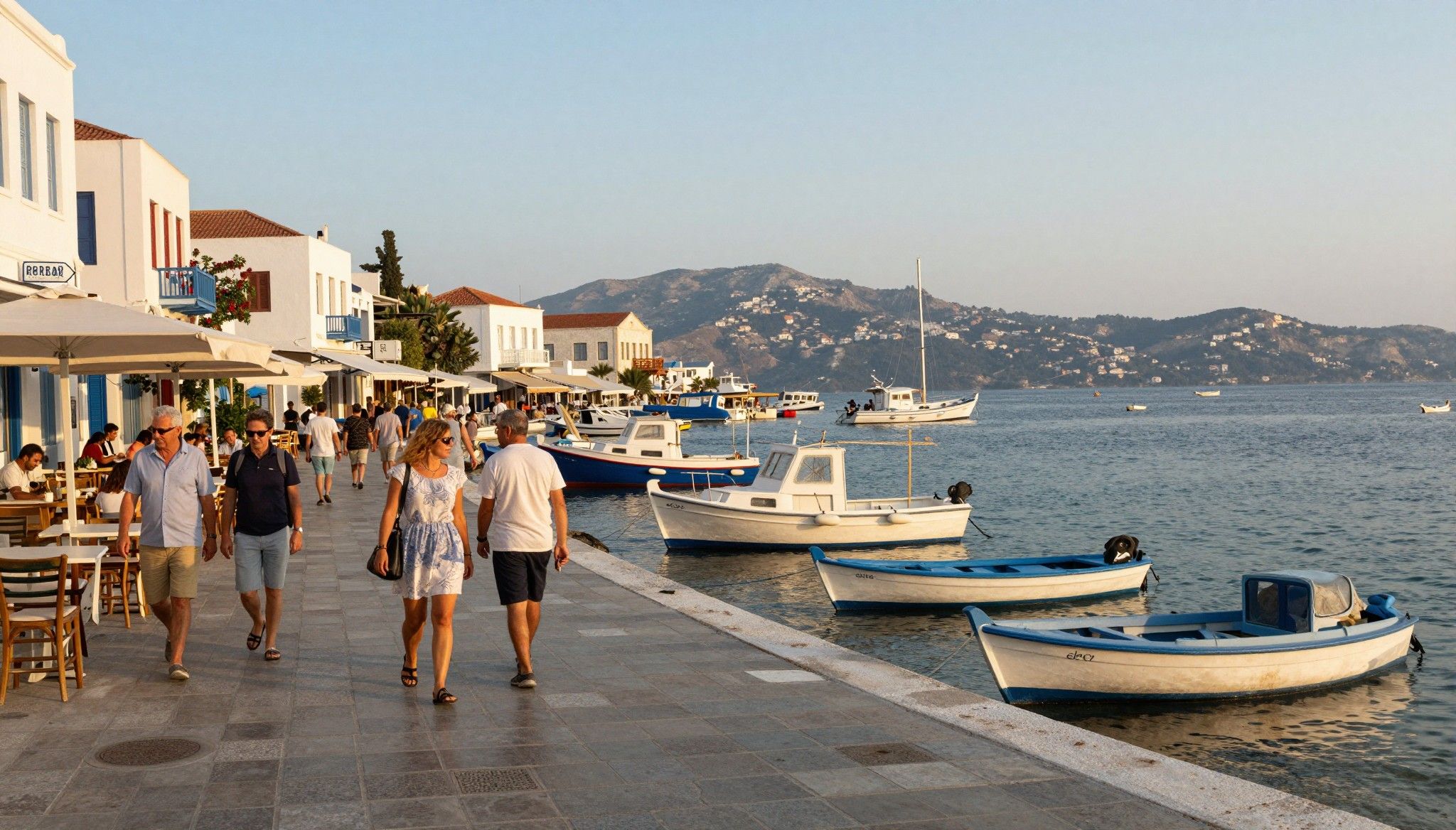
If you imagine mornings in a stone kitchen, afternoons by a small port and evenings at a village taverna, Greece will fulfil that life — provided your purchase is rooted in local reality. Begin with a short scouting trip timed to different seasons, enlist an agency that knows the neighbourhoods and the craftsmen, and build a modest reserve for conservation work. The property is the vessel; the neighbourhood supplies the life. When matched carefully, they create a home that feels inevitable.
Having moved from Stockholm to Marbella in 2018, I help Scandinavian buyers navigate Spanish property law, restoration quality, and value through authentic provenance.