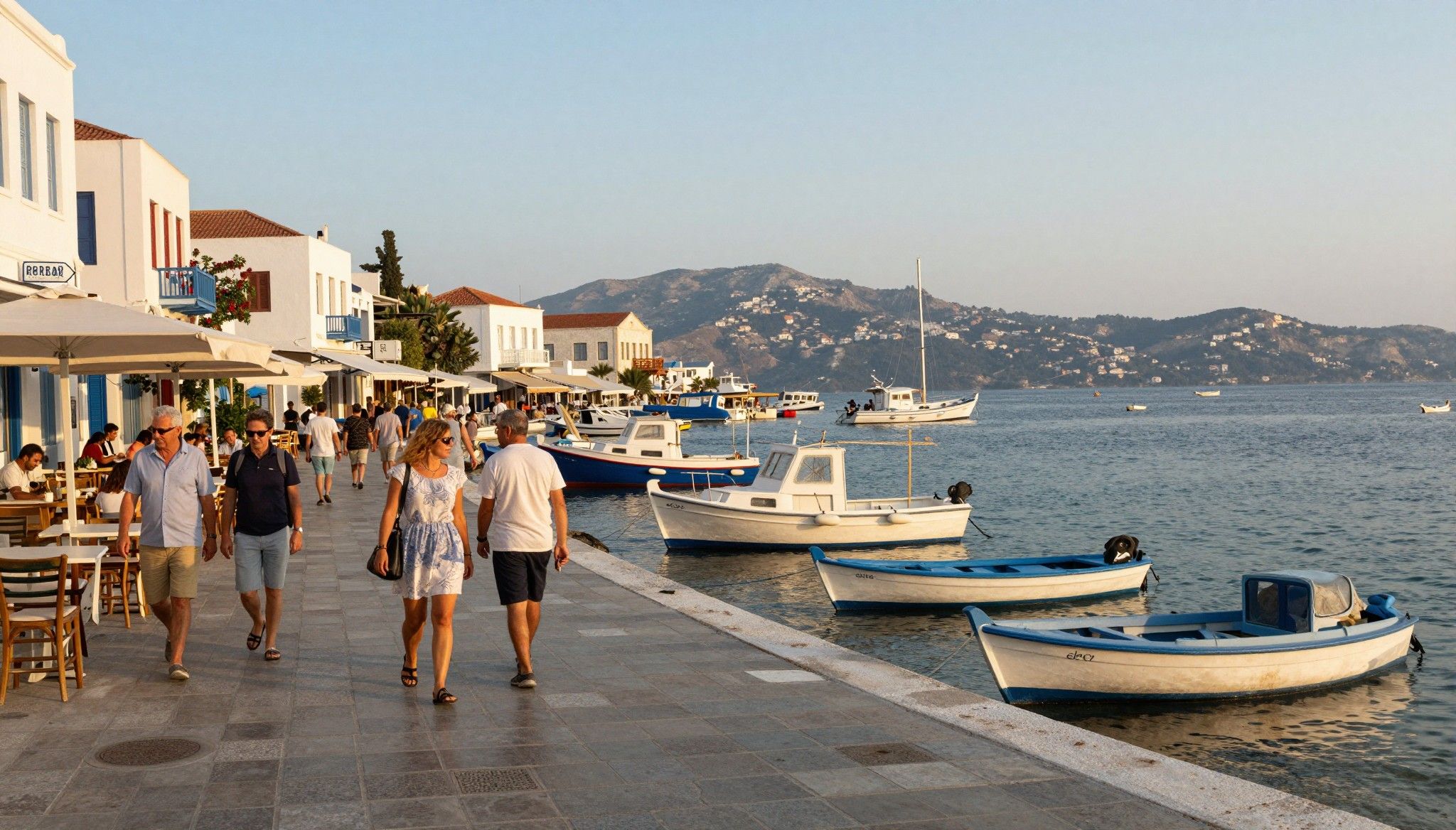
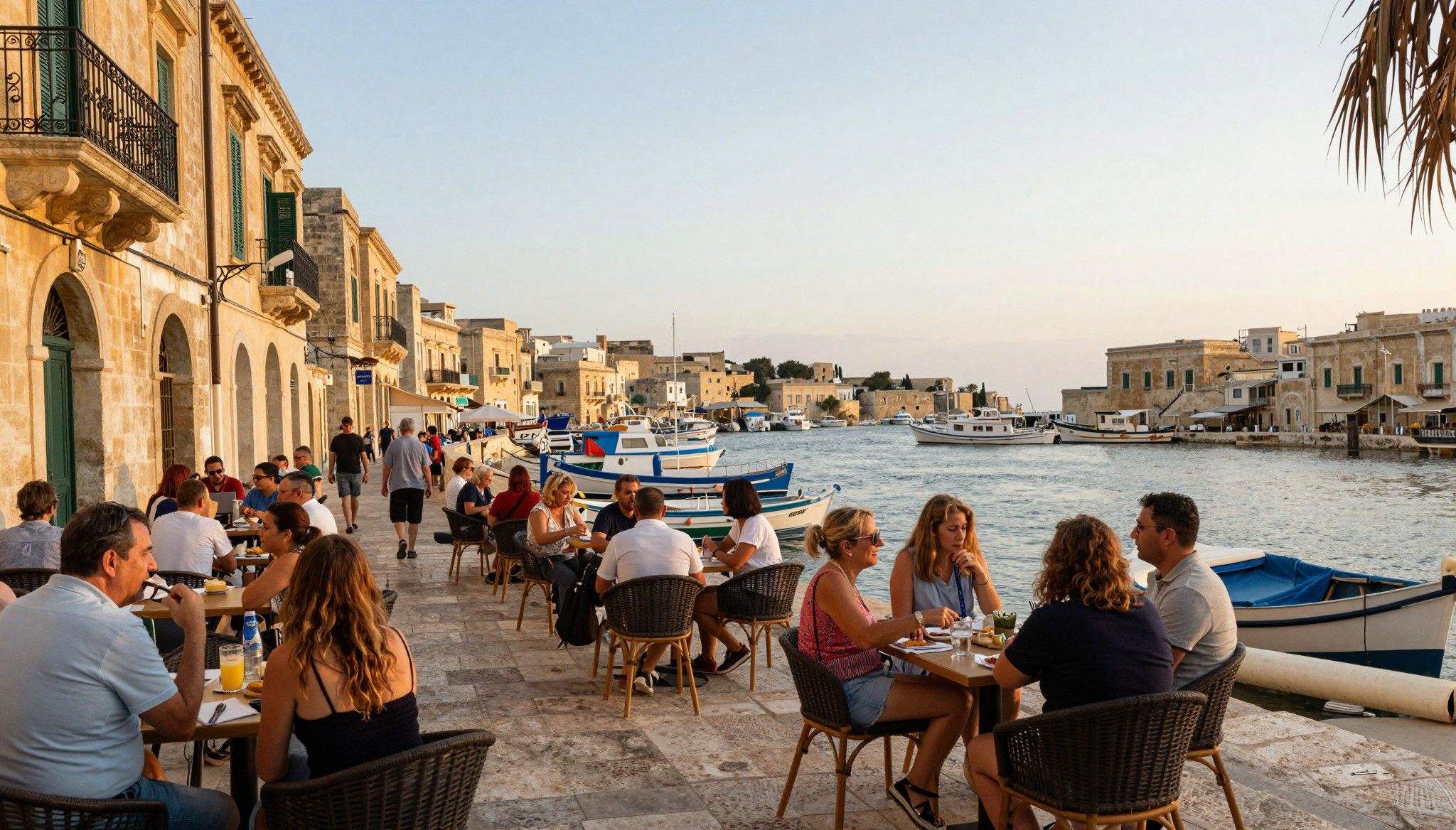
Cyprus Finance & Life: Where Market Numbers Meet Morning Espresso
A lifestyle-first look at financing in Cyprus: regional market shifts, lender expectations for foreigners, and practical steps to marry dream and contract.
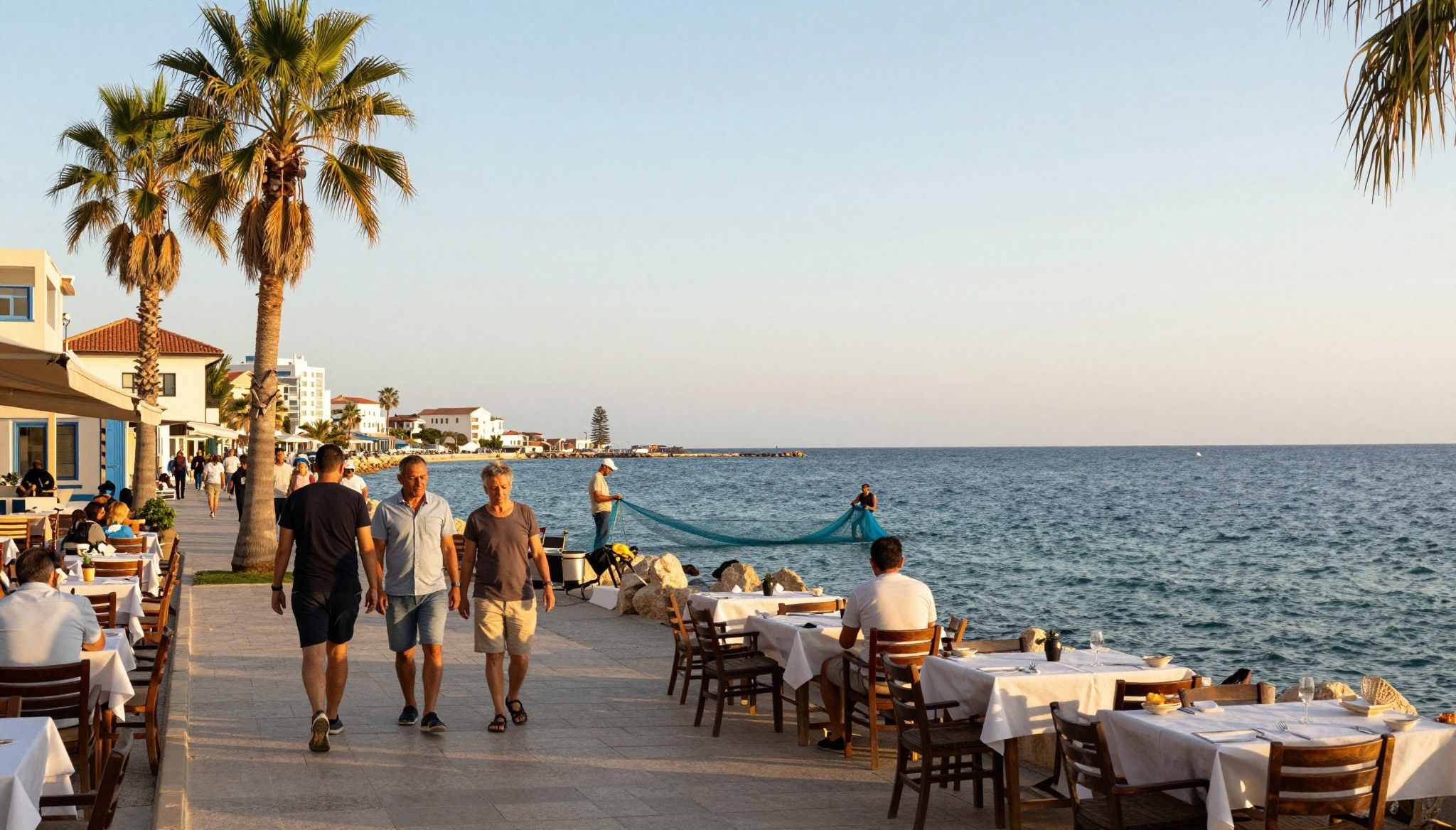
Imagine a late-afternoon espresso at a marble-topped table in old Nicosia, the light slanting through a plane tree while a neighbour carries home the week’s lemons. In Cyprus this domestic choreography — markets, tavernas, siestas and sea-swept weekends — is the reason people move; it is also the context that shapes financing choices in ways that bank brochures rarely explain. Recent market analysis shows a steady rise in foreign transactions and shifting price dynamics across Paphos, Limassol and Larnaca, which directly affects loan availability and terms for international buyers. For someone arriving with a lifestyle in mind, the practical question becomes not only how to pay, but how to finance a life lived across seasons and neighbourhoods.
Living Cyprus: what you will wake up to
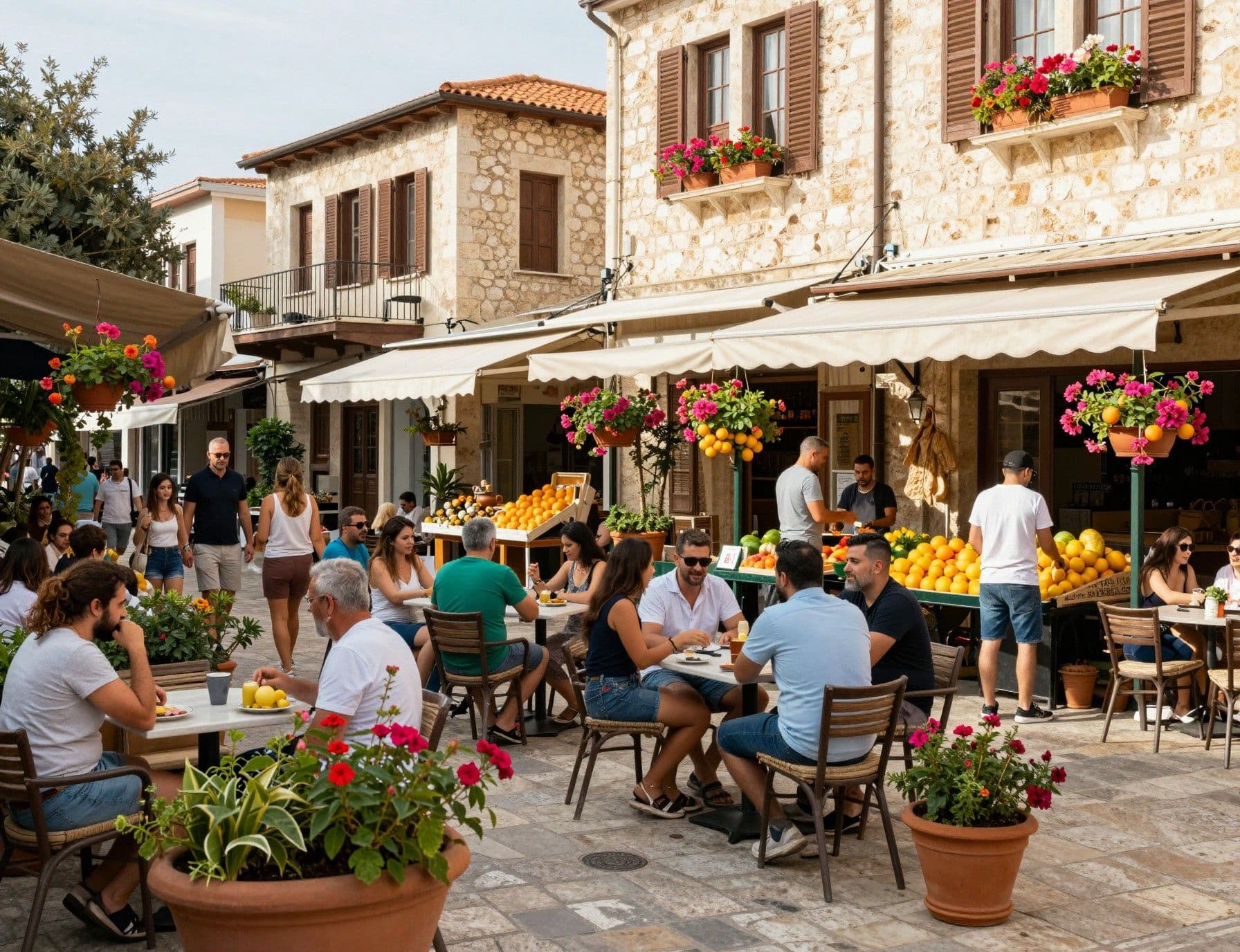
Cyprus rewards the slow-reader of place: mornings near the coast begin with fishermen mending nets, markets open to the scent of citrus, and afternoons find families drifting toward beaches such as Fig Tree Bay and Coral Bay. Inland, villages like Omodos and Kakopetria keep a different cadence — stone-paved lanes, wine presses and a quieter daily rhythm. These contrasts matter for financing because the type of property you choose (seafront apartment versus mountain maisonette) determines not only the mortgage product but ongoing carrying costs, insurance needs and rental potential.
Neighbourhood notes: Limassol, Paphos, Nicosia
Limassol is international in temperament — marinas, contemporary towers and a vibrant dining scene around Molos and Germasogeia. Paphos still offers salt-of-the-earth coastal life with a growing uplift in boutique hotels and restored stone houses in Kato Paphos. Nicosia delivers a quieter, civic life framed by the Venetian walls, with opportunities to buy in restored townhouses on Ledra and Laiki Geitonia. Each neighbourhood sets expectations for loan-to-value (LTV) appetite among lenders and for the type of due diligence you will commission.
Daily pleasures that influence the purchase
Coffee culture in Cyprus is not a frisson but a ritual — choose a property near a favourite kafeneion or you may lose much of the life you covet. Weekend rituals — a sunrise walk on Mackenzie Beach, a Tuesday market in Polis, an autumn village festival in the Troodos — influence whether you prioritise proximity to the sea, to airports, or to mountain roads. These preferences also shape practical items lenders care about: holiday rental income history, seasonal occupancy rates and local amenities that underpin valuation stability.
- Limassol's marina promenades; Paphos old harbour and restored neoclassical houses; Nicosia's Venetian walls and restored courtyards; Fig Tree Bay and Coral Bay for beach life; Troodos villages for year-round retreats; Larnaca's promenade and international flights.
Making the move: practical considerations that respect the life you want

The dream of life in Cyprus must be married to sober numbers. The Central Bank’s RPPI shows material price increases in recent quarters which have altered lender behaviour and LTV norms for non-resident borrowers. Transfer fees, VAT rules on new-builds and a 0.4% disposal levy introduced in 2022 are practical items that will change the effective cost of acquisition. These elements are not abstract; they change your monthly serviceability, the deposit you must place and the insurance coverage you are asked to secure.
Property types and the finance they attract
Banks in Cyprus view coastal apartments, new developments and restored townhouses through different risk lenses. New-build apartments with VAT-exempt transfers often command standard mortgage products, while older stone houses or rural plots may require larger deposits and specialist valuation. If your vision is seasonal rental income, lenders will ask for documented rental performance; if your plan is long-term residency, they will weigh your global income and tax residence status more heavily.
Working with the right local experts
- Engage a locally experienced lawyer early; 2. commission a bank-friendly valuation; 3. ask an agent for comparable seasonal rental returns; 4. discuss tax residency implications with an international tax adviser.
An agent who lives the life you want will point to properties that offer not only architectural integrity but also predictable costs. A lawyer will explain title peculiarities such as older properties without completed town planning permits or land registry discrepancies that commonly delay transfers. A lender will want proof of income and, for non-residents, may restrict LTV to 60–70 per cent; conversely, EU residents sometimes access more favourable terms. Together these experts translate lifestyle choices into a finance package that endures.
Insider knowledge: myths, small print and what expats wish they'd known
Two persistent myths: that Cyprus is uniformly cheap, and that foreign buyers always face insurmountable legal hurdles. The island’s market is regionalised — Paphos and central Limassol can be pricier than quieter inland districts — and legal processes are straightforward when you engage proper counsel. Expats often underestimate ongoing costs: communal maintenance for seaside developments, higher insurance premiums for storm exposure, and the administrative time it takes to assemble certified documents for lenders across jurisdictions.
Cultural and seasonal realities that affect ownership
Summer life in Cyprus is social and outdoor; terraces, late dinners and beach afternoons mean properties with shaded outdoor rooms and quality glazing hold their value in comfort and appeal. Winter brings quieter village life and maintenance needs — insulation, heating and roof checks — that buyers often miss when seduced by sunlit summer viewings. Knowing the seasonal rhythm helps you choose construction details and insurance cover that will serve you year-round.
- Insider red flags: unresolved planning permits; missing title deeds; unusually low price without repair history; communal debt on apartment blocks; lack of flood or subsidence survey on coastal plots.
Expats who integrate most easily cultivate local relationships — a neighbour who can recommend a builder, a cafe owner who knows the utility crews — and these contacts often surface practical solutions to finance friction, such as trusted translators for bank paperwork or recommended brokers who understand cross-border income verification. Practicalities matter: keep a folder of notarised bank statements, translated payslips and passport copies ready before you approach lenders to avoid delays and secure better terms.
A concise plan: from inspiration to signed contract
- Visit neighbourhoods at different times of day to test the rhythm; 2. shortlist lenders and request indicative offers with your global income profile; 3. commission a lawyer to run title and permit checks before exchange; 4. budget for transfer fees, VAT where applicable, and a 0.4% disposal levy; 5. finalise insurance and set up local bill payment arrangements.
These steps preserve the life you imagine while shielding you from hidden costs and delays. A measured timetable — 6 to 12 weeks from offer to contract for most standard transactions — allows time for valuations, bank approvals and legal searches without forcing rash decisions. If you intend to rent seasonally, collect three years of comparable returns from agents; if you plan to relocate permanently, speak early with a tax adviser to understand how Cyprus residency will change your global tax posture.
Numbers that matter
- Recent RPPI data indicating price rises; PwC noting increased foreign buyer activity; transfer fee rules and VAT exemptions for new builds — all items that alter the net cost of buying and the lender’s risk assessment.
Many buyers tell us the moment that crystallised the move was not a spreadsheet but a simple scene: a late winter market in Polis, the smell of baked bread, locals arranging fresh herbs. Finance is the frame that makes that scene possible; with the right local counsel, a clear understanding of transfer and tax rules, and a lender who respects cross-border income, you can arrange a mortgage that supports a life rather than constrains it.
If you would like, we can introduce local lawyers, recommended lenders and agents who specialise in the neighbourhoods you love and the financing scenarios you prefer. Begin with a brief note about your ideal lifestyle and timeline and we will suggest contacts who translate that vision into a purchase plan.
Having moved from Stockholm to Marbella in 2018, I help Scandinavian buyers navigate Spanish property law, restoration quality, and value through authentic provenance.