Off‑season Purchase: Financing Advantages in France
A lifestyle‑first guide to financing a French home: seasonality, notaire fees, lender views and practical steps for non‑resident buyers, with authoritative sources.
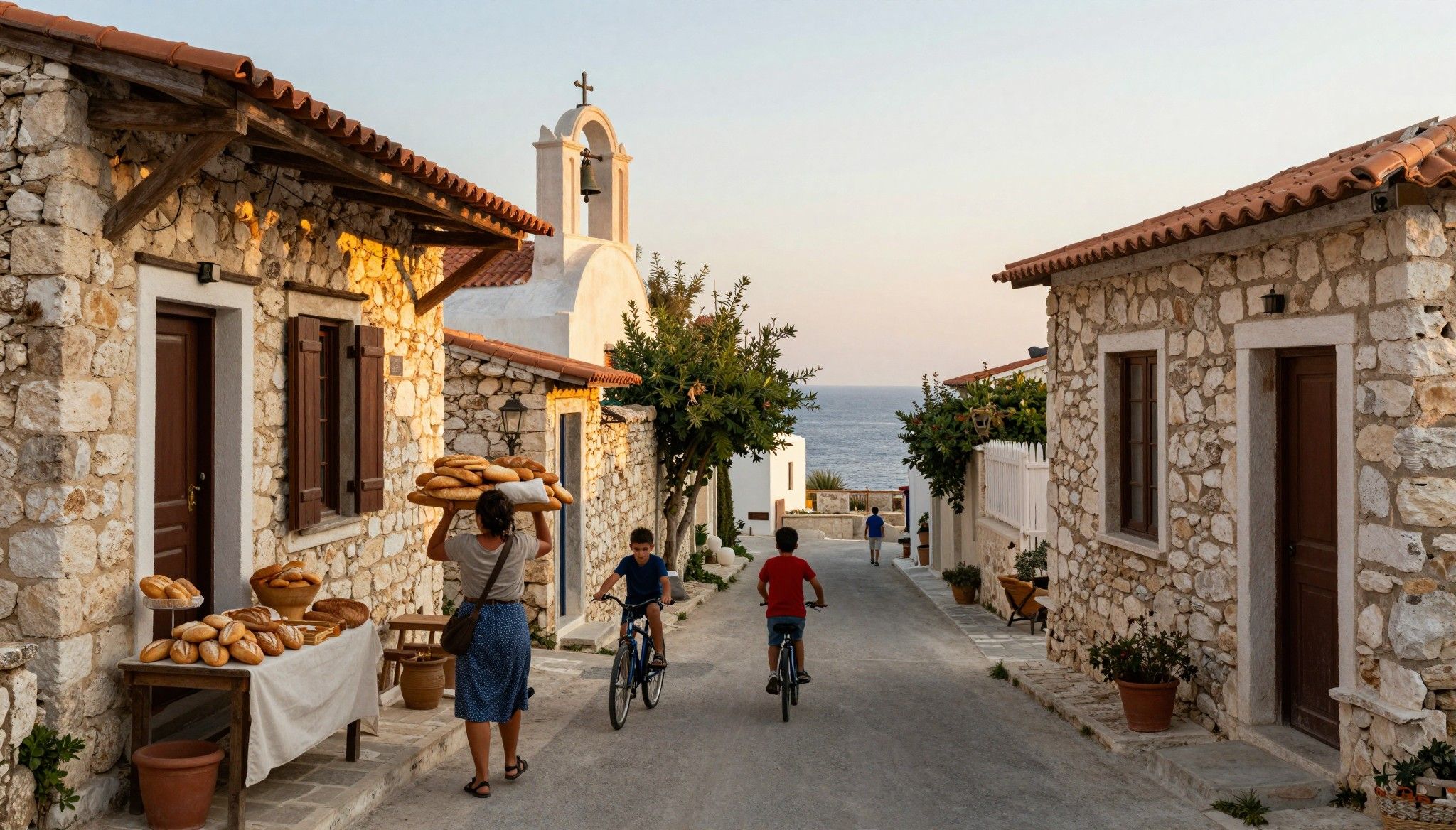
Imagine arriving in a narrow lane of Aix‑en‑Provence at dusk: the scent of roasted chestnuts, a boulanger with the last tray of chaud croissants, and a stone facade waiting for restoration. In France, the everyday rituals — morning markets in Lyon, aperitifs on a Cours Mirabeau terrace, coastal light along the Côte d'Azur — are the reason buyers cross borders. Yet the rhythm of life here also shapes finance: seasonality, departmental taxes and notarial charges materially affect the cost of purchase. This guide pairs the sensory pleasures of French living with concrete financing choices that international buyers must consider now.
Living the France life: places, palate and pace
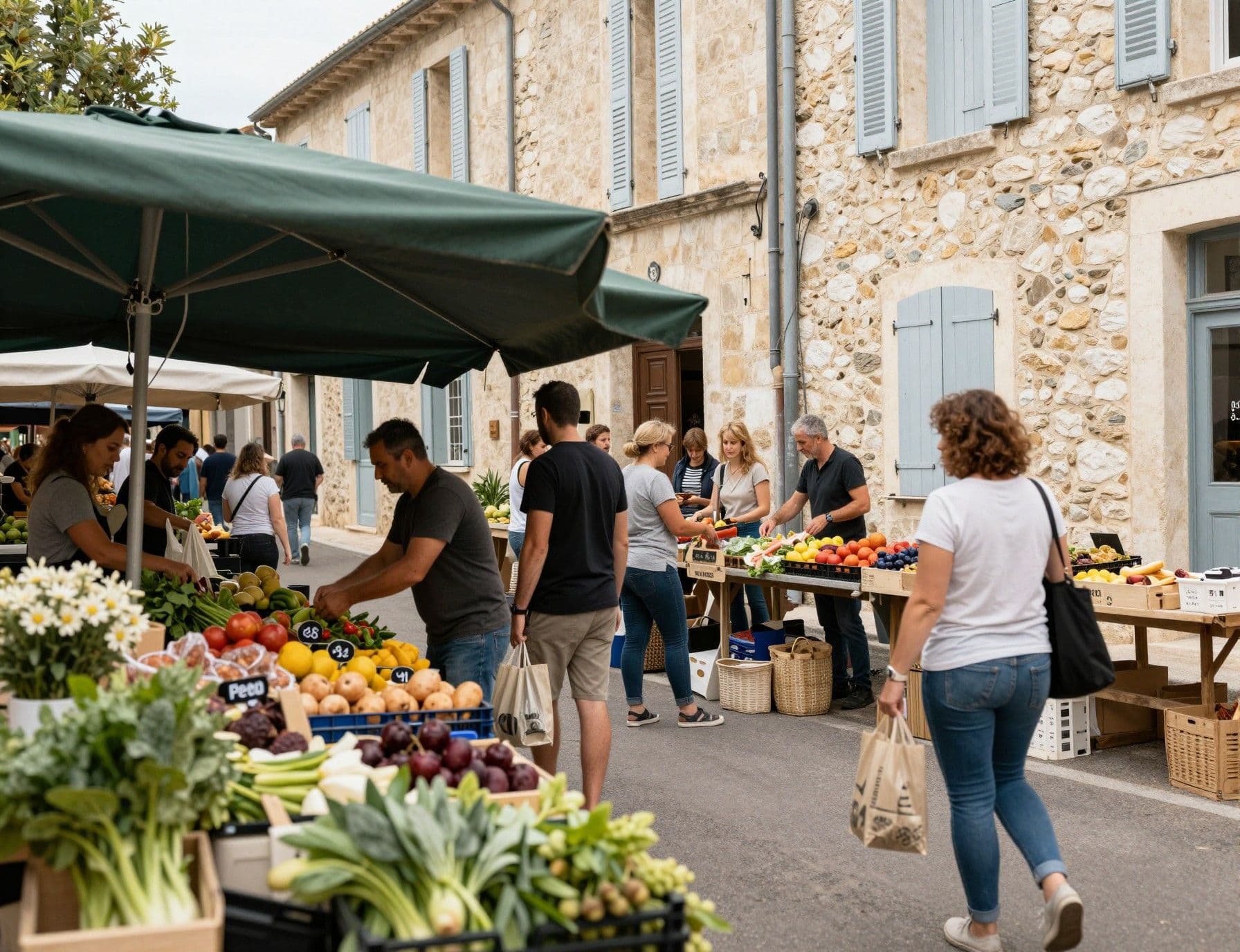
France is a collection of local tempos. In Paris the day begins with espresso and ends late in a tucked‑away bistro; in Burgundy it follows the harvest calendar; on the Atlantic coast it is ruled by tides and surf. For a buyer the choice of town — Le Marais versus the 16e arrondissement, Vieux‑Nice versus Nice Port, or Saint‑Emilion's lanes versus Bordeaux's Grand Théâtre quarter — determines not only lifestyle but financing priorities such as insulation for winter, flood risk assessments, or seasonal rental potential.
Neighbourhood portrait: Aix‑en‑Provence to Nice
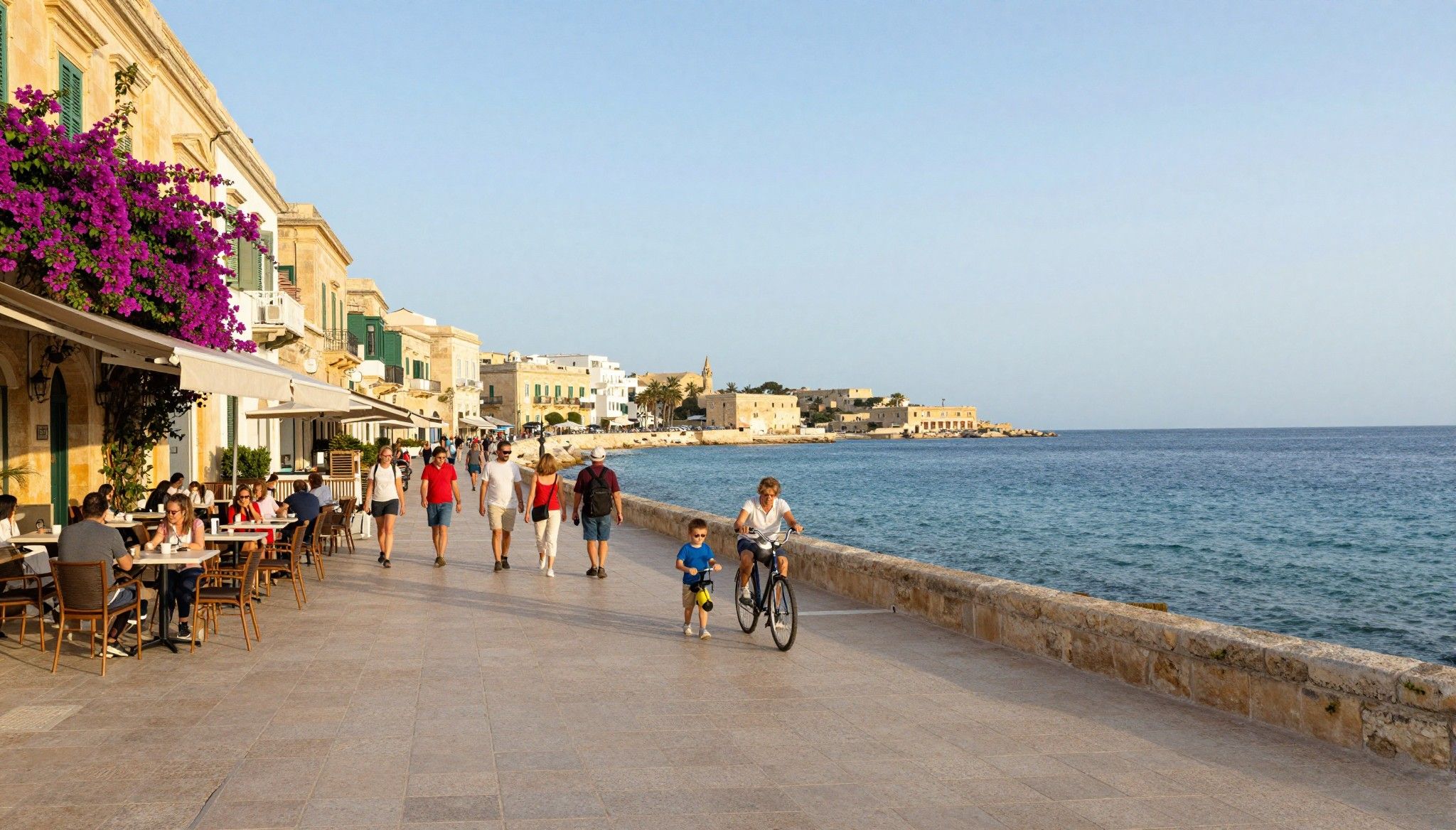
Aix's Cours Mirabeau moves at a conversational pace: cafés, antique shops and morning markets define how you live and therefore the property you choose. In Nice, the Promenade des Anglais and the quieter hills of Cimiez present contrasting investment logics — tourist yield versus permanence. Choosing a neighbourhood is as much about sound and light as it is about likely loan terms; banks price risk differently for coastal flood zones, mountain communes, or dense urban cores.
Food, markets and seasonal life that shapes value
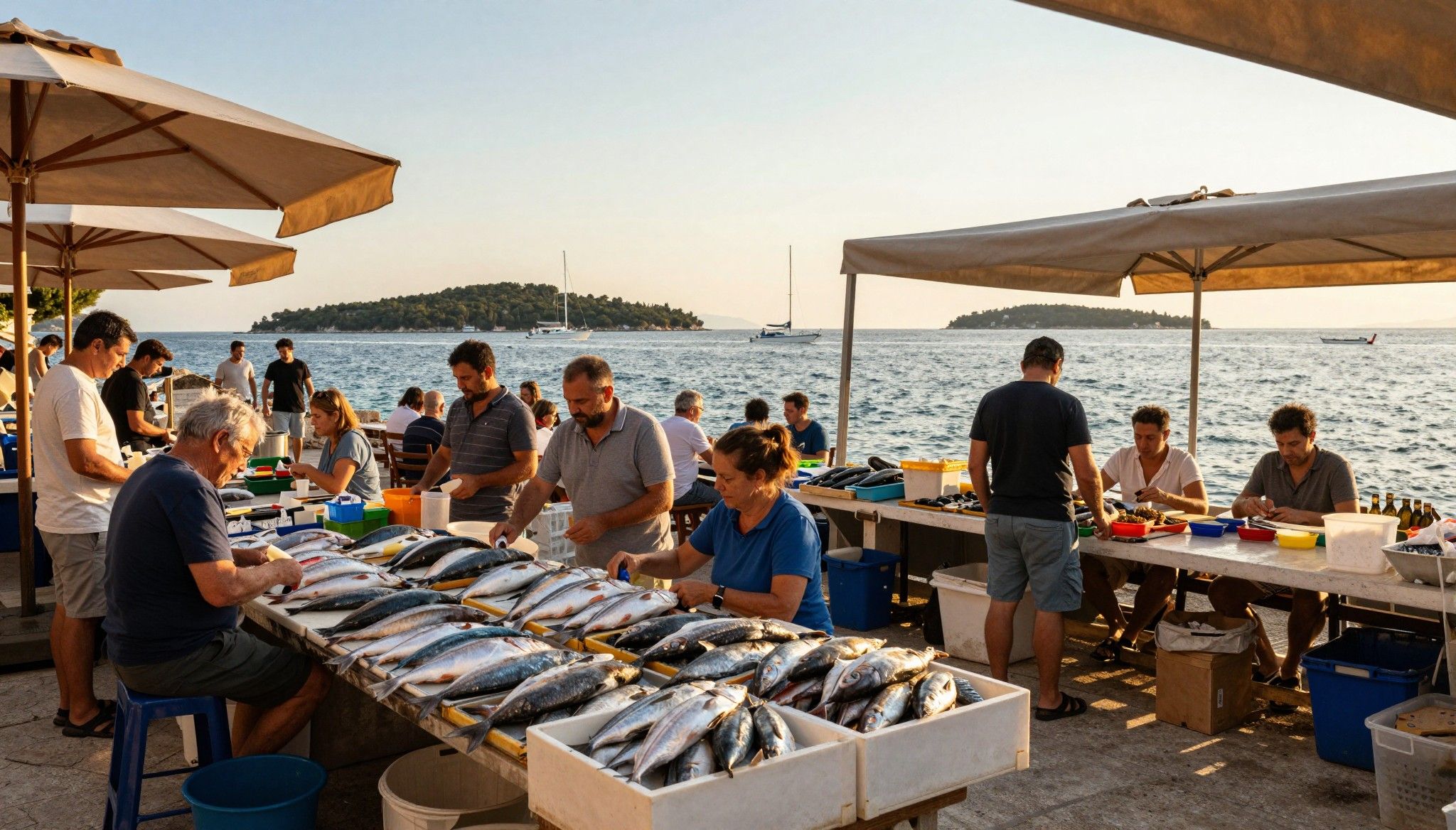
The food calendar — truffle season in Périgord, marché mornings in Lyon's Les Halles, oyster festivals on the Atlantic coast — informs occupancy patterns. A property that sits a few streets from a weekly market commands different rental demand than one near an industrial zone. For buyers who plan short‑term letting, seasonal rhythms should be modelled into revenue projections; for long‑term stewards, proximity to artisans and food culture may justify a modest premium.
- Lifestyle highlights that influence financing and use
- Morning marché at Les Halles (Lyon) — reliable rental demand in winter gastronomy months
- Café culture on Cours Mirabeau (Aix) — neighbourhood cohesion that supports resale value
- Seafront promenades in Nice — high visibility for holiday lets, but higher insurance costs
Making the move: financing realities that match the life you want
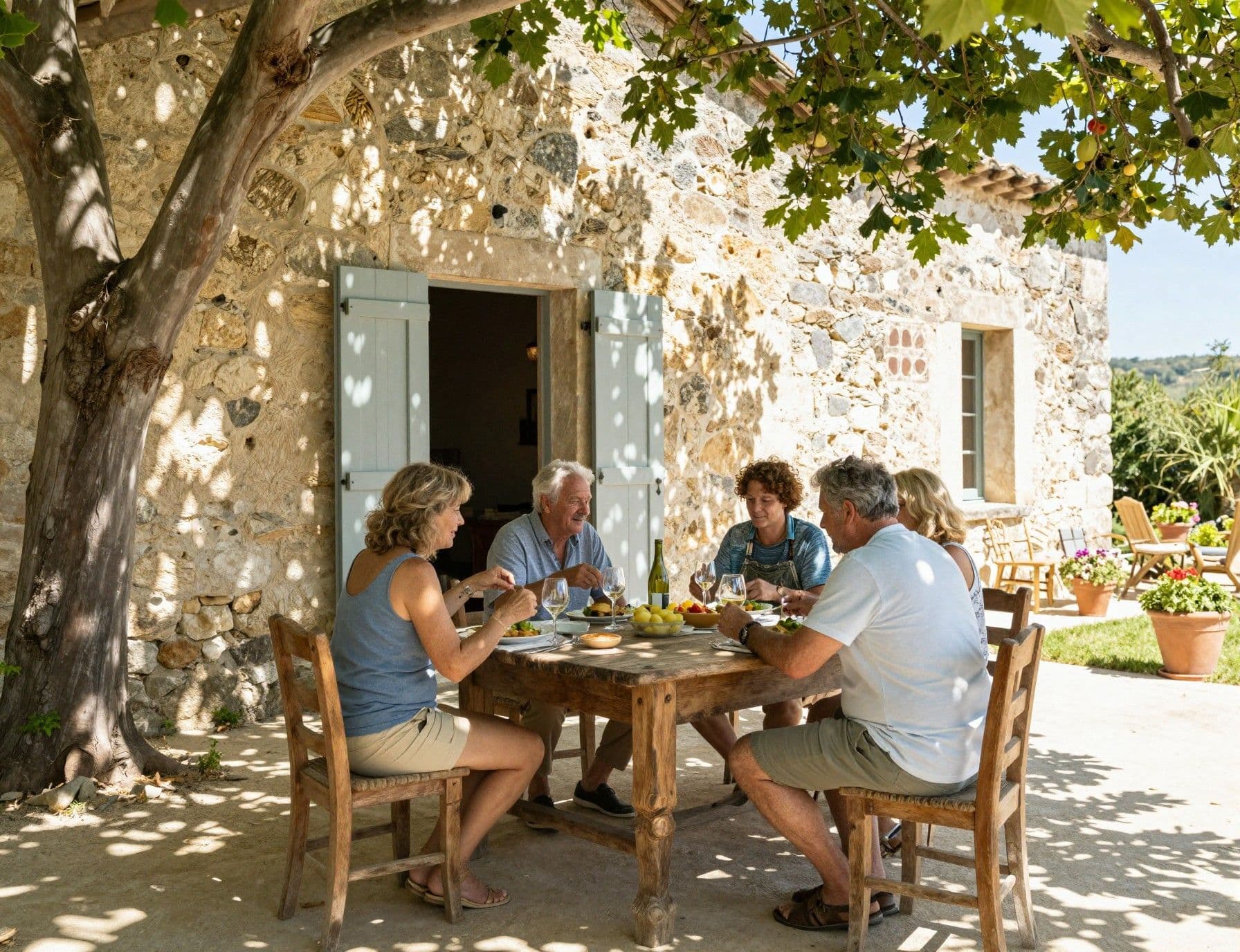
The romance of French mornings must meet the ledger. Purchase costs include the 'frais de notaire' — largely taxes collected by the notary — which typically amount to 6–8% on older properties and less for new build. Recent departmental adjustments mean the transfer tax component rose in many departments to 5% in 2025, and buyers should budget conservatively for these levies. Knowing exact charges early shapes whether you seek a larger mortgage or reallocate funds toward renovation.
Property types and how lenders view them
Traditional stone cottages and Haussmann apartments are assessed differently from new builds or off‑plan purchases. Lenders prize clear title, sound insulation and energy performance; for historic properties, they will request thorough technical diagnostics and may limit loan‑to‑value if renovation needs are significant. Non‑residents can and do obtain competitive mortgages in France, but banks will examine intended use — primary residence, secondary home or rental — and price the credit accordingly.
Working with local experts who align vision and finance
A French notary (notaire) is indispensable for title transfer and tax calculation; an experienced mortgage broker can present cross‑border financing options and translate bank requirements into actionable checklists. Choose an adviser who has worked in your target département — from the Alps to the Vendée — because departmental tax rates and local insurance issues vary. Agencies that curate properties with architectural merit can also pre‑validate likely lender responses, saving months in due diligence.
- Steps to align lifestyle with financing when buying in France
- Estimate true acquisition cost: price + notaire fees (6–8% typical) + departmental transfer variations.
- Engage a notaire and a local broker early to test lender appetite and pre‑qualify non‑resident mortgages.
- Plan renovation budgets with certified diagnostics; lenders often cap borrowing for properties with major works unless a rehabilitation plan is agreed.
Insider knowledge: myths, seasonal strategy and expat truth
Myth: Paris is always the safest financial bet. Reality: regional dynamics matter and many provincial towns now outpace Parisian growth in percentage terms. Another surprise for international buyers is timing: winter searches often yield better negotiating power, lower competition and clearer assessments of heating costs. Recent market reports signal modest recovery and lower interest rates compared with the recent highs, which can alter the cost of borrowing for non‑resident purchasers.
Cultural cues and integration that affect daily life
Learning a few phrases and attending local marchés will open doors — and bank accounts. French banking relationships value continuity; a recommendation from a notaire or local agent often smooths mortgage discussions. Social norms are subtle: neighbours will appreciate quiet restoration work timetables and proper registration of rental activity with the mairie when you let your property seasonally.
Long‑term stewardship: inheritance, tax and the generational view
French inheritance laws and local property taxes require early planning. Non‑residents remain liable for taxe foncière and, depending on occupancy, taxe d'habitation for secondary homes, so annual carrying costs must be factored into yield calculations. For those buying as a family legacy, consider structures such as SCI to manage ownership, but seek legal counsel — structures interact with French forced heirship rules and cross‑border tax treaties.
- Red flags to avoid when financing a French purchase
- Unverified title history or unclear servitudes — lenders will resist financing in such cases.
- Underestimating department transfer tax changes — recent shifts in 2025 raised rates in some areas.
- Ignoring seasonal maintenance costs (heating, coastal corrosion) that reduce net yields.
- Practical checklist before signing a compromis de vente
- Obtain a pre‑approval from a French lender or an international bank with French operations; confirm exchange rate hedging where needed.
- Ask the notaire for a full estimate of acquisition charges; ensure departmental transfer tax rate used is the rate in force on the date of signature.
- Commission a diagnostic technique (DPE, plomb, termites) and get written renovation cost estimates to present to lenders.
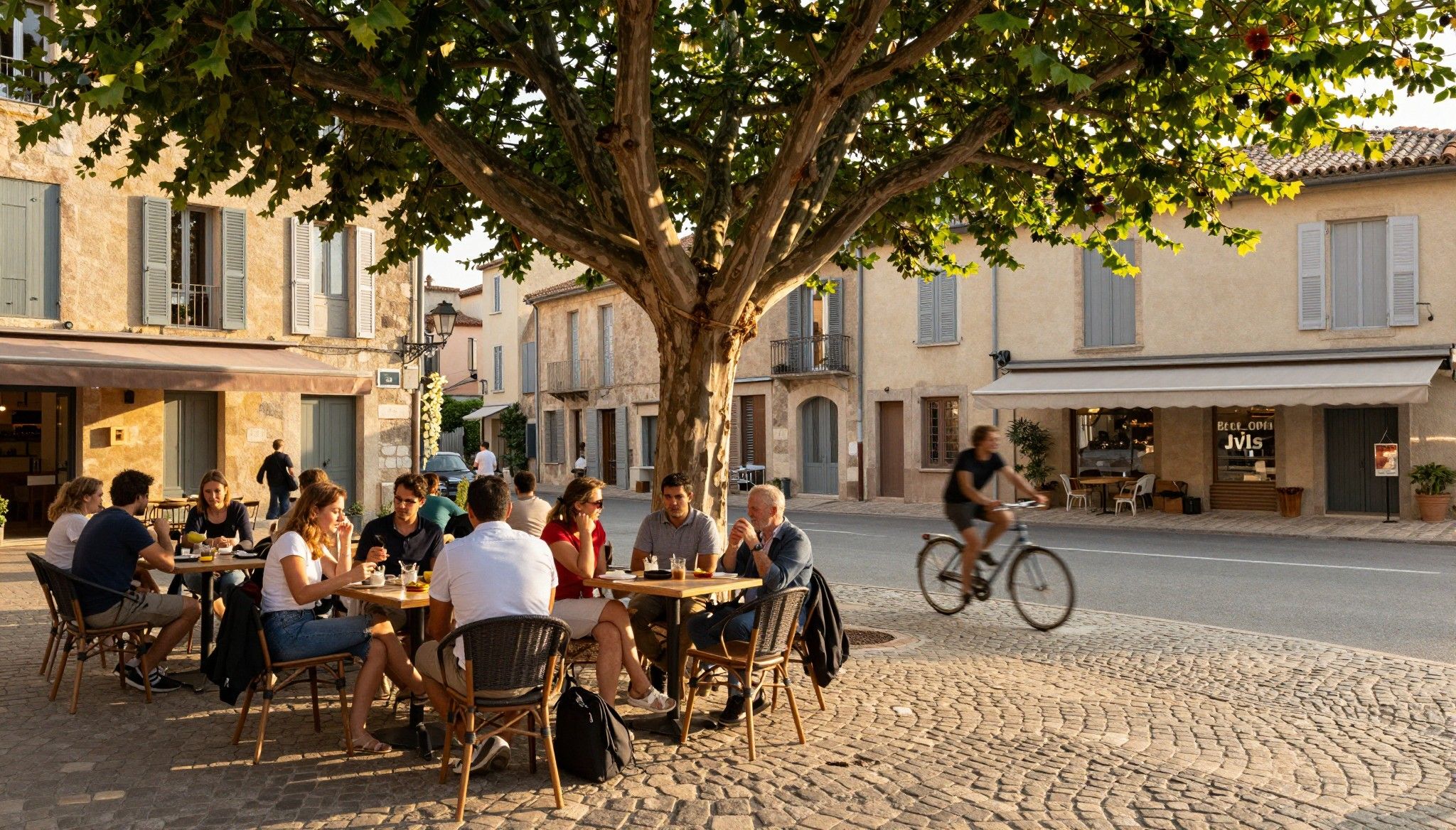
Buying in France is a synthesis of feeling and calculation. The daily pleasures — a mercato amassing under a church spire, an evening in a shaded square — are what make stewardship rewarding. At the same time, practical decisions about when to buy, how to finance, and whom to trust determine whether that life is sustainable. Begin with a local notaire and an adviser who understands both the market data and the cultural rhythms of your chosen town.
If you would like, we can introduce you to brokers and notaires who specialise in lending for non‑residents, or prepare a tailored cost estimate for a target neighbourhood. The next step is a short dossier assembled with proof of funds, passport, and a clear statement of intended use — a modest investment of time that buys certainty and preserves the life you imagine.
Dutch former researcher who moved to Lisbon, specialising in investment strategy, heritage preservation, and cross-border portfolio stewardship.