Croatia: Tax Choices that Shape the Life You Buy
A lifestyle-led tax primer for buyers in Croatia: why VAT vs. transfer tax, reciprocity rules and seasonal realities define cost and choice.

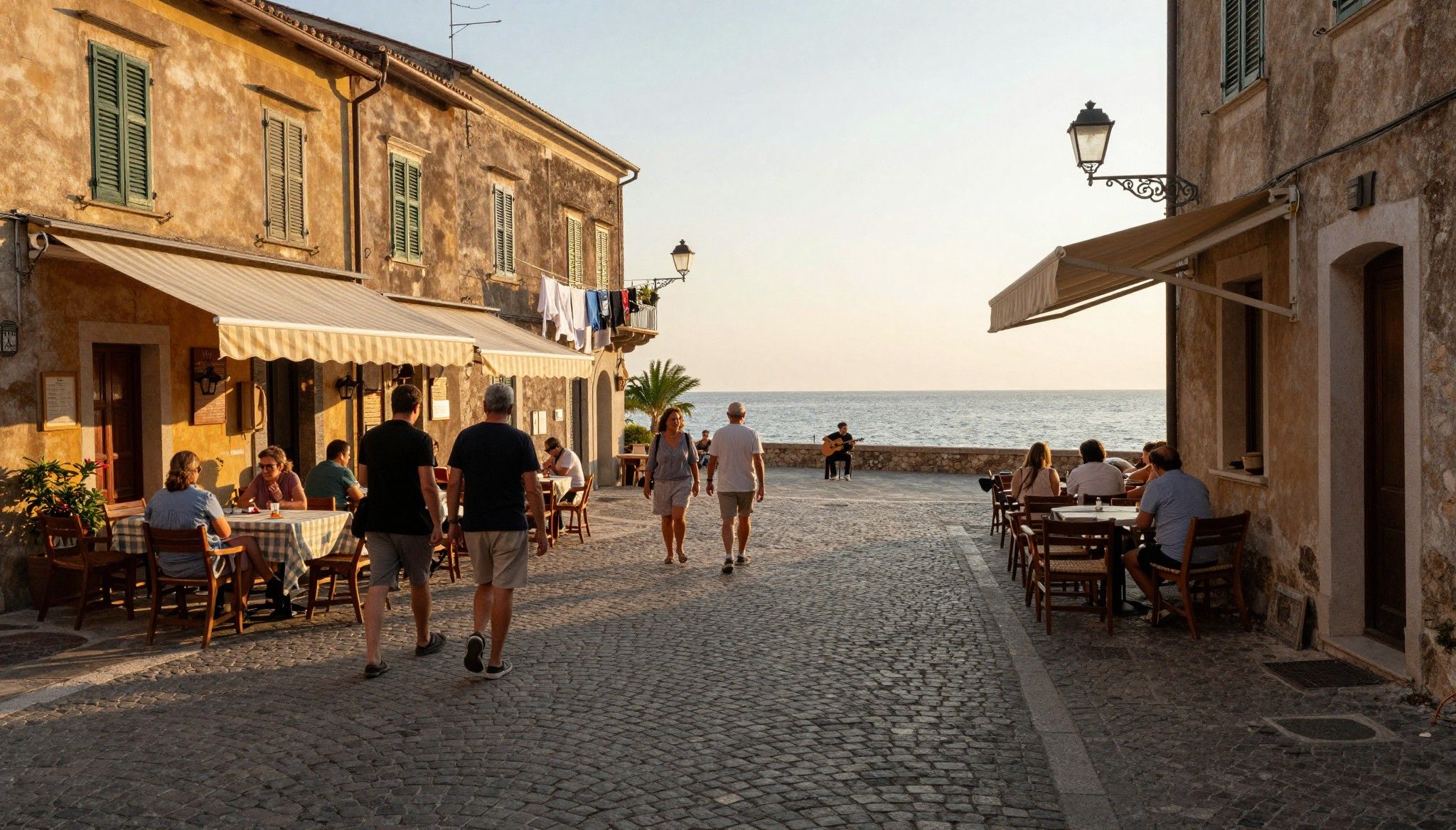
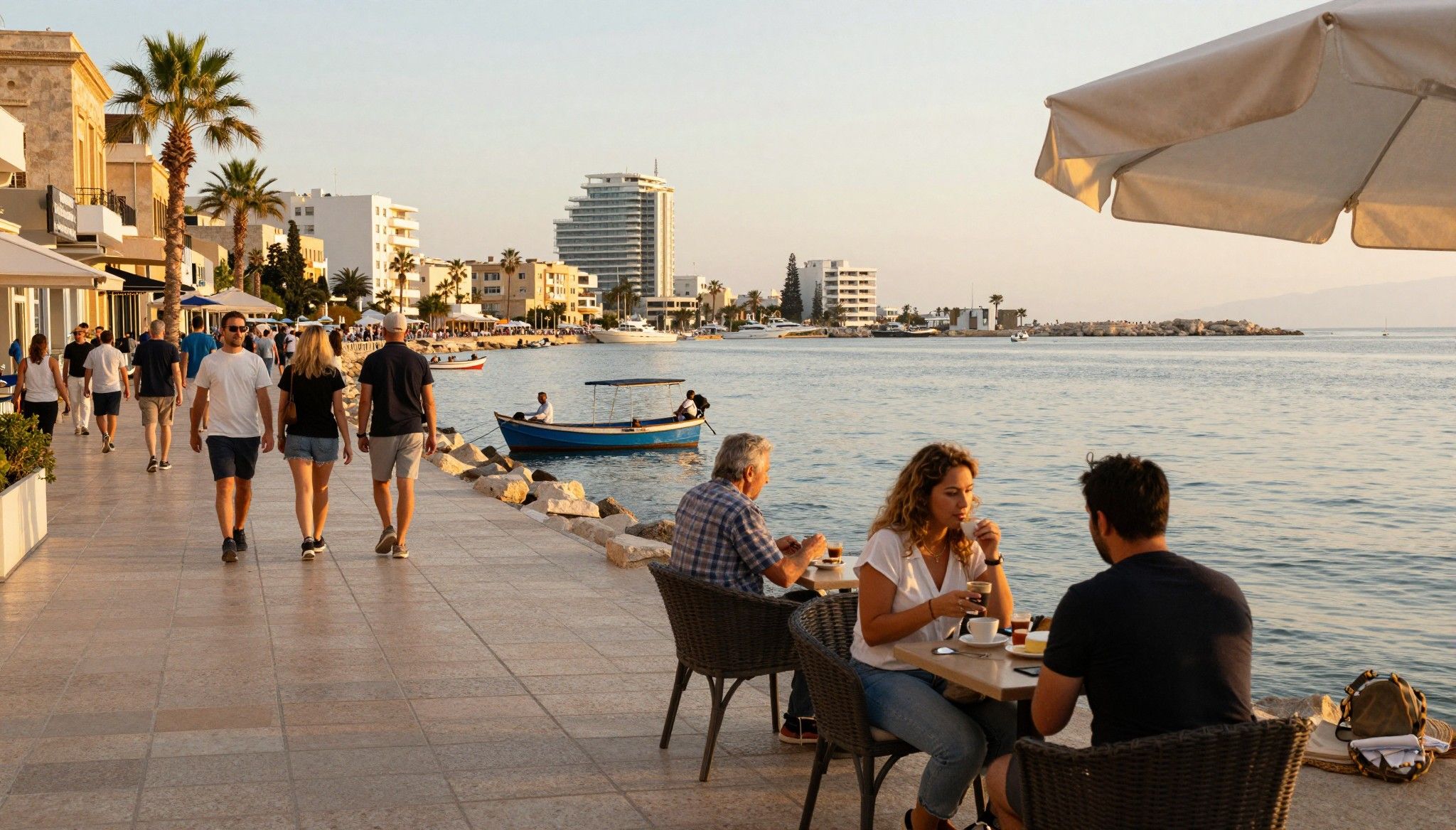
Imagine waking before dawn to the soft bell of a coastal church in Šibenik, picking figs from a walled garden in Istria, or joining a late‑afternoon espresso at Split’s Riva while fishermen mend nets. Croatia’s rhythm is Mediterranean patience and Central European precision: mornings for markets, afternoons for work or sea, evenings for long meals that stretch like the Adriatic light. For international buyers, that rhythm shapes tax choices in surprising ways — timing, property type and local customs alter the financial picture as surely as the tides.
Living the Croatian life: places that teach you how to live
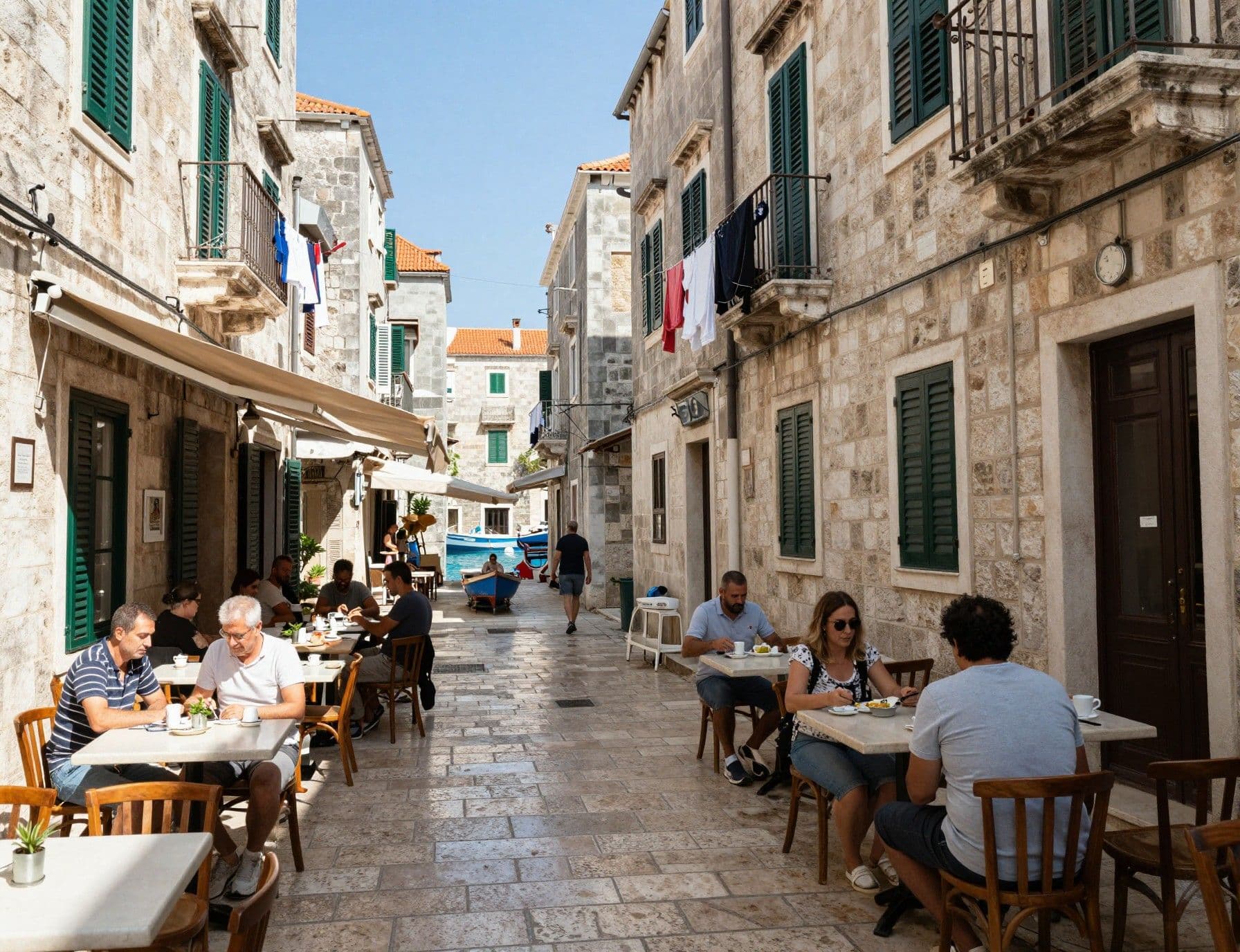
To understand taxes in Croatia you must first understand the lived geography. The old stone lanes of Dubrovnik’s Ploče, the narrow kafana-lined streets of Rijeka, and the quiet olive terraces above Zadar are not interchangeable. Each presents distinct stewardship responsibilities: a restored Dalmatian townhouse will demand different upkeep and municipal charges than a contemporary apartment in Zagreb’s Donji Grad. Your tax profile follows the fabric of place.
Split & the central Dalmatian coast — coastlines and seasonal rent
Split hums with seasonal economics. Properties here often perform best as short‑let rentals in summer yet sit quietly off‑season. That seasonality affects whether you register for VAT, how municipal tourist levies apply, and whether local rental income should be treated as business revenue. Practical tax planning begins with an honest occupancy forecast.
Istria & Rijeka — year‑round life and heritage stewardship
Istria’s hill towns and Rijeka’s port neighborhoods reward long‑term ownership: lively local markets, craft restaurants and international schools make them suited for full‑time expatriates. But older masonry homes often carry protected‑structure rules and restoration obligations that influence deductible expenses, grant eligibility and VAT treatment on works. A cultural approach to property changes the tax conversation from immediate yield to generational value.
Making the move: practical tax and legal considerations

Taxes on acquisition are simple in headline: either real estate transfer tax (RETT) or VAT applies, rarely both. Yet the dividing line between them — new build versus resale, developer VAT status, and timing of first occupation — is technical and consequential. Accurate classification at contract stage saves thousands and prevents mid‑transaction surprises. Croatian government guidance clarifies RETT rules, and legal commentary explains when VAT applies instead.
Transfer tax versus VAT — the single most important distinction
If VAT applies (typically 25% for new construction sold by a VAT‑registered developer) you will not pay RETT; if VAT does not apply you will usually pay RETT, commonly calculated at 3% of market value. The practical effect on price and financing is profound: a developer sale inclusive of VAT may raise upfront cost but removes the RETT line item and vice versa. Confirm which regime governs before signing.
Foreign buyers, reciprocity and approvals
EU citizens enjoy straightforward purchase rights; non‑EU nationals often require reciprocity and formal approval from the Ministry of Justice for land transactions. Restrictions are most pronounced for agricultural and forest land. Because approval timelines vary, factor ministry sign‑off into your acquisition schedule to avoid contract penalties or loss of reservation deposits.
Insider knowledge: tax moves few buyers consider
Experienced expats learn the tax choreography: residency status, rental structure and renovation timing create opportunities. For example, deliberate timing of a renovation before classification as a ‘first use’ can affect VAT treatment. Likewise, how you operate rental income — as occasional holiday lets versus a registered business — alters VAT exposure and deductible costs. Residency for tax purposes hinges on physical presence and centre of vital interests, so plan the move with an eye to those thresholds.
Practical checklist: 5 tax smart steps before you sign
- 1. Ask the seller for VAT status and the building’s first‑use date; 2. Obtain a formal market valuation to quantify RETT exposure; 3. Verify foreign‑buyer approval requirements early; 4. Model seasonal occupancy to confirm whether VAT registration for rentals will be necessary; 5. Discuss financing with both Croatian banks and your home‑country advisor to project cross‑border tax implications.
How local agencies protect the lifestyle you buy
A perceptive agency does more than show houses; it anticipates tax pivot points and cultural stewardship. At viewing stage they can flag conservation zones, likely municipal charges, and the unadvertised costs of terrace repairs or private quay maintenance. Choose advisers who articulate how a neighbourhood’s daily life — the markets, ferry timetables, ritual summer festivals — meshes with realistic after‑purchase costs.
What expats wish they’d known: real stories, real regrets
One family bought a renovated stone house outside Korčula enchanted by terraces and sea views, only to discover a municipal rule requiring periodic façade maintenance and a surge in insurance premiums after storms. Another buyer in Zagreb learned that treating short lets as casual rentals rather than a formal business created VAT liabilities and missed deductions. These are not hypothetical: good advice translates lifestyle aspiration into legal and fiscal terms.
Cultural tips that change your tax outlook
Negotiation customs are quiet and relationship-driven. Sellers value discretion; local notaries have long memories. A well-timed, face‑to‑face offer can secure more favourable terms than a purely online negotiation. These social textures reduce transaction friction and sometimes reveal fiscal advantages such as seller willingness to split fees or structure post‑completion services that are tax efficient.
- Hidden practical items to budget for
- Local utility reconnections and meter upgrades; mandatory cadastral and land‑registry fees; seasonal property management for summer lets; modest municipal tourist levies; restoration compliance costs for protected façades.
Croatia rewards thoughtful stewardship. The reward is not merely rental yield but the day‑to‑day life: neighbourhood markets, weekday cafés that remember your order, and summers by the sea that shape a different pace. If you combine that lifestyle intent with careful tax planning — clarifying VAT versus RETT, factoring foreign‑buyer approvals, and modelling rental operations — you protect both the dream and the balance sheet. Begin by requesting VAT/RETT confirmation in writing, commissioning a market valuation, and engaging a lawyer familiar with Ministry of Justice approvals.
If you would like, we can introduce Croatian advisers who blend legal rigour with local sensitivity — professionals who read cadastral records as fluently as they read neighbourhood life. Start with three documents: the seller’s VAT declaration, an up‑to‑date land registry extract, and a recent market valuation. These reveal more about cost and risk than any glossy listing.
Having moved from Stockholm to Marbella in 2018, I help Scandinavian buyers navigate Spanish property law, restoration quality, and value through authentic provenance.