Mortgage Myths and the Cypriot Advantage
A lifestyle-led guide that breaks mortgage myths in Cyprus, pairing neighbourhood stories with practical, bank‑aware steps and authoritative market sources.
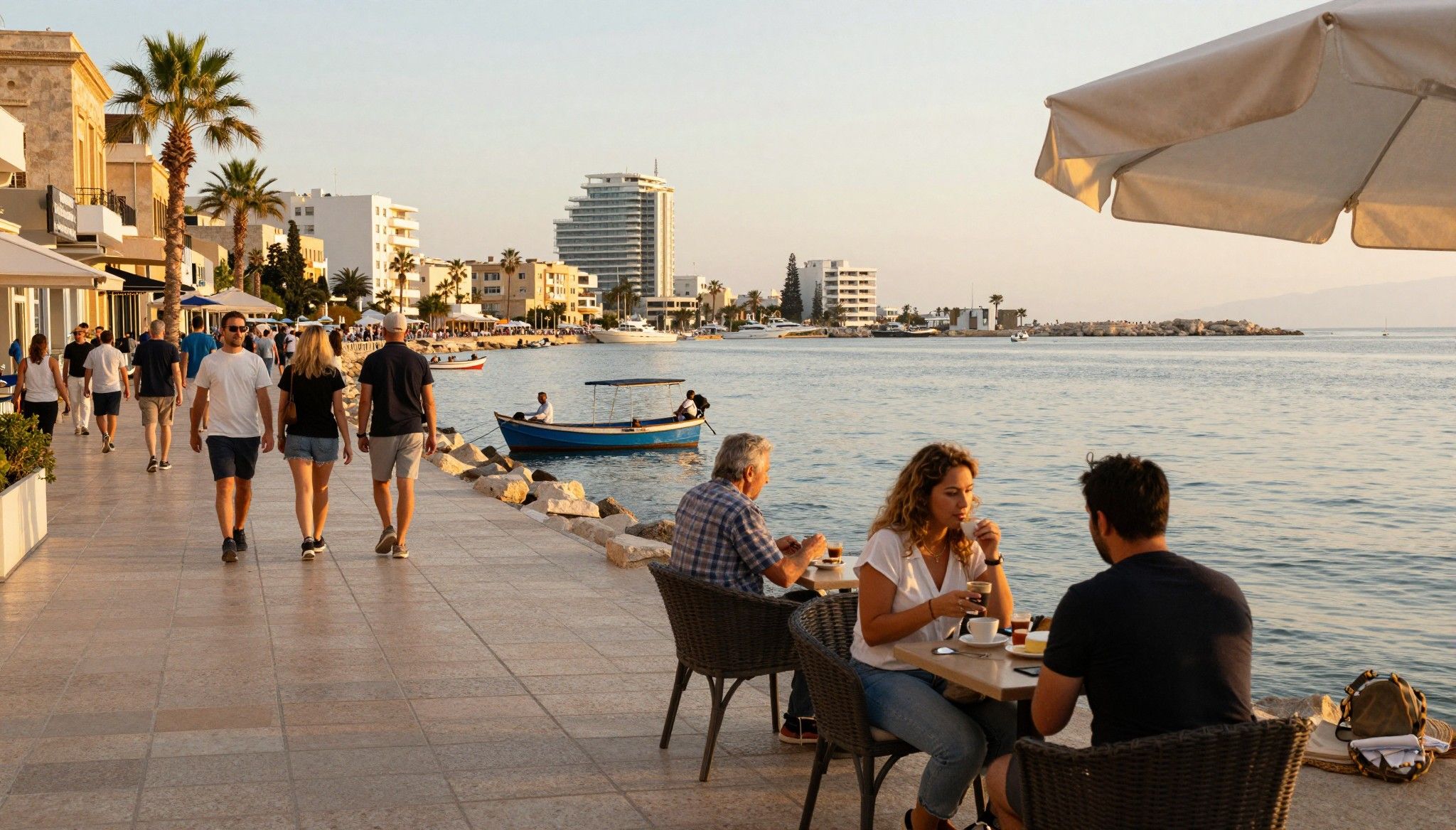
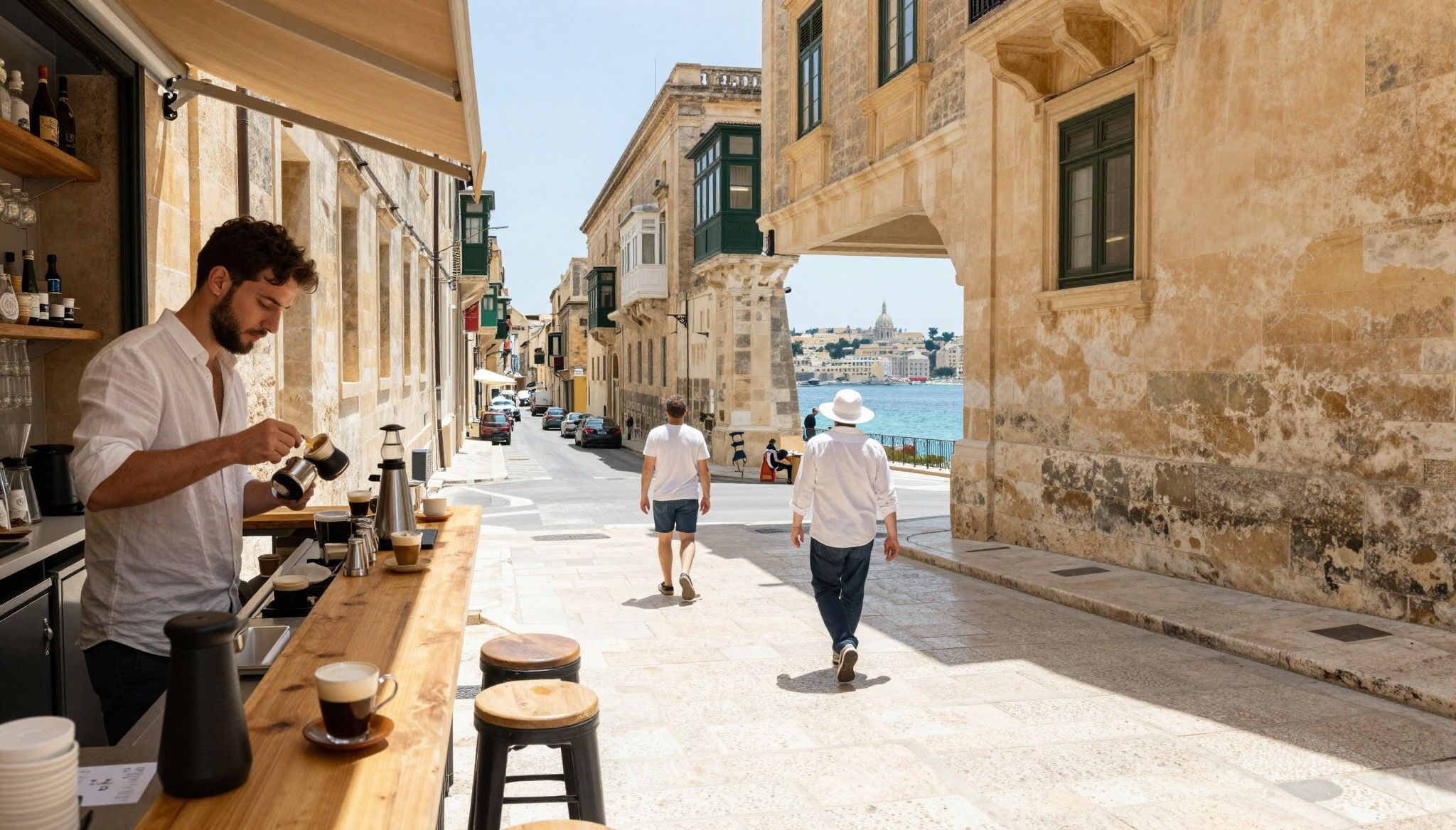
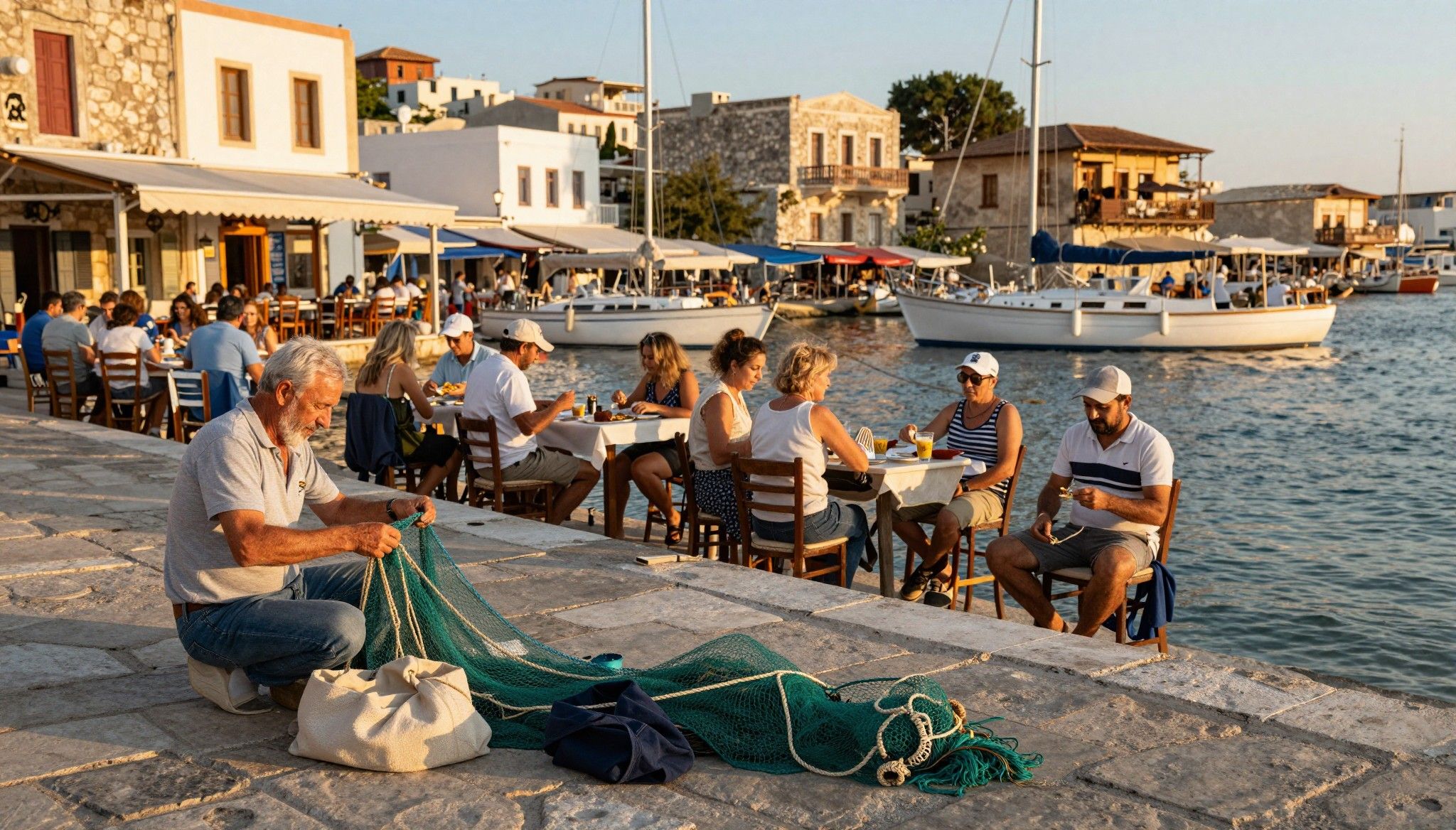
Imagine a morning in Limassol: espresso served in a small porcelain cup on a shaded pavement table in Agios Nicolaos, fishermen mending nets at the harbour, and a short walk to a limestone townhouse whose courtyard blooms with bougainvillea. That particular pleasure—sunlight, sea, and a street life that feels both Mediterranean and quietly cosmopolitan—explains why buyers look to Cyprus. Yet the question that follows is practical: how do you finance that life here? This piece starts with the life you might buy and then, deliberately, overturns the most persistent mortgage myths about Cyprus with current data and actionable steps. The aim is not to sell optimism, but to pair the island’s sensibilities with clear borrowing options and local realities.
Living the Cyprus Lifestyle
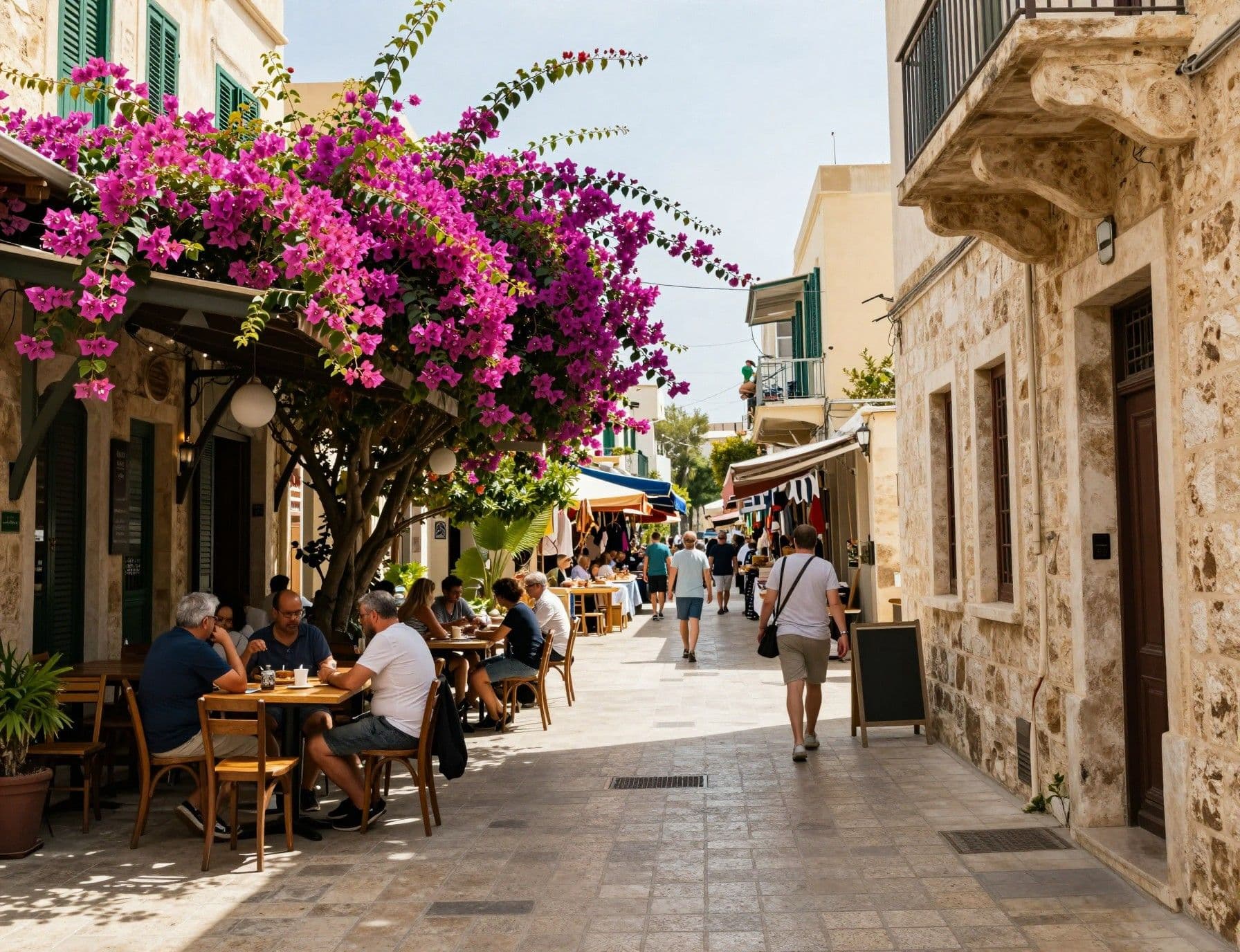
Cyprus offers a diversity of daily rhythms: Nicosia’s shaded courtyards and revived neoclassical façades, Paphos’s sleepy mornings by the Roman mosaics, and Larnaca’s long promenade where families promenade after work. The island’s compact scale means weekend rituals—sea swims, long meals of halloumi and slow-cooked lamb, and markets stacked with citrus—become habitual quickly. For many international buyers, the appeal is not merely climate but the distinct neighbourhood identities—old-town streets, coastal avenues, and village lanes—that promise different versions of belonging. That variety also shapes what type of mortgage or financing will suit you: a restored village house, a modern seafront apartment, and a small investment block each carry different risk profiles and lending paths.
Neighbourhoods that define life
If you want mornings of pastry and conversation, explore the old streets around Larnaca’s Saint Lazarus church or the cafés on Limassol’s Anexartisias. For muted elegance and a sense of provenance, the suburbs of Kato Paphos—stone terraces and low-rise villas—offer quiet privacy with historic anchors. Nicosia’s north-south seam has become a place for collectors and conservation-minded buyers seeking restoration opportunities. Each area favors particular property types and therefore different lending considerations: coastal developments often have developer-linked finance and VAT considerations, whereas village restorations require loans that accommodate renovation budgets and staged draws.
Food, markets and the weekly rhythm
Weekends in Cyprus move at market pace: souvlaki stalls beside fruit-sellers, freshly caught fish at Larnaca’s market, and a steady supply of mezze in tavernas where neighbours trade news. These scenes matter for buyers because lifestyle-locational fit often outweighs headline returns—your property’s rental appeal, upkeep demands and local management needs are shaped by where you place yourself on that map. From a financing perspective, properties near established amenities typically show steadier demand and clearer resale comparables, which local lenders favour when valuing security and deciding loan-to-value ratios.
Making the Move: Practical Considerations

The Cypriot market has shown steady price growth but with clear signs of moderation in recent quarters, a nuance visible in the Central Bank’s Residential Property Price Index and the Statistical Service’s revised House Price Index. Those indices matter for buyers planning borrowing because lenders refer to recent comparable sales when setting loan amounts and stress-testing against future price movement. In practice, banks in Cyprus will assess income, the property’s resale market and your residency status; each factor can shift the mortgage terms offered.
Property styles and what they mean for borrowing
New seafront apartments often qualify for conventional mortgages and sometimes short-term developer finance; their valuations are informed by recent sales in the same block or development. Traditional village houses or listed buildings, attractive to stewards of provenance, frequently require renovation budgets and may be financed with a combination of a capital mortgage and renovation drawdowns. For investors looking at small blocks or holiday let stock, lenders will look at proven rental income and management arrangements; some banks apply more conservative loan-to-value limits on income-producing assets.
Working with local experts
A local lawyer and an experienced Cypriot broker are the two essential guides when structuring finance. Lawyers ensure title clarity and check for planning irregularities; brokers explain which Cypriot bank products fit a non-resident profile and whether you should consider fixed versus variable rates or shorter amortisations. Importantly, reputable advisors will require authenticated proof of funds and clear source-of-funds documentation—not a formality but a gating factor for approval under anti‑money‑laundering rules. Choose advisors who have handled cross-border lending and who can liaise directly with bank credit teams.
- Checklist: finance-related documents to prepare
- Certified passport and proof of address (recent utility bill)
- Three most recent payslips or audited company accounts for the last two years
- Bank statements showing source of deposit and savings history
Insider Knowledge: What Expats Wish They’d Known
Expats commonly report surprise at three practical realities: the local pace of paperwork, how much value accrues to well-located, well-maintained stock, and how residency status alters lending. Since May 2023, permanent residency rules for investment were updated and remain a relevant consideration for buyers planning longer stays; a qualifying immovable investment threshold (typically noted at €300,000 for certain categories) changes the calculation of whether property purchase can support residency ambitions. Lenders take residency into account; residents often access more favourable loan-to-value ratios than short-term non‑residents.
Cultural integration and daily life
You will find English widely spoken, particularly in coastal towns and among professionals, which eases the transition. Still, building community requires small rituals: regular visits to the bakery, knowing the barista at the kafeneion, learning where municipal services operate and understanding the seasonal cadence—summer festivals, quieter winters in mountain villages. These elements influence practical matters such as whether you need a management company for holiday rentals, how soon you should budget for maintenance, and whether predictable year-round rental income is realistic for a particular neighbourhood.
Long-term living and financial stewardship
Think of a purchase in Cyprus as an act of stewardship as much as investment. Properties that respect local materials—stone courtyards, timber shutters, and shaded terraces—tend to hold character and attract owners who value long-term care. From a finance point of view, account for periodic costs (building regulation upgrades, insurance, occasional stonework) and consider a conservative leverage strategy; recent market analyses show steady but moderated price growth, suggesting prudence in selecting amortisation schedules and contingency buffers.
- Six steps to structure a sensible Cyprus mortgage
- Engage a Cyprus lawyer to verify title and encumbrances before committing to any deposit.
- Obtain pre-approval from two local banks or an international bank with Cyprus operations to compare loan-to-value and rate structures.
- Budget for purchase-related taxes and registry fees, and verify whether VAT applies—developer-led sales may include VAT which affects cashflow.
- If renovating, agree staged drawdowns and independent certification of works to match lender release conditions.
- Consider a mixed-rate strategy where part of the loan is fixed to insulate near-term budgets and another part is variable to preserve refinancing optionality.
- Finally, ensure clear documentation of source of funds—Cypriot banks exercise stringent AML checks and delays can derail approvals.
Common lender behaviours worth knowing
Banks tend to be conservative on loan-to-value for non-EU nationals, often offering 60–70% for main residences and lower for buy-to-let or commercial. Many lenders will insist on local valuation and may apply a discount to asking prices when calculating their security. Also expect careful checks on your debt-to-income ratio and a requirement that your monthly repayments be manageable within local affordability tests. These behaviours are designed to protect both borrower and bank in a market that, while resilient, has shown episodes of faster appreciation and subsequent moderation.
Conclusion: the marriage of life and prudence
Cyprus is a setting that rewards measured decisions: neighbourhoods that suit your daily rituals, properties that invite stewardship, and financing that mirrors both your ambitions and tolerances. Begin with the life you want—morning markets, restored stonework, terrace dinners—and then work backwards to a financing structure that preserves that life rather than stretching it. Engage a local lawyer, secure comparative pre‑approvals, and budget conservatively for maintenance and contingency. When approached with taste and discipline, borrowing in Cyprus can be not an obstacle but a refined instrument to realise a sustained Mediterranean life.
Norwegian with years in Florence guiding clients across borders. I bridge Oslo and Tuscany, focusing on legal navigation, cultural context, and enduring craftsmanship.