Greece: Lifestyle Costs and the Value Behind the Price
Greece’s lifestyle variations — city heat, island lull, inland calm — shape true living costs; marry local insight with market data to buy a home that feels lived in and financially sane.
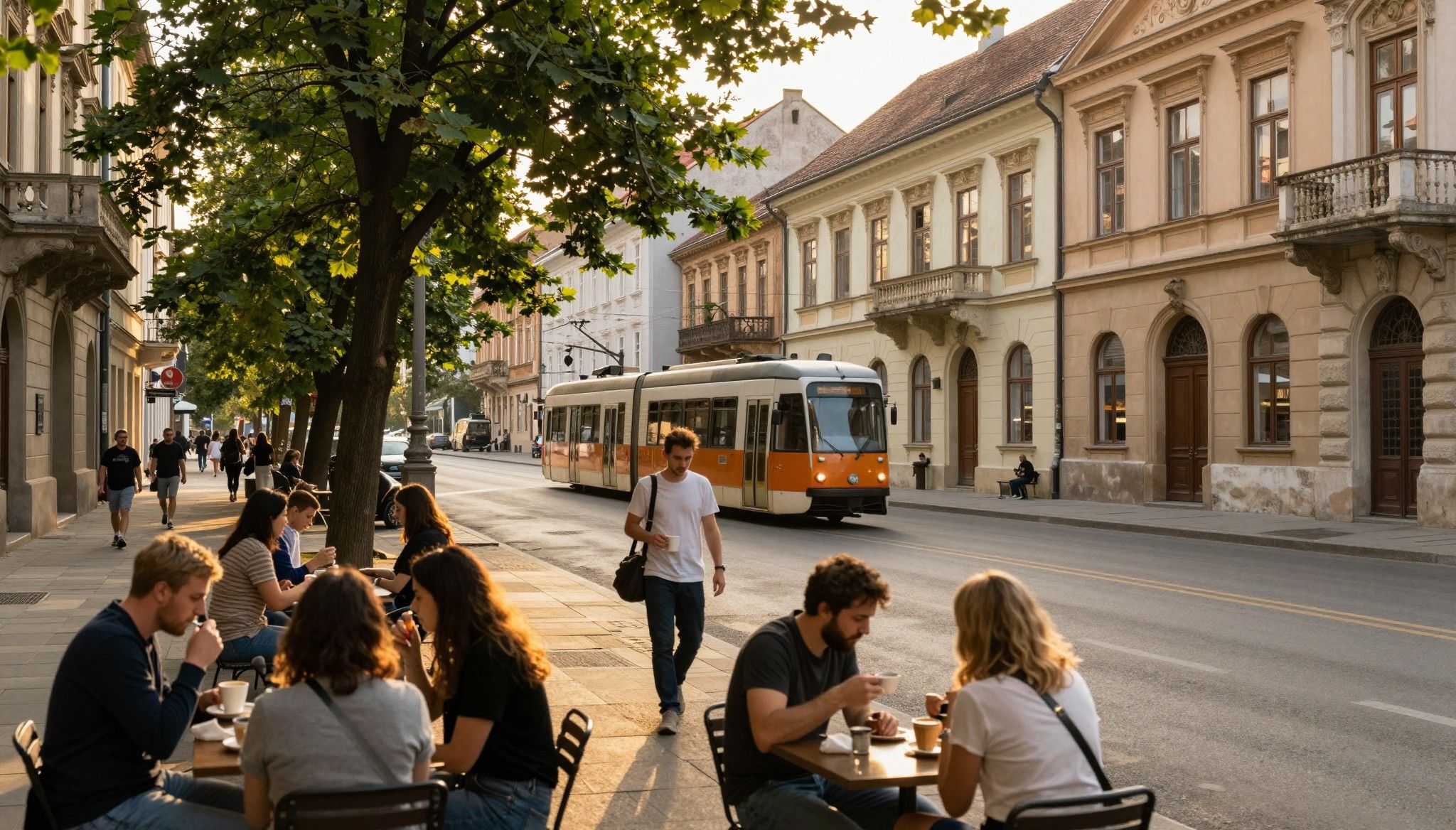
Imagine morning light on a narrow Athenian street: espresso steamed by a barista who knows your name, a delivery of freshly baked koulouri, and a neighbour wheeling home crates from the Central Market. This is the rhythm most buyers dream of — and why cost matters less when you picture daily life rather than price per square metre. Yet Greece is frequently misunderstood: islands seem uniformly expensive, Athens appears chaotic, inland regions feel invisible. Here, we set those myths beside measured data and local colour so you can love the place and buy with clarity.
Living the Greece lifestyle
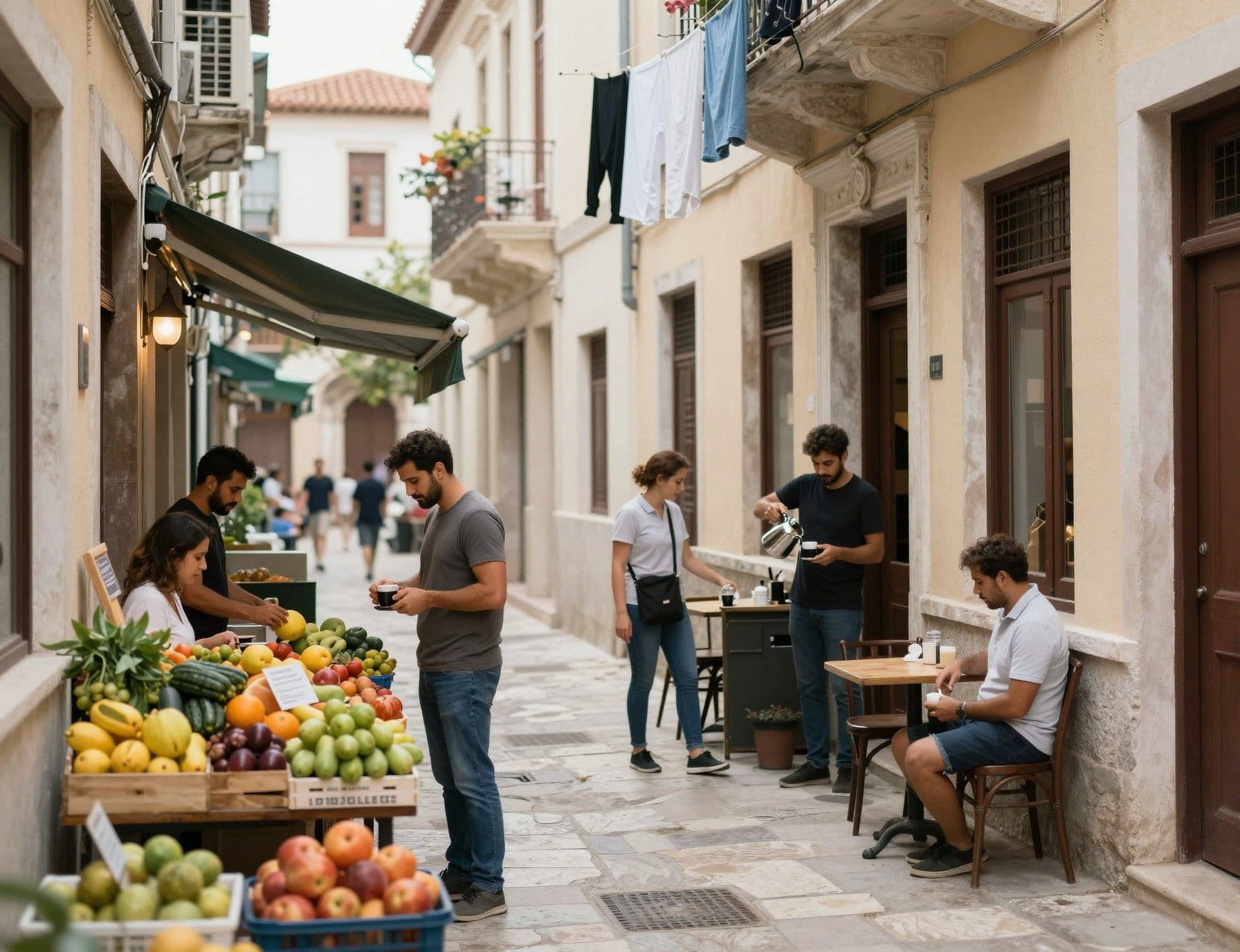
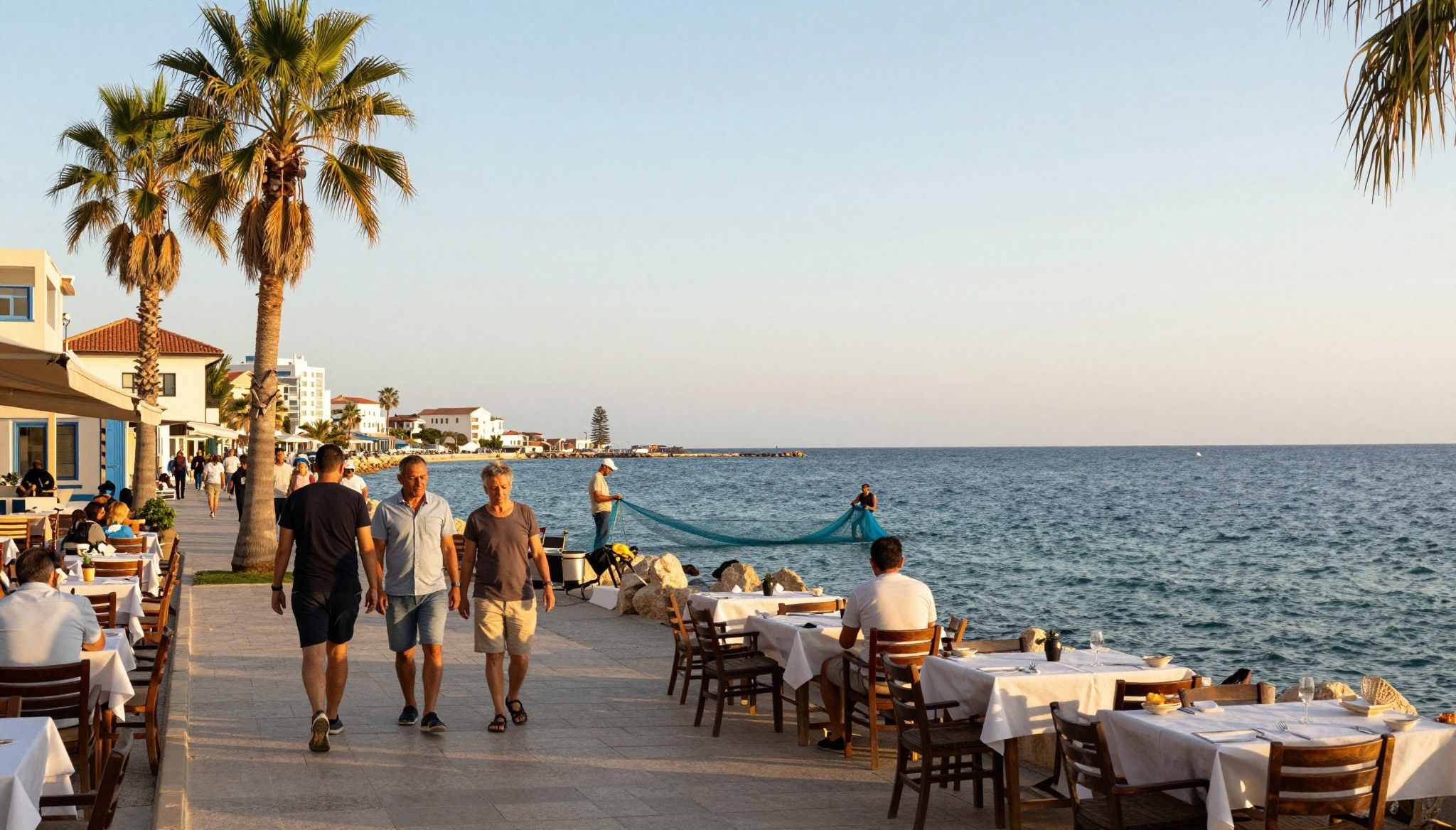
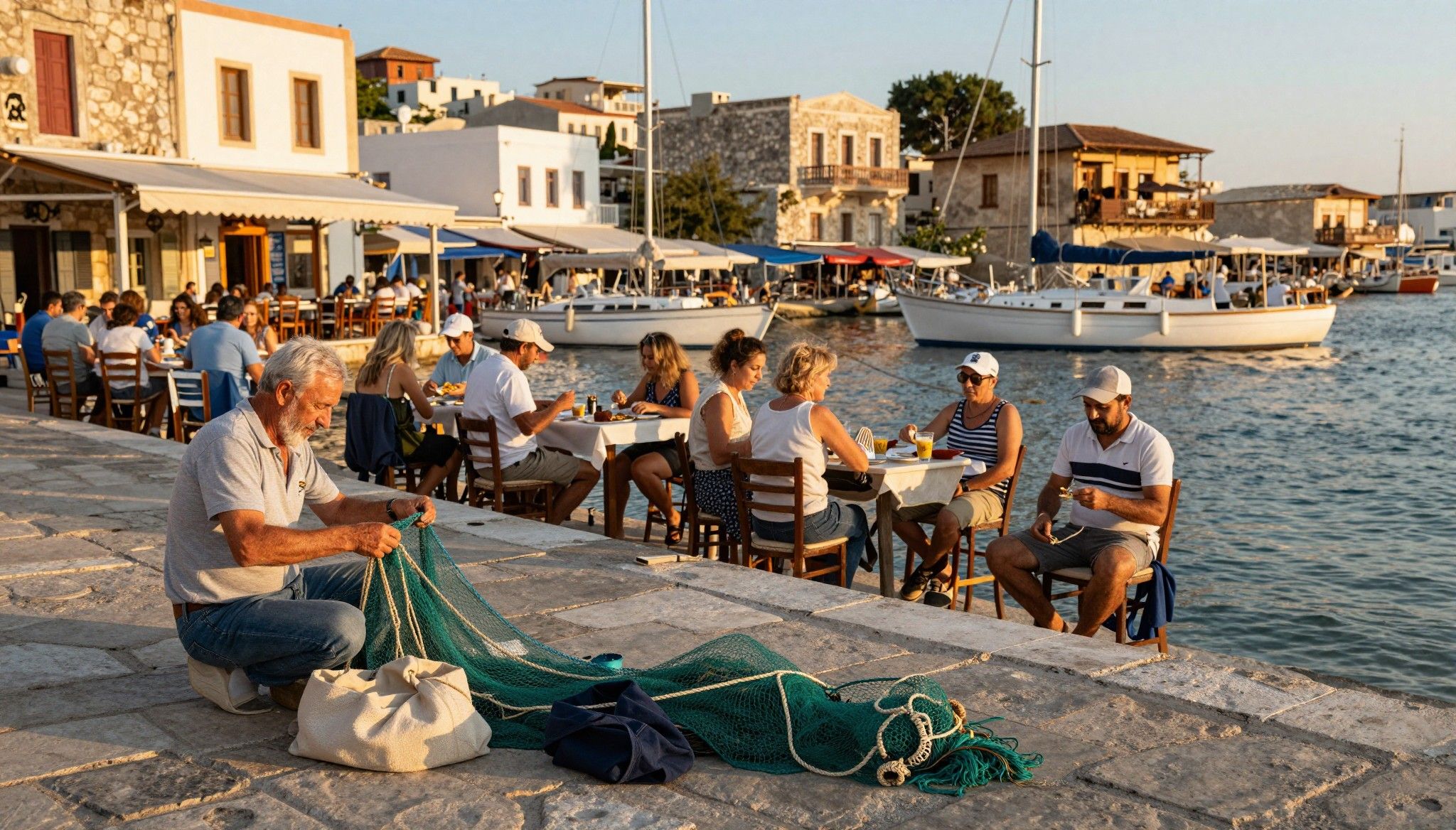
Greece is lived outdoors. Streets are social rooms where morning coffee, a mid‑day market run and a late evening paseo stitch together seasons. Whether in a neoclassical apartment in Plaka, a stone manse in Nafplio, or a whitewashed terrace on Paros, life is paced by light, neighbourliness and regional produce. Expect modest traffic noise in Athens, languid coastal rhythms on the islands and quieter, community‑centred days inland. These differences shape everyday costs: dining frequently with friends raises food spend, while reliance on local produce lowers supermarket bills.
Athens: stoic history, lively neighbourhoods
Walk from Koukaki toward the Acropolis and you’ll pass small bakeries, quiet backstreets and compact, well‑built flats with high ceilings. Kifisia, by contrast, is leafy and residential — a town within a city where cafés spill onto boulevards. Glyfada offers seafront promenades and a different tempo: shopping, yachts and evening dining. These neighbourhoods show why lifestyle, not headline price, determines your monthly spend: a central apartment with a shared courtyard will cost differently in upkeep and utilities than a modern penthouse with full concierge.
Islands and regional contrasts
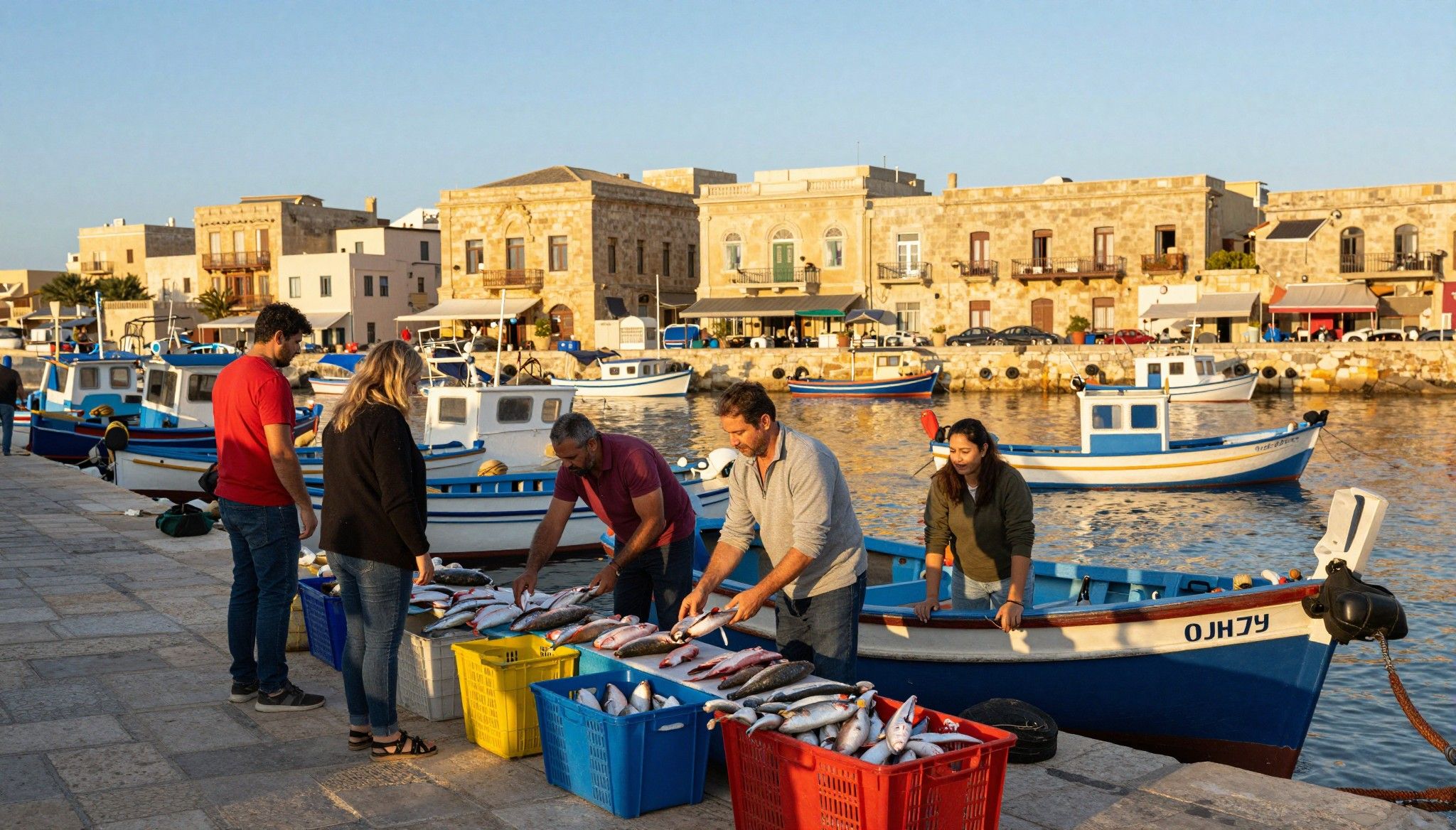
Not all islands are equal. Mykonos and Santorini carry global demand — and with it, higher purchase prices and seasonal service costs. Paros, Naxos and parts of Crete feel more village‑scaled: strong local markets, family‑run tavernas and lower everyday costs outside peak months. Inland Peloponnese and Epirus offer unexpected value: stone houses, olive groves and economies shaped by agriculture rather than tourism. Seasonal living is key — long winters lower utility costs but raise heating bills where stone construction is uninsulated.
- Neighbourhood and lifestyle highlights
- Koukaki (Athens) – morning cafes, close walk to monuments, compact classic apartments.
- Kifisia – tree‑lined avenues, family life, higher concierge and maintenance expectations.
- Paros/Naxos – island markets, quieter off‑season costs, strong community food culture.
Making the move: practical considerations
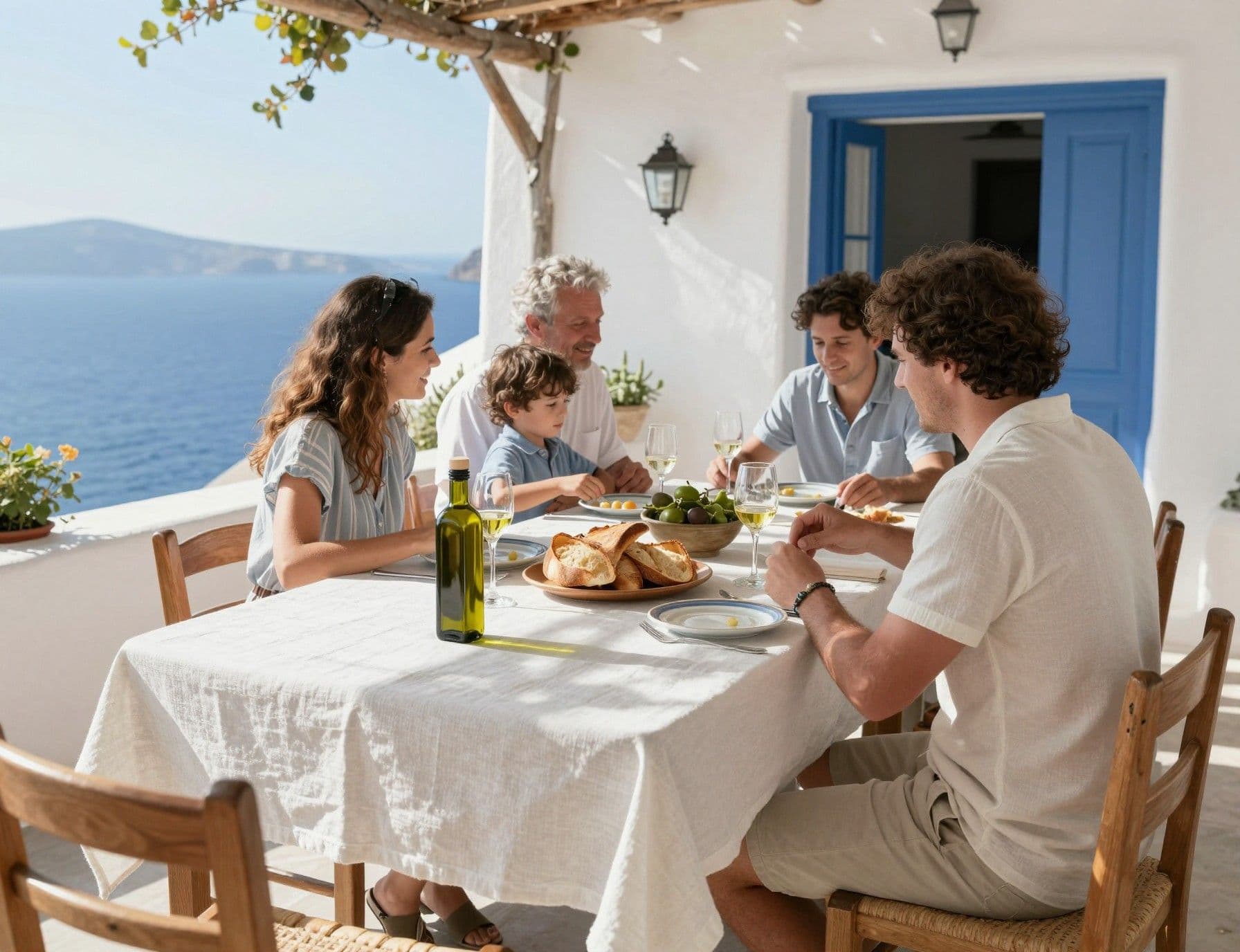
Dreams meet invoices: property taxes, energy costs and the rhythm of seasonal occupancy will decide whether a home is a pleasure or a financial burden. National indices show rising prices in cities and popular islands — the Bank of Greece notes marked increases in urban price indices — but regional inventory and property type vary widely. Consider how you will use the property: full‑time residence, seasonal retreat or a rented asset. Each choice alters maintenance, insurance and tax profiles.
Property styles and everyday costs
Stone houses, neoclassical flats, modern blocks and new builds each carry different running costs. Older masonry homes offer cool interiors in summer but may need insulation upgrades and heating works that spike short‑term spend. Newer apartments have efficient systems yet higher communal fees where services are extensive. Savills research highlights how prime segments behave differently from mainstream stock; expect higher maintenance but steadier values in properties with documented restoration and good materials.
Working with local experts who know the lifestyle
A local agency should be fluent in neighbourhood life as much as regulation: which streets clear at siesta, where markets run year‑round, and which properties are burdened by unpaid community fees. They also advise on residency matters: the Golden Visa thresholds were revised in 2024 and remain region‑specific — an important factor for buyers seeking residency alongside a lifestyle purchase. An advisor who walks the streets will point to properties that deliver the life you want at the most sustainable cost.
- Lifestyle‑led practical checklist
- Decide primary use: full‑time, seasonal or rental — this clarifies utilities and upkeep expectations.
- Prioritise structural integrity over surface finish: a sound roof and insulation lower lifetime costs.
- Obtain local quotes for communal fees and winter heating early — vendors often understate these.
- Factor in seasonal services (pools, gardens, property management) if renting or absent for months.
Insider knowledge: what expats wish they'd known
Expats often underestimate the social cost of integration and overestimate transaction simplicity. Language matters less for basics but more for neighbourly life: a few phrases open doors to invitations and local repairs. Cost data (Numbeo) shows moderate grocery and restaurant indices relative to major Western capitals, but local habits — frequent dining out, market shopping, island logistics — shape actual budgets. Practical patience repays more than price‑chasing when seeking a home that feels like it belongs.
Cultural integration and daily life
Build relationships with local tradespeople and neighbours early. Many restoration projects are artisan‑led; a trusted stonemason or joiner both preserves craft and reduces surprises. Participate in local markets, volunteer at a school fête or attend seasonal panigyria to understand rhythms that influence property use and cost. These small investments in social capital lessen management headaches and can lower service costs through trusted referrals.
Long‑term lifestyle and stewardship
Good stewardship — proper restoration, sympathetic upgrades and clear documentation — preserves value and keeps running costs predictable. Market reports show continued demand in urban and select island markets; buying with an eye to craft and materials generally outperforms short‑term cosmetic fixes. Treat a Greek property as a small estate: prioritise durable materials, hire local caretakers for absences and document all works to aid future sale and inheritance planning.
Conclusion: fall in love, then plan with precision. Greece rewards those who invest time in its culture, seasons and neighbourhoods. Start by living a week in the area you favour, talk to at least two local agencies, and collect realistic quotes for utilities and communal fees. If residency matters, confirm Golden Visa thresholds for your chosen region before making offers. With taste and discipline, you can secure a property that delivers both the life you imagined and sustainable, transparent costs.
Dutch former researcher who moved to Lisbon, specialising in investment strategy, heritage preservation, and cross-border portfolio stewardship.