Malta: Life, Provenance and Market Trade‑offs
A sensory portrait of Malta that blends neighbourhood life with market realities—how limited land, tourism recovery and craftsmanship shape where and what international buyers should buy.
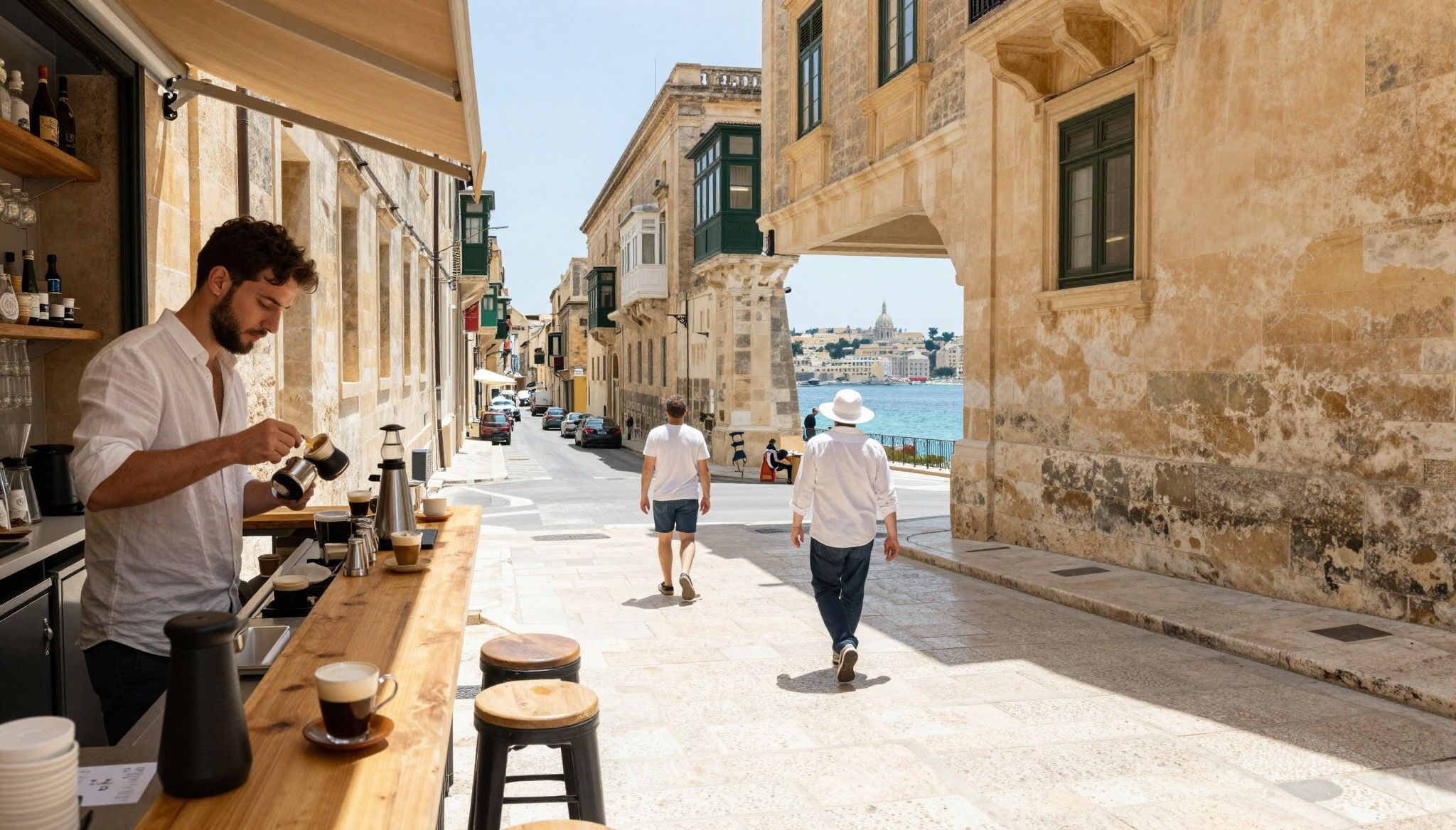
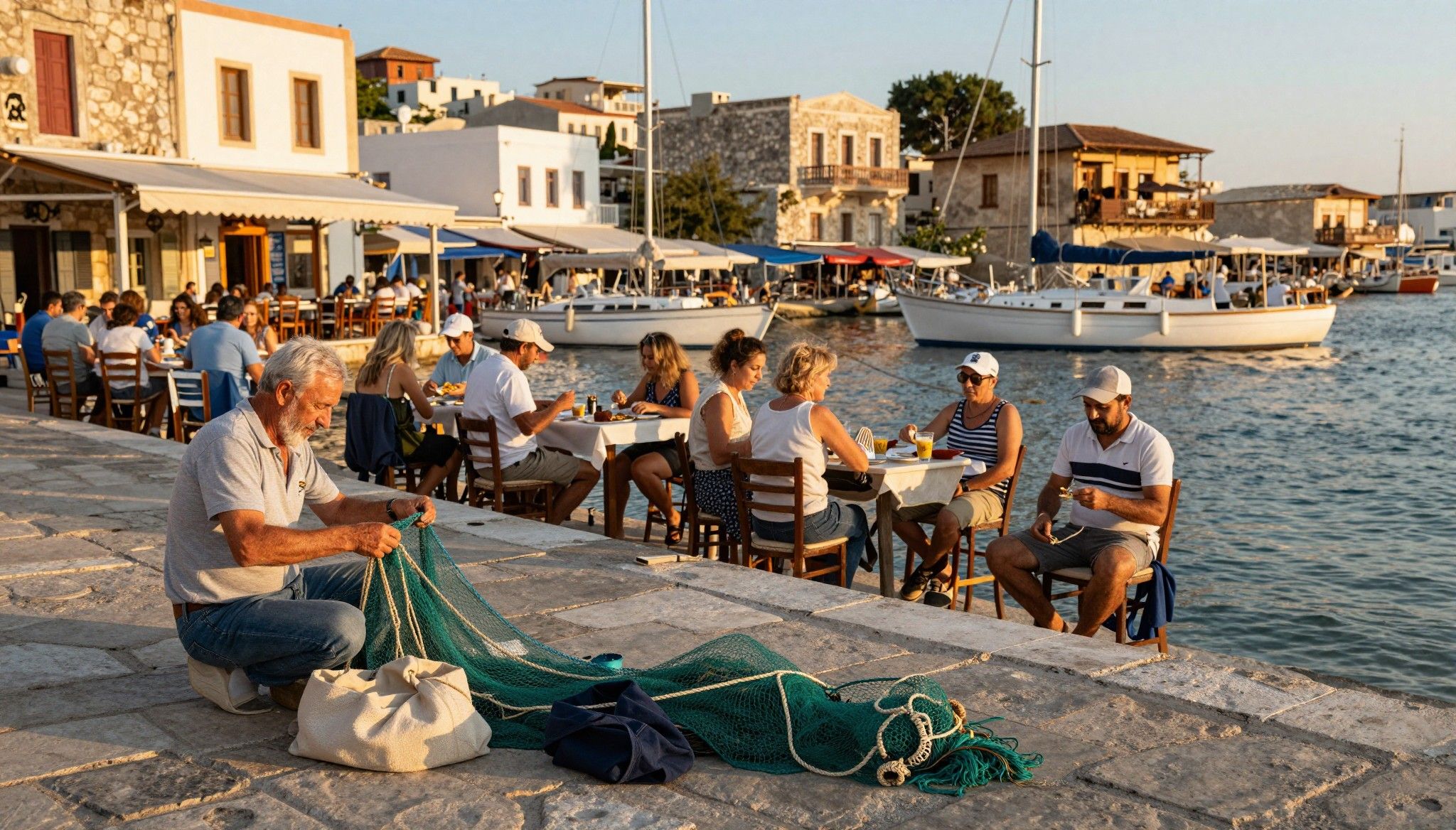
Imagine waking to the low, honeyed light that softens Valletta’s limestone façades, then stepping out for a coffee on Merchant Street as fishermen untangle nets in Marsaxlokk harbour. Malta is compact enough that a weekend can contain a theatre matinée, a hilltop hike, and a swim at Ġnejna Bay; it is also a market where demand outstrips supply and nuance matters. That tension—between an effortless Mediterranean life and a real estate market shaped by tourism, limited land and steady inward migration—is what every international buyer needs to understand before they make a move. According to recent market analysis, prices and transaction volumes remain robust, but the patterns are intensely local and seasonally coloured.
Living Maltese: the rhythm and texture of daily life
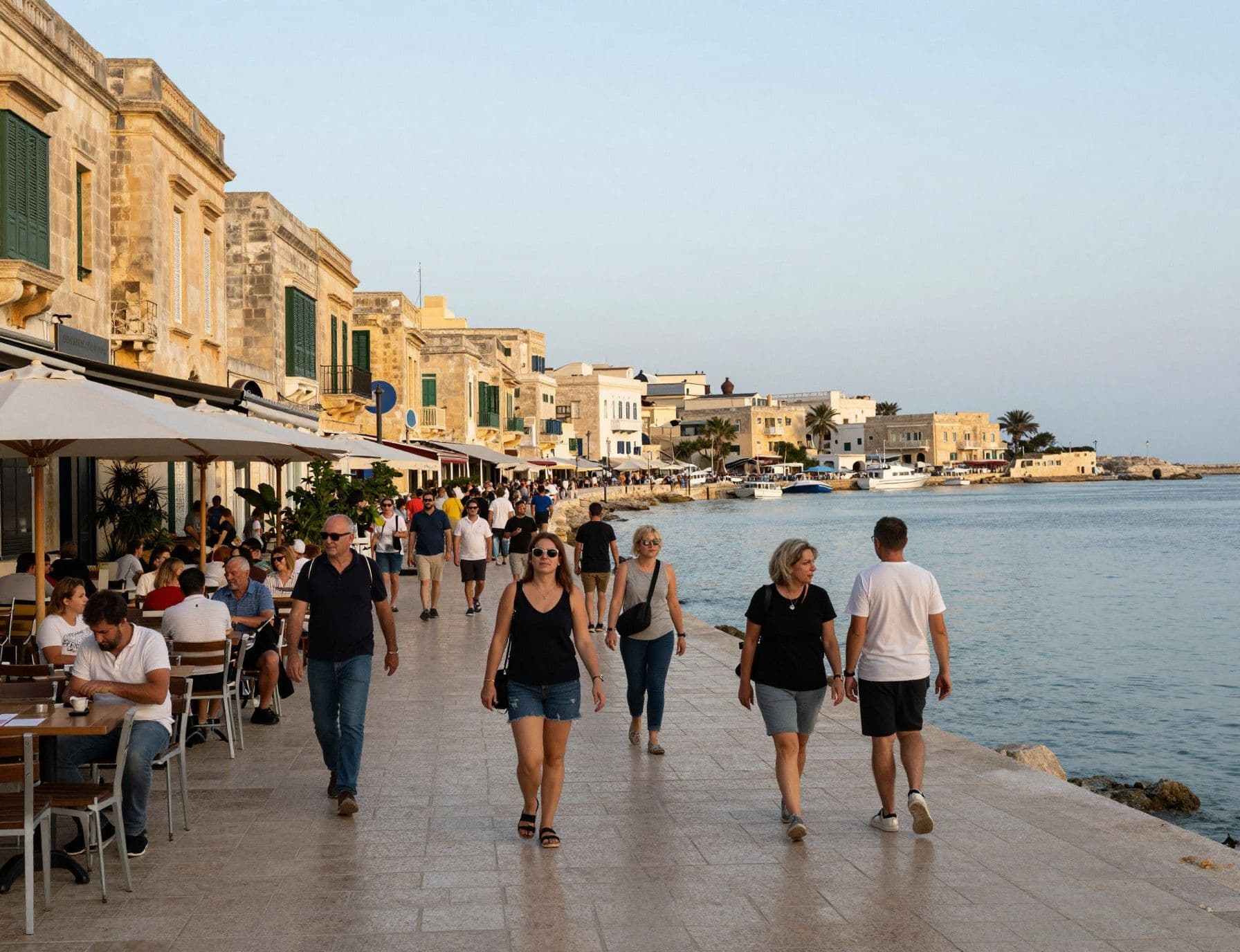
Life in Malta is defined by proximity—short journeys, layered history, and a habit of living outdoors. Mornings begin in small cafés with porridge-smooth espressos, afternoons unfurl along the waterfronts of Sliema or St Julian’s, and evenings gather in intimate neighbourhoods where restaurateurs serve rabbit stew and fresh lampuki. The island’s bilingual character—English and Maltese—lowers the language barrier for many buyers while its scale preserves a feeling of being among neighbours rather than in an anonymous city. For a buyer seeking a lived-in, immediate connection to place, Malta offers a mixture of quotidian warmth and architectural legacy.
Valletta & the Three Cities: history as daily companion
Picture mornings beneath the Baroque cornices of Valletta, where narrow alleys open onto sunlit piazzas and small galleries show contemporary Maltese craftsmen. The Three Cities—Birgu, Senglea and Cospicua—offer quieter streets, sheltered harbourside promenades, and buildings of important provenance where restoration is both craft and duty. These areas attract buyers who prize architectural pedigree and the slow pleasures of urban repair: stone balustrades, wrought-iron balconies, and interiors that take advantage of deep walls and high ceilings. Expect properties here to need considered conservation rather than mere cosmetic updating.
North coast: Sliema, St Julian’s and the social calendar
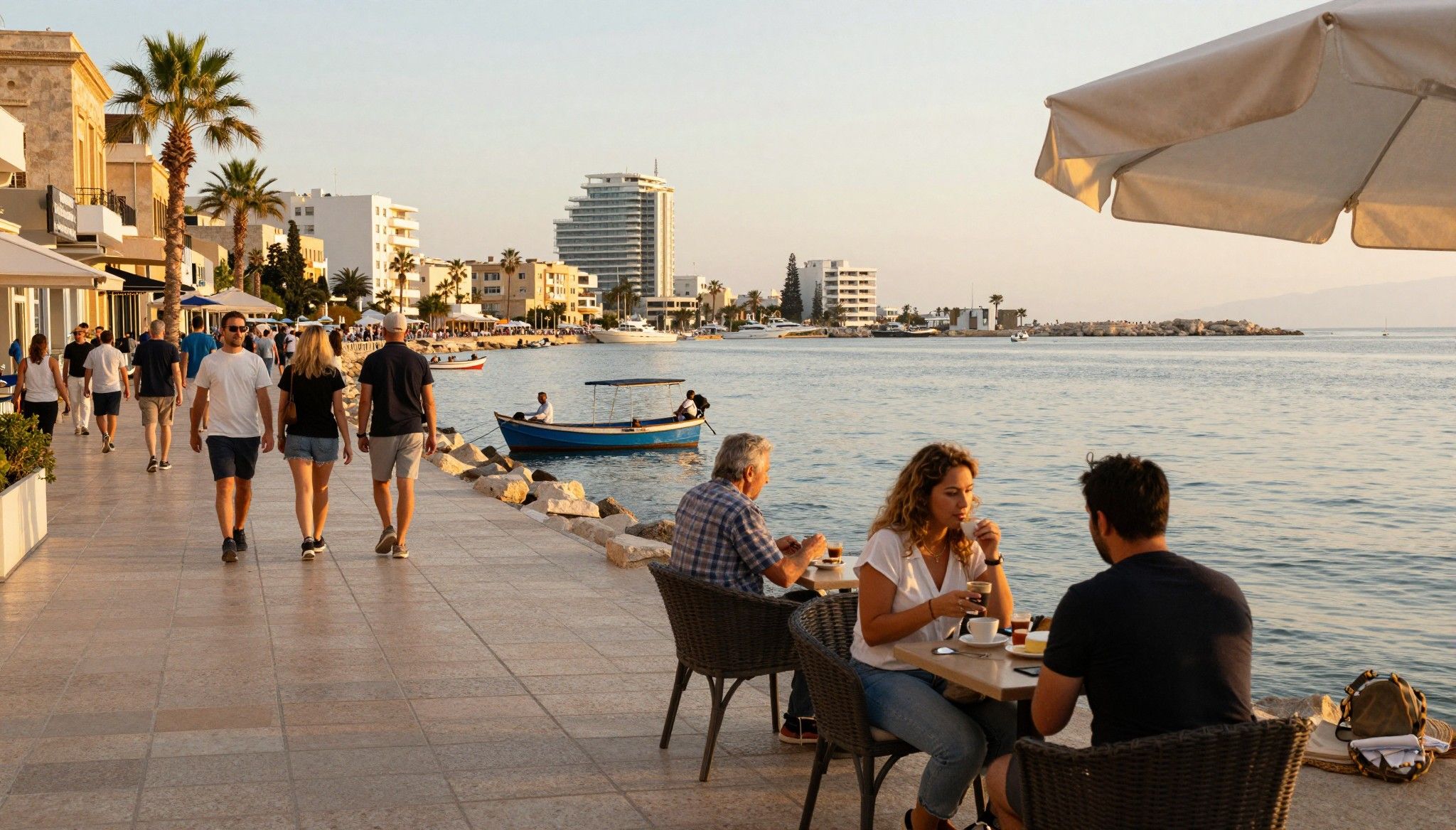
Sliema and St Julian’s are Malta’s most social shores—boardwalk cafés, contemporary apartments, and a calendar of restaurants and clubs that pulse through summer. For families and professionals who value cafés that open at dawn and yacht-lined evenings, these towns deliver convenience and an international community. They also host much of the island’s short-term rental demand, which buyers must weigh against the desire for a settled neighbourhood. If you want evenings that stretch late and streets that feel cosmopolitan, the northern coast offers that energy; if you prefer a quieter provenance, look farther inland or to the south.
- Morning espresso at Café Cordina (Valletta); Sunday market at Marsaxlokk fish market; Sunset swims at Għajn Tuffieħa; Walks on the Dingli Cliffs; Neighbourhood aperitifs on Triq il-Kbira (Birgu); Seasonal village festas in rural towns
Making the move: property realities that shape daily life
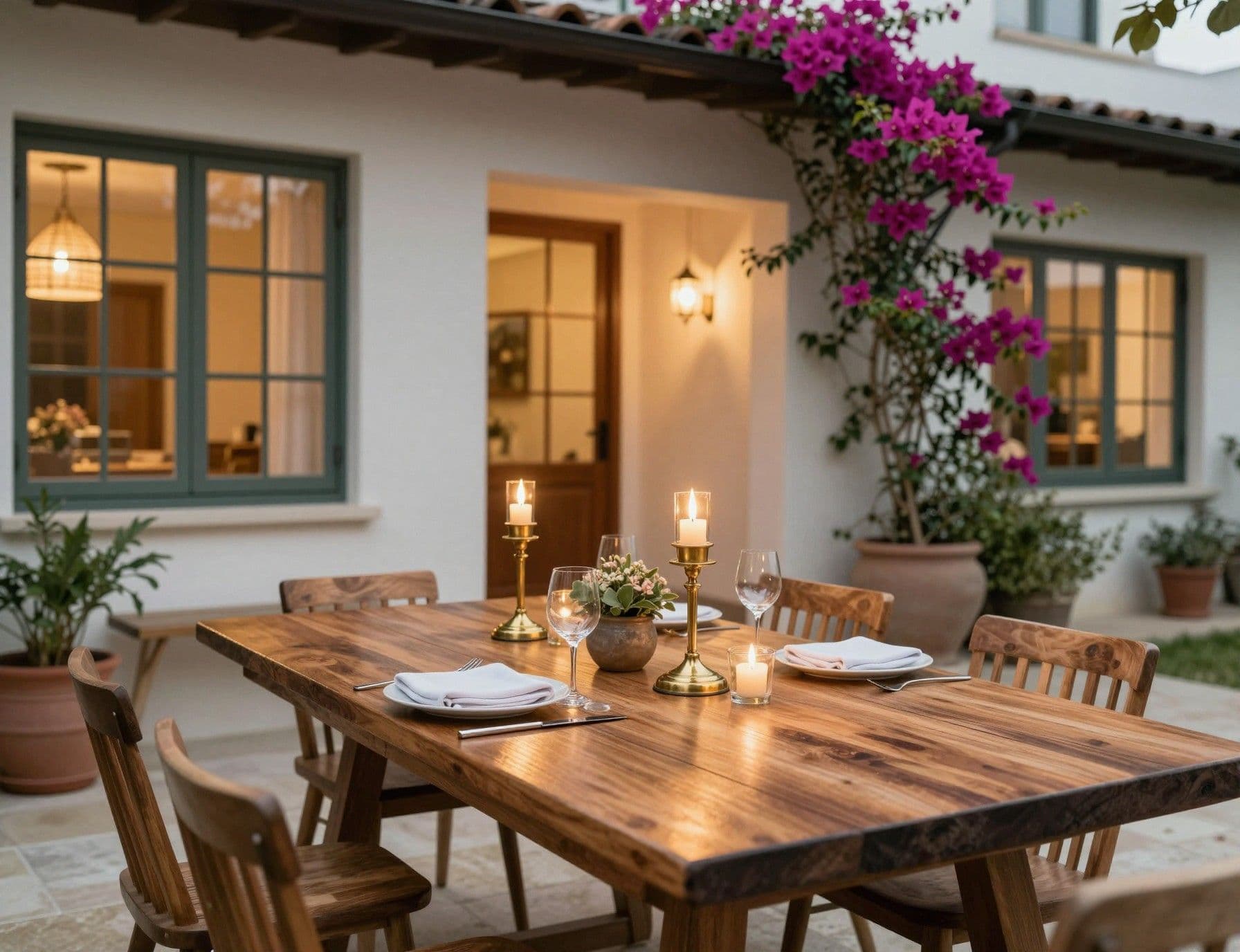
The lifestyle Malta offers is inseparable from its market mechanics: a small land area, strong tourism recovery and rising transactions have concentrated value in well‑connected neighbourhoods. Recent reporting notes more than 12,500 property transactions in 2024, a figure that reflects both local activity and international interest. That means competition for the right addresses—historic maisonettes, terraces with sea views, and well-sited family houses—can be brisk, and buyers should expect to privilege quality of location and craftsmanship over purely numerical comparisons. Your choice of property type will determine not only monthly outgoings but the way you live from day one.
Property styles: what each type offers the way you live
Apartments and modern blocks deliver convenience, proximity to services and lower maintenance; historic townhouses and maisonettes offer period detail, generous rooms and opportunities for sensitive restoration. Seafront penthouses give unrivalled light and views but carry higher insurance and maintenance considerations; rural farmhouses (għajn) present privacy and land but demand a different relationship to services and community. Think not only of square metres but of how thresholds, courtyards, and terraces will change your daily rhythms—do you want a sunlit balcony for breakfast or a cool, stone-lined kitchen for slow dinners?
Working with local experts who know the life as well as the ledger
A local agent who understands festivals, seasonal occupation, the short‑let market and neighbourhood stewardship will protect both your lifestyle and investment. They will advise on subtle value drivers—orientation for afternoon light, proximity to a village festa church, or whether a street is used as a summer promenade—which seldom appear on listing sheets. Expect them to coordinate conservation architects, recommend trusted contractors for lime-stone repairs, and to translate municipal planning nuance into living outcomes. Engage a firm that can show provenance in deals and provide references from international clients.
Insider knowledge: what expats wish they'd known
Practicalities that surprise newcomers are less about paperwork and more about texture: the seasonality of streets, the way terraces fill with life in summer and quiet in winter, and the social rituals that unlock a neighbourhood. Expats say integration often comes through repeated attendance at the same café, the local festa calendar and involvement in community associations. Understanding these rhythms shapes not only your social life but your property’s use—whether you will rent during summer months, host family in autumn or value a permanent, quiet base.
Language, social codes and making a neighbourhood yours
While English eases many transactions, learning basic Maltese phrases and attending local festas will accelerate social acceptance and practical help. Neighbours are an active source of informal advice—from the best plumbers to the quiet time for renovations—and local shopkeepers remember faces. Small courtesies, punctuality for community events and respect for building rituals (such as shared roof terraces) smooth everyday life and protect relationships that matter when your property needs work.
Longer-term considerations are straightforward: monitor national indices and tourism cycles, because both feed local demand. The NSO’s Residential Property Price Index shows continued upward pressure in recent quarters, while tourism rebounds have amplified short‑let appetite and seasonal premiums. Balance expectations by visiting in both high and low season, and consider stewardship costs for historic fabric when you compare headline price per square metre. A property bought for life requires different judgement than one bought primarily for yield.
- Visit properties in shoulder months (April/October) to see everyday life; Prioritise orientation and cross‑ventilation for summer comfort; Inspect lime‑stone and timberwork for restoration needs; Confirm short‑let regulations in target locality; Ask agents for recent comparable transactions within the same street
Malta seduces with light and conviviality, but a lasting purchase is an act of stewardship. Begin by deciding the life you want—daily cafés or quiet courtyards—then work with advisers who can translate that life into an address and a conservation plan. If you prize provenance, budget for craftsmen and seek properties with original fabric; if you favour convenience, focus on modern apartments with reliable management. When you bring both imagination and exacting local advice to the process, you acquire not only a house, but a place in which life can unfold.
- 1. Choose two neighbourhoods and spend three days in each (high and shoulder season). 2. Compile a short list of three agents with proven restoration or expat client references. 3. Commission a pre‑purchase technical inspection focused on limestone, waterproofing and MEP. 4. Set a maintenance reserve equal to 5–8% of purchase price for the first five years. 5. Plan a six‑month integration itinerary: language, festa attendance, local memberships.
If Malta feels right, move forward with quiet confidence: book an extended visit, meet conservation architects and ask a prospective agent to explain how they will protect both lifestyle and value. Villa Curated’s role is to present options that honour provenance and to recommend local partners who understand both craft and community. Begin with experiences—sunlit terraces, the salt scent of the harbours, slow dinners—and let those sensations guide the decisions that will turn a property into a home.
Relocating from London to Mallorca in 2014, I guide UK buyers through cross-border investment and tax considerations. I specialise in provenance, design integrity, and long-term value.